Key Takeaways
1. The average selling price (ASP) for the Apple iPhone Fold hinge is projected to be between US$70 and US$80, which is 20% to 35% lower than previous estimates.
2. Foxconn and Shin Zu Shing have formed a joint venture for hinge production, capturing about 65% of Apple’s hinge orders, with Foxconn leading the direction.
3. This report confirms Foxconn’s direct involvement in producing the foldable hinge, marking a shift from merely assembling final products.
4. The reduction in hinge costs is mainly due to design improvements and Foxconn’s manufacturing efficiency, not a drop in raw material prices.
5. Component suppliers like Amphenol and SZS may face tighter profit margins due to the lower ASP of hinges, impacting their overall profitability.
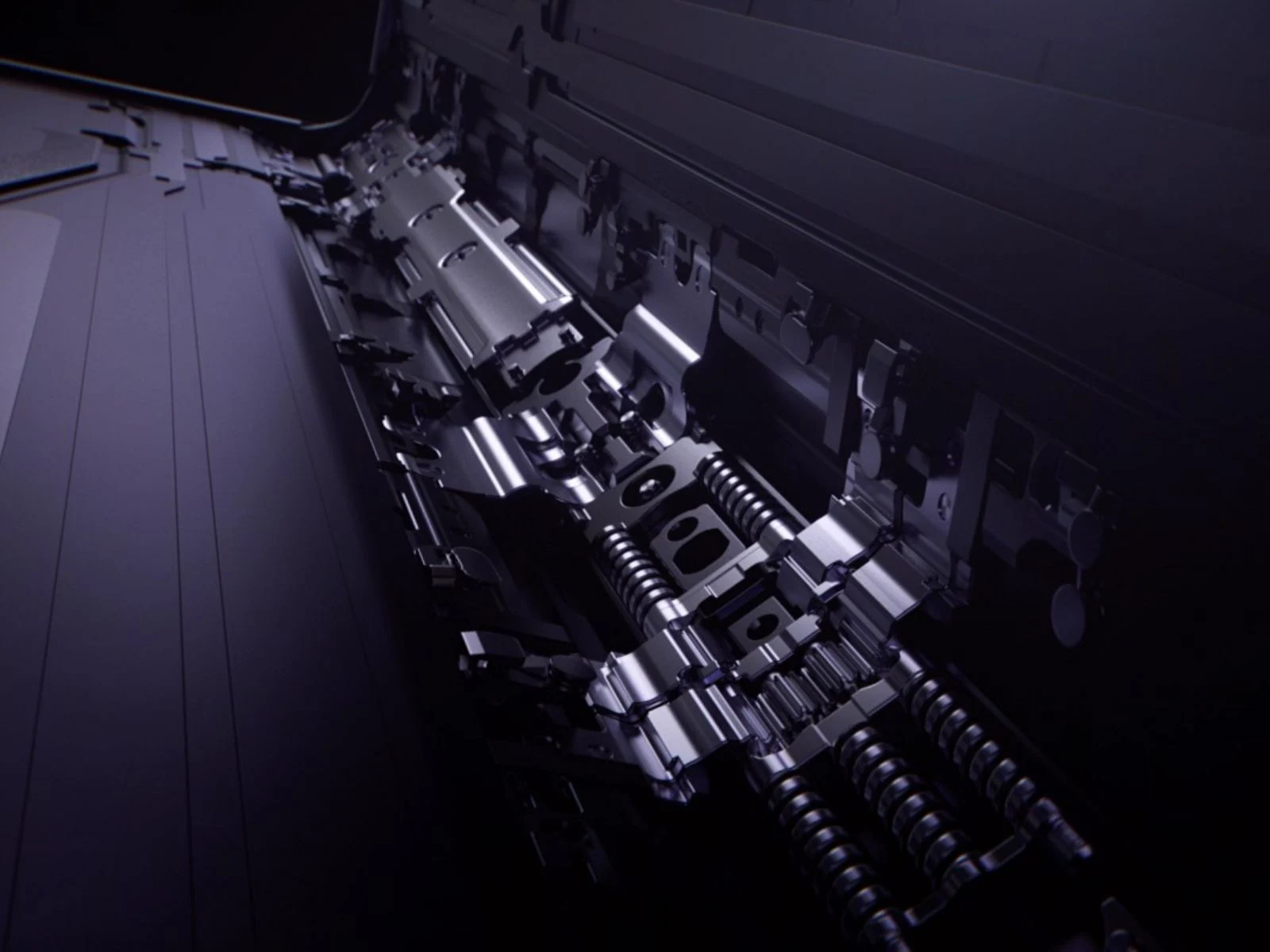
Analyst Ming-Chi Kuo has shared that the average selling price (ASP) for the Apple iPhone Fold hinge is projected to be between US$70 and US$80. This is approximately 20% to 35% lower than previous market estimates, which ranged from US$100 to US$120. The decrease in hinge costs offers Apple more leeway in managing production margins and could lead to a more competitively priced iPhone Fold when mass production kicks off.
Joint Venture Insights
Kuo notes that Foxconn (Hon Hai) and Shin Zu Shing (SZS) have teamed up to create a joint venture (JV) for hinge production, capturing about 65% of Apple’s hinge orders, while Amphenol holds the remaining 35%. Foxconn is believed to have a slightly bigger share in this JV and is steering its strategic direction. This is one of the first verified instances of Foxconn being involved in hinge manufacturing itself, rather than merely assembling the final products.
Manufacturing Developments
This report is a significant confirmation that Foxconn is now directly involved in producing the foldable hinge, not just in the assembly of the finished devices. Earlier reports hinted that Apple had tasked Foxconn with creating prototype foldable cases, but this is the first solid evidence linking Foxconn to hinge production.
Kuo mentions that the reduction in hinge costs mainly results from design improvements and Foxconn’s efficiency in large-scale manufacturing, rather than a drop in raw material prices. The analyst also predicts that Luxshare-ICT may become another hinge supplier after 2027, which would increase competition within Apple’s supply chain.
Challenges Ahead
The report identifies several internal challenges. Amphenol’s smaller market share could indicate a cautious strategic choice, as the company seems to be focusing more on other rapidly growing sectors like AI hardware. On the other hand, SZS might have limited profit margins, as Foxconn dominates the JV and takes a larger cut of the profits. Additionally, SZS has received fewer upstream component orders, which limits its potential earnings.
Given that the hinge ASP is lower than anticipated, component suppliers may face tighter profit margins than what analysts initially expected. In summary, the new information provides a clearer view of the supply chain for the Apple iPhone Fold — a scenario where Apple stands to gain the most from lower production expenses, while its partners, like SZS and Amphenol, could see their profitability squeezed.
Source:
Link