Category: Other

  • Casio MTG-B4000B-1A Launches in US at $1,500

    Casio MTG-B4000B-1A Launches in US at $1,500

    Key Takeaway

    – $1,500 US price for the MTG-B4000B-1A
    – Case developed using a three-step human-AI-engineer process for impact resistance
    – Triple G Resist rating: withstands mechanical shock, centrifugal force, and heavy vibration
    – Powered by Tough Solar charging with Bluetooth and Multiband 6 radio time sync
    – Available now on Casio’s US website with limited stock


    Casio’s Latest Shock-Resistant Watch Reaches America

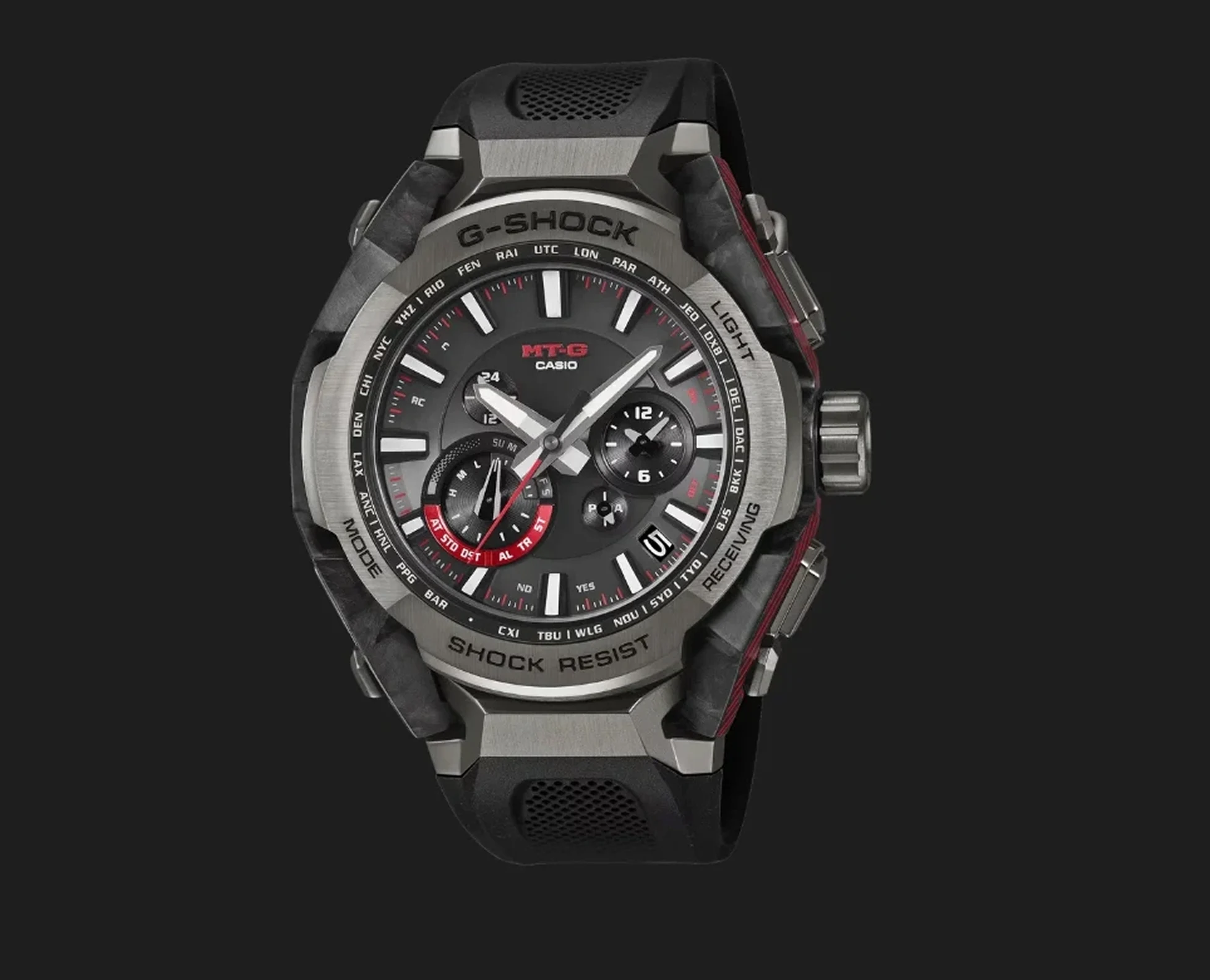
    Japanese watch maker Casio has finally bring the MTG-B4000B-1A to the US, priced at $1,500. The watch was launched in Japan about a month ago. The watch features an enhanced version of Casio’s Dual Core Guard construction, which consists of laminated carbon, glass fiber sheets, and stainless steel in the form of the protective housing for the internal module.

    A Three-Step Design Process That Stands Out

    What is interesting about the development of this particular model is how that structure was developed. Casio used a three-step process, with human designers comming up with the initial concepts, AI software conducting structural stress analysis on those concepts, and engineers using the simulation data to fine-tune the final form. What you get is a case built for impact resistance, not simply designed to a visual template.

    Materials and Construction Details

    The case back is made using metal injection molding, a process that can produce more complex and dimensional shapes than are possible with standard machining techniques. This particular setup sports a black carbon body with red dial accents and a soft urethane band.

    Physically, the MTG-B4000B-1A measures 56.6 by 45.3 by 14.4mm and weighs 112g. It’s called the Casio Triple G Resist, meaning the internal module is rated to endure mechanical shock, centrifugal force, and heavy vibration. The dial is protected by a sapphire crystal with anti-reflective coating, and the case is water-resistant to 200 meters.

    Power and Connectivity Features

    The power is provided by a Casio Tough Solar charging system, which keeps the battery charged by exposure to light. The watch links with Android and iOS devices over Bluetooth using the Casio Watches app that handles automatic time synchronization, alarms, and world time settings in 300 cities.

    • For those who don’t want to rely on a smartphone, the watch includes Multiband 6 radio control, which is able to recieve signals for time calibration from six transmission towers across the globe.
    • The internal battery is good for about five months of use without exposure to any light. Power saving mode on and stashed in the dark, that figure becomes 18 months.

    Availability and Limited Stock Notice

    The MTG-B4000B-1A is available now on Casio’s US website, though the company notes that stock is currently limited.

    Sources
  • KH Collection May Use AI Art for PS5, Switch 2 Covers

    KH Collection May Use AI Art for PS5, Switch 2 Covers

    Key Takeaway

    – Kingdom Hearts 4 trailer shown, plus older games rereleased in a new bundle
    – Bundle cover art accused of using generative AI (e.g., Donald Duck having wrong finger counts)
    – Background details like clock towers and skyscrapers show AI-like inconsistencies
    – Fans believe Tetsuya Nomura didn’t create the AI art; publisher may have recycled assets
    – Critics say Square Enix used AI to save costs, distorting original artwork


    First Impressions of the Kingdom Hearts Collection

    The June Nintendo Direct definitely delivered for fans of the popular Square Enix and Disney RPG. Not only was a new Kingdom Hearts 4 trailer shown but older games is being reintroduced in a new bundle. However the Kingdom Hearts Collection [I~III] is facing scrutiny for allegedly using generative AI artwork.

    Pre-Order Concerns About The Covers

    With an October 8th release date the collection is available for the Switch 2, PS5, and Xbox consoles. Buyers considering pre-ordering the title recognised suspicious-looking retail covers. One of the most obvious examples is with the Switch 2 box where Donald Duck has a different number of fingers on each hand. The background graphics ring even more alarm bells.

    Details on the Suspicious Artwork

    Aspects of the clock tower and skyscraper may be products of genAI tools. Even on the Kingdom Hearts Collection PS5 cover followers detected inconsistencies. The various renditions of Sora depict the series main hero with oddly shaped hands and thumbs. Legendary Square Enix designer Tetsuya Nomura has created the bulk of the artwork for the Kingdom Hearts franchise.

    Fan Theories and Explanations

    Most fans doubt that Nomura himself would resort to machine learning leading them to consider other theories. DekuDraws who is an avid follower of Nomura offered an explanation on social media. He believes the work is authentic noting that on the Switch 2 box one of Donald Ducks mitts is hidden. It’s possible that the publisher used AI tools to separate the illustrations for the alternative covers.

    Possible Shortcuts and Criticisms

    Square Enix may have taken shortcuts to piece together existing illustrations into something new. That would explain the inconsistencies with how the characters positioning. They also don’t seem to blend into the background scenery which likely wasn’t originally drawn with them. At best the publisher is using sloppily designed images to promote the Kingdom Hearts Collection.

    Final Thoughts on The Controversy

    Critics point out that to save costs relying on generative AI to recycle assets can distort an artists work. Tracker_TD@Bluesky and DekuDraws X account has added their voices to the discussion but Square Enix has yet to issue a statement. The debate continues among fans and artists about the ethics of such techniques. This could set a precedent for future video game packaging and promotion. Many hope for clarity before the October release date.


  • Garmin Gear Tracking: Track Distance, Hours & Lifespan

    Garmin Gear Tracking: Track Distance, Hours & Lifespan

    Key Takeaway

    – New gear tracking feature for Garmin Edge cycling computers tracks distance, hours, and days of use for items like shoes, bikes, and components.
    – Automatic logging during activities with alerts when gear approaches end of lifespan to prevent injuries and costly repairs.
    – Replacing components at regular intervals reduces risk of accidents from material fatigue (e.g., tires, drivetrain).
    – Cost savings possible, especially for drivetrains: replacing a stretched chain early is cheaper than damaging an expensive cassette.
    – Components are added and managed in Garmin Connect, where maintenance intervals can be set; some users report unclear instructions.


    Garmin offers not only various smartwatches but also cycling computers. These Edge cycling computers support features such as navigation and can be used for real-time training management. Garmin is now rolling out a new feature to these cycling computers, namely gear tracking, which tracks the distance, hours and days of use of your gear, such as running shoes, bikes and individual components. Gear usage is automatically logged during activities, with alerts when items approach the end of their lifespan, helping users stay ahead of injuries and costly repairs.

    Maintenance Benefits and Cost Factors

    In the best-case scenario, this can even decrease the risk accidents if tires or drivetrain components are replaced or serviced at regular intervals, thus reducing the likelihood of component failure due to material fatigue. There is also a cost factor that can have a significant impact, particularly on the drivetrain: a stretched chain damages the cassette. On high-end derailleurs in particular, cassettes are considerably more expensive than a chain. With cheaper drivetrains, however, it can be acceptable to ride the entire drivetrain until it wears out.

    How the Feature Works and User Feedback

    The components can be simply added to Garmin Connect. Maintenance and replacement intervals can also be set there. According to user reports, the feature is already working, though one user has complained about the communication and lack of instructions.

    Sources
  • Radio Interference in Toys: EU Finds Major Rule Violations

    Key Takeaway

    – 81% of tested radio-controlled toys failed to meet EU regulations.
    – Major violations occurred in transmission power and frequency ranges.
    – 67% of samples came from online retailers, 33% from China.
    – 63% of products had non-compliant user manuals.
    – 22 sales bans were issued, with products flagged in ICSMS.


    Radio Controlled Toys Failing Market Rules

    Products being sold through official channels usualy must comply with regulations which are sometimes highly market specific. This applies for example to foodstuffs cars or toys. If toys operate using radio waves they must not cause interference. For journalists these requirements are sometimes very advantageous as the conformity assesments and their results provide the public with reliable information about devices not yet released.

    Testing Results Show Major Failures

    As part of an EU funded market surveilance campaign 88 radio controlled toys were tested accordingly. 36 out of the 50 RC vehicles tested did not comply with the regulations all 16 radio controlled boats and trains failed and 14 out of 16 walkie talkies and smart toys failed. There were deviations both in terms of the permissible transmission power and the frequency ranges in which signals were generated.

    • 88 total toys tested
    • 36 of 50 RC vehicles non compliant
    • All 16 boats and trains failed
    • 14 of 16 walkie talkies and smart toys failed

    Origin of Samples and Additional Tests

    The samples were collected by market surveilance authorities in 13 countries but not in Germany. 67% percent of the samples originated from online retailers and a third were manufactured in China. In addition to labratory tests for radio frequency compatibility compliance with other regulations was also examined. Specificaly the user manual must meet certain requirements. 63% of the samples failed this test. Combined with the labratory results 71 samples or a staggering 81% did not meet the various requirements. Twenty two sales bans were issued and several products were listed on the ICSMS (International Consumer Electronics Management System).


  • SanDisk 8TB SDUC Cards Launching: New Readers Required

    SanDisk 8TB SDUC Cards Launching: New Readers Required

    Key Takeaway

    – SanDisk will launch new SDUC cards up to 8 TB, including Ultra and Extreme Pro series.
    – These cards require new, dedicated SD card readers, as existing ones are incompatible.
    – Card readers supporting all three standards (UHS-II, SDUC, SD Express) are expected this year.
    – Pricing and specific release dates remain unannounced, but the cards are confirmed to be coming soon.


    New SanDisk SD Cards Coming With Up to 8TB

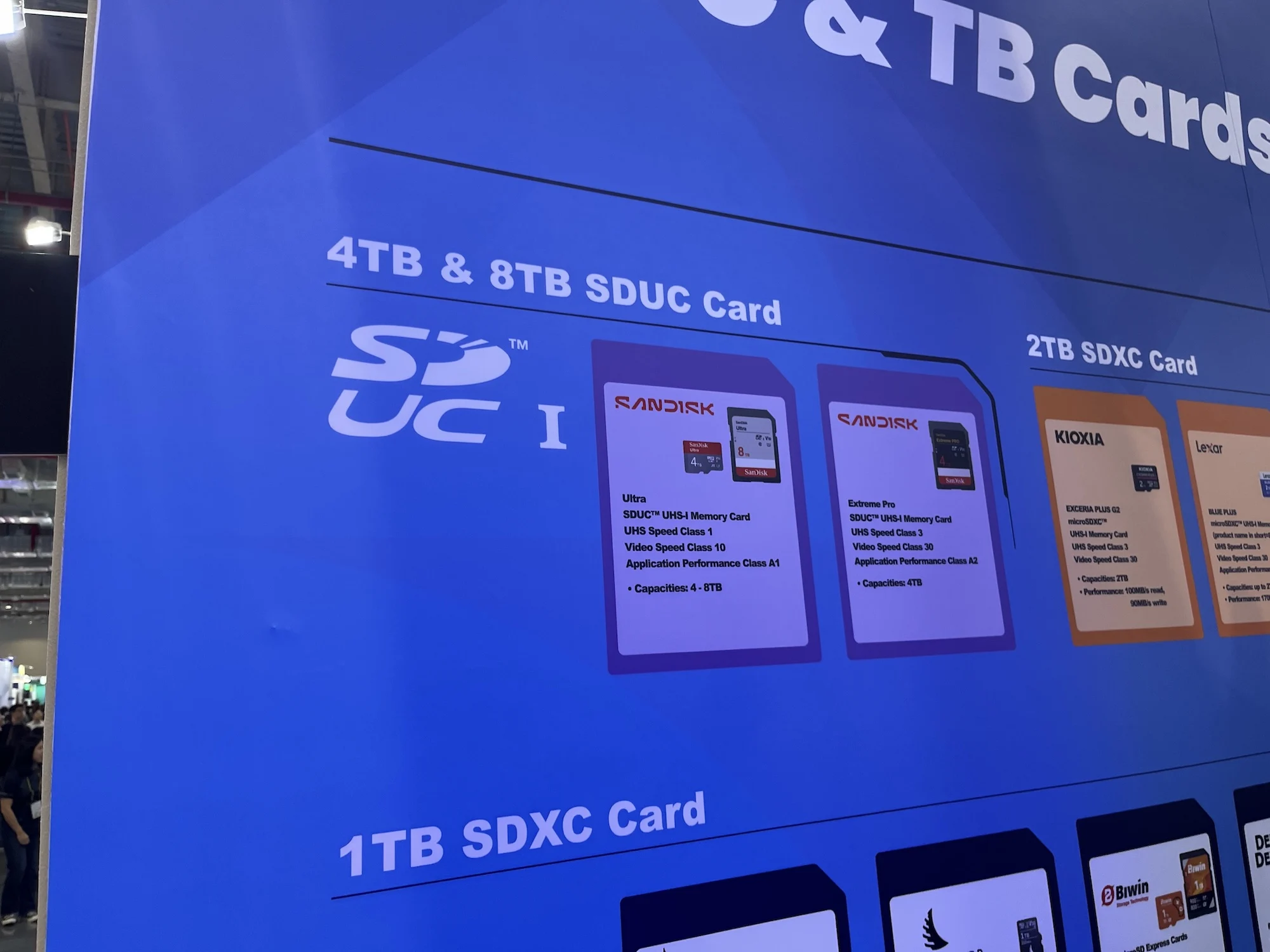
    Unlike its spun-off corporate counterpart Western Digital, SanDisk wasn’t at Computex exactly, but they was still their in a sense with a new product. This is because at the SD Association booth, a poster showed new SD and microSD cards with 4 to 8 TB, which are set to hit the market shortly, as several companies at the booth confirmed to us on-site. The capacity’s are huge compared to what we have now.

    Previous Announcements and New Plans

    This isn’t the first time they announced it. SanDisk already announced a SDUC card back in 2024, which however never actually launched. It was originally planned for 2025 but acording to current information, the 8 TB barrier will now be broken right out of the gate instead. SanDisk is accordingly planning SDUC cards both in its Ultra series and its high-speed Extreme series, so you have options depending on you’re speed needs.

    Series Details and Capacities

    The Ultra series is set to be available as both a microSDUC and a regular SDUC card. The latter is going to max out at 8 TB for the biggest size. The microSDUC card will presumably hit the market with 4 TB which is still a ton of space. The Extreme Pro series, on the other hand, is announced with a SDUC card in the 4 TB tier. Compared to the initial announcement, nothing has changed with this card, though a detailed spec sheet is still missing for it.

    Reader Compatibility Issues

    SDUC cards strictly require new SD card readers to work properly. As things stand, even brand-new SD Express card readers can not handle SDUC cards at all. This also applies to SanDisk’s Pro Reader, which is currently sold out anyway, and that is likely an indicator of new card readers coming soon. However, that was already known beforehand because the SD standard split in a sense in the past timeline.

    UHS-II, SDUC, and SD Express were mutually exclusive in the past, but it is expected that this year, for the first time, there will be card readers that support all three standards together in one single device. Corresponding solutions were on display at Computex. Incidentally, SanDisk reacted only late to several inquiries regarding the new cards, as well as the missing SD Express reader, saying “At the current time, we cannot make a statement on this,” was there general response.

    Pricing and Release Status

    Thus, there is no information on pricing or specific availability at this moment. Nevertheless, the release of the cards can be considered a done deal, because several employees from different companies at the SD Association booth confirmed to us that the cards will be coming soon. We just have to wait for more news from SanDisk and other manufacturers.

    Sources
    • The Next OGame? Free 4X Strategy Game Now on Steam

      Key Takeaway

      – Free-to-play Early Access launched June 5, inspired by OGame and EVE Online
      – Persistent universe with 4X strategy: expand, raid, trade, and form alliances
      – Praised for strategic depth and restrained monetization (no paid advantages)
      – Heavy reliance on AI-generated artwork and minimal animations (menus/text-based)
      – 80% positive Steam reviews; full release planned within one year


      Classic Space Strategy Returns

      Nexus Legacy could be just the thing for players who once logged into OGame intending to “just send out the fleet” – only to spend the rest of the night calculating resources, construction timers and attack windows. Like OGame, it is built around a persistent online world with 4X strategy elements. The game launched in free Early Access on Steam on June 5 and has received mostly positive feedback so far. According to the developers at Nexus Legacy Team, Early Access is expected to last around one year. The title is also planned to remain free after its full release.

      Empire Building and Expansion

      Players start with a single planet, where they build mines, laboratories, shipyards and defensive structures. From there, the empire gradually expands through new colonies, outposts and space stations. These provide more resources and strategic options, but also increase the area that needs to be defended. All players share the same persistent universe, developing their empires in parallel, observing rivals, raiding weaker targets and forming alliances. When it comes to politics, diplomacy and trade, Nexus Legacy also appears to take some inspiration from EVE Online.

      What Players Think

      Players have praised the strategic depth and the clear influence of classic browser-based 4X games. Another positive point is the restrained monetization, which currently avoids paid gameplay advantages. The universe is described as large and offers several progression paths, allowing players to specialize as warlords, industrialists or diplomats. Criticism mainly concerns the extensive use of AI-generated artwork. It is also worth noting that Nexus Legacy does not play like a traditional 4X strategy game such as Civilization VII or Stellaris. The game is largely built around menus, images and text, with barely any animations. Of the roughly 30 user reviews currently available on Steam, 80% are positive. Steam Deck compatibility is still listed as “Unknown.”

      • Free-to-play on Steam
      • Early Access launched June 5
      • Expected one year in Early Access
      • Planned to remain free
      • Single planet start with mines, labs, shipyards
      • Colonies, outposts, space stations
      • Persistent universe with all players
      • Politics and trade inspired by EVE Online
      • Strategic depth praised
      • No paid advantages currently
      • Large universe with multiple paths
      • AI-generated artwork criticized
      • Menu and text based, few animations
      • 80% positive reviews
      • Steam Deck status unknown


      Sources

    • Donut Lab’s Miracle Battery: Just Conventional Lithium

      Donut Lab’s Miracle Battery: Just Conventional Lithium

      Key Takeaway

      – Donut Lab’s “miracle battery” is likely a conventional lithium-ion battery, not a solid-state breakthrough.
      – Over 20 independent experts, including from Fraunhofer Institute, confirmed the battery’s voltage curve and physical behavior match standard Li-ion.
      – Advertised energy density of 400 Wh/kg is false; tests show only 298 Wh/kg.
      – Claims of 100,000+ cycles, 5-minute charging, and lower costs are considered misleading or unsubstantiated.
      – Marketing claims, such as installation in mass-produced motorcycles, are contradicted by available evidence.


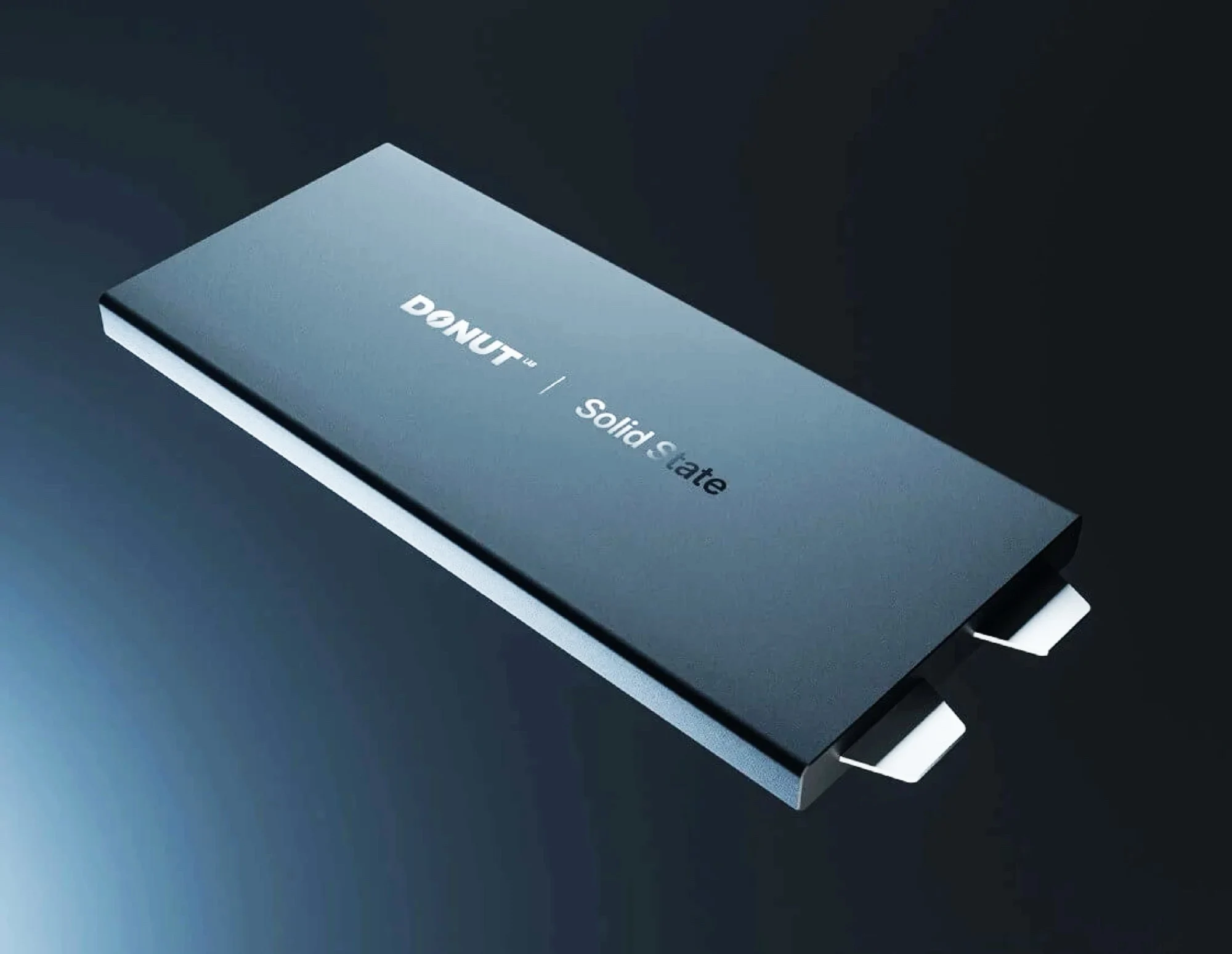
      The Finnish start-up Donut Lab was founded in August 2024 and already had a valuation of $1.25 billion after CES 2026. The company has so far generated around $25 million in investments, most of which come from small investors. Over the past few months, there have already been several doubts about the miracle battery because the advertised specifications simply seem too good to be true.

      Promised Specs That Raise Eyebrows

      Donut Lab promises an energy density of 400 Wh per kilogram, a service life of over 100,000 charging cycles, a charge from 0 to 80 percent in 5 minutes and even lower costs compared to lithium-ion batteries. Research from the YouTube channel Ziroth reveals numerous other indications that the “miracle battery” is a sham. This is because the marketing is said to be almost entirely false or misleading. For example, the battery from Donut Lab is not installed in any mass-produced motorcycle, although the manufacturer’s website still claims this.

      Expert Consensus Reveals The Truth

      What is particularly damning, however, is that Ziroth’s report consulted over 20 independent experts, including Julian Zanau from the Fraunhofer Institute, and they all came to the conclusion that Donut Lab’s solid-state battery is in fact just a conventional lithium-ion battery. This is because both the voltage curve and the physical changes in the battery when it is charged between 50 and 70 percent are exactly the same as a Li-ion battery.

      Actual Test Results Contradict Claims

      Tests are also said to have shown that the energy density is not 400 Wh / kg as advertised, but only 298 Wh / kg, as would be expected from a lithium battery with high carbon content. Exactly how Donut Lab’s battery is constructed will only become clear when it is shipped. However, there are currently many indications that the manufacturer’s marketing is not entirely accurate.


      Sources

    • This Free Tool Checks If Your Grocery Store Sales Are Real Deals

      This Free Tool Checks If Your Grocery Store Sales Are Real Deals

      Key Takeaway

      – Lowtein compares weekly flyer prices to official government averages to reveal true deals.
      – It covers hundreds of US and Canadian cities, normalizing prices to common units ($/lb, $/100g, $/dozen).
      – Each item gets a simple label: below average, around average, or pricey.
      – Standout deals (30-50% below average) are flagged as worth a grocery run.
      – No login, no app, no lists—just open the site and your city loads automatically.


      Grocery Sale Tags Arent Always Telling the Truth

      Most grocery store sale stickers are just marketing, not math. A new tool called Lowtein is trying to fix that — by checking weekly flyer prices against official government averages for your city. It’s a neat idea that cuts through the noise.

      How Lowtein Actually Works

      The tool has been built by an independent developer who goes by u/barneycorp on Reddit. The site covers hundreds of cities across the US and Canada. Every week, it pulls meat, fish, dairy, and egg prices from local store flyers, normalizes them to a common unit ($/lb, $/100g, $/dozen), and then compares each price against government benchmarks — Statistics Canada in Canada, the Bureau of Labor Statistics in the US. What you see is a simple label on the aforementioned groceries: below average, around average, or pricey.

      Why Its Not Just Another Deal Site

      “Most sites show you a low price, not whether it’s actually low,” the creator explained in a Reddit post on r/InternetIsBeautiful, which quickly picked up traction. The difference does matter. A “$2.99/lb” chicken breast looks like a deal, but if the regional average is $2.80, it isn’t one. Lowtein scans those gaps, and flags standout deals that are 30-50% below regional averages, which tend to be the ones actually worth planning a grocery run for.

      Simple Interface, No Sign Up Required

      There’s no login, no app, and no list to fill out, which is great. You can simply open the site and your city loads automatically. As an example, for Vancouver this week, pork shoulder is available at Walmart for $1.98/lb — 54% below the B.C. average. In Los Angeles, El Super has chicken leg quarters at $0.77/lb, 55% under the West Coast average.

      One Clean Little Tool

      It’s a small, well-executed idea that does exactly one thing and does it cleanly (especially with that UI). You can check it out at lowtein.com. Lowtein.com, u/barneycorp on Reddit

      Sources
    • Two Citizen Promaster Watches Up to 50% Off on Amazon

      Two Citizen Promaster Watches Up to 50% Off on Amazon

      Key Takeaway

      – The Citizen Promaster BN0151-09L is an affordable ($199), solar-powered, ISO-certified dive watch with a 4.7-star rating.
      – The Promaster “Fugu” is a more serious automatic (self-winding) mechanical watch on a stainless bracelet, currently $106 below its average price.
      – Both watches are ISO 6425 certified and water resistant to 200 meters, making them legitimate dive watches.
      – The BN0151’s current price of $199 is nearly $89 below its historical average, but not its all-time low of $119.99.
      – The Fugu’s $336 price is 23% off its average, but its all-time low of $285.60 suggests patience could yield a better deal.


      Citizen Promaster Dive Watches on Sale

      If you been wanting a proper dive watch, Amazon is discounting two good options from Citizen’s Promaster line — one solar-powered and very cheap, the other automatic and a bit more serious. The BN0151-09L is one of the most recommended entry-level dive watches around, and at $199 its hard to argue with. It runs on Citizen’s Eco-Drive calibre E168 — a solar movement that never needs a battery change, with a six-month power reserve when fully charged. It passes ISO 6425 standards and resists water to 200 meters, so its a real diver not just a watch that looks aquatic. The 42 mm stainless steel case has a blue polyurethane strap, and at only 12 mm thick its suprisingly light for its size. It holds a 4.7-star rating across nearly 9,000 Amazon reviews — pretty rare for any watch at this price point.

      Comparing Prices and Value

      Price tracker data from camelcamelcamel shows an average Amazon selling price of $288.26 since 2015. So the current $199 price is almost $89 below average — though not the all-time low of $119.99 from October 2020. That means you could wait for a better deal if your patient, but this is still a decent discount for a top-rated diver. The Fugu is a hole different animal completly. It’s an automatic — no battery, no solar, just a self-winding mechanical movement — and its design goes back to a 1989 Citizen dive watch, with a serrated bezel inspired by the Japanese fugu fish.

      Fugu Automatic Features and Discount

      This watch is also ISO compliant with 200 meters of water resistance, but it adds a day-date display and a full stainless bracelet instead of the rubber strap on the BN0151. At 4.4 stars across 201 reviews its newer and less proven, sure, but the 23% discount brings it $106 below its $442 average selling price. Its all-time low is $285.60, so theres room for patience if you dont need it immediatly. Both are available now via Amazon, so you can pick the one that fits your style and budget — the Eco-Drive model or the more expensive automatic dive watch.

      Disclaimer and Availability

      Discounts prices and deals mentioned were availible at time of writing and may change due to time limits or stock issues. This item might not stay at the quoted price for long, so act fast if you like what you see. The retailers can alter pricing without notice. Amazon sells both watches currently, but availability can vary depending on your location and stock levels. Keep in mind that the Fugu is newer to the market with less reviews, while the BN0151 has a proven track record with thousands of positive ratings over many years. Both are solid choices for anyone looking to get into diving or just wanting a tough everyday watch that can handle some water.


      Sources

      • Microsoft June 2026 Patch Tuesday: High Stakes & Hidden Features

        Microsoft June 2026 Patch Tuesday: High Stakes & Hidden Features

        Key Takeaway

        – June 2026 Patch Tuesday is a critical compliance milestone due to June 24 expiration of legacy UEFI Secure Boot certificates.
        – Unpatched devices will lose the ability to receive future boot security updates, including Windows Boot Manager and revocation list updates.
        – CVE-2026-42897, a high-severity XSS vulnerability in Outlook Web Access for on-premises Exchange, is now permanently patched.
        – Major Windows 11 features include NPU monitoring in Task Manager, Shared Audio via Bluetooth LE, and Multi-App Camera support.
        – Users can now set custom local user folder names during clean Windows 11 installations.


        Rollout of June 2026 Security Bundle Begins

        Microsoft has officially begun rolling out its June 2026 Patch Tuesday update bundle, turning a routine monthly security deployment into an essential compliance milestone for enterprise networks. Because legacy 2011-era Third-Party UEFI Secure Boot certificates begin their scheduled expiration cycle on June 24, IT departments are using this update window to finalize validation across their device fleets.

        New Features for Everyday Users

        While enterprise administrators are focused on long-term boot compliance, everyday Windows 11 users will receive a collection of new, officially documented features. Rather than holding quality-of-life upgrades back for a traditional annual operating system version milestone, Microsoft is using this mandatory quality update to deliver sweeping platform improvements to general system performance, hardware diagnostics, and peripheral management.

        Critical Checkpoint for Corporate Environments

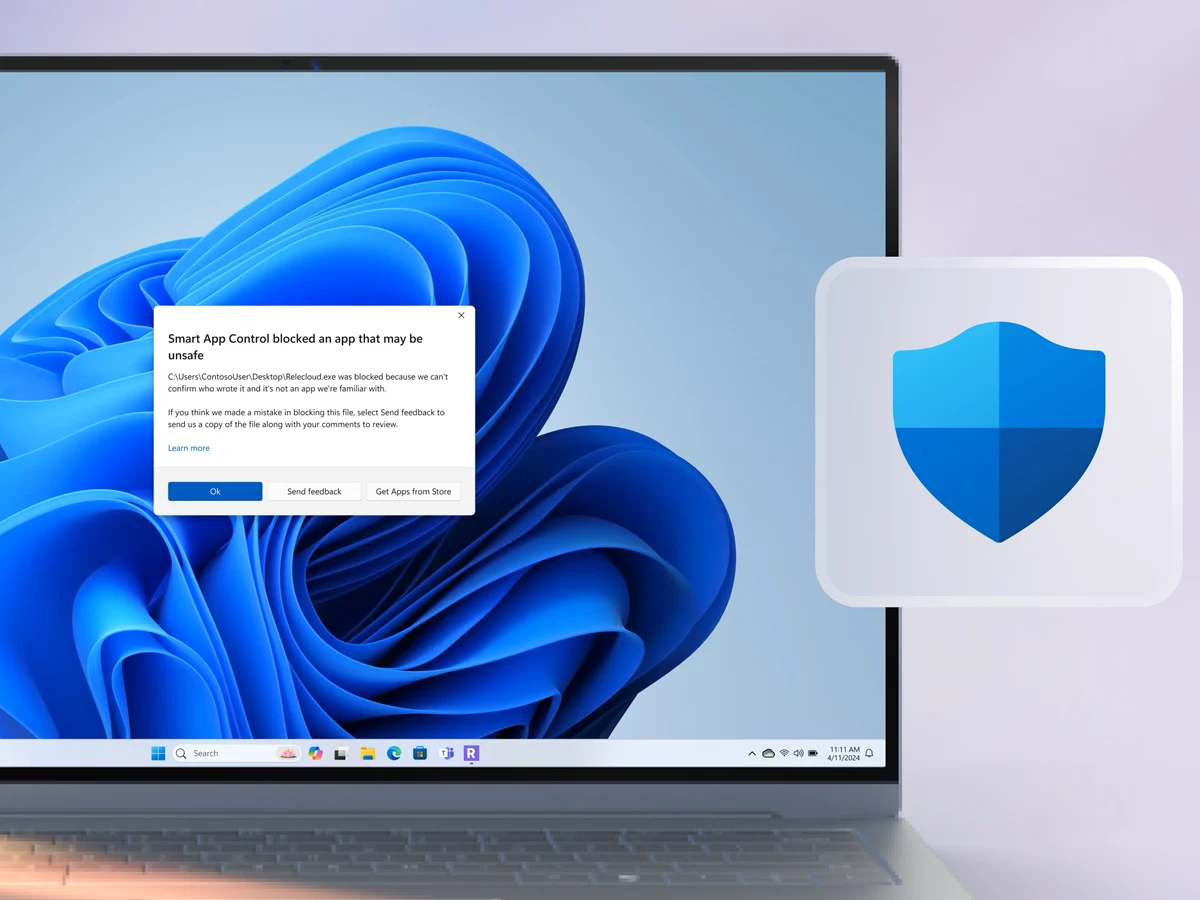
        For corporate environments, the June 9 rollout represents a critical checkpoint in a multi-stage infrastructure transition. According to official Microsoft lifecycle documentation, devices that do not migrate to the newer Windows UEFI CA 2023 certificates ahead of the summer expiration timeline will continue to boot and operate normally under standard conditions. However, Microsoft warns that these non-updated endpoints will lose the ability to receive new security protections for the early boot process, effectively halting future updates to the Windows Boot Manager, Secure Boot databases, and critical vulnerability revocation lists.

        Security Vulnerability and Patch Details

        On the security front, administrators are closely monitoring CVE-2026-42897, a high-profile cross-site scripting vulnerability affecting Outlook Web Access in on-premises Exchange Server deployments. With today’s security updates officially delivering the permanent patch to resolve this vulnerability, administrators can finally transition away from temporary blocks previously managed by the Exchange Emergency Mitigation Service. Today’s quality update bundle also addresses associated system bugs, including a fix for installation failures on devices with limited space of 10 MB or less on their EFI System Partition.

        Major Feature Updates for Performance

        Beyond security patches, the deployment introduces a series of major feature updates directly to the Windows 11 client ecosystem under the general performance umbrella. For core system performance, this update officially accelerates app launch behaviors and enhances responsiveness across core shell experiences, specifically targeting micro-stuttering within the Start menu, Search, and Action Center.

        Task Manager and NPU Monitoring

        To accommodate modern hardware requirements, Task Manager now provides significantly improved visibility into local AI workloads by introducing optional columns to actively track Neural Processing Unit utilization, active NPU engines, and dedicated or shared NPU memory allocations.

        Media Management and Sharing Upgrades

        Media management receives a substantial upgrade through the launch of the Shared Audio feature, which utilizes Bluetooth LE Audio broadcast technology to allow two individuals to listen to the same audio stream from a single Windows 11 PC simultaneously using separate connected devices. Capturing and streaming video is also more flexible with the introduction of the Multi-App Camera feature, allowing a single physical webcam feed to be shared across multiple communication applications at the same time alongside a new Basic Camera mode intended to simplify device troubleshooting.

        Custom User Folder Name Option

        Finally, addressing a long-standing infrastructure request, the updated Windows setup experience now allows users to choose an exact custom name for their local user folder directly on the Device Name page during clean system installations, cleanly bypassing automated account abbreviations.

        Global Rollout and Enterprise Monitoring

        The mandatory quality update is rolling out globally via Windows Update. Enterprise deployment teams are advised to monitor local system event logs for firmware completion markers to ensure complete fleet readiness ahead of the absolute June certificate cutoff.

        Systemic Pressure on Corporate Networks

        Beyond the routine security fixes and the critical firmware validation deadlines, today’s deployment cycle underscores the broader systemic pressure facing corporate defense networks. While these automated cumulative updates resolve several active operational exploits, the long-term fallout from recent uncoordinated disclosure waves remains an escalating challenge for enterprise administrators as they brace for the threatened mid-July mass disclosure drop by researcher “Nightmare Eclipse.”