
Tag: EU regulations

  • Radio Interference in Toys: EU Finds Major Rule Violations

    Key Takeaway

    – 81% of tested radio-controlled toys failed to meet EU regulations.
    – Major violations occurred in transmission power and frequency ranges.
    – 67% of samples came from online retailers, 33% from China.
    – 63% of products had non-compliant user manuals.
    – 22 sales bans were issued, with products flagged in ICSMS.


    Radio Controlled Toys Failing Market Rules

    Products being sold through official channels usualy must comply with regulations which are sometimes highly market specific. This applies for example to foodstuffs cars or toys. If toys operate using radio waves they must not cause interference. For journalists these requirements are sometimes very advantageous as the conformity assesments and their results provide the public with reliable information about devices not yet released.

    Testing Results Show Major Failures

    As part of an EU funded market surveilance campaign 88 radio controlled toys were tested accordingly. 36 out of the 50 RC vehicles tested did not comply with the regulations all 16 radio controlled boats and trains failed and 14 out of 16 walkie talkies and smart toys failed. There were deviations both in terms of the permissible transmission power and the frequency ranges in which signals were generated.

    • 88 total toys tested
    • 36 of 50 RC vehicles non compliant
    • All 16 boats and trains failed
    • 14 of 16 walkie talkies and smart toys failed

    Origin of Samples and Additional Tests

    The samples were collected by market surveilance authorities in 13 countries but not in Germany. 67% percent of the samples originated from online retailers and a third were manufactured in China. In addition to labratory tests for radio frequency compatibility compliance with other regulations was also examined. Specificaly the user manual must meet certain requirements. 63% of the samples failed this test. Combined with the labratory results 71 samples or a staggering 81% did not meet the various requirements. Twenty two sales bans were issued and several products were listed on the ICSMS (International Consumer Electronics Management System).
     

  • Motorola’s Security Update Oversight: Impact on EU Smartphones

    Motorola’s Security Update Oversight: Impact on EU Smartphones

    Key Takeaways

    1. EU Regulation mandates software updates for smartphones sold in Europe for five years after they are no longer available for sale, regardless of price.
    2. Motorola is considering challenging the EU Commission’s interpretation of the update requirement, suggesting it only applies if updates are provided at no additional cost.
    3. Competitors like Samsung and Google are already offering up to seven years of updates, putting Motorola at a potential disadvantage.
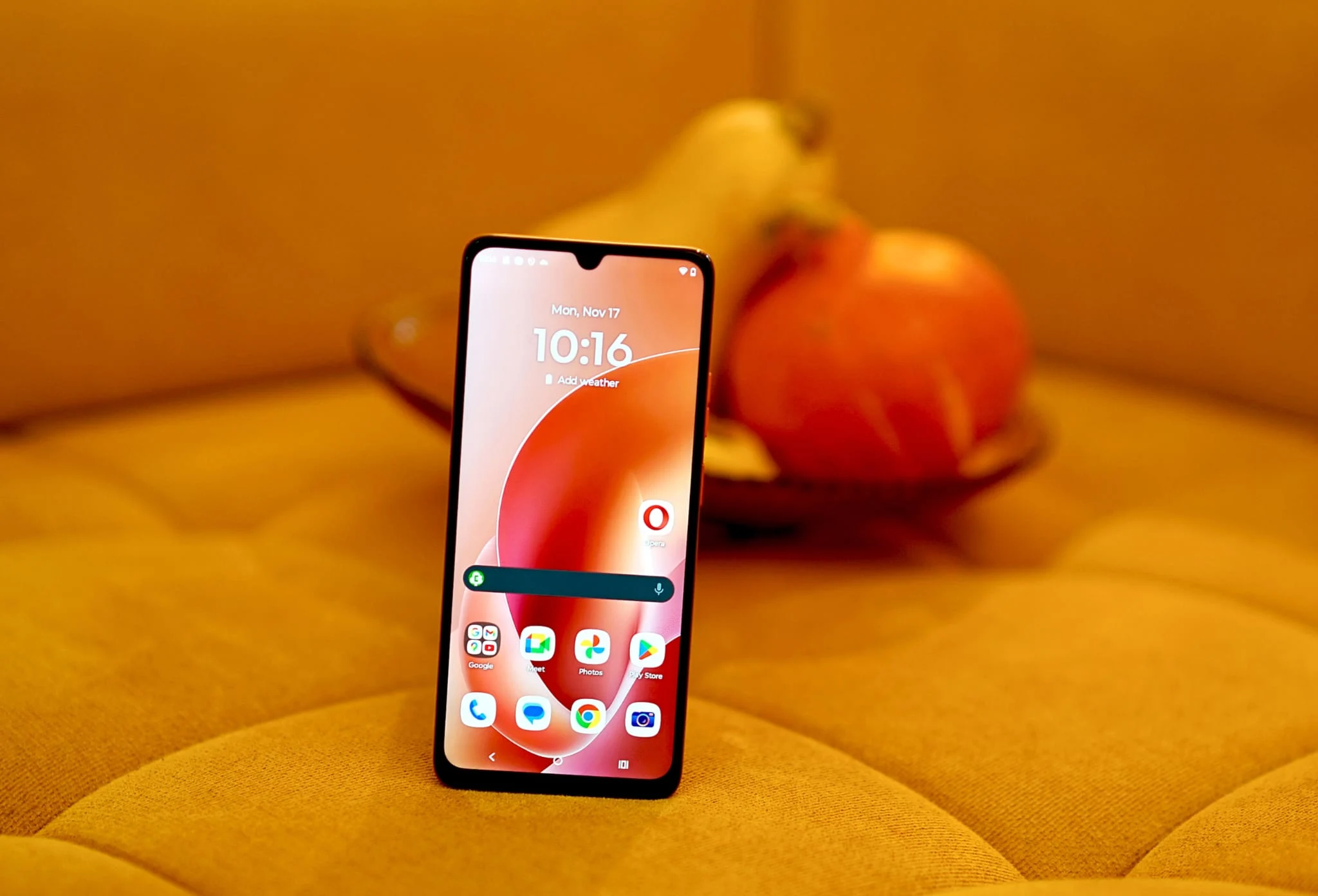
    4. The Motorola Moto G06 showcases strong features in the budget category, including a sturdy build and vivid display.
    5. There are concerns about Motorola’s legal tactics instead of focusing on improving their update support system.


    It’s a bit understandable why some things happen. When selling a smartphone such as the Motorola Moto G06 for nearly €100 at places like Amazon Germany, it’s tough to provide long-term update support on such a slim budget. The reason is, updates need to be customized for each device, which means creating specific drivers and adjusting the software to fit the particular hardware.

    EU Regulations and Update Requirements

    Yet, a new EU regulation that came into play in June 2025 mandates that every smartphone sold in the European market must receive software updates for a significant period. This rule doesn’t mention any minimum price for it to apply. The EU makes it clear that software updates must be provided for five years after a device is no longer available for sale.

    Motorola’s Legal Maneuvering

    Motorola’s legal team seems to have examined this regulation very closely, and now the company looks to be gearing up to challenge the EU Commission. They interpret the law in a way that suggests the EU doesn’t actually demand updates be offered at all; it only states that if updates are available, they should come at no additional cost. However, we aren’t aware of any instances where a smartphone company has charged for security patches.

    The Competitive Landscape

    Perhaps Motorola is just trying to buy some time to refine their internal systems. Other brands, such as Samsung and Google, are already providing seven years of updates for their devices. This is definitely achievable, and limited update support could put Motorola at a disadvantage in the market. That said, Samsung might have found a way around this with its budget models as well.

    In the end, it’s really unfortunate that Motorola resorts to such tactics. The Motorola Moto G06 demonstrates that the brand is capable of producing excellent phones in the budget category. We were particularly impressed by the sturdy build and the vivid display, as highlighted in our comprehensive review.


    Source:
    Link