Category: Home

  • New TRMNL X Large Waterproof Smart E-Ink Display Launches

    New TRMNL X Large Waterproof Smart E-Ink Display Launches

    Key Takeaways

    1. The TRMNL X is a larger, improved version of the original e-ink display, designed for home and office use.
    2. It features a 10.3-inch display with a resolution of 1,872 x 1,404, supporting 16 shades of gray and quick refresh rates.
    3. The device supports touch gestures, includes an accelerometer, and offers extensive customization through open-source firmware and multiple plugins.
    4. It comes with a 5,000 mAh battery that lasts three months on a single charge and is available for pre-order at $189.00.
    5. The TRMNL X will ship before the end of 2025 and offers various frame colors and optional accessories for enhanced functionality.


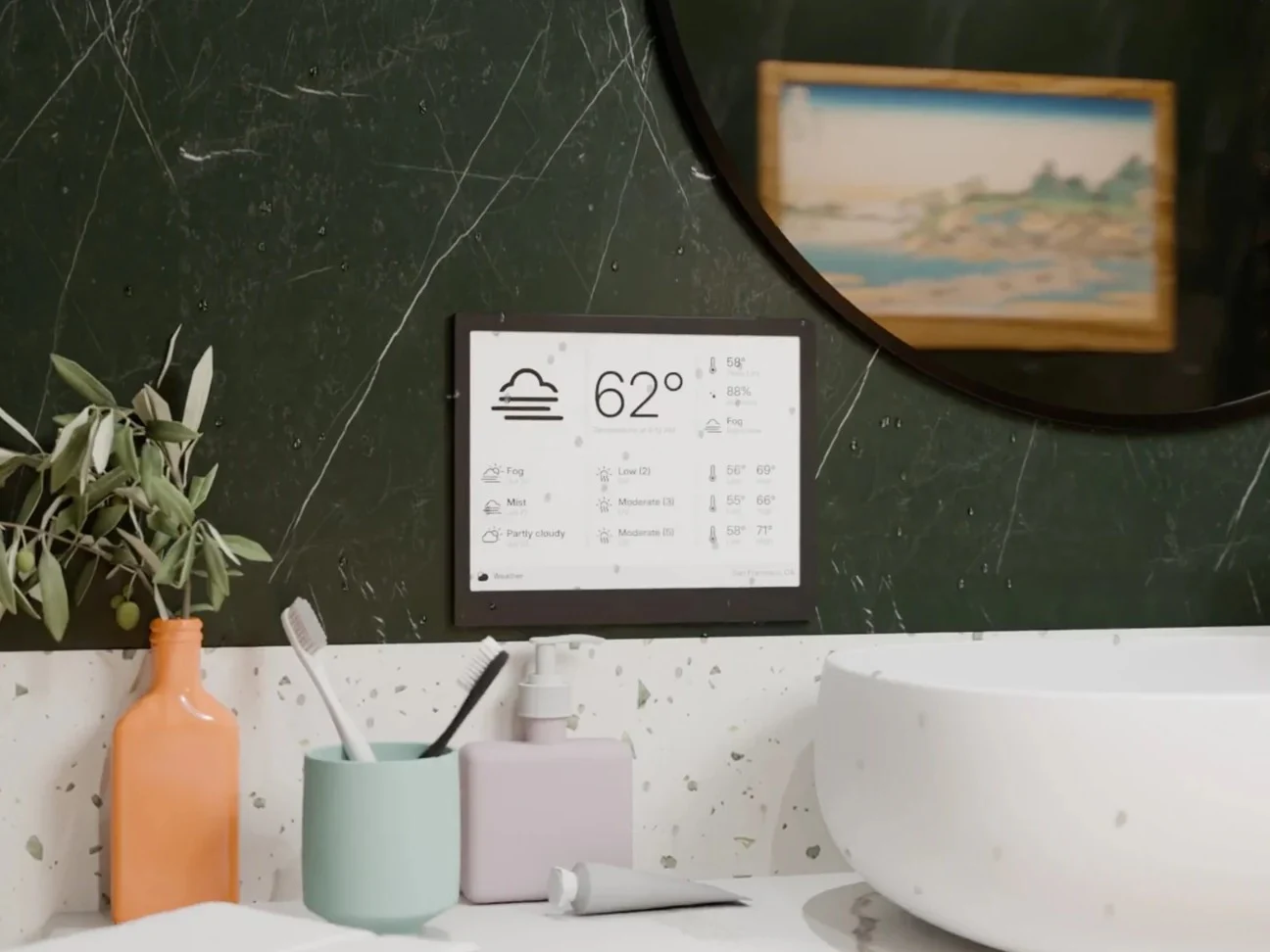
    The TRMNL X smart e-ink display has been announced. This new device is a larger and improved version of the original TRMNL display, which successfully raised funds in 2024 and became available for purchase in June 2025. It is crafted for use at home or in the office, capable of displaying various information such as news updates, weather forecasts, sports scores, and your daily calendar.

    Specifications and Features

    The TRMNL X features a 10.3-inch (~262 mm) e-ink display with a resolution of 1,872 x 1,404 and supports 16 shades of gray. A complete refresh takes about 1.2 seconds, while a partial refresh is quicker at 200 ms. The device introduces touch gesture support, an integrated accelerometer, and a Qwiic connector. Notably, the brand’s logo is no longer visible on the front, and support for portrait mode is reportedly coming soon.

    Versatile and Modifiable

    This device is aimed at tech enthusiasts, operating on TRMNL’s open-source firmware, and includes screws that make it easy to open and modify. It is compatible with both 2.4 and 5 GHz Wi-Fi, and offers eight different dashboard layouts along with more than 80 plugins, such as Google Calendar, ChatGPT, YouTube, Reddit, and Shopify. Although there is no official integration with Home Assistant, user demonstrations of this have surfaced in forums. The latest version includes a stand, a magnetic power mount with USB-C charging, and is claimed to be waterproof. Additionally, the standard 5,000 mAh battery is expected to provide three months of use on a single charge.

    You can now reserve your TRMNL X for $189.00/£145.00/€166.95, with a recommended retail price of $219.00/£168.00/€166.95. The company has mentioned that shipping will occur before the end of 2025, although they have not specified an exact date. The website assures customers that they may cancel their order and obtain a refund “at any time.” There are six frame colors available: black, white, clear, sage, gray, and faux wood. Additionally, optional accessories include a 7,000 mAh battery upgrade priced at $10/£8.00/€8.95 and the Clarity Kit, which features the battery upgrade, Developer Edition device, and a charging cable for $35/£27.00/€21.95.

    Conclusion

    In summary, the TRMNL X represents a significant upgrade over its predecessor, offering a range of features tailored for both casual users and tech enthusiasts. With its stylish design and robust functionality, it’s positioned to meet various needs in modern homes and offices.

    Source:
    Link



  • Plastic Health Crisis Sparks Urgency for Treaty Amid Industry Pushback

    Plastic Health Crisis Sparks Urgency for Treaty Amid Industry Pushback

    Key Takeaways

    1. Plastics release harmful chemicals that disrupt hormones, metabolism, fertility, and brain development.
    2. The health costs from plastic pollution could reach 15 trillion US dollars due to chronic diseases affecting future generations.
    3. The United Nations is developing a Global Plastics Treaty to limit plastic production and ban dangerous substances.
    4. Public health experts stress that recycling alone is not enough; a significant reduction in plastic production is needed.
    5. Corporate lobbyists are resisting change by promoting ineffective solutions, risking the effectiveness of the Global Plastics Treaty.


    A growing amount of medical studies show that plastics are releasing many dangerous chemicals, including phthalates, bisphenols, and PFAS. These substances disrupt hormones, metabolism, fertility, and brain development. The Minderoo-Monaco Commission estimates that the total health costs related to plastic pollution could reach 15 trillion US dollars due to chronic diseases and toxic effects across generations. Experts argue that the levels of exposure we see today, particularly in children and other at-risk groups, are simply not acceptable.

    Global Action Needed

    To tackle these dangers, the United Nations is working on a Global Plastics Treaty, which aims to set limits on plastic production and ban harmful substances internationally. Public health professionals, medical groups, and non-governmental organizations are urging for quick, enforceable actions. They warn that the health crisis is growing quicker than what environmental regulators can manage. They emphasize that just recycling is not sufficient; there needs to be a significant decrease in plastic production.

    Industry Resistance

    Even with broad medical agreement, corporate lobbyists from the petrochemical and packaging sectors are pushing back. By advocating for voluntary agreements and untested methods like chemical recycling, groups such as the American Chemistry Council are trying to stall real progress. If there isn’t strong enforcement, the treaty might just end up being another empty promise, while the health impacts from not taking action keep piling up.


  • Best Meteor Showers of the Year Blocked by Moonlight

    Best Meteor Showers of the Year Blocked by Moonlight

    Key Takeaways

    1. The Perseid meteor shower peaks on the night of August 12 and into the morning of August 13, with 50 to 100 meteors expected per hour.
    2. This year, a nearly full Moon will hinder visibility, making it difficult to see most meteors, except for the brightest ones.
    3. Stargazers will need to wait until December for the Geminids meteor shower, which offers better viewing conditions without moonlight interference.
    4. August features other skywatching highlights, including the close conjunction of Venus and Jupiter on the 11th and 12th, and visibility of the Dumbbell Nebula (Messier 27) in the first half of the night.
    5. Mars and Saturn are also visible in August, with Mars appearing low in the western sky in the evenings and Saturn visible from late night to dawn in the eastern sky near Cassiopeia and Andromeda.


    The Perseids are set to be the highlight of the meteor shower season, peaking on the night of August 12 and into the morning of August 13. This stunning display occurs when remnants from Comet 109P/Swift-Tuttle collide with Earth’s atmosphere, creating brilliant streaks of light known as meteors. These meteors seem to come from the constellation Perseus, which is how the shower got its name.

    Stargazers’ Anticipation

    Typically, people who enjoy watching the stars get excited for the Perseids because they can expect to see between 50 to 100 meteors every hour. Sadly, this year the Moon will be almost full during the peak nights.

    The brightness of the Moon will light up the sky, making it hard to catch sight of most meteors. Observers of the Perseids may only be able to spot the brightest ones. With this year’s much-anticipated meteor shower not living up to expectations, star enthusiasts will have to wait until December for the Geminids, which promise great viewing conditions without moonlight interference.

    Other August Highlights

    August is also packed with other skywatching opportunities. The two brightest planets, Venus and Jupiter, will be shining brightly in the eastern sky before dawn all month long. They will come close together on the 11th and 12th, only a degree apart. On the mornings of the 19th and 20th, a thin crescent Moon will rejoin the duo after they have moved further apart.

    This month, the Dumbbell Nebula, also known as Messier 27, can be spotted in the sky during the first half of the night with either binoculars or a small telescope. It can be found within the Summer Triangle, which is made up of the stars Altair, Deneb, and Vega.

    Planets in View

    Mars and Saturn also play a part in August’s celestial display. Mars can be seen low in the western sky as a solitary planet during early evening hours. Saturn becomes visible from late night until dawn, gradually rising a bit earlier each night and appearing in the East near the constellations Cassiopeia and Andromeda.

    Source:
    Link


  • Using Solar Thermal Mirrors to Track Space Objects at Night

    Using Solar Thermal Mirrors to Track Space Objects at Night

    Key Takeaways

    1. Dr. John V. Sandusky from Sandia National Laboratories is repurposing heliostat fields, typically used for solar energy, to track near-Earth asteroids and lost spacecraft at night.

    2. The innovative tracking method focuses on detecting frequency shifts in starlight reflected off moving objects instead of using traditional imaging techniques.

    3. Initial testing at the National Solar Thermal Test Facility confirmed the precision of heliostat adjustments, although no asteroids were detected during the trial.

    4. This approach could enhance existing systems like NASA’s Atlas for asteroid detection and improve tracking capabilities in cislunar space.

    5. Heliostats are cost-effective and mass-produced, making them suitable for continuous sky observation during nighttime when they would otherwise remain idle.


    A researcher from Sandia National Laboratories is looking into a rather unusual application for heliostat fields, which are groups of mirrors normally utilized for solar thermal energy. He aims to adapt these systems during the night to identify near-Earth asteroids and lost spacecraft in cislunar space. Dr. John V. Sandusky shared this innovative concept at the 2024 Optical Engineering + Applications conference.

    A New Tracking Method

    Instead of using standard imaging techniques, Sandusky’s approach focuses on monitoring frequency shifts in starlight that is reflected. As the heliostats track the paths of stars, any object, such as an asteroid, that moves relative to those stars will create a detectable frequency shift. He mentioned that “even shifts as tiny as one-millionth of a cycle per second can be detected.”

    Testing the System

    During a trial at the National Solar Thermal Test Facility, Sandusky operated one of the 212 heliostats to bounce back starlight, demonstrating that it could adjust with the necessary precision. Although the test did not result in the detection of an asteroid, the main aim was to confirm the reliability of the control system and the overall methodology.

    A Scientific Night Shift

    In essence, this proposal could provide a scientific “night job” for otherwise idle heliostat arrays, particularly to enhance current systems like NASA’s Atlas, which consists of telescopes aimed at identifying near-Earth asteroids. Sandusky thinks that this same technique might also aid in tracking spacecraft in the challenging region between Earth and the Moon.

    Heliostats are relatively affordable when compared to telescopes and are already mass-produced, making them valuable for continuous sky observation. “Solar thermal mirrors just sit there at night,” Sandusky pointed out. “We might as well make use of them.”

    Source:
    Link


  • First US Deployment of Sodium-Ion Battery for Affordable Energy Storage

    First US Deployment of Sodium-Ion Battery for Affordable Energy Storage

    Key Takeaways

    1. The US has launched its first grid-level energy storage system using sodium-ion batteries, developed by startup Peak Energy, which is safer and more affordable than traditional lithium phosphate batteries.

    2. Sodium-ion batteries offer enhanced safety due to fewer flammable materials and are cheaper to manufacture, making them a cost-effective alternative for energy storage.

    3. Peak Energy’s sodium-ion system features passive cooling technology, reducing operational risks by 90% compared to traditional systems, and is the largest sodium-ion battery system utilizing phosphate pyrophosphate cathode chemistry.

    4. The NFPP cells in the new energy storage system have a lifespan that allows for 20% lower operational costs and degrade at a third of the rate of lithium phosphate systems.

    5. The deployment of this technology supports a growing trend for American-made products in the battery industry, which has been largely dominated by China.


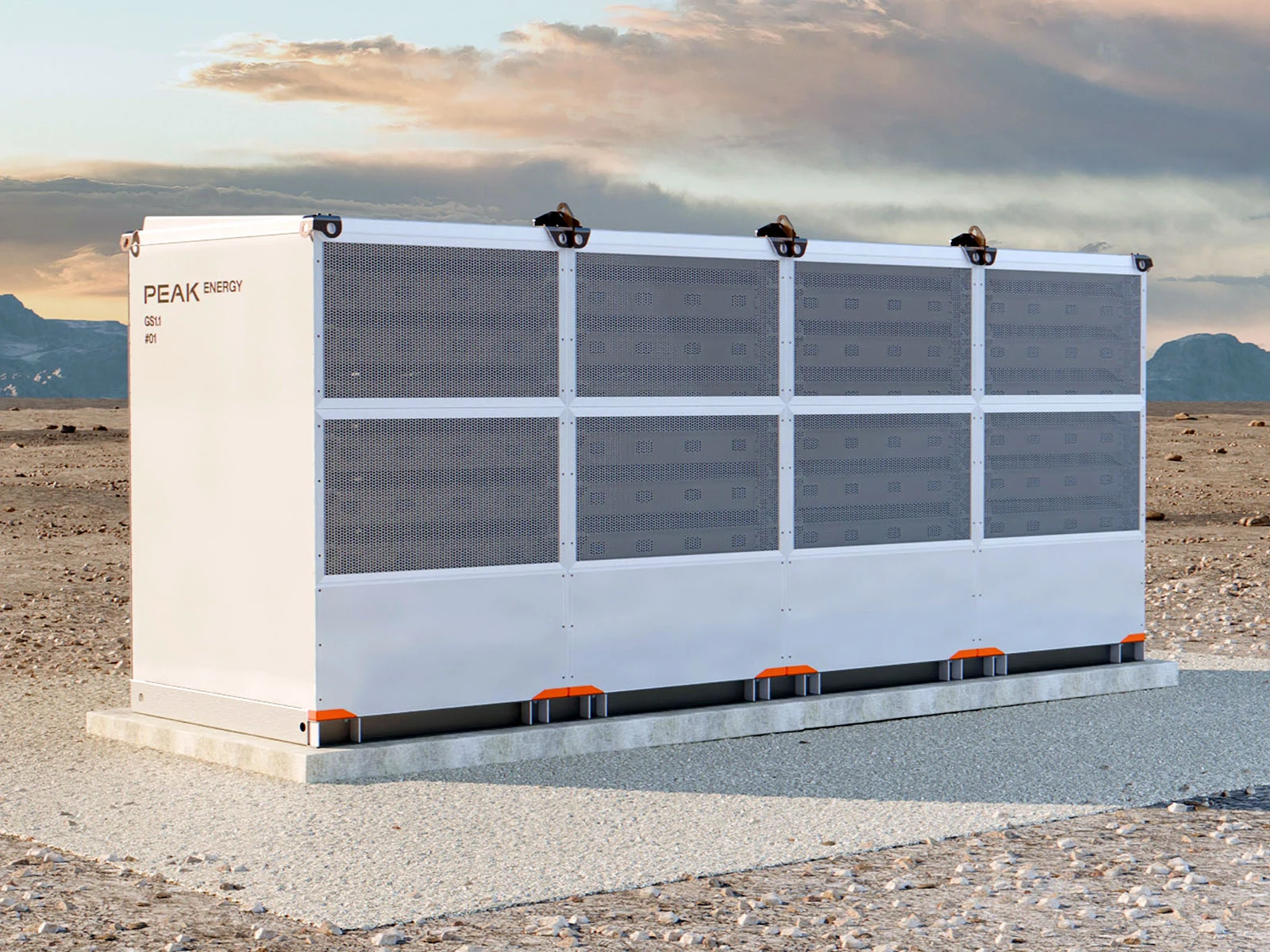
    After China, the US has now welcomed its first grid-level energy storage system featuring sodium-ion batteries. These innovative batteries do not need active cooling and are priced at one-third less compared to traditional battery energy storage systems (BESS) that utilize lithium phosphate batteries.

    First Deployment in the US

    The inaugural sodium-ion BESS has been launched by the startup Peak Energy, about two years after they expressed their plans to create one. In China, grid-level energy storage systems with sodium-ion batteries are already in use, crafted by major companies like BYD, which is the second-largest cell manufacturer globally. However, the American version stands out as it employs passive cooling, making it both more affordable and safer.

    Safety and Cost-Effectiveness

    In contrast to conventional lithium iron phosphate (LFP) batteries, such as those found in the popular Anker Solix C1000 mobile station and large-scale electricity storage projects, sodium-ion batteries contain fewer flammable materials. This quality inherently makes them safer than lithium batteries. Furthermore, the materials used in sodium-ion batteries are inexpensive and plentiful, resulting in lower manufacturing costs.

    Peak Energy has emerged as a leading battery startup in the US, and successfully delivering an actual commercial product, rather than just a prototype, is an impressive milestone. The containers that have been deployed on a megawatt-hour scale represent the largest sodium-ion battery system in the world that utilizes phosphate pyrophosphate (NFPP) cathode chemistry.

    Enhanced Lifespan and Efficiency

    Not only do the NFPP cells offer energy density that is similar to LFP cells, but they also boast superior thermal safety. Additionally, Peak Energy’s first NFPP energy storage system in the US is 20% cheaper to operate throughout its lifespan. The less reactive nature of the NFPP cells allows them to degrade a third slower than lithium phosphate systems over the same duration, which could enable utilities to use the Peak Energy BESS for extended periods.

    What makes this system distinct is its pioneering passive cooling feature, which significantly reduces around 90% of the risks associated with grid-level energy storage setups. Most incidents arise from the moving parts and electrical components, not the thermal runaway situations within the cells themselves.

    Domestic Manufacturing Trend

    While safety and costs are crucial factors, the deployment of Peak Energy’s sodium-ion BESS also aligns with the growing domestic preference for American-made products. This trend has largely overlooked the US battery industry until now, which has been predominantly influenced by China on a global scale.

    Source:
    Link


  • Bluetti Apex 300 Launches in Stores After $5.4M Crowdfunding Success

    Bluetti Apex 300 Launches in Stores After $5.4M Crowdfunding Success

    Key Takeaways

    1. Bluetti raised approximately $5.4 million through crowdfunding for the Apex 300 portable generator, with over 2,500 backers by early 2025.
    2. The retail price of the Apex 300 is $1,599, which is $400 more than its crowdfunding price.
    3. The generator features 4 AC outlets with a total output capacity of up to 3,840 watts, supporting 99% of typical household appliances.
    4. The Apex 300 includes a True 0ms UPS setting for seamless power transition during outages.
    5. Multiple recharging options are available, including solar energy, with bundles ranging from $1,998 to $2,599 for solar panel packages.


    Bluetti aimed to fund production of its new portable generator through crowdfunding, and it now says that it has achieved this goal with an estimated $5.4 million raised from over 2,500 genuine backers by the end of the campaign in early 2025.

    Release Details

    The Apex 300 is now available on Amazon or directly from Bluetti for a price of $1,599, which is $400 more than its Indiegogo price. The retail version is equipped with the same 2,764.8Wh LFP batteries, capable of charging devices with an output of up to 3,840 watts (W) through its various AC outlets.

    Power Outlets

    On the front, the Apex 300 features 4 AC outlets that can supply power to appliances using up to 120-volt (V) outputs. Additionally, there are other outlets located on the side that can accommodate devices that require up to 240V.

    As a result, the Apex 300 is designed to support “99%” of typical household appliances during a power outage. It also boasts a new True 0ms UPS (which stands for “true zero-millisecond uninterruptible power supply”) setting that allows it to seamlessly take over from the grid.

    Charging Options

    The 300 offers several options for recharging, including the use of solar energy.

    In fact, the portable generator comes with “Emergency Backup” bundles, which vary in price from $1,998 for a single 350W solar panel to $2,599 for the Apex 300 bundled with 4 200W panels. However, Bluetti notes that the panels and their cables will need to be shipped separately as of now.

    Source:
    Link


  • Scientists Create Self-Replicating T Cells for Cancer Treatment

    Scientists Create Self-Replicating T Cells for Cancer Treatment

    Key Takeaways

    1. UCLA researchers developed a “tandem” therapy using reprogrammed stem cells to provide a continuous source of immune cells to fight cancer.
    2. Current T-cell therapies often lose effectiveness over time due to fatigue; the new method addresses this by providing two separate cell infusions.
    3. Hematopoietic stem cells (HSCs) serve as a self-replenishing source of T cells, maintaining their tumor-targeting abilities without fatigue.
    4. The study indicates a potential for long-term immune defense against cancer, suggesting future treatment options may prevent recurrence.
    5. The modified stem cells include a safety mechanism (suicide gene sr39TK) that allows for monitoring and elimination of cells if adverse reactions occur.


    In a groundbreaking clinical study, researchers from UCLA have successfully utilized a patient’s own reprogrammed stem cells to establish a continuous, internal source of immune cells that can kill cancer. This research, shared in Nature Communications, introduces an innovative “tandem” therapy aimed at tackling a major issue in cancer immunotherapy — the limited duration of T-cell treatments.

    Current Limitations in T-cell Therapy

    Presently, T-cell therapies can produce a strong initial reaction; however, the modified cells sometimes become fatigued and lose their effectiveness over time. The new method from UCLA, which was evaluated in a Phase I clinical trial, tackles this problem by administering two distinct cell infusions. Initially, patients get a standard dose of T cells that are engineered to target tumors expressing the NY-ESO-1 antigen. The following day, they receive another infusion of their genetically altered blood-forming cells, scientifically referred to as hematopoietic stem cells (HSCs).

    Long-Term Immune Response

    These HSCs serve as a sustainable, self-replenishing source, generating fresh T cells right within the patient’s body. Importantly, the study indicates that these new T-cell “descendants” demonstrated tumor-targeting abilities with “no signs of anergy or fatigue,” directly addressing the main drawback of current therapies.

    “We’ve demonstrated that we can reprogram a patient’s own stem cells to establish a renewable immune defense against cancer. While it’s not a complete cure yet… it suggests a future where we not only treat cancer but also prevent its recurrence.” — Dr. Theodore Scott Nowicki, one of the study’s lead authors.

    Safety Features of Engineered Cells

    The modified stem cells also come with an integrated safety mechanism: a “suicide gene” known as sr39TK. This gene enables physicians to monitor the cells within the body through PET scans and provides a method to eliminate them if any unforeseen toxic reactions arise.

    Source:
    Link


  • New Xiaomi Smart Hot Water Purifier with Faucet Now Available

    New Xiaomi Smart Hot Water Purifier with Faucet Now Available

    Key Takeaways

    1. Three-Part System: The Mijia Instant Hot Water Purifier 1200G includes a smart tap and two under-sink units for effective water purification and heating.

    2. Advanced Filtration: It features PPC and RO filters that eliminate 99.9% of heavy metals and certain bacteria, with the RO filter lasting up to five years.

    3. Instant Heating: The purifier provides hot water instantly, reaching temperatures up to 95°C (~203°F) with a flow rate of 1,000 ml/min (~33.8 fl. oz/min).

    4. Smart Connectivity: Users can monitor water quality and control settings via the Xiaomi app, including temperature adjustments and mode switching.

    5. Pricing and Availability: The product retails for CNY 3,999 (~$555) in China, with no current plans for availability outside the country.


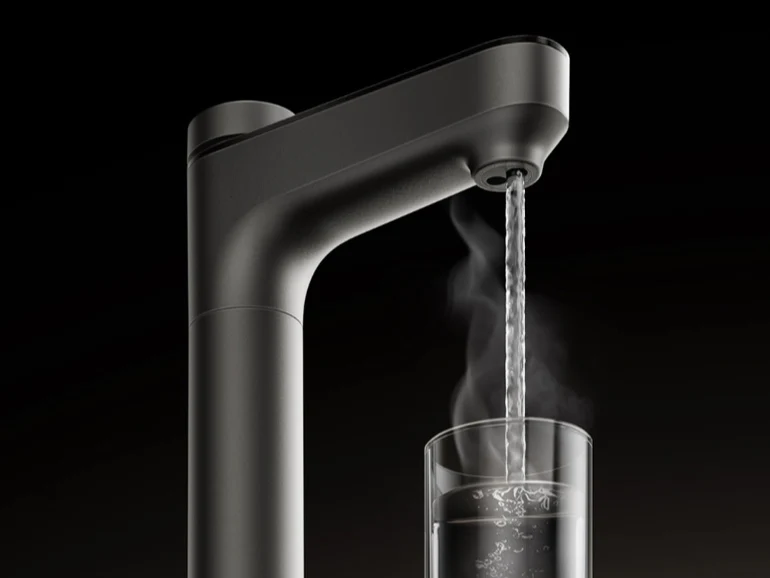
    Xiaomi has introduced the Mijia Instant Hot Water Purifier 1200G in China. This innovative smart home gadget comes as a set of three parts, featuring a smart tap along with two under-sink units designed to purify and heat the water effectively.

    Filtration and Features

    The filtration tank of the Mijia Instant Hot Water Purifier 1200G is equipped with PPC and RO filters, with the RO filter expected to have a lifespan of five years. Xiaomi claims that these filters can eliminate 99.9% of heavy metals and some bacteria types. The included faucet has a magnetic knob that allows users to easily switch between room temperature and hot water modes.

    Instant Heating Capabilities

    According to reports, the heating tank in Xiaomi’s Instant Hot Water Purifier provides instant hot water whenever the tap is turned on. Users can choose from a variety of temperatures, reportedly reaching up to 95°C (~203°F). When hot water is dispensed, it flows at a rate of 1,000 ml/min (~33.8 fl. oz/min), which means a 150 ml (~5.1 fl. oz) cup can be filled in just nine seconds. For room temperature water, the flow rate is 3.18L/m (~108 fl. oz/min), allowing 500 ml of water to be dispensed in about nine seconds.

    Smart Features and App Connectivity

    The smart faucet features a display that shows the TDS value and current settings, enabling users to adjust the temperature right on the tap. Thanks to HyperOS Connect, users can monitor water quality and consumption data through the Xiaomi app. Additionally, the app allows for remote adjustments of the dispensed water’s temperature and volume, along with switching between the two outlet modes.

    In China, the retail price for the Xiaomi Mijia Instant Hot Water Purifier 1200G is CNY 3,999 (~$555). Currently, there have been no announcements regarding the product’s availability outside of China. However, in Europe, such as Germany, Xiaomi already offers other kitchen appliances like the Smart Water Dispenser (Hot and Cold) for €119.99 at the Mi Store Germany.

    Source:
    Link

  • New Xiaomi Air Conditioner with Air Quality Indicator Launches

    New Xiaomi Air Conditioner with Air Quality Indicator Launches

    Key Takeaways

    1. The Xiaomi Mijia Air Conditioner Healthy Wind 1.5HP is an affordable alternative to the Pro version, offering cooling, heating, and air purification functions.
    2. It has a strong air circulation rate of 780 m³/h and can cool or heat a room quickly, in just 30 seconds and 60 seconds, respectively.
    3. The air conditioner features a health filter that removes harmful substances like formaldehyde and bacteria, claiming to eliminate 99.99% of the H1N1 virus.
    4. Users can monitor air quality through the Xiaomi app, and the unit has a self-cleaning mode that operates at high temperatures.
    5. Priced at CNY 2,999 (around $417), it is currently available for pre-order in China, with no confirmed plans for international availability.


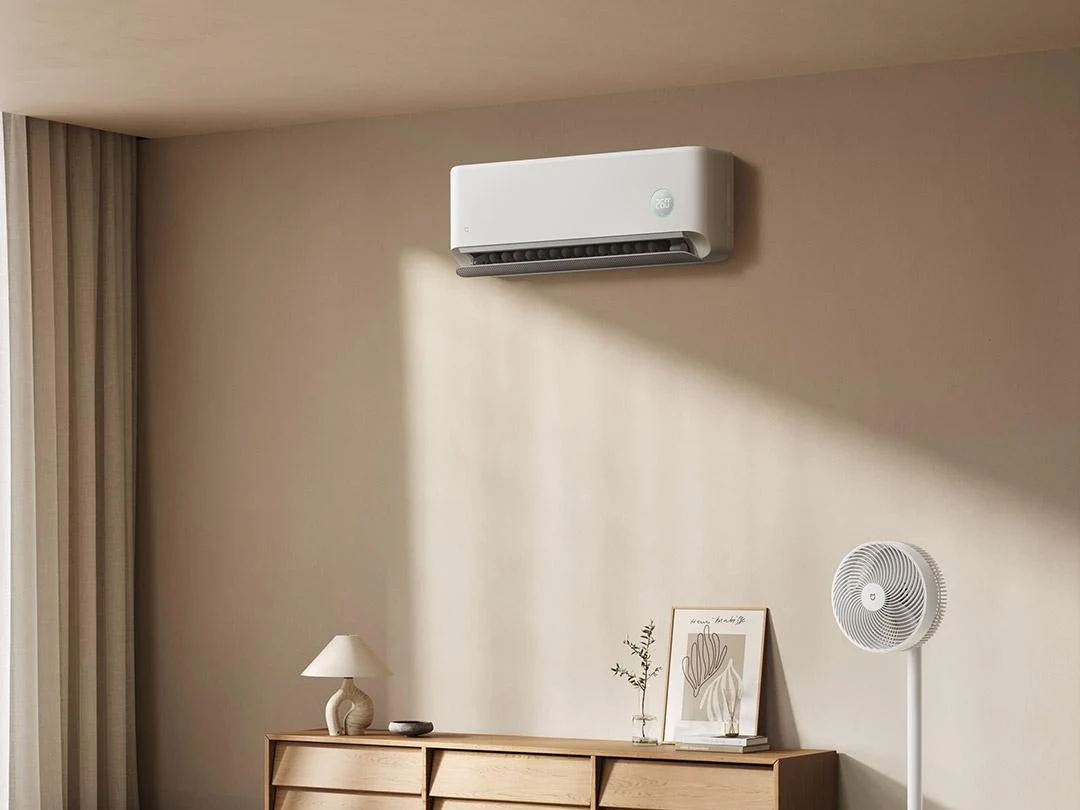
    The Xiaomi Mijia Air Conditioner Healthy Wind 1.5HP has been launched in China. This latest version is a more affordable alternative to the Air Conditioner Pro Healthy Wind 1.5HP. It offers functionality for cooling, heating, and air purification.

    Specifications Overview

    The Mijia Air Conditioner Healthy Wind 1.5HP boasts an air circulation rate of 780 m³/h (approximately 27,545 ft³/h) and comes with a 108 mm (around 4.3 inches) air vent. With a cooling capacity of 850W and a heating capacity of 1,290W, it claims to cool a room in just 30 seconds and heat it in 60 seconds. Users can select from various wind modes and speeds, with the quietest setting producing only 18 dBA of sound. These options are easily adjustable using the supplied remote or via the Xiaomi app.

    Health Benefits and Features

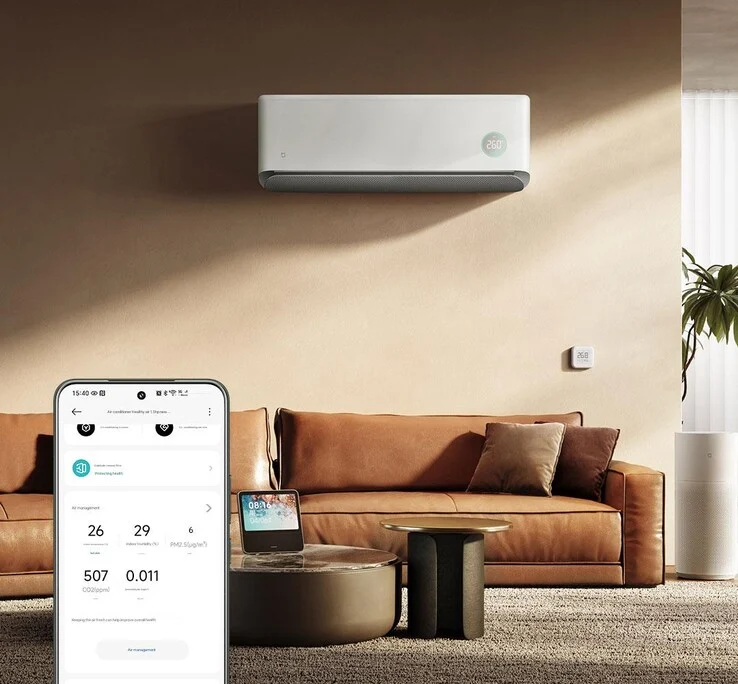
    This intelligent air conditioner includes an optional health filter that effectively eliminates formaldehyde, bacteria, and dust particles from the air. Xiaomi asserts that it can eradicate 99.99% of the Influenza A virus subtype H1N1 and 95% of grass pollen. Additionally, it features a self-cleaning mode that reaches up to 56°C (approximately 133°F). Users can monitor the levels of formaldehyde, PM2.5, and CO2 in the air through the app, and the color of the light around the built-in display indicates the air quality.

    Pricing and Availability

    The Xiaomi Mijia Air Conditioner Healthy Wind 1.5HP has an APF rating of 5.32 and is compatible with HyperOS Connect. The internal unit is finished in white and measures 860 x 311 x 208 mm (about 33.9 x 12.2 x 8.2 inches). It is currently available for pre-order in China, priced at CNY 2,999 (around $417). For comparison, the Xiaomi Mijia Air Conditioner Pro Healthy Wind 1.5HP is priced at CNY 3,699 (about $513). It remains uncertain whether this product will be available in other international markets.

    Source:
    Link


  • Non-Invasive Adhesive Delivers Drugs to Stomach Lining

    Non-Invasive Adhesive Delivers Drugs to Stomach Lining

    Key Takeaways

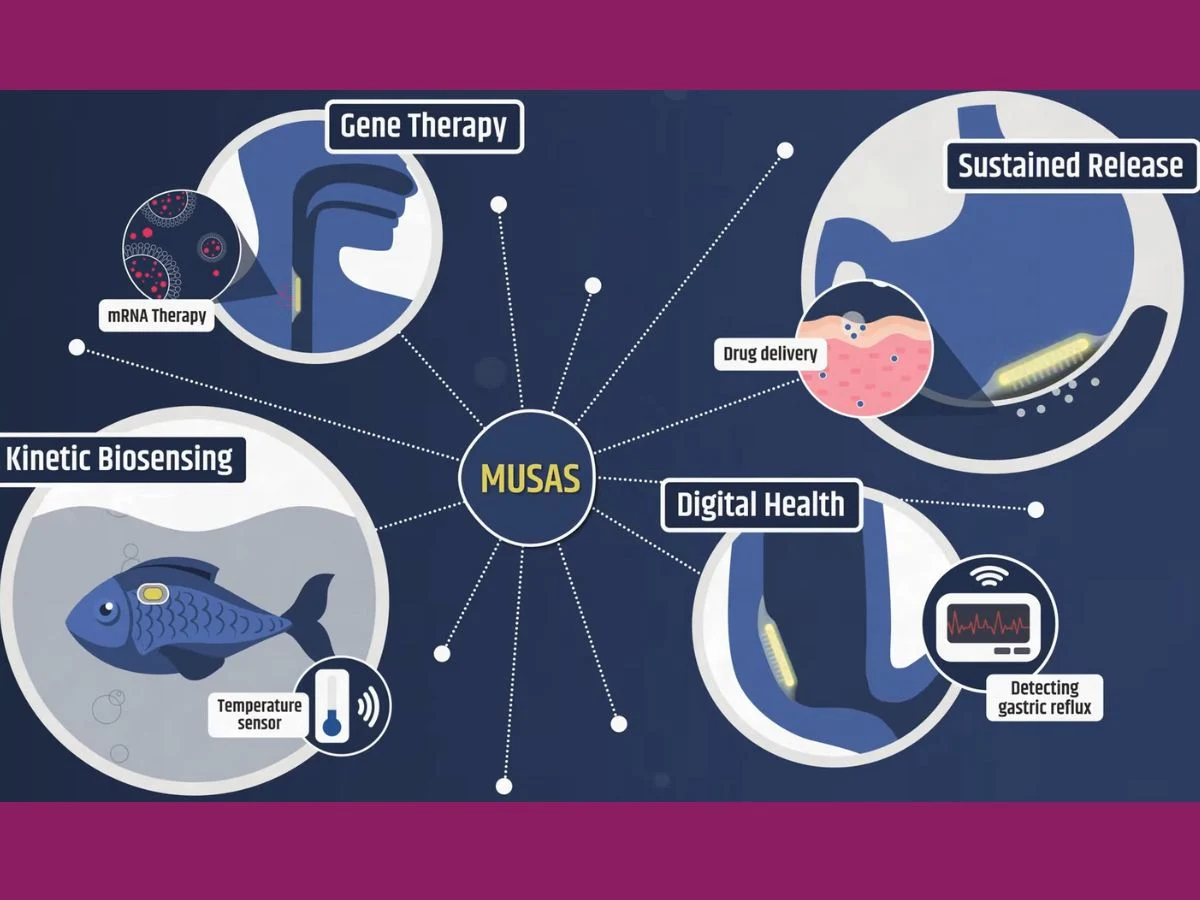
    1. Researchers created a mechanical adhesive system, MUSAS, inspired by the suction organ of remoras (sucker fish) for use on soft and slippery surfaces.
    2. MUSAS features tiny microneedles made from a shape-memory alloy that interlock with tissue when heated, forming a strong bond.
    3. The system shows potential for drug delivery, enabling controlled release of medications, such as HIV treatment, directly into the stomach lining.
    4. MUSAS can be used as a diagnostic tool, with successful tests monitoring gastroesophageal reflux disease (GERD) in animal models.
    5. The technology has applications in environmental science, including attaching sensors to live fish for real-time monitoring of water temperature.


    Researchers have created a new mechanical adhesive system that imitates the strong suction organ found in remoras, also known as sucker fish. This innovative system, described in the journal Nature, can adhere to soft and slippery surfaces for extended periods, addressing a significant challenge in areas such as medicine and environmental science.

    Development of MUSAS

    The team from MIT designed this device, named MUSAS (Mechanical Underwater Soft Adhesion System), by studying the distinctive anatomy of the remora. It features a primary suction disc along with several smaller compartments to grip uneven surfaces effectively. The main advancement of this system lies in its tiny microneedles crafted from a shape-memory alloy. These needles, when they come into contact with body heat, gently interlock with tissue, forming a robust and dependable bond that remains secure.

    Potential for Drug Delivery

    This technology could vastly change how drugs are delivered. In tests on animals, the device was able to stick to the lining of the stomach, enabling a week-long, controlled release of the HIV medication cabotegravir. This might someday provide a substitute for daily pills or frequent injections. Furthermore, the researchers demonstrated its ability to deliver RNA drugs directly into the stomach lining tissue, bypassing the digestion problem before reaching the target site.

    Diagnostic Applications

    The device also holds promise as a diagnostic tool. When fitted with an impedance sensor, it managed to adhere to the esophagus in an animal model, monitoring for gastroesophageal reflux disease (GERD). This could offer a much more pleasant alternative to existing GERD sensors, which typically involve inserting a tube through the nose or mouth of a patient.

    Furthermore, the team showcased the device’s applications in animal and environmental sciences. They successfully attached a temperature sensor to a live fish, allowing for precise monitoring of water temperature as the fish swam rapidly. The researchers are now focused on refining the platform for additional applications, such as the delivery of vaccines in clinical environments.

    Source:
    Link