
Key Takeaways
1. Plastics release harmful chemicals that disrupt hormones, metabolism, fertility, and brain development.
2. The health costs from plastic pollution could reach 15 trillion US dollars due to chronic diseases affecting future generations.
3. The United Nations is developing a Global Plastics Treaty to limit plastic production and ban dangerous substances.
4. Public health experts stress that recycling alone is not enough; a significant reduction in plastic production is needed.
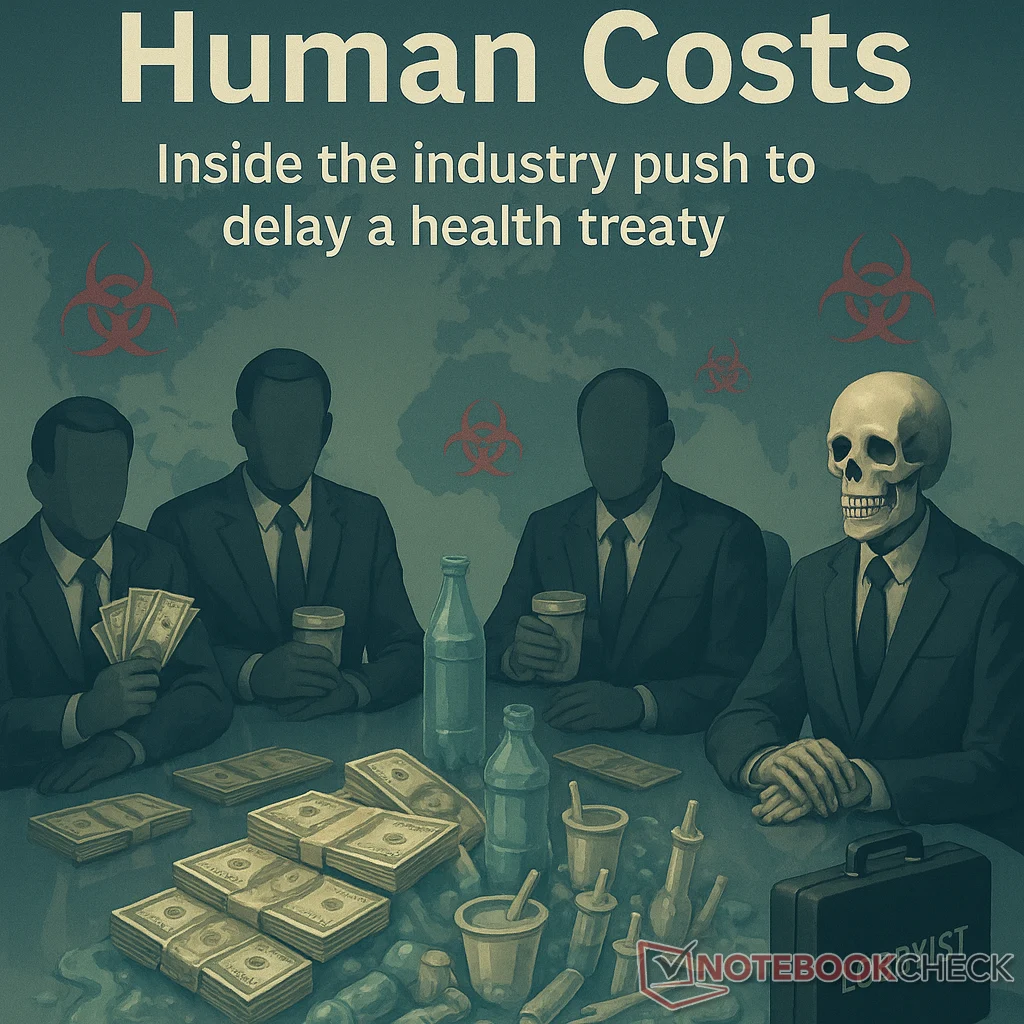
5. Corporate lobbyists are resisting change by promoting ineffective solutions, risking the effectiveness of the Global Plastics Treaty.
A growing amount of medical studies show that plastics are releasing many dangerous chemicals, including phthalates, bisphenols, and PFAS. These substances disrupt hormones, metabolism, fertility, and brain development. The Minderoo-Monaco Commission estimates that the total health costs related to plastic pollution could reach 15 trillion US dollars due to chronic diseases and toxic effects across generations. Experts argue that the levels of exposure we see today, particularly in children and other at-risk groups, are simply not acceptable.
Global Action Needed
To tackle these dangers, the United Nations is working on a Global Plastics Treaty, which aims to set limits on plastic production and ban harmful substances internationally. Public health professionals, medical groups, and non-governmental organizations are urging for quick, enforceable actions. They warn that the health crisis is growing quicker than what environmental regulators can manage. They emphasize that just recycling is not sufficient; there needs to be a significant decrease in plastic production.
Industry Resistance
Even with broad medical agreement, corporate lobbyists from the petrochemical and packaging sectors are pushing back. By advocating for voluntary agreements and untested methods like chemical recycling, groups such as the American Chemistry Council are trying to stall real progress. If there isn’t strong enforcement, the treaty might just end up being another empty promise, while the health impacts from not taking action keep piling up.
Leave a Reply