Category: Home

  • Xiaomi 20000mAh Power Bank Launching in More Countries at Low Price

    Xiaomi 20000mAh Power Bank Launching in More Countries at Low Price

    Key Takeaways

    1. Launch and Availability: The Xiaomi Power Bank 20000 (Integrated Cable) has expanded its distribution to Europe, now available in countries like the UK and Spain.

    2. Pricing: The price for the Power Bank 20000 is €20.99, which is €9 less than the Xiaomi 33W model priced at €29.99.

    3. Charging Features: It supports simultaneous charging of three devices with a maximum output of 22.5W, capable of charging a Xiaomi 15 to 27% or an iPhone 16 Pro to 56% in 30 minutes.

    4. Battery Capacity: The power bank has two 10,000 mAh batteries, allowing it to recharge a Xiaomi 15 over two times or an iPhone 16 Pro up to four times.

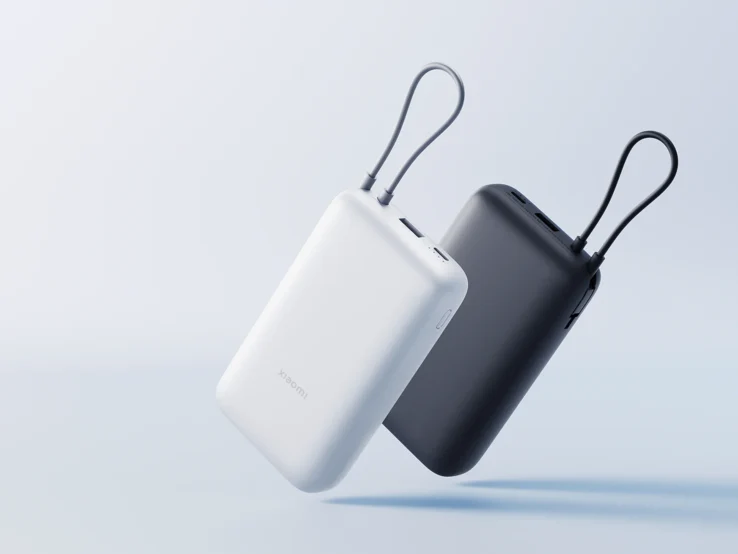
    5. Design and Specifications: Available in black or white, it measures 128 x 73 x 32 mm and weighs 342 g. Availability in other European countries is still uncertain.


    Xiaomi has introduced the Power Bank 20000 (Integrated Cable) in another country within Europe, signaling a broader distribution. This device initially debuted in China in 2024 and has already made its way to the UK, where it is referred to as the Power Bank 20000mAh.

    Availability and Pricing

    Now, you can purchase the Power Bank 20000 (Integrated Cable) in EU nations such as Spain. It’s currently listed at €20.99 on Xiaomi’s official online site. This price is €9 less than the Xiaomi 33W Power Bank 20000mAh Integrated Cable, which costs €29.99 (as seen in Xiaomi Store Germany).

    Charging Capabilities

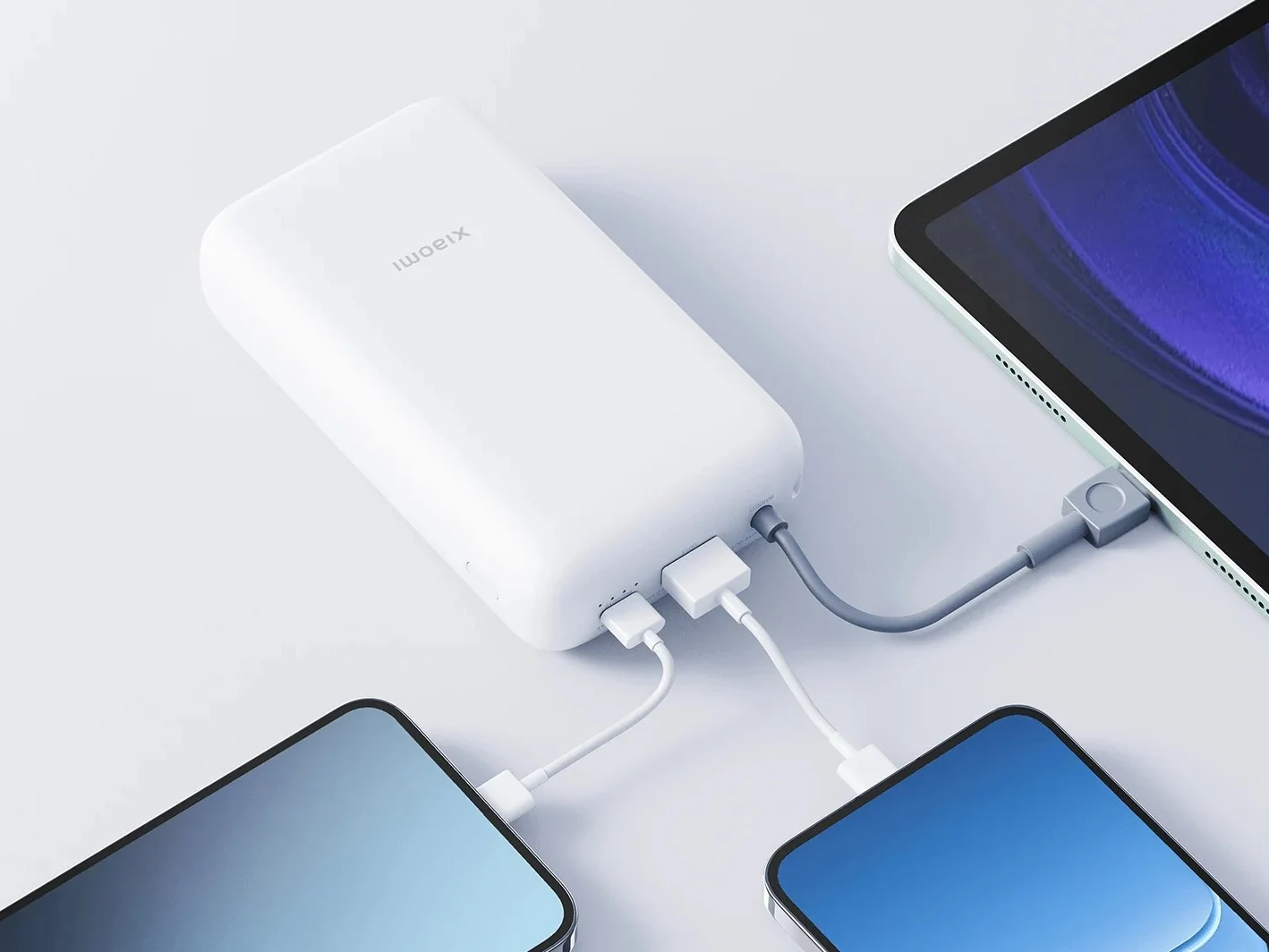
    The Xiaomi Power Bank 20000 (Integrated Cable) allows for the simultaneous charging of three devices. It features a built-in USB-C cable, a USB-C port, and a USB-A port, all providing up to 22.5W of power. This output is lower than the 33W from the stronger model previously mentioned. According to Xiaomi, the 22.5W capacity can charge a Xiaomi 15 to about 27% or an iPhone 16 Pro to around 56% in just 30 minutes. Moreover, the two 10,000 mAh batteries can recharge a Xiaomi 15 over two times or an iPhone 16 Pro up to four times.

    Design and Weight

    This handy accessory comes in black or white and has dimensions of 128 x 73 x 32 mm (around 5.0 x 2.9 x 1.3 inches), with a weight of 342 g (approximately 12.1 oz). It’s not yet clear when the Xiaomi Power Bank 20000 (Integrated Cable) will hit the shelves in other European nations like the Netherlands and France.

    Source:
    Link


  • New White House Plan May Cut NASA Satellites for CO2 and Crops

    New White House Plan May Cut NASA Satellites for CO2 and Crops

    Key Takeaways

    1. OCO-2 and OCO-3 missions are at risk of ending due to federal budget decisions, not technical issues.
    2. Both satellites monitor carbon dioxide levels and provide important data on global photosynthesis and plant growth.
    3. Keeping the satellites operational costs about $15 million annually, with over $750 million already spent on their design and launch.
    4. NASA is considering shutting down the missions despite their ongoing value for climate information, as indicated by a 2023 review.
    5. The Trump administration’s proposed budget for FY2026 includes significant cuts, raising concerns about the future of these critical missions.


    Two NASA satellite missions, known as OCO-2 and OCO-3, could be ending soon. This isn’t because they are broken, but due to decisions made about the federal budget. Both of these missions are part of the Orbiting Carbon Observatory program, and they were designed to monitor carbon dioxide levels in the atmosphere of Earth. In addition, they have given us surprising information about plant growth by collecting global photosynthesis data. A wide range of users, from researchers to the Department of Agriculture, rely on these satellites to keep track of greenhouse gases and the health of crops.

    Budget Concerns

    According to NPR, keeping both satellites operational costs around $15 million each year. However, over $750 million in public funds have already been spent on their design and launch. Also, a failed launch in 2009 added to the overall expenses of the program.

    Even though they are valuable for science, recent moves by the Trump administration are raising alarms. Reports from inside NASA indicate that there are discussions about “Phase F” plans, which detail how to shut down these missions. If one of the satellites, which is a stand-alone unit in orbit, is turned off, it would burn up upon reentry. Scientists argue that these missions continue to provide essential climate information and should not be ended too soon.

    Future of the Missions

    NASA has already reached out to private companies and universities to take charge of the OCO-3 unit that is currently on the International Space Station. However, experts say that while the private sector is increasingly involved in Earth observation efforts, many of these projects still depend on significant public funding.

    Funding for the missions has been provided by Congress through September 2025, but the future looks quite grim. A review conducted by NASA in 2023 suggested that the missions should continue for at least another three years. Nonetheless, the proposed FY2026 budget from the Trump administration includes substantial cuts, leading to accusations of overreach from officials like Russ Vought at the OMB.

    Awaiting Clarification

    There has been no formal explanation from the administration so far, so we will need to wait to learn why missions that are still offering valuable climate data might be shut down.

    Source:
    Link


  • EcoFlow Launches Ultra-Light Trail 200 DC Power Station

    EcoFlow Launches Ultra-Light Trail 200 DC Power Station

    Key Takeaways

    1. The EcoFlow Trail 200 DC (192Wh) Portable Power Station is on sale in the US for $119, down from the original price of $199.99.
    2. It can charge up to four devices simultaneously with a maximum combined output of 200W, featuring two USB-C ports and two USB-A ports.
    3. The power station’s battery (60,000 mAh) can reach 80% charge in under an hour using dual 100W USB-C inputs.
    4. Weighing 4.03 lbs (1.83 kg), it is 48% lighter than the River 3 model and designed for portability with a woven handle.
    5. The company also launched the Trail 300 DC (288Wh) and plans to release the Trail Plus 300 DC (288Wh) in the fall.


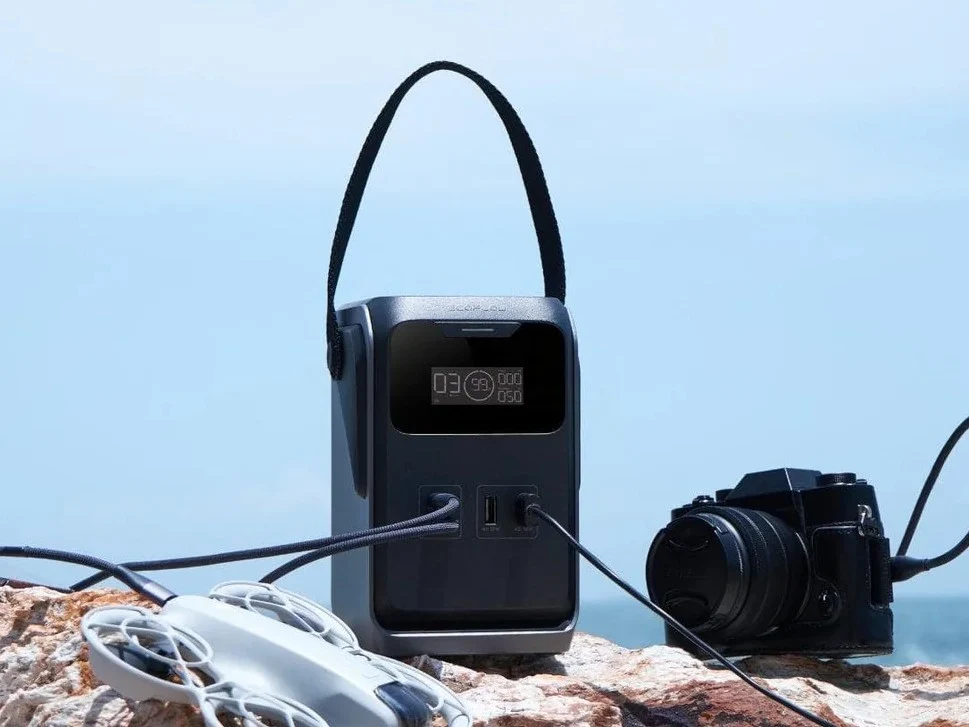
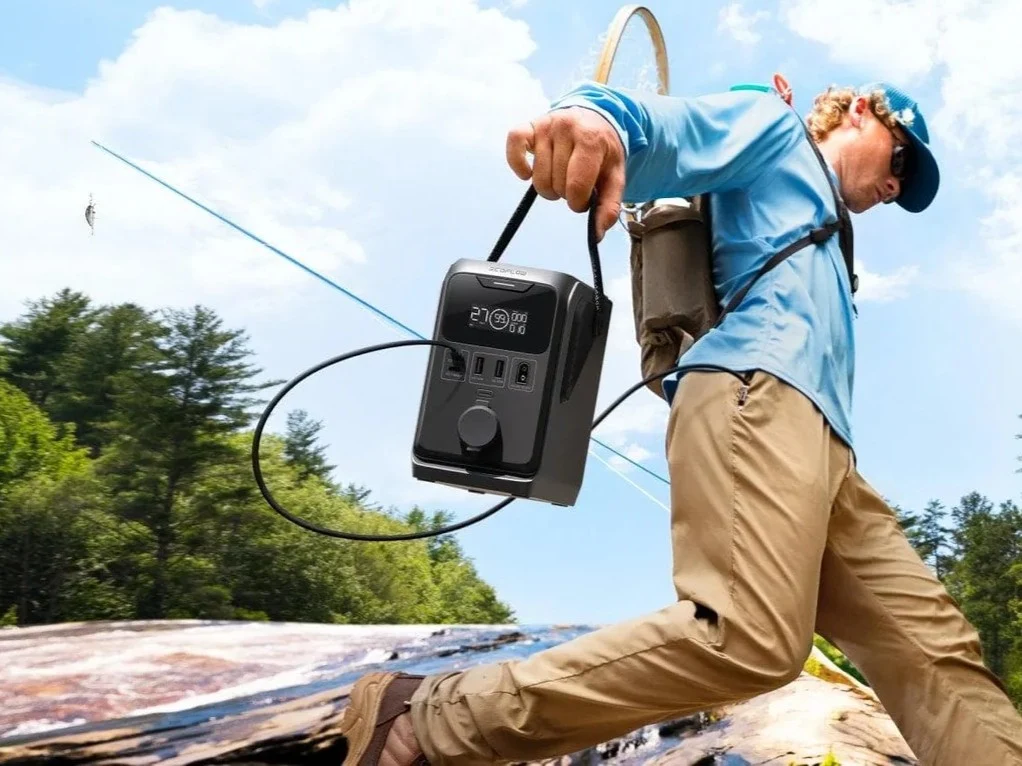
    The EcoFlow Trail 200 DC (192 Wh) Portable Power Station is now on sale in the United States. This product is launched alongside the Trail 300 DC (288Wh), which offers more power but is also heavier. Recently, the company also revealed the Trail Plus 300 DC (288Wh), which is set to arrive this fall.

    Pricing and Availability

    In the US market, the EcoFlow Trail 200 DC (192Wh) Portable Power Station is being sold for $119 (originally $199.99) due to a special introductory price. This offer can be found at Amazon or on the company’s website. Additionally, customers who buy the device from the EcoFlow store will receive a complimentary Rapid 30W GaN Charger with their purchase.

    Features and Specifications

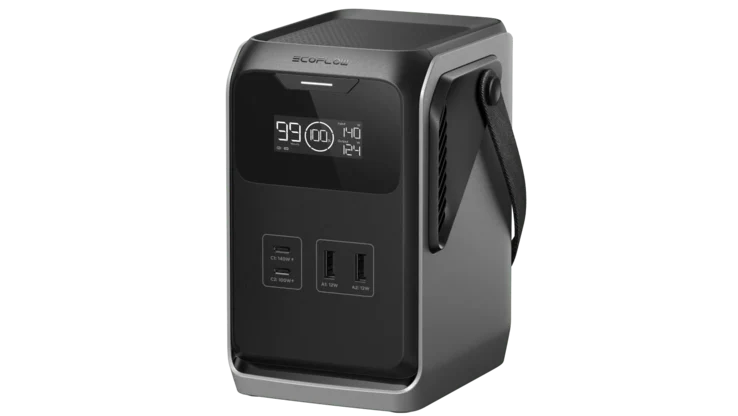
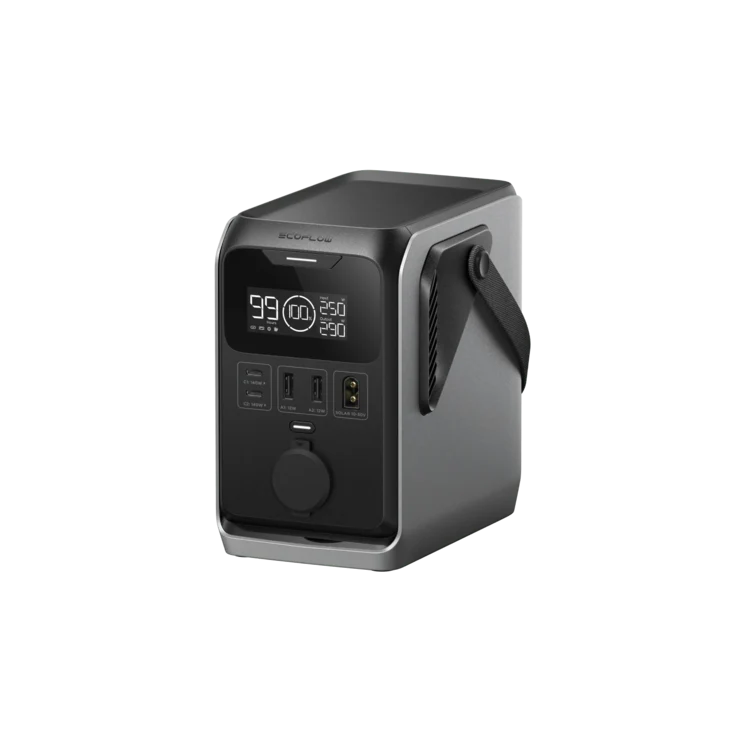
    The EcoFlow Trail 200 DC enables users to charge up to four devices at the same time. It has two USB-C ports, one providing 140W and the other 100W, along with two USB-A ports each supplying 12W. The maximum combined output reaches 200W, including a low current mode. Its battery, rated at 60,000 mAh, can be charged to 80% in less than an hour using two 100W USB-C inputs; if you use a single 140W input, it takes about 1.3 hours to reach the same level.

    Design and Weight

    EcoFlow presents the Trail 200 DC as extremely lightweight; it tips the scales at 4.03 lbs (~1.83 kg), which the brand claims is 48% lighter than the River 3 model. The dimensions are 6.6 x 4.5 x 5.0 inches (~167 x 115 x 126 mm), and it features a woven handle, making it easier to carry around. It remains uncertain if or when the EcoFlow Trail 200 DC (192 Wh) will be available in Europe.

    Source:
    Link


  • Xiaomi Magnetic Power Bank with Built-in Cable Now Available

    Xiaomi Magnetic Power Bank with Built-in Cable Now Available

    Key Takeaways

    1. The Xiaomi 33W Magnetic Power Bank 10000mAh (Integrated Cable) is now available in Europe, starting with the UK and Spain.
    2. It is priced at €30.99, positioning it in the mid-range of Xiaomi’s portable power bank options.
    3. The power bank features three outputs, including a wireless charging pad (up to 7.5W) and two USB-C outputs (up to 33W).
    4. The power bank can recharge a Xiaomi 14 or an iPhone 16 Pro about two times on a full charge, with a recharge time of approximately 140 minutes.
    5. It has a compact design (109 x 68.5 x 19.8 mm) and weighs 238 g, available in matte black or matte white finishes.


    The Xiaomi 33W Magnetic Power Bank 10000mAh (Integrated Cable) is becoming more available across Europe. Also referred to as the 33W Magnetic Power Bank 10000 Integrated Cable, it was first listed on the company’s global website back in April 2025 and has now been launched in the UK.

    Pricing and Availability

    In the Xiaomi online store in places like Spain, you can now purchase the Xiaomi 33W Magnetic Power Bank 10000mAh (Integrated Cable) for a price of €30.99. This price positions it within the mid-range of the brand’s portable power bank options. It is not clear when this product will be available in other nations such as the Netherlands and France, but it is anticipated to arrive in the near future.

    Features and Specifications

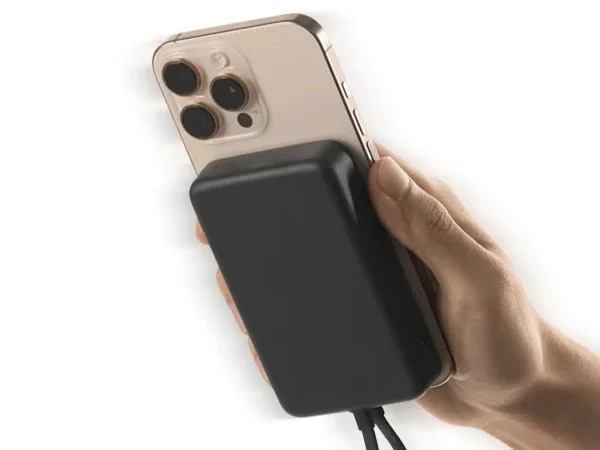
    The Xiaomi 33W Magnetic Power Bank 10000 provides three different outputs. This includes a wireless charging pad that can go up to 7.5W, which keeps the device secure with 13N magnets. The other two outputs consist of a USB-C cable and a USB-C port, both capable of delivering up to 33W power. Xiaomi claims that this allows for an iPhone 16 Pro to be charged to 58% within just 30 minutes. Additionally, there is a trickle charging mode.

    Battery and Design

    The power bank contains two 5,000 mAh lithium-ion batteries and can fully recharge using a 30W input in about 140 minutes. The company believes that one complete charge will enable you to recharge a Xiaomi 14 or an iPhone 16 Pro approximately two times, and the remaining battery level is shown with LEDs. The dimensions of the power bank are 109 x 68.5 x 19.8 mm (~4.3 x 2.7 x 0.8 inches), and it has a weight of 238 g (~8.4 oz). It’s offered in either a matte black or matte white finish.

    Source:
    Link


  • Ohio Woman Welcomes Baby From 1994 Frozen Embryo

    Ohio Woman Welcomes Baby From 1994 Frozen Embryo

    Key Takeaways

    1. Lindsey and Tim Pierce welcomed a baby boy from an embryo frozen since 1994, setting a world record for the longest frozen embryo leading to a live birth.
    2. The couple faced infertility challenges and adopted the nearly three-decade-old embryo from donor Linda Archerd, who had initially created multiple embryos in 1994.
    3. Out of three embryos given to the Pierces, one did not survive thawing, but two were transferred, leading to one successful implantation and birth.
    4. The event highlights the effectiveness of long-term embryo storage, with approximately 1.5 million frozen embryos stored in the U.S.
    5. The article also discusses a startup, Tomorrow Bio, exploring cryopreservation for deceased individuals, though human cryonics remains theoretical and controversial.


    An Ohio couple, Lindsey and Tim Pierce, have just welcomed a baby boy who was born from an embryo that had been frozen since 1994. This remarkable event has set a new world record for the longest time an embryo has been frozen before leading to a live birth.

    Journey to Parenthood

    The Pierces faced challenges with infertility and chose to adopt an embryo, which led them to receive this nearly three-decade-old embryo. The donor, Linda Archerd, who is now 62 years old, created multiple embryos through in vitro fertilization back in 1994. Initially, she made four embryos intending to use them all; however, she ended up using only one during her marriage before her divorce. Faced with increasing storage fees and a decision against destroying the embryos, she decided to donate them instead.

    A Historic Birth

    From the three embryos given to the Pierces by Archerd, one unfortunately did not survive the thawing process, but two were successfully transferred into Lindsey’s uterus. Out of those, only one managed to implant and develop. This successful birth underlines the growing effectiveness of long-term embryo storage, especially considering that there are about 1.5 million frozen embryos stored across the United States.

    Exploring New Frontiers

    Long-term preservation of biological material is also being explored in a more controversial area. A startup named Tomorrow Bio is working on cryopreservation for deceased individuals, with the hope that future medical advancements might allow for their revival. This process involves cooling the body and substituting all water with a cryoprotective fluid to avert damage from ice crystals, before freezing it at a chilling −384.8 °F (−196 °C).

    In contrast to embryo storage, human cryonics is still a theoretical concept. Critics like neuroscientist Professor Clive Coen have called the idea “preposterous,” noting that no one has been successfully brought back to life from such a state.

    Source:
    Link


  • Gene Therapy Could Reduce DME Injections for Diabetic Patients

    Gene Therapy Could Reduce DME Injections for Diabetic Patients

    Key Takeaways

    1. 4D-150 showed significant efficacy in treating DME, with a 9.7 letter improvement in best corrected visual acuity and a 174 micrometer reduction in central subfield thickness after 60 weeks.

    2. Patients receiving the Phase 3 dose of 4D-150 needed 78% fewer supplementary injections compared to those on standard aflibercept treatment.

    3. Four out of nine patients in the Phase 3 group were able to go without any injections, highlighting the therapy’s potential for reduced treatment burden.

    4. 4D-150 was well tolerated with no signs of intraocular inflammation or other serious complications reported during the trial.

    5. The therapy has the potential to transform DME treatment by improving adherence and providing lasting vision improvements.


    4D Molecular Therapeutics (4DMT) has recently shared data from a clinical trial that lasted 60 weeks, focusing on its gene therapy known as 4D-150. This innovative therapy encodes aflibercept and a sequence that inhibits vascular endothelial growth factor C (VEGF-C). The active control in this study was aflibercept, which is an anti-VEGF medication.

    Positive Efficacy Results

    The findings demonstrate the effectiveness of 4D-150 in treating DME. Participants who got the Phase 3 dosage of 4D-150 experienced an improvement of 9.7 letters in best corrected visual acuity (BCVA) and a 174 micrometer decrease in central subfield thickness (CST). These outcomes suggest both visual and anatomical enhancements.

    Reduced Injection Needs

    Patients who received the Phase 3 dose of 4D-150 after three loading doses of aflibercept needed 78% fewer supplementary injections than those following the standard 2-milligram aflibercept treatment every 8 weeks. When comparing those on lower doses of 4D-150, patients on the Phase 3 dose fared better, needing 58% fewer supplemental injections. Out of nine patients in the Phase 3 group, four were able to go without injections, while only one out of 11 in the lower dose group achieved similar results.

    These findings were presented by David Almeida during the 43rd Annual American Society of Retina Specialists (ASRS) Scientific Meeting.

    Transformative Potential

    According to David Almeida, “4D-150 has the potential to fundamentally transform the treatment of DME by reducing treatment burden with a product that has adherence by design, while providing meaningful, lasting vision improvement.”

    The 4D-150 therapy was generally well accepted by the study participants. Throughout the trial, there were no signs of intraocular inflammation at any point, and none of the subjects required any changes to their topical corticosteroid treatment. There were no reports of hypotony, endophthalmitis, vasculitis, choroidal effusions, or retinal artery occlusion. Additionally, the average intraocular pressure stayed within normal ranges.

    Source:
    Link


  • EcoFlow Launches New Trail Portable Power Station with NCM Battery

    EcoFlow Launches New Trail Portable Power Station with NCM Battery

    Key Takeaways

    1. EcoFlow has launched the Trail Plus 300 DC Portable Power Station in the US, following the Trail 300 DC and Trail 200 DC models.
    2. The Trail Plus 300 DC offers a maximum power output of 300W and features three 140W USB-C ports, dual 12W USB-A ports, and a 120W car port.
    3. It includes additional features like a multifunctional camping light and Bluetooth/Wi-Fi connectivity for remote management via the EcoFlow app.
    4. The Trail Plus 300 DC is lighter than the Trail 300 DC, powered by a 288Wh NCM cell, and has dimensions of 8.1 x 4.5 x 4.8 inches and a weight of 5.0 lbs.
    5. The retail price for the Trail Plus 300 DC is $299.99, while the Trail 300 DC is priced at $249.99, currently available on Amazon for $159.00.


    EcoFlow has introduced the Trail Plus 300 DC Portable Power Station to the US audience. This product comes soon after the launch of the standard Trail 300 DC and the more basic Trail 200 DC models in the same region.

    Power and Ports

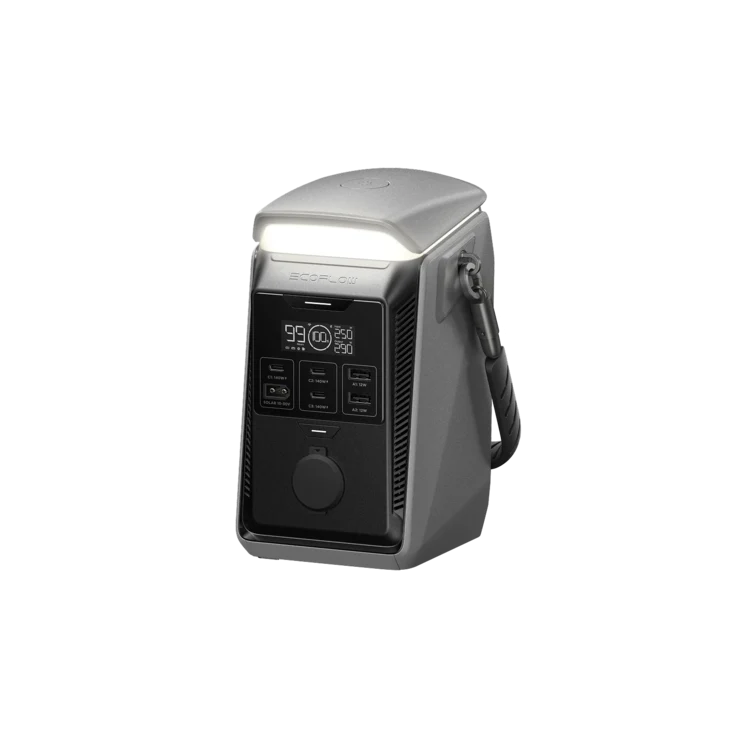
    The Trail Plus 300 DC maintains a maximum combined power output of 300W, identical to the Trail 300 DC. However, it features three 140W USB-C ports instead of just two, along with dual 12W USB-A ports and a 120W 12V car port. This version also has a 140W Cable Handle, which can be utilized for charging devices or for carrying the power station itself.

    Additional Features

    There are more enhancements, like the integrated multifunctional camping light and the capability for Bluetooth and Wi-Fi, allowing users to manage their devices remotely via the EcoFlow app. Furthermore, the Trail Plus 300 DC is powered by a 288Wh NCM cell instead of a 288Wh LFP cell, making this version lighter than the Trail 300 DC. For reference, the dimensions of the Trail Plus 300 DC are 8.1 x 4.5 x 4.8 inches (~206 x 115 x 123 mm) and it weighs 5.0 lbs (~2.3 kg), whereas the Trail 300 DC measures 6.6 x 4.5 x 6.5 inches (166 x 115 x 166 mm) and weighs 5.7 lbs (~2.6 kg).

    Pricing Information

    The EcoFlow Trail Plus 300 DC is set to launch in the US this fall, with a retail price of $299.99. In comparison, the Trail 300 DC has a price tag of $249.99, but is currently being offered at Amazon for $159.00.

    Source:
    Link


  • LG Launches CineBeam S Mini Ultra Short Throw Projector

    LG Launches CineBeam S Mini Ultra Short Throw Projector

    Key Takeaways

    1. The LG CineBeam S Mini Ultra Short Throw 4K Projector is now available for pre-order in select countries, including Canada, Australia, and South Korea, with prices starting at A$2,499 in Australia and £1,099 in the UK.

    2. The projector boasts a 3-channel RGB laser light source with brightness levels up to 500 ANSI lumens and can project 4K images up to 100 inches in size.

    3. It features advanced color capabilities, covering 154% of the DCI-P3 color spectrum, a dynamic contrast ratio of 450,000:1, and supports Filmmaker Mode and HDR10.

    4. The CineBeam S includes smart features like automatic screen adjustments, popular streaming apps (Netflix, Disney+, Apple TV), and wireless screen sharing with Apple AirPlay 2 and MiraCast.

    5. The compact dimensions of the projector are 160 x 160 x 110 mm (approximately 6.3 x 6.3 x 4.3 inches), with uncertain future availability dates for other European nations and the United States.


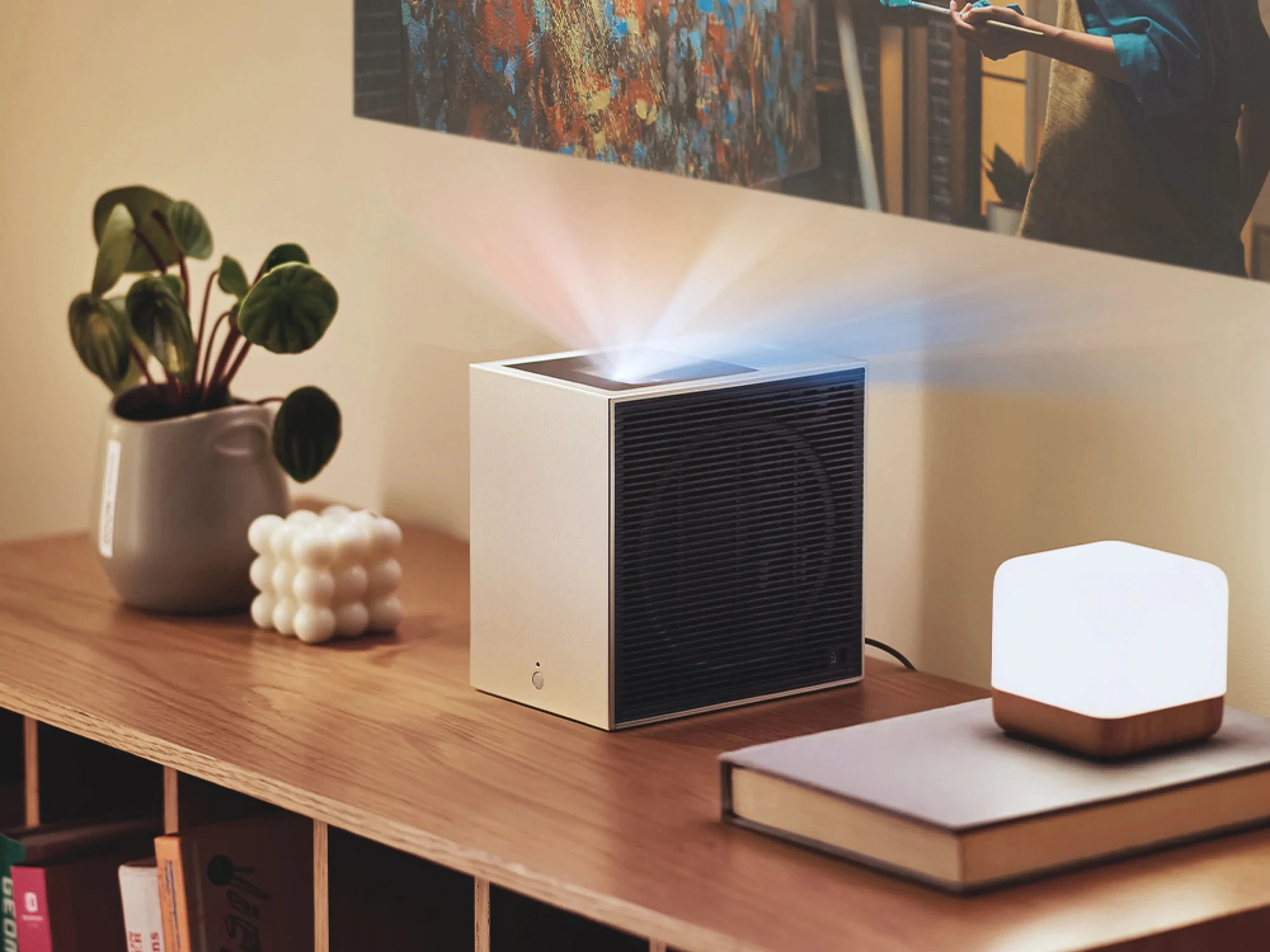
    The LG CineBeam S Mini Ultra Short Throw (UST) 4K Projector has made its worldwide debut. This innovative home device was first shown off at CES 2025, with the company providing European pricing details shortly after.

    Pre-Order Availability

    Currently, LG has made the CineBeam S available on its websites in countries such as Canada, Australia, and South Korea. In Australia, pre-orders can be placed for A$2,499, with delivery anticipated to begin in mid-August 2025. In the UK, Richer Sounds is also accepting pre-orders for £1,099, with stock expected to arrive in September.

    Specifications and Features

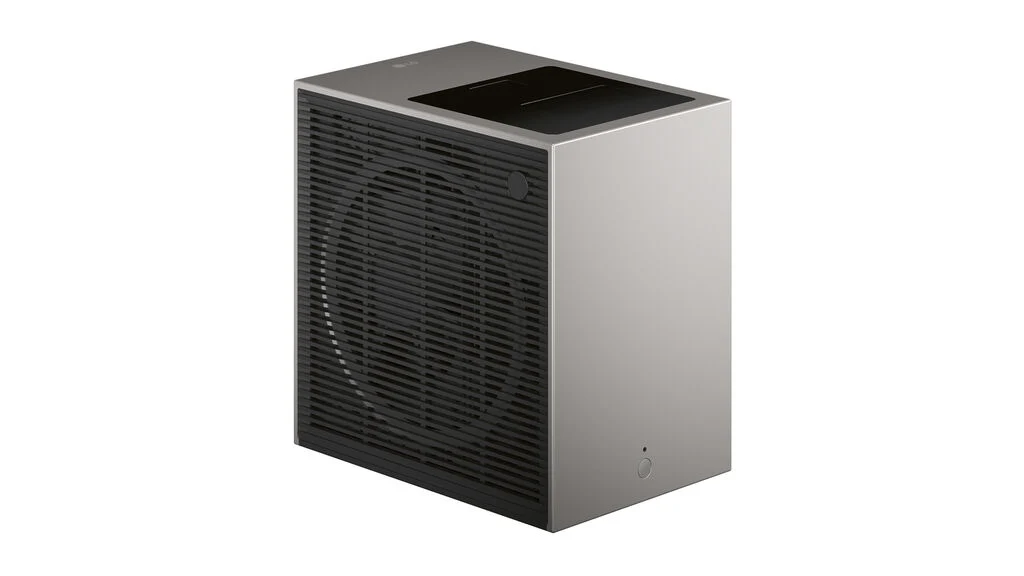
    The CineBeam S, known by its model number PU615U, features a 3-channel RGB laser light source that is claimed to produce brightness levels of up to 500 ANSI lumens. It can project 4K images up to 100 inches in size, thanks to its 0.25 ultra-short throw ratio. The product description states that it covers 154% of the DCI-P3 color spectrum, has a dynamic contrast ratio of 450,000:1, and includes Filmmaker Mode as well as HDR10 support.

    Moreover, this DLP projector incorporates tools for enhancing images, such as automatic screen adjustments, scaling, and wall color corrections. It operates on the LG webOS24 platform and includes popular apps like Netflix, Disney+, and Apple TV, along with the ability to wirelessly share screens using Apple AirPlay 2 and MiraCast. Additionally, it has built-in stereo speakers that support Dolby Atmos, two USB-C ports, and an HDMI eARC port.

    Dimensions and Future Availability

    The PU615U is a fairly compact projector, with dimensions of 160 x 160 x 110 mm (approximately 6.3 x 6.3 x 4.3 inches). It is still unclear when the LG CineBeam S Mini Ultra Short Throw 4K Projector will be released in other European nations or in the United States, where the LG CineBeam Q (HU710PB) is currently being sold for $996.99 on Amazon.

    Source:
    Link


  • EcoFlow Trail 300 DC Compact Power Station Now in Stock

    EcoFlow Trail 300 DC Compact Power Station Now in Stock

    Key Takeaways

    1. EcoFlow has launched the Trail 300 DC Portable Power Station in the US, featuring a 288Wh capacity and 300W output.
    2. The current sale price is $159.99, down from $249.99, with additional bundle options available that include solar panels and a camping light.
    3. The power station has two USB-C ports (up to 140W), two USB-A ports (up to 12W each), and a 12V car port (up to 120W).
    4. It can reach 80% charge in 69 minutes using dual USB-C inputs and takes about 3.1 hours to fully recharge via solar or car charging.
    5. A more advanced version, the Trail Plus 300 DC, is expected to be released in the US this fall, while availability in Europe is still uncertain.


    EcoFlow has launched the Trail 300 DC (288Wh) Portable Power Station in the United States. This is one of two new power stations that were introduced in July 2025, and a third version is also on its way. Among the initial two models, the 300 DC stands out as the more powerful option.

    Pricing and Availability

    You can now purchase the EcoFlow Trail 300 DC (288Wh) in the US for a reduced price of $159.99 (regular price $249.99) at Amazon or on the company’s website. If you order from the official store, you will also receive a complimentary Rapid 30W GaN Charger. It’s not clear how long these offers will be available. Additionally, customers can choose a bundle that includes a 45W Solar Panel for $238.00 (regular price $348.99) or a bundle with a 60W Solar Panel at $258.00 (regular price $388.99). There’s also a kit that combines the power station with the brand’s camping light for $139.00 (regular price $219.99).

    Specifications and Features

    As its name suggests, the EcoFlow Trail 300 DC provides a maximum output of 300W combined across its five ports. This includes two USB-C ports that can deliver up to 140W, two USB-A ports at up to 12W each, and a 12V car port that can handle up to 120W. The 288 Wh LFP battery can reach 80% charge in just 69 minutes using dual 140W USB-C inputs. Other charging options are available, such as 110W solar and 110W car charging, with a complete recharge taking roughly 3.1 hours for either method. The portable power bank measures 6.6 x 4.5 x 6.5 inches (166 x 115 x 166 mm) and weighs 5.7 lbs (about 2.6 kg). In addition, the accessory is designed to be drop-proof and fire resistant, and it features a woven handle for easier transport.

    Future Release Information

    It remains uncertain if or when the EcoFlow Trail 300 DC (288Wh) will be available in Europe. The Trail Plus 300 DC, which includes an added USB-C port, a built-in cable, and a light, is set to debut in the US this fall.

    Source:
    Link


  • How Cancer Cells Survive Under Extreme Conditions

    How Cancer Cells Survive Under Extreme Conditions

    Key Takeaways

    1. Quick Energy Response: Cancer cells rapidly move their mitochondria toward the nucleus under mechanical compression, forming nucleus-associated mitochondria (NAMs) that provide an immediate energy boost.

    2. ATP Surge for DNA Repair: The ATP levels increase by about 60% within three seconds, which is crucial for repairing DNA damage caused by compression, allowing cells to divide properly.

    3. Cytoskeletal Scaffold Importance: The process relies on the cytoskeletal scaffold, specifically actin filaments, to maintain cell shape and support the formation of NAMs; disrupting this structure halts ATP production.

    4. Biopsy Findings: Analysis of breast tumor biopsies shows NAMs are three times more common at the invasive edges of tumors, suggesting a link between NAMs and cancer cell invasiveness.

    5. Potential Therapy Target: Targeting the internal support structures of cancer cells may reduce their ability to respond to mechanical stress, offering a new direction for cancer treatment.


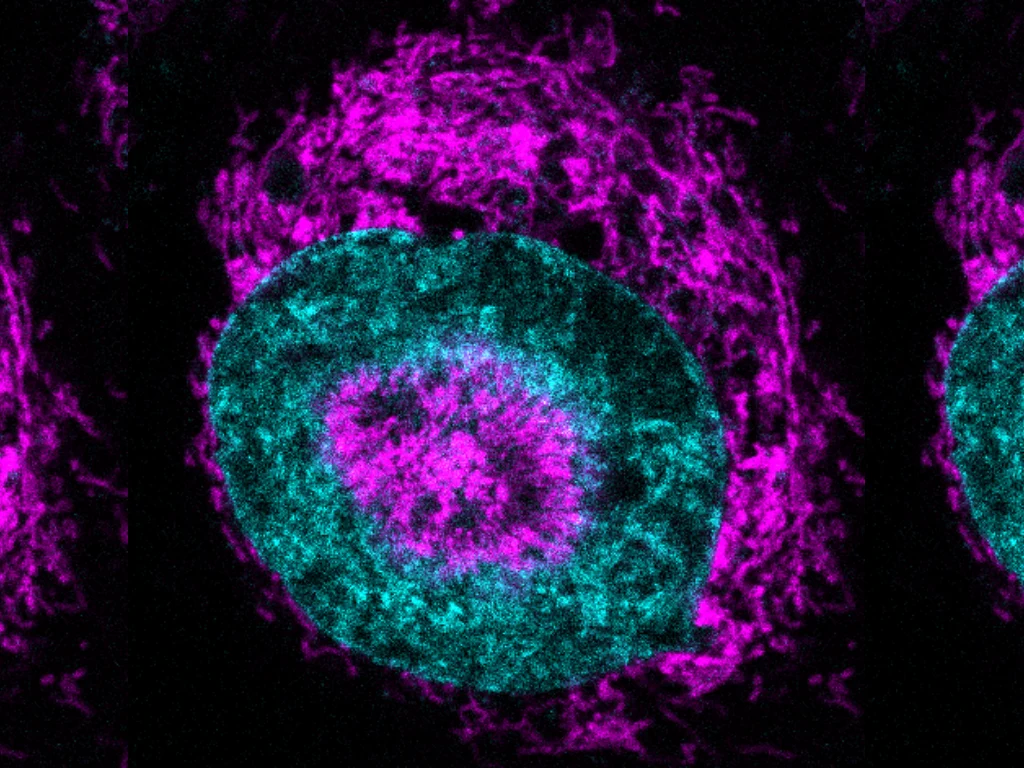
    As of July 30, scientists at the Centre for Genomic Regulation (CRG) in Barcelona have discoverd a quick energy response mechanism in cancer cells when they face mechanical compression. The research indicates that when cancer cells are squeezed, their mitochondria—structures responsible for energy production—swiftly move toward the nucleus, creating clusters known as nucleus-associated mitochondria (NAMs). These NAMs provide a burst of adenosine triphosphate (ATP), which is the main energy molecule for cells, directly into the nucleus in just a few seconds.

    ATP Surge and DNA Repair

    The influx of ATP increases by about 60% within three seconds and is crucial for repairing DNA. When under compression, cells encounter DNA stress, leading to broken strands. The rise in ATP activates the DNA repair machinery effectively. Cells that lack this ATP surge struggle to divide properly.

    Role of Cytoskeletal Scaffold

    This process heavily relies on the cytoskeletal scaffold, which is an internal structure made up of actin filaments that help maintain the shape of the cell. The endoplasmic reticulum, a cell’s internal network, also plays a vital role in keeping the mitochondria close to the nucleus. Disrupting this scaffold with latrunculin A stops the formation of NAMs and halts the ATP surge. For context, latrunculin A is a chemical that breaks down actin filaments.

    Insights from Patient Biopsies

    An analysis of breast tumor biopsies from 17 patients revealed that NAMs were three times more prevalent at the invasive fronts of tumors—areas where cancer cells are spreading—compared to the dense tumor core. Researchers suggest that targeting this internal support structure might hinder cancer cells’ ability to respond to mechanical stress, potentially reducing tumor invasiveness while preserving healthy tissue.

    The study utilized a microscope capable of compressing cells to a width of three microns. The phenomenon was seen in 84% of squeezed HeLa cells (a line of human cancer cells derived from a cervical tumor in 1951, known for their ability to grow and divide indefinitely in lab conditions) and was not present in uncompressed cells. All of this provides new insights into how cancer cells can endure mechanical challenges during invasion and, hopefully, will aid researchers in discovering a new target for therapy.

    Source:
    Link