
Key Takeaways
1. Quick Energy Response: Cancer cells rapidly move their mitochondria toward the nucleus under mechanical compression, forming nucleus-associated mitochondria (NAMs) that provide an immediate energy boost.
2. ATP Surge for DNA Repair: The ATP levels increase by about 60% within three seconds, which is crucial for repairing DNA damage caused by compression, allowing cells to divide properly.
3. Cytoskeletal Scaffold Importance: The process relies on the cytoskeletal scaffold, specifically actin filaments, to maintain cell shape and support the formation of NAMs; disrupting this structure halts ATP production.
4. Biopsy Findings: Analysis of breast tumor biopsies shows NAMs are three times more common at the invasive edges of tumors, suggesting a link between NAMs and cancer cell invasiveness.
5. Potential Therapy Target: Targeting the internal support structures of cancer cells may reduce their ability to respond to mechanical stress, offering a new direction for cancer treatment.
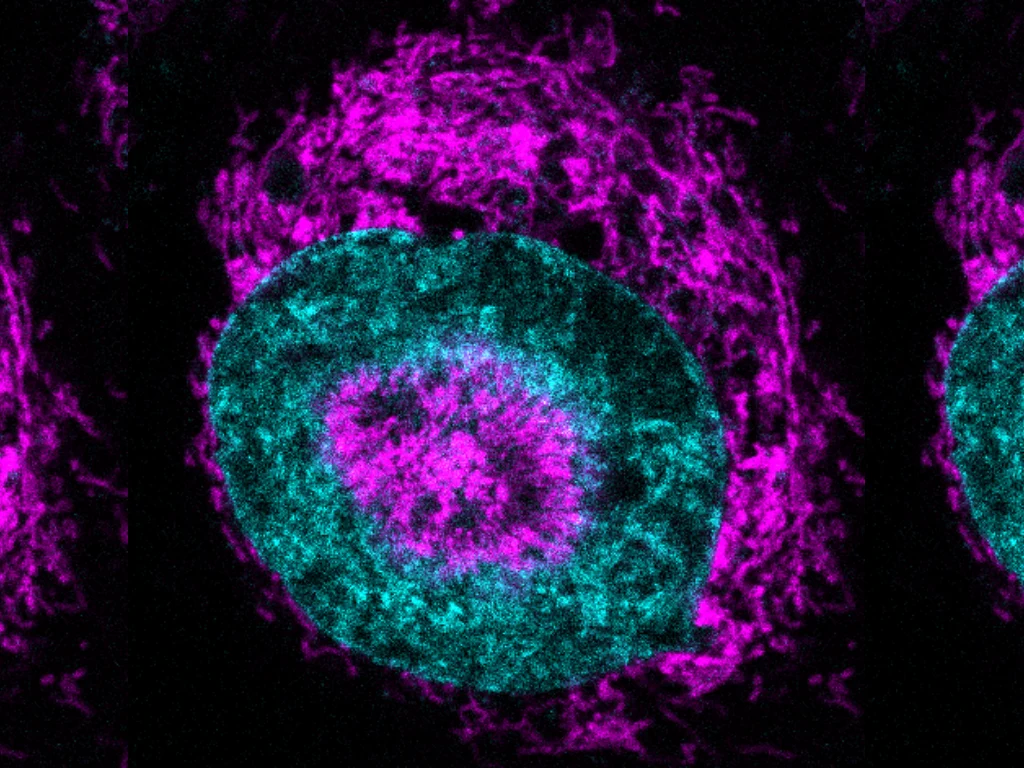
As of July 30, scientists at the Centre for Genomic Regulation (CRG) in Barcelona have discoverd a quick energy response mechanism in cancer cells when they face mechanical compression. The research indicates that when cancer cells are squeezed, their mitochondria—structures responsible for energy production—swiftly move toward the nucleus, creating clusters known as nucleus-associated mitochondria (NAMs). These NAMs provide a burst of adenosine triphosphate (ATP), which is the main energy molecule for cells, directly into the nucleus in just a few seconds.
ATP Surge and DNA Repair
The influx of ATP increases by about 60% within three seconds and is crucial for repairing DNA. When under compression, cells encounter DNA stress, leading to broken strands. The rise in ATP activates the DNA repair machinery effectively. Cells that lack this ATP surge struggle to divide properly.
Role of Cytoskeletal Scaffold
This process heavily relies on the cytoskeletal scaffold, which is an internal structure made up of actin filaments that help maintain the shape of the cell. The endoplasmic reticulum, a cell’s internal network, also plays a vital role in keeping the mitochondria close to the nucleus. Disrupting this scaffold with latrunculin A stops the formation of NAMs and halts the ATP surge. For context, latrunculin A is a chemical that breaks down actin filaments.
Insights from Patient Biopsies
An analysis of breast tumor biopsies from 17 patients revealed that NAMs were three times more prevalent at the invasive fronts of tumors—areas where cancer cells are spreading—compared to the dense tumor core. Researchers suggest that targeting this internal support structure might hinder cancer cells’ ability to respond to mechanical stress, potentially reducing tumor invasiveness while preserving healthy tissue.
The study utilized a microscope capable of compressing cells to a width of three microns. The phenomenon was seen in 84% of squeezed HeLa cells (a line of human cancer cells derived from a cervical tumor in 1951, known for their ability to grow and divide indefinitely in lab conditions) and was not present in uncompressed cells. All of this provides new insights into how cancer cells can endure mechanical challenges during invasion and, hopefully, will aid researchers in discovering a new target for therapy.
Source:
Link
Leave a Reply