
Key Takeaways
1. Apple now offers genuine replacement components for iPad models through its Self-Service Repair Store, improving repair accessibility.
2. Recent iPad models are easier to repair than older versions, although the glued-in display remains a challenge.
3. Apple has changed its policy, allowing authorized service providers to perform iPad repairs, but high part prices still pose a barrier.
4. Replacement parts are priced significantly higher than their production costs, making repairs less feasible for consumers.
5. Apple’s pricing strategy seems designed to encourage customers to purchase new devices rather than repair existing ones, in response to “right to repair” regulations.
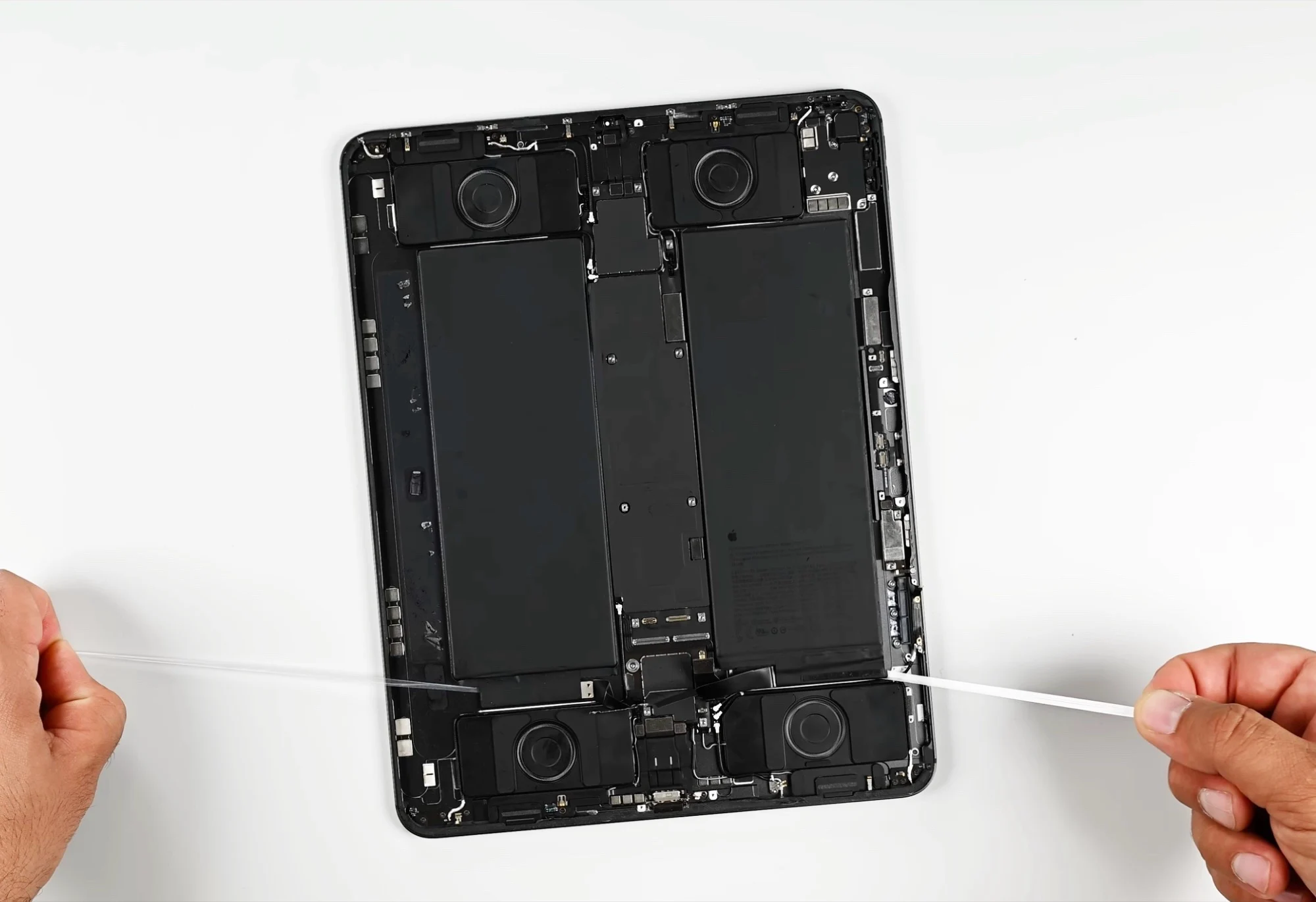
Since May, Apple has been providing genuine replacement components for the iPad, iPad Air, and iPad Pro through its official Self-Service Repair Store. A teardown by iFixit reveals that the latest iPad models are significantly easier to fix compared to those from a few years back, though the glued-in display can still be a tricky part to work with.
Changes in Repair Policies
For many years, Apple-authorized service providers were not permitted to perform iPad repairs, but this has recently changed. Despite this, independent repair technicians recently told 404media that Apple is intentionally setting the prices of iPad replacement parts so high that it makes repairs unfeasible, pushing consumers toward purchasing a new iPad instead. For instance, Apple charges over $150 for a new USB-C port, and in some cases, the cost of a replacement display can exceed $700. Here’s a snapshot of the current pricing for spare parts from the Self-Service Repair Store:
– iPad (Apple A16)
– iPad Pro (13-inch, Apple M4)
Pricing Strategy Behind Parts
Jonathan Strange, the founder of XiRepair, suggests that Apple does not price its replacement parts according to their production costs. Instead, the pricing is aligned with the list price of the specific iPad models, ensuring that repairs remain costly and making the option of upgrading to a new tablet more appealing. The mere availability of replacement parts and the allowance for iPad repairs appear to be primarily in response to “right to repair” regulations, while simultaneously rendering repairs less viable for customers.
Source:
Link
Leave a Reply