
Key Takeaways
1. Lindsey and Tim Pierce welcomed a baby boy from an embryo frozen since 1994, setting a world record for the longest frozen embryo leading to a live birth.
2. The couple faced infertility challenges and adopted the nearly three-decade-old embryo from donor Linda Archerd, who had initially created multiple embryos in 1994.
3. Out of three embryos given to the Pierces, one did not survive thawing, but two were transferred, leading to one successful implantation and birth.
4. The event highlights the effectiveness of long-term embryo storage, with approximately 1.5 million frozen embryos stored in the U.S.
5. The article also discusses a startup, Tomorrow Bio, exploring cryopreservation for deceased individuals, though human cryonics remains theoretical and controversial.
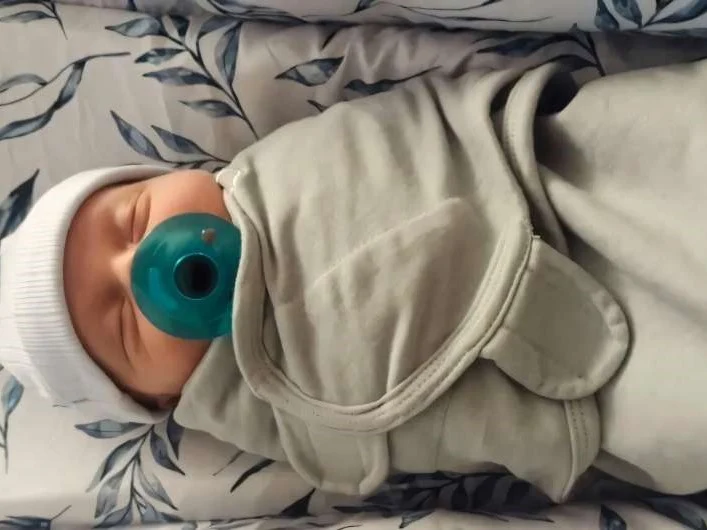
An Ohio couple, Lindsey and Tim Pierce, have just welcomed a baby boy who was born from an embryo that had been frozen since 1994. This remarkable event has set a new world record for the longest time an embryo has been frozen before leading to a live birth.
Journey to Parenthood
The Pierces faced challenges with infertility and chose to adopt an embryo, which led them to receive this nearly three-decade-old embryo. The donor, Linda Archerd, who is now 62 years old, created multiple embryos through in vitro fertilization back in 1994. Initially, she made four embryos intending to use them all; however, she ended up using only one during her marriage before her divorce. Faced with increasing storage fees and a decision against destroying the embryos, she decided to donate them instead.
A Historic Birth
From the three embryos given to the Pierces by Archerd, one unfortunately did not survive the thawing process, but two were successfully transferred into Lindsey’s uterus. Out of those, only one managed to implant and develop. This successful birth underlines the growing effectiveness of long-term embryo storage, especially considering that there are about 1.5 million frozen embryos stored across the United States.
Exploring New Frontiers
Long-term preservation of biological material is also being explored in a more controversial area. A startup named Tomorrow Bio is working on cryopreservation for deceased individuals, with the hope that future medical advancements might allow for their revival. This process involves cooling the body and substituting all water with a cryoprotective fluid to avert damage from ice crystals, before freezing it at a chilling −384.8 °F (−196 °C).
In contrast to embryo storage, human cryonics is still a theoretical concept. Critics like neuroscientist Professor Clive Coen have called the idea “preposterous,” noting that no one has been successfully brought back to life from such a state.
Source:
Link
Leave a Reply