Category: Home

  • Germany Recycles 747,000 Tons of E-Waste in 2023

    Germany Recycles 747,000 Tons of E-Waste in 2023

    Key Takeaways

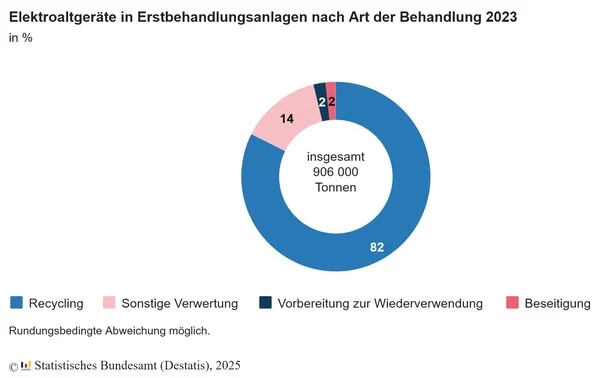
    1. In 2023, Germany processed 906,100 tons of e-waste, achieving a recycling rate of 82.4%, with 747,000 tons successfully recycled.
    2. The amount of e-waste processed in 2023 saw a slight increase of 0.6% compared to 2022 but remains below the peak of over one million tons during the pandemic in 2020.
    3. Small appliances, such as remote controls and kettles, make up the largest share of e-waste at 31.7%, followed by large devices (27.7%) and heat exchangers (18.3%).
    4. Recycling rates vary by category, with photovoltaic modules having the highest rate at 90.7%, while mass-produced small appliances have the lowest at 79.3%.
    5. The Electrical and Electronic Equipment Act mandates that retailers over a certain size must accept e-waste returns, and consumers can also use municipal recycling centers and mobile collection services.


    The recycling of electronic waste in Germany is a crucial matter for the shift toward sustainable raw materials. The German Federal Statistical Office (Destatis) reported that in 2023, 906,100 tons of e-waste were processed at certified primary treatment facilities. Out of this total, 747,000 tons were successfully recycled, resulting in a recycling rate of 82.4%.

    Year-on-Year Comparison

    When looking at the data from the previous year, 2022, the amount processed saw a slight rise of 0.6%. However, the overall volume is still significantly lower than the peak during the pandemic in 2020, when figures exceeded one million tons.

    Breakdown of E-Waste Types

    The data reveals that small appliances represent the largest share of e-waste. With 287,400 tons, they make up 31.7% of all processed electronic waste. This category encompasses common items like remote controls, electric toothbrushes, and kettles.

    Following small appliances are large devices such as washing machines and e-bikes, which accounted for 250,700 tons (27.7%). Heat exchangers, including refrigerators and heat pumps, represented 18.3%, while small IT and telecommunications devices (like smartphones and routers) made up 10%.

    Recycling Rates Variability

    There are notable disparities in recycling rates among different categories. Photovoltaic modules achieved the highest recycling rate, with 90.7% of the 14,200 tons recorded being recycled. Conversely, mass-produced small appliances, the most frequently discarded type, had the lowest recycling rate at 79.3%.

    The leftover 159,100 tons of non-recycled e-waste was either prepared for reuse (2.1%), used in alternative methods like energy generation (13.8%), or disposed of (1.7%) in landfills. It’s crucial to have separate collection systems in place to recover valuable raw materials like rare earth elements, copper, and gold.

    Regulations on E-Waste Disposal

    The Electrical and Electronic Equipment Act outlines the responsibilities regarding free e-waste disposal. Retailers and online stores with a sales or storage area larger than 400 square meters in the electrical sector (or 800 square meters in the food sector) are required to accept returns.

    Consumers also have the option to use municipal recycling centers and designated collection points, including some mobile collection services.

    Source:
    Link


  • SwitchBot Launches Safety Alarm with Apple Find My Support

    SwitchBot Launches Safety Alarm with Apple Find My Support

    Key Takeaways

    1. Personal Safety Focus: The SwitchBot Safety Alarm enhances personal safety with features like location tracking, alerts, and deterrents.

    2. Compact and Lightweight: The device measures 67 x 33 x 15 mm and weighs only 35 grams, making it easy to attach to bags or keychains.

    3. Loud Alarm and LED Light: It includes a 130 dB alarm and bright LED light for quick attention in emergencies, with a range of up to 100 meters.

    4. Compatibility and App Integration: Works within the SwitchBot ecosystem and pairs with the SwitchBot app for real-time alerts to family members.

    5. Long Battery Life and Durability: Runs on replaceable batteries lasting up to 2 years, with IP65 water and dust resistance and additional safety features like silent SOS mode.


    SwitchBot, a company that makes smart home devices, has introduced a new small personal security gadget called the SwitchBot Safety Alarm. This product aims to enhance personal safety by creating a safety network that includes location tracking, alerts, and deterrent features. Similar to the Apple AirTag (currently priced at $64.99 on Amazon), users can easily attach this device to a handbag, keychain, or backpack due to its small size. In terms of size, it is 67 x 33 x 15 mm (2.6 x 1.2 x 0.59 inches) and weighs merely 35 grams (1.2 oz).

    Features of the Safety Alarm

    The Safety Alarm comes with a bright LED light and a very loud alarm that can reach up to 130 dB, which helps to confuse attackers and grab attention quickly. The company claims that the siren can be heard from a distance of 100 meters. Additionally, it has a feature that allows a fake phone call to be initiated, making the user’s phone ring even if it is on silent.

    Compatibility with Other Devices

    This gadget can also function as an NFC door key when paired with the SwitchBot Lock and Keypad. However, it is important to mention that it is only compatible within the SwitchBot ecosystem. Furthermore, the safety alarm works with the SwitchBot companion app, allowing users to send alerts to family members in real time when the alarm is activated.

    Battery and Durability

    In terms of power, the device runs on replaceable button-cell batteries that can last up to 1 year when used with Find My and SwitchBot, and up to 2 years when used with SwitchBot alone. Additional features include IP65 water and dust resistance, support for Apple Find My, a silent SOS mode, a lost mode, and a reminder for when you arrive home.

    The SwitchBot Safety Alarm is available in black, aqua, and white and is priced at $39.99/€39.99/£39.99. Customers can buy this device directly from SwitchBot’s official site or on Amazon.

    Source:
    Link


  • Concrete Battery Boosts Energy Storage Capacity Tenfold

    Concrete Battery Boosts Energy Storage Capacity Tenfold

    Key Takeaways

    1. Concrete batteries can store electrical energy while being strong enough for construction use.
    2. The innovative battery is made from cement, water, ultrafine carbon black, and electrolytes, creating a conductive structure.
    3. Optimized electrolytes can increase the energy storage capacity of concrete by ten times.
    4. Concrete batteries can be integrated into building elements, offering self-monitoring capabilities for structural integrity.
    5. This technology has the potential to enhance energy efficiency in various applications, promoting sustainable building practices.


    Concrete is a major building material used globally. In the future, it may not just be useful for construction but also function like a battery to store energy. Scientists at the Massachusetts Institute of Technology (MIT) have improved what they call a “concrete battery,” which can hold electrical energy while also being strong. Their findings are shared in the Proceedings of the National Academy of Sciences (PNAS).

    Composition of the Concrete Battery

    This innovative battery is made from cement, water, ultrafine carbon black, and electrolytes. Together, these components form a conductive nanocarbon structure within the concrete. Admir Masic, the main author of the research and co-director of the MIT EC³ Hub, states:

    Understanding how these materials ‘assemble’ themselves on the nanoscale is crucial for achieving these new functionalities.

    This structure helps electrolytes get into the concrete’s pores, enhancing the flow of current.

    Energy Storage Improvements

    Research has shown that when using optimized electrolytes, the energy storage capacity of concrete can increase by ten times. In 2023, a household needed about 45 cubic meters of concrete to meet its daily energy requirements. Today, that number has dropped to just about 5 cubic meters, which is similar to the amount used in a basement wall.

    Damian Stefaniuk, another key author of the study, mentions:

    A cubic meter of this ec3 version — roughly the size of a refrigerator — can hold over 2 kilowatt-hours of energy.

    This is nearly the same as what a refrigerator uses in one day.

    Applications in Construction

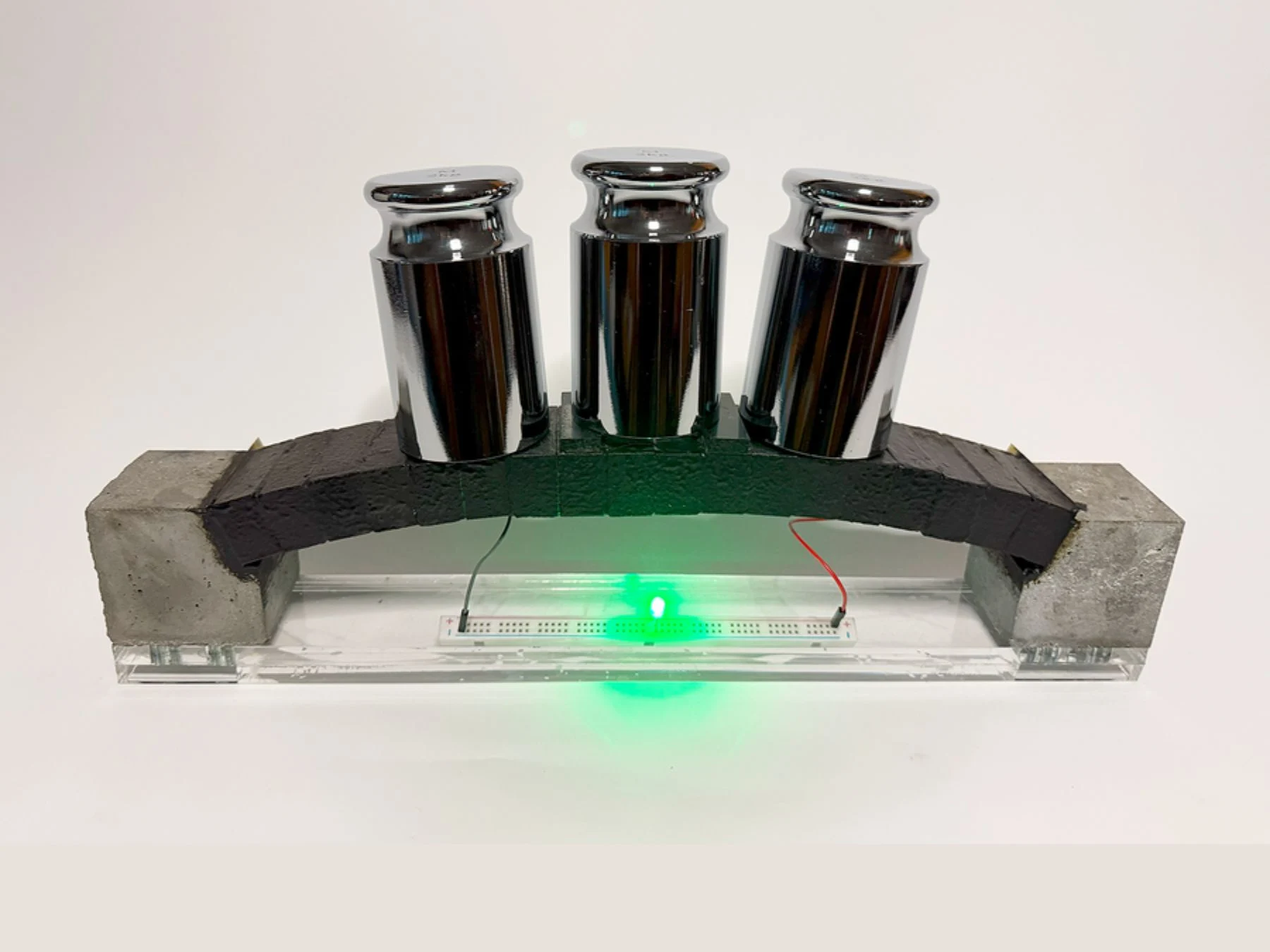
    Concrete batteries can be built directly into elements of a structure, like walls, floors, or domes. Drawing inspiration from Roman architecture, the researchers created a small arch that could support itself while also powering an LED light. Masic adds:

    There may be a kind of self-monitoring capacity here.

    The brightness of the light changes based on the load, which helps assess the structural integrity in real-time.

    Concrete batteries could be beneficial for parking lots, roads, and coastal structures. Stefaniuk explains:

    With these higher energy densities and the shown value across a wider range of applications, we now have a strong and versatile tool to tackle many ongoing energy issues.

    It merges load-bearing structures with energy storage, paving the way for sustainable and multifunctional building in the future.

    Source:
    Link


  • Revolutionary Organic Solar Cell Achieves 100% Charge Efficiency

    Revolutionary Organic Solar Cell Achieves 100% Charge Efficiency

    Key Takeaways

    1. Researchers at the University of Cambridge discovered that an organic semiconductor molecule, P3TTM, can produce electricity using a method previously thought exclusive to inorganic materials.
    2. The unique interaction of unpaired electrons in closely packed P3TTM molecules allows for the transformation of light into usable electric charges.
    3. This finding challenges traditional solar cell designs, which typically require two distinct materials for electricity generation.
    4. Laboratory tests showed the new material achieved a charge generation quantum yield of up to 40% and nearly 100% charge collection efficiency in a simple solar cell setup.
    5. This innovation could lead to more compact, efficient, and affordable solar cells and pave the way for self-charging electronic devices.


    In a remarkable find, researchers from the University of Cambridge have discovered that a unique organic semiconductor molecule can produce electricity through a method once believed to be limited to inorganic substances. This study, featured in the journal Nature Materials, has the potential to significantly influence the future of solar energy and electronic devices by paving the way for single-material solar cells.

    Research Background

    The investigation, which involved collaboration between Professor Sir Richard Friend’s physics group and Professor Hugo Bronstein’s chemistry group, centered around an organic molecule known as P3TTM. The researchers found that when P3TTM molecules were closely packed, their unique interaction involving unpaired electrons enabled the transformation of photons into usable electric charges.

    Mechanism of Action

    Typically, in organic materials, electrons pair up and do not engage with their surroundings. However, in this scenario, when the molecules cluster together, the interactions among the unpaired electrons on adjacent sites promote an alternating alignment of these electrons. When light is absorbed, one electron jumps to a neighboring molecule, leading to the creation of positive and negative charges that can be harnessed to generate a photocurrent, as explained by Biwen Li, the lead researcher from the Cavendish Laboratory.

    Implications for Solar Technology

    This finding marks a significant departure from traditional solar cells, which rely on an interface between two distinct materials—an electron donor and an acceptor—to produce electricity. This conventional setup caps the overall efficiency of the cells.

    The new material performed admirably in laboratory experiments, achieving a quantum yield for charge generation of up to 40% in one arrangement. In another setup involving a simple solar cell crafted from a pure film of the material, the team observed an almost flawless charge collection efficiency nearing 100%. Nonetheless, the researchers did not disclose the overall power conversion efficiency for the various configurations.

    This groundbreaking advancement could lead to the creation of compact, efficient, and affordable solar cells that utilize a single material rather than needing two. If this technology can be successfully implemented, it has the potential to energize the next generation of self-charging electronic devices.

    Source:
    Link


  • MIT’s New Concrete Battery Provides 10x More Power for Homes

    MIT’s New Concrete Battery Provides 10x More Power for Homes

    Key Takeaways

    1. The MIT research team enhanced ec3 (electron-conducting carbon concrete) to achieve a tenfold boost in energy capacity.
    2. A smaller volume of ec3 (5 cubic meters) is now needed to power a typical house for a day, compared to 45 cubic meters previously.
    3. New imaging techniques allowed visualization of the material’s internal structure, leading to improvements in its chemistry and production methods.
    4. Seawater can be used as an effective electrolyte for ec3, suggesting its potential for offshore construction applications.
    5. The material can also monitor structural health, as demonstrated by powering an LED with a 9-volt arch that indicates physical stress.


    An MIT research team has made a significant advancement in their ec3 (electron-conducting carbon concrete), a type of material capable of storing and releasing electrical energy. In a recent publication in the Proceedings of the National Academy of Sciences (PNAS), they revealed a remarkable tenfold boost in its energy capacity. This innovation could allow common structures like buildings and bridges to operate similarly to batteries.

    Reduced Energy Needs

    The enhancement is considerable. Previously, a typical house would necessitate a 45-cubic-meter block of ec3 to be powered for one day. Now, only a 5-cubic meter block is required, which is about the size of an ordinary basement wall.

    New Insights and Techniques

    This advancement arises from a more profound comprehension of the internal structure and chemistry of the material. For the first time, the team was able to visualize the inner configuration of the material using a high-resolution 3D imaging method. The fresh insights gained from this imaging helped them enhance the system with superior organic electrolytes and a “cast-in electrolyte” manufacturing approach, which made production easier. Additionally, they utilized a multicell stacking method, resulting in a 12-volt prototype that surpasses the low-voltage limitations present in earlier models.

    A Revolutionary Perspective

    What really excites us is that we’ve taken a material as old as concrete and shown that it can achieve something completely new. …we’re opening a path to infrastructure that not just supports our lives, but also energizes them. — James Weaver, a co-author of the paper.

    The researchers found that seawater can serve as an effective electrolyte, indicating possible use in offshore constructions. They also showed its potential for structural health monitoring by using a 9-volt arch made of the material to power an LED that flickered when the arch was stressed physically.

    Source:
    Link


  • Starlink Mini Price Cut: Up to 40% Off in US and Canada

    Starlink Mini Price Cut: Up to 40% Off in US and Canada

    Key Takeaways

    1. Starlink Mini satellite internet kit is now discounted to $299 in the US (down from $499) and CAD $399 in Canada (down from CAD $599).
    2. The device is portable and ideal for travelers, campers, and outdoor enthusiasts needing internet access.
    3. To use Starlink Mini, customers must subscribe to the Starlink Roam plan, costing around $150/month in the US and CAD $189 in Canada.
    4. The free “pause” feature has been replaced with a new Standby Mode for $5/month, limiting speeds to about 0.5 Mbps.
    5. The Starlink Mini includes a built-in Wi-Fi router, is easy to set up in under 10 minutes, and is available for purchase on SpaceX’s website and at major retailers.


    SpaceX has rolled out new discounts for its Starlink Mini satellite internet kit, targeting customers in the US and Canada. This small, portable device is perfect for people who travel, go camping, or enjoy outdoor activities and need internet access away from traditional connections.

    Pricing Details

    In the United States, the Starlink Mini can now be purchased for $299, reduced from its original price of $499. For customers in Canada, the kit is available for CAD $399, down from CAD $599. This promotion is a repeat of a similar price reduction earlier this year, as SpaceX continues to promote its portable internet solutions.

    Subscription Plans

    To use the Starlink Mini at various locations, you need a Starlink Roam plan. In the US, the Unlimited Roam plan is priced at around $150 a month, while Canadian users will pay CAD $189. There’s also a more affordable plan that offers limited data usage.

    Policy Changes

    Recently, the satellite internet service owned by Musk has made some changes to its policies. The free “pause” feature is being replaced with a new Standby Mode, which costs $5 monthly. In this mode, internet speeds are limited to about 0.5 Mbps, which is sufficient for simple browsing and sending messages.

    The Starlink Mini is designed to fit easily in a backpack and includes a built-in Wi-Fi router. Users can set it up in less than 10 minutes. The kit is now available for purchase on SpaceX’s website and at major retailers like Best Buy and Home Depot.

    Source:
    Link


  • Chinese Scientists Generate Magnetic Field 700,000 Times Stronger than Earth’s

    Chinese Scientists Generate Magnetic Field 700,000 Times Stronger than Earth’s

    Key Takeaways

    1. A team from China set a world record by creating a stable magnetic field of 35.5 tesla, significantly stronger than the Earth’s magnetic field.
    2. The record-breaking magnet was developed by researchers at ASIPP in Hefei, collaborating with Tsinghua University and others.
    3. The new design combines high-temperature and low-temperature superconducting magnets to overcome technical challenges.
    4. This achievement has important implications for nuclear fusion and could advance technologies like magnetic levitation and electromagnetic propulsion.
    5. The research team successfully sourced all necessary superconducting materials domestically, ensuring a reliable supply chain.


    A group of scientists from China has broken a world record by producing a stable magnetic field measuring 35.5 tesla (351,000 gauss) with the help of a fully superconducting magnet. This significant achievement was shared by the Institute of Plasma Physics under the Chinese Academy of Sciences and marks a vital step forward in advanced magnet technology. For context, this magnetic field is an astounding 700,000 times stronger than the Earth’s magnetic field, which is about 0.5 gauss.

    New Magnet Development

    The record-setting magnet was created by researchers at ASIPP in Hefei, working together with Tsinghua University and other organizations. This new record surpasses the earlier one of 32.35 tesla, which was established back in 2019. The magnet successfully operated at its maximum capacity for 30 minutes before it had to be demagnetized, showing remarkable stability throughout the process.

    Innovative Design

    To reach this goal, the research team employed a hybrid design that integrates a high-temperature superconducting coil within a traditional low-temperature superconducting magnet. Liu Fang, one of the researchers, mentioned that this method helped them tackle significant technical obstacles related to extreme stress and various magnetic fields.

    The implications of this discovery are especially relevant for nuclear fusion, where such powerful magnets are essential for creating a “magnetic cage” that can contain the extremely hot plasma necessary for maintaining a fusion reaction. Additionally, this technology could lead to advancements in magnetic levitation (maglev), improved electromagnetic propulsion systems, and much more.

    Domestic Material Sourcing

    Moreover, the institute revealed it has successfully localized all the superconducting materials and systems required, ensuring a domestic supply chain for all essential components.

    Source:
    Link


  • Optoma Photon Life PK32: Top 4K Gaming Projector Launches

    Optoma Photon Life PK32: Top 4K Gaming Projector Launches

    Key Takeaways

    1. The Optoma Photon Life PK32 is a new home theater projector with 4K UHD resolution and a refresh rate of 60Hz, ideal for gaming and movie watching.
    2. It features a brightness of 1,100 ISO lumens, a dynamic contrast ratio of 250,000:1, and covers 95% of the DCI-P3 color gamut, making it suitable for moderately lit spaces.
    3. The projector has multiple connectivity options, including two HDMI 2.0 ports and USB-A ports, with low input lag of 4.6 ms at 1080p@240Hz.
    4. It is currently available in Europe for around €899 in Germany and £799 in the UK, with a pre-order price of $1,299 in the US.
    5. The compact dimensions of the projector are 238 x 215 x 130 mm, weighing approximately 2.2 kg.


    The Photon Life PK32 has been introduced by Optoma as a new home theater projector. Currently, it’s available in Europe and is expected to arrive in the US soon. According to the company, this latest flagship model is ideal for both gaming and movie watching.

    Impressive Specifications

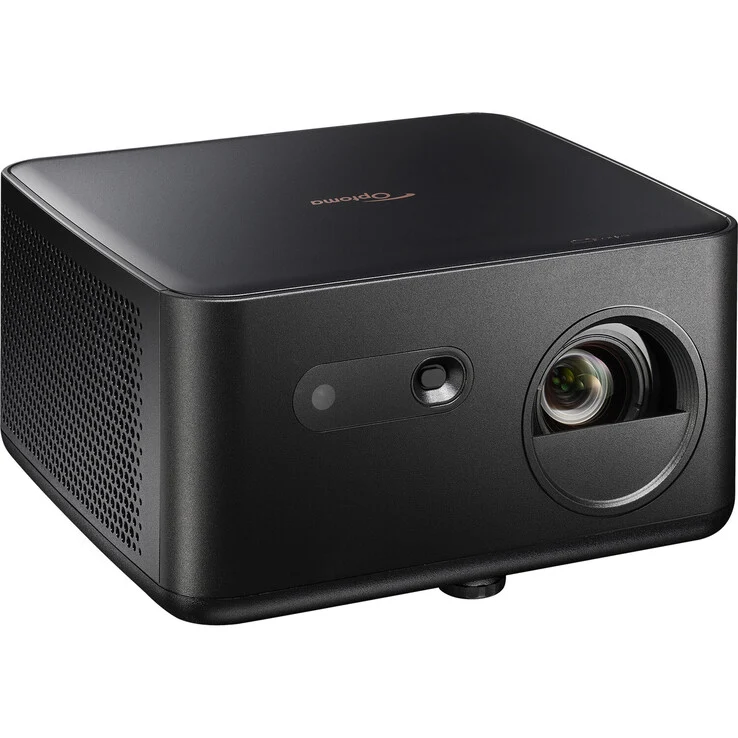
    The Optoma Photon Life PK32 boasts a 4K UHD resolution (3,840 x 2,160 px) with a refresh rate of 60Hz, and it also supports 1080p@240Hz. It can project images that are as large as 150 inches, with a throw ratio of 1.12-1.46:1. The projector uses a 4LED light source that can produce up to 1,100 ISO lumens of brightness, making it suitable for use in moderately lit spaces. Furthermore, this new unit has a dynamic contrast ratio of 250,000:1, a 1.3x zoom, and covers 95% of the DCI-P3 color gamut.

    Connectivity and Performance

    For connecting devices, the Optoma PK32 comes with two HDMI 2.0 (eARC) and USB-A ports, enabling users to stream or play games easily. The company mentions that the input lag is 4.6 ms at 1080p@240Hz, and 16 ms for 4K@60Hz. Additionally, it has a 3.5 mm audio jack and features two built-in speakers. The dimensions of the projector are 238 x 215 x 130 mm (approximately 9.4 x 8.5 x 5.1 inches), and it weighs around 2.2 kg (about 4.9 lbs).

    Availability and Pricing

    If you’re in Europe, you can find the Optoma Photon Life PK32 available for purchase in countries like Germany at stores such as VisuNext for €899. It will also be available on Amazon soon. In the UK, the model can be ordered from Richer Sounds for £799, while customers in the US can pre-order it for $1,299 at B&H Photo.

    Source:
    Link


  • Baseus 100W Digital Display Charger Now Available for Pre-Order in Europe

    Baseus 100W Digital Display Charger Now Available for Pre-Order in Europe

    Key Takeaways

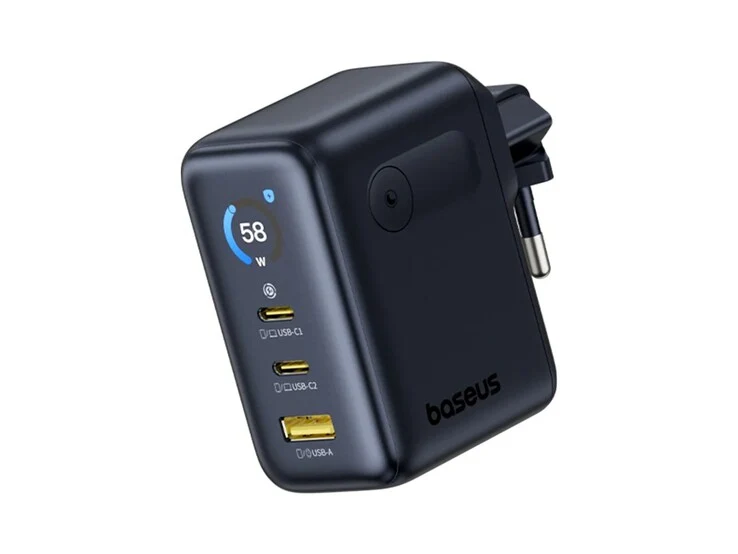
    1. The Baseus PicoGo AE21 Digital Display Fast Charger 100W is available for pre-order in Europe for €45.99, with a recommended retail price of €59.99.
    2. The charger can charge three devices simultaneously, featuring two USB-C ports with a maximum output of 100W and a USB-A port providing up to 33W.
    3. It supports various fast-charging protocols including PD3.0, QC, and SCP, and uses BPS 2.0 technology for smart power management.
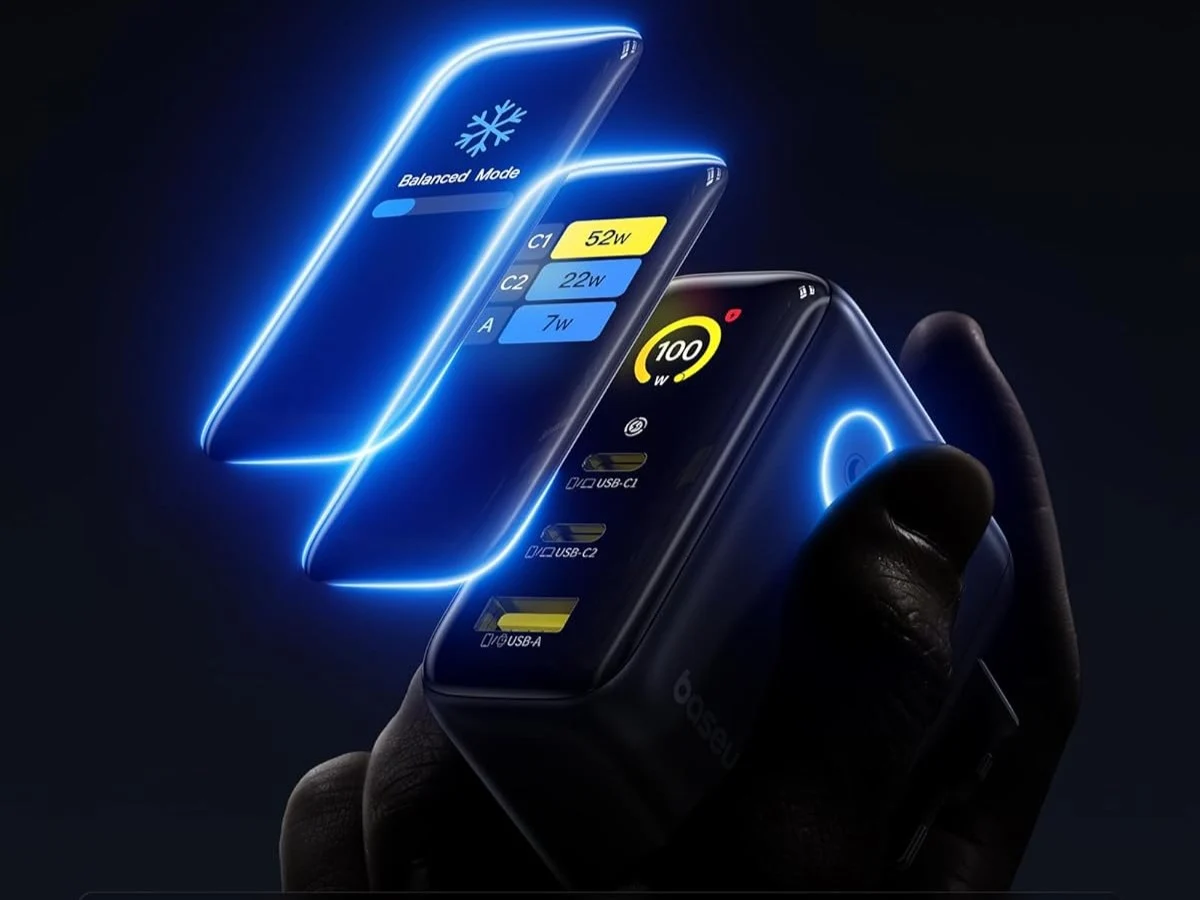
    4. The device includes a digital display that shows total power output, individual port power, and charger temperature.
    5. The charger is portable with a foldable GaN head and dimensions of approximately 6.7 x 3.3 x 5.3 cm (2.6 x 1.3 x 2.1 inches).


    The Baseus PicoGo AE21 Digital Display Fast Charger 2C+U 100W is now up for pre-order in Europe. This device made its debut in China at the end of September 2025 and is expected to launch in the US soon.

    Pre-Order Details

    You can pre-order the Baseus PicoGo Digital Display Fast Charger 100W on Amazon in European nations such as Italy and Germany. The price is currently set at €45.99, while the official website lists it at a recommended retail price (RRP) of €59.99, although it shows as out of stock. It’s important to mention that Amazon does not provide an estimated delivery date for this item.

    Charging Capabilities

    The PicoGo AE21 is designed to charge as many as three devices at the same time. It features two USB-C ports that can reach a maximum output of 100W when used separately. Additionally, there is a USB-A port that provides up to 33W. This charger supports various fast-charging protocols including PD3.0, QC, and SCP. Baseus claims that its BPS 2.0 technology smartly manages the power distribution when multiple devices are charging to ensure optimal performance.

    Display and Design

    On top of the PicoGo AE21, there’s a digital display that can indicate the total power output, the specific power going to each port, as well as the charger’s temperature. The GaN charger’s head, which has two pins, is foldable, making the device a bit more portable; its dimensions are approximately 6.7 x 3.3 x 5.3 cm (around 2.6 x 1.3 x 2.1 inches).

    At this time, it is not clear when the Baseus PicoGo Digital Display Fast Charger will officially be available in Europe or when it may arrive in other markets like the US.

    Source:
    Link


  • Fraimic 31.5-Inch E-Ink Frame Displays Movie Posters & Album Covers

    Fraimic 31.5-Inch E-Ink Frame Displays Movie Posters & Album Covers

    Key Takeaways

    1. Affordable E-Ink Technology: Fraimic is using budget-friendly E Ink Spectra 6 panels in their picture frames, ranging from 13.3 to 31.5 inches.

    2. Long Battery Life: The frames last about four to five years on a single charge, with USB-C for recharging and no need for constant internet access.

    3. Voice Command Features: Users can change images and create AI images using built-in microphones and voice commands.

    4. Customizable Displays: E-ink displays can be moved to different frames, and future firmware updates will add features like “Movie Mode” and “Music Mode.”

    5. Kickstarter Campaign: The campaign runs until 22 October, with prices starting at $299 and shipping expected in May 2026, but risks of delays or quality issues exist.


    Large color e-ink screens are slowly becoming more budget-friendly. Fraimic aims to take advantage of these decreasing costs by incorporating E Ink Spectra 6 panels into their picture frames, which are available in sizes from 13.3 to 31.5 inches.

    Long Battery Life

    Since e-ink technology only uses power when changing images, these frames are built to last about four to five years on just one charge. The internal battery can be recharged using USB-C. Users can update images through a web interface that connects via a local Wi-Fi network, which means there’s no need for servers, subscriptions, or an Internet connection. Additionally, built-in microphones let users change pictures or create new AI images simply by using voice commands.

    Customizable Displays

    Fraimic mentions that the e-ink displays can be easily moved to other frames with minor adjustments to better fit the user’s decor. The company also intends to introduce several exciting features after launch through a firmware update, such as “Movie Mode” and “Music Mode.” The first one automatically shows the movie poster for the film being viewed, while the second one displays album covers from Spotify.

    Kickstarter Campaign Details

    Fraimic is hosting a Kickstarter campaign that will run until 22 October, with shipping anticipated to start in May 2026. The pricing for the smaller 13.3-inch panel begins at $299, while the larger 31.5-inch version is priced at $729. These prices do not factor in shipping, taxes, or duties. Since this is the team’s first Kickstarter project, there may be a higher risk of delays, cancellations, or issues with quality.

    Source:
    Link