Category: Home

  • Lenovo Talix Zeta: 20-Year Lifespan Power Station with Solar Charging

    Lenovo Talix Zeta: 20-Year Lifespan Power Station with Solar Charging

    Key Takeaways

    1. Capacity and Battery Life: The Talix Zeta has a base capacity of 1kWh, expandable to 4kWh with additional batteries, and features lithium iron phosphate cells lasting over 20 years.

    2. Power Output: The device offers a maximum output of 300 watts via AC and can reach 1,200 watts when linked with four units. It also provides up to 240 watts through USB Type-C.

    3. Charging Options: It supports charging via USB Type-C, AC outlet, and solar panels, with a maximum solar charging speed of 110 watts.

    4. Pricing and Availability: Pricing details are not yet available, and the power station will be launched through a crowdfunding campaign, with deliveries expected to start in May 2026.

    5. Alternative Product: The article suggests considering the Jackery Explorer 1000 v2 as an alternative to the Talix Zeta.


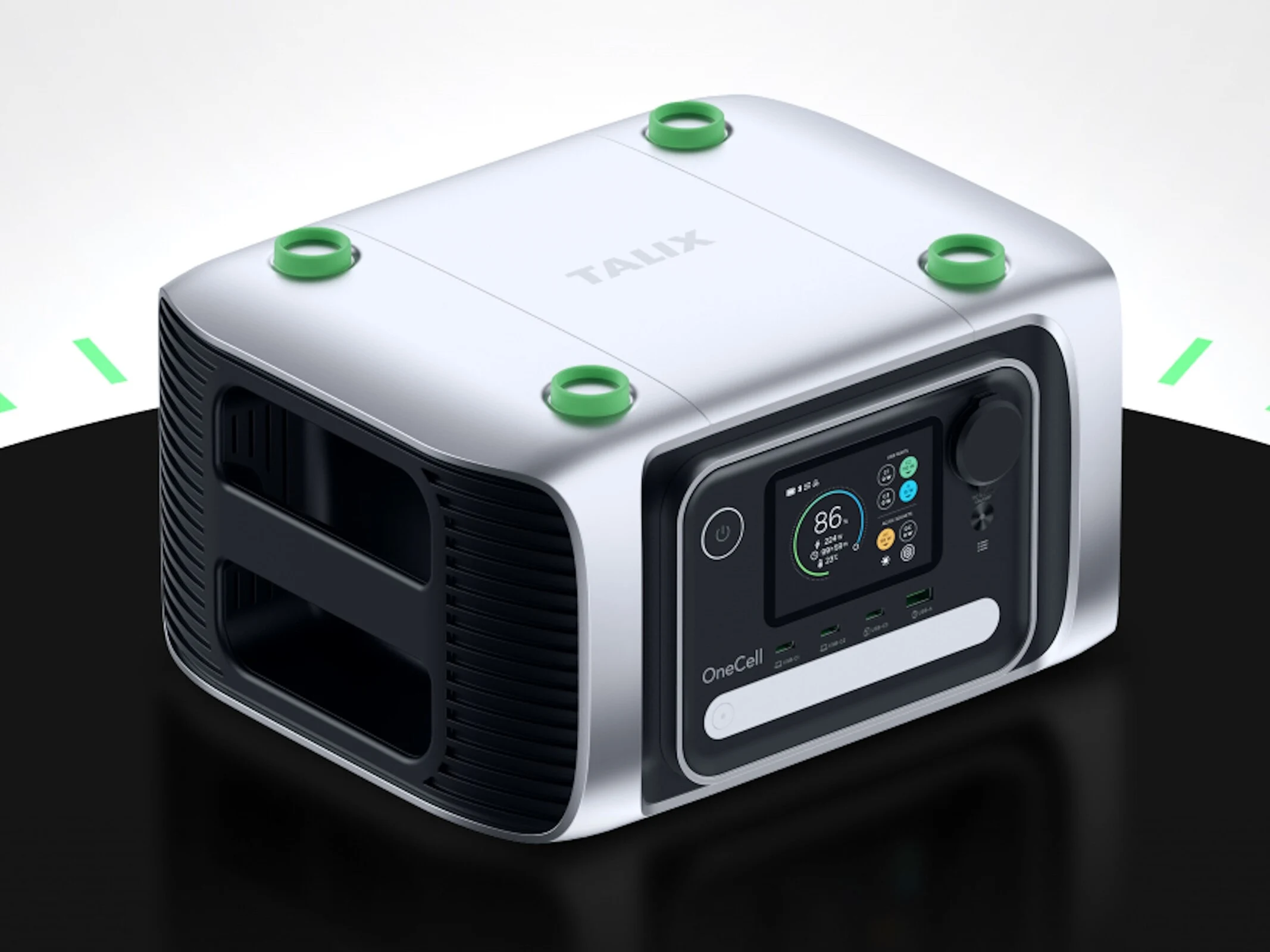
    The Talix Zeta is a newly introduced power station that seems to have been created in partnership with Lenovo. It has a capacity of 1kWh and can be increased with three additional batteries, reaching a total of 4kWh. The lithium iron phosphate battery cells are claimed to last over 20 years. The manufacturer states that after 8,000 charging cycles, 70% of its capacity will still remain.

    Power Capabilities

    The maximum output power through the AC outlet is listed as up to 300 watts, which can rise to 1,200 watts when four units are linked together. This means that very power-hungry devices may not be able to work with just one power station. Nevertheless, it can deliver up to 240 watts via USB Type-C and USB PD 3.2, which should be sufficient for many standard laptops that can be charged using USB-C. Additionally, there are USB Type-A ports that provide a maximum of 12 watts.

    Charging Options

    You can charge the Talix Zeta itself using USB Type-C with the right power adapter. It also supports solar panel charging, making it a great option for camping. When charging from the power grid through USB Type-C, it can go up to 240 watts or 300 watts via an AC outlet. However, the maximum speed for solar charging is on the lower end, at just 110 watts.

    Pricing and Availability

    Talix has yet to disclose any pricing information. The power station will be funded through a crowdfunding campaign, and a version aimed at the European market is also in the works. Deliveries are expected to begin in May 2026.

    Source:
    Link
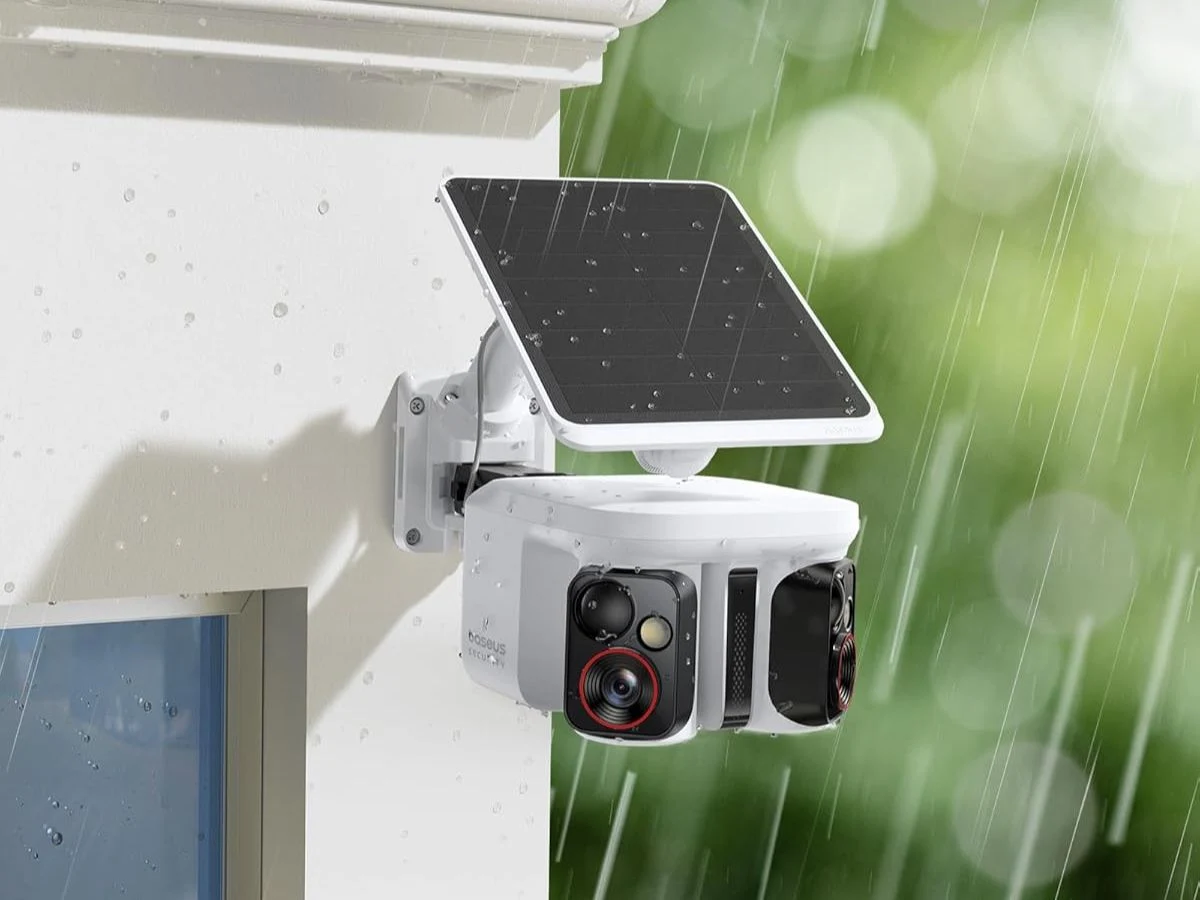


  • Baseus Security X1 Pro Smart Camera Now Widely Available

    Baseus Security X1 Pro Smart Camera Now Widely Available

    Key Takeaways

    1. The Baseus X1 Pro Dual-Tracking Solar Security Camera is priced at $279.99 and available on Amazon US with limited stock.
    2. The camera features dual 3K cameras with a horizontal panning range of up to 300°, 8X digital zoom, and a 100-lumen spotlight for color night vision.
    3. It has a 3W solar panel that can charge the device with just 20 minutes of sunlight and includes a backup battery lasting up to 150 days.
    4. The camera is rated IP65 for weather resistance and can operate in temperatures from -20 to 50°C (-4 to 122°F).
    5. It supports local storage of up to 512 GB without requiring a subscription, although a microSD card is not included.


    The Baseus X1 Pro Dual-Tracking Solar Security Camera is now available for purchase. This innovative smart home device first made its debut in early 2025 through a Kickstarter campaign. Currently, the Kickstarter page indicates that backers can expect delivery around January 2026.

    Pricing and Availability

    You can purchase the Baseus X1 Pro Dual-Tracking Solar Security Camera from Amazon US for $279.99. As of now, the expected delivery date for Amazon customers is set for late December 2025. The listing notes that stock is limited, with reportedly fewer than 10 units left; however, it’s unclear when additional units might be available.

    Kickstarter Campaign Details

    The Kickstarter campaign for the Baseus X1 Pro wrapped up on December 15th. An update sent to backers on that day mentioned that an address collection survey would be coming soon. Unfortunately, it did not provide any revised delivery schedule for those supporters.

    Features of the X1 Pro

    The Baseus X1 Pro is equipped with dual 3K cameras that can operate independently, allowing for a horizontal panning range of up to 300°. The camera can intelligently follow one or two subjects, offers 8X digital zoom, and includes a 100-lumen spotlight for color night vision. Above the cameras, there’s a 3W solar panel that can charge the device for 24 hours with just 20 minutes of sunlight. Additionally, it has a backup battery that lasts for up to 150 days. This outdoor security camera is rated IP65 for weather resistance and can function in temperatures between -20 to 50°C (-4 to 122°F). Moreover, this model does not require a subscription and supports local storage of up to 512 GB (microSD card not included).

  • New IKEA Smart Home Sensors Now Available at Lower Prices

    New IKEA Smart Home Sensors Now Available at Lower Prices

    Key Takeaways

    1. IKEA has adjusted prices for its smart home gadgets across North America and Europe, ensuring uniform pricing for certain products.
    2. Key products like the Myggbett, Timmerflotte, and Myggspray sensors are now uniformly priced at €7.99 in Europe.
    3. The Alpstuga Air quality sensor price dropped from €39.99 to €29.99, and the Klippbok Water leak sensor decreased from €7.99/€9.99 to €6.99.
    4. In the U.S., the Klippbok and Myggspray sensors are now $7.99, reduced from $9.99.
    5. Customers who purchased items at higher prices have successfully obtained refunds or returned products to buy them at the new lower prices.


    IKEA seems to have made lasting changes to the prices of its fresh smart home gadgets across North America and Europe. The company’s newest smart sensors, light bulbs, and remote controls, all compatible with the Matter protocol for various integrations, were launched in certain markets a few weeks ago.

    Pricing Adjustments in Europe

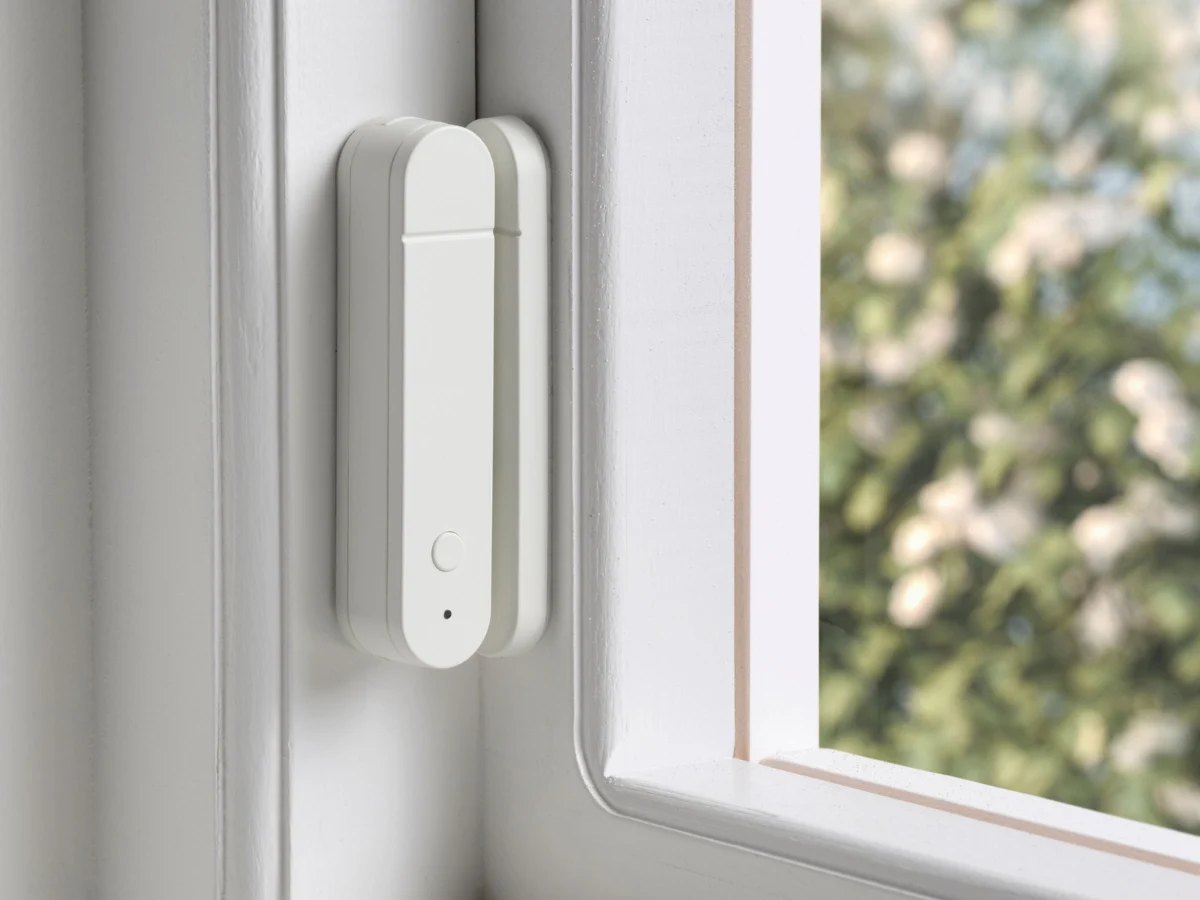
    Recently, IKEA has aligned the prices of some of its smart home sensors in Europe. We had earlier reported that the Myggbett Door/window sensor, Timmerflotte Temperature/humidity sensor, and Myggspray Wireless motion sensor were being sold for €9.99 in places like Germany, while in other areas, such as France, they were just €7.99. Now, all these products are uniformly priced at €7.99.

    Changes in Additional Sensors

    In various European countries, the cost of the Alpstuga Air quality sensor has dropped to €29.99, down from its previous price of €39.99 in certain markets. Moreover, the Klippbok Water leak sensor has seen a price cut from €7.99/€9.99 to €6.99. Likewise, in the United States, both the Klippbok and Myggspray are now available for $7.99, reduced from $9.99. Lastly, the Kajplats smart bulb series has also received a price reduction in Europe, with starting prices now at €4.99 instead of €6.99.

    Customer Reactions

    It’s been noted that some customers who bought the new IKEA smart home items at a higher cost have successfully obtained refunds by reaching out to customer service. Others have taken the route of returning the items and buying them again at the new discounted prices.

    IKEA has definitely made some bold moves in the smart home market.

    Source:
    Link


  • Shelly Launches Wall Display XL Smart Home Hub for Easy Control

    Shelly Launches Wall Display XL Smart Home Hub for Easy Control

    Key Takeaways

    1. The Shelly Wall Display X2i features a 6.95-inch color touchscreen with a resolution of 1440 x 720 px and can be mounted both horizontally and vertically.
    2. Enhanced performance includes dual-band connectivity with Bluetooth 5.0 and Wi-Fi 6, powered by a Rockchip RK3326-S Quad core Cortex-A35 1.5GHz CPU.
    3. The device includes a gesture sensor for touchless control, a LUX sensor for automatic brightness adjustment, and a built-in 0.8W speaker.
    4. It is priced at €199.53 and currently available in silver, with the black version out of stock.
    5. The Shelly Wall Display X2i is compatible with the Shelly Smart Control App and Home Assistant for smart home management.


    A new Shelly smart home control panel has been launched: the Wall Display X2i. This device improves upon the earlier Shelly Wall Display X2 (Black curr. €179.95 at Amazon DE), which debuted in early 2025.

    Design and Features

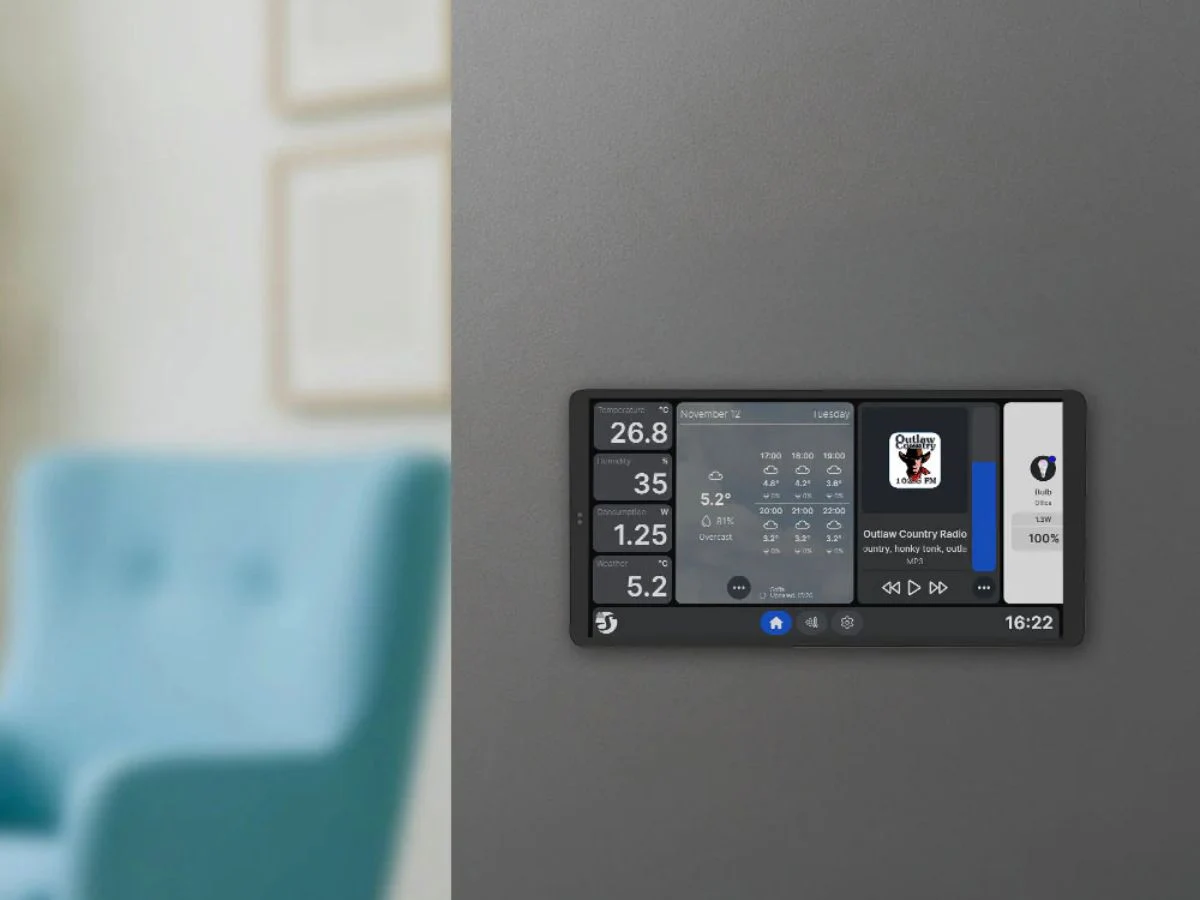
    Similar to its earlier model, the Shelly Wall Display X2i features a 6.95-inch color touchscreen that can be mounted either horizontally or vertically. The touchscreen is a 5-point capacitive type with a resolution of 1440 x 720 px, allowing users to manage their connected smart home devices. Additionally, it enables users to monitor power usage for Shelly PM products. The device includes a gesture sensor for touchless control, and a LUX sensor that automatically adjusts the brightness of the display.

    Performance and Connectivity

    The Shelly Wall Display X2i offers dual-band connectivity with Bluetooth 5.0 and Wi-Fi 6, replacing the older Unisoc SC7731E Quad Core A7 1.3GHz CPU with the more powerful Rockchip RK3326-S Quad core Cortex-A35 1.5GHz. The device features an interchangeable power base, and the included base provides a single output for one-circuit control. Additional features include a built-in 0.8W speaker and compatibility with both the Shelly Smart Control App and Home Assistant.

    Pricing and Availability

    You can purchase the Shelly Wall Display X2i from the brand’s online store in Europe for €199.53. Currently, it is available in silver, while the black version is out of stock. It remains uncertain whether or when this product will be available in other markets.

    Shelly, Appgefahren.

    Source:
    Link


  • LEGO Minas Tirith Set Leaked Details: What You Need to Know

    LEGO Minas Tirith Set Leaked Details: What You Need to Know

    Key Takeaways

    1. LEGO is set to release a new The Lord of the Rings-themed set, inspired by the city of Minas Tirith, in June 2026.
    2. The upcoming set will contain 8,278 pieces and include mini-figures of key characters such as Gandalf the White, King Aragorn, and Shadowfax.
    3. The anticipated retail price for the set is between $600 and $650, which some fans consider reasonable given the piece count.
    4. The details about the set have emerged from a leak, and fans are advised to be cautious as nothing has been officially confirmed.
    5. The actual size and complete specifications of the set remain uncertain, leading to ongoing speculation among enthusiasts.


    LEGO has effectively showcased a variety of licenses over the past few years. Recently, while new products have been announced, such as those from Star Wars, a leak has emerged, shedding light on a new set expected to launch in June 2026. This set is based on a beloved license cherished by countless fans globally.

    The Lord of the Rings Inspiration

    The upcoming LEGO set will draw inspiration from The Lord of the Rings. It aims to recreate the iconic city of Minas Tirith, which serves as a backdrop for many significant events in Middle-earth. Moreover, this set was previously rumored, and now more juicy details have come to light.

    Set Specifications and Characters

    As per the leak, this set will come packed with 8,278 pieces, which is a substantial amount. Additionally, it will feature several mini-figures including Gandalf the White, King Aragorn, Pippin, Denethor, Faramir, four soldiers from Gondor, and Shadowfax. This suggests that fans can look forward to a diverse range of scenes, especially with such pivotal characters included.

    Pricing Considerations

    However, it’s important to note that while all this sounds appealing to The Lord of the Rings enthusiasts, there’s a crucial factor to keep in mind: the price. The expected retail price for this set will be between $600 and $650, which is rather steep. Yet, some users on Reddit believe this is reasonable given the large quantity of pieces it includes.

    Still, it’s wise to approach this information with a bit of skepticism, since nothing has been officially confirmed yet. Even though a release date is indicated for June 1st, 2026, the actual size of the set remains uncertain, leaving many questions still unanswered.

    Source:
    Link


  • Webb Discovers Mysterious Planet That Defies Explanation

    Webb Discovers Mysterious Planet That Defies Explanation

    Key Takeaways

    1. Astronomers have identified nearly 6,000 exoplanets in the search for signs of life beyond our solar system.
    2. PSR J2322-2650b is a unique exoplanet resembling a hot Jupiter that orbits a pulsar, a rapidly rotating neutron star.
    3. The planet has a lemon-like shape due to the gravitational forces from its pulsar.
    4. PSR J2322-2650b is located just one million miles from its pulsar, allowing it to receive intense radiation.
    5. Its atmosphere is rich in helium and molecular carbon, making it the only known planet with molecular carbon detected at such high temperatures.


    Astronomers are on a quest to find signs of life beyond our own solar system. This effort has resulted in the identification of nearly 6,000 exoplanets. Among these, PSR J2322-2650b is particularly remarkable, as it is the only exoplanet resembling a hot Jupiter that orbits a pulsar, which is a quickly rotating neutron star.

    Unique Shape of PSR J2322-2650b

    One of the most peculiar traits of PSR J2322-2650b is its lemon-like shape. This unusual form is a result of the gravitational forces exerted by the pulsar it circles.

    Proximity to Its Pulsar

    When it comes to its distance from its host star, PSR J2322-2650b is fascinatingly near to its pulsar, located just about one million miles away. For comparison, our Earth sits approximately 100 million miles from the Sun. This close proximity allows the pulsar’s radiation to shine brightly on the exoplanet, bathing it in intense light.

    Atmospheric Composition

    The most distinguishing feature of PSR J2322-2650b is the makeup of its atmosphere, which is rich in helium and molecular carbon. The presence of molecular carbon is quite strange, especially given the exoplanet’s extremely high temperatures, ranging from 1,200 to 3,700 °F. At these high temperatures, one would expect molecular carbon to bond with other elements.

    Astronomers have examined the atmospheric chemical makeup of around 150 planets, both in our solar system and beyond. Notably, PSR J2322-2650b stands alone as the only planet where molecular carbon has been detected. This unusual atmospheric configuration has sparked curiosity among scientists about the planet’s formation. As it appears, the planet does not fit any existing formation theories. The findings of this research were published in the Astrophysical Journal Letters.

    Source:
    Link


  • Acebeam E10 2.0: Compact EDC Flashlight with 782-Yard Range for $60

    Acebeam E10 2.0: Compact EDC Flashlight with 782-Yard Range for $60

    Key Takeaways

    – Compact design: The Acebeam E10 2.0 measures 3.5 inches and weighs 3.8 ounces, making it suitable for everyday carry (EDC).
    – High brightness and range: It produces up to 1,200 lumens and can reach distances of 782 yards with a focused beam.
    – Battery performance: Turbo mode lasts only 30 seconds, while high mode runs for 35 minutes, with lower modes available after that.
    – Charging convenience: Uses a compact 16340 battery that charges via a USB-C port and can also run on a CR123 cell, though with reduced brightness.
    – Durability and features: IP68 rating allows submersion in water up to 6.5 feet for 30 minutes; priced at $60, which is $20 less than its predecessor.


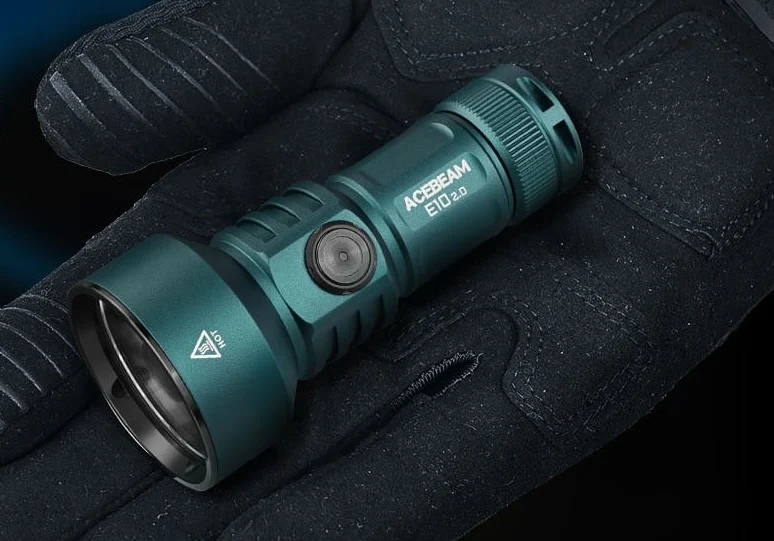
    The Acebeam E10 2.0 is the next version of the compact E10, which already had a long-range capability. This flashlight measures about 3.5 inches in length, yet it has a surprisingly large head that is 1.6 inches in diameter. Inside the head is a cool white LED with a color temperature of 6,500K, which can produce up to 1,200 lumens and reach distances of 782 yards. Weighing in at around 3.8 ounces, this flashlight fits nicely into the everyday carry (EDC) category.

    Focused Beam Performance

    The new Acebeam flashlight boasts a highly focused beam, even though it isn’t an LEP flashlight, which can achieve longer distances with fewer lumens, but they come with some drawbacks in light quality. The E10 2.0 is also more lightweight and has a sleeker design due to a smaller battery.

    Battery Runtimes and Modes

    As is common for Acebeam, the battery runtimes can be a bit tricky to understand. The lowest setting, which outputs 2 lumens, is expected to last for 120 hours, whereas the turbo mode, which can illuminate up to 782 yards, is only usable for 30 seconds. After that, the flashlight switches to high mode, which can run for another 32 minutes. However, this mode is dimmed even more, as the graphic below indicates.

    Using the high mode shows just how much stress the turbo mode puts on the battery of this EDC flashlight. In high mode, the E10 2.0 lasts for 35 minutes, meaning those brief 30 seconds in turbo mode take nearly 10% off the regular runtime at high. Still, this mode provides a throw of 466 yards. After those 35 minutes, two lower modes are accessible, each with specific runtime limitations.

    Charging and Compatibility

    Thus, if users plan to frequently utilize the turbo and high modes, they should recharge the EDC flashlight more often. Otherwise, they’ll miss out on the long throw feature. This is a shift from the previous model, as the white LED version of the Acebeam E10 could maintain its power levels consistently but had a maximum range of only 615 yards.

    Regarding the battery, Acebeam chose a compact 16340 cylindrical battery, which must be taken out of the flashlight for charging. The charging components are built directly on the battery with a USB-C port, making them separate from the flashlight itself. In urgent situations, the E10 2.0 can also run on a CR123 cell, but Acebeam warns that it won’t reach its full brightness in that scenario.

    Additional Features and Pricing

    Other specifications include a magnetic back and an IP68 rating. Moreover, the flashlight can be submerged in water up to 6.5 feet for a maximum of 30 minutes. Finally, the Acebeam E10 2.0 is offered at a price of $60, which is about $20 less than its predecessor.

    Source:
    Link


  • Starlink $40 Promo for Mini Dish Owners: Cheapest Satellite Internet

    Starlink $40 Promo for Mini Dish Owners: Cheapest Satellite Internet

    Key Takeaways

    1. Starlink is planning to reintroduce its affordable Residential Lite plan at $40/month with 100 Mbps download speeds, previously removed from availability.
    2. The new Roam option for Mini dish users will allow access to the 100 Mbps plan, enhancing portability for satellite internet access.
    3. The current least expensive roaming plan for the Mini dish is $50/month with a 50GB data limit, while unlimited roaming costs $165/month.
    4. The new $40/month Roam plan will not be available for users who received the Mini dish for free with their Residential plan.
    5. The reintroduction of the Roam plan is expected to boost Mini dish adoption, with potential future promotions hinted at by Starlink.


    Starlink might soon present its most affordable Residential Lite plan to users of its Mini dish, designed for satellite Internet access while on the move.

    Return of the Residential Lite Plan

    The Residential Lite plan, which originally started at just $40/month, was briefly available from Starlink as a basic service in underprivileged areas, limited to download speeds of 100 Mbps. Recently, this plan was taken off the list of available options in the same areas where it was previously offered, and was substituted with the standard $80/month Residential Lite plan, which allows for 200 Mbps. This change explains the significant expansion in coverage area for that plan.

    New Roam Option for Mini Dish Users

    However, the 100 Mbps plan priced at $40/month is reportedly set to make a comeback, but as a Roam plan instead of a Residential option for the Mini dish, which is currently on sale at Amazon. At present, the least expensive roaming plan for the Starlink Mini dish is $50/month, with a data limit of 50GB, while the unlimited Starlink roaming option is a steep $165/month.

    By rolling out a more affordable Roam plan, Starlink may enhance the adoption of Mini dishes. The company is already taking steps to encourage this. For example, it has started giving out the Mini dish for free with a Residential plan in select locations, ensuring that customers stay connected while traveling.

    Restrictions on New Roam Plan

    Regrettably, it appears that the new, more affordable roaming plan won’t be available to those who received a Mini dish as a free rental with their Residential plan subscription. After all, these users were already given a 50% discount on their Roam plan fees for several months. The $40/month Starlink service plan will be ideal for paying Mini kit owners, as the download speeds supported by this dish max out at 100 Mbps in any case.

    “There’s a long boring technical explanation behind this,” says the original tipster with a solid track record, noting that the new plan won’t be “linked to the offer over coming weeks,” suggesting that there could be additional Starlink Mini dish promotions in the pipeline.

    Source:
    Link


  • NASA’s Mars Camera Hits Milestone: 100,000 Images of Mars

    NASA’s Mars Camera Hits Milestone: 100,000 Images of Mars

    Key Takeaways

    1. NASA’s MRO (Mars Reconnaissance Orbiter) launched on August 12, 2005, and reached Mars orbit in March 2006.
    2. The HiRISE (High Resolution Imaging Science Experiment) device on MRO has captured its 100,000th image as of October 7.
    3. The milestone image showcases Syrtis Major, located near Jezero Crater, which is being studied by NASA’s Perseverance rover.
    4. The image features geological formations like mesas and sand dunes, common subjects for HiRISE, alongside impact craters and ice deposits.
    5. Ongoing research aims to uncover the origin of the windblown sand that formed the dunes, contributing to our understanding of Mars for future missions.


    NASA’s MRO lifted off from Earth on August 12, 2005, and entered Mars’ orbit in March 2006. After almost two decades circling the Red Planet, the HiRISE (High Resolution Imaging Science Experiment) device aboard the MRO has taken its 100,000th picture. This milestone image was taken on October 7.

    Image Details

    The captured image features a Martian area known as Syrtis Major, located roughly 50 miles (80 kilometers) southeast of Jezero Crater, which is currently under investigation by NASA’s Perseverance rover.

    Features of Syrtis Major

    In this HiRISE image of Syrtis Major, mesas and sand dunes are prominently visible. These types of geological formations are typical subjects for the imaging device on the MRO. Other targets for HiRISE include impact craters and ice deposits.

    Ongoing Research

    One question that remains unanswered is the origin of the windblown sand that created the dunes in the image of Syrtis Major. Future research may shed light on this mystery.

    Nevertheless, scientists will persist in their exploration of Mars using the MRO’s HiRISE. The imaging capabilities of the instrument enhance our knowledge of the evolving Martian landscape, aiding in the selection of potential landing locations and the overall preparation for future human missions to Mars.

    Source:
    Link


  • NASA IXPE Uncovers Secrets of Black Hole Jets

    NASA IXPE Uncovers Secrets of Black Hole Jets

    Key Takeaways

    1. The Perseus Cluster is the most luminous galaxy cluster observed in X-rays, with IXPE focusing on it for the first time.
    2. The active galaxy 3C 84 at the center of the cluster is a key target for X-ray studies due to its brightness and proximity.
    3. X-rays from active galaxies like 3C 84 are believed to originate from a process called inverse Compton scattering.
    4. Two possible origins for the seed photons involved in producing X-rays were proposed: Synchrotron self-Compton and external Compton, with Synchrotron self-Compton being favored.
    5. IXPE’s findings were enhanced by collaboration with data from other observatories, including Chandra, NuSTAR, and Swift, and published in the Astrophysical Journal Letters.


    The Perseus Cluster stands out as the most luminous galaxy cluster that can be seen in X-rays. The IXPE mission zeroed in on this cluster to learn about the origins of X-rays emitted from a supermassive black hole’s jet. This marks the first occasion IXPE has focused on a galaxy cluster, and it also represents the longest period of observation for a single target since the mission began.

    Active Galaxy in Focus

    At the heart of the Perseus Cluster lies an active galaxy known as 3C 84. Due to its closeness and brightness, this galaxy is frequently studied in X-ray astronomy. The mission aimed to analyze the polarization of 3C 84, which provides insights into the direction and alignment of the X-rays that are emitted.

    Understanding X-ray Origins

    Researchers already think that the X-rays from active galaxies like 3C 84 are produced through a process called inverse Compton scattering. In this process, low-energy photons gain energy and shift into the X-ray spectrum through interactions with electrons. The low-energy photons, referred to as seed photons, are essential for this study. As a result, scientists proposed two possible origins for these seed photons.

    The first possibility is the Synchrotron self-Compton scenario, where the seed photons come from the same jet that also generates the higher-energy emissions. The second possibility is called external Compton, suggesting that the seed photons are sourced from background radiation that exists outside the jet. After careful examination of the data, astronomers leaned toward the conclusion that the Synchrotron self-Compton scenario is the more plausible explanation for 3C 84.

    Data Collaboration and Findings

    To arrive at these conclusions, the astronomers integrated IXPE’s observations with data from other major observatories, including the Chandra X-ray Observatory, Nuclear Spectroscopic Telescope Array (NuSTAR), and the Neil Gehrels Swift Observatory. The results of their research were shared in the Astrophysical Journal Letters.

    Source:
    Link