Key Takeaways
1. The Milky Way galaxy is about 100,000 light-years wide and contains over 100 billion stars, many hidden by dust.
2. The retired Gaia spacecraft mapped around two billion stars, but a more advanced tool, Roman, is needed to explore dustier areas.
3. Roman is set to launch in May 2027, with a possibility of an earlier launch in fall 2026, and will have a main mission lasting five years.
4. The Galactic Plane Survey will cover about 700 square degrees of the Milky Way using infrared technology to see through dust and potentially identify up to 20 billion stars.
5. The survey will last 29 days over two years and aims to provide new insights into star formation and interactions in our galaxy.
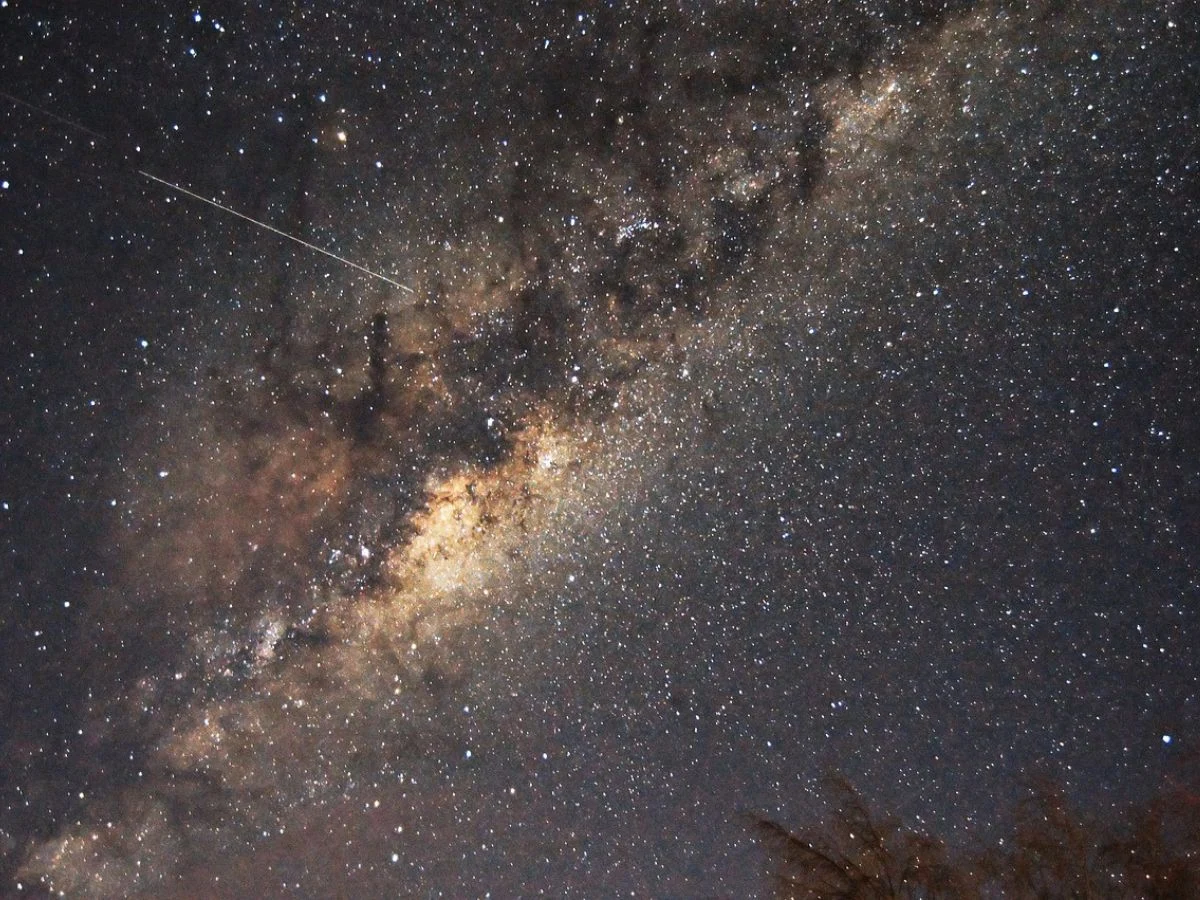
Our Milky Way galaxy is incredibly vast, with its disk of stars extending over 100,000 light-years. It’s believed to hold more than 100 billion stars, although many are obscured by dust. The retired Gaia spacecraft from ESA managed to map only about two billion stars, focusing on those visible in light. To explore the dustier regions of our galaxy, we need a more advanced tool. That’s where Roman comes into play.
Launch Plans for Roman
Roman is scheduled to launch in May 2027, but there’s a chance it could take off earlier if the team completes preparations by fall 2026. Its main mission will last five years, and in the first two years, it will conduct a survey known as the Galactic Plane Survey.
Galactic Plane Survey Insights
The Galactic Plane Survey will investigate roughly 700 square degrees along the bright strip of the Milky Way. This area is similar to about 3,500 full moons. With its infrared technology, Roman will be able to look through the dust, potentially allowing it to see up to 20 billion stars. The total duration of the survey will be 29 days but will take place over a span of two years.
This survey will uncover previously unseen aspects of our Milky Way. The findings will provide scientists with deeper insights into the stars within our galaxy, including how they form and their interactions with the surrounding environment.
Source:
Link