Category: Gaming

  • Steam Moderation Issues: Developers Highlight Bigotry in Reviews

    Steam Moderation Issues: Developers Highlight Bigotry in Reviews

    Key Takeaways

    1. Hate speech and bigotry are increasingly affecting Steam game reviews and forums, creating challenges for developers.
    2. Developers, like Nathalie Lawhead, face personal attacks and harassment, often without sufficient support from Valve’s moderation.
    3. Curator lists can influence public opinion, leading to negative reviews that may not relate to the game’s quality, impacting sales.
    4. Forums are overwhelmed with irrelevant and abusive comments, detracting from constructive discussions among gamers.
    5. Valve’s moderation system is criticized for being lenient and understaffed, failing to effectively manage harmful content and TOS violations.


    Valve encourages gaming communities where fans can share their thoughts freely. However, hate speech is increasingly infesting reviews and forums related to Steam games. A report from The Guardian sheds light on the challenges that developers are facing as they confront bigotry that has nothing to do with the quality of their games.

    Developers’ Frustrations

    The issues raised by these creators revolve around forums, rating systems, and curator lists. Nathalie Lawhead, a designer, found reviews that questioned her sexual assault allegations from 2019. In addition, some comments included personal insults and antisemitic statements. Even though Valve’s rules ban abusive language, moderators often choose not to intervene.

    Lawhead urged social media users to report these reviews, leading to the removal of one rating. To address the other comments, she had to reach out to a Valve employee. Many other game developers might not have the same support or connections, leaving them dependent on the company’s frequently lenient supervision.

    Curators and Their Influence

    Curator lists serve as a way for individuals to recommend Steam games. These lists assist gamers with similar interests in discovering new titles. A person with a large following can encourage fans to criticize a project they dislike. Ethan, who developed the retro shooter Coven, faced backlash from supporters of Charlie Kirk, a right-wing activist who was assassinated.

    Ethan witnessed a surge of negative reviews on Steam that accused him of celebrating the death of the political figure. Despite the off-topic comments that didn’t pertain to gameplay or visuals, Valve support chose to leave them online. Negative reviews can significantly impact a game’s visibility and sales potential.

    The State of Forums

    Forums can be an excellent tool for gamers seeking advice, but many have become flooded with bigotry and disputes. Users often link a game’s characters or storylines to conflicting political views. Such remarks are of little help to players dealing with bugs or challenging missions.

    Unlike reviews, studios can hire moderators to oversee message boards. Nevertheless, critics argue that Valve needs to take a more active role. TOS violations and irrelevant discussions frequently go unnoticed. Reports indicate that while Steam is achieving record revenues, it remains severely understaffed to effectively supervise active forums.

    Source:
    Link



  • MGS and Splinter Cell Crossover: Solid Snake Meets Sam Fisher

    MGS and Splinter Cell Crossover: Solid Snake Meets Sam Fisher

    Key Takeaways

    1. Solid Snake will be a permanent operator available in the upcoming season, with instant access through the battle pass.
    2. The season includes Metal Gear Solid-themed cosmetics, such as skins for Jackal, Smoke, and Meryl.
    3. A limited-time event will introduce additional MGS content and a collaboration with Splinter Cell’s Sam Fisher.
    4. Solid Snake is voiced by David Hayter, bringing back his iconic voice for the character and the event.
    5. Snake’s abilities include the Soliton Radar Mk. III for reconnaissance and On-Site Procurement (OSP) for flexible gameplay, emphasizing adaptability and improvisation.


    According to Ubisoft, players will find Solid Snake to be a permanent operator when the new season kicks off. The season’s battle pass will give instant access to him, along with a variety of Metal Gear Solid-themed cosmetics. These include a Gray Fox skin for Jackal, a Psycho Mantis outfit for Smoke, and an Ash skin for Meryl. Additionally, a limited-time event, which has been [REDACTED], will introduce even more MGS content as it sets the stage for a collaboration between Snake and another stealth legend: Zero, also known as Sam Fisher. This means both Metal Gear Solid and Splinter Cell enthusiasts can enjoy playing as their favorite icons in the same environment.

    In a stunning return, Solid Snake is voiced by David Hayter once again. Players can listen to his iconic voice throughout the cinematic reveal of the character and the event itself.

    Snake’s Key Gadget

    Snake’s primary gadget is the Soliton Radar Mk. III, which is a handheld recon tool that shows the layout of nearby areas, including connected stairways, while marking soft surfaces with unique line and striped indicators. The radar switches between several states: “all clear,” active default-camera surveillance, and enemy-alert modes. Using precision mode reveals the locations of detected enemies and their vision cones, though it has limited charges and a cooldown period. This feature also alerts defenders that they have been spotted, ensuring balance within gameplay.

    Counterplay Elements

    Fortunately, there are ways to counter this powerful tool. When defenders are pinged, they receive a notification, and various deception tools can confuse the radar: Alibi’s Prisma decoys can mimic real Operators, Vigil can become invisible, and Mute can interfere with the radar’s detection range. While it offers valuable intel, it does not guarantee victory and will not cover every type of camera.

    OSP Ability and Gameplay Strategy

    Solid Snake’s On-Site Procurement (OSP) ability emphasizes improvisation. He can eventually carry up to five different secondary gadget types, but he starts with just one item and must loot utility pouches from defeated operators to fill those slots or restock them. This flexibility makes his gameplay unpredictable and rewards players who adapt and avoid sticking to a single strategy.

    Fortunately, players won’t have to wait long for the exciting update. Operation Silent Hunt will launch on March 3rd, 2026. For more details about the updates accompanying this crossover, be sure to check Ubisoft’s announcement.

    Ubisoft

    Source:
    Link


  • Darkhaven: Playable Demo of New ARPG by Ex-Diablo Developers on Steam

    Darkhaven: Playable Demo of New ARPG by Ex-Diablo Developers on Steam

    Key Takeaways

    – Darkhaven, developed by ex-Diablo creators, features destructible environments and a terrain-altering mechanic similar to Fortnite.
    – A playable demo is available on Steam, currently offering one class and a few active skills, with positive feedback on the combat system.
    – The game draws clear inspiration from the Diablo series, appealing to fans of the genre.
    – The ARPG landscape is divided among popular titles like Diablo, Path of Exile, and Last Epoch, with older games struggling due to lack of online features.
    – Darkhaven aims to innovate the ARPG genre by moving away from the traditional focus on endlessly increasing character stats.


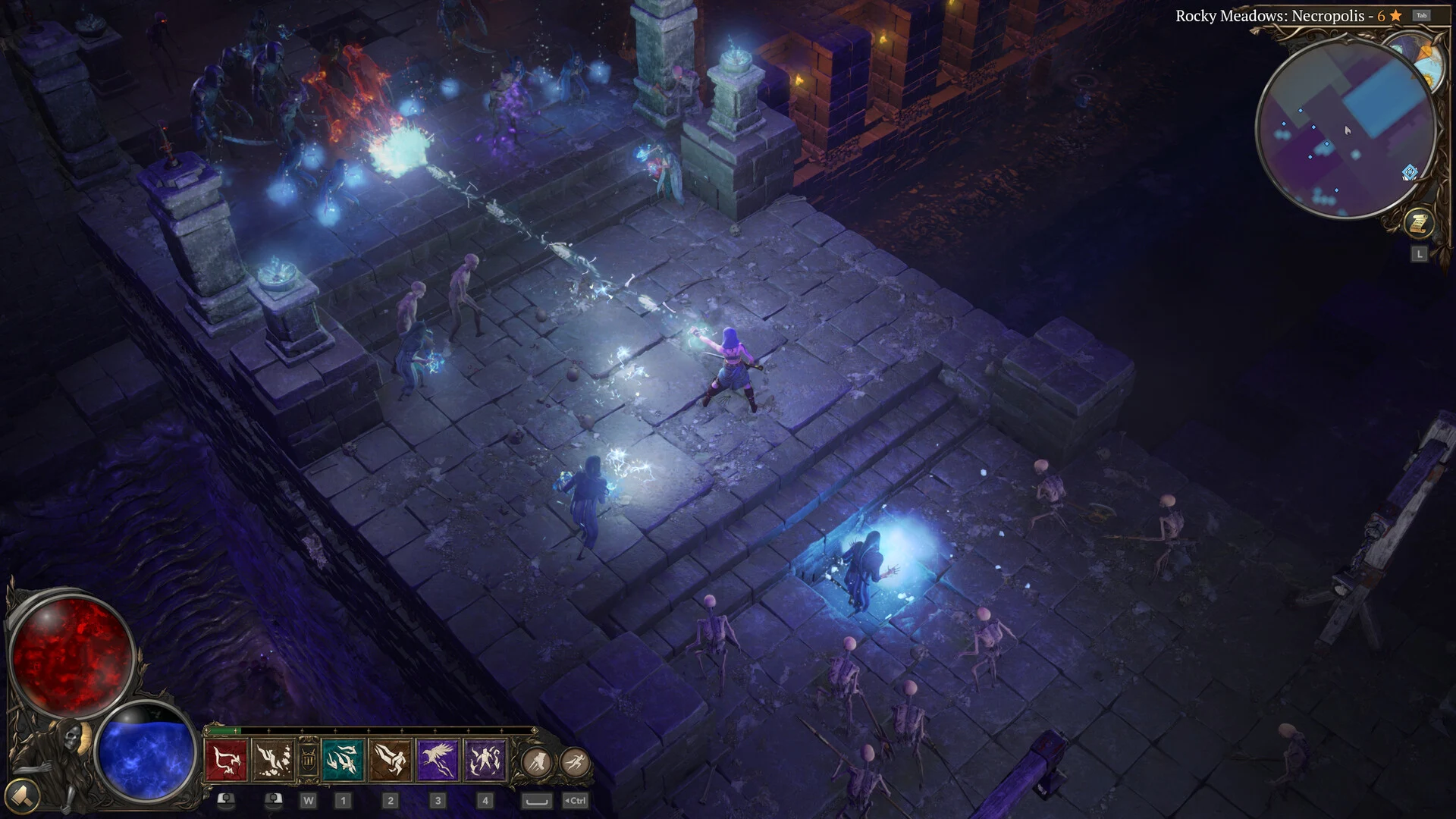
    Developed by Moonbeast Productions, made up of ex-Diablo and Diablo 2 creators, Darkhaven aims to push the ARPG genre further with its destructible environments and a construction mechanic similar to Fortnite. The main feature that sets it apart is the ability for players to reshape the maps by altering the terrain.

    Playable Demo Available

    Darkhaven appeared promising on paper, and we finally got a chance to experience its gameplay through a demo. You can download it on Steam, although currently, there is only one class to play with a few active skills. Players on the platform have given it positive feedback, especially praising the combat system. After just a few moments, the Diablo influence becomes very clear. Additionally, the developers have started a Kickstarter campaign to support the ongoing development of Darkhaven.

    The Current ARPG Landscape

    The ARPG scene has distinct divisions, with players mostly split among Diablo, Path of Exile, Last Epoch, and even Torchlight Infinite for some reason. While older titles like Grim Dawn and Titan Quest maintain loyal followings, their lack of strong online features makes them less appealing for many gamers. Titan Quest 2 is still in early access, so it’ll take some time before it’s fully available. Like No Rest for the Wicked, Darkhaven seems to be an exciting title that will move away from the typical ARPG mold that focuses on endlessly chasing higher numbers.

    Steam

    Source:
    Link


  • Affordable Full-Body VR Tracking for SteamVR Without Base Station

    Affordable Full-Body VR Tracking for SteamVR Without Base Station

    Key Takeaways

    1. Advanced Tracking Capabilities: SlimeVR Butterfly Trackers offer precise full-body tracking, including hand, finger, and foot movements.

    2. Versatile Applications: These trackers can be used by VTubers, gamers, and for scientific analysis of athletes’ movements.

    3. Lightweight and Efficient Design: Each tracker is under 0.35 oz and less than 0.28 inches thick, ensuring comfort during use.

    4. No External Equipment Required: The system operates without base stations or cameras, providing 360-degree coverage with low latency and good accuracy.

    5. Compatibility and Battery Life: The system supports SteamVR and has a battery life exceeding 48 hours, with options for use in software like Blender and Unity.


    Tracking hand movements in virtual reality has become a common feature, enhancing the overall experience for users. Some advanced systems are even capable of tracking fingers and feet. Currently, the SlimeVR Butterfly Trackers are up for grabs through an ongoing Crowd Supply campaign, and they promise precise full-body tracking.

    Versatile Applications

    These trackers are designed for various applications. VTubers can use them to manipulate their avatars, while gamers can integrate them into their gameplay. Additionally, these devices may serve scientific purposes or help analyze athletes’ movements.

    Lightweight and Efficient Design

    The system is made up of several individual trackers that can be secured to different body parts using straps. Each tracker is quite light, weighing under 0.35 oz, and they are also thin, measuring less than 0.28 inches. This makes them easy to wear without hindrance. The technology utilizes IMU sensors to monitor movement, and it can send data over distances exceeding 33 ft to devices like computers, smartphones, or headsets. The SlimeVR server integrates information from these independent sensors.

    No Need for External Equipment

    One of the standout features is that there’s no need for base stations or cameras. The company asserts that the sensors provide 360-degree coverage by gathering their own data, eliminating the requirement to stay within a camera’s view. The latency is reported to be less than 15 ms, with an accuracy between 0.39 to 1.97 inches. However, this might mean that very subtle movements, like slight trembling, may go unnoticed.

    The manufacturer states that the system has built-in support for SteamVR, making it compatible with a variety of games, along with OSC and VMC. It also claims that motion capture can be easily executed in Blender and Unity with appropriate plugins. The battery life is said to exceed 48 hours. Backers can reserve a package with six trackers priced at $279, but the usual uncertainties of crowdfunding initiatives should be taken into consideration.

    CrowdSupply, Image: SlimeVR

    Source:
    Link


  • Final Fantasy 7 Remake Director Calls PS5 Pro Mid-Range, PC Lead

    Final Fantasy 7 Remake Director Calls PS5 Pro Mid-Range, PC Lead

    Key Takeaways

    1. Naoki Hamaguchi emphasizes that the Final Fantasy 7 Remake trilogy’s conclusion will not be hindered by developing for lower-end systems.

    2. Hamaguchi views PC gaming as the top-tier environment for visual quality, leading to better graphics compared to the PS5 version at launch.

    3. He describes the PS5 and PS5 Pro as “mid-range platforms,” indicating limitations in texture sizes and polygon counts on these consoles.

    4. Square Enix’s focus on PC gaming is driven by increased sales on platforms like Steam and the Epic Games Store, reflecting a shift in their release strategy.

    5. Future releases, including Final Fantasy 7 Remake Part 3, may be available simultaneously on multiple platforms, potentially disappointing some fans who favor PlayStation exclusives.


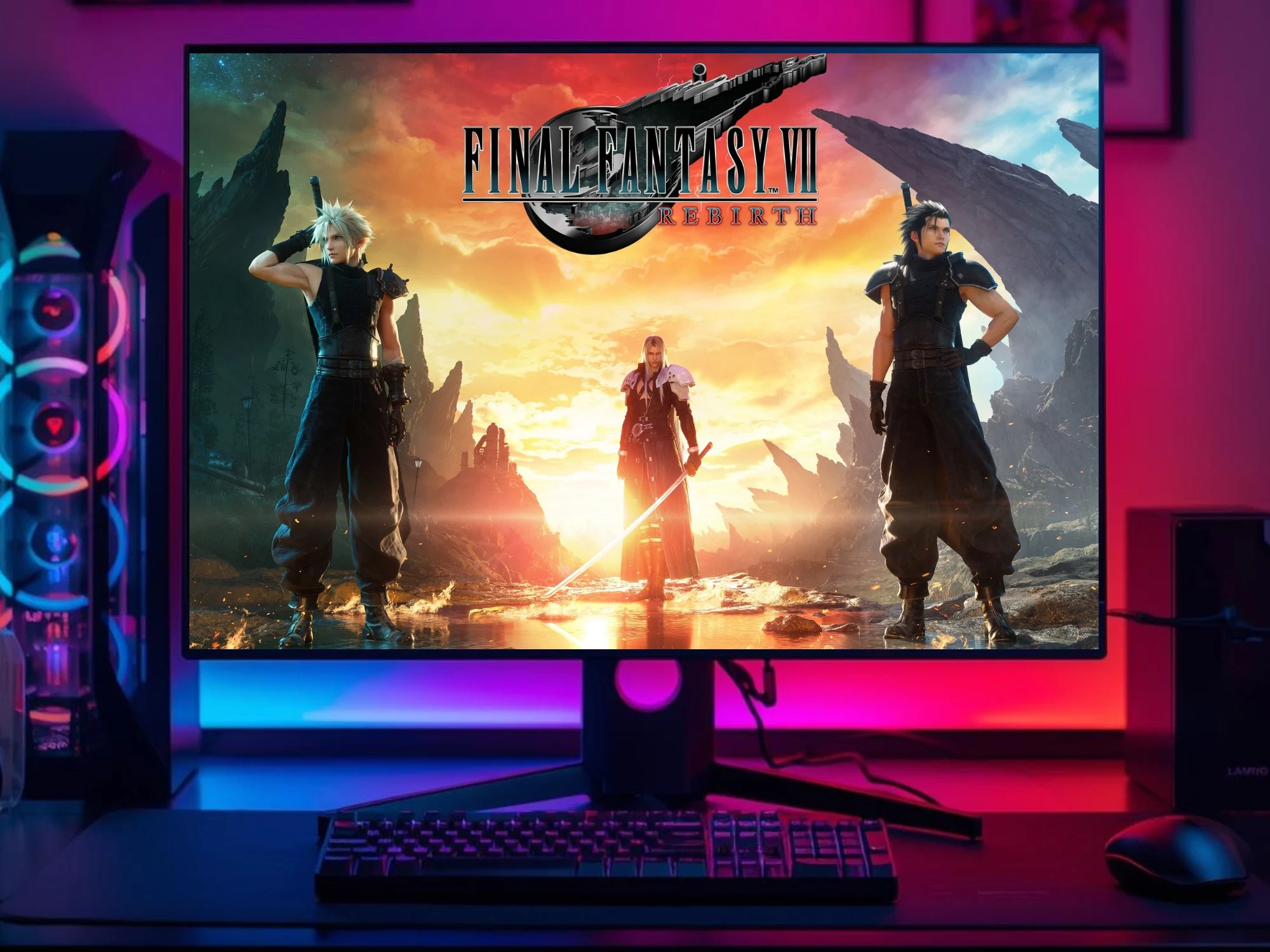
    Final Fantasy 7 Remake director Naoki Hamaguchi recently talked to Automaton about worries surrounding a new strategy for multiple platforms. He emphasized that the conclusion of the trilogy won’t be affected by developing for lower-end systems. That said, PlayStation fans may be surprised by the studio’s focus on PC gaming.

    PC Gaming as a Priority

    Hamaguchi sees PCs as the “top-tier gaming environment” where games can deliver the finest visual quality. He pointed out that many gamers noticed Final Fantasy 7 Rebirth on computers looked better than the PS5 version at launch. This was a deliberate choice, as the developers designed assets for the most powerful CPUs and GPUs available.

    Console Limitations

    In his discussion, the Square Enix veteran described the PS5 and PS5 Pro as “mid-range platforms.” The texture sizes and polygon counts might be quite lower on these consoles. The upcoming Switch 2 and Steam Deck present more challenges, yet even on Sony’s leading hardware, details are scaled down to a degree.

    Square Enix’s focus on PC gaming isn’t solely due to technical constraints. Hamaguchi mentioned that the Final Fantasy 7 Remake trilogy benefitted from sales increases on Steam and the Epic Games Store. Given the larger possible player base, he thinks it makes sense to cater to these gamers.

    Changing Strategies

    For Hamaguchi, PC ports are no longer just a means to grow audiences long after a game’s release. This is a shift from how the publisher used to handle releases. When the first part of the trilogy launched in 2020, it was a PlayStation exclusive for the PS4. The upgraded Remake Integrade appeared on PS5 and PC in 2021.

    Rebirth had a shorter exclusivity period before it became available on PC. As Square Enix’s partnership with PlayStation has changed, there are rumors that Final Fantasy 7 Remake Part 3 will be released simultaneously on all platforms. This strategy might be advantageous for the company, though some fans might feel a bit let down, considering that Final Fantasy games have historically brought in the most revenue on Sony systems.

    Even if PC is the best platform for showcasing Part 3, Hamaguchi has tasked teams with ensuring that each port meets expectations. It’s hoped that PS5 owners won’t experience the frame rate drops or blurry graphics that were seen with the previous game. Thanks to PSSR upscaling, visuals have improved in the enhanced version for the PS5 Pro.

    Source:
    Link


  • Crimson Desert Will Not Have Post-Launch Microtransactions

    Crimson Desert Will Not Have Post-Launch Microtransactions

    Key Takeaways

    1. Release Date and Platforms: Crimson Desert is scheduled to release on March 17, 2026, for PC, PlayStation, and Xbox.
    2. No Microtransactions: The game will not include any microtransactions, offering a complete experience without in-game purchases.
    3. Premium Experience: Developers describe Crimson Desert as a “Premium Experience,” aiming to provide high-quality gameplay.
    4. Comparisons to Other Titles: The game is expected to offer a vast open world that could rival popular games like Red Dead Redemption 2 and Skyrim.
    5. Growing Anticipation: Fans are excited and hopeful that Crimson Desert will meet its ambitious goals and deliver a rich gaming experience.


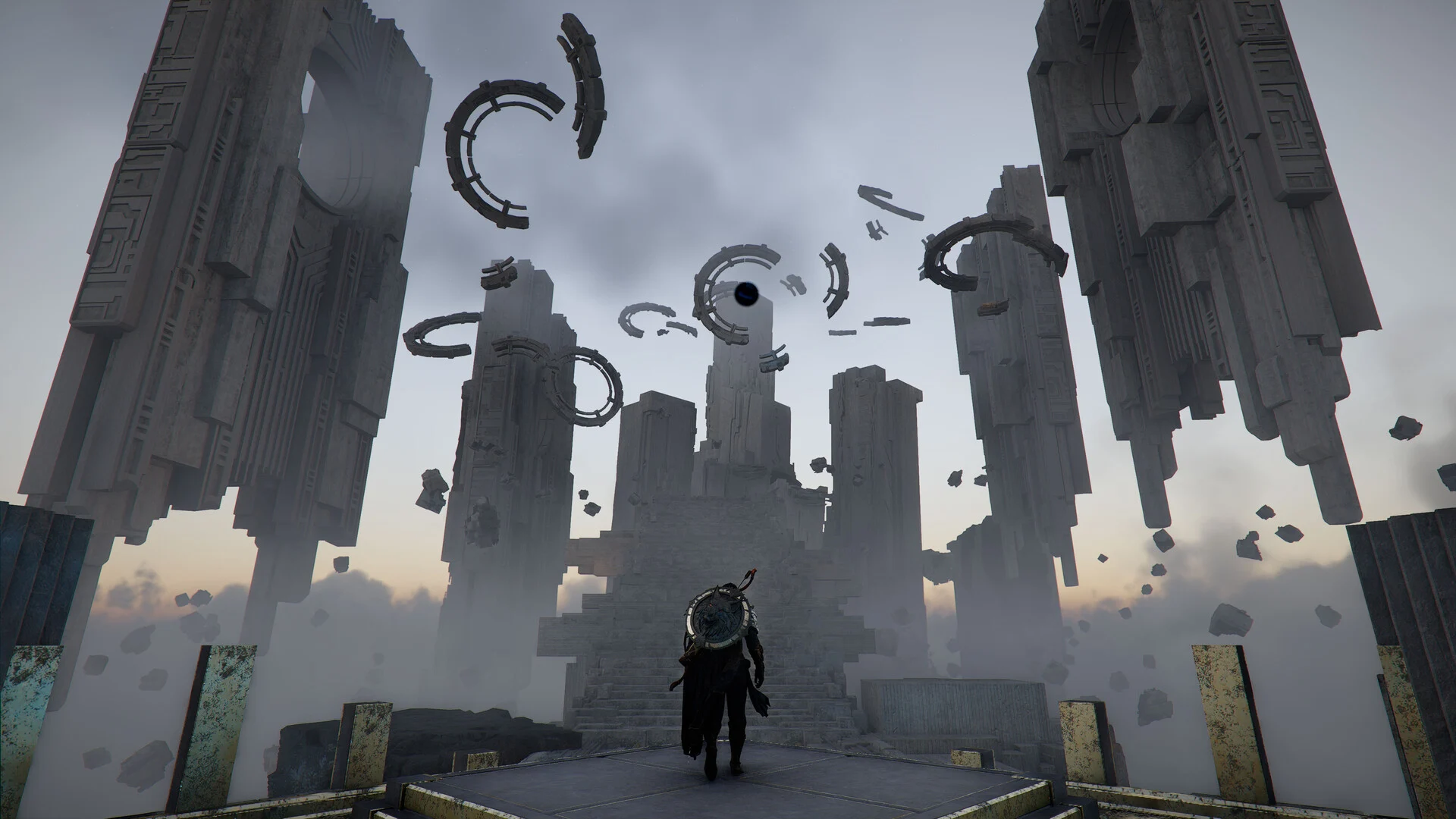
    Crimson Desert is becoming one of the most exciting open-world RPGs set to release in 2026. It’s expected to come out on March 17 for PC, PlayStation, and Xbox. From what has been revealed so far, it seems to be a strong contender for game of the year, especially given the buzz surrounding it after multiple delays.

    Developer Insights

    Will Powers, a developer for the game, recently spoke with @DroppedFrames and shared some news that will surely please many gamers. Crimson Desert will not have any microtransactions upon its release—not even cosmetic changes that developers usually use to earn extra money from players.

    Premium Experience

    Will describes Crimson Desert as a “Premium Experience,” a term we’ve heard before from Randy Pitchford in relation to Borderlands 4. The game promises to offer a vast, open world that could rival well-known titles like Red Dead Redemption 2 and The Elder Scrolls V: Skyrim. However, as Starfield’s example shows, a large open world doesn’t always guarantee an excellent gameplay experience.

    Final Thoughts

    Overall, the anticipation for Crimson Desert continues to grow, as it aims to deliver a rich gaming experience without the common pitfalls of microtransactions. Fans are eager to see if the game lives up to its promising start and delivers on its ambitious goals.

    Source:
    Link


  • MagicX Unveils Color Choices for Two New Handheld Devices

    MagicX Unveils Color Choices for Two New Handheld Devices

    Key Takeaways

    1. MagicX announced two new handheld gaming devices: the Two Dream Light and Two Dream Pro, featuring unique designs and color options.
    2. The Two Dream Light offers green, purple, black, and gray colors, with specific color features for each model, while the Two Dream Pro includes color-matching buttons for the green and purple versions.
    3. Both devices have a 4.5-inch display with a resolution of 1440 x 1080 and ergonomic designs for comfortable gameplay.
    4. Key specifications include Hall Effect triggers and thumbsticks, a gyroscope, HD rumble, and a built-in microphone, with performance differences based on the processor used.
    5. The Two Dream Light uses a 6nm MediaTek processor, while the Two Dream Pro is equipped with a more efficient 4nm MediaTek chipset.


    Earlier this month, MagicX announced plans to release two new handheld gaming devices known as the Two Dream Light and Two Dream Pro. This announcement included some technical specifications and a price range, and now, the company has shared official images of both gadgets.

    Design Details

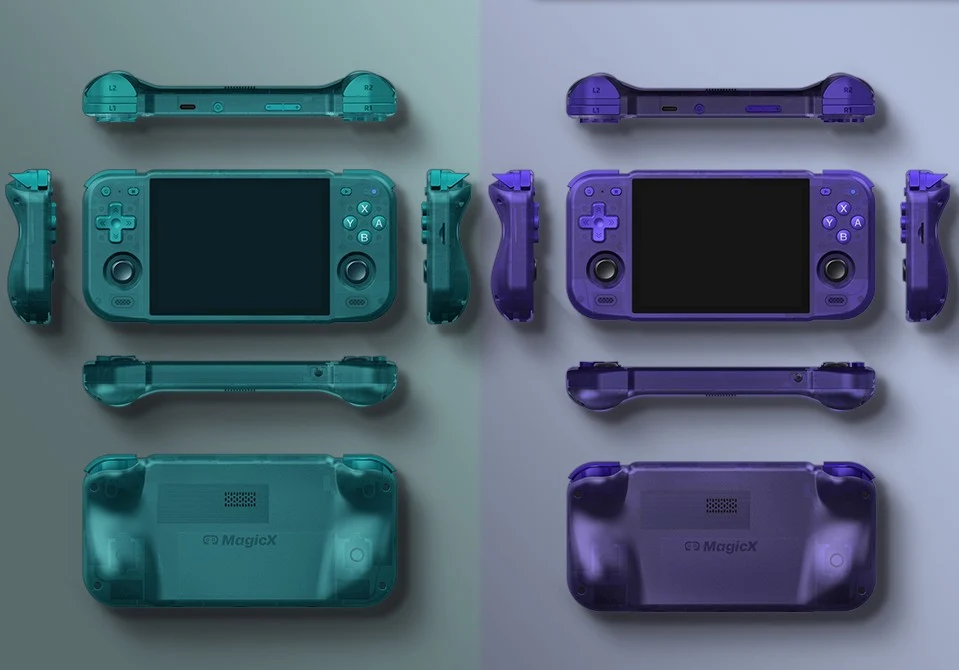
    Shared on the MagicX Discord channel, the images highlight some key features. Firstly, both handhelds will come in four different colors. Although they share the same color options, there are unique aspects that distinguish the two models.

    The MagicX Two Dream Light will be offered in green, purple, black, and gray. However, only the green and purple options will have a see-through shell, while all four will feature black buttons, triggers, and thumbsticks. Additionally, the black and gray models will have colored fonts for the ABXY buttons, contrasting with the white font seen on the green and purple variants.

    Button and Color Matching

    In contrast, the MagicX Two Dream Pro will have buttons that match the color of the handheld for the green and purple versions, even including color-coordinated thumbsticks for the green model. The black and gray versions, however, mainly stick to black buttons, except for the ABXY buttons which have color accents.

    Both devices come equipped with front-facing speakers, stacked shoulder buttons, a headphone jack on the bottom, a USB-C port on the top, a microSD card slot located on the left side, and a cooling vent on the back. The Two Dream handhelds also feature ergonomic bumps designed for comfortable handling during gameplay.

    Specifications and Performance

    Regarding specifications, both the Two Dream Light and Two Dream Pro will feature a 4.5-inch display boasting a resolution of 1440 x 1080. This screen size is larger than that of the Ayaneo Pocket Air Mini, which is currently priced at $119.99 on Amazon, yet it maintains the same 4:3 aspect ratio.

    Moreover, these devices will include Hall Effect triggers, Hall Effect thumbsticks, a gyroscope, HD rumble, and even a built-in microphone. However, they will differ in performance capabilities. The Light variant will use a 6nm MediaTek processor, while the Pro will be equipped with a more efficient 4nm MediaTek chipset.

    There are still many details pending, but we anticipate that more information will be made available as the launch date approaches.

    Source:
    Link


  • Asus ROG Xbox Ally X Price Rises in Japan Amid Memory Shortage

    Asus ROG Xbox Ally X Price Rises in Japan Amid Memory Shortage

    Key Takeaways

    1. Price Increases: The price of the Asus ROG Xbox Ally X has surged from 139,800 yen ($911) to 169,800 yen ($1107) due to rising SSD and memory costs.

    2. Supply Chain Strain: Asus Taiwan’s internal memo revealed that supply chain issues for DRAM and NAND flash are leading to price hikes in gaming inventory.

    3. Competitor Price Hikes: Other gaming devices, like the Lenovo Legion Go 2, are also experiencing significant price increases, indicating a broader trend in the market.

    4. Limited Device Availability: The Valve Steam Deck OLED is becoming harder to find in many regions, alongside delays for new gaming devices like the compact Linux-based Steam Machine.

    5. Urgency for Gamers: Mobile gamers are feeling pressured to make purchasing decisions quickly as prices rise and availability decreases.


    A shortage in storage and memory caused by the high demand from AI data centers is affecting gamers around the globe. Buyers might be noticing the initial signs of a broader increase in the price of the Asus ROG Xbox Ally X. In Japan, the initial MSRP for the device was set at 139,800 yen (around $911), but now various stores are offering it at 169,800 yen ($1107).

    Price Surge Noticed

    Automaton has noted the over 20% price hike, which has not yet been reflected in the ROG Xbox Ally within the region. The non-Microsoft-affiliated ROG Ally X and ROG Ally also remain unaffected for the time being. Still, fans are quickly guessing that the rise in SSD and memory prices is to blame.

    Supply Chain Issues

    In January, an internal memo from Asus Taiwan was leaked, suggesting that their gaming inventory would soon become pricier. The memo indicated that the strain on the supply chain for DRAM and NAND flash was affecting component prices. It mentioned plans for “strategic price adjustments for certain product combinations,” but did not specify anything about gaming handhelds.

    The specs of the ROG Xbox Ally X feature 24GB of LPDDR5X RAM along with a 1TB NVMe M.2 SSD. If the manufacturer is running low on these components, it could clarify the recent price changes in Japan.

    Competition Pricing Changes

    Competitors powered by AMD Ryzen Z2 Extreme, such as the Legion Go 2, are also seeing price increases in several areas. PC Guide has recently pointed out that Lenovo’s official UK store has significantly raised prices on multiple models without providing any reasoning for the changes. At the same time, the system remains unavailable in other locations around the globe.

    Windows gaming handhelds are not the only devices that have become pricier or harder to find. Valve’s Steam Deck OLED is no longer available in numerous countries, including the U.S. This comes after the cheaper LCD version was discontinued in late 2025.

    Limited Availability

    Valve has not attributed the limited availability to the storage or memory shortages. Nonetheless, the company has postponed its upcoming compact Linux-based Steam Machine due to challenges in supply.

    As of now, the pre-tax price for the ROG Xbox Ally X still stands at $999.99 at Best Buy, its sole U.S. retailer. However, mobile gamers wanting to upgrade are feeling the urgency to make a decision quickly.

    Source:
    Link


  • Free-to-Play Vampire RPG on Steam Launches with 85% Positive Reviews

    Free-to-Play Vampire RPG on Steam Launches with 85% Positive Reviews

    Key Takeaways

    1. Players transform from humans to vampires, gaining new powers and access to four skill trees: Fury, Control, Vitality, and Deception.
    2. The game features turn-based 2D RPG gameplay, focusing on strategic combat, resource management, and timing with nine weapon types available.
    3. Character customization allows players to develop unique builds for offense, defense, or balanced strategies, with an optional cross-platform PvP mode.
    4. The game has received positive feedback for its methodical combat, gothic atmosphere, and customization options, despite criticism of its monetization and balance issues.
    5. Vampire’s Fall 2 is free to download on Steam and may appeal to classic RPG fans, with potential positive compatibility for the Steam Deck.


    Set in a shadowy fantasy realm dominated by a vampiric upper class, Vampire’s Fall 2 depicts humans as either subjugated or treated as mere sustenance. Players start off as regular humans but quickly evolve into vampires. This change opens up a variety of new powers and allows access to four unique skill trees: Fury, Control, Vitality, and Deception. Central to the narrative is a struggle between loyalty and uprising, influencing whether the current regime is maintained or ultimately challenged.

    Gameplay Mechanics

    When it comes to gameplay, Vampire’s Fall 2 adheres to the style of traditional turn-based 2D RPGs. The combat system emphasizes thoughtful strategy, efficient resource management, and the precise timing of special abilities. There are nine different weapon types, and players gain random bonus attributes as they level up, which fosters diverse character builds. Players can customize their characters for offense, defense, or a balanced strategy, based on their own gaming style. Additionally, there is an optional PvP mode, featuring cross-platform compatibility on PC, Android, and iOS.

    Reception and Criticism

    Developed by the Swedish studio Early Morning, Vampire’s Fall 2 was released on February 13. On Steam, the RPG boasts an 85% positive rating from 124 user reviews. Users particularly commend the methodical combat pace, the dark gothic ambiance, and the extensive range of character customization options. However, the game’s monetization strategy has faced backlash. Several reviews highlight aggressive microtransactions, loot box features, and paid inventory slots. A number of players have also noted balance issues in PvP and an endgame that feels excessively grindy.

    Final Thoughts

    Despite some criticisms, the game may still be appealing, especially to those who enjoy classic RPGs, as it is free to download on Steam. Its compatibility with the Steam Deck, which is currently priced at $1,300 on Amazon, is marked as “Unknown.” However, given the predecessor’s “Verified” status and the reasonable system requirements, it’s likely that Vampire’s Fall 2 could gain a positive Steam Deck rating from Valve.

    Source:
    Link


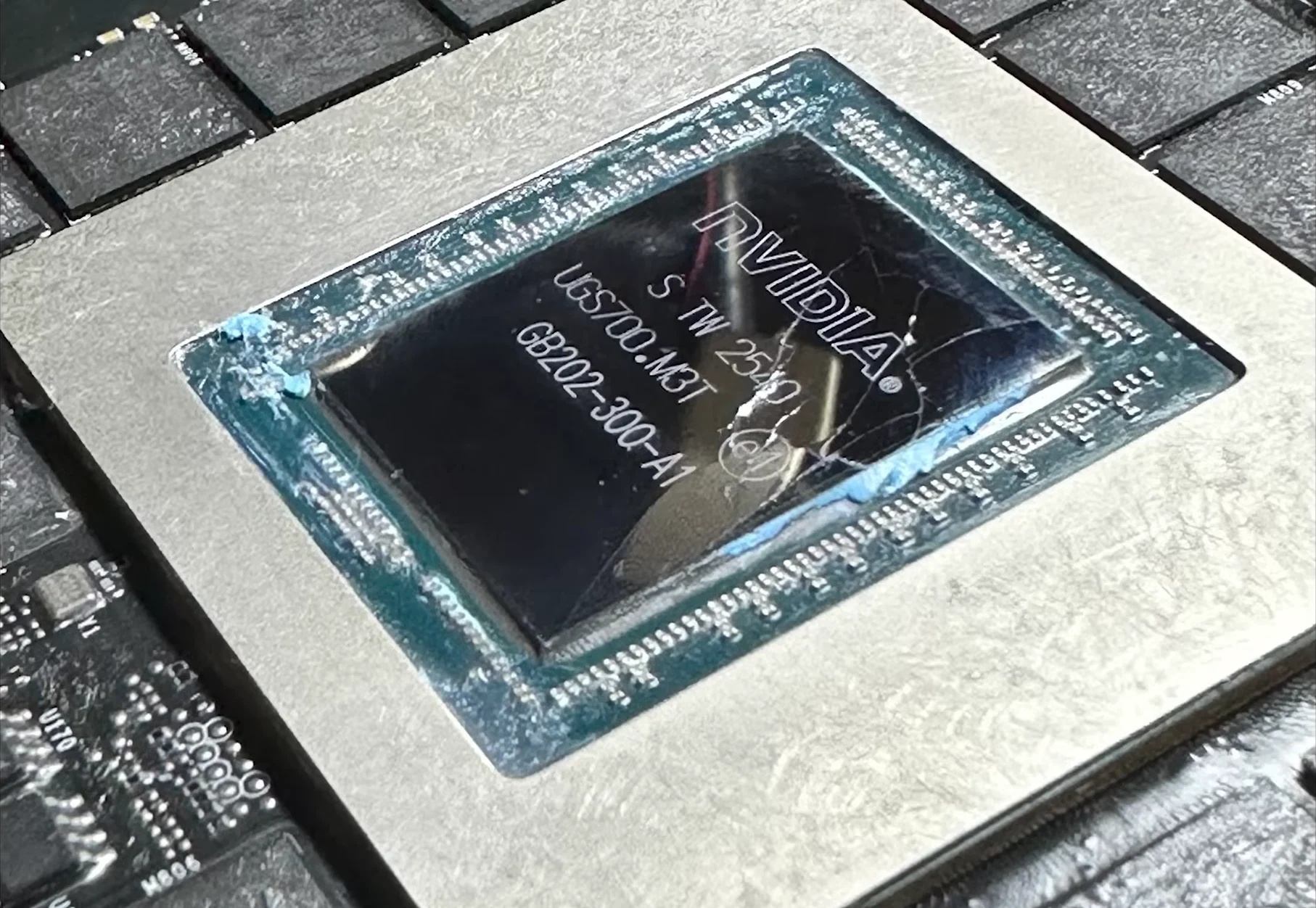
  • MSI RTX 5090 Lightning Z Cracks Under 2,500W BIOS Test

    MSI RTX 5090 Lightning Z Cracks Under 2,500W BIOS Test

    Key Takeaways

    1. The MSI GeForce RTX 5090 Lightning Z is priced at $5,090, targeting serious collectors and extreme overclockers rather than average gamers.
    2. Early involvement in development allowed YouTuber Alva Jonathan to test the card with custom cooling and later liquid nitrogen for extreme performance.
    3. The card achieved impressive benchmarks, scoring 43,112 points in 3DMark Port Royal, but faced thermal issues that led to a GPU core crack during testing.
    4. Liquid nitrogen cooling presented challenges, with stable temperatures being crucial; exceeding safe limits caused system crashes.
    5. Despite achieving a world record in Geekbench 5, one GPU failed due to thermal shock, resulting in a significant financial loss, but Jonathan plans to continue testing with additional samples.


    MSI’s GeForce RTX 5090 Lightning Z is not made for the average gamer. Priced at a whopping $5,090, this graphics card is designed for either serious collectors or, more realistically, extreme overclockers aiming for benchmark highs. In the hands of YouTuber Alva Jonathan, it performed as expected until an aggressive BIOS, combined with sudden thermal issues, caused a crack in the GPU core, leading to the demise of one sample during testing.

    Early Involvement in Development

    Jonathan was involved with the RTX 5090 Lightning Z from the beginning. MSI Taiwan reached out to him in August 2025 to assist with the card’s creation, initially sending him two early PCB samples without coolers, later followed by three retail versions. For the first tests, he created a custom cooling solution before switching to liquid nitrogen (LN2) as the testing progressed.

    Unique Features and Initial Testing

    This graphics card is distinct from regular RTX 5090 models, both in terms of cost and design. It is clearly built for high-level overclocking. Some of its key specifications include:

    Jonathan started with what might be seen as a modest overclock for such powerful hardware: 3.25 GHz at 1.05V. Even at this point, the card was consuming over 700W.

    With a power limit of 800W in 3DMark Port Royal, the Lightning Z scored 43,112 points. For comparison, MSI’s RTX 5090 Suprim Liquid had previously reached the 40,000–41,000 range, while a standard RTX 5090 usually scores around 36,000–37,000 points. During this run, the GPU peaked at 772W, with power evenly shared across both 16-pin connectors.

    Transition to Liquid Nitrogen Cooling

    To push performance even further, Jonathan collaborated with ARX (arxidmedia) and moved to LN2 cooling. Even with liquid nitrogen, maintaining a stable temperature for the GPU was a challenge. The heatsink in contact with the core was at -40°C, but the GPU itself warmed up, reaching as high as 9°C under load. At 1.12V and 3.42 GHz, power usage soared past 1,000W.

    When using LN2, the safe operating temperature range appeared to be quite limited — around 0°C to 15°C. In one instance, temperatures hit 21°C, leading to an immediate system crash.

    Benchmark Success and Record-Breaking Performance

    Some benchmarks were easier to manage. In GPUPI, Jonathan briefly achieved 3.6 GHz at nearly 0°C. Ultimately, the team settled on 3.5 GHz as a stable operating frequency and set a new HWBot world record for GPU compute performance in Geekbench 5, achieving a score of 683,433, which still stands today.

    The critical moment occurred when they switched to the 2,500W XOC BIOS. Previously, they were using an older version thought to apply excessive voltage too quickly.

    At just 1.2V — which is manageable under LN2 but risky in ambient temperatures around 25°C — one GPU experienced catastrophic failure. The core visibly cracked, likely due to thermal shock, as one section of the die remained very cold while another heated up, creating an imbalance that the silicon couldn’t tolerate.

    Financial Impact and Future Plans

    In an instant, around $5,000 was lost. The other components on the board are still intact, so there is a possibility that the card could be revived with a replacement core.

    Although Jonathan achieved the Geekbench 5 world record, he was unable to meet other goals, including breaking the 3DMark Solar Bay Extreme record. He still possesses four additional samples for ongoing testing and intends to enhance the cooler mounting. He also hinted at the possibility of reverting to a more stable retail BIOS for future attempts.