Key Takeaways
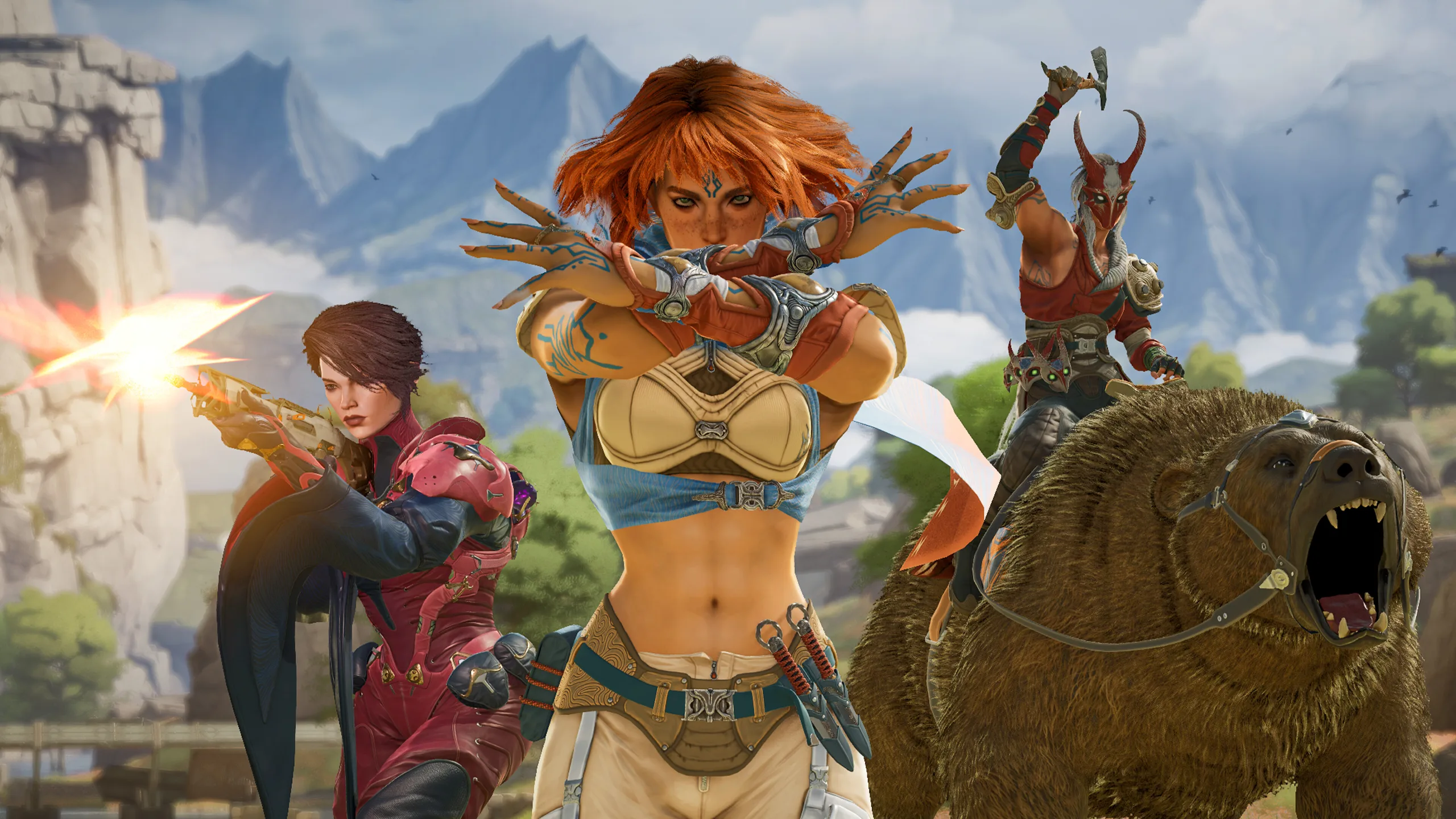
1. Highguard is a free-to-play hero shooter featuring 3v3 battles, drawing comparisons to games like Paladins and Realm Royale.
2. Notable streamer Shroud expressed concerns about the game’s initial reception and emphasized the need for timely updates to improve player experience.
3. A senior designer from the game studio Wildlight revealed job losses within the team just two weeks after the game’s launch, indicating potential internal challenges.
4. YouTuber Asmongold criticized the game, leading to a defensive response from developer Josh Sobel, who highlighted the impact of toxic positivity and the disconnect between developer expectations and player feedback.
5. The backlash against Highguard reflects broader issues in game development, including the developer’s response to criticism and the blame-shifting mindset towards players.
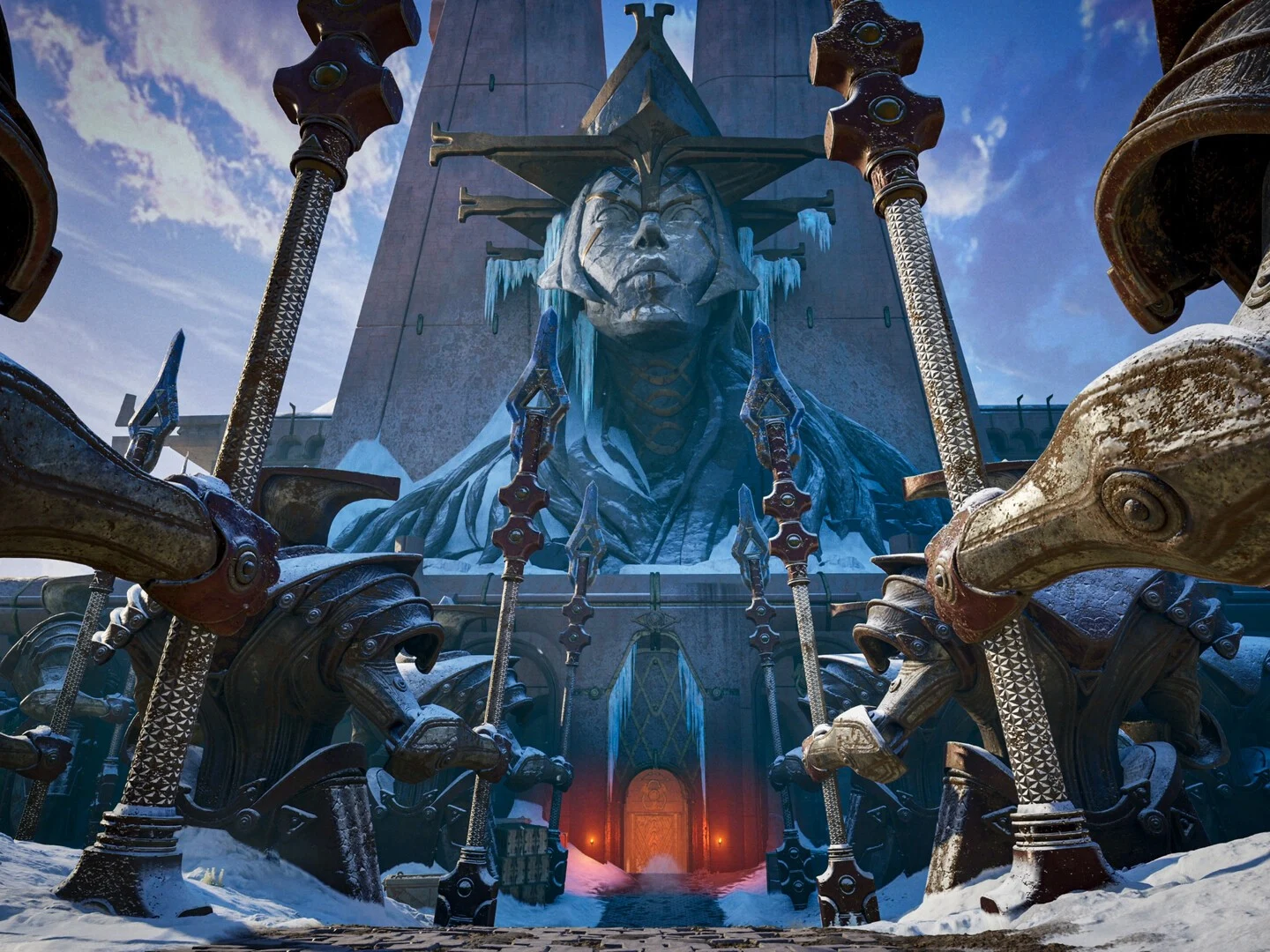
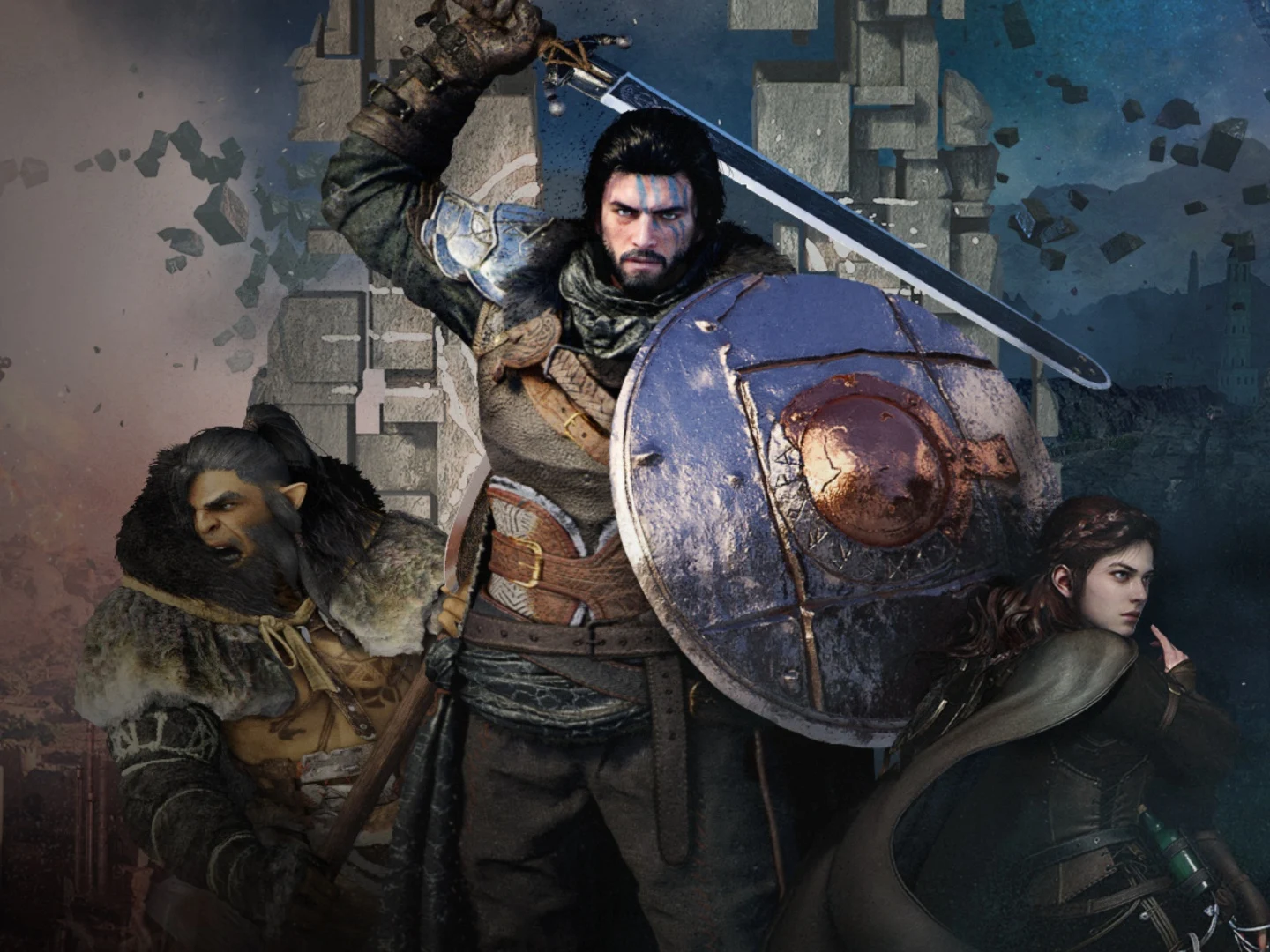
Highguard is a no-cost hero shooter that pits players against one another in 3v3 battles reminiscent of Paladins and MOBA mechanics. Noted streamer Shroud remarked that it reminded him of “Realm Royale.” Although he expressed some dissatisfaction with the game, he hopes updates and patches will address certain problems. “They really need to get it right because this game is already starting off poorly; people began disliking it before it was even released,” he said, emphasizing the tight timeline for improvements. Shroud’s take was considerably milder compared to other online reactions, but they all shared a focus on the game’s performance and initial reception. Just two weeks post-launch, a senior designer from the studio, who had lost his job, shared on LinkedIn that “most of the team at Wildlight” had been let go.
YouTuber’s Critique
Among the more vocal critics is popular YouTuber Asmongold, who branded the game “Concord 2.” This comment did not seem to please one of the developers, Josh Sobel, who took to his X account to express his thoughts in a detailed post.
In what seemed like a subtle jab at Asmongold without directly naming him, Sobel shared a lengthy reflection on his now-deleted account titled “Reflecting on shipping my first game (Highguard).” He recounted the team’s mindset leading up to the reveal at The Game Awards and the reception they received when Geoff Keighley showcased their game as the final announcement. “After 2.5 years of dedicated work on Highguard, we were excited to show it to the world. The outlook appeared promising.” He further explained that “everyone he knew” and “feedback from unbiased sources” had echoed similar hopeful views regarding the game. “But after the trailer launched, things took a turn for the worse.”
Toxic Positivity
“Do you really think your friends and family will tell you your game is bad? No, they’re going to focus on the positives, trying to find good aspects and putting a happy spin on it,” he questioned in response to Josh’s post. “It’s Toxic positivity,” he added.
In his post, Josh mentioned that content creators frequently share negative content or ‘ragebait’ to boost engagement and views. Asmongold countered this by saying it’s a major misunderstanding: creators produce content that reflects popular sentiment. “Everyone loves Baldur’s Gate 3, and if you want views, just talk about how great Baldur’s Gate 3 is,” he illustrated, providing several examples.
Sobel, quickly following the trend of blaming their product’s shortcomings on the audience they aimed to please, was quick to label any criticism or feedback that didn’t match their views as “hate.” This included comments disparaging their characters, like referring to their lead hero Atticus as “John Video Game,” and even people submitting job applications to McDonald’s. “At launch, we faced over 14k review bombs from users who played for less than an hour. Many didn’t even complete the tutorial,” Sobel lamented as he continued to express his disappointment regarding player reactions to the game.
Asmongold relentlessly challenged the developer’s assertions in his video, which, to be fair, was somewhat more severe than necessary, but that doesn’t dismiss the validity of what the streamer and others have pointed out. It’s important to recognize that the intensity of the feedback isn’t solely about the game itself; it’s also about how developers react to that feedback. As studios adopt the ‘blame it on the gamers’ mentality, any negative response to similar critiques against gamers is likely to be met with strong backlash.
Asmongold YT
Source:
Link