Tag: Metal Gear Solid

  • MGS and Splinter Cell Crossover: Solid Snake Meets Sam Fisher

    MGS and Splinter Cell Crossover: Solid Snake Meets Sam Fisher

    Key Takeaways

    1. Solid Snake will be a permanent operator available in the upcoming season, with instant access through the battle pass.
    2. The season includes Metal Gear Solid-themed cosmetics, such as skins for Jackal, Smoke, and Meryl.
    3. A limited-time event will introduce additional MGS content and a collaboration with Splinter Cell’s Sam Fisher.
    4. Solid Snake is voiced by David Hayter, bringing back his iconic voice for the character and the event.
    5. Snake’s abilities include the Soliton Radar Mk. III for reconnaissance and On-Site Procurement (OSP) for flexible gameplay, emphasizing adaptability and improvisation.


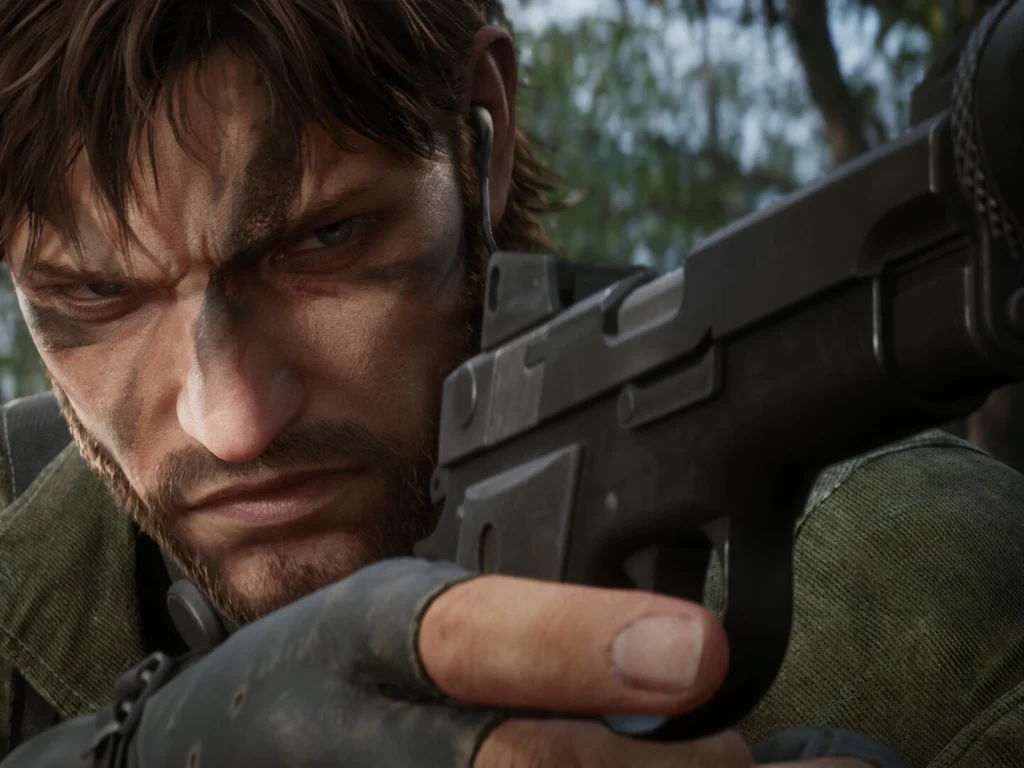
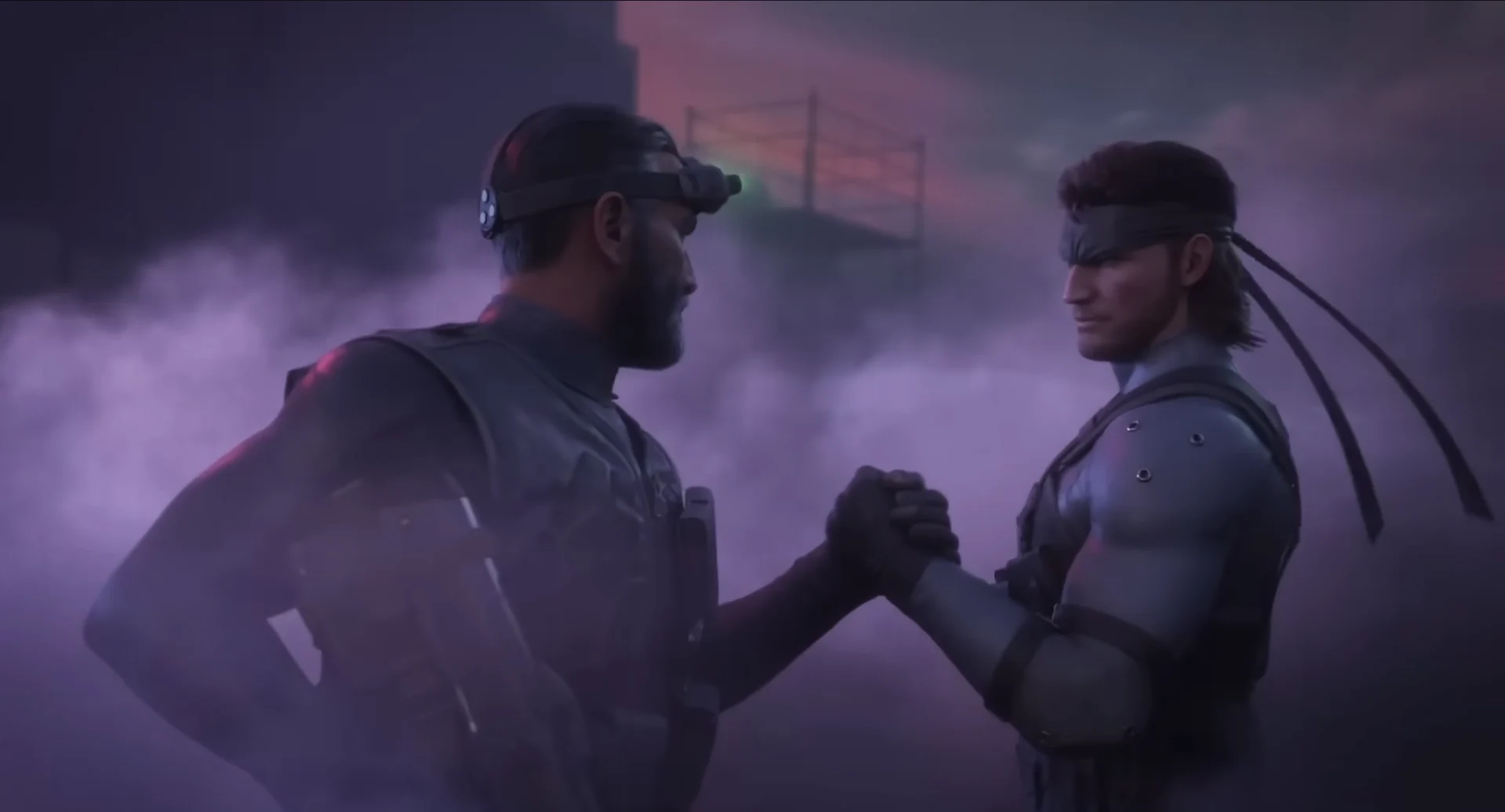
    According to Ubisoft, players will find Solid Snake to be a permanent operator when the new season kicks off. The season’s battle pass will give instant access to him, along with a variety of Metal Gear Solid-themed cosmetics. These include a Gray Fox skin for Jackal, a Psycho Mantis outfit for Smoke, and an Ash skin for Meryl. Additionally, a limited-time event, which has been [REDACTED], will introduce even more MGS content as it sets the stage for a collaboration between Snake and another stealth legend: Zero, also known as Sam Fisher. This means both Metal Gear Solid and Splinter Cell enthusiasts can enjoy playing as their favorite icons in the same environment.

    In a stunning return, Solid Snake is voiced by David Hayter once again. Players can listen to his iconic voice throughout the cinematic reveal of the character and the event itself.

    Snake’s Key Gadget

    Snake’s primary gadget is the Soliton Radar Mk. III, which is a handheld recon tool that shows the layout of nearby areas, including connected stairways, while marking soft surfaces with unique line and striped indicators. The radar switches between several states: “all clear,” active default-camera surveillance, and enemy-alert modes. Using precision mode reveals the locations of detected enemies and their vision cones, though it has limited charges and a cooldown period. This feature also alerts defenders that they have been spotted, ensuring balance within gameplay.

    Counterplay Elements

    Fortunately, there are ways to counter this powerful tool. When defenders are pinged, they receive a notification, and various deception tools can confuse the radar: Alibi’s Prisma decoys can mimic real Operators, Vigil can become invisible, and Mute can interfere with the radar’s detection range. While it offers valuable intel, it does not guarantee victory and will not cover every type of camera.

    OSP Ability and Gameplay Strategy

    Solid Snake’s On-Site Procurement (OSP) ability emphasizes improvisation. He can eventually carry up to five different secondary gadget types, but he starts with just one item and must loot utility pouches from defeated operators to fill those slots or restock them. This flexibility makes his gameplay unpredictable and rewards players who adapt and avoid sticking to a single strategy.

    Fortunately, players won’t have to wait long for the exciting update. Operation Silent Hunt will launch on March 3rd, 2026. For more details about the updates accompanying this crossover, be sure to check Ubisoft’s announcement.

    Ubisoft

    Source:
    Link


  • Hideo Kojima Says AI Is Making Games and Art Less Special

    Hideo Kojima Says AI Is Making Games and Art Less Special

    Key Takeaways

    1. Kojima emphasizes the importance of incorporating personal passions and experimenting in his creative process to engage players.
    2. He relies on self-research through books, documentaries, and libraries instead of a team for historical accuracy in his games.
    3. Kojima reflects on Metal Gear Solid 2, noting it served as a cautionary tale about a digital future rather than a prediction of an AI takeover.
    4. He praises indie developers for their innovation, while criticizing AAA studios for playing it safe with unoriginal content.
    5. Kojima hints at his upcoming project, Physint, and expresses interest in collaborating with film professionals for its development.


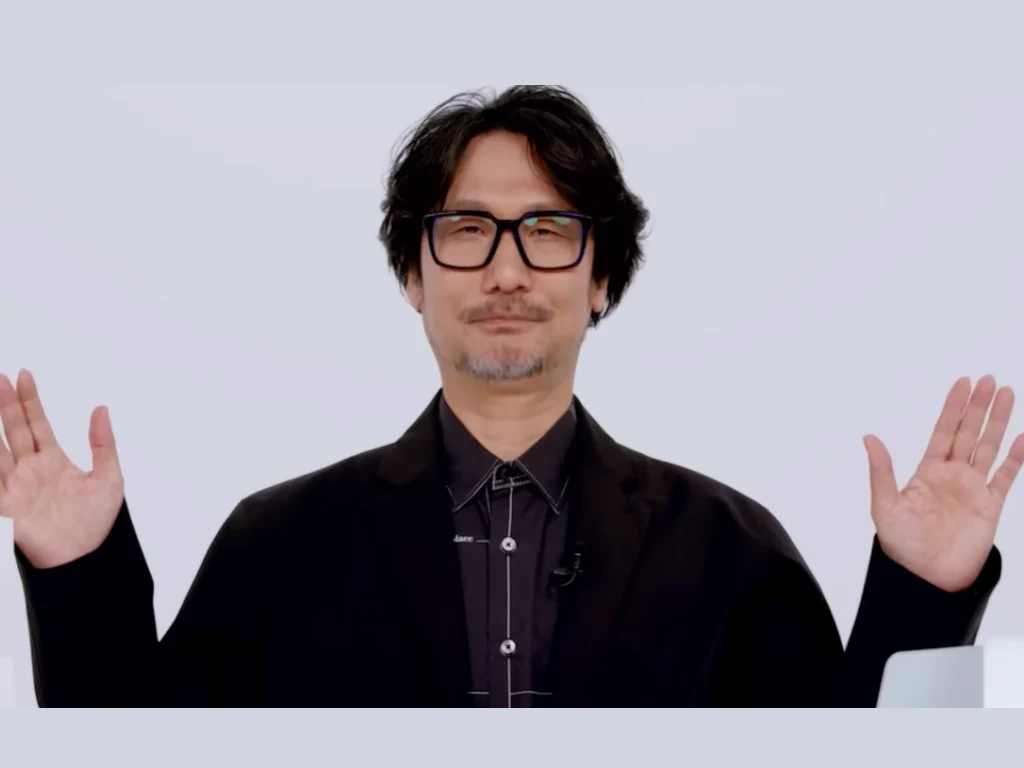
    Hideo Kojima has been busy giving some really interesting interviews this year. Recently, he took the time to interview himself for Wired’s Tech Support series, where he responded to fan questions about his creativity, the future of gaming, and his perspective on AI.

    Creative Process and Storytelling

    In the Wired chat, Kojima shed light on how he crafts his stories and worlds, mentioning that he always incorporates his own passions. He believes that players must sense “the creator’s love” in every detail, and he emphasized that experimenting is key to keeping things fresh and captivating.

    Inspirations and Research

    Kojima shared his admiration for films, which greatly affect his work, and he addressed the current trends in the gaming scene. He pointed out that he doesn’t depend on a team of experts for historical research. Instead, he reads books every day, watches documentaries, browses news online, and occasionally visits the library for more information.

    He humorously remarked, “If you’re watching and thinking, ‘I’ll be Kojima’s right-hand man!’, please reach out to me.” He elaborated on how he personally adjusts and tests game difficulty, story flow, and sound quality by alternating between speakers and headphones. He stressed that “It’s a very important stage” and mentioned that “Not many do this, I think.”

    Reflections on Metal Gear Solid 2

    Kojima also discussed Metal Gear Solid 2, a game that has made predictions that align to some extent with today’s social media reality. He clarified that the game was not meant to predict an AI takeover. Rather, it served as a caution about a digital future he wished to avoid.

    He stated, “For MGS2, I didn’t foresee AI, but rather a future I didn’t wish for. Sadly, we are moving in that direction.”

    He acknowledged that AI could simplify life, yet cautioned that it might diminish the creative elements of work, saying, “Games and art are no longer seen as special.”

    Indie Developers and Future Projects

    Kojima praised indie developers for pushing the limits of gaming with their inventive and engaging blockbuster titles, while he criticized big AAA studios for playing it safe with “things that are safe and greatly dull.”

    He also hinted at Physint, his exclusive PlayStation game that is still in its early conceptual phase, saying, “We’re considering collaborating with film professionals, not just for the cast but for the crew as well.”

    Source:
    Link


  • Hideo Kojima’s AI Game Plans: Future of Gaming in 5-10 Years

    Hideo Kojima’s AI Game Plans: Future of Gaming in 5-10 Years

    Key Takeaways

    1. Hideo Kojima is exploring ambitious game concepts, including gameplay in weightlessness and an AI-focused project.
    2. The weightless game concept lacks detailed mechanics but aims to offer unique floating gameplay experiences.
    3. The AI-centered project is designed to educate AI, helping it learn and adapt for future applications in various fields.
    4. Kojima views AI as a beneficial tool that can enhance game development by streamlining processes and allowing more creative focus.
    5. He draws parallels between AI and the initial skepticism surrounding smartphones, advocating for the positive use of technology to improve happiness.


    The mastermind behind Metal Gear Solid and Death Stranding, Hideo Kojima, is well-known for his innovative thinking and visionary ideas in gaming. Staying true to his reputation, he has unveiled some incredibly ambitious concepts for the future of games, including one that involves gameplay in weightlessness and another focused on teaching AI.

    Kojima’s Vision for the Future

    This intriguing information was shared during Kojima’s interview with Nikkei Xtrend. During his chat with the Japanese news outlet, he reflected on the various projects he hopes to explore following his work on the Xbox-exclusive horror game OD and the PlayStation-exclusive action-espionage game Physint.

    Kojima admitted that these ideas might seem extravagant at first glance. In the conversation, he expressed, “This might be a bit far-fetched, but I think I want to create a game that’s played in weightlessness and a game that brings joy to an AI.”

    Exploring New Gameplay Mechanics

    While Kojima didn’t elaborate on the technical aspects of the weightless game, many are left curious about what kind of floating mechanics he might be envisioning. He did, however, provide more insight into the AI-centered project, stating:

    Essentially, it would be a game designed to educate an AI. Presently, AI lacks a lot of knowledge, and I believe it needs to learn more. The game would serve as a teaching tool for AI to study. In five to ten years, I expect AI to enter various fields.

    Insights on AI and Technological Evolution

    At this point, it’s evident that Kojima holds nuanced views on AI, having discussed it multiple times this year. He perceives it as a beneficial tool that can streamline development processes, such as adapting to players’ unique playstyles or managing repetitive tasks, thus allowing humans to focus on the more creative elements of game development.

    Kojima also addressed the resistance against AI, drawing parallels between it and the initial skepticism surrounding smartphones when they first gained popularity. He remarked:

    When smartphones were introduced, a lot of people criticized them. Yet now, there are countless individuals who can’t imagine life without their smartphones. AI is similar. It’s crucial to utilize technology in a manner that enhances our happiness while keeping in mind the right path it should follow.

    With projects like OD being developed and Physint still in the early conceptual phase, Kojima continues to think big, reminding us why he remains one of the most significant figures in the video gaming world.

    Source:
    Link


  • Leaked Concept Art from Cancelled Xbox Game Studios Title

    Leaked Concept Art from Cancelled Xbox Game Studios Title

    Key Takeaways

    1. The reboot of Perfect Dark has been canceled, joining other titles like Everwild and Contraband due to Microsoft layoffs in July 2025.
    2. Leaked information reveals that the game aimed to fill a gap in the market for espionage franchises, inspired by HBO’s Westworld and featuring a reinterpreted Joanna Dark.
    3. Development was progressing with a playable demonstration called Vertical Slice 1, indicating a focus on quality and pacing.
    4. Gameplay was structured episodically and included systems like the Relentless System, Reward System, and Adrenaline System for enhanced player experience.
    5. Concept art showcased a futuristic Cairo setting, and there were discussions with Take-Two Interactive for potential co-financing and publishing before the game’s cancellation.


    The reboot of Perfect Dark has sadly joined a list of canceled titles, which also includes Rare’s Everwild and Avalanche Studios’ Contraband, following Microsoft’s layoffs in July 2025. Recently, a former developer leaked information from April 2024, offering fans a peek at what the new Perfect Dark could have been.

    Insights from the Leaks

    According to a report from MP1st, the ex-developer shared various concept art images, aiming to fill a “notable gap in the market due to the lack of major espionage franchises such as Metal Gear Solid and 007.” Both of these franchises were inactive when the Perfect Dark reboot was in the works, but they have regained attention with the release of Metal Gear Solid Delta: Snake Eater and the upcoming 007: First Light.

    Inspiration and Development

    The game was said to take cues from HBO’s Westworld while reinterpreting Joanna Dark for a new audience, all the while maintaining the stealth-action elements that defined the original 2000 N64 game. The development of Perfect Dark’s remake appeared to be on track right up until its cancellation, as the developer The Initiative was busy refining a Vertical Slice 1—a playable demonstration meant to showcase the final game’s quality and pacing.

    Gameplay Mechanics

    Internal documents referred to this phase as Season 1, supporting previous speculations about the game being structured episodically. The gameplay was designed to incorporate several systems, including the Relentless System, the Reward System, and the Adrenaline System. These systems were meant to provide players with healing, boost damage output, reduce damage taken, and enable bullet-time sequences.

    One piece of leaked concept art depicted a more developed Joanna Dark, possibly linked to the Adrenaline System, which would have impacted her looks and granted her unique abilities.

    Visuals and Collaboration Talks

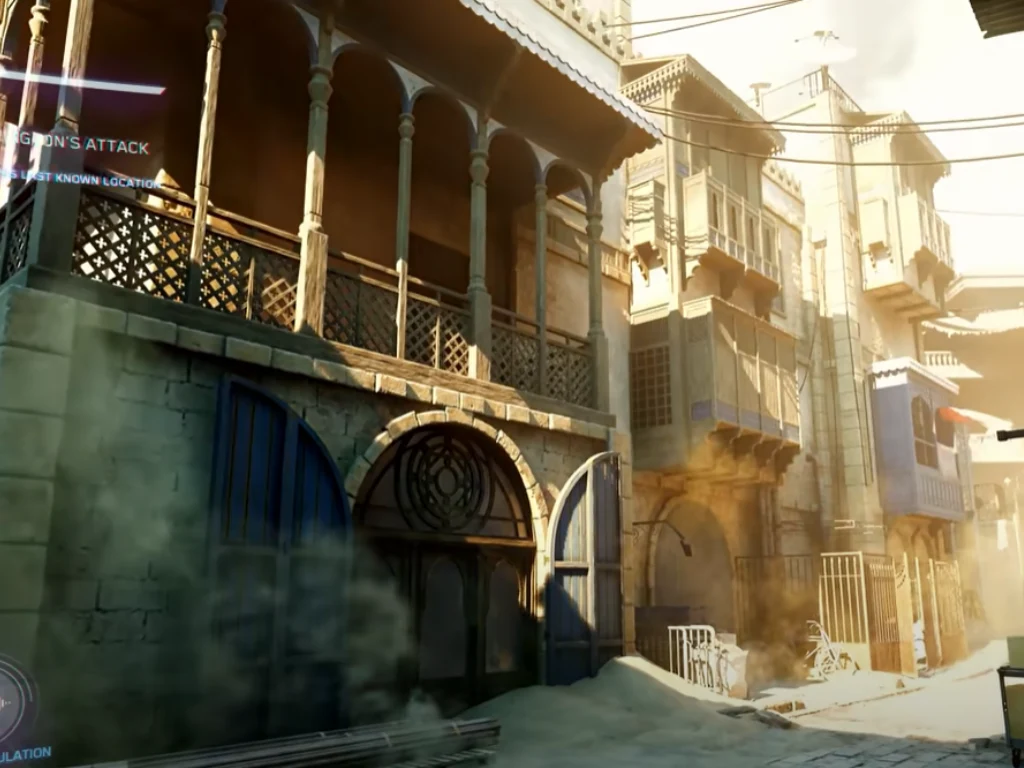
    In addition to gameplay systems, the leaked artwork showcased locations from Season 1, featuring a futuristic Cairo filled with towering skyscrapers and hydroponic megastructures, with the iconic Pyramids of Giza in the background. Bloomberg previously mentioned that Take-Two Interactive was in discussions with Microsoft and Embracer Group to co-finance and publish the game, hoping to revive it amid the company’s restructuring.

    Regrettably, the remake of Perfect Dark has now been put on hold, joining other Microsoft-owned franchises like Banjo-Kazooie and Fable.

    Source:
    Link


  • Konami Seeks Player Input on Which Metal Gear Games to Remake

    Konami Seeks Player Input on Which Metal Gear Games to Remake

    Key Takeaways

    1. Konami is making a strong comeback in the gaming industry with the remake of Metal Gear Solid Delta: Snake Eater.
    2. The company is engaging fans through a survey to gather suggestions for future remakes, focusing on both classic and recent titles.
    3. Exciting remakes are anticipated, giving gamers hope for high-quality games that meet fan expectations.
    4. Upcoming remakes may feature new elements, such as the Fox Hunt multiplayer mode in the Metal Gear Solid 3 Remake.
    5. Fans are eager to see which Metal Gear game will be remade next as Konami looks to reclaim its past glory.


    Konami appears to be making a remarkable return in the gaming industry. After the launch of the remake for Metal Gear Solid Delta: Snake Eater, the Japanese company reached out to gamers to find out which titles they would like to see remade. Some of the suggestions were quite unexpected.

    Survey Engaging Fans

    A survey, primarily directed at Japanese players and shared by user @Kuwabara357 on X, allowed Konami to hear from fans of the series. Among the titles listed were the original Metal Gear from 1987 and Metal Gear Solid V: The Phantom Pain, released in 2015, along with several other series entries.

    Exciting Prospects Ahead

    This is fantastic news for countless gamers around the globe who can look forward to fresh remakes in the years ahead. Furthermore, it presents Konami with a chance to reclaim its past splendor by delivering high-quality games that align with fan expectations.

    New Features Expected

    However, discussing remakes doesn’t mean there won’t be any fresh elements, as seen with Metal Gear Solid 3 Remake. This upcoming title will include the Fox Hunt multiplayer mode, which might be revealed this week during the Tokyo Game Show. It’s possible that similar enhancements could be in store for other remastered titles. We must stay tuned to see which Metal Gear game will be selected next, but there’s no doubt that fans will be thrilled.

    Source:
    Link


  • Hideo Kojima Calls His Endless Creativity a Blessing and a Curse

    Hideo Kojima Calls His Endless Creativity a Blessing and a Curse

    Key Takeaways

    1. Hideo Kojima views his continuous flow of creative ideas as a “disease,” allowing him to imagine freely, even during everyday interactions.
    2. After leaving Konami Productions in 2015, Kojima founded Kojima Productions and developed his new game, Death Stranding, marking a significant career transition.
    3. Kojima’s work has often foresaw future trends, as seen in Metal Gear Solid 2’s themes about the internet and AI, which became relevant years later.
    4. The release of Death Stranding in 2019 resonated with global experiences of isolation during the COVID-19 pandemic, showcasing Kojima’s ability to connect through gaming.
    5. Kojima is actively working on Death Stranding 3 and collaborating with A24 on a live-action film and anime spin-off, indicating his ongoing creative endeavors.


    In a recent conversation with Man of Many, renowned video game designer Hideo Kojima shared insights into his creative journey, comparing it to an unending affliction. Now at 62 years old, the mastermind behind beloved series like Metal Gear and Death Stranding explained how ideas continuously invade his thoughts, no matter where he is.

    The Creative Affliction

    Kojima described his imaginative condition as a type of disease, saying:

    “It’s almost like a disease. I’m imagining things all the time. Even when I’m talking to my family. In my head, I’m in a totally different world.”

    He expressed gratitude for his profession, remarking, “A lot of people don’t understand that, but I’m glad I have this job, because I’m free to imagine whenever I want.”

    A New Beginning

    It’s been ten years since Kojima left Konami Productions and his Metal Gear series on September 1, marking a fresh start in his career. He founded Kojima Productions and began developing his recent intellectual property, Death Stranding.

    His career has always blended boundless creativity with complex narratives, featuring groundbreaking mechanics. The Metal Gear series first launched in 1987, just a year after Kojima joined Konami. He remained with the franchise until 2015, culminating in the release of Metal Gear Solid: The Phantom Pain, a game that transformed stealth gameplay in the expansive settings of Afghanistan and Angola-Zaire.

    Visionary Concepts

    One of his most notable works, Metal Gear Solid 2: Sons of Liberty from 2001, ominously predicted the rise of the internet and the associated risks of AI, themes that were ahead of their time and foreshadowed the eventual internet boom and the emergence of Artificial Intelligence in public and commercial sectors.

    Even post-Kojima, the Metal Gear series continues to thrive, as demonstrated by the upcoming 2025 remake of Metal Gear Solid Delta: Snake Eater, which received rave reviews despite Kojima’s absence from the project. Interestingly, the developers at Konami sought his input on the remaster.

    Embracing Change

    Kojima’s creative spirit led him into his new phase after leaving Konami, with the release of Death Stranding in 2019. This game centered on mending a broken world, reflecting the feelings of isolation experienced during the pandemic shortly after its launch.

    Reflecting on that period, Kojima said, “I created a game about connections, and then COVID-19 came in and everyone was isolated. We all experienced it at once, and we’ve overcome it. So, I think we’re a little stronger.”

    The pandemic almost led him to give up, as he described, “It had gotten to a point where I almost gave up. But I came back, and I feel like I reconnected with myself through this project.”

    Future Endeavors

    Looking forward, Kojima’s creative juices are still flowing, as he has already started to conceptualize Death Stranding 3, with hopes of passing the torch to someone else. Additionally, A24 is in the process of producing a live-action Death Stranding film under the direction of Michael Sarnoski, expected to release in 2027, along with an anime spin-off set in the same universe currently in development.

    Source:
    Link


  • Kojima Won’t Play Metal Gear Solid Delta, Emphasizes Innovation

    Kojima Won’t Play Metal Gear Solid Delta, Emphasizes Innovation

    Key Takeaways

    1. Hideo Kojima expresses skepticism about current AAA gaming trends, noting a lack of innovation and repetitive themes in recent games.
    2. The gaming industry faces challenges like a talent drain to AI and a focus on safe investments, leading to predictable game production.
    3. Kojima prefers indie games that show originality over high-budget AAA titles, believing they are where true creativity happens.
    4. He critiques game developers for lacking realism in military games, highlighting his own research and training in the subject.
    5. Kojima emphasizes the importance of taking risks in game development to create memorable experiences, rather than just aiming for profitable hits.


    The famous creator of Metal Gear Solid and Death Stranding, Hideo Kojima, has shared his mixed feelings and insights about the present state of the AAA gaming world, which many believe is currently lacking in innovation.

    Skepticism About Trends

    In a recent chat with SSENSE, Kojima showed doubt when asked about today’s video game trends, saying, “Even the visuals and the game systems are pretty much the same.” He reflected on the recent Summer Games Fest 2025, which he thought was filled with repetitive themes of battling identical enemy types. While such games attract large audiences, he acknowledged, “a lot of people enjoy this, I understand,” hinting that the industry should break away from its comfort zone and focus on innovation instead of just chasing profits to create lasting masterpieces.

    Industry Challenges

    Kojima’s critique comes at a time when the gaming world is facing a talent drain to superior AI tools and publishers increasingly opting for safer investments for better returns. As a result, most AAA studios are playing it safe by continuously producing the same, predictable potential hits, prioritizing revenue over creativity, a trend he finds “kind of sad.”

    Personal Gaming Preferences

    Interestingly, Kojima’s feelings about the gaming industry also reflect his own gaming choices. In the interview, he mentioned that he seldom plays high-budget AAA games. Instead, he is more interested in creative indie games that showcase greater originality. He told SSENSE, “Indie games are where things are happening.”

    A Visit to a Game Studio

    While recounting a visit to a certain game studio for independent consultation on a stealth project, Kojima criticized their lack of depth. He remarked, “People who are making military games, they don’t know how to dismantle a gun or shoot a gun.” When probed about his knowledge of military equipment and tactics, Kojima elaborated with surprising detail, showing his dedication and research, “Yes, because I’ve been doing this training as well, and I learned so many ways to kill people as well.”

    Thoughts on Metal Gear Solid Delta

    When questioned about his interest in Konami’s upcoming remake of his iconic game, Metal Gear Solid Delta: Snake Eater, the former Konami director dismissed it with a laugh, saying, “No, I won’t.”

    Departure from Konami

    To clarify the situation, the different perspectives between Kojima and Konami that led to financial and creative disagreements resulted in Kojima’s exit. His last Metal Gear project, Metal Gear Solid V: The Phantom Pain, launched in September 2015, followed closely by his departure from Konami on December 16 of that same year.

    Establishing a New Studio

    Kojima then founded Kojima Productions, quickly attracting the interest of Sony. This support allowed him to pursue his ambitious and divisive project, resulting in the release of Death Stranding, followed by its sequel, Death Stranding 2: On the Beach, which came out on June 26, 2025. Despite being a PlayStation 5 exclusive, the game has reportedly sold 1.4 million copies as of June 2025, boasting an impressive Metacritic score of 89/100.

    Creative Freedom and Vision

    While Kojima’s independent projects have allowed him to unleash his creativity, he initially feared that the game was “too likable.” This concern led to changes during development to ensure a more divisive experience. He believes that controversial games tend to last longer in the gaming world, stating, “I’m not trying to make something that’s going to sell millions and millions… I want to make something that’s going to be remembered in 20 years.”

    Ambitions Beyond Earth

    Currently, Kojima’s aspirations go beyond Earth. During the Sydney Film Festival in June 2025, he revealed his lifelong dream of making a game set in space, but emphasized the need for preparation: “I want to train properly, learn how to do the docking, go to the International Space Station, and stay there for a few months.”

    A Call for Risk-Taking

    Kojima’s ambitions reach far beyond the current goals of the gaming industry, which seems to be caught in a cycle of repetition. He believes that if developers truly want to create great games, they should embrace taking significant risks to reshape the gaming landscape.

    Source:
    Link