Tag: Hideo Kojima

  • Hideo Kojima’s Physint Leaks Reveal Antagonist Inspired by Mads Mikkelsen in Hannibal

    Hideo Kojima’s Physint Leaks Reveal Antagonist Inspired by Mads Mikkelsen in Hannibal

    Key Takeaway

    1. Hideo Kojima’s PlayStation-exclusive project, Physint, is in the conceptual stage, with minimal public information released.
    2. Leaks reveal casting calls for a German-accented villain, described as a calm, intense, and confident killer, reminiscent of Mads Mikkelsen in Hannibal.
    3. The studio is actively preparing for motion capture sessions in 2024, with a focus on casting and performance capture to develop the game.
    4. Notable talents including Charlee Fraser, Ma Dong-seok, and Minami Hamabe are reportedly involved in the project.
    5. Fans speculate Christoph Waltz could portray the main antagonist, given his history of playing intense, villainous roles.

    Leaked Casting Details for Kojima’s New Game

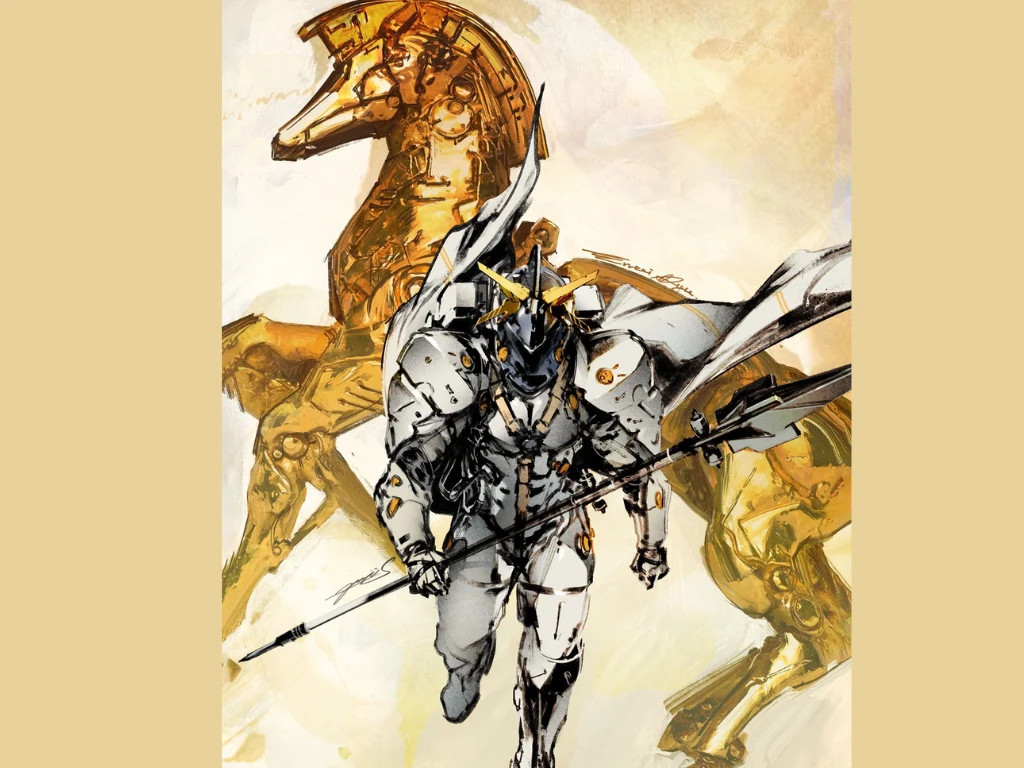
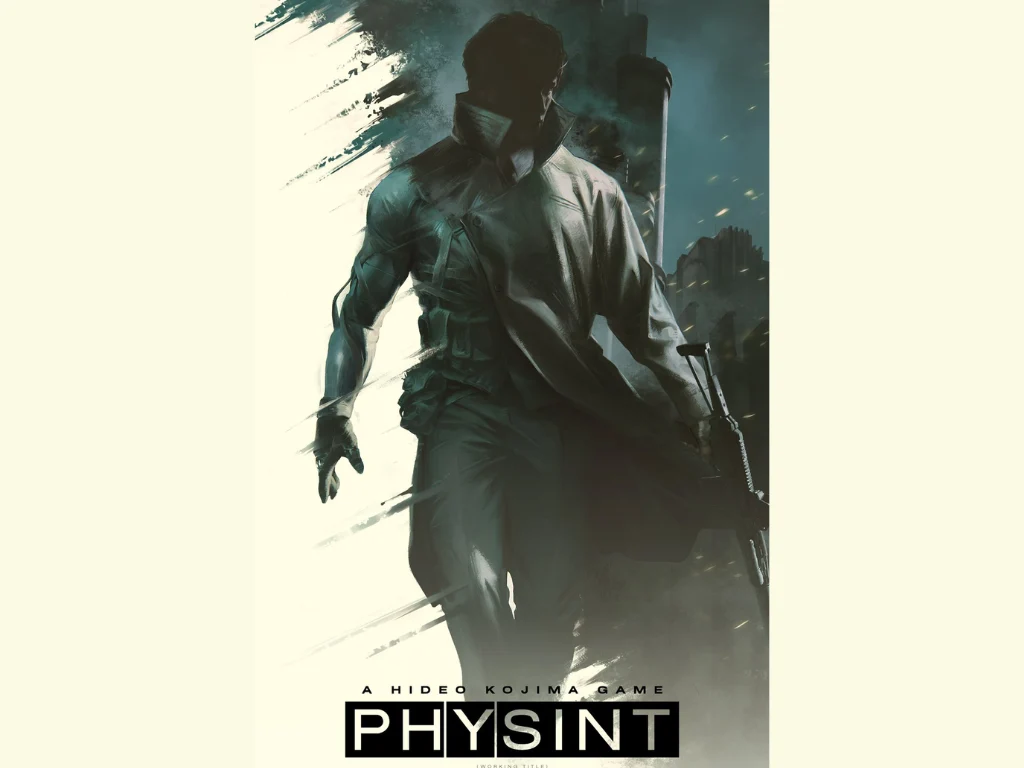
    Fans of renowned director Hideo Kojima are super excited because some sneak peeks about his latest project, Physint, are starting to come out. This new game is said to be a action-espionage style game, and considered as a spiritual successor to the famous Metal Gear Solid series. The game is still in early stages, and only a few pieces of promotional art have seen the light of day. Recently, there was some leak about the casting process for a villain character that has a German accent, and the description resembles a cunning and cool villain similar to Mads Mikkelsen’s character in Hannibal but with more style.

    Details on the Villain’s Character

    The casting call outlined that they want a male actor, aged between 50 and 70, slim build, about 145 pounds, and height around 5’10”. The interesting part is how they described the villain’s personality. They want someone who exudes a quiet, intense energy, where their presence alone could raise the tension levels in a scene. The audition description pointed to a confident but psychotic personality, someone who is very calm and cold, like an assassin who is dangerous but keeps their cool. The role is for the main antagonist, and the script hints at some action scenes from the beginning of the game, including passengers on a hijacked bus.

    Development and Casting Process

    Kojima’s team haven’t shared much publicly about Physint, and the game remains mostly in the concept stage. Kojima himself mentioned earlier this year that the focus for 2026 would be on laying groundwork, including casting actors, doing scanning, and capturing performances on video. Reports suggest that early motion capture sessions are already being planned, with some shoots expected to begin as soon as June. The studio is actively assembling a talented cast for the game, and some of the names include Charlee Fraser (Furiosa), Ma Dong-seok (Train to Busan), and Minami Hamabe (Godzilla Minus One).

    Potential Actors for the Villain Role

    Many fans speculate that an actor like Christoph Waltz might be perfect for the villain role. Waltz has previously played very intense and intimidating characters, such as Hans Landa in Inglourious Basterds, Blofeld in Spectre, and Mott in Georgetown. His remarkable ability to portray complex villains makes him a top choice among fans who are eagerly waiting for any official announcements. Right now, it’s clear that Kojima Productions is working hard to fill the game with compelling performances, and fans are excited to see how this new project will turn out.
    Sources
  • Hideo Kojima Encourages Devs to Enhance Enjoyment in Death Stranding 2

    Hideo Kojima Encourages Devs to Enhance Enjoyment in Death Stranding 2

    Key Takeaways

    1. Hideo Kojima’s main goal for Death Stranding 2 is to enhance player enjoyment throughout the game.
    2. Player feedback from Death Stranding 1 significantly influenced the development of the sequel, leading to a new world and gameplay adjustments.
    3. Early playtests helped clarify Kojima’s vision, focusing on improving overall enjoyment rather than making the game weirder.
    4. The sequel adopts a simpler approach, reducing complexity in worldbuilding to make the game more accessible for all players.
    5. The design choices made for Death Stranding 2 resulted in broader acclaim and easier recommendations to new players, with improved player progression metrics.


    Death Stranding 2: On the Beach’s lead level designer, Hiroaki Yoshiike, recently shared insights in an interview about Hideo Kojima’s primary aim for Death Stranding 2: making the game more fun. This was a specific instruction from Kojima himself, who wanted players to feel enjoyment throughout their entire experience.

    Player Feedback Matters

    It appears that Kojima took the feedback from Death Stranding 1 quite seriously. Gamers had mentioned that the gameplay felt somewhat slow, and Kojima Productions put in a significant effort to create a brand-new world and concept for players to explore.

    Yoshiike’s remarks help clear up some of the earlier uncertainties. Previously, Woodkid, the co-composer, talked to Rolling Stone, leading to the impression that Kojima was aiming to make the sequel weirder based on initial playtest reactions.

    Clarifying Kojima’s Vision

    Kojima later clarified this notion, stating that those early playtests were instrumental in enhancing the overall enjoyment for players. He expressed, “Something that is not digestible stays in that person for a long time. So that’s what I meant by ‘I want to do things differently.’”

    This still left some ambiguity regarding Kojima’s thoughts on Death Stranding for both players and critics. However, Yoshiike, during his conversation with PC Gamer, shed light on earlier statements and provided a clearer insight into Kojima’s mindset. He stated:

    “Kojima wanted more people to enjoy the game all the way to the end. This was an order he gave us.”

    A Simpler Approach

    He explained that Death Stranding 1 needed to be “very elaborate” since Kojima Productions was building a completely new world and concept from the ground up. Due to feedback about the delivery system being somewhat prolonged, the development team opted for a more straightforward approach in the sequel.

    Yoshiike continued:

    “In the second game, we didn’t need to provide too many worldbuilding elements; we could make it less elaborate. Completionists can enjoy that depth, but for people who won’t necessarily care about it, we made sure they can follow the story through other supplemental elements within the game. That was one of the design choices we made.”

    This strategy resonated well with gamers, and Death Stranding 2 was met with broad acclaim upon its release. Yoshiike added, “We’ve gotten a lot of feedback that it’s much easier to recommend DS2 to people. We can see the metrics, and we’ve seen that people have progressed much further than they previously had. So that was just as we designed, I think.”

    Source:
    Link


  • Asus ROG Flow Z13-KJP Pre-Order Date & Free Death Stranding 2 PC

    Asus ROG Flow Z13-KJP Pre-Order Date & Free Death Stranding 2 PC

    Key Takeaways

    1. Product Launch: ROG introduced the ROG Flow Z13-KJP, a 2-in-1 gaming tablet in collaboration with Hideo Kojima’s Kojima Productions at CES 2026.

    2. Pre-Order Dates: Pre-orders for the ROG Flow Z13-KJP will start on February 24, with pricing and release dates varying by country.

    3. Bonus Game Offer: Buyers of the ROG Flow Z13-KJP will receive a free copy of Death Stranding 2: On The Beach for PC.

    4. Game Release Information: Death Stranding 2 will be available for PC on March 19, 2026, and is currently available for pre-order on Steam.

    5. Technical Specs: The tablet features a 13.4-inch 2.5K display, AMD Ryzen AI Max+ 395 processor, Radeon 8060S graphics, and unique cooling technology, all designed with an aesthetic inspired by Kojima Productions’ mascot.


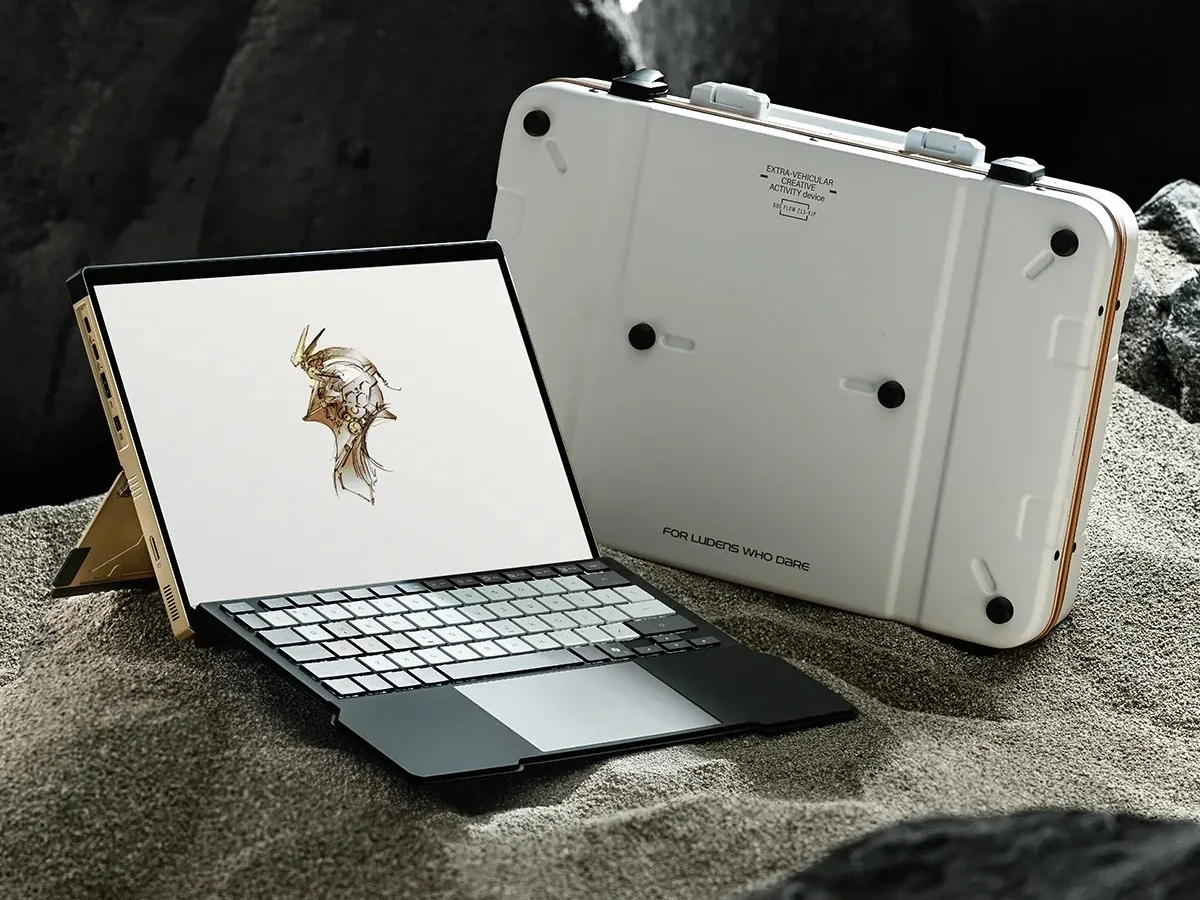
    At CES 2026, ROG, a brand under Asus, introduced several products created in collaboration with Hideo Kojima’s Kojima Productions. One notable item is the ROG Flow Z13-KJP, a unique 2-in-1 gaming tablet. Asus has announced that pre-orders for the tablet will be starting shortly.

    Pre-Order Details

    Through a post on the official Asus ROG account on X, the company revealed that pre-orders for the ROG Flow Z13-KJP will commence on February 24. Specific pricing and the release date haven’t been shared yet, but Asus mentioned that these details will differ depending on the country.

    Free Game with Purchase

    Even though the exact price is still unknown, Asus is trying to make the purchase more appealing by offering a bonus. According to their announcement, anyone who buys the ROG Flow Z13-KJP will receive a complimentary copy of Death Stranding 2: On The Beach for PC. While not explicitly stated, it’s assumed that buyers will obtain a key to access the game.

    Game Release Info

    Death Stranding 2: On The Beach launched on June 26, 2025, for the PlayStation 5. However, during its recent State of Play, PlayStation confirmed that the game will be available for PC starting March 19, 2026. The game is currently available for pre-order on Steam at a price of $69.99, with a digital deluxe edition offered for an additional $10.

    Technical Specifications

    The ROG Flow Z13-KJP sports a 13.4-inch screen boasting a 2.5K resolution, a 180Hz refresh rate, and covers 100% of the DCI-P3 color gamut. Under the hood, it houses AMD’s Ryzen AI Max+ 395 processor, which is also found in the Ayaneo Next 2. This 2-in-1 gaming tablet is equipped with Radeon 8060S graphics, 128GB of unified RAM, a vapor chamber, and liquid metal cooling technology.

    Design and Features

    Constructed from CNC-milled aluminum and carbon fiber, the tablet features an exterior design inspired by Kojima Productions’ Ludens mascot. Asus also stated that the ROG Flow Z13-KJP comes with an exclusive Armory Crate theme, showcasing a design inspired by Ludens. You can view our first impressions of this gaming tablet in the video above.

    Asus ROG on X, Asus ROG’

    Source:
    Link


  • Kingdom Come Director: AI in Games is Here to Stay

    Kingdom Come Director: AI in Games is Here to Stay

    Key Takeaways

    1. Strauss Zelnick, CEO of Take-Two, is skeptical about the creative value of generative AI and prefers to avoid its applications in gaming.
    2. Hideo Kojima believes that AI will significantly change the gaming industry within the next five to ten years.
    3. Daniel Vávra sees AI as a permanent shift in film and gaming, emphasizing its integral role in the future.
    4. Vávra highlights the efficiency of AI in producing high-quality content quickly, contrasting it with traditional methods that require large teams and more time.
    5. Reactions to Vávra’s views on X are mixed; supporters see AI as a democratizing tool for creativity, while critics worry about the lack of artistic soul and potential job losses.


    Generative AI is a very talked-about topic in the gaming industry, and people have different views on it. Take-Two’s CEO, Strauss Zelnick, does not see much value in its creative abilities and prefers to keep his distance from generative applications. In contrast, Hideo Kojima, the creator of Metal Gear, believes that AI will cause significant changes in the next five to ten years. Daniel Vávra, who is the director and writer for Kingdom Come: Deliverance and its sequel, has now entered the conversation on X, sharing thoughts that are quite similar to those of Kojima.

    AI as a Permanent Shift

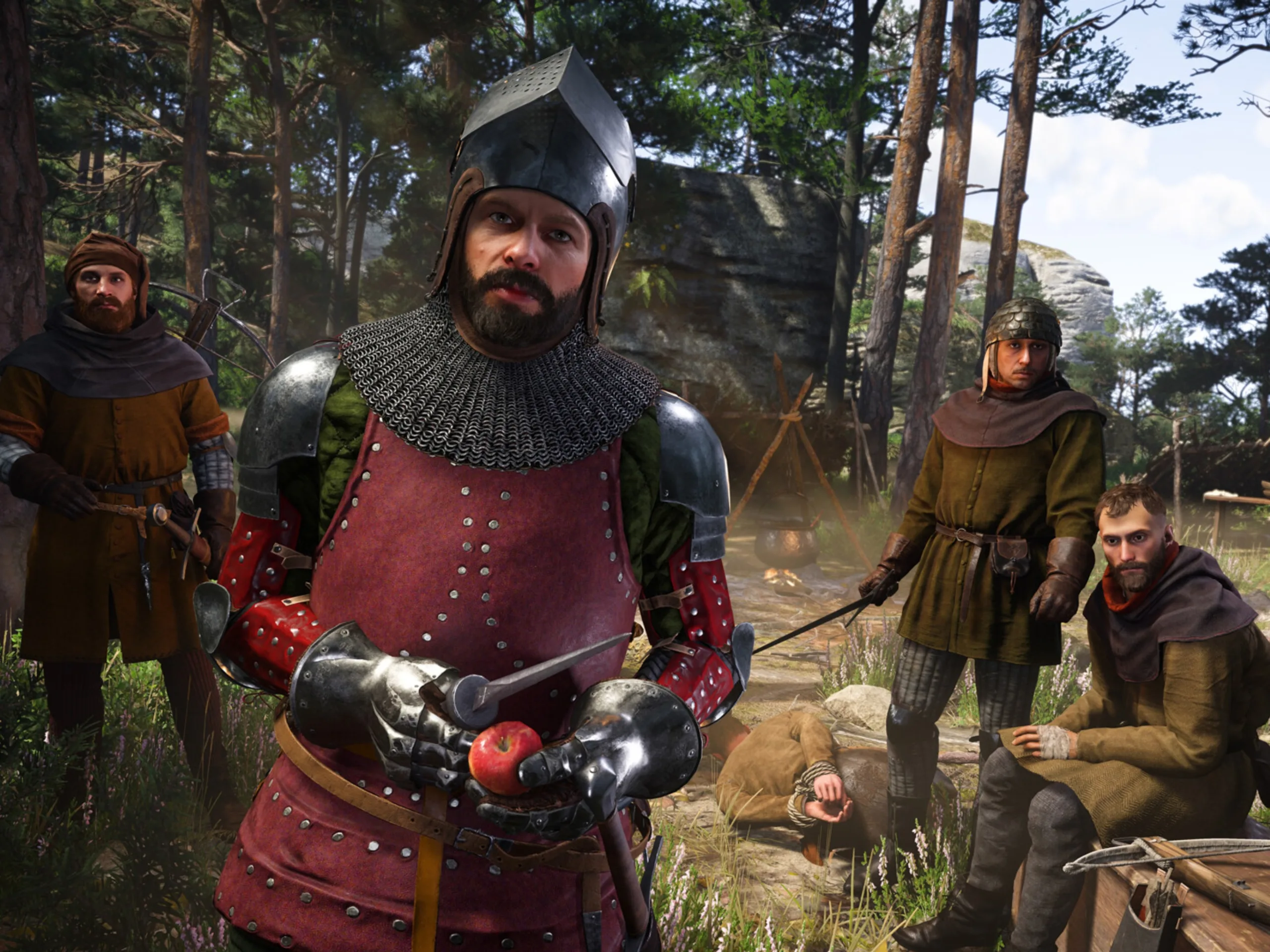
    Daniel Vávra argues that the use of AI in film and gaming is not just a fleeting trend but rather a lasting transformation. He states, “It’s here and it’s not going anywhere,” emphasizing that the Czech game developer sees this technology as integral to the future. He points to a fan-made trailer that showcases incredibly realistic, cinematic visuals of knights in battle and cities ablaze. Producing such content through traditional means would demand a large team and take weeks to complete. Yet, the AI-generated version was made by just one person in only two days. For Vávra, outcomes like this make the integration of AI in creative fields unavoidable.

    Mixed Reactions on X

    Responses to Vávra’s comments on X are also split. Supporters resonate with his views, seeing AI as a tool that can democratize creativity and open doors for more people. On the other hand, critics express concerns about a lack of artistic soul in AI-generated content and the potential for job losses in the industry.

    Source:
    Link


  • Hideo Kojima Reveals 2026 Vision for Kojima Productions’ Next Phase

    Hideo Kojima Reveals 2026 Vision for Kojima Productions’ Next Phase

    Key Takeaways

    1. Hideo Kojima shared heartfelt New Year wishes with fans and announced a transition to the “Second Phase” of Kojima Productions leading into its Third Phase in 2026.

    2. This year, Kojima plans to focus on staying grounded and building strong foundations, moving away from extensive travel.

    3. He is working on a new horror game titled OD in collaboration with Xbox Game Studios, which will explore innovative uses of cloud technology.

    4. The development of Physint is in early stages, with pre-production underway, and it may be Kojima’s last stealth action espionage game, featuring notable actors.

    5. 2026 marks Kojima’s 40th anniversary in the gaming industry, and he expressed gratitude for the support of fans and the continued journey of Kojima Productions.


    Bidding goodbye to 2025 and welcoming 2026, the iconic video game creator and director known for his revolutionary games, Hideo Kojima, shared his new year greetings, reflected on the journey of Kojima Productions, and set a new goal for the studio.

    Heartfelt New Year Wishes

    In a touching message on X, Kojima reached out to his long-time fans saying, “Happy New Year.” He also noted, “In 2026, we will advance with the ‘Second Phase’ that leads into Kojima Productions’ Third Phase.”

    A Shift in Focus

    This year marks a shift for Kojima, who has been busy with various interviews, celebrating the release of Death Stranding 2: On the Beach, and touring the world to strengthen his bonds with fans and the studio’s foundations.

    However, this year, Kojima has a plan to keep things more “real” or grounded. He mentioned in his post, “Unlike last year, when I traveled a lot; this year will focus on staying grounded and building strong foundations.”

    Game Development Ahead

    Kojima intends to channel his efforts into creating upcoming games for PlayStation and Xbox. Currently, he is working on a horror game titled OD, in partnership with Xbox Game Studios, which he describes as an experimental horror experience that aims to utilize cloud technology while exploring fear in new and unique ways.

    At this point, we have only seen a few teasers from Kojima Productions about OD, so its full potential remains to be seen.

    Progress on Physint

    Meanwhile, the development of Physint is still in its early stages. The game is moving into pre-production with Sony Interactive. Kojima is working on Physint’s concept as what might be his last stealth action espionage game, confirming that preparations for “casting actors, scanning, and performance capture shoots” are already in progress.

    At the celebration for Kojima Productions’ 10th anniversary, it was revealed that the game will feature Carhlee Fraser, Don Lee a.k.a. Ma Dong-seok (who is also involved in Gang of Dragon), and Minami Hamabe. Physint aims to merge cinema with gaming, and it’s part of Kojima’s larger vision for “total media domination.” We hope this works out for him, though he has moderated his expectations for Physint’s launch, mentioning it could take 5 to 6 years before the game is available.

    A Milestone Year

    This year is significant for Kojima, marking his 40th year in the gaming industry, which he began in 1986. He concluded with a grateful note, saying, “Thank you, as always, for your ongoing support and support for Kojima Productions. I am excited for another fantastic year.”

    Source:
    Link


  • Hideo Kojima Says AI Is Making Games and Art Less Special

    Hideo Kojima Says AI Is Making Games and Art Less Special

    Key Takeaways

    1. Kojima emphasizes the importance of incorporating personal passions and experimenting in his creative process to engage players.
    2. He relies on self-research through books, documentaries, and libraries instead of a team for historical accuracy in his games.
    3. Kojima reflects on Metal Gear Solid 2, noting it served as a cautionary tale about a digital future rather than a prediction of an AI takeover.
    4. He praises indie developers for their innovation, while criticizing AAA studios for playing it safe with unoriginal content.
    5. Kojima hints at his upcoming project, Physint, and expresses interest in collaborating with film professionals for its development.


    Hideo Kojima has been busy giving some really interesting interviews this year. Recently, he took the time to interview himself for Wired’s Tech Support series, where he responded to fan questions about his creativity, the future of gaming, and his perspective on AI.

    Creative Process and Storytelling

    In the Wired chat, Kojima shed light on how he crafts his stories and worlds, mentioning that he always incorporates his own passions. He believes that players must sense “the creator’s love” in every detail, and he emphasized that experimenting is key to keeping things fresh and captivating.

    Inspirations and Research

    Kojima shared his admiration for films, which greatly affect his work, and he addressed the current trends in the gaming scene. He pointed out that he doesn’t depend on a team of experts for historical research. Instead, he reads books every day, watches documentaries, browses news online, and occasionally visits the library for more information.

    He humorously remarked, “If you’re watching and thinking, ‘I’ll be Kojima’s right-hand man!’, please reach out to me.” He elaborated on how he personally adjusts and tests game difficulty, story flow, and sound quality by alternating between speakers and headphones. He stressed that “It’s a very important stage” and mentioned that “Not many do this, I think.”

    Reflections on Metal Gear Solid 2

    Kojima also discussed Metal Gear Solid 2, a game that has made predictions that align to some extent with today’s social media reality. He clarified that the game was not meant to predict an AI takeover. Rather, it served as a caution about a digital future he wished to avoid.

    He stated, “For MGS2, I didn’t foresee AI, but rather a future I didn’t wish for. Sadly, we are moving in that direction.”

    He acknowledged that AI could simplify life, yet cautioned that it might diminish the creative elements of work, saying, “Games and art are no longer seen as special.”

    Indie Developers and Future Projects

    Kojima praised indie developers for pushing the limits of gaming with their inventive and engaging blockbuster titles, while he criticized big AAA studios for playing it safe with “things that are safe and greatly dull.”

    He also hinted at Physint, his exclusive PlayStation game that is still in its early conceptual phase, saying, “We’re considering collaborating with film professionals, not just for the cast but for the crew as well.”

    Source:
    Link


  • Hideo Kojima’s AI Game Plans: Future of Gaming in 5-10 Years

    Hideo Kojima’s AI Game Plans: Future of Gaming in 5-10 Years

    Key Takeaways

    1. Hideo Kojima is exploring ambitious game concepts, including gameplay in weightlessness and an AI-focused project.
    2. The weightless game concept lacks detailed mechanics but aims to offer unique floating gameplay experiences.
    3. The AI-centered project is designed to educate AI, helping it learn and adapt for future applications in various fields.
    4. Kojima views AI as a beneficial tool that can enhance game development by streamlining processes and allowing more creative focus.
    5. He draws parallels between AI and the initial skepticism surrounding smartphones, advocating for the positive use of technology to improve happiness.


    The mastermind behind Metal Gear Solid and Death Stranding, Hideo Kojima, is well-known for his innovative thinking and visionary ideas in gaming. Staying true to his reputation, he has unveiled some incredibly ambitious concepts for the future of games, including one that involves gameplay in weightlessness and another focused on teaching AI.

    Kojima’s Vision for the Future

    This intriguing information was shared during Kojima’s interview with Nikkei Xtrend. During his chat with the Japanese news outlet, he reflected on the various projects he hopes to explore following his work on the Xbox-exclusive horror game OD and the PlayStation-exclusive action-espionage game Physint.

    Kojima admitted that these ideas might seem extravagant at first glance. In the conversation, he expressed, “This might be a bit far-fetched, but I think I want to create a game that’s played in weightlessness and a game that brings joy to an AI.”

    Exploring New Gameplay Mechanics

    While Kojima didn’t elaborate on the technical aspects of the weightless game, many are left curious about what kind of floating mechanics he might be envisioning. He did, however, provide more insight into the AI-centered project, stating:

    Essentially, it would be a game designed to educate an AI. Presently, AI lacks a lot of knowledge, and I believe it needs to learn more. The game would serve as a teaching tool for AI to study. In five to ten years, I expect AI to enter various fields.

    Insights on AI and Technological Evolution

    At this point, it’s evident that Kojima holds nuanced views on AI, having discussed it multiple times this year. He perceives it as a beneficial tool that can streamline development processes, such as adapting to players’ unique playstyles or managing repetitive tasks, thus allowing humans to focus on the more creative elements of game development.

    Kojima also addressed the resistance against AI, drawing parallels between it and the initial skepticism surrounding smartphones when they first gained popularity. He remarked:

    When smartphones were introduced, a lot of people criticized them. Yet now, there are countless individuals who can’t imagine life without their smartphones. AI is similar. It’s crucial to utilize technology in a manner that enhances our happiness while keeping in mind the right path it should follow.

    With projects like OD being developed and Physint still in the early conceptual phase, Kojima continues to think big, reminding us why he remains one of the most significant figures in the video gaming world.

    Source:
    Link


  • Hideo Kojima’s True Motivation: Bringing Joy Through Game Stories

    Hideo Kojima’s True Motivation: Bringing Joy Through Game Stories

    Key Takeaways

    1. Hideo Kojima launched the Death Stranding World Tour 2 at Lucca Comics & Games 2025, engaging thousands of fans in a panel discussion.
    2. The challenges of creating Death Stranding 2 included remote filming with actors due to the pandemic, which involved green screen technology.
    3. Kojima aims to inspire happiness and purpose in players through his games, reflecting on how movies helped him during a difficult childhood.
    4. He emphasized the immersive nature of video games, wanting players to feel significant emotions and life lessons through character relationships.
    5. Over 79% of players continued playing Death Stranding 2 after completing the main storyline, indicating a strong connection to the game’s themes of resilience and collaboration.


    Hideo Kojima launched the Death Stranding World Tour 2 at Lucca Comics & Games 2025 in Tuscany during the weekend of October 31 to November 3. He captivated the crowd during a panel where he spoke to thousands of fans, discussing the challenges faced in creating Death Stranding 2 and the deeper philosophies that inspire his artistic works.

    Panel Discussion Highlights

    During this World Tour, Kojima was joined by actors Luca Marinelli, known for his role as Neil Vana, and Alissa Jung, who played Lucy. In the panel, Kojima talked about the difficulties of making Death Stranding 2, highlighting that the pandemic made it necessary to film remotely, with actors performing in front of green screens.

    Kojima’s Creative Motivation

    Later in the conversation, Kojima shared what drives his creativity, explaining that he hopes players find happiness in life through his games. He expressed:

    “I grew up watching movies and reading books. As a child, the world often felt dark, and I didn’t have many good role models, so movies helped me. The characters, dialogue, and themes really lifted my spirits. They gave me the energy to keep going.”

    He continued, saying, “I want to give that back. One reason I make games is if someone plays my game and years later feels inspired to live because it brought them joy, that’s the greatest reward for me. I put a lot of thought into that when creating.”

    Immersive Gaming Experience

    Kojima emphasized the power of video games, noting how they can be deeply immersive, often requiring players to invest hundreds of hours. He remarked, “If I ask someone to spend that much time, I want to ensure they feel something significant while playing. Through the relationships between characters like Luca and Alissa, I hope players can take away something valuable for their own lives.”

    He acknowledged that he hasn’t fully achieved this goal yet, but it’s what drives him in his game development.

    Kojima’s reflective approach to Death Stranding 2 and its potential to provide players with a renewed sense of purpose resonates with many. Numerous individuals online have shared how the game’s themes of connection, resilience, and collaboration have supported them in tough times.

    Player Engagement Insights

    Kojima also pointed out that over 79% of players continued their journey in Death Stranding 2 even after finishing the main storyline, which may link to a stronger connection with Kojima’s vision of a post-apocalyptic Australia.

    Source:
    Link


  • Hideo Kojima’s Canceled Matrix Game Project Revealed

    Hideo Kojima’s Canceled Matrix Game Project Revealed

    Key Takeaways

    1. The Matrix, released in 1999, generated rumors about a possible video game adaptation directed by Hideo Kojima.
    2. Hideo Kojima was busy with Metal Gear Solid 2: Sons of Liberty, leading to a meeting with the Wachowski sisters that ended with his decline of the offer.
    3. Christopher Bergstresser, former vice president of Konami, revealed that Kazumi Kitaue halted discussions to allow Kojima to focus on his project.
    4. The Wachowskis were fans of Kojima, which added to the intrigue of a potential collaboration.
    5. The challenge of creating a unique identity for both franchises could have disappointed fans, leading to the decision to not pursue the game.


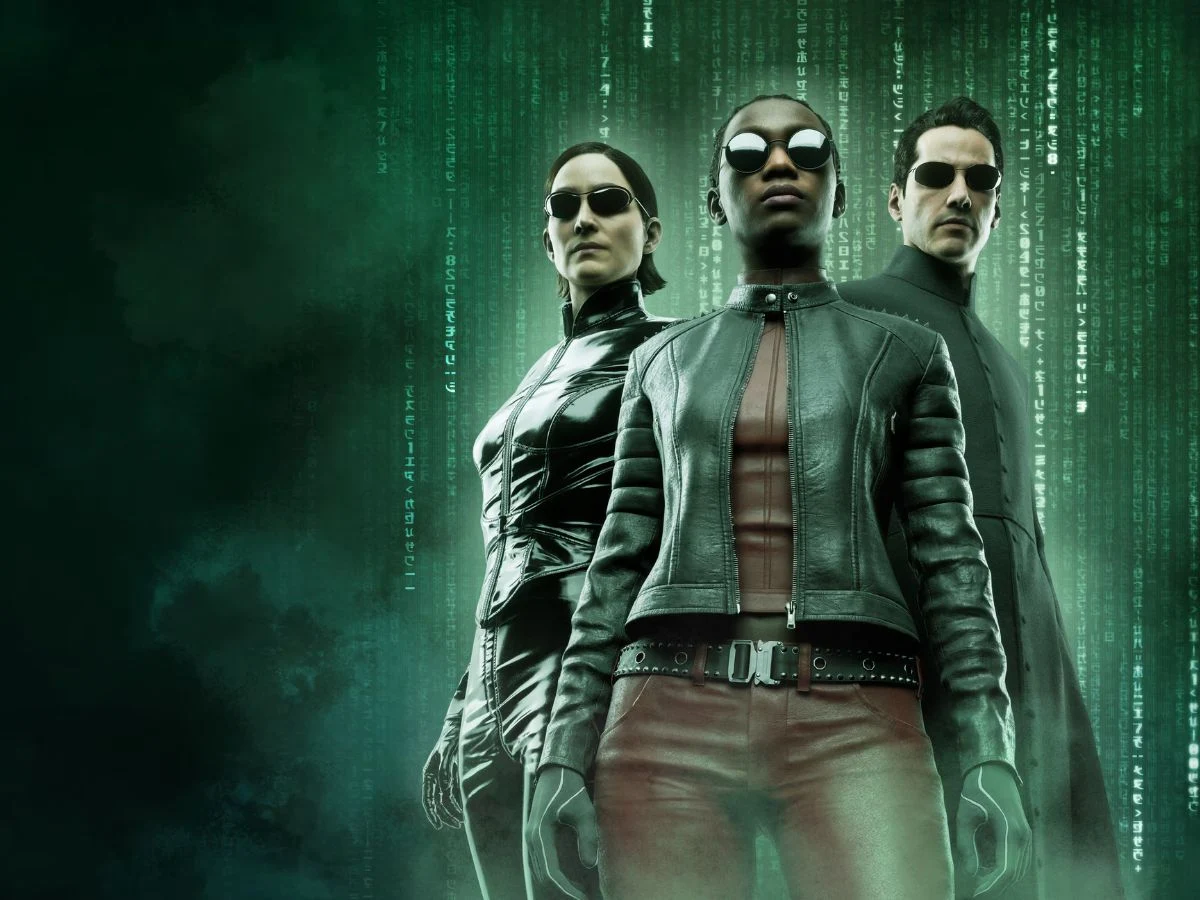
    Released in 1999, The Matrix is a movie that has impacted many generations. Due to its massive success, various rumors circulated about a possible game based on this film, with some even suggesting Hideo Kojima as the director.

    At that time, Kojima was busy working on Metal Gear Solid 2: Sons of Liberty, and his work was already quite remarkable. This led the Wachowski sisters to seek a meeting with him, but it’s said that this meeting ended with Hideo Kojima simply declining the offer.

    Insights from Konami’s Ex-Vice President

    Recently, Christopher Bergstresser, the former vice president of Konami, shared with Time Extension why the game project never came to fruition. He stated that Kazumi Kitaue, the executive manager at Konami, halted all discussions so that Hideo Kojima could concentrate on Metal Gear Solid:

    “The Wachowskis were huge fans of Kojima. So Kazumi Kitaue, Kojima, Aki Saito (who still collaborates with Kojima), and I were at Konami’s HQ, and we received a call from the Wachowskis, who wanted to meet with Kojima. And they did!”

    The Wachowski sisters reportedly requested him to create a Matrix game, but Kazumi Kitaue simply said no. While some fans might feel let down by this, it’s important to remember that Metal Gear Solid 2: Sons of Liberty and The Matrix have certain similarities.

    The Challenge of Unique Identity

    Finding a distinct identity for each game would have been challenging, even though their universes are different. This could have also left many fans of both franchises feeling disappointed.

    In the end, the creative visions of Kojima and the Wachowskis may have led to a fascinating project, but the timing and priorities meant that this collaboration never took place.

    Source:
    Link


  • Hideo Kojima: AI as a Friend in Game Development Creativity

    Hideo Kojima: AI as a Friend in Game Development Creativity

    Key Takeaways

    1. Hideo Kojima views AI as a collaborative “friend” that enhances efficiency in game development rather than a threat to human creativity.
    2. Many companies, including Activision and Capcom, are increasingly using AI for tasks like developing game engines and generating assets.
    3. Kojima believes AI can streamline repetitive tasks, allowing creators to focus on the main creative aspects of game design.
    4. He emphasizes a balanced approach to automation, using AI as a tool for efficiency rather than a complete replacement for human roles.
    5. Despite challenges in production, Kojima aims for greater realism in future projects while maintaining human creativity as a priority.


    Hideo Kojima has recently shared an encouraging perspective on artificial intelligence, seeing it not as a danger to the gaming industry or to human creativity, but rather as a collaborative “friend” that can assist with the more tedious parts of game development.

    Kojima’s Unique Perspective

    In a recent chat with Wired Japan, Kojima pointed out that while numerous people in the industry employ AI to generate ideas, his viewpoint is somewhat different. He remarked, “Many individuals use AI in creative tasks to generate concepts. However, I perceive AI more as a companion… I would take charge of the creative aspects and utilize AI to enhance efficiency.”

    AI’s Growing Influence

    Kojima’s views about AI and its function in creative processes come at a time when various companies, including Activision, Level-5, and Capcom, are incorporating AI. A recent study conducted in June and July revealed that 32% of CESA member companies are utilizing AI for developing in-house game engines, expanding visual game assets, generating text, and aiding in programming.

    It’s rather astonishing to see how entrenched AI is becoming in gaming, especially when some companies have been quite transparent about their utilization of AI in almost everything from visual enhancement to code generation, even with ongoing pushback from users and developers across different platforms.

    Streamlining Game Development

    Kojima’s approach demonstrates how AI can streamline repetitive tasks such as animation, motion capture, and NPC behaviors without replacing the main creative process in video game creation.

    He further expressed in the Wired interview,

    “I would prefer AI to take care of the monotonous assignments. That would decrease costs and save time. It’s not just about using it; it’s more like co-creating with AI. I envision a future where I remain one step ahead, collaborating with AI.”

    A Balanced View on Automation

    Kojima’s viewpoint regarding AI starkly contrasts with the push for complete automation in certain areas, viewing AI as a tool for improving efficiency rather than a total replacement. For example, during the production of Death Stranding 2: On the Beach, Kojima Productions used machine learning to scan actors, including Elle Fanning and Shioli Kutsuna, to create digital replicas.

    Even though Death Stranding 2: On the Beach has received acclaim for its stunning visuals, lifelike character models, and facial animations, Kojima himself considers the result to be “okay” and aspires for even more realism in future projects like OD and Physint.

    Challenges in Production

    At the New Global Sport Conference in Riyadh this past August, he talked about some hurdles faced during the production of Death Stranding 2, stating:

    “We scanned and created a rig, an AI machine learning rig. It took us a lot of time to ensure we scanned them into digital form but also kept them moving in a natural way. It took a great deal of time. Looking back, it’s okay. But for my next project, I want to achieve more realism.”

    Debates surrounding AI in the gaming industry continue to rage on, even as it remains a major factor behind layoffs in an industry that’s struggling to achieve sustainable profitability. While some developers are pushing for total automation, Kojima’s vision of using AI as a co-creator could potentially help lower game development costs while ensuring that human creativity remains at the forefront of innovation.

    Source:
    Link