Category: Gaming

  • SuperSega FPGA Console Project Fails After Trademark Dispute

    SuperSega FPGA Console Project Fails After Trademark Dispute

    Key Takeaways

    1. Alejandro Martin announced the official cancellation of the SuperSega Project, which aimed to create an all-in-one Sega console using FPGA technology.
    2. The project raised over $156,000 but faced issues, including trademark concerns from Sega and Martin’s previous crowdfunding failures.
    3. Initial excitement turned to skepticism as prototype videos revealed technical flaws, leading to accusations of misleading backers and potential software emulation instead of true FPGA performance.
    4. Martin encountered legal challenges from Sega, which demanded the abandonment of the SuperSega name and destruction of prototypes.
    5. Many backers are still awaiting refunds after the project’s abrupt end and Martin’s lack of communication regarding updates or future developments.


    In a surprising development, the journey of the SuperSega vaporwave has officially come to an end. Alejandro Martin, a Spanish engineer, has declared the “official demise” of the SuperSega Project, which was touted as the ultimate all-in-one Sega console built on FPGA technology.

    After nearly two years filled with excitement, concerning signs, and unmet promises amounting to over $156,000, the project has been halted. What many suspect was a product that may have never actually existed has now been officially cancelled.

    Project Launch and Vision

    Martin initiated the project in June 2024, introducing SuperSega as a groundbreaking emulation device leveraging Xilinx UltraScale+ FPGA technology. This innovation aimed to enable gamers to natively emulate classic Sega consoles, including the Sega 8-bit Master System, Sega Mega Drive, Sega Saturn, and Sega Dreamcast.

    Unlike other emulators that often suffer from glitches and artifacts, the FPGA was supposed to deliver backers pixel-perfect precision, zero latency, and perfect compatibility. It felt almost too fantastic, especially since no consumer FPGA had previously achieved such extensive compatibility.

    The Dream Device Turns Sour

    Martin marketed the console as a dream come true for retro enthusiasts, branding it as “one device to experience the entire history of the company’s hardware.” The SuperSega was offered at a pre-order price of €299. Everything appeared to be progressing smoothly until Sega expressed concerns regarding the Super Sega trademark. Coincidentally, Martin’s past also came under scrutiny.

    Previously, Martin had run a crowdfunding campaign for the Cinimartin 8K camera, which ultimately went bankrupt, leaving backers without their promised products.

    Rising Doubts and Criticism

    As early as 2024, Martin faced heavy backlash. He shared prototype videos showcasing the FPGA obscured by an unusually large heatsink. Observant experts pointed out that the PCBs were not complete. The gameplay audio was glitchy, and the so-called “FPGA” gaming looked suspiciously like software emulation running on a PC.

    Rival retro gaming company Analogue openly criticized Martin; however, he dismissed their remarks, labeling them as thieves while showcasing a Lamborghini Gallardo and seeking further funding in a post from November.

    Backers who pledged a mere $3 were unexpectedly charged the full amount. Subsequent demonstrations turned out to be a major letdown, with games crashing, missing audio, and a child on camera declaring that the SuperSega “sucked.”

    Legal Troubles and Final Announcement

    Trouble escalated for Martin when Sega contacted the Spanish IP firm Cuatrecasas, insisting that he abandon the SuperSega name and destroy all prototypes.

    After a series of excuses ranging from health issues to ongoing negotiations with Sega and even selling his Lamborghini to repay disgruntled backers, Martin finally announced SuperSega’s end in an email to Time Extension, stating, “There will be no further videos or updates unless it’s brought back, which is highly unlikely.”

    While the SuperSega crowdfunding saga appears to be over, many backers are still waiting for their refunds.

    Source:
    Link


  • NASA Detects Record-Breaking Explosion 420 Times Longer Than Normal

    NASA Detects Record-Breaking Explosion 420 Times Longer Than Normal

    Key Takeaways

    1. GRB 250702B was a unique gamma-ray burst that lasted up to 7 hours, much longer than the typical duration of about 1 minute.

    2. This event is believed to be caused by a black hole consuming a star, differing from the usual causes of neutron star mergers or massive star collapses.

    3. One theory suggests the involvement of an intermediate-mass black hole, while another proposes a smaller black hole interacting with a helium star.

    4. Ongoing research aims to understand the details of GRB 250702B, as conflicting evidence complicates the findings.

    5. The energy output of this GRB is comparable to that of a thousand Suns shining for 10 billion years, highlighting its extraordinary scale.


    Astronomers spotted a cosmic explosion on July 2, naming it GRB 250702B. This discovery isn’t unique, as around 15,000 gamma-ray bursts (GRBs) have been identified since the first one in 1973. Typically, these bursts are the result of two neutron stars merging, or a massive star collapsing into a black hole.

    Unusual Duration

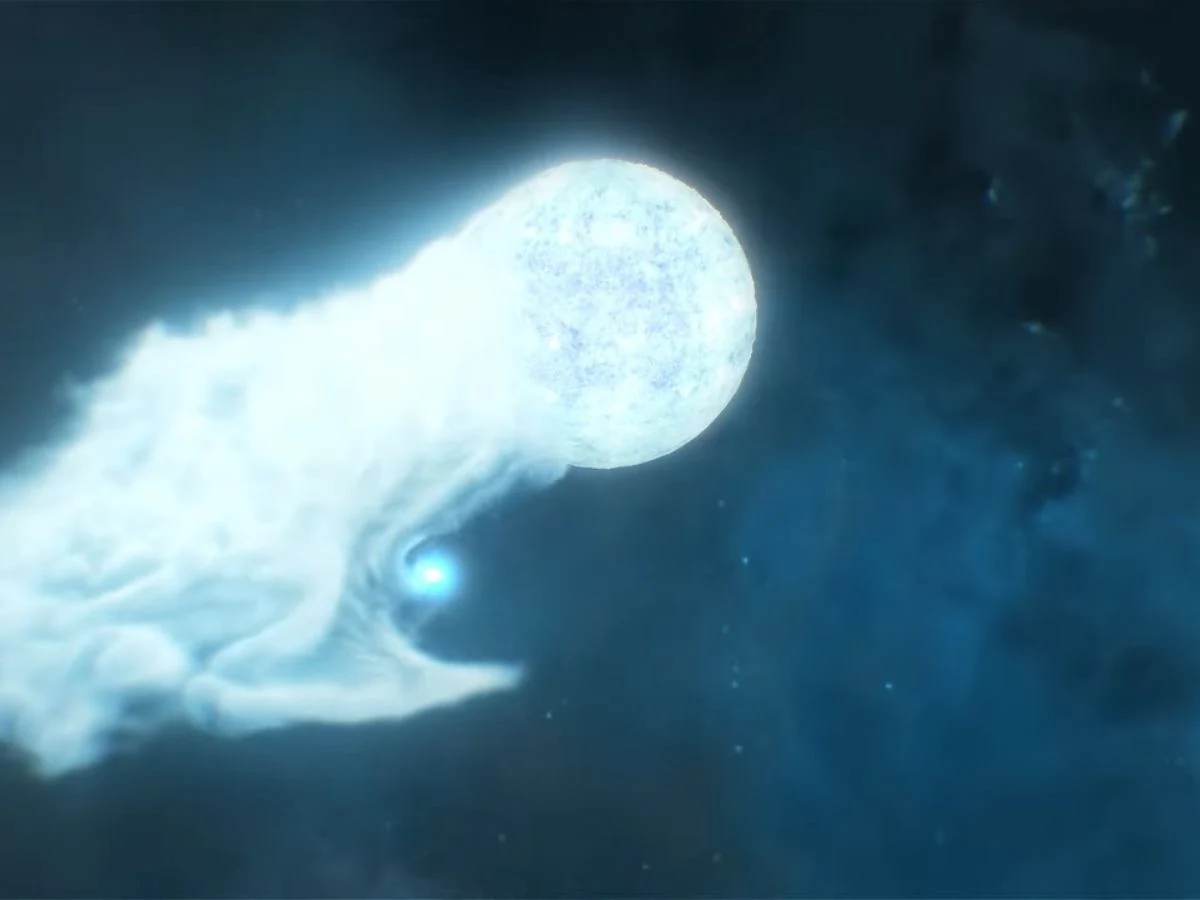
    However, GRB 250702B was different from most. While most GRBs last only a minute, this one lasted up to 7 hours. Scientists agree that this extraordinary GRB was caused by a black hole consuming a star. The key questions are how this occurred and why it had such a significant effect.

    Theories on the Cause

    One theory suggests that this GRB resulted from the interaction between a star and a unique intermediate-mass black hole, which is a few thousand times heavier than the Sun. According to this view, a star ventured too close, and the black hole quickly began to devour it.

    Alternatively, another theory proposes that a smaller black hole, approximately three times the mass of the Sun, was behind the event. In this case, the black hole may have been orbiting a helium star—one that has lost its hydrogen atmosphere—and was gradually siphoning gas from it. Eventually, it dove into the star and consumed it.

    Ongoing Research

    No definitive conclusions have been reached yet. The conflicting evidence adds to the complexity of the data. For instance, astronomers observed that the host galaxy is quite large, which is atypical for GRB galaxies. Nevertheless, scientists are committed to analyzing the information gathered from this GRB, whose energy output is comparable to that of a thousand Suns shining for an impressive 10 billion years.

    Source:
    Link


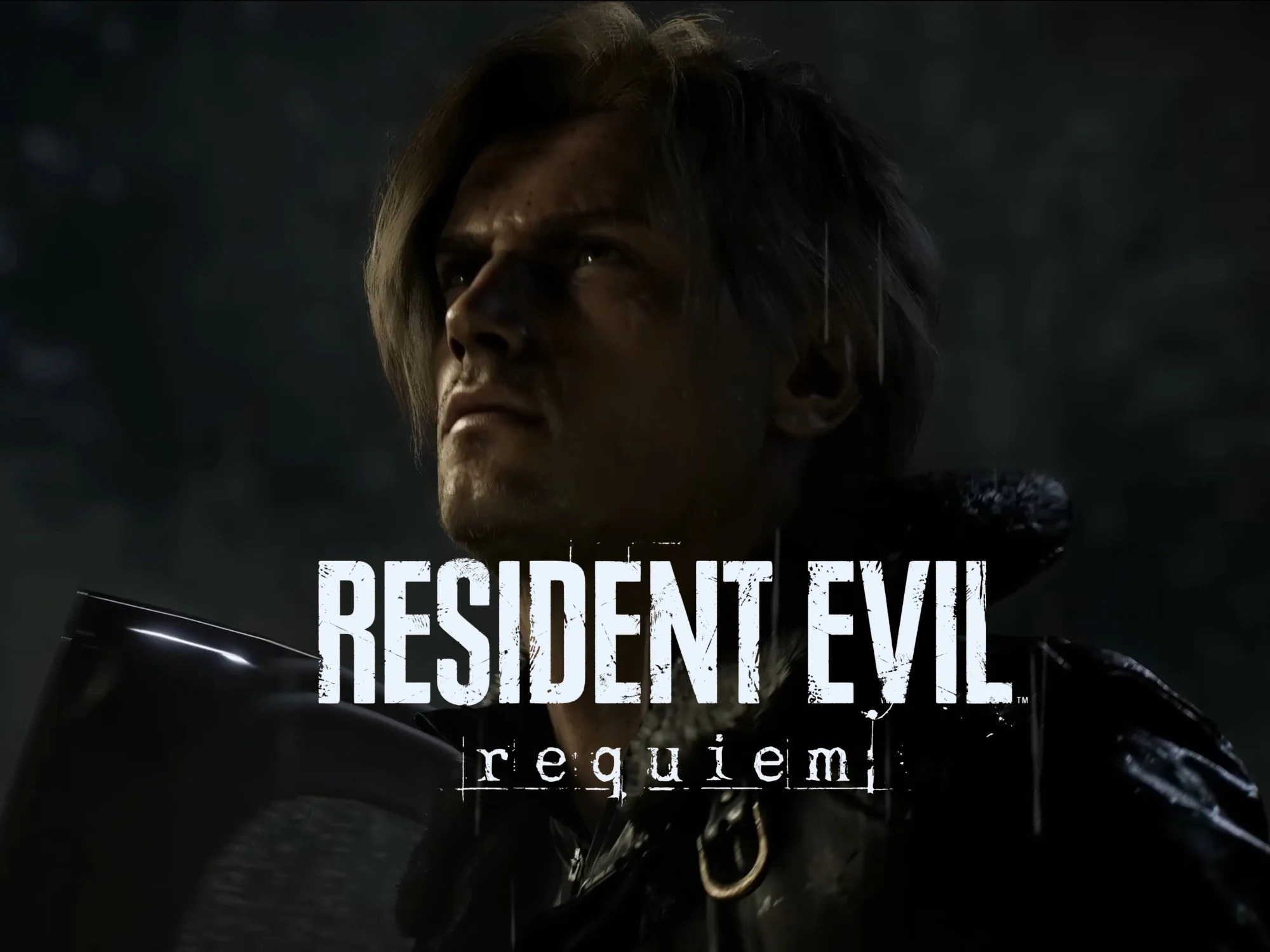
  • Capcom Discusses Generative AI’s Role in Resident Evil Requiem

    Capcom Discusses Generative AI’s Role in Resident Evil Requiem

    Key Takeaways

    1. Capcom is exploring the use of generative AI in game development, particularly for enhancing visual quality and reducing development time.
    2. Executive Jun Takeuchi emphasizes that AI tools are not meant to replace human creativity but can assist artists in their work.
    3. Fans express concerns about the potential for generic assets created by AI to appear in major game titles.
    4. Technical director Kazuki Abe mentions that generative AI is being used to produce numerous unique concepts for in-game environments.
    5. While AI is not yet used for character creation or storylines, its role in gaming is expected to grow, with future Resident Evil titles likely incorporating more AI technology.


    With worries that generative AI could take over game development, all major new releases face intense examination. Resident Evil Requiem is no different, as Capcom has hinted at possibly integrating this technology. Executive Jun Takeuchi has since clarified if the company is ready to let AI tools have a say in the creative process.

    Takeuchi’s Experience

    Takeuchi has produced various Resident Evil titles, including the fifth and seventh games. Now with more influence at Capcom, he recently participated in an interview with Nikkei Entertainment!. A translated summary was shared by Project Umbrella on social media. The discussion included many inquiries about the future of this survival horror series.

    AI’s Role in Development

    When questioned about the use of AI tools, Takeuchi described how they can help cut down development time. They are essential for debugging and can significantly enhance the visual quality of game scenes. However, he warns that the technology isn’t meant to replace human creativity at Capcom. Still, artists are finding it increasingly useful in their creative work.

    Concerns from Fans

    The latest comments may leave fans feeling uncertain. Some gamers worry that generic assets created by machines might show up in major titles. In a January 2025 interview, technical director Kazuki Abe appeared to be more open to using AI to accelerate game design.

    In a piece by Google Cloud Japan, reported by IGN, Abe disclosed that Capcom developers are leveraging generative AI to create “hundreds of thousands of unique concepts.” He has developed a system that uses models like Gemini Pro and Imagen to fill in-game environments. The results may consist of everyday items like televisions, which usually require extensive effort from artists.

    Future of AI in Gaming

    So far, the publisher hasn’t used these tools for creating new characters or crafting storylines. However, titles like Arc Raiders and Call of Duty: Black Ops 7 are already utilizing AI for voice acting and artwork. It seems almost certain that the technology will have a larger role in future Resident Evil installments.

    The release date for Resident Evil Requiem is slated for February 27, 2026. Jun Takeuchi also emphasized his desire for more Resident Evil remakes. Bringing back these titles allows newer players to enjoy the mainline entries without feeling confused. As the company’s output continues to grow, it will likely rely more on AI.

    Source:
    Link


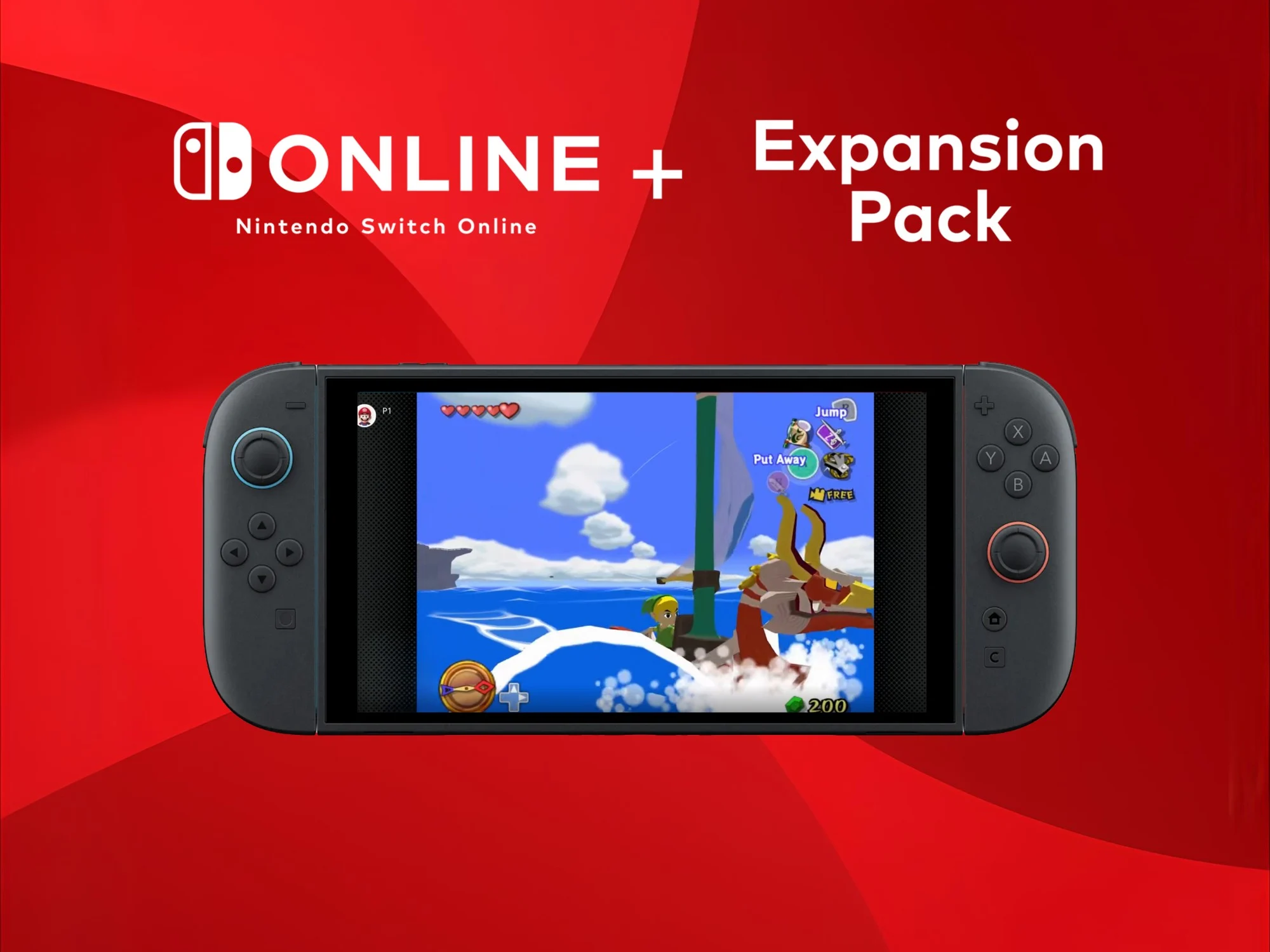
  • Nintendo Fixes Switch 2 GameCube Emulator for Wind Waker

    Nintendo Fixes Switch 2 GameCube Emulator for Wind Waker

    Key Takeaways

    1. Nintendo Switch Online + Expansion Pack now allows access to GameCube classics, but some games experience extra input latency compared to their original versions.
    2. The gameplay delay in titles like The Legend of Zelda: Wind Waker has increased on NSO, with modern screens also contributing to the issue.
    3. Players have reported slight improvements in latency for Wind Waker, with a reduction from a 6-frame delay to about 4-5 frames after recent updates.
    4. F-Zero GX may have also seen improvements, making competitive racing easier, though control sensitivity remains a concern for players.
    5. Some fans prefer third-party emulators like Dolphin for better performance, but they require a powerful PC and are more complex to set up compared to Nintendo’s offerings.


    Switch 2 users who have signed up for Nintendo Switch Online + Expansion Pack can now revisit some beloved GameCube classics. Sadly, games such as The Legend of Zelda: Wind Waker and F-Zero GX have faced issues with extra input latency. This problem makes the gameplay feel less responsive compared to how it was on the original console. Recently, it seems that Nintendo might have improved its official GameCube emulator in an update.

    Gameplay Experience

    In the original Wind Waker, players already experienced a delay in sword attacks and other actions. This issue has been amplified on NSO, where the emulation process introduces additional latency. Furthermore, modern screens that upscale images can also contribute to this delay.

    Notable Changes

    Gamers started to notice some differences after Wario World was released on December 11th. Reactions have been mixed, but numerous Switch 2 users are seeing some enhancements in the Zelda title. A Reddit user, azer67, pointed out that speedrunners used to detect a 6-frame delay. He now believes that it has improved to about 4-5 frames, showing a slight but noticeable positive change.

    Other Game Improvements

    Another GameCube title that might have gained from this update is F-Zero GX. Given the high speeds in the racing game, having precise control over the vehicles is crucial. Many players have felt regret for selling their consoles due to the poor performance of Nintendo’s GameCube emulator.

    Feedback on the ResetEra forums indicates that competitive racing has become easier. Nevertheless, whether using the Switch 2 in handheld mode or with the updated GameCube controller, the analog sticks still feel overly sensitive. This twitchiness in controls is an issue that likely requires a separate update.

    Third-Party Solutions

    Some fans find it frustrating that third-party emulators, like Dolphin, provide better performance. However, setting them up can be more complicated, and a strong PC is necessary to harness their full potential. Nintendo Switch Online, along with its Classics library, offers a simpler option, making players appreciate the recent improvements.

    Source:
    Link


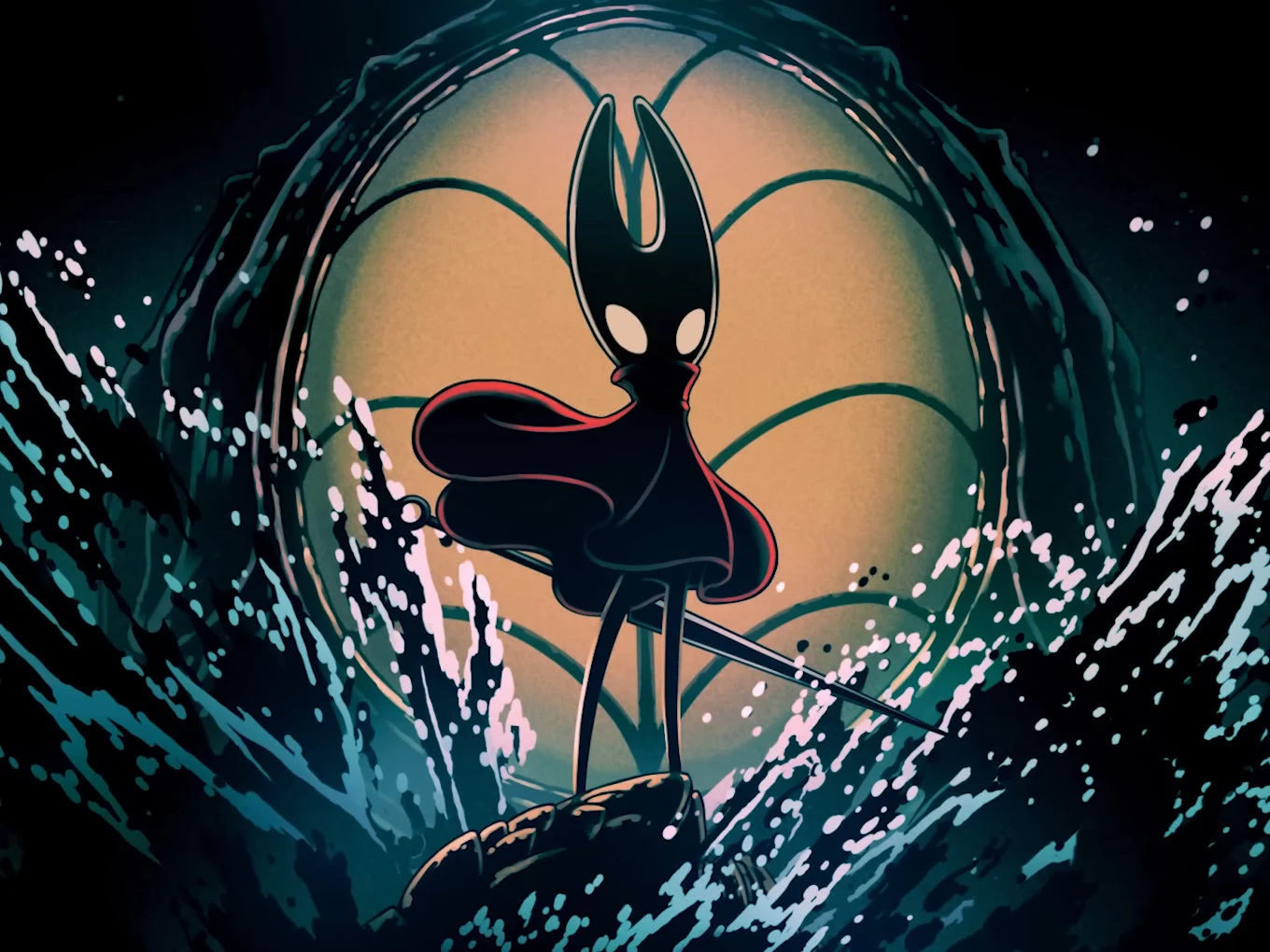
  • Hollow Knight Developers Announce Free Silksong Expansion Update

    Hollow Knight Developers Announce Free Silksong Expansion Update

    Key Takeaways

    1. New Expansion for Silksong: A free expansion called Sea of Sorrow will be released in 2026, featuring new areas, bosses, and tools.

    2. Increased Difficulty Expected: The Sea of Sorrow expansion may match or exceed the original game’s challenging difficulty.

    3. Hollow Knight Refresh Update: The original Hollow Knight will receive updates, including bug fixes and feature enhancements, preparing for a Nintendo Switch 2 Edition.

    4. Enhanced Features: Upcoming improvements include support for ultrawide screen resolutions and options to reduce color banding.

    5. Merchandise Announcement: Silksong minifigures will be available for shipping through Fangamer in Spring 2026.


    Team Cherry, the creators behind Hollow Knight and Hollow Knight: Silksong, have shared news about two exciting updates for their popular indie Metroidvania titles. The much-anticipated Silksong will be getting a complimentary expansion called Sea of Sorrow, which promises “new areas, bosses, tools, and more,” similar to the earlier free expansions for Hollow Knight. There aren’t many specifics released about Sea of Sorrow just yet, but it is set to launch for free in 2026, and gamers can look forward to more information before then.

    Anticipation and Challenge

    Given the favorable response to the free expansions of the original Hollow Knight and the overall acclaim for both games, we’re confident that Silksong fans will be thrilled with this announcement. Nonetheless, some might feel a bit conflicted, as the “steep difficulty” that Silksong is known for is expected to be matched or possibly surpassed in Sea of Sorrows. It’s hard to imagine the expansion being easier than the core game, but considering the main game is already quite tough, players should be ready for an even bigger challenge by the time it arrives.

    Exciting News for Hollow Knight Fans

    For players who haven’t yet dived into Silksong or those who hold a strong love for the original Hollow Knight, it’s good to know that the first game is also getting some attention. A Hollow Knight Refresh Update has been revealed, alongside a Nintendo Switch 2 Edition that will bring these enhancements to the newest Nintendo console. To gear up for the Switch 2 Edition of Hollow Knight, Team Cherry will be updating all original versions of the game on current-generation platforms, “adding features and fixing bugs.” PC gamers, in particular, can already access these updates by opting into the “public-beta” branches available on Steam or GOG.

    Notable Enhancements Coming

    The anticipated improvements include support for 16:10 and 21:9 (ultrawide) screen resolutions, dithering options to minimize color banding, and more. In addition to outlining these updates, Team Cherry’s blog post hints at some upcoming Silksong minifigures that are set to start shipping through Fangamer in Spring 2026.

    Source:
    Link


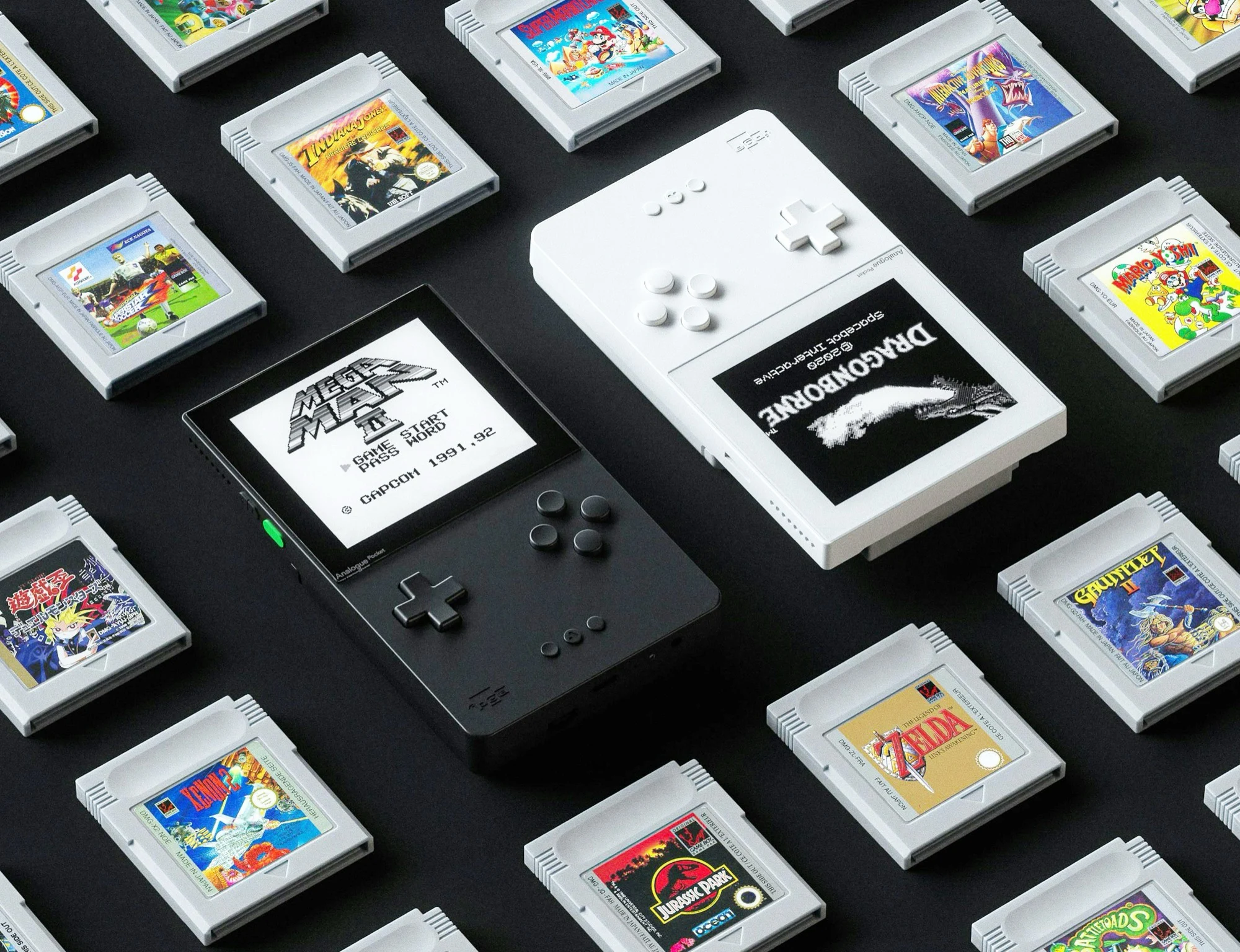
  • Analogue Pocket Converts Game Boy Cartridges to ROM Files

    Analogue Pocket Converts Game Boy Cartridges to ROM Files

    Key Takeaways

    1. MROM is a new application that converts Game Boy cartridges into digital ROM files easily.
    2. Users can save the ROM files directly onto the Analogue Pocket’s microSD card for easy transfer.
    3. MROM can also copy save data from game cartridges, allowing players to continue their games on emulators.
    4. The application is currently in beta, with limitations on cartridge support and save data compatibility.
    5. Users should not share ROM files online due to legal concerns, particularly with Nintendo’s strict policies.


    Anyone who wants to enjoy Game Boy games on a device like the Anbernic RG35XX SP without the risk of illegal downloads can simply convert their own game cartridges into digital files. For those who own an Analogue Pocket, there’s no need to buy any extra equipment.

    Easy Cartridge Conversion

    There’s a new application called MROM that allows users to convert a game cartridge into a digital format with just a few simple clicks. The ROM file can then be saved directly onto the Analogue Pocket’s microSD card, making it easy to transfer to a PC later. Additionally, MROM has a feature that can copy save data from a game cartridge’s SRAM so that players can pick up right where they left off in the emulator, just like they did on the Game Boy. The video below by Pixel Cherry Ninja illustrates how MROM functions in real-life usage.

    Current Limitations

    At the moment, MROM is only accessible in a preview or beta version. The developer has noted that not all game cartridges are supported yet, and for certain games, only the ROM file can be read, leaving save data behind. Moreover, the save data copied from SRAM doesn’t work with every emulator. For instance, mGBA is known to be compatible with MBC2 files that have a .sav extension. As always, users should refrain from sharing ROM files online, especially since Nintendo is well-known for taking legal action against those who distribute retro games on the internet.

    Source:
    Link


  • Xenoblade Studio May Develop New Zelda Game After Tears of the Kingdom

    Xenoblade Studio May Develop New Zelda Game After Tears of the Kingdom

    Key Takeaways

    1. Monolith Soft is becoming increasingly important in developing Zelda games, alongside their work on the Xenoblade Chronicles series.
    2. Nintendo fully acquired Monolith Soft in December 2024, allowing for deeper collaboration on various projects, including Zelda titles.
    3. In the interview, it was revealed that Monolith had more creative freedom during the development of Breath of the Wild and Tears of the Kingdom.
    4. Producer Daiki Iwamoto expressed a desire for Monolith Soft to take a leading role in developing future Zelda games.
    5. Speculations include a potential remake of Ocarina of Time for the Switch 2, possibly timed with the release of a Zelda movie in 2027.


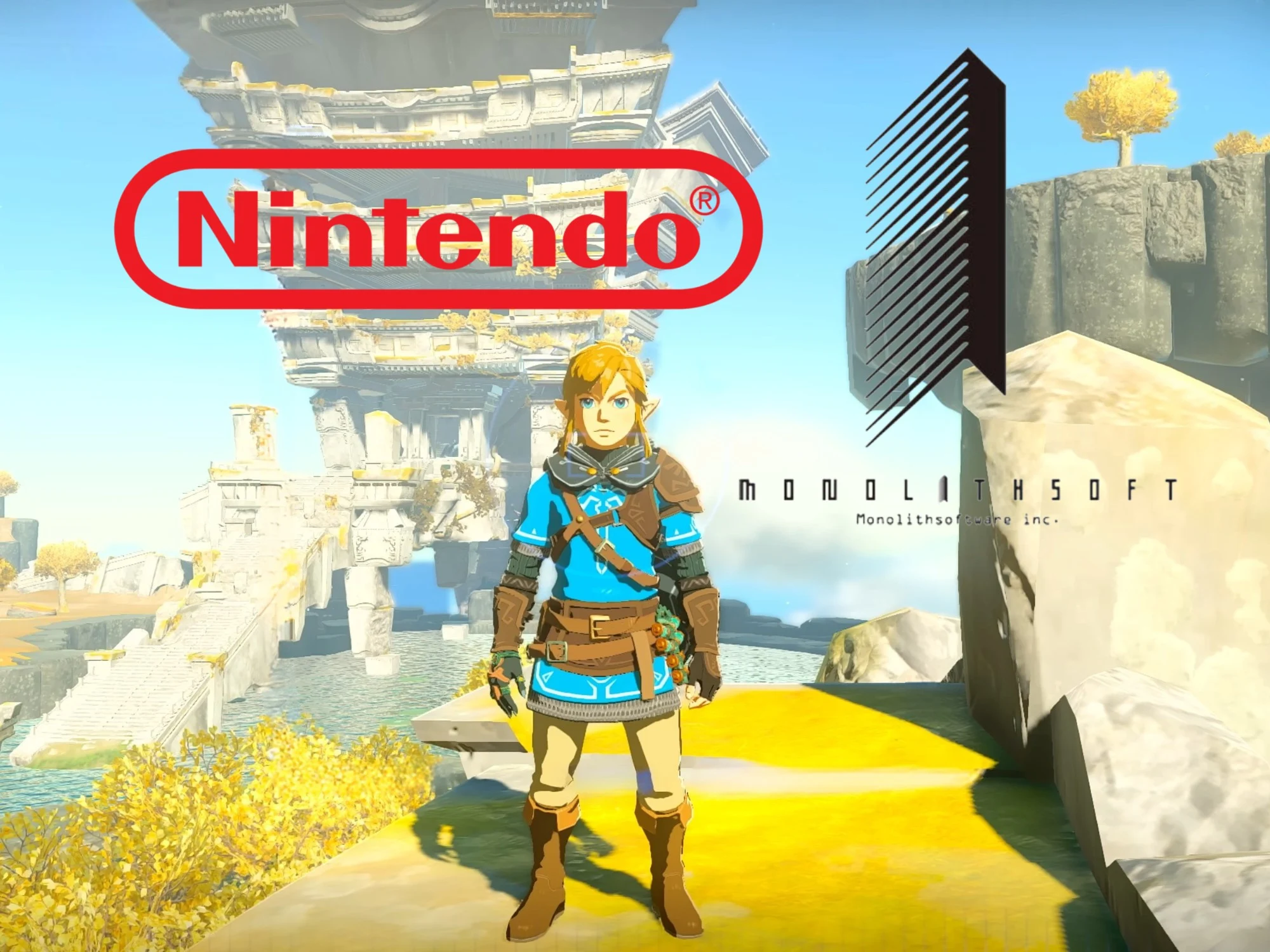
    Monolith Soft is widely recognized for creating the Xenoblade Chronicles action RPG series. Nonetheless, the studio has also become increasingly important in the development of Zelda games over time. In a recent interview, Nintendo’s producer and director Daiki Iwamoto expressed his desire to grant Monolith more creative freedom. He mentioned that after their contributions to Tears of the Kingdom, Monolith is ready to embark on developing a brand-new game in the Zelda franchise.

    Nintendo’s Investment in Monolith

    In 2007, Nintendo acquired a significant stake in the Japanese developer from Bandai Namco. By December 2024, they achieved full ownership of the company. During this period, Monolith worked on various Zelda projects in addition to their Xenoblade titles. They also played a part in other big-name releases such as Mario Kart World.

    Insights from the Interview

    The conversation shared on the Monolith website features Yasuhiro Fujita, the studio’s lead animator and now producer. Both Iwamoto and Fujita discuss how, during the making of The Legend of Zelda: Skyward Sword, Monolith primarily focused on asset creation. The two companies had different philosophies, with Nintendo adopting a more flexible trial-and-error method.

    Even with these differences, their partnership thrived as Breath of the Wild began to take form. Monolith Soft was granted greater freedom to shape the game’s design and mechanics. With Tears of the Kingdom, the studio had an even larger role during the initial stages of development.

    Future of Zelda with Monolith

    The most striking part of the interview came near the end, where Iwamoto stated that he “would like Monolith Soft to take a leading role as a strong partner in building the Zelda series from the ground up.”

    There is still uncertainty about how a new Zelda game would set itself apart from those led by Nintendo. It’s possible that they may be tasked with creating a spin-off, with Hyrule Warriors: Age of Imprisonment being the latest example.

    Regarding the next main adventure featuring Link, not many details have emerged about any upcoming project. A common theory is that a remake of Ocarina of Time could be released as a game for the Switch 2. As the Zelda movie is set to debut in 2027, gamers might anticipate a new game release to enhance the film’s promotional efforts.

    Source:
    Link


  • Epic Games Store Free Game Predictions: Top-Rated Platformer Hint

    Epic Games Store Free Game Predictions: Top-Rated Platformer Hint

    Key Takeaways

    1. The first free game giveaway for the holiday 2025 season is Hogwarts Legacy, valued at $59.99.
    2. The next game will be available on December 18, 2025, at 16:00 UTC.
    3. Speculation suggests the next free game might be Yooka-Replaylee, based on the color of its wrapper.
    4. Yooka-Replaylee is a remastered version of Yooka-Laylee, released in October 2025, and is not yet on the Epic Games Store.
    5. Other theories, including a leaked list suggesting Jurassic World: Evolution 2 as a free game, are being dismissed as likely fake.


    The first free game giveaway event for the holiday 2025 season is still up for grabs. If you haven’t gotten it yet, the initial free game is Hogwarts Legacy, a top-tier title from 2023 that usually costs $59.99 when it’s not on discount. The next game in the series will become available on December 18, 2025, at 16:00 UTC.

    Speculations About the Next Game

    While Epic Games Store has not provided any clear hints, a conversation on r/EpicGamesPC is suggesting that the next free game might be Yooka-Replaylee. Supporters of this theory are observing that the color of the wrapper aligns with the color scheme of the game’s cover art.

    Wrapper Color Confusion

    However, the color of the wrapper might not be a solid clue, as Epic Games Store used a similar design for the first giveaway, which ended up being Hogwarts Legacy, and its cover art did not match the wrapper. Still, some users have pointed out that Yooka-Laylee had been given away on the platform before.

    Just to clarify, Yooka-Replaylee is a remastered version of Yooka-Laylee. It launched in October 2025 and has garnered positive reviews as a 3D platforming adventure game. It’s available on various platforms like Humble Bundle, but not on the Epic Games Store. Recently, though, it has appeared on the storefront with a “coming soon” label.

    Other Theories in Circulation

    Naturally, this is not the only theory making rounds. According to a dubious leaked list, Jurassic World: Evolution 2 is slated to be the second free game in this giveaway. Nevertheless, many are dismissing it as fake, and it’s also important to mention that while the list includes 16 games, Epic Games Store has confirmed there will actually be 17 free titles.

    r/EpicGamesPC

    Source:
    Link


  • How Arc Raiders Plans to Survive for the Long Haul

    How Arc Raiders Plans to Survive for the Long Haul

    Key Takeaways

    1. Arc Raiders launched in late October 2025, attracting over 700,000 simultaneous players and winning “Best Multiplayer Game” at the Game Awards.
    2. The game features a mix of PvE and PvP gameplay, with some parts of the community noted for being toxic, yet many players appreciate the experience.
    3. Embark Studios aims for a long-term vision of supporting Arc Raiders for up to 10 years or more, depending on player engagement and feedback.
    4. The game’s development will be adaptable and shaped by community responses, rather than following a conventional live-service content schedule.
    5. The recent Cold Snap update improved gameplay by addressing issues like slow progression, adding new challenges, and introducing dynamic weather effects.


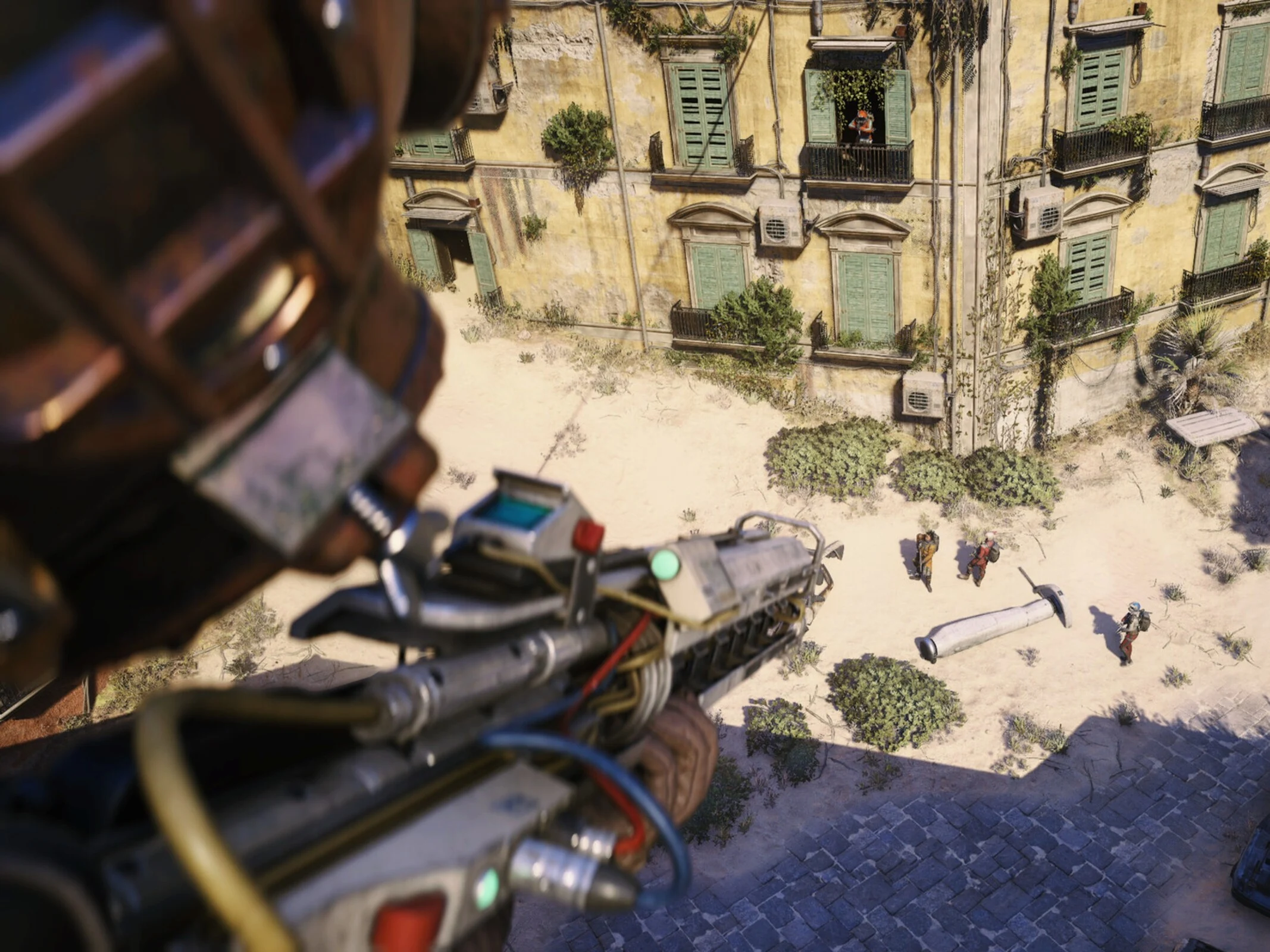
    Arc Raiders made its entrance in late October 2025 and had an impressive start. As reported by SteamDB, the extraction adventure game reached over 700,000 players at the same time and won the title of “Best Multiplayer Game” at the Game Awards. Although some parts of the player community have gained a reputation for being toxic, the mix of PvE and PvP gameplay has clearly struck a chord with many players. Embark Studios has expressed its dedication to keeping this momentum going in the future.

    Looking Ahead

    Robert Sammelin, the Art Director at Embark Studios, shared his thoughts on the future of Arc Raiders during a chat with Tim Clark and Evan Lahti from PC Gamer at the Game Awards. While Embark is not planning to unveil a standard content roadmap, the team is aiming for a long-term “10-year vision” – a goal that has been known for some time. However, as Sammelin pointed out, the studio is ready to support the game even longer if the community stays active and engaged. “Our ambition is to keep this game alive for the longest time […] as long as players engage with it, have fun, and see that it is evolving in a good way,” he mentioned. Ultimately, the future of the game remains uncertain, heavily influenced by player interest and feedback.

    Community Influence

    I think that games like this will change based on how the community acts, their feedback, and how we identify the aspects that players really connect with […] There are many different paths we could take with this, and only time will tell how we explore it.

    In practical terms, this implies that Arc Raiders will not adhere to a conventional live-service model with a set content schedule. Instead, the development is designed to be adaptable and shaped by player responses. Embark’s dedication to this method is already evident in the recent Cold Snap update. This update was generally well-received by the community, addressing significant issues like slow progression and unbalanced loot. It also brought in two new challenges and implemented dynamic weather effects – most notably snowstorms, which add a fresh feel to the game both literally and figuratively.

    Source:
    Link


  • Skyrim Issues on Nintendo Switch 2: Digital Foundry Analysis

    Skyrim Issues on Nintendo Switch 2: Digital Foundry Analysis

    Key Takeaways

    1. The Elder Scrolls V: Skyrim was released on Nintendo Switch in 2016, and a new native edition for the Switch 2 was launched recently, priced at around $449.
    2. The Switch 2 version features significant graphical enhancements but is limited to a frame rate of 30 fps.
    3. Digital Foundry’s analysis revealed that the Switch 2 edition has higher input latency (220-240 ms) compared to the original version (150-170 ms).
    4. Many well-optimized games maintain input latency below 100 ms, highlighting the performance issues with the new edition.
    5. Graphical improvements include higher resolution (up to 1440p in dock mode), better lighting, and enhanced textures, but some visual flaws persist, such as water flow issues and color inaccuracies in distant plants.


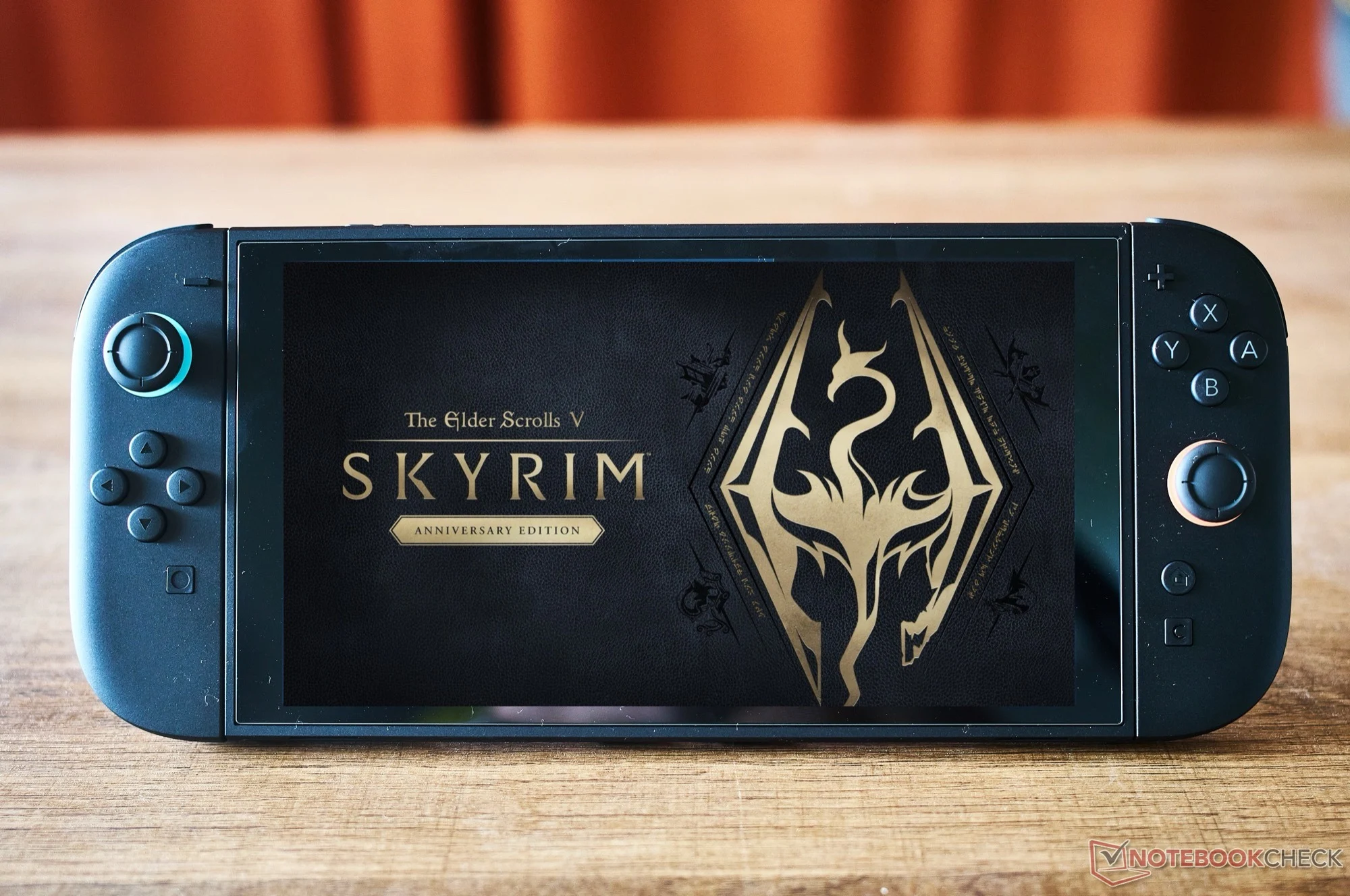
    The Elder Scrolls V: Skyrim first launched in November 2011 and later made its way to the Nintendo Switch in October 2016. This Switch version came with some noticeable drops in graphics and was limited to 30 fps. Last week, Bethesda finally rolled out a native edition for the Switch 2, which is priced at around $449 on Amazon. This new version promises significant graphical enhancements, although it still runs at a capped frame rate of 30 fps.

    Performance Issues Identified

    An in-depth analysis by Digital Foundry showed that the new Nintendo Switch 2 Edition actually performs worse than its predecessor in various ways, especially when it comes to high input latency. Using a high-speed camera, they found that it takes around 220 to 240 ms—almost a quarter of a second—for inputs to show up on the screen. This latency is quite similar to what Microsoft’s Kinect motion-sensing controllers delivered on the Xbox 360.

    Latency Comparisons

    In contrast, the original version of Skyrim on the Switch displayed latency around 150 to 170 ms on the Switch 2. Additionally, many well-optimized games manage to keep their input latency below 100 ms, even while running at 30 fps. Bethesda has informed Digital Foundry that they are looking into this problem. On a brighter note, the graphical improvements did receive positive feedback from the media outlet.

    Visual Enhancements and Issues

    When played in dock mode, the game’s resolution bumps up from 900p to 1440p and is then upscaled to 4K using DLSS technology. The new edition also adds better lighting, textures, view distance, and wildlife, which enhances the visual experience, especially during nighttime. However, the enhanced graphics are not without flaws: water can sometimes flow the wrong way while moving the camera, and distant plants might appear blue instead of green.

    Source:
    Link