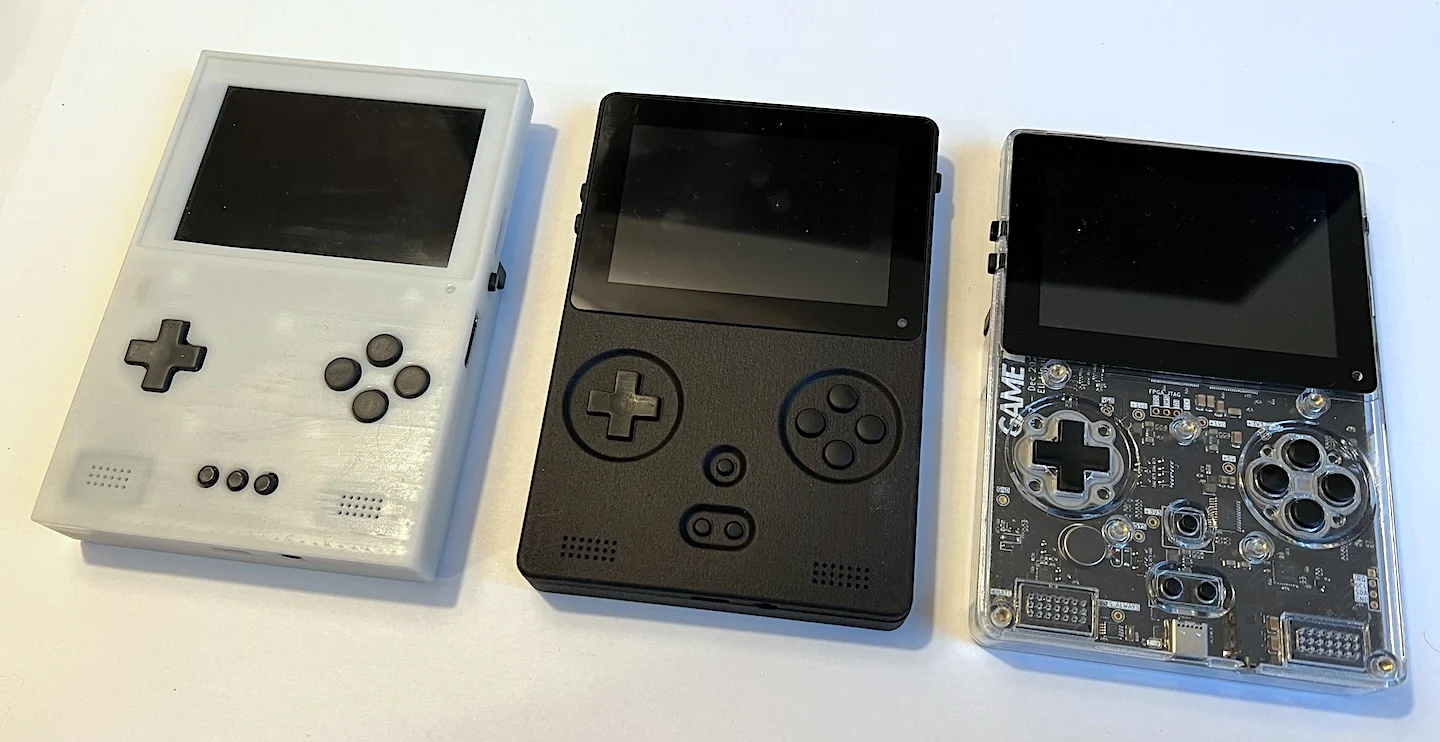
Tag: Analogue Pocket

  • Analogue Pocket Restocked with New Price Increase

    Analogue Pocket Restocked with New Price Increase

    Key Takeaways

    1. The price of the Analogue Pocket has increased from $199 to $239, with new pre-orders starting March 4, 2026.
    2. The docking station for the Analogue Pocket is priced at $99.99 and will also ship in June 2026.
    3. The price hike is attributed to a 10% US tariff on global imports.
    4. European customers face additional costs, totaling nearly €300, due to import VAT and shipping fees.
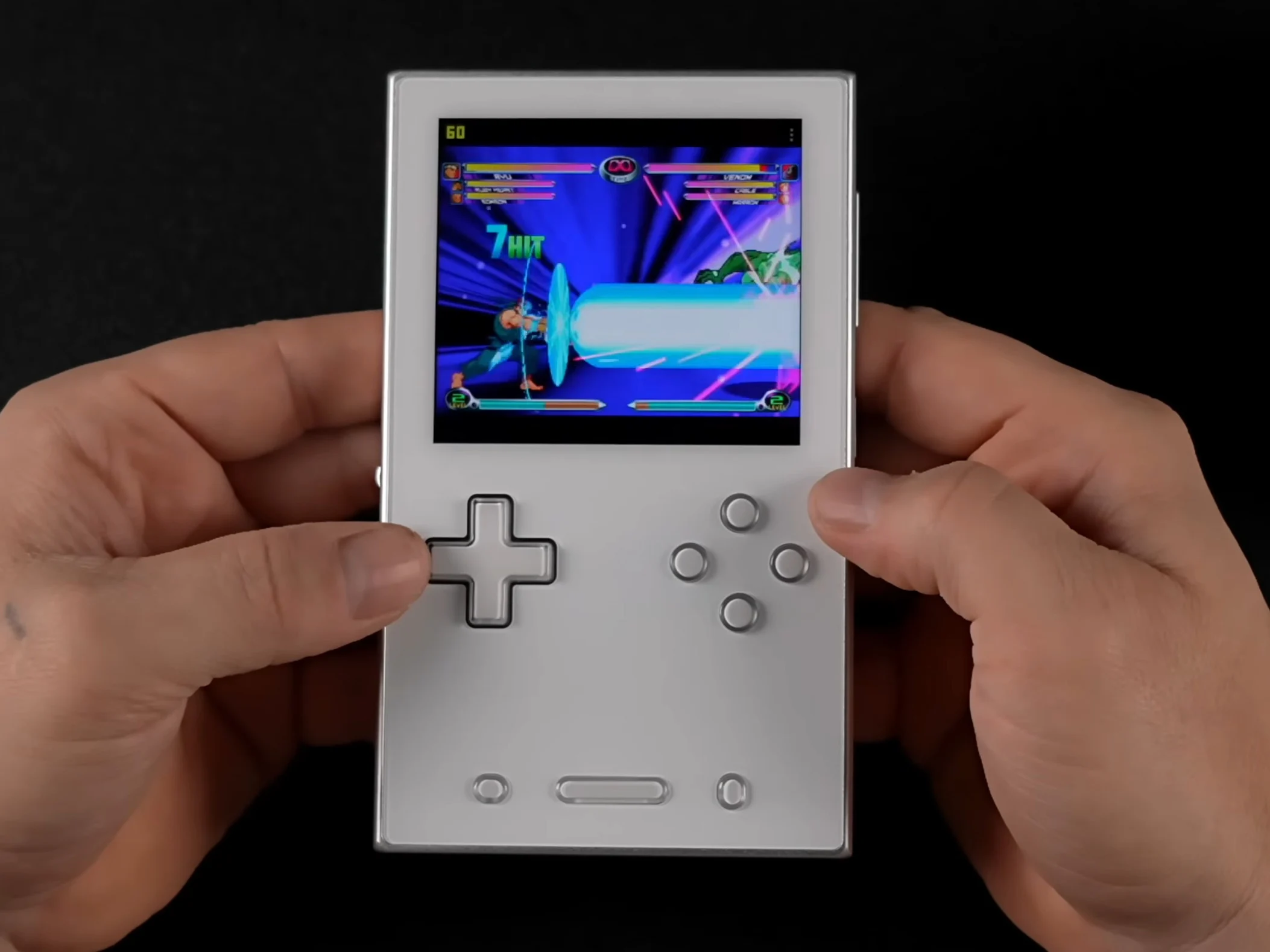
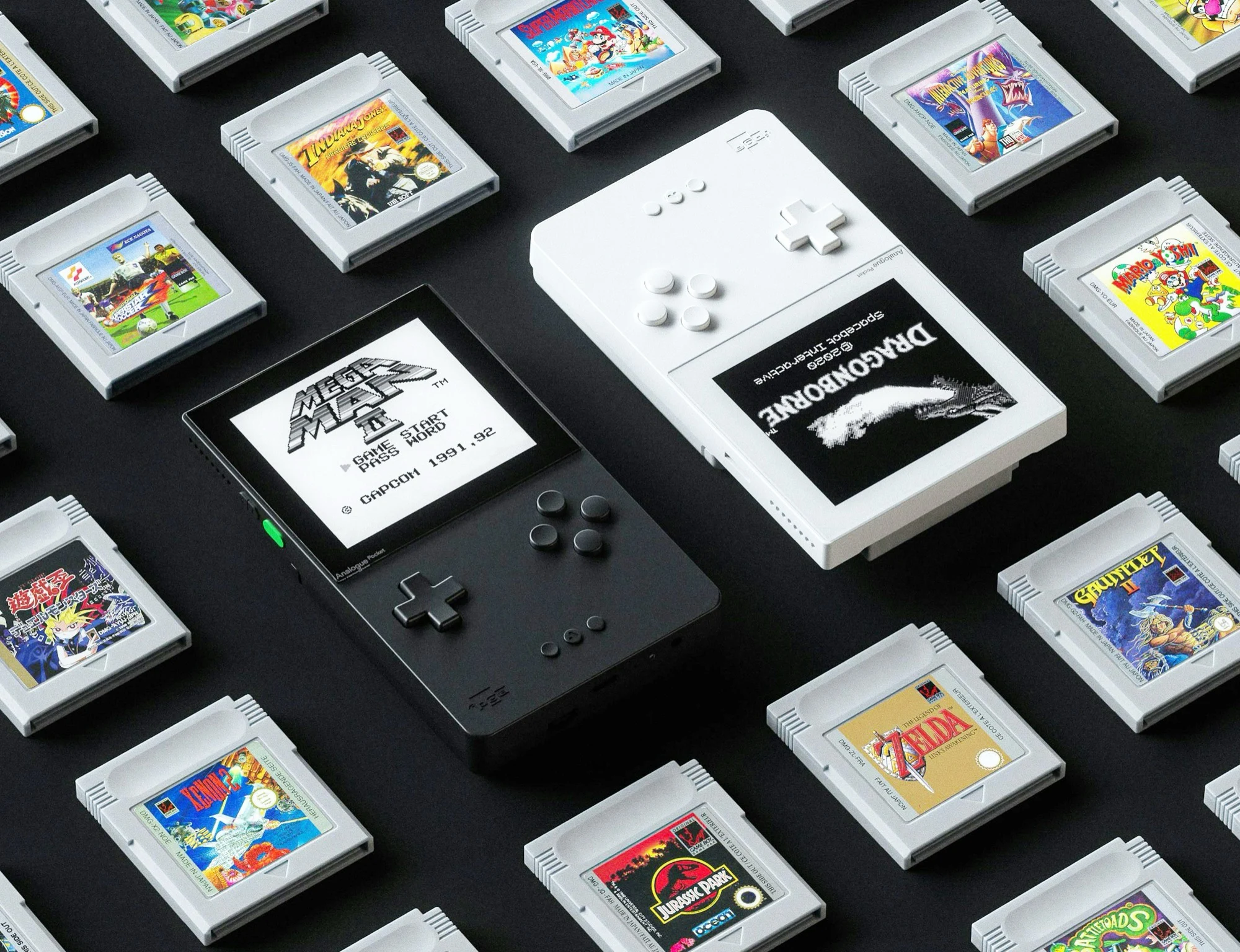
    5. The Analogue Pocket uses original game cartridges with an FPGA chip instead of running ROM files through an emulator, featuring a high-resolution 3.5-inch display.


    The Analogue Pocket Gaming Handheld was first revealed in October 2019 with a price tag of $199. When pre-orders kicked off in December 2021, the cost had already jumped to $219. Now, there’s another price hike on the way.

    Availability and Pricing Changes

    After being out of stock for several weeks, the gaming handheld will be up for grabs again on the manufacturer’s online shop starting Wednesday, March 4. However, the new price will be $239. At the same time, the docking station can also be ordered for $99.99. Both items are set to ship in June 2026. According to a post from Analogue on X, this latest price rise is due to US tariffs, which are currently at 10% on global imports.

    Shipping to Europe

    Analogue does deliver to Europe, but they don’t give a discount to buyers there, even though shipping directly from China wouldn’t incur customs duties. Because of import VAT, a shipping fee of $42, and possible charges from the shipping company, European customers end up spending nearly €300 on the gaming handheld.

    Unique Specifications

    The Analogue Pocket stands out in the market since, unlike the Anbernic RG40XXV, it doesn’t run ROM files through an emulator. Instead, it uses original game cartridges with an FPGA chip, which is designed to replicate games particularly well. The handheld features a 3.5-inch display with a resolution of 1,600 x 1,440, which is exactly ten times that of a Game Boy, allowing for excellent game scaling. More information on the specifications can be found on Analogue’s official site.

    Source:
    Link


  • Ninja Gaiden Shadow DX: Colorful Game Boy Adventure Coming in 2025

    Ninja Gaiden Shadow DX: Colorful Game Boy Adventure Coming in 2025

    Key Takeaways

    1. Homebrew developer Marc Max is creating an unofficial upgrade called “DX” for Ninja Gaiden Shadow, adding color and revitalizing the original monochrome game.
    2. Max has shared a colorized title screen and teaser trailers, generating excitement among fans, with a possible release by the end of 2025.
    3. The “year of the ninja” continues, following the recent launch of Ninja Gaiden 4, despite some storytelling shortcomings.
    4. Marc Max has prior experience with DX upgrades, having enhanced games like Mole Mania and Mega Man 4, and others are also working on similar projects.
    5. Ninja Gaiden Shadow, originally released in 1991 for the Game Boy, serves as a prequel to the NES Ninja Gaiden Trilogy, with a history of development changes.


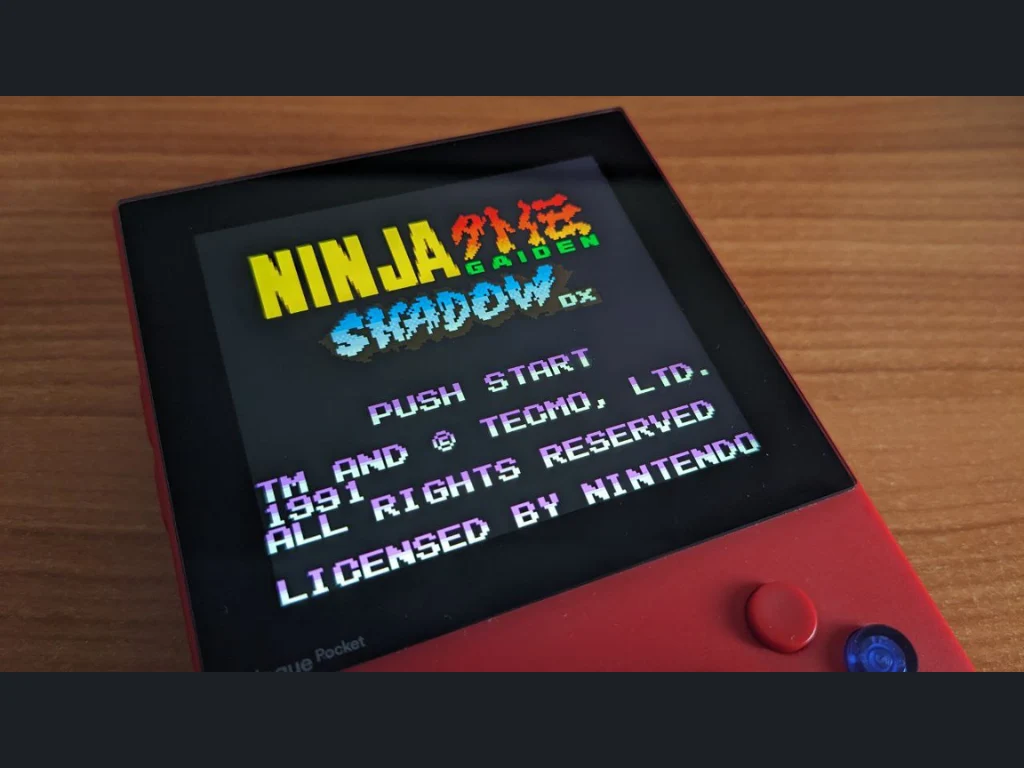
    Retro gamers who are still enjoying Game Boy games on the FPGA-based Analogue Pocket or sticking with the classic Game Boy Color have some exciting news ahead. Homebrew developer Marc Max, known online as marc_robledo, is creating an unofficial upgrade for Ninja Gaiden Shadow, called “DX.” This project aims to revitalize the original monochrome game by adding color, much like the official DX releases that Nintendo introduced years ago.

    Exciting Announcements from Marc Max

    Marc Max shared his news online, generating excitement among fans by revealing a colorized title screen, which serves as the first glimpse of the upcoming Ninja Gaiden Shadow DX. He also provided a teaser trailer exclusively for his Patreon supporters, which added more anticipation for the project.

    Year of the Ninja Continues

    Additionally, Marc hinted that “the year of the ninja isn’t over yet.” Recently, we saw the return of Ninja Gaiden 4, featuring dual protagonists and some intense button-mashing action, although it didn’t quite deliver in terms of storytelling and the split-screen experience with Yakuma and Ryu.

    Rumors suggest that his cryptic comments imply the Ninja Gaiden Shadow DX upgrade may be released by the end of 2025. Following this, he shared another teaser trailer, suggesting that the project is close to being finished.

    Previous Projects and Developments

    Marc Max has a history of rolling out DX upgrades and is familiar with such enhancements. He has previously given the DX treatment to titles like Mole Mania and Mega Man 4, adding color to these black-and-white games, along with smoother performance tweaks and improvements to make them feel more modern on today’s hardware or emulators.

    He isn’t the only one working on Game Boy DX upgrades. Brand Newman, for example, has recently released a Tiny Toons Adventures DX upgrade, which carefully colored the black-and-white sprites and backgrounds from Tiny Toons: Bab’s Big Break.

    Ninja Gaiden Shadow’s Background

    Ninja Gaiden Shadow made its debut in 1991 for the Game Boy and was developed by Natsume with support from publisher Tecmo. The game acts as a prequel to the NES Ninja Gaiden Trilogy, telling the story of Ryu Hayabusa facing challenging enemies and navigating platforming sections.

    Interestingly, a 1991 issue of Nintendo Power revealed that Ninja Gaiden Shadow was originally intended to be a handheld adaptation of the NES game Shadow of Ninja before it was reworked to fit into the Ninja Gaiden series.

    As for the release of Marc Max’s Ninja Gaiden Shadow DX upgrade, while an exact date hasn’t been set, recent previews suggest that gamers can expect the game to arrive relatively soon.

    Source:
    Link


  • Ayaneo Pocket Vert: Play Dreamcast, GameCube, PS2 in Handheld Form

    Ayaneo Pocket Vert: Play Dreamcast, GameCube, PS2 in Handheld Form

    Key Takeaways

    1. Powerful Hardware: The Ayaneo Pocket Vert features a Qualcomm Snapdragon 8+ Gen 1 chipset, enabling it to run games from GameCube and PlayStation 2 at higher resolutions, surpassing traditional handheld limits.

    2. Advanced Control Features: It includes four shoulder buttons and dual touchpads, offering more adaptability and control options compared to the Analogue Pocket, making it appealing for diverse gaming experiences.

    3. High-Quality Display: The device boasts a 3.5-inch, 1600×1400 resolution display, enhancing clarity for pixel art and allowing for precise integer scaling, which is ideal for retro gaming.

    4. Competitive Pricing Challenge: The success of the Pocket Vert may hinge on its price point, especially as it competes with the Analogue Pocket, which is priced at $219.99.

    5. Retro Gaming Appeal: While specifications are important, the value of authentic retro handheld gaming remains significant, and the Pocket Vert’s features may challenge the Analogue Pocket’s appeal to retro gaming enthusiasts.


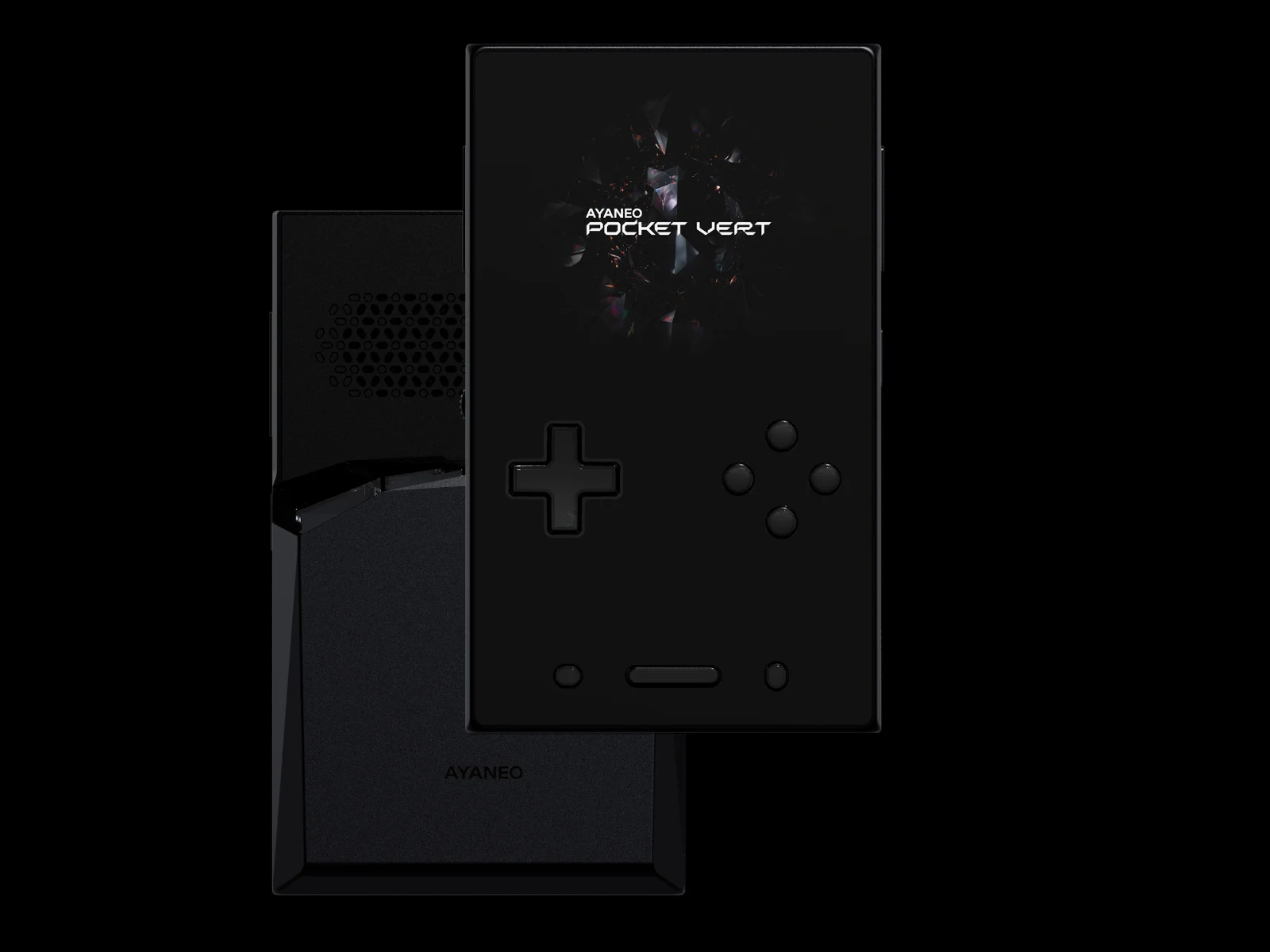
    Ayaneo introduced the Pocket Vert earlier this year, starting with teasers back in July, and just revealed detailed specifications last month. Now, YouTuber ETA Prime has managed to get a unit, offering a sneak peek at this new handheld device. Previous hints suggested that the Pocket Vert would compete directly with the Analogue Pocket, which features a 3.5-inch, 1600×1400, 60 Hz IPS LTPS display. This resolution is especially important for emulating Game Boy and Game Boy Color titles, as it provides a perfect 10 times the pixel resolution of the original 160×140 screens. This setup allows for precise integer scaling on both devices, significantly improving the clarity of the pixel art, which might otherwise appear blurry with an uneven integer scale. Additionally, the internal hardware is much more powerful than the FPGA-based Analogue Pocket, which is mainly aimed at Game Boy Advance games, showcasing a handheld that matches in screen and build quality while targeting a more high-end gaming experience.

    Impressive Processing Power

    The Qualcomm Snapdragon 8+ Gen 1 chipset is significantly more powerful than any enhanced Game Boy Advance, allowing the device to run even GameCube and PlayStation 2 games at higher resolutions than the original consoles supported. Thanks to this robust Android processor, the Ayaneo Pocket Vert becomes a strong contender in the realm of handheld gaming, not just limited to 2D emulation. With access to the Play Store, native Android games could run smoothly, and features like Steam Link or cloud gaming might even enable playing modern console or PC games on this device.

    Enhanced Control Features

    Another major advantage of the Ayaneo Pocket Vert over the Analogue Pocket is its inclusion of four shoulder buttons and dual touchpads located beneath the D-Pad and face buttons. While it may not be flawless, the dual-analog controls and comprehensive button mapping options make the Pocket Vert a lot more adaptable than the Analogue Pocket. With a similar design but many more advanced control features, the Pocket Vert is starting to seem quite attractive. However, the biggest question surrounding this handheld is its price, which has yet to be announced. If it competes well with the Analogue Pocket, it may find it challenging to stand out against its less powerful FPGA counterpart.

    The Value of Retro Gaming

    Nevertheless, gaming is not solely about specifications. The success of the Analogue Pocket wasn’t due to its high specs; rather, the value of authentic retro handheld gaming is hard to underestimate. It’s understandable if you think that the ability to play GameCube games or stream from Steam doesn’t matter much for this type of device. But for those who just want to enjoy gaming without worrying about the distinctions between software emulation and FPGA-based hardware emulation, the Ayaneo Pocket Vert could make the Analogue Pocket a tougher sell, especially if it can offer a price close to the Analogue Pocket’s $219.99.

    As of now, the handheld is still awaiting ETA Prime’s complete review—or any full review, for that matter. There may be crucial issues that could affect its appeal, especially since the market for handheld gaming devices is more competitive than ever. This device also has to contend with Ayaneo’s own Pocket DMG, which features a stunning OLED screen. And one has to wonder if it might be more beneficial to simply attach a $12 accessory to your current phone instead!

    Source:
    Link



  • Analogue Pocket Converts Game Boy Cartridges to ROM Files

    Analogue Pocket Converts Game Boy Cartridges to ROM Files

    Key Takeaways

    1. MROM is a new application that converts Game Boy cartridges into digital ROM files easily.
    2. Users can save the ROM files directly onto the Analogue Pocket’s microSD card for easy transfer.
    3. MROM can also copy save data from game cartridges, allowing players to continue their games on emulators.
    4. The application is currently in beta, with limitations on cartridge support and save data compatibility.
    5. Users should not share ROM files online due to legal concerns, particularly with Nintendo’s strict policies.


    Anyone who wants to enjoy Game Boy games on a device like the Anbernic RG35XX SP without the risk of illegal downloads can simply convert their own game cartridges into digital files. For those who own an Analogue Pocket, there’s no need to buy any extra equipment.

    Easy Cartridge Conversion

    There’s a new application called MROM that allows users to convert a game cartridge into a digital format with just a few simple clicks. The ROM file can then be saved directly onto the Analogue Pocket’s microSD card, making it easy to transfer to a PC later. Additionally, MROM has a feature that can copy save data from a game cartridge’s SRAM so that players can pick up right where they left off in the emulator, just like they did on the Game Boy. The video below by Pixel Cherry Ninja illustrates how MROM functions in real-life usage.

    Current Limitations

    At the moment, MROM is only accessible in a preview or beta version. The developer has noted that not all game cartridges are supported yet, and for certain games, only the ROM file can be read, leaving save data behind. Moreover, the save data copied from SRAM doesn’t work with every emulator. For instance, mGBA is known to be compatible with MBC2 files that have a .sav extension. As always, users should refrain from sharing ROM files online, especially since Nintendo is well-known for taking legal action against those who distribute retro games on the internet.

    Source:
    Link


  • Ayaneo’s Pocket Vert: Premium Analogue Pocket Emulation Teaser

    Ayaneo’s Pocket Vert: Premium Analogue Pocket Emulation Teaser

    Key Takeaways

    1. The Ayaneo Pocket Vert is a new vertical gaming handheld, following the Pocket DMG.
    2. It features a 3.5-inch IPS display with a high resolution of 1,600 x 1,440 and 615 PPI for an enhanced gaming experience.
    3. The device is made with CNC aluminum housing, indicating premium build quality.
    4. The Pocket Vert may be priced similarly to high-end devices, like the Analogue Pocket, due to its premium materials and design.
    5. While specific pricing and availability details are not yet disclosed, the device is expected to have strong emulation capabilities, exceeding those of previous models.


    Ayaneo has disclosed additional information regarding its upcoming retro gaming handheld. Initially announced in July, the Pocket Vert marks the second vertical gaming device from the company, following the launch of the Pocket DMG last year. Consequently, the Pocket Vert is set to compete with the Retroid Pocket Classic, which currently retails for $134 on Amazon.

    Enhanced Experience

    Ayaneo has emphasized that the Pocket Vert will offer a superior experience compared to its predecessors. The device boasts a 3.5-inch IPS display with an impressive 615 PPI, owing to its native resolution of 1,600 x 1,440. It seems that Ayaneo is utilizing the same display technology as the Analogue Pocket, or at least something quite similar.

    Premium Build Quality

    Additionally, the Pocket Vert is constructed with a CNC aluminum housing, similar to the Anbernic RG477M. Notably, Analogue had released Aluminum Editions of the Pocket last year, which significantly raised its price to $499.99. The presence of diamond-cut shoulder buttons hints that the Pocket Vert might come with a hefty price tag as well.

    From the video shown below, the Pocket Vert appears quite similar to the Analogue Pocket. Sadly, details regarding pricing and availability are still not available. Furthermore, Ayaneo has not specified the chipset that powers the Pocket Vert. However, the indication that the device can emulate Game Boy titles at a 10x resolution suggests it will have more power than the MediaTek Helio G99-supported Pocket Micro or Pocket Micro Classic.

    Source:
    Link


  • New Horizontal Handheld for Game Boy & Game Boy Advance Fans

    New Horizontal Handheld for Game Boy & Game Boy Advance Fans

    Key Takeaways

    1. The Game Bub is a new gaming handheld that plays Game Boy, Game Boy Color, and Game Boy Advance cartridges.
    2. It has transitioned to a horizontal format design, distinguishing it from other FPGA devices.
    3. Key features include stereo speakers, a headphone jack, a microSD card slot, Bluetooth LE, and 2.4 GHz Wi-Fi.
    4. The Game Bub is available for backing on Crowd Supply for $249, with shipping expected in February 2026.
    5. It competes with the Analogue Pocket and ModRetro Chromatic, offering a robust FPGA chip for potential future expandability.


    The Game Bub is a new gaming handheld that made its debut earlier this year. This device is designed with a vertical layout and is powered by a Field Programmable Gate Array (FPGA) chip. It can play cartridges from Game Boy, Game Boy Color, and Game Boy Advance. This handheld has a similar look and function to other devices such as the ModRetro Chromatic and the Analogue Pocket, which currently retails for $321.95 on Amazon.

    A New Form Factor

    Recently, the Game Bub has become available for backing on Crowd Supply, and it now comes in a whole new design compared to what was previously shown. As illustrated in the videos below, the Game Bub has transitioned to a horizontal format, setting it apart from many other FPGA devices. The latest version of the Game Bub includes several notable specifications:

    Impressive Features

    In addition to its design, the Game Bub is equipped with stereo 1 W speakers, a headphone jack, and a microSD card slot that supports display output, Bluetooth LE, and 2.4 GHz Wi-Fi. It seems the XC7A100T chip is robust enough to run additional systems, with the creator of Game Bub stating that they have plans for future expandability.

    The Game Bub can be backed on Crowd Supply for $249, with expected shipping in February 2026. This price point makes the Game Bub more costly than typical Android or Linux gaming devices. However, at $249, it competes well against the Analogue Pocket and ModRetro Chromatic, while also steering clear of any connections to a notorious arms dealer.

    Source:
    Link


  • Analogue 3D Delay: 8BitDo Shares Possible New Release Date

    Analogue 3D Delay: 8BitDo Shares Possible New Release Date

    Key Takeaways

    1. Analogue has a history of delays in releasing their gadgets, including the Analogue Pocket and Analogue Duo.
    2. The Analogue Duo was significantly delayed, shipping over three years after its announcement.
    3. The newly announced Analogue 3D is now set to ship by July 2025, with no specific reason given for the delay.
    4. 8BitDo’s 64 controller has also faced delays, with pre-orders now scheduled to ship on June 30.
    5. Both Analogue and 8BitDo are experiencing similar issues with product release timelines, highlighting ongoing challenges in the industry.


    Analogue creates some creative gadgets, like the Analogue Pocket and the Analogue Duo, among others. However, they don’t have the best track record for releasing these devices on time.

    Delays in the Past

    To summarize, the Analogue Pocket faced many hold-ups due to shortages in chipsets at that time. On the other hand, the Analogue Duo started to ship over three years after it was first announced.

    Newest Delay Announced

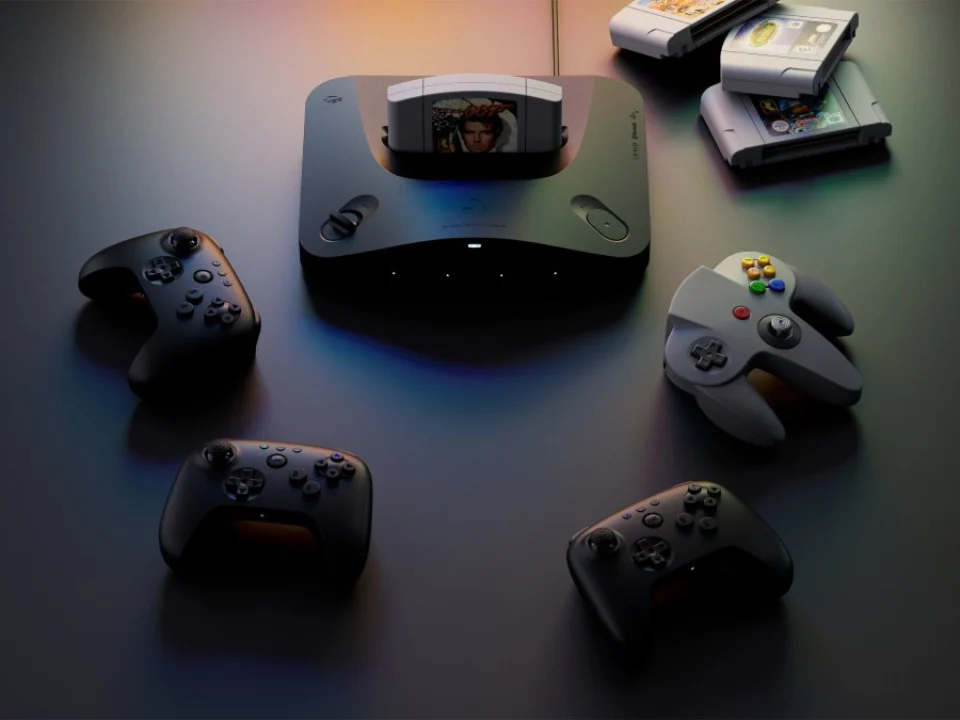
    Now, the Analogue 3D can be added to the list of Analogue products that have been delayed. The company had said it would start shipping its Nintendo 64 remake between January and the end of March after opening pre-orders in October.

    This time, they haven’t provided a specific reason. They just mentioned that the Analogue 3D is ‘now shipping by July 2025’. That said, there are still no promises that Analogue will stick to this new timeline.

    Similar Issues with 8BitDo

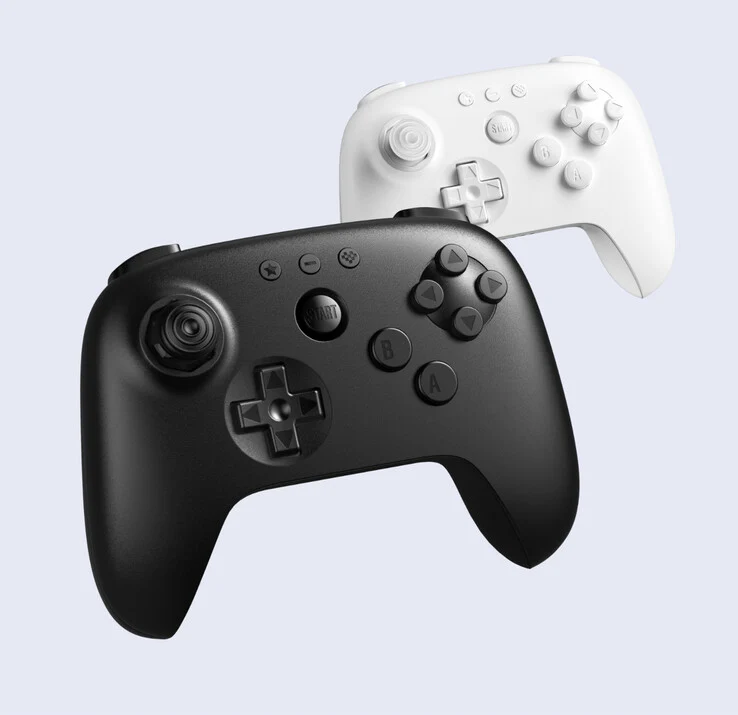
    Interestingly, the 8BitDo 64 controller (curr. $39.99 on Amazon) has also experienced a similar delay. While the exact reasons for these issues are still unclear, 8BitDo has given some information about when both products will begin shipping. Currently, they indicate that 8BitDo 64 pre-orders will start shipping on June 30, having previously set March 19 as the release date for the controller.

    Source:
    Link


  • Game Bub: Open-Source FPGA Handheld for Game Boy Color & Advance

    Game Bub: Open-Source FPGA Handheld for Game Boy Color & Advance

    Key Takeaways

    1. The Game Bub is a new retro handheld console designed to support GBA games and resembles classic Nintendo devices.
    2. It features a 3.5-inch screen with a resolution of 480 x 320 pixels, but may show black bars when playing Game Boy (Color) games.
    3. The device includes a cartridge slot, microSD card slot, speakers, rumble motors, and supports Wi-Fi, Bluetooth, and HDMI connections.
    4. Currently, the Game Bub is still in prototype development, with the complete source code available on GitHub for public access.
    5. Eli is gauging interest in a horizontal GBA version and is exploring the possibility of a fully assembled handheld console through a survey.


    Let’s face it, there are many retro handheld consoles that resemble the classic Nintendo Game Boy, available in a variety of shapes and sizes. Among these, the Analogue Pocket, Trimui Brick, and several models from Anbernic come to mind. Recently, a new device called the Game Bub has joined this expanding market. It’s uncertain if the term “Bub” was chosen purposefully as a direct translation of “Boy” in certain German dialects, including Swiss German and Austrian German.

    Project Overview

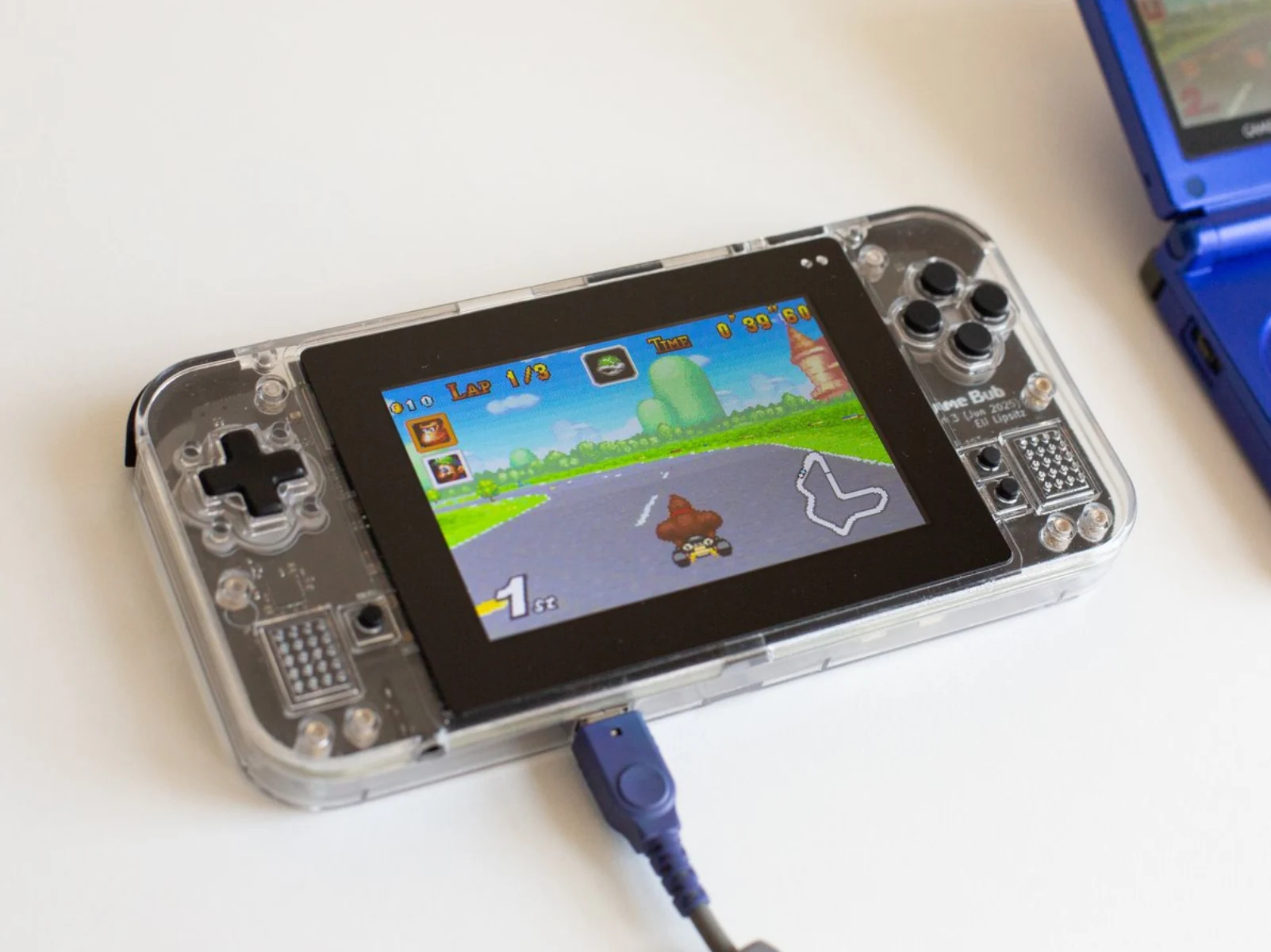
    On his personal blog, Eli elaborates on his project with great detail. He kicked off development in September 2023 and made impressive strides until he decided to transform his concept into a handheld console that supports GBA games. The prototype boasts a 3.5-inch screen with a resolution of 480 x 320 pixels, which works well for widescreen games on the Game Boy Advance. However, this results in black bars appearing on the left and right sides when playing Game Boy (Color) games. The built-in battery is expected to last for up to 15 hours.

    Features and Functionality

    Besides the cartridge slot located at the back for original games, the device also has a microSD card slot for emulating ROMs. The Game Bub comes packed with features such as speakers, rumble motors, an accelerometer, gyroscope, real-time clock, Wi-Fi, Bluetooth, and an HDMI port accessible via a docking station. It can even connect to original Nintendo Link Cables, allowing it to link with an original Game Boy Color or Advanced, as demonstrated in the video below. Additionally, a light sensor for playing Boktai is on the developers’ future plans.

    Availability

    Currently, the Game Bub isn’t available as a final product, since the prototype is still in the works. Nonetheless, the complete source code has been published on GitHub. This FPGA handheld is built using commonly available standard parts. Eli has also created a Google Forms survey to gauge interest in a horizontal GBA version and to see how comfortable people are with soldering. This inquiry hints that he is curious whether a fully assembled handheld console would attract attention.

    If you’re interested in the Game Bub, be sure to check out Eli Lipsitz’s blog post, which provides more in-depth information about the technical specifications of this retro console designed for three different Nintendo handhelds.

    Source:
    Link

  • Free Retro Game Boy Simulator for Handheld Gaming Fans

    Free Retro Game Boy Simulator for Handheld Gaming Fans

    Key Takeaways

    1. The Retro Handheld Simulator is a free game available on Itch.io, with an option for donations to support the developer.
    2. The game is a parody of the retro handheld gaming community, inspired by classic RPGs but with simpler gameplay.
    3. Players control the game using the D-pad and the A button for interactions, with a daily resetting game world.
    4. Returning players can turn off the story by pressing the select button for a quicker experience.
    5. The game was created using GB Studio, which is free to download for multiple operating systems, and the developers have released other games for the Nintendo Game Boy.


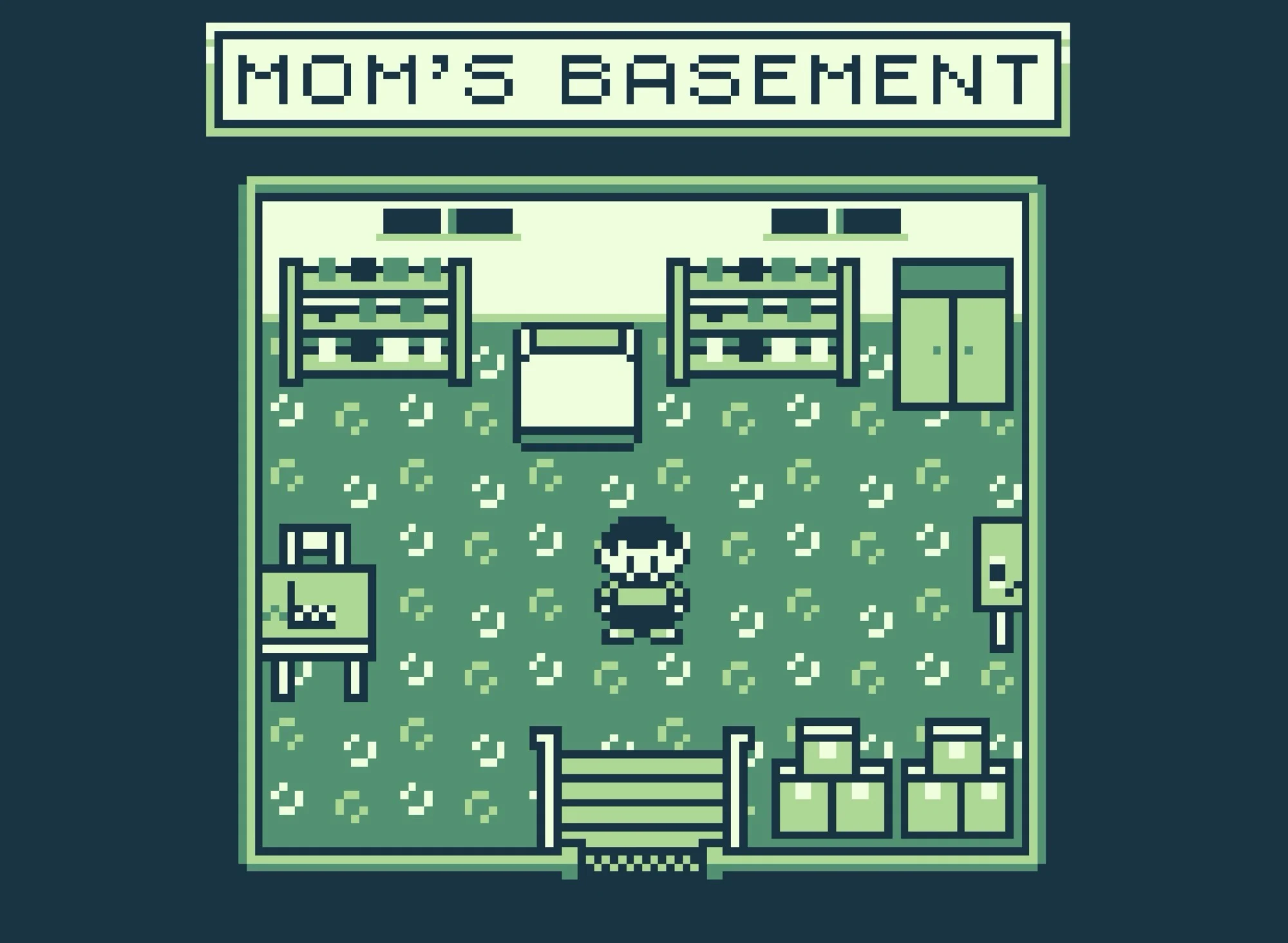
    The Retro Handheld Simulator is an exciting new game for the Game Boy that just launched on Itch.io. Players can download it for free, but there’s an option for kind gamers to support the developer through donations. The game comes in two formats: a .gb file compatible with most retro handheld devices and a .pocket version tailored for the Analogue Pocket.

    A Fun Parody

    This small 35-kilobyte title pokes fun at the current retro handheld gaming community, featuring many nods to actual handheld consoles and the broader gaming scene. Its gameplay draws inspiration from classic RPGs, such as Pokémon or Golden Sun, but it’s simpler than those titles.

    Easy Controls

    To control the character, players use the D-pad, while the A button allows interaction with various objects. The developer mentions that the game world resets daily, so players might want to engage with certain items more than once for the best experience.

    Features for Returning Players

    Players can turn off the story by pressing the select button, which is mainly for those who have played the game previously. This free handheld game was made using GB Studio, a user-friendly software that simplifies the creation of retro-style games.

    GB Studio is also available for free download on Windows, macOS, and Linux, with a version optimized for ARM-based Macs. Madsox Games, the creators of the Retro Handheld Simulator, have also developed a series of games for the Nintendo Game Boy: Death Row 1, Death Row 2, and Death Row Brawl, all of which can be found on Itch.io.

    Source:
    Link