Category: EV vehicles

  • Rumoured Electric Car Launch by Apple Allegedly Delayed

    Rumoured Electric Car Launch by Apple Allegedly Delayed

    Apple’s Electric Vehicle Project Faces Challenges and Delays

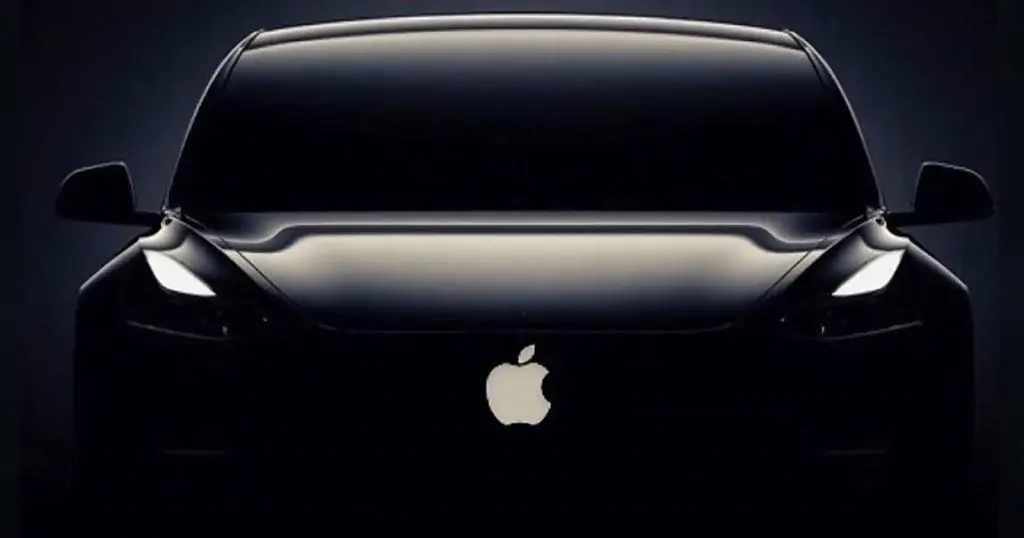
    Apple’s secretive electric vehicle project, known as Project Titan, has hit several roadblocks and is now undergoing another recalibration of its goals, according to Bloomberg. Initially, Apple aimed to develop a fully self-driving electric vehicle, even considering the possibility of a robotaxi. To achieve this, the company recruited top talent from the automotive and battery sectors, including former Tesla employees. However, the journey has not been smooth, and Apple has had to adjust its ambitions multiple times.

    A Shift in Direction

    The latest pivot for Apple’s electric vehicle project is a move away from a fully autonomous vehicle to one that offers assistance on highways but still requires human attention and intervention. This shift aligns Apple’s offering more closely with existing advanced cruise control systems found in vehicles from Tesla and General Motors. It reflects the complexities and safety considerations involved in creating a fully autonomous vehicle.

    Timeline Delayed

    In addition to adjusting its goals, Apple has also postponed its timeline for launching its electric car. The original target of 2026 has been pushed back to 2028. This delay highlights the intricate and costly nature of automotive innovation. Apple’s leadership is now at a crossroads, considering whether to continue investing resources into the project or cut their losses if this new direction fails to yield results.

    Competition in the Electric Vehicle Market

    Apple’s entry into the electric vehicle market comes at a time when the industry is booming. With Tesla leading the charge and tech firms like Sony and Alphabet’s Waymo also entering the space, the competition is fierce. Apple’s potential impact is significant, not only because of its reputation for design and user experience but also due to its history of disrupting industries.

    Can Apple Carve out a Niche?

    As Apple moves closer to realizing its electric vehicle dreams, the question remains: Can it carve out a unique niche in an already crowded market? Only time will tell if Apple’s electric car will revolutionize the industry or become a footnote in automotive history. Despite the challenges and delays, Apple’s entry into the electric vehicle market has the potential to be a game-changer.

  • Tesla to Introduce Cybertruck in Shanghai, Beijing, and 6 Other Chinese Cities

    Tesla to Introduce Cybertruck in Shanghai, Beijing, and 6 Other Chinese Cities

    Tesla is taking its Cybertruck on a national tour in China, with stops in eight major cities including Shanghai and Beijing. The tour is set to begin at the end of January 2024 and will unveil eight Cybertrucks simultaneously. This move by Tesla aims to increase brand awareness and showcase the unique features of its electric pickup truck to a wider audience.

    Showcasing the Cybertruck in Person

    In 2022, Tesla temporarily suspended Cybertruck orders and only offered an option to "get updates" on its official website. However, the upcoming national tour provides an opportunity for potential buyers and enthusiasts to see the Cybertruck in person. This hands-on experience will allow people to get a better understanding of the vehicle's design and features.

    The distinctive design of the Cybertruck, with its stainless steel body and unconventional size, has raised concerns about its legality on Chinese roads. Tesla CEO Elon Musk has previously acknowledged these concerns. Despite this, the national tour serves as a strategic move to increase the brand's visibility and generate excitement around this groundbreaking electric vehicle.

    Impressive Specifications and Pricing

    The Cybertruck made its debut four years ago and had its first deliveries in December 2023 at the Austin Gigafactory in Texas, USA. Tesla offers multiple variants of the Cybertruck to cater to diverse consumer preferences. The rear-wheel-drive version starts at $60,990 (437,000 yuan), the all-wheel-drive model is priced at $79,990 (574,000 yuan), and the high-performance beast version costs $99,999 (717,000 yuan). Each variant comes with impressive specifications, including acceleration times and top speeds, making the Cybertruck an enticing choice for electric vehicle enthusiasts.

    Innovative Features

    In addition to its unique design and performance, the Cybertruck offers a spacious and tech-savvy interior. It features an expansive 18.5-inch touchscreen in the front and a 9.4-inch touchscreen in the rear. The vehicle also includes an innovative user interface, wireless mobile phone charging pad, 65W USB-C interface, and a 120V/240V socket. These features enhance the overall driving experience and demonstrate Tesla's commitment to innovation.

    The Cybertruck national tour in China is an exciting opportunity for Tesla to showcase its electric pickup truck to a wider audience. With its distinctive design, impressive specifications, and innovative features, the Cybertruck is poised to make a significant impact in the electric vehicle market.

  • January 25 Launch of New Electric Macan Designs Unveiled by Porsche

    January 25 Launch of New Electric Macan Designs Unveiled by Porsche

    Porsche Unveils the Electric Macan: A Game-Changer in the EV Market

    Porsche has officially announced its latest offering in the electric vehicle (EV) market, the pure electric Macan. This model represents a significant milestone in the luxury car manufacturer’s foray into electric mobility. Built on the advanced Premium Platform Electric (PPE), the Macan not only embraces sustainability but also showcases Porsche’s unwavering commitment to high-performance engineering.

    A Striking Design that Blends Sportiness and Elegance

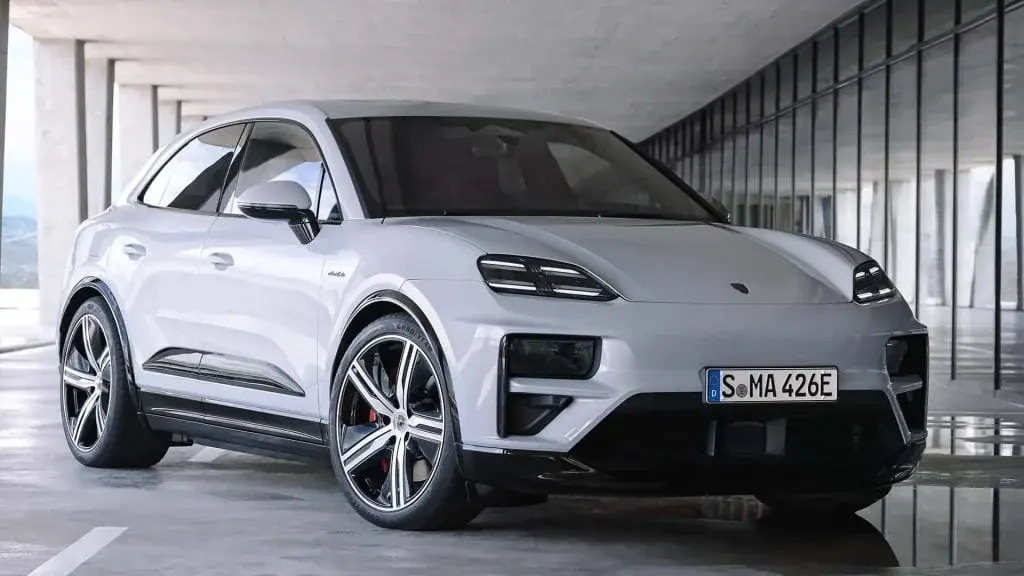
    At first sight, the electric Macan demands attention with its captivating design that seamlessly combines sportiness and elegance, a hallmark of Porsche’s vehicles. The front of the car is particularly eye-catching, featuring split headlights with a matrix LED daytime running light. Below these, the high and low beam headlights not only serve a functional purpose but also add a stylish touch. The rear design of the Macan is equally captivating, characterized by a through-type taillight and the iconic Porsche logo.

    A Futuristic and Intuitive Interior

    The interior of the Macan is equally impressive, boasting a futuristic cockpit that is both visually appealing and intuitive. The centerpiece of the interior is a 12.6-inch fully digital floating curved display, strategically positioned in the driver’s line of sight. This display provides easy access to crucial driving information, ensuring a seamless driving experience. Additionally, the integration of augmented reality in the head-up display system revolutionizes the way drivers interact with their surroundings, with navigation and speed data projected directly onto the windshield.

    Cutting-Edge Technology for Ultimate Comfort and Safety

    Porsche has spared no expense in equipping the Macan with cutting-edge technology. The car features ambient lighting with communication lights, which not only enhances the driving experience but also provides visual cues for various functions. This attention to detail underscores Porsche’s commitment to delivering not just exceptional performance but also unparalleled comfort and safety for both the driver and passengers.

    Unleashing Power and Performance

    Underneath the hood, the electric Macan houses a true powerhouse. It is equipped with the latest generation permanent magnet synchronous motors, delivering an impressive output power exceeding 450 kW. The flagship model of the Macan lineup further impresses with the electronically controlled Porsche Traction Management System, which generates over 1000 Nm of torque. When combined with the Porsche Active Suspension Management System, the Macan promises an exhilarating yet smooth driving experience.

    In conclusion, Porsche’s introduction of the electric Macan signifies a bold move in the EV market. With its striking design, futuristic interior, and powerful performance, the Macan sets a new standard for electric vehicles. Porsche’s unwavering commitment to sustainability and high-performance engineering is evident in every aspect of this remarkable car. As the luxury car maker ventures further into the realm of electric mobility, the Macan is poised to make a lasting impact on the industry.

  • A Sneak Peek into the Future of Electric Vehicles: Latest Spy Photos of Mercedes-AMG CLA

    A Sneak Peek into the Future of Electric Vehicles: Latest Spy Photos of Mercedes-AMG CLA

    Mercedes-AMG CLA: A New Era of Luxury and Performance

    Mercedes-Benz, a brand renowned for its luxury and performance vehicles, is once again pushing the boundaries of automotive innovation with the upcoming Mercedes-AMG CLA model. Recently, a spy photo emerged, revealing the car undergoing rigorous snow testing in Sweden. This glimpse into the future hints at a potential release in 2025, followed by a 2026 launch overseas.

    A Powerful Dual-Motor Setup

    The Mercedes-AMG CLA is not just another luxury vehicle; it is set to redefine the driving experience. At its core, the car features a dual-motor setup, with one motor powering the front wheels and another powering the rear wheels. This, coupled with a four-wheel-drive system, ensures exceptional performance and handling. The wider body and aggressive AMG styling kits further emphasize its sporty orientation.

    Performance Meets Sustainability

    What truly sets the Mercedes-AMG CLA apart is its unique blend of performance and sustainability. The car's design showcases a closed front grille and triangular headlights, giving it a distinctive and futuristic appearance. Beyond aesthetics, the vehicle is equipped with advanced features such as a high-performance brake kit. Though still camouflaged, there may be additional surprises like a spoiler or an eye-catching rear wing, further enhancing its sporty demeanor.

    Technical Prowess and Electrified Performance

    The Mercedes-AMG CLA coupe demonstrates its technical prowess through its 800V high-voltage architecture. With this system, the car achieves an impressive cruising range of approximately 750 kilometers, supported by a 250 kW charging capability. However, it's important to note that the AMG variant leans more towards performance, which may result in a slightly heavier body and a slightly reduced battery life.

    An intriguing feature of the Mercedes-AMG CLA is its taillight set, which closely resembles the CLA concept version. This set features a circular light structure with a three-pointed star pattern as its internal light source. Not only does this design element pay homage to Mercedes-Benz's heritage, but it also signifies a new era of electrified performance vehicles.

    In conclusion, the Mercedes-AMG CLA is set to make a significant impact in the automotive industry. With its powerful dual-motor setup, blend of performance and sustainability, and cutting-edge features, this car is poised to redefine luxury and performance for years to come. Keep an eye out for its potential release in 2025, as it promises to be a game-changer in the world of high-performance vehicles.

  • Toyota’s Chairman reveals brand’s advancement in ICE technology amidst the rise of EVs

    Toyota’s Chairman reveals brand’s advancement in ICE technology amidst the rise of EVs

    Toyota’s Chairman, Akio Toyoda, recently made a bold claim about the future of internal combustion engines (ICE) in the context of reducing carbon emissions. Speaking at a press conference at the Tokyo Auto Salon, Toyoda announced that Toyota is actively developing next-generation ICE models that will play a crucial role in achieving a carbon-neutral environment. This statement has gained attention from industry watchers and policymakers alike.

    Role of ICEs in Achieving Carbon Neutrality

    According to Toyoda, there is still a practical and necessary role for ICEs in the pursuit of carbon neutrality. Despite the rapid advancements and adoption of battery-electric technology in modern cars, the development of engine technology remains an important step towards the future. Toyota believes that refining engine technology is essential in achieving a carbon-neutral environment.

    Advanced Internal Combustion Engines

    Toyota plans to introduce its next-generation vehicles equipped with advanced internal combustion engines as early as this year. The company’s focus on cutting-edge engine technology aims to safeguard Japan’s automotive sector, which currently employs around 5.5 million people. The main challenge in ICE vehicles lies in significantly reducing carbon emissions, and Toyota aims to address this through various means. These include the implementation of higher compression and cleaner burning technologies, as well as the development of engines that run on cleaner hydrogen fuel.

    Impressive ICE Models Showcased

    At the Tokyo Auto Salon, Toyota showcased some impressive ICE models, such as the GR Yaris and the Lexus LBX RR Morizo Concept, which features a powerful 300hp engine. These models, along with others currently under development, hold great promise for the future of ICE vehicles with reduced emissions. However, Toyota recognizes the need to enhance its technology to compete with the growing popularity of battery-electric EVs, which have become the preferred choice among consumers.

    Conclusion

    Toyota’s Chairman, Akio Toyoda, firmly believes that internal combustion engines still have a future in the pursuit of reduced carbon emissions. The company’s commitment to developing next-generation ICE models with advanced engine technology showcases its dedication to achieving a carbon-neutral environment. While battery-electric EVs have gained significant popularity, Toyota aims to strike a balance by refining engine technology and exploring cleaner fuel options. This approach ensures that ICE vehicles continue to play a practical role in the automotive industry’s transition towards a sustainable future.

  • Shenzhen Yinwang Intelligent Technology: Huawei’s Creation of a New Smart Car Division

    Shenzhen Yinwang Intelligent Technology: Huawei’s Creation of a New Smart Car Division

    Huawei Ventures into Smart Car Industry with New Division

    Huawei, a prominent player in the telecommunications industry, is making a bold move by establishing a new smart car division called Shenzhen Yinwang Intelligent Technology. This strategic decision comes as Huawei shifts its focus towards the automotive sector, possibly influenced by the US sanctions imposed on its core telecom business.

    A Significant Investment

    To kick-start this new venture, Huawei has invested a substantial amount of US$140.3 million (1 billion yuan). This sizeable investment showcases Huawei’s commitment to exploring new markets and signifies a major shift in the company’s direction. While Huawei is renowned for its cutting-edge telecom equipment, this foray into the smart car industry demonstrates its determination to be at the forefront of modern technology.

    Capitalizing on Technological Prowess

    The timing of this move is particularly noteworthy, as the automotive industry is witnessing the convergence of traditional car manufacturing with advanced technology. By entering the smart car sector, Huawei aims to leverage its technological expertise in areas like artificial intelligence and telecommunications to drive innovation.

    Strengthening Commitment

    In addition to the establishment of Shenzhen Yinwang Intelligent Technology, Huawei recently entered into a joint venture with Changan Automobile, a state-owned carmaker in China. This partnership further solidifies Huawei’s dedication to the smart car industry and signifies its intention to become a key player in this sector.

    Huawei’s expansion into the smart car industry marks an exciting and strategic move for the company. With its significant investment and technological prowess, Huawei is well-positioned to make significant contributions to the development of smart vehicles. As the automotive industry continues to evolve, Huawei is poised to play a vital role in shaping the future of smart mobility.

  • Harvard Researchers Develop Solid-State Battery with 10-Minute Full Charge

    Harvard Researchers Develop Solid-State Battery with 10-Minute Full Charge

    Breakthrough Achieved by Researchers in Solid-State Battery Innovation

    Groundbreaking Discoveries from Harvard University

    A significant advancement in solid-state battery technology has been achieved by Harvard University researchers, as outlined in the latest publication in Nature Materials. The team’s creation of a solid-state battery capable of recharging completely within a mere 10-minute timeframe marks a substantial leap forward.

    Notable Characteristics and Advantages

    • Makes use of lithium metal
    • Demonstrates an anticipated charging lifespan of 6,000 cycles
    • Represents a promising solution for the electric vehicle (EV) sector
    • The high capacity permits extended driving ranges

    Tackling the Dendrite Predicament

    One of the primary obstacles in solid-state battery progress pertains to the formation of dendrites on the anode. The innovative approach by the Harvard researchers involves a multilayer battery design that strategically positions various materials between the anode and cathode, effectively minimizing dendrite formation.

    Integration of Micron-Sized Silicon Particles as a Solution

    The pivotal advancement revolves around the incorporation of micron-sized silicon particles within the anode structure. This strategic deployment impedes dendrite proliferation while facilitating the envelopment of lithium metal around the silicon particles. Consequently, this technique enables swift plating and stripping processes, culminating in a complete recharge in approximately 10 minutes.

    Evaluation of Performance and Commercial Potential

    Upon undergoing 6,000 cycles, the developed battery cell managed to uphold 80% of its original capacity. The proprietary technology has been licensed to Adden Energy, a spinoff of Harvard’s research initiatives, which intends to expand the technology for integration into larger-scale smartphone batteries.

    Hurdles and Prospective Implementations

    While challenges loom over the mass production of solid-state batteries, this research marks a crucial milestone towards the realization of functional solid-state batteries with diverse industry applications.

    Wrapping Up

    The breakthrough achieved by the Harvard research team holds immense promise for the accelerated charging of batteries in the EV domain and beyond. By capitalizing on micron-sized silicon particles, the issue of dendrite formation has been effectively resolved, bringing the practical application of solid-state batteries within closer reach.

  • SK On Targets Mass Production of LFP Batteries for the EV Market by 2026

    SK On Targets Mass Production of LFP Batteries for the EV Market by 2026

    South Korea’s SK On to Begin Mass Production of LFP Batteries in 2026

    South Korean company SK On is planning to start mass production of lithium iron phosphate (LFP) batteries as early as 2026. The company aims to collaborate with major traditional automakers to provide a more cost-effective battery chemistry. SK On’s Chief Administrative Officer, Choi Young-chan, revealed this strategy, which is similar to that of Chinese counterparts.

    Expansion of Battery Supply to Major Automakers

    SK On is already actively involved in supplying electric vehicle (EV) batteries to major automakers like Ford, Volkswagen, and Hyundai. Although the names of the specific original equipment manufacturers (OEMs) have not been disclosed, Choi stated that mass production will begin once the ongoing discussions are finalized.

    Growing Adoption of Diverse Battery Chemistries

    The automotive industry is currently experiencing a surge in the adoption of various battery chemistries, including LFP. Manufacturers are striving to reduce costs and ensure a stable supply chain. This announcement from SK On provides the first detailed insight into its LFP battery strategy and outlines a timeline for mass production. Rivals LG Energy Solution and Samsung SDI have also announced their plans to target mass production of LFP products in 2026.

    Focus on Energy Density and Efficiency

    SK On, a battery unit of South Korean energy group SK Innovation, is considering the possibility of manufacturing LFP batteries in Europe or China. Choi acknowledged the challenge of competing with Chinese LFPs on cost but emphasized that the company’s focus is on energy density, charging time, and efficiency rather than price alone.

    Concentration on European Market for LFP Batteries

    Although SK On has production facilities in the United States, South Korea, Hungary, and China, the company is not currently in talks with its U.S. automaker customers regarding LFP supply. Choi explained that the high cost of building LFP factories in the United States makes it less feasible. Instead, the company is primarily concentrating on the European market.

    Chinese Dominance in LFP Production

    Chinese battery manufacturers, such as CATL and BYD, currently dominate global LFP production. They benefit from strong demand in their home market. LFP batteries from Chinese manufacturers are approximately 20% cheaper than nickel-based alternatives, making them an economical option for EVs, although they may have slightly reduced range compared to nickel-based alternatives. SK On is also working on the development of prismatic and cylindrical-type EV batteries, with notable progress in the latter, which is used by Tesla and other automakers.

  • Record Global EV Sales and Market Dominance in 2023 Key to Audi’s Electric Surge

    Record Global EV Sales and Market Dominance in 2023 Key to Audi’s Electric Surge

    Audi's Success in Electric Vehicle Sales

    In the rapidly growing automotive industry, Audi has made significant strides in electric vehicle (EV) sales. In 2023, the prestigious car manufacturer experienced a remarkable 51% increase in EV sales, selling a total of 178,000 units worldwide. This surge in sales reflects a growing consumer shift towards environmentally friendly transportation options and highlights Audi's commitment to electrification.

    Central to Audi's success are its popular electric models: the Q4 e-tron and Q8 e-tron. These vehicles have captured the market's attention by striking a balance between luxury and eco-friendliness. The upcoming launch of the Q6 e-tron in 2024, based on Volkswagen Group's new Premium Platform Electric (PPE), is highly anticipated and is expected to further strengthen Audi's position in the EV market.

    Impressive Fourth Quarter Sales

    Audi achieved an impressive feat in the fourth quarter of 2023, selling approximately 55,400 electric cars. This marked a 34% increase compared to the previous year, with electric vehicles accounting for nearly 11% of Audi's total sales volume. These numbers not only represent statistics but also serve as a testament to a significant shift in consumer preferences and Audi's ability to adapt to these changes.

    Growth in the United States

    Audi's electric car sales in the United States also experienced substantial growth, with a 74% increase in the last quarter of 2023. This surge in sales indicates the wider acceptance of electric vehicles in the U.S. market and showcases Audi's growing popularity in this region.

    Future Development and Transparency

    While Audi's progress in electric cars is commendable, it is important to note the absence of data on plug-in hybrid models. This gap suggests a potential area for future development and transparency, as plug-in hybrids continue to be a popular choice among consumers.

    A Commitment to Sustainability and Innovation

    Audi's journey towards electrification has been steady over the past few years, aligning with its goal to introduce only all-electric cars by 2026. This commitment to sustainability and innovation positions Audi as a leader in the EV market, prepared to meet the challenges and demands of a greener future.

  • Pre-Ordering for Xpeng Aeroht’s Versatile Flying Car Opens Soon

    Pre-Ordering for Xpeng Aeroht’s Versatile Flying Car Opens Soon

    Xpeng Aeroht Paves the Way for Everyday Flying Cars in 2025

    One of China’s leading electric vehicle manufacturers, Xpeng, has long been known to be working on a flying car. As we mentioned recently, the company aims to begin mass production of these flying cars by the fourth quarter of 2025. The good news is that you won’t have to wait that long to get your hands on one. Because Xpeng Aeroht has revealed that you can pre-order its modular flying car in the fourth quarter of 2024, and deliveries are set to commence in the fourth quarter of 2025.

    Xpeng's Vision Becomes a Reality

    Xpeng has always been at the forefront of innovation in the electric vehicle industry, and now, they are taking it a step further by entering the flying car market. With the launch of Xpeng Aeroht, the company aims to make everyday flying cars a reality by 2025. This groundbreaking development opens up a whole new world of possibilities for transportation and mobility.

    A Modular Flying Car Designed for Mass Production

    What sets Xpeng Aeroht apart from other flying car prototypes is its modular design. This means that the car can be easily assembled and disassembled, allowing for efficient mass production. The modular approach also ensures that the flying car can be customized to meet individual preferences and requirements. With Xpeng Aeroht, the company is paving the way for a future where flying cars are not just a luxury for the wealthy but accessible to the masses.

    Pre-Order and Delivery Details

    If you're excited about the prospect of owning a flying car, you'll be pleased to know that Xpeng Aeroht is now available for pre-order. Starting from the fourth quarter of 2024, customers can secure their spot and be among the first to experience the thrill of flying cars. Deliveries are set to begin in the fourth quarter of 2025, making it just a few years away from becoming a reality.

    Pricing and Specifications

    While specific pricing details have not been released yet, Xpeng Aeroht is expected to be competitively priced, making it more accessible to a wider audience. As for specifications, the flying car will be equipped with advanced electric propulsion technology, ensuring a smooth and efficient flight experience. The modular design will allow for customization options, such as seating arrangements and interior features, to suit individual preferences.

    The Future of Transportation is Here

    Xpeng's announcement of the launch of the first modular flying car designed for individual mass production marks a significant milestone in the transportation industry. With Xpeng Aeroht, the dream of flying cars is closer to becoming a reality for everyday use. As we eagerly await the arrival of 2025, we can anticipate a future where flying cars are an integral part of our lives, revolutionizing the way we commute and travel.