Category: Computers

  • ViewSonic Introduces the Latest XG272-2K-OLED Gaming Monitor in the United States

    ViewSonic Introduces the Latest XG272-2K-OLED Gaming Monitor in the United States

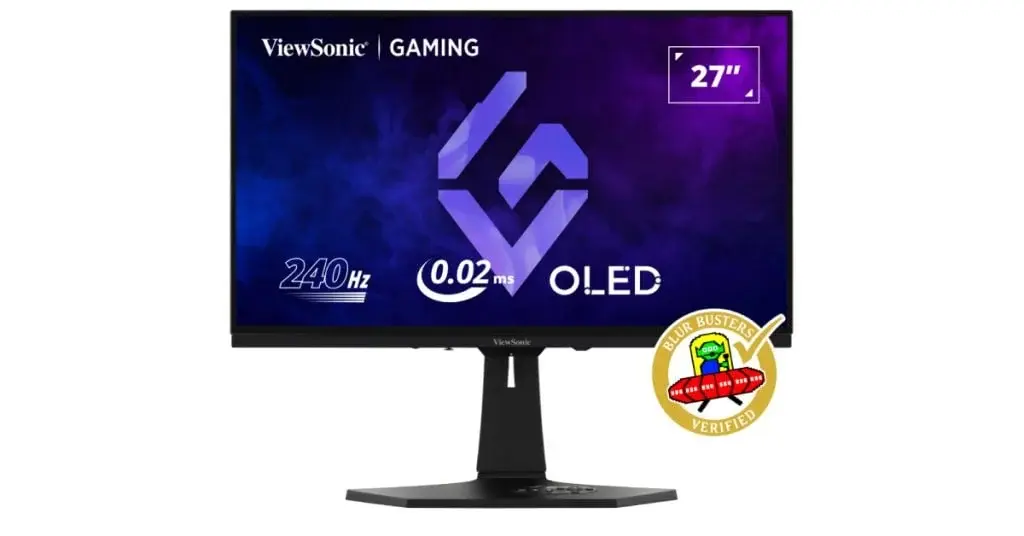
    ViewSonic has recently expanded its monitor lineup with the release of the XG272-2K-OLED in the US market. This new addition comes after the global debut of their VX2758A-2K-PRO and the China-exclusive VX2758-4K-PRO-2. Let’s take a closer look at the key features and specifications of this monitor.

    Key Features and Specifications

    The XG272-2K-OLED features a 27-inch OLED panel with a 2560 x 1440 resolution, also known as 2.5K or 1440p. OLED technology is known for its exceptional contrast, deep blacks, and vibrant colors, ensuring that the content displayed on this monitor will look stunning.

    Although ViewSonic hasn’t disclosed the OLED panel supplier, the specifications strongly suggest that it’s sourced from LG Display, a leading provider of OLED panels for various devices.

    This monitor boasts a speedy 240Hz refresh rate, providing smooth visuals, and a fast 0.02ms GtG response time to minimize ghosting during fast-paced action. Additionally, its peak brightness can reach up to 450 nits, ideal for HDR content.

    Connectivity and Other Features

    The XG272-2K-OLED includes both AMD FreeSync Premium and NVIDIA G-SYNC compatibility, ensuring minimal screen tearing during gaming sessions. To enhance comfort during extended use, it offers an adjustable stand for customizable positioning. The monitor also features RGB lighting elements that can be tailored to your preferences, as well as integrated 3W speakers for basic audio output.

    In terms of connectivity options, it includes a USB Type-C input, four USB 3.1 ports (offering both Type-A and Type-B connections), and a 3.5mm audio jack for headphones or external speakers.

    Pricing and Availability

    Unfortunately, ViewSonic has not yet announced the pricing for the XG272-2K-OLED. Instead, the company is showing a “contact sales” button on the website, indicating that the pricing may vary based on individual or bulk orders. Interested customers will need to reach out to ViewSonic directly for more information.


  • TSMC Responds to Escalating Demand by Expanding 3nm Chip Production

    TSMC Responds to Escalating Demand by Expanding 3nm Chip Production

    TSMC, the world’s leading chipmaker, is reportedly ramping up production of its advanced 3nm chips. The expansion is said to be done due to the increased demand from tech giants seeking cutting-edge processors for their products.

    Increased Demand for 3nm Chips

    In 2023, Apple was TSMC’s primary customer for 3nm chips, utilized in its iPhone 15 Pro smartphones. However, major players like Qualcomm, MediaTek, NVIDIA, and Intel have since expressed interest and placed orders.

    Meeting the Demand

    To accommodate this influx, TSMC is reportedly eyeing to boost its monthly 3nm wafer production to 100,000 units by 2024. The company is also making efforts to improve its production yields for higher efficiency.

    Improved Second-Generation Process

    The initial version of TSMC’s 3nm process (N3B) reportedly faced yield challenges and carried a high cost. These factors may have deterred some companies from adopting the technology in its early stages. However, TSMC’s improved second-generation 3nm process (N3E) will offer better performance while being affordable. This has likely led to an increase in client interest, which in turn means demand.

    This year will likely see heightened competition in the semiconductor market as major tech companies begin releasing their first 3nm-powered devices.

    Whether TSMC can successfully meet this surging demand, while addressing potential production challenges, will significantly impact the success of these upcoming devices and the companies behind them.

  • Lenovo to Showcase Transparent Screen Laptop at MWC 2024 (February 26-29)

    Lenovo to Showcase Transparent Screen Laptop at MWC 2024 (February 26-29)

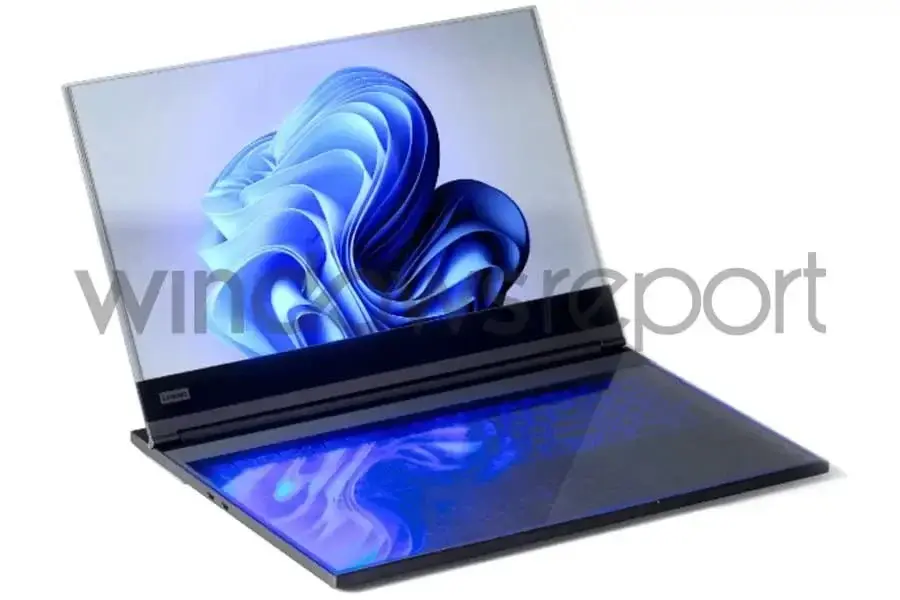
    Lenovo is set to make a splash at the upcoming Mobile World Congress (MWC) 2024 exhibition with the unveiling of a transparent screen laptop. This highly anticipated device will feature a completely transparent OLED display, making it a standout in the laptop market.

    Advancements in Transparent Screen Technology

    Transparent screen technology, once considered a mere concept, is now rapidly progressing towards commercial viability. Back in CES 2010, Samsung showcased a prototype of a transparent screen laptop. However, due to high production costs, it never made it to the market. But recent developments indicate a shift in the landscape. LG introduced a transparent OLED screen at CES 2024, which has paved the way for easier mass production.

    Aesthetics and Innovation in Design

    Lenovo’s transparent laptop is expected to feature a bezel-less design, with a fully transparent display and chassis. The device’s main components will be strategically housed in the “chin” area, while a thin, non-transparent frame will surround the entire laptop. This innovative design not only enhances aesthetics but also showcases Lenovo’s commitment to pushing the boundaries of laptop design.

    Windows 11 and Dual-Screen Appearance

    Although specific specifications have not been disclosed, it has been confirmed that the laptop will run on Windows 11, aligning with Lenovo’s signature design language. The laptop’s appearance is said to resemble that of a dual-screen laptop, a trend that is gaining popularity in the industry. As the MWC exhibition approaches, tech enthusiasts are eagerly awaiting further details and specifications about this groundbreaking device.

    Lenovo’s Commitment to Innovation

    The introduction of this transparent screen laptop by Lenovo demonstrates the company’s commitment to innovation and highlights the ongoing evolution of display technology. As the MWC exhibition unfolds, we will keep a close eye on the developments surrounding this exciting device. Stay tuned for more updates!

  • Acer Introduces New Chromebox Mini with Fanless Design, Supports Simultaneous Output to Three Video Screens

    Acer Introduces New Chromebox Mini with Fanless Design, Supports Simultaneous Output to Three Video Screens

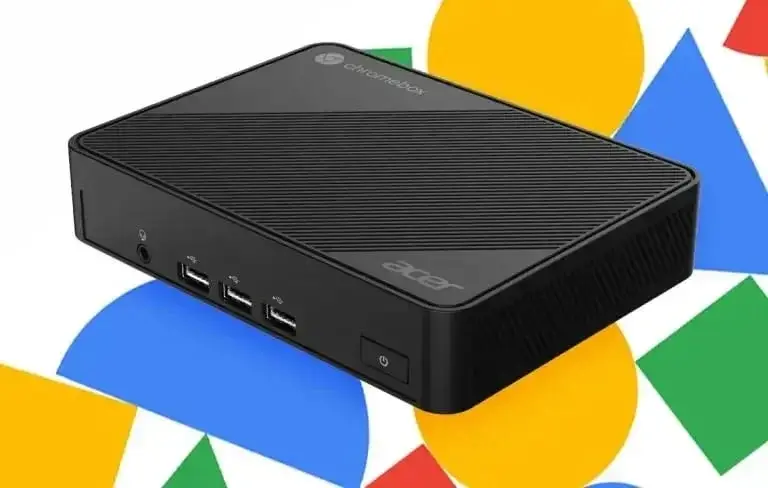
    Acer announced its new fanless Chromebox Mini in the Audiovisual Technology and System Integration Exhibition (ISE 2024), specifically designed for the digital signage market. This compact yet powerful device offers scalability and high cost-effectiveness, catering to the needs of small and medium-sized enterprises seeking innovative digital solutions.

    A Versatile and Efficient Solution

    Acer’s Chromebox Mini stands out for its versatility and efficiency, providing businesses with an effective means of communication with customers. Equipped with dual HDMI 1.4b and USB Type-C ports, the device supports up to three video outputs simultaneously, enabling flexibility in display configurations.

    The Chromebox Mini’s compact, fanless design ensures quiet operation. It becomes a worthy feature for certain use cases. Additionally, the device boasts support for Wi-Fi 6, Bluetooth 5.2, and Gigabit Ethernet ports, offering seamless connectivity options. Its compatibility with Chrome USB keyboards and mice, as well as VESA mounting kits, ensures maximum adaptability to any display and signage system.

    Ports

    The Chromebox Mini offers the following ports:

    • 5 USB Type-A ports (3 at the front, 2 at the back)
    • 1 headphone port
    • 1 USB Type-C port
    • 2 HDMI ports
    • 1 Ethernet port

    While Acer has yet to announce the pricing and release date for the Chromebox Mini, the highlight of the device lies in its capability to stream content to three screens simultaneously. This feature positions the Chromebox Mini as a versatile and efficient solution for businesses looking to enhance their digital signage capabilities.

    With its compact design, robust features, and focus on scalability and cost-effectiveness, Acer’s Chromebox Mini holds promise for small and medium-sized enterprises seeking to elevate their digital signage experiences.

  • Victory for Apple in Lawsuit Concerning Tim Cook’s and Other Executives’ Compensation

    Victory for Apple in Lawsuit Concerning Tim Cook’s and Other Executives’ Compensation

    A federal judge in Manhattan has dismissed a lawsuit brought against Apple, alleging improper compensation to CEO Tim Cook and other top executives. The lawsuit, filed by a pension fund affiliated with the International Brotherhood of Teamsters, accused Apple of overpayment due to miscalculations in the value of performance-based stock awards.

    Allegations of Overpayment

    The crux of the allegations revolved around claims that Apple had overpaid Tim Cook and four other executives by tens of millions of dollars, with payments exceeding the intended amounts as specified by the compensation committee. Specifically, the plaintiff argued that the fair value of performance-based restricted stock units (RSUs) had been incorrectly calculated, potentially misleading shareholders.

    Judge’s Ruling in Favor of Apple

    However, U.S. District Judge Jennifer Rochon found in favor of Apple, highlighting that the company had adequately disclosed its compensation methods in its 2023 proxy statement, thereby complying with securities laws and regulations set forth by the US Securities and Exchange Commission (SEC). Judge Rochon also emphasized the absence of evidence indicating improper actions by Apple’s board of directors in determining executive pay.

    Timing of Legal Action

    One of the focal points of the case was the timeframe within which the plaintiff pursued legal action. Allegations surfaced that the pension fund did not afford Apple’s board sufficient opportunity to address its objections before filing the lawsuit, a contention that likely influenced the judge’s decision.

    Details of Tim Cook’s Compensation

    According to details revealed in Apple’s proxy filings, Tim Cook received substantial compensation, totaling approximately $99 million annually for both 2021 and 2022, with a significant portion attributed to stock awards. However, his total pay saw a decline in 2023, amounting to $63.2 million.

    Apple’s Legal Victory

    The lawsuit’s dismissal represents a legal victory for Apple, underscoring the company’s adherence to regulatory requirements and corporate governance standards in its executive compensation practices. It also serves as a reaffirmation of the transparency and compliance measures implemented by Apple in disclosing its compensation methodologies to shareholders.

    Importance of Transparency and Accountability

    While this ruling provides clarity on the matter, it also highlights the importance of thorough due diligence and adherence to procedural requirements in corporate governance disputes. As companies continue to navigate complex regulatory landscapes, cases such as these underscore the significance of transparency and accountability in executive compensation practices.


  • Windows Devices Now Supported with Apple’s New TV, Music, and Devices Apps

    Windows Devices Now Supported with Apple’s New TV, Music, and Devices Apps

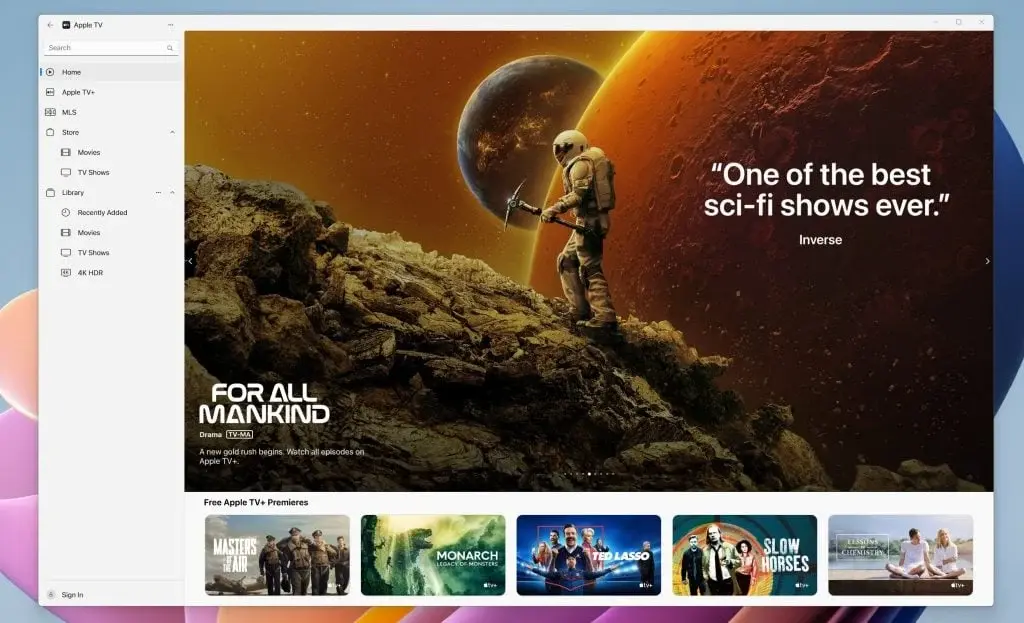
    After a long, long wait, Apple is changing how Windows users enjoy its services by launching three new apps: Apple TV, Apple Music, and Apple Devices. The company is aiming towards reducing Windows users’ need for iTunes, offering a more direct and streamlined way to access Apple’s entertainment and device management features.

    Apple worked closely with Microsoft to ensure the quality of these apps

    After a period of testing and feedback, these apps are no longer just a preview. Apple worked closely with Microsoft to ensure these apps were ready for the public – a joint effort to improve the user experience across different platforms.

    Access to a world of content

    For those who love watching TV shows and movies or listening to music, the Apple TV and Apple Music apps open up a world of content. Windows users can now easily watch their favorite shows or listen to music from their iTunes library or through Apple’s subscription services. The Apple Devices app makes managing iPhones and iPads from a Windows PC easier, offering options to back up, restore, and sync content.

    iCloud for Windows app update

    Alongside these new apps, Apple has updated the iCloud for Windows app, making it work better with Windows systems. This is part of a larger effort to ensure Windows users can enjoy a seamless experience with their services. Microsoft has also embraced this collaboration, integrating iCloud Photos into Windows 11‘s Photos app.

  • Expanding the Microsoft Copilot window for enhanced chat space

    Expanding the Microsoft Copilot window for enhanced chat space

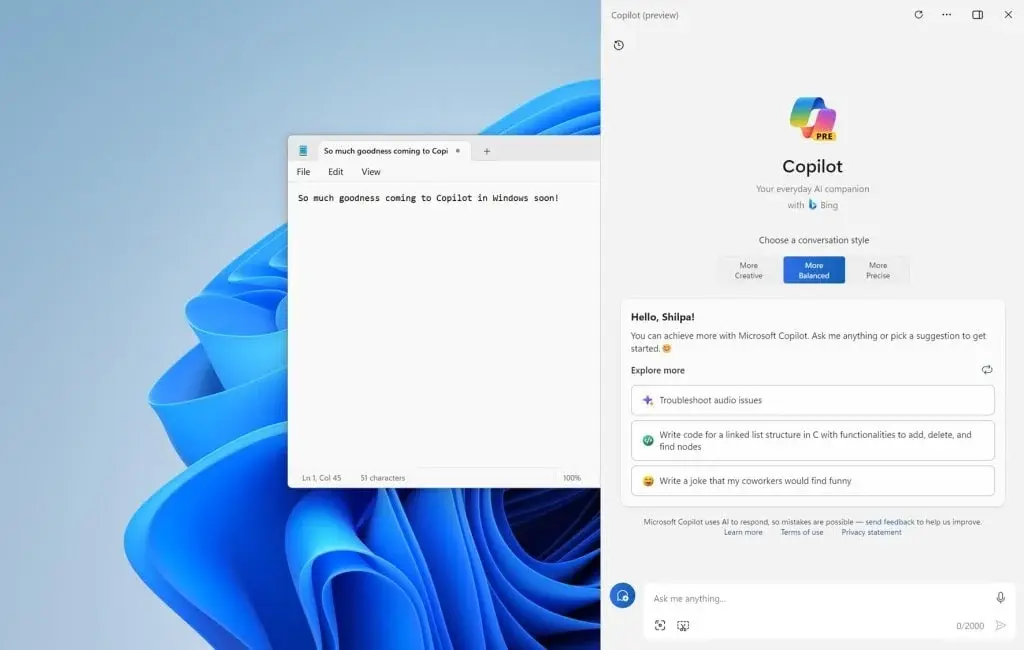
    Microsoft recently announced updates to its Copilot for Windows, responding to user feedback with a small yet significant change. Shilpa Ranganathan, Corporate Vice-President for Windows at Microsoft, shared the news on her X (formerly Twitter) account, revealing that the chat windows for Copilot will now launch with a larger chat space by default, addressing a common user request.

    Improved Chat Window Size

    Ranganathan emphasized that users can still resize the Copilot chat window according to their preferences, with the option to switch back to a thinner side-by-side window if desired. Moreover, she hinted at the possibility of additional chat window size options in the future, including the potential for the Copilot window to occupy the entire screen or one monitor in a two-monitor desktop PC setup.

    Enhanced Side-by-Side Functionality

    In addition to the larger default chat window size, users will now find a dedicated button to make Copilot appear side by side with another open window. This feature allows Copilot to cover half the screen alongside any open app and seamlessly returns to overlay mode with another click of the button.

    Potential for Full-Screen Support

    Responding to a user suggestion for full-screen support, Ranganathan acknowledged that Microsoft is considering this idea. Given that Copilot operates as a web-view implementation and co-exists with the Edge browser, implementing full-screen support should be feasible. Users are advised to ensure they have the latest version of Microsoft Edge installed to access these new features.

    The updates to Copilot underscore Microsoft’s commitment to improving user experience and responsiveness to feedback. As Ranganathan indicates, there is much more to come for Copilot in Windows, suggesting ongoing development. Keep an eye here for interesting future additions to Copilot and more.

  • Foxconn announces plans to invest INR 1,200 crore in India for construction of new chip manufacturing facility.

    Foxconn announces plans to invest INR 1,200 crore in India for construction of new chip manufacturing facility.

    Foxconn Expands Presence in India with New Chip Assembly and Testing Plant

    Foxconn, the largest iPhone manufacturer and a key supplier to global tech firms, is making a significant move to expand its presence in India. The company is investing Rs. 1,200 crore ($150 million) in a new chip assembly and testing plant in partnership with the HCL Group. This investment aims to tap into the growing semiconductor industry in India and further extend Foxconn’s global manufacturing reach.

    Strategic Investment in India’s Tech Sector

    This latest investment follows Foxconn’s previous announcement in November 2023, where it committed over $1.6 billion through its subsidiary, Hon Hai Technology India Mega Development, for a similar initiative. Despite facing challenges, such as the termination of its joint venture with the Vedanta Group, Foxconn remains dedicated to its expansion plans in India. The company’s continued investments and partnerships in the country demonstrate its commitment.

    Collaboration with Indian Government and Local Partners

    In addition to these investments, Foxconn has been working closely with the Indian government and local partners to enhance its manufacturing capabilities. Just last month, the company announced a $37.2 million investment with the HCL Group for a chip packaging and testing facility, following the termination of its partnership with Vedanta. Foxconn has also partnered with the Tamil Nadu government to establish a new electronic components facility in the Kancheepuram district near Chennai, with an investment of Rs. 1600 crore. This facility will complement Foxconn’s existing operations in India, including its iPhone assembly campus.

    Boosting India’s Ambitions in Semiconductor Manufacturing

    Foxconn’s investments in India are a significant boost to the country’s ambitions of becoming a global center for semiconductor and electronics manufacturing. The company’s confidence in the potential of the Indian market is evident through its continued commitment and strategic partnerships. By establishing a chip assembly and testing plant, Foxconn aims to leverage India’s growing semiconductor industry and expand its manufacturing capabilities.

    With Foxconn’s expansion in India, the country is set to witness a boost in its tech sector and strengthen its position in the global electronics manufacturing landscape. The investments made by Foxconn highlight the growing importance of India as a key player in the semiconductor industry.

  • Introducing Keychron’s Q3 Max Mechanical Keyboard in China, priced from 1148 Yuan ($161)

    Introducing Keychron’s Q3 Max Mechanical Keyboard in China, priced from 1148 Yuan ($161)

    Keychron has recently launched the Q3 Max mechanical keyboard in the Chinese market, and it is now available for purchase on JD.com. This keyboard features a compact tenkeyless (TKL) layout, offering the convenience of a smaller design while still providing the functionality of a full-sized keyboard.

    Switch Options and Pricing

    The Keychron Q3 Max comes with a range of switch options to suit different typing preferences. Users can choose from red, brown, banana switches, or even opt for a version without switches or keycaps. The base model starts at 1148 yuan ($161), while the models with switches are priced at 1268 yuan ($178).

    Keychron Q3 Max Specifications

    When it comes to build and components, the Q3 Max keyboard is equipped with hot-swappable Gateron Jupiter switches, known for their durability and longevity of up to 80 million keystrokes. The keyboard also features KSA double-shot PBT keycaps, ensuring a comfortable and long-lasting typing experience.

    In terms of lighting, the Q3 Max offers a variety of RGB backlighting effects with 22 customizable options through the QMK/VIA software. It also includes a multimedia knob for easy volume control and media playback.

    Customization and Design

    One of the notable features of the Keychron Q3 Max is its support for QMK/VIA remapping, allowing users to personalize key functions according to their preferences. The keyboard adopts a double gasket structure with multiple layers of cushioning materials, such as latex and PET, to enhance both tactile and auditory typing experiences. The double gasket design also reduces acoustic resonance between metals, resulting in quieter typing.

    The Q3 Max’s 87-key + 1 knob design enables easy switching between Windows and macOS layouts, making it versatile for different operating systems.

    Connectivity and Portability

    This keyboard is built for extensive connectivity and personalization. It supports Bluetooth, USB-C, and 2.4G connections, allowing seamless switching between devices without any delays. With its robust ARM Cortex-M4 chip, the Q3 Max boasts a 1000 Hz polling rate on 2.4 GHz and wired modes, ensuring minimal latency even during competitive gaming. It can also connect to up to four devices, including laptops, phones, and tablets, making it suitable for users who work across multiple platforms.

    The Q3 Max has dimensions of 365x137x32 mm (excluding keycaps) and weighs 430g, striking a balance between portability and functionality. It is powered by a 4000mAh battery, offering up to 180 hours of usage in Bluetooth mode. Furthermore, it is compatible with a wide range of operating systems, including Windows, macOS, iOS, and Android.

    Earlier this month, Keychron also released the K3 Max, a low-profile mechanical keyboard with hot-swappable keys.

  • Redmi G Pro Mini LED Gaming Monitor: Now at 2199 Yuan (~$300) for 27-inch Display

    Redmi G Pro Mini LED Gaming Monitor: Now at 2199 Yuan (~$300) for 27-inch Display

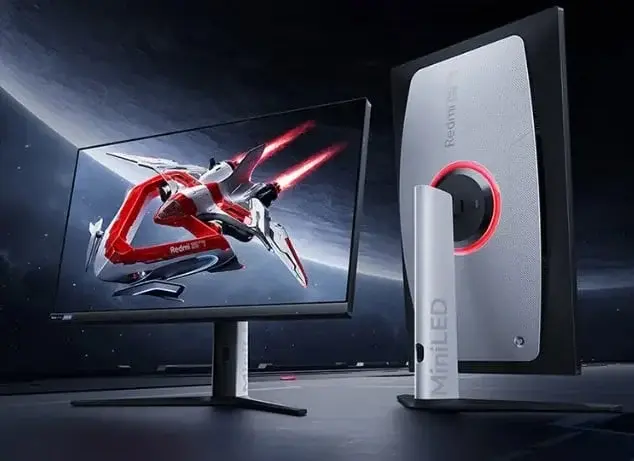
    Xiaomi has unveiled its latest addition to the Redmi display lineup with the launch of the Redmi G Pro 27-inch monitor, now available for pre-sale on JD.com. Customers can secure this cutting-edge display at a pre-sale price of 2,199 yuan (~$300). The Redmi G Pro 27 boasts impressive features and specifications aimed at delivering a premium visual experience for users.

    Technical details of this Mini LED gaming monitor

    Equipped with 1152 partition Mini LED technology and 4608 lamp beads, the Redmi G Pro 27 promises precise control over screen brightness and detail, ensuring a visually immersive experience. Offering four-level light control modes and a dynamic backlight function, users can tailor their display settings to suit various usage scenarios, whether it’s gaming, multimedia consumption, or professional tasks.

    This monitor sets itself apart with its remarkable specifications.

    It offers a peak brightness of 1000 nits and a black point brightness of 0.001 nits, coupled with HDR1000 support and a dynamic contrast ratio of 1000000:1. In short, the Redmi G Pro 27 delivers stunning visuals with deep blacks and vibrant highlights. Moreover, its impressive 180Hz refresh rate and 1ms GTG response time ensure smooth, blur-free motion and fast-paced gaming experiences, complemented by FreeSync anti-tearing technology for seamless gameplay.

    Designed with eye comfort in mind

    In terms of eye comfort and color accuracy, the Redmi G Pro 27 doesn’t disappoint. It has obtained TÜV low blue light certification, allowing users to filter short-wave blue light when the low blue light mode is activated, reducing eye strain during prolonged use. Additionally, with support for 100% sRGB, 99% DCI-P3, and 97% Adobe RGB color gamuts, along with a color accuracy of ΔE<2 and a 10-bit color depth, this monitor delivers precise, true-to-life colors with over 1.07 billion colors available.

    Three-sided narrow frame design with joystick control

    Visually striking both inside and out, the Redmi G Pro 27 features a sleek three-sided narrow frame design and convenient joystick control for easy navigation of settings. The stand offers versatile adjustments, including front and rear pitching, up and down lifting, left and right rotation, and even vertical screen rotation, ensuring optimal viewing comfort for users.

    Available ports:

    • 2 x DP1.4
    • 2 x HDMI 2.0

    In summary, the Redmi G Pro 27-inch monitor presents a compelling option for users seeking a high-performance display for gaming, content creation, and professional tasks.