Category: Computers

  • Garmin G3000 PRIME: Advanced FAA-Certified Flight Deck Launched

    Garmin G3000 PRIME: Advanced FAA-Certified Flight Deck Launched

    Garmin has introduced its latest flight deck, known as the G3000 PRIME. This cutting-edge system features full-width, 14-inch touchscreen displays that are designed to be readable in sunlight. The screens are made with fingerprint-resistant glass and offer four times the memory of earlier models, along with gigabit connectivity that enhances responsiveness. The processing capabilities have more than doubled due to the incorporation of new multi-core processors, leading to smoother and quicker animations.

    Enhanced Display Features

    The G3000 PRIME comes with secondary display units that are 40% larger than those found in previous systems. This increase in size will significantly aid in situational awareness for pilots. Additionally, these secondary displays can function as backup flight instruments, minimizing the need for extra tools in the cockpit. Garmin has also equipped this system with a multi-touch interface, capable of recognizing up to 10 touchpoints at once. This feature is expected to improve usability for both the pilot and copilot, particularly during turbulent or challenging situations.

    Advanced Flight Management

    Moreover, the new system is packed with advanced flight management features, such as graphical previews of flight plans and Emergency Return capabilities. With enhanced connectivity options like PlaneSync technology, users can log data remotely and upload flight plans conveniently. The system supports communications with air traffic control through FAA Data Comm and Eurocontrol Link 2000+, ensuring streamlined interactions.

    Garmin has integrated several safety features into the G3000 PRIME, including Autoland, Smart Glide, and Electronic Stability Protection. The system has achieved FAA TSO certification, making it suitable for Part 23 turbine, military, and advanced air mobility sectors. Manufacturers are expected to announce the first aircraft equipped with the G3000 PRIME shortly, according to Garmin.

    Garmin via PR Newswire.


    Image 1
    Image 1
  • Intel Core i3 N350 Benchmark Shows Modest Integrated Graphics

    Intel Core i3 N350 Benchmark Shows Modest Integrated Graphics

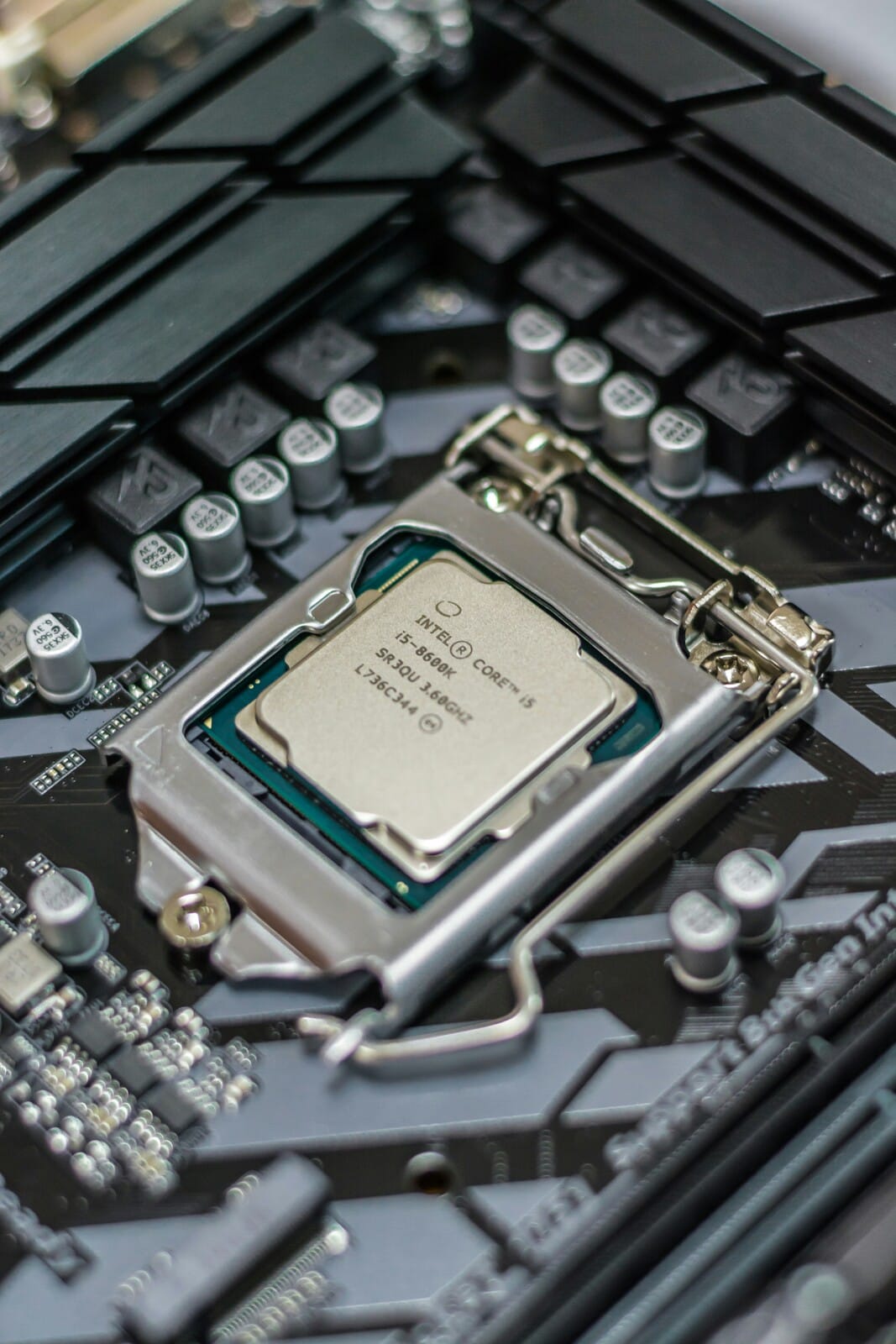
    A recent Geekbench 5 OpenCL score for Intel’s upcoming Core 3 N350 processor has emerged on X, offering us a glimpse into its potential graphics capabilities. It appears that the N350 will be utilizing Intel’s previous generation integrated graphics technology.

    Graphics Performance Overview

    The GPU of the N350 achieved a score of 6,191 points in the benchmark test. To give you a better perspective, here’s how it compares to several other graphics solutions:

    It’s important to note that these are preliminary benchmarks, meaning the ultimate performance might differ. Additionally, synthetic benchmarks don’t always accurately reflect the real-world experience of using the hardware.

    Implications for Core 3 CPUs

    If these scores hold true, they indicate that the Core 3 CPUs may deliver mediocre graphics performance, a contrast to Intel’s Core Ultra series, which features more advanced graphics and includes built-in Neural Processing Units (NPUs).

    The absence of an NPU in the Core 3 lineup might not be a significant concern for many users. However, if the graphics performance genuinely falls short, it could deter budget-conscious individuals in need of satisfactory integrated graphics.

    TomsHardware (in English) via @BenchLeaks (in English)

  • UCL Research Sets Wireless Speed Record at 938 Gb/s, 9,400x Faster

    UCL Research Sets Wireless Speed Record at 938 Gb/s, 9,400x Faster

    Researchers at UCL have made a significant breakthrough in wireless data transfer, achieving an impressive speed of 938 Gigabits per second (Gb/s) within a frequency range of 5–150 Gigahertz (GHz). This remarkable speed is almost 9,400 times quicker than the average 5G download speed in the UK, which stands at 100 Megabits per second (Mb/s). The findings are detailed in the Journal of Lightwave Technology, where they reveal that the team has surpassed previous records in wireless transmission by using a bandwidth nearly five times larger than what has been used before.

    Addressing Frequency Limitations

    Wireless networks usually work at lower frequencies, typically below 6GHz, which often causes network congestion and restricts data transmission speeds. The team at UCL tackled this issue by merging radio and optical technologies, resulting in a much more efficient method for sending data across a broader frequency range. This innovative approach opens up new possibilities for data transmission.

    Future Implications

    This technology is anticipated to be a major advancement in wireless communication by offering faster and more dependable connections for devices. It holds promise for enhancing Wi-Fi speeds in homes, improving mobile internet access in crowded areas, and aiding the development of future 5G and 6G networks. The implications of this research could transform how we connect and communicate in the future.

    Despite being in the experimental phase, researchers are already looking ahead to create a commercial prototype in the next few years, aiming to bring this technology to consumers and businesses alike.

    Conclusion

    With such significant advancements in wireless technology, the future of data transmission looks promising. By addressing current limitations and pushing the boundaries of speed and efficiency, UCL’s research paves the way for a new era in wireless communications.

    Published by IEEE Explore and highlighted in Interesting Engineering.


    Image 1
  • Apple Gears Up for M4 MacBook Pro Launch with Increased Production

    Apple Gears Up for M4 MacBook Pro Launch with Increased Production

    Apple recently held the ‘It’s Glowtime’ event last month, during which they introduced the iPhone 16 series, new AirPods, and a new Watch. However, there were no new MacBooks or iPads shown at this event.

    Possible October Event

    There have been rumors online suggesting that Apple might host another event in October, where they could reveal the latest MacBooks and Mac Minis that come with the M4 chip.

    Even though Apple hasn’t confirmed this rumored event yet, it seems like the release of new MacBooks is on the horizon.

    New MacBook Pros on the Way

    A recent report from DigiTimes indicates that Apple is preparing to launch new MacBook Pro M4 models in October 2024, potentially providing a short-term uplift in the sluggish notebook market.

    The report pointed out that revenue reports from component makers like Jarllytec and Shin Zu Shing for September show an increase in shipments, thanks to Apple’s upcoming launch.

    Exciting New Releases

    Alongside the MacBook Pro M4, there are also claims about a redesigned Mac Mini M4. This mini PC is expected to be about the same size as an Apple TV and will feature USB-C ports.

    In case you haven’t heard, Apple announced the iPad Mini 7 yesterday. This device follows the iPad Mini 6 (currently priced at $379.99 on Amazon), which hit the market in 2021. Pre-orders for the iPad Mini 7 are now open.

  • Infinix InBook Air Pro+: 3 Reasons It’s a Game Changer

    Infinix InBook Air Pro+: 3 Reasons It’s a Game Changer

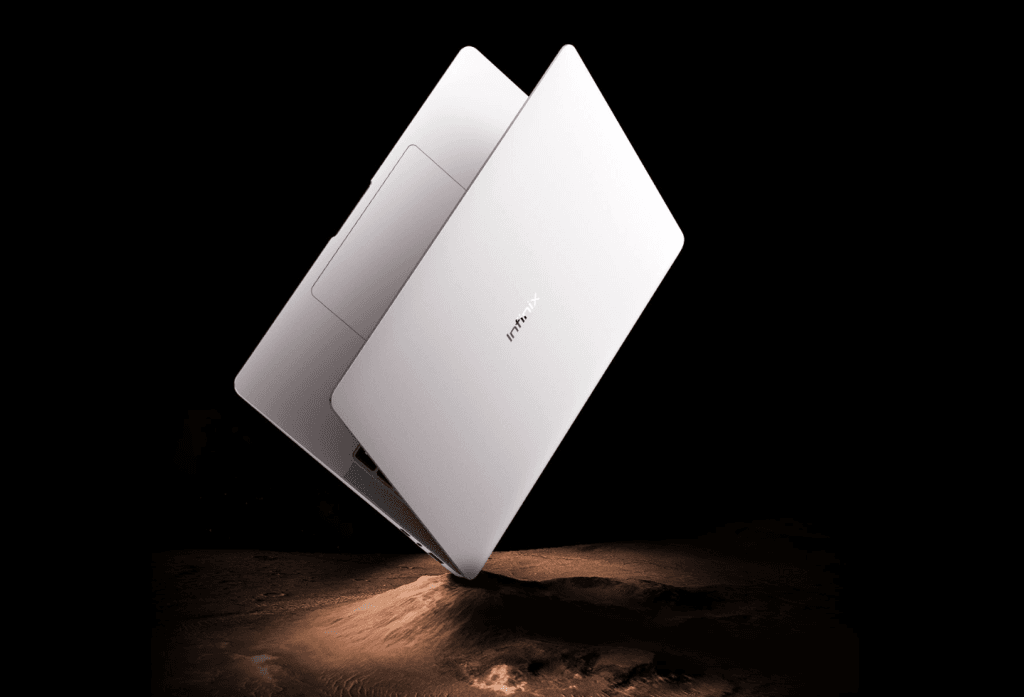
    Just yesterday, Infinix revealed the Inbook Air Pro+ as its newest laptop along with the Zero Flip foldable phone. At first glance, it may appear to be just another lightweight laptop, but it’s a significant player in the market. Here’s why it could very well be the best notebook available for its cost.

    Stunning Display of the Infinix Inbook Air Pro+

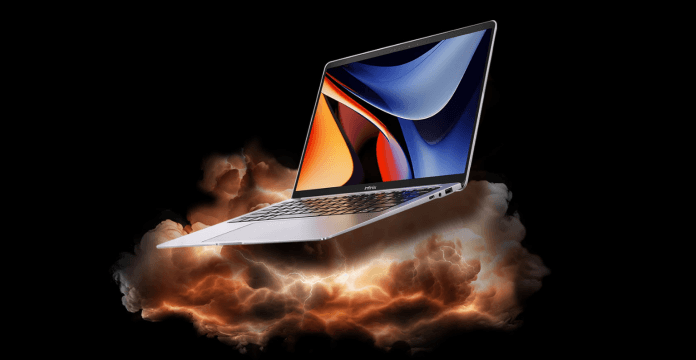
    I got the chance to test the Inbook Air Pro+ during the launch event. One of the first things that stood out to me was its stunning display. The laptop features a 14-inch OLED screen that boasts a 2.8K resolution and a 100 percent sRGB color gamut, in addition to a DCI P3 color gamut. Positioned at the top of the display, the notch contains an infrared camera that enables Windows Hello facial recognition.

    This display guarantees sharp images and vivid colors. An OLED screen provides genuine blacks and a brighter viewing experience, making it perfect for enjoying your favorite films and videos. With a price of only 49,990 INR, it’s rare to find an OLED screen at this cost. But that’s not the end of the story; an OLED screen bundled with this laptop is another significant advantage. Let’s explore what else it has to offer.


    Image 1
  • Exynos 2500 Geekbench: Unique CPU Setup, Weak GPU Performance

    Exynos 2500 Geekbench: Unique CPU Setup, Weak GPU Performance

    Even with increasing signs of the Exynos 2500’s delay, Samsung has yet to make a final decision about it and intends to do so shortly. We had a sneak peek at the SoC on PowerBoard, where its GPU displayed a solid improvement compared to previous generations. In contrast, its performance on Geekbench isn’t as striking.

    Performance Metrics

    The Exynos 2500 (s5e9955) achieved a score of 15,960 points in Geekbench’s OpenCL test. This score falls short when compared to the Exynos 2400’s Xclipse 940, which scored 16,946 points in the same benchmark. However, it’s worth considering that what we’re seeing might be a pre-production version, and the scores are likely to improve as development continues. The Xclipse 950 has a maximum clock speed of 1.3 GHz and features 8 WGPs (which equate to 16 CUs).

    CPU Architecture Insights

    We’ve also caught our first look at the Exynos 2500’s CPU configuration. Unlike its predecessor, which had a 1+2+3+4 layout, this new chip opts for a unique 2+5+3 arrangement. The two E-cores operate at 1.75 GHz, the five mid-tier cores run at 2.25 GHz, and the three P-cores clock in at 2.59 GHz. Naturally, these clock speeds are not set in stone and may be altered before the product’s official launch. When it comes to raw clock speed, the Exynos 2500 lags significantly behind competitors like the Dimensity 9400 and Snapdragon 8 Gen 4 (also known as Snapdragon 8 Elite), making it interesting to see how it will compete in the market.

    Geekbench


    Image 1
  • Microsoft Surface Laptop 8 Leak: Intel Lunar Lake Processors

    Microsoft Surface Laptop 8 Leak: Intel Lunar Lake Processors

    Microsoft made a big move earlier this year by choosing Qualcomm’s Snapdragon X chipsets exclusively for its new consumer Surface Laptop and Surface Pro models. These releases of Snapdragon X Plus and Snapdragon X Elite also came with fresh designs for the Surface Laptop and Surface Pro line.

    Older Models Remain Unchanged

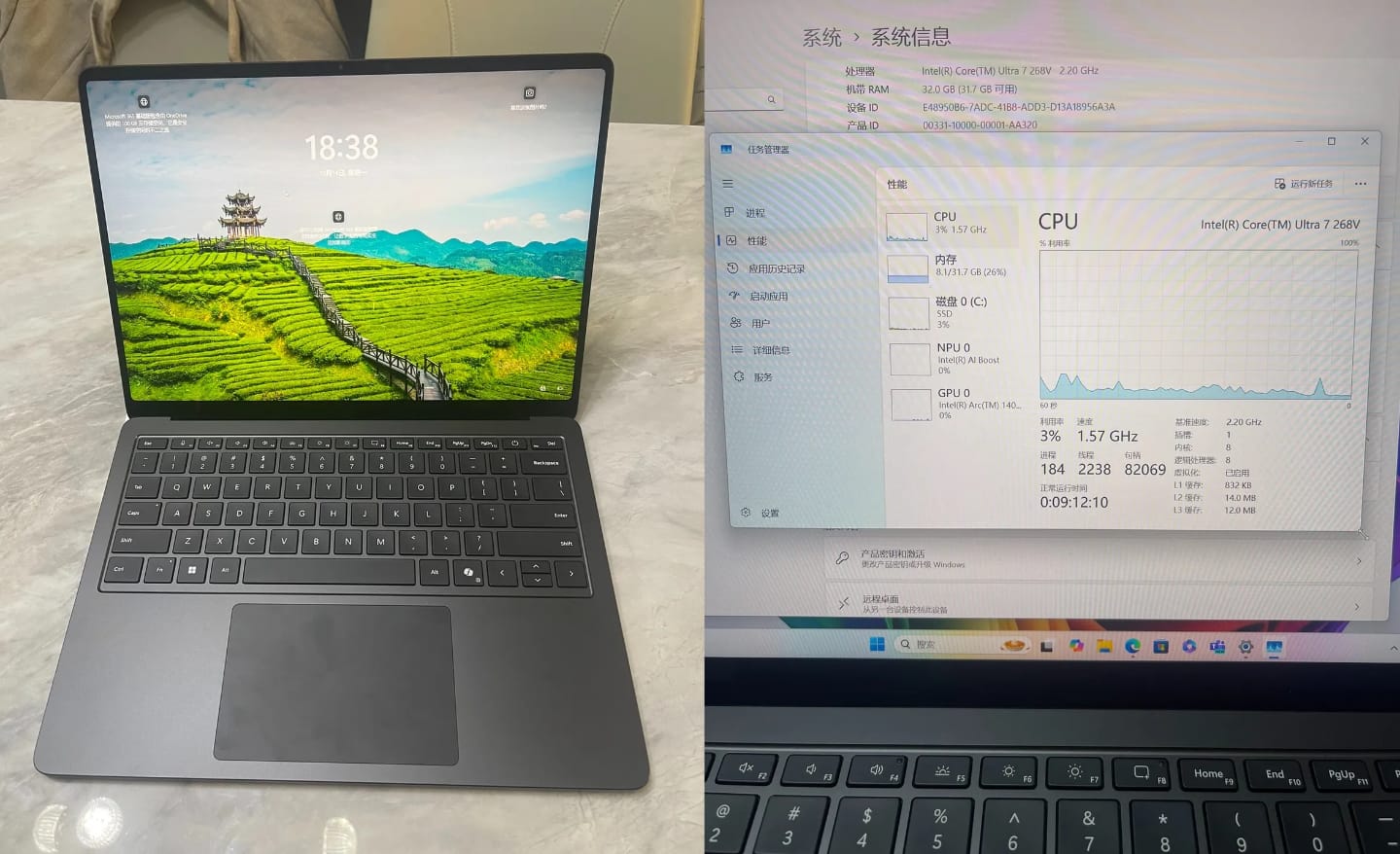
    In contrast, the older Surface Laptop 6 for Business and Surface Pro 10 for Business stuck with x86 processors, missing out on the redesigns of their ARM counterparts. However, a curious Reddit user has found hints that a refresh based on Intel’s Lunar Lake might be coming for at least the Surface Laptop. This information was reported by sources like Windows Central and VideoCardz and seems to come from a brief listing on the Chinese site Goofish, where the device was available for a short time.

    Potential for a New Release

    We can’t completely dismiss the possibility that this might be an elaborate hoax. Still, this leak does remind us of a similar one from a few years back that was related to what became the Surface Pro 7 Plus. Moreover, the engraving saying ‘PROTOTYPE – NOT FOR SALE’ on the bottom of the device adds some credibility to the images shown below.

    Details on the Surface Laptop 8

    Regardless, the rumored Surface Laptop 8 appears to have the same design introduced earlier this year with the Surface Laptop 7 (currently priced at $943.95 on Amazon). The Snapdragon X platform has been replaced with Intel’s Lunar Lake architecture, which includes 32 GB of RAM as seen below. Our latest analysis of Intel’s Lunar Lake showed that the Core Ultra 7 268V sacrifices some multi-core CPU performance for better power efficiency and a significantly faster integrated GPU.

    In fact, even demanding games like Cyberpunk 2077 can run at 1080p, which is much better than what the Snapdragon X Elite can handle. The Lunar Lake-based Surface Laptop is anticipated to launch in 2025, but the exact timing is still uncertain. While CES 2025 in January seems like a likely time for the launch, Microsoft might choose to wait until spring, as it has done in the past.

    Sources: Goofish via u/Akaza_Dorian, Windows Central & VideoCardz.


    Image 1
    Image 1
  • Infinix INBOOK AirPro Plus: Affordable 2.8K OLED Laptop with i5 CPU

    Infinix INBOOK AirPro Plus: Affordable 2.8K OLED Laptop with i5 CPU

    Infinix has recently introduced its first flip phone, the Infinix Zero Flip 5G, during a launch event in India. In addition to this foldable smartphone, the company also unveiled its newest laptop, the INBOOK AirPro Plus. The goal of Infinix is to provide a high-quality computing experience without breaking the bank with this new offering.

    Specifications of the INBOOK AirPro Plus

    The INBOOK AirPro Plus laptop is powered by a 13th Gen Intel Core i5 processor, which makes multitasking smooth and performance responsive for various tasks. It boasts a 14-inch 2.8K OLED display that covers 100% sRGB and DCI-P3 color gamuts, ensuring vivid colors and clear visuals.

    Weighing only 1kg and measuring just 4.5mm thick, this laptop is made for easy transport, making it a great choice for both professionals and students looking for a lightweight option. It also comes with solid connectivity features, including USB-C, USB-A, HDMI, a microSD card slot, plus support for Wi-Fi 6 and Bluetooth 5.2.

    Memory and Battery Life

    With 16GB of RAM and a 512GB SSD, the INBOOK AirPro Plus offers plenty of storage for files and applications. Its 57Wh battery allows for 65W fast charging via USB-C, giving users a long-lasting battery life that’s perfect for everyday tasks.

    For added security, the laptop includes an FHD+ infrared camera that works with Windows Hello facial recognition, making logins quick and secure. The backlit keyboard is designed with a dedicated key for Microsoft Copilot, enhancing the typing experience overall.

    Pricing and Where to Buy

    The INBOOK AirPro Plus is priced at Rs 49,990, making it a compelling choice for those in search of a high-performance laptop at an affordable cost. It will be available for purchase on Flipkart starting from October 22.


    Image 1
  • SpaceX Plans Starlink Upgrade for Gigabit Internet Speeds

    SpaceX Plans Starlink Upgrade for Gigabit Internet Speeds

    On October 11, 2024, SpaceX made a formal request to the FCC to modify several aspects of the Starlink Network. These modifications are part of SpaceX’s Gen2 NGSO satellite system, which the company says will introduce a range of enhancements. Specifically, the upgraded network aims to provide gigabit service to its customers. Additional improvements include reduced latency, widespread mobile connectivity, and adjustments to the network to accommodate the rising demand from users.

    Proposed Satellite Adjustments

    To boost the performance of the network, SpaceX is seeking to lower the altitude of three groups of satellites by approximately 8.5 percent from their current nominal height. SpaceX asserts that this adjustment will enhance space sustainability by decreasing the chances of collisions and shortening the time required for the post-mission disposal of Gen2 satellites. In simpler terms, this means that the satellites will have a lower risk of crashing into other objects and will disintegrate in the atmosphere more quickly once they reach the end of their operational life. The transition to a lower orbit will also facilitate the deployment of more satellites in the future, which is crucial given the growing demand for services, particularly in remote regions. Furthermore, SpaceX is looking to modify the number of satellites in each group to maximize coverage.

    Changes to Elevation Angles

    Along with lowering the nominal altitude, SpaceX is proposing a shift in the minimum elevation angle from 25 degrees to 20 degrees. This adjustment would extend the communication time between satellites and ground stations by allowing satellites to keep in touch even when they are closer to the horizon. Despite this potential benefit, there are worries that the lower altitude may interfere with other satellite systems, although SpaceX has provided evidence to counter these concerns.

    In conclusion, there are numerous reservations regarding these proposed modifications, and various stakeholders are opposed to them. Companies like Amazon, along with astronomers and regulatory bodies, have legitimate reasons for their opposition to SpaceX’s plans. For further information on the proposed changes, the full filing is available below.

    FCC filing via Ars Technica and Pixabay.

  • Fujitsu Launches FMV Zero WU5/J3: Lightest 14-Inch Laptop

    Fujitsu Launches FMV Zero WU5/J3: Lightest 14-Inch Laptop

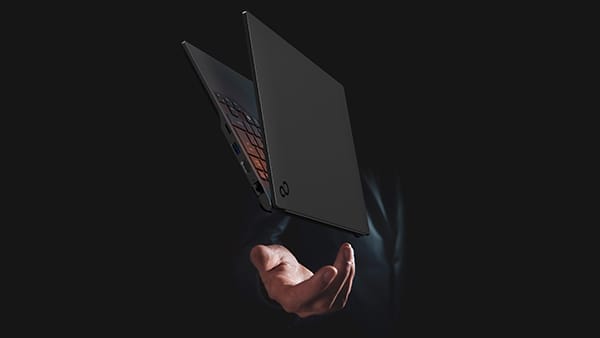
    Fujitsu has introduced the FMV Zero Lifebook WU5/J3, claiming it to be the lightest 14-inch laptop globally. This device features a durable carbon fiber build that meets MIL-STD-810H standards for drop, shock, and pressure resistance. Additionally, it is equipped with an AI NPU and various connectivity options.

    Weight and Battery Life

    The FMV Zero weighs just 634 grams (or 1.4 pounds) and offers a battery life ranging from 6.0 to 11.0 hours. For connectivity, it includes two USB-A ports, two USB-C ports, a full-sized HDMI port, an Ethernet port, a laptop lock slot, a 3.5mm headphone jack, and a microSD card slot.

    Performance Specifications

    The Lifebook can be customized with either an Intel Core Ultra 5 125U or an Intel Core Ultra 7 155U processor. Both options come with integrated AI Boost NPUs, enabling hardware acceleration for AI services such as CoPilot in Windows 11 and Office 2024. Users can choose between 8GB and 64GB of RAM, as well as storage options ranging from 256GB to 2TB of SSD.

    Advanced Features

    Users have the convenience of logging into Windows 11 via fingerprint or facial recognition. The laptop also includes AI-driven Noise Cancellation software that can learn to identify the user’s voice, effectively filtering out other speakers and background sounds during video calls. Moreover, Umore, a beauty-enhancing AI software, tracks users in 3D and applies skin corrections and virtual makeup, working alongside Windows Studio Effects to keep the user’s face framed perfectly.

    The Fujitsu FMV Zero Lifebook WU5/J3 starts at an MSRP of 197,900 yen (approximately $1,325). Customers can place preorders now through the FMV Web Shop, with deliveries expected to commence in mid-November. Sadly, for those outside Japan, options are limited to heavier laptops. For instance, the Surface Pro 10 tablet, available on Amazon, weighs 879 grams (1.9 pounds), making it 39% heavier than the FMV Zero.


    Image 1
    Image 1
    Image 1