Category: Computers

  • AMD Announces Ryzen 7 9800X3D Launch Date in Early November

    AMD Announces Ryzen 7 9800X3D Launch Date in Early November

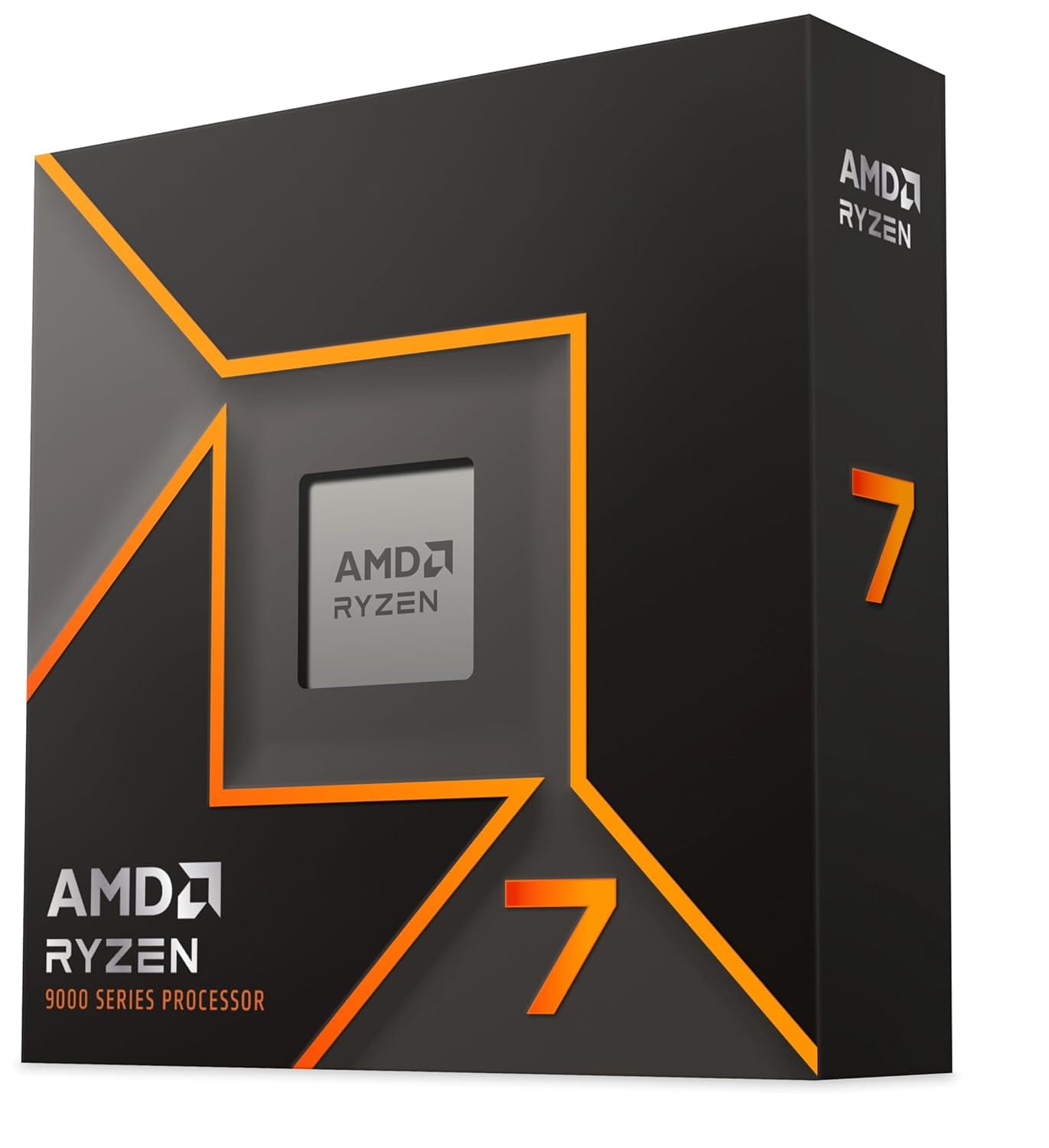
    After a lot of leaks, guesses, and chatter, the highly awaited AMD Ryzen 7 9800X3D is set to launch. You can grab it from selected sellers starting November 7. The price will be announced later, but rumors hint it might be between $500 and $550. Moreover, price reductions for other Zen 5 models will start on October 20.

    Performance Insights

    Recent leaked benchmarks indicate that the Ryzen 7 9800X3D can reach a maximum boost of 5.6 GHz when using Precision Boost Overdrive (PBO). This processor comes with eight cores and 16 threads, featuring a base clock speed of 4.7 GHz, a thermal design power (TDP) of 120 Watts, and a total of 96 MB of L3 cache.

    Similarities to Previous Models

    When it comes to specs, the Ryzen 7 9800X3D is quite similar to the Ryzen 7 7800X3D. The performance improvements will primarily stem from the new Zen 5 architecture and the higher base and boost clock speeds. The added support for overclocking will also give users a chance to squeeze out even more power from this chip.

    AMD

  • AMD Ryzen 7 9800X3D Clock Speed, V-Cache, TDP Details Leaked

    AMD Ryzen 7 9800X3D Clock Speed, V-Cache, TDP Details Leaked

    A recent Cinebench 2024 test indicated that the AMD Ryzen 7 9800X3D may increase its base clock speed to 4.7 GHz, compared to the 4.2 GHz on the Ryzen 7 7800X3D. However, its performance in gaming might not be as stellar in certain games. A document from a motherboard manufacturer was discovered by Videocardz, which confirmed this clock speed and provided additional insights about AMD’s new CPU.

    Specifications Unveiled

    The AMD Ryzen 7 9800X3D retains the same 96 MB of L3 cache as the previous two Ryzen 7 X3D models. It also features a thermal design power (TDP) of 120 Watts. While other specifications remain unclear, it is anticipated that it will maintain the 8-core configuration, with one chiplet having complete access to the additional L3 cache.

    Anticipated Launch Date

    Although AMD has not officially announced it yet, the Ryzen 7 9800X3D is projected to be released on October 24, with sales expected to start a week or two later. The other two Zen 5 X3D models, the Ryzen 9 9900X3D and Ryzen 9 9950X3D, are anticipated to debut next year, and if the rumors hold true, they might feature enhanced 3D V-cache.


    Image 1
  • TSMC Denies Intel Fab Acquisition Rumors

    TSMC Denies Intel Fab Acquisition Rumors

    TSMC, the biggest contract chipmaker in the world, has clearly shut down any discussions about acquiring Intel’s manufacturing facilities. This comes at a time when Intel’s foundry division is having a hard time attracting clients, raising questions about CEO Pat Gelsinger’s IDM 2.0 strategy and its potential success.

    TSMC’s Firm Stance

    During a recent earnings call, TSMC’s CEO, C.C. Wei, was very straightforward, stating, “Are we interested to acquire one of IDM’s fabs? The answer is no, OK? No, not at all.” This direct response effectively ends the rumors about who might take over Intel’s fabs if they choose to sell their manufacturing operations.

    Reasons Behind the Speculation

    The talk surrounding Intel’s fabs stems from various considerations. To begin with, there’s the financial aspect. Intel’s extensive manufacturing infrastructure would require a substantial amount of money to take control of, and even TSMC, despite its vast resources, would think long and hard before proceeding. Additionally, there’s the technical challenge. Intel’s fabs are specifically designed for their own products and processes, making it a difficult and costly task to adapt them for use by other companies.

    Different Business Models

    The contrasting operational styles of the two companies further contribute to TSMC’s lack of interest. TSMC maintains a streamlined corporate structure, which is quite different from Intel’s approach of tackling large projects and engaging in deep fundamental research. Furthermore, any significant acquisition like this would likely face considerable pushback from antitrust regulators and could potentially escalate geopolitical tensions.

    A Fundamental Clash

    Perhaps the most significant reason for TSMC’s disinterest lies in their differing business philosophies. TSMC focuses solely on being a pure-play foundry, while Intel adopts an IDM model, managing both design and manufacturing internally. These diverging strategies simply do not align, making the possibility of TSMC acquiring Intel’s fabs virtually impossible.

  • Intel Arrow Lake H Series Leaks: 5 Models, 45W TDP Variant

    Intel Arrow Lake H Series Leaks: 5 Models, 45W TDP Variant

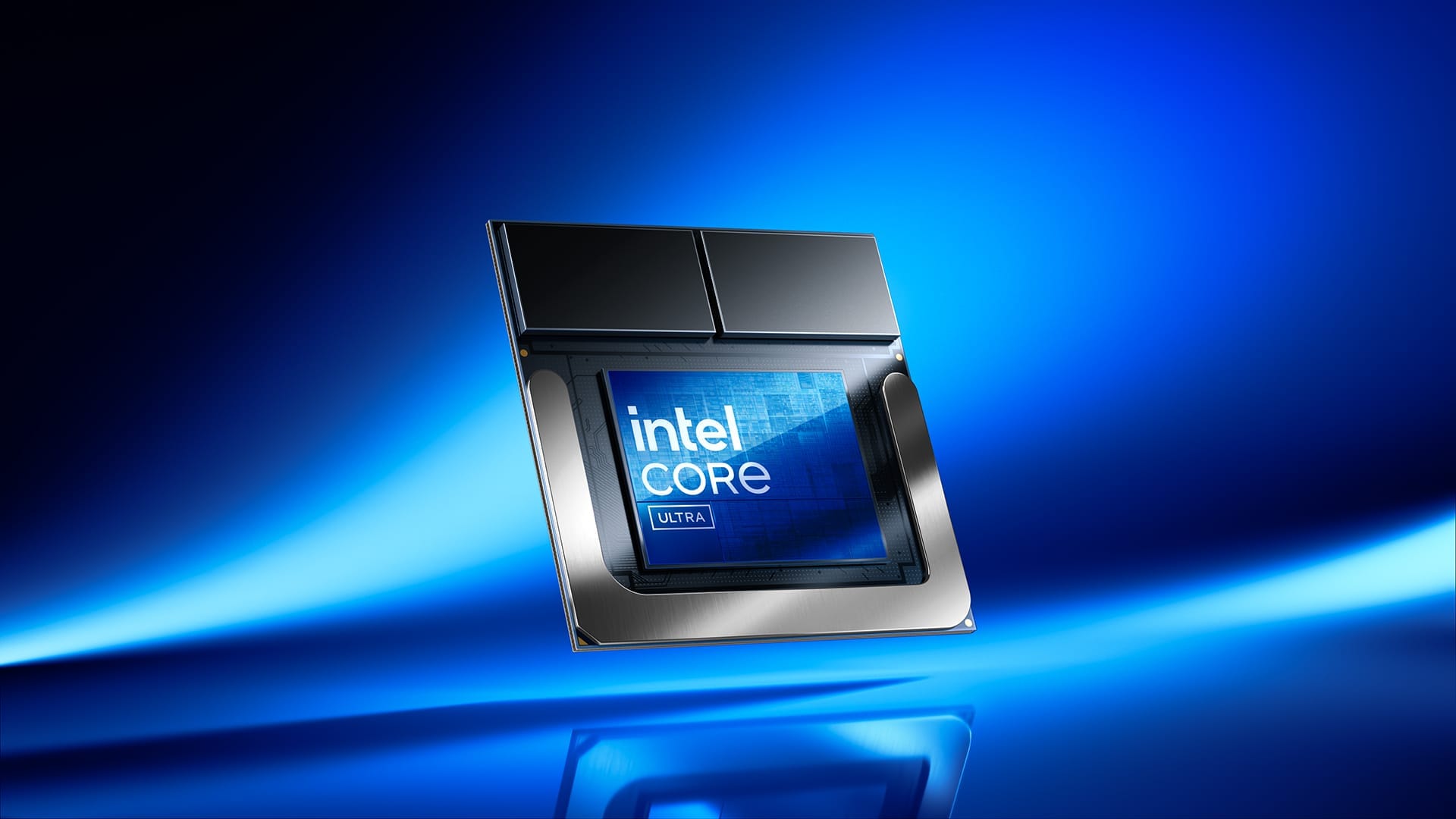
    Intel’s Arrow Lake H series has had its details exposed online. This information comes from the reliable leaker Jaykihn, who also revealed details about Arrow Lake-HX and Lunar Lake earlier this year. The lineup consists of five SKUs, featuring one Core Ultra 9 model at the top. We get a glimpse into its CPU and integrated GPU performance.

    Core Configurations

    It was previously speculated that Arrow Lake-H would include three types of CPU cores. The P-cores are identified as Lion Cove, while the E-cores are Skymont, and the LP-E cores are Crestmont, which are derived from Meteor Lake. It’s still unclear why Intel chose to reintroduce LP-E cores, particularly given their previous underwhelming performance.

    Thermal Design Power

    The only model with a higher performance, the Core Ultra 9 285H, has a TDP of 45 Watts. The other models are limited to 28 Watts, which aligns closely with prior H SKUs. The entire range appears capable of boosting up to 65 Watts (PL2), based on the available information.

    Integrated Graphics

    Furthermore, the Core Ultra 7 265H, Core Ultra 7255H, and Core Ultra 9 285H all feature an integrated GPU with 8 Xe cores. In contrast, the Core Ultra 5 235H and Core Ultra 5 225H come equipped with 7 Xe cores. Each model’s maximum boost clock speeds decrease progressively.

    Jaykihn shared this information on X.

  • M4 MacBook Pro May Offer Up to 28GB Unified Memory

    M4 MacBook Pro May Offer Up to 28GB Unified Memory

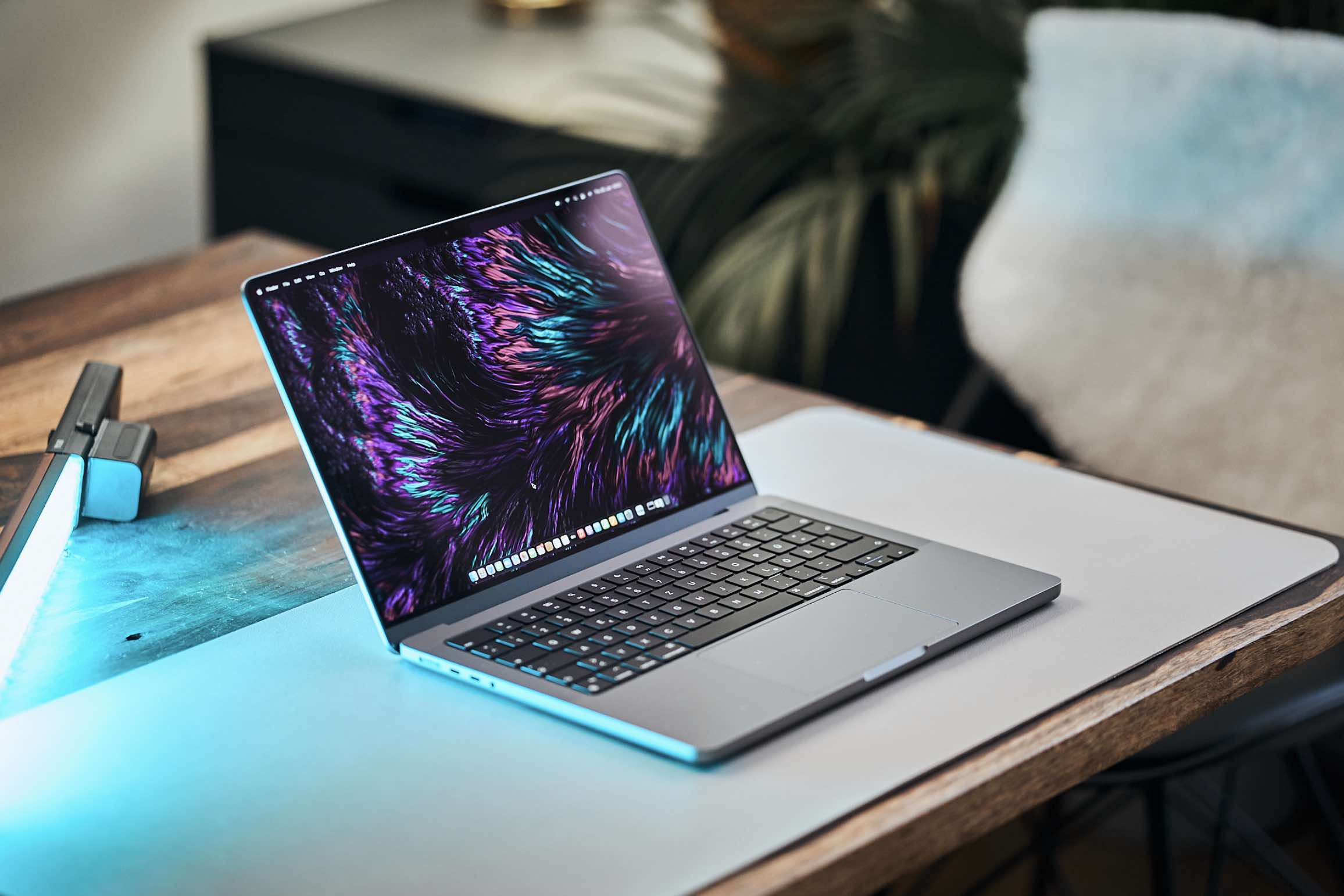
    The internet is buzzing with rumors about Apple’s next M4-powered MacBook Pro models. While the typical insights from market experts are expected, the recent unboxing videos of the M4 MacBook Pro on YouTube have raised some serious concerns about the supply chain.

    Early Look at Upgrades

    These unboxing clips offered a sneak peek at various enhancements that the refreshed base-model 14-inch MacBook Pro will feature, such as double the base memory and an extra Thunderbolt port for connecting additional displays. Additionally, a user on Reddit shared a screenshot that seems to show the purchase page for the upcoming M4 MacBook Pro, potentially revealing more details about the laptop.

    Memory and Storage Specs

    From the screenshot, it appears that the M4 MacBook Pro will kick off with 16 GB of unified memory for the base model, along with 512 GB of storage. Interestingly, higher-tier versions of this base model come equipped with 1 TB of storage and 28 GB of memory, which seems like a strange configuration.

    In contrast, the M3 Pro-equipped MacBook Pro was launched with 18 GB of memory through a triple-channel setup. The 28 GB memory option raises eyebrows, and it will be intriguing to find out how Apple reached that figure. However, there’s a significant concern regarding this rumor—the unboxing video suggested that the M4 MacBook Pro would be available in a Space Black color, which does not appear in the Reddit screenshot.

    Confusion and Speculation

    Honestly, it has become very difficult to discern what’s true and what’s not at this point. The sight of a retail version of an unreleased MacBook Pro being unboxed and benchmarked nearly a month before its actual launch is something nobody anticipated. Yet, here we are again, caught up in the whirlwind of speculation.

    Of course, there’s a chance that the screenshot is merely a result of someone using the ‘Inspect Element’ feature on Apple’s website. Yet, this does not clarify the evident pre-release aspect of the webpage. Furthermore, if that were the case, it would be reasonable to assume that the individual would have opted for a more standard memory configuration like 32 GB, right?

    Awaiting Confirmation

    Overall, it is tough to verify the authenticity of the screenshot at this time. We’re less than two weeks from the projected launch of the M4 MacBook Pro, which means we won’t have to wait long to discover what Apple is preparing for us.

    Reddit.


    Image 1
  • ASUS ROG Thor III PSUs: Premium Power with OLED Display

    ASUS ROG Thor III PSUs: Premium Power with OLED Display

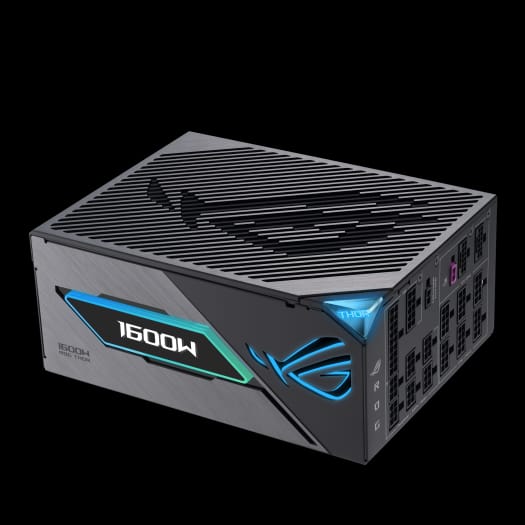
    ASUS has unveiled its newest high-end power supply unit, the ROG Thor III series, which boasts impressive features and advanced technology. This range includes models starting from 1,000W and going up to a powerful 1,600W, making it ideal for enthusiasts who want top-tier setups.

    Key Features

    A standout aspect of these PSUs is the magnetic OLED display. Unlike older versions that are fixed in one location, this display can be positioned wherever it’s most convenient, making it adaptable to different case designs. It also provides real-time information on power consumption.

    ASUS has embraced GaN technology throughout the entire series, potentially improving efficiency by up to 30% compared to standard MOSFETs. This innovation means the units operate cooler and more effectively while adhering to the ATX form factor.

    Enhanced Stability

    The lineup also features GPU-First voltage sensing along with a smart voltage stabilizer. According to ASUS, this setup delivers 45% more stable power to the graphics card, enhancing overall performance.

    Turbo mode activates to handle prolonged peak loads, thanks to a carefully calibrated fan curve. The fans are dual-ball bearing types, designed for a lifespan of up to 80,000 hours, ensuring significant reliability over time.

    Power Options and Components

    The ROG Thor III series offers three power alternatives:

    Every model includes low-ESR capacitors, ROG-branded heatsinks, all-aluminum exteriors, and modular cables adorned with ROG style.

    While ASUS hasn’t disclosed the pricing yet, the previous ROG Thor 1600T was priced at $699, so you can anticipate these new options to be similarly priced.

    On a positive note, ASUS supports these power supplies with a robust 10-year warranty, providing customers with confidence regarding long-term performance and durability.

  • ThinkPad P1 Gen 7: 165Hz Screen vs. Battery Life Issues

    ThinkPad P1 Gen 7: 165Hz Screen vs. Battery Life Issues

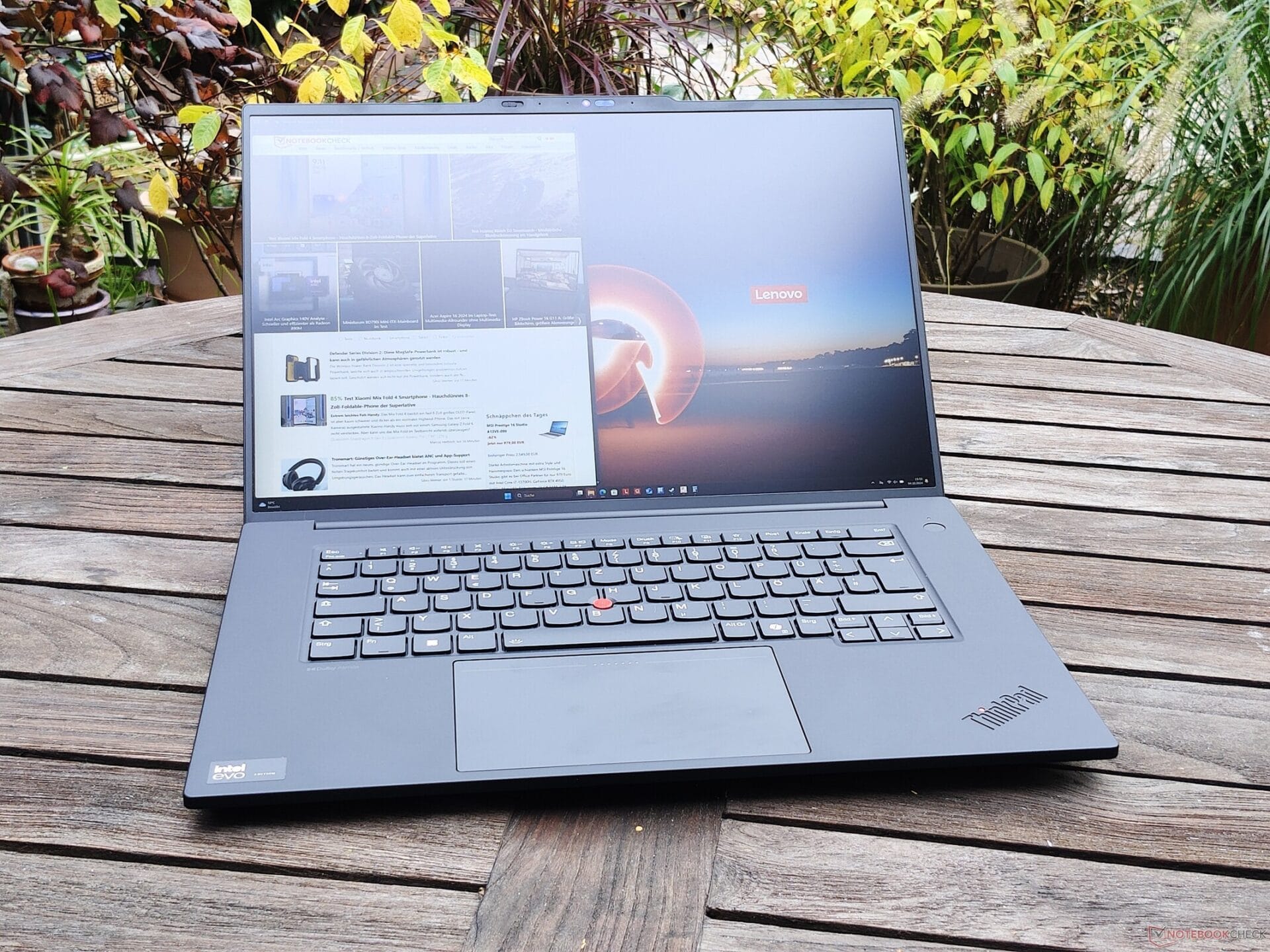
    Screens with high refresh rates are really awesome. They make gaming feel much smoother, and scrolling the web is more fluid too. Lately, many high-end smartphones have included these high refresh rate screens, and now premium laptops are also starting to feature them. A good example of this is the Lenovo ThinkPad P1 Gen 7, which we recently reviewed in detail. The laptop comes with a WQXGA (2,560 x 1,600) LCD that supports a refresh rate of 165 Hz.

    Battery Life Concerns

    There is, however, a downside: quicker screens use up more power. This leads to decreased battery life. We put it to the test: with the display set at 165 Hz, the ThinkPad P1 Gen 7 (which you can find on Amazon.com for $1,899) lasted for seven hours and 30 minutes during our Wi-Fi battery assessment (at maximum brightness). When we switched the refresh rate to 60 Hz, we saw an improvement. In this mode, the Lenovo laptop managed to run for nine hours.

    Dynamic Refresh Rate Missing

    The effect of the refresh rate on battery life could be less significant since Windows has a feature called Dynamic Refresh Rate. When this setting is turned on, the screen switches automatically between 60 Hz and 165 Hz, which helps save battery. Sadly, the Lenovo ThinkPad P1 Gen 7 does not support this feature. It’s baffling why Lenovo didn’t add this, as it seems like a simple way to enhance battery performance. Therefore, users are left to decide: a smoother experience or longer battery life—there’s no middle ground.

    In conclusion, the Notebookcheck review of the Lenovo ThinkPad P1 Gen 7 highlights these key aspects.

  • Intel Core Ultra 9 285K Beats i9-14900K by 11%, Lags vs Ryzen 9 9950X

    Intel Core Ultra 9 285K Beats i9-14900K by 11%, Lags vs Ryzen 9 9950X

    Intel has recently introduced its Arrow Lake-S series of desktop CPUs, and true to Intel’s style, there are some unique features. This time, the x86 giant has opted for a focus on efficiency, claiming that its new lineup delivers performance similar to the previous Raptor Lake-R models while consuming significantly less power.

    Benchmark Leaks Surface

    As expected, benchmark leaks for the new series are surfacing online. A recent leak highlights the single- and multi-threaded performance of the top-of-the-line Core Ultra 9 285K in CPU-Z and Blender. For those keeping track, the results are both surprising and underwhelming, especially considering that the Arrow Lake-S series lacks hyper-threading support, which might upset some users.

    Performance Insights

    In a prior Passmark test, the Core Ultra 9 285K showcased notable improvements in single-threaded performance, easily taking the top spot. However, due to the absence of hyper-threading, the 285K struggled against last-generation offerings from both AMD and Intel. In the new CPU-Z benchmark leak, the narrative changes. The Core Ultra 9 285K shows an 11% gain in multi-threaded performance, although it still falls short compared to the 14900KS and 14900K in single-threaded tasks.

    Thermal Concerns

    Interestingly, the benchmark results indicate that the Core Ultra 9 285K reached temperatures exceeding 100 degrees C, suggesting that the CPU experienced significant thermal throttling. Nevertheless, it did achieve peak speeds of 5.5 GHz on its P-cores and 4.6 GHz on its E-cores. Whether there was more performance to be had is uncertain, but it’s known that an ASRock Z890 motherboard was used alongside 2 x 16 GB of DDR5-5600 RAM and an RTX 4080 Super.

    Blender Results

    Turning to the Blender benchmark outcomes, the data shows that the Core Ultra 9 285K surpasses the i9-14900K by a notable margin of over 14%, yet it is clearly outperformed by AMD’s Ryzen 9 9950X, which leads the 285K by nearly 7%. The specifics of the hardware used in these tests remain unclear, indicating that the results may not fully reflect real-world performance.

    momomo_us, 9550pro via Twitter


    Image 1
  • Core Ultra 7 265K Beats Ryzen 9 9950X, Outperforms i7-14700K

    Core Ultra 7 265K Beats Ryzen 9 9950X, Outperforms i7-14700K

    Reviews for the Intel Core Ultra 200S “Arrow Lake” CPUs is set to be released on October 24th. However, even before the reviews are officially published, details about the performance of the Core Ultra 200S chips have been leaking consistently. For example, it seems that the top-tier Core Ultra 9 285K will probably not surpass the performance of the Core i9-14900K in gaming scenarios.

    New Benchmark Findings

    Adding to the collection of Arrow Lake information, there’s a new benchmark result for the Core Ultra 7 265K. Recently, Intel’s 20-core Core Ultra 7 265K was listed on the SiSoftware website, showing performance that outshines the Ryzen 9 9950X.

    The Intel Core Ultra 7 265K scored an average of 841.50 GOPS in the “Processor Arithmetic” test from SiSoftware. This score is approximately 2% higher than the Ryzen 9 9950X’s score of 828.40, 4.4% quicker than the Core i9-14900KS, and 6.2% faster than the Zen 4 Ryzen 9 7950X.

    Performance Comparison

    When comparing it with the previous generation Core i7-14700K, the Core Ultra 7 265K shows a considerable improvement of 29%. This is quite fascinating since both CPUs have the same number of cores, but the Core Ultra 7 265K has only 20 threads compared to the 28 threads in the Core i7-14700K (Available on Amazon).

    In other words, Intel seems to have fulfilled its promise of a greater than 15% boost in multithreaded performance from generation to generation, and the absence of hyperthreading does not appear to hinder the performance of the Core Ultra 200 Arrow Lake-S CPUs.

    Marketing Strategy Insights

    Thanks to a leaked slide, it’s evident that the Core Ultra 9 285K will lag behind the Zen 5 CPUs in gaming, a trend that might persist until Panther Lake debuts next year. So, what’s Intel’s game plan for promoting the Arrow Lake CPUs to buyers?

    In their launch communication, Intel mainly promotes the Core Ultra 200 CPUs as superior productivity chips that consume 50% less power than their 14th-generation counterparts and operate cooler. The company is also heavily emphasizing the “AI” aspect, claiming a doubling of throughput.

    Overall, gamers seeking the highest performance may find this Intel generation disappointing. However, for others, the Arrow Lake chips could prove to be solid options.

    Buy the Intel Core i9-14900K on Amazon

    @momomo_us on X, SiSoftware, Teaser image: Intel, Aditya Doula on Unsplash, edited


    Image 1
  • Lenovo ThinkPad T14s G6: Affordable Snapdragon X Plus, OLED, 5G

    Lenovo ThinkPad T14s G6: Affordable Snapdragon X Plus, OLED, 5G

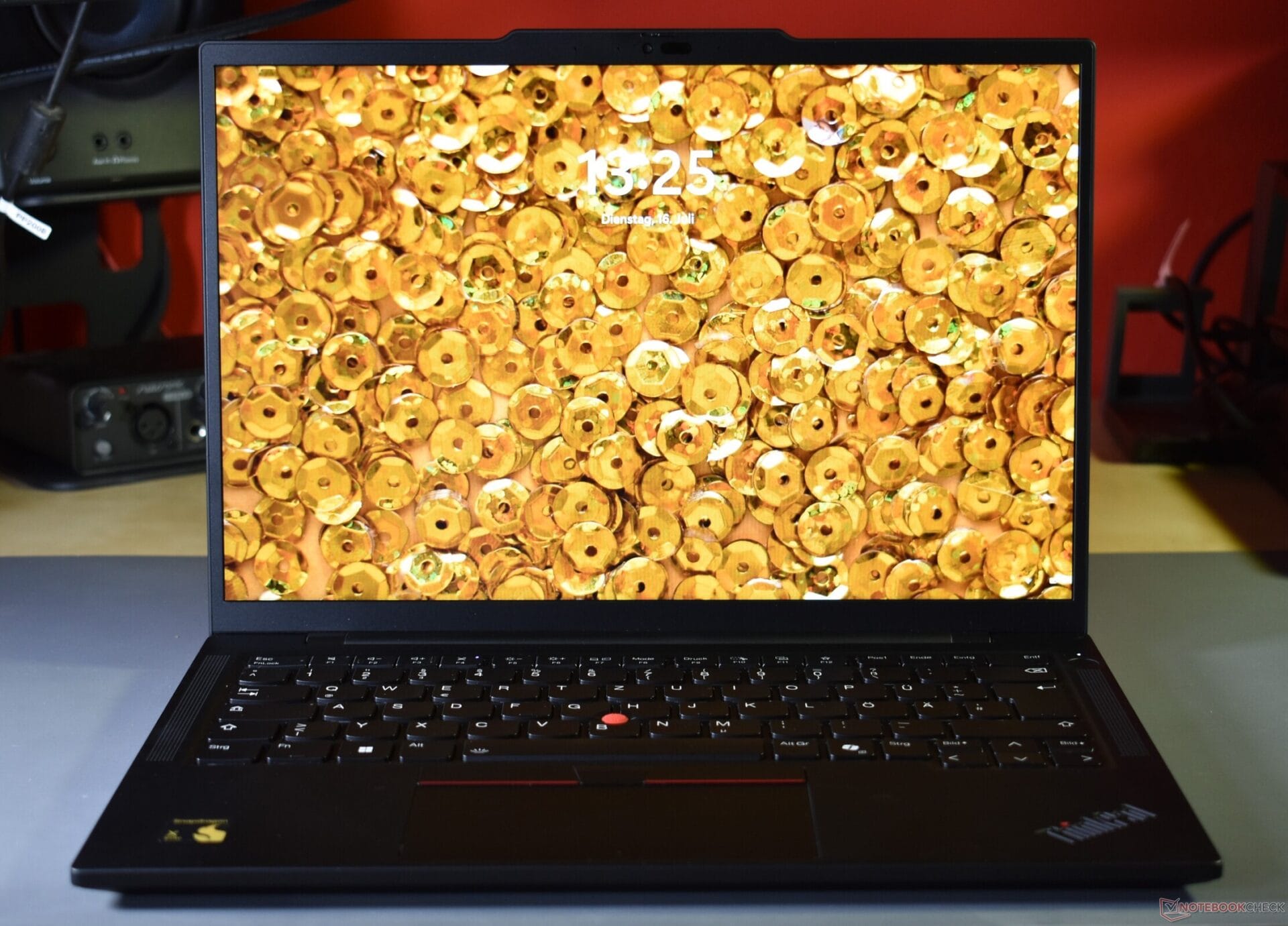
    It’s not often that we see a laptop reach an impressive 22-hour battery life during our Wi-Fi testing. The Lenovo ThinkPad T14s Gen 6, which you can find on Amazon.com for $1,899, hit this milestone. In our detailed review, the device ran for precisely 22 hours and 29 minutes while executing our web-browsing script at a screen brightness of 150 cd/m². As expected, the battery performance turned out to be the standout feature of this sleek black laptop for typical office tasks.

    Limited Options at Launch

    When the T14s Gen 6 was released, it faced criticism due to its limited configurations. Initially, it came with just one screen option, a sole processor, and lacked the anticipated 5G connectivity. However, Lenovo has recently improved this situation by introducing additional choices for the ThinkPad T14s Gen 6, particularly the Qualcomm variant.

    New Processor Choices

    The most surprising addition is the availability of the Lenovo ThinkPad with the Qualcomm Snapdragon X Plus X1P-42-100. This Snapdragon X Plus 8 Core CPU, unveiled at IFA, can match the impressive battery life of the X Elite chips, although it does provide slightly lower performance because it has four fewer cores. Nonetheless, it presents an appealing option for those prioritizing battery longevity while also looking to cut costs. Opting for the X Plus at Lenovo.com can save you $60. Furthermore, this configuration allows users to select 16 GB of RAM instead of 32 GB, which helps lower the initial cost. With 16 GB RAM, a 256 GB SSD, and the Snapdragon X Plus, the Lenovo ThinkPad T14s Gen 6 starts at $1,036, a significant drop from its original base price exceeding $2,000 when it debuted in June 2024.

    Premium Upgrades Available

    On the higher end of the scale, there are two new premium options: a 2.8K (2,880 x 1,800) OLED display that supports a refresh rate of 120 Hz, and the Quectel RM520N-GL 5G Sub6 card. This makes the ThinkPad T14s Gen 6 the first and currently only Snapdragon X laptop to feature 5G connectivity. Both upgrades come with a steep price tag: adding OLED costs $315 in the Lenovo configurator, while 5G connectivity adds another $298.