Category: Computers

  • CalDigit Element Thunderbolt 5 Dock: 4x 4K Monitors at 144Hz

    CalDigit Element Thunderbolt 5 Dock: 4x 4K Monitors at 144Hz

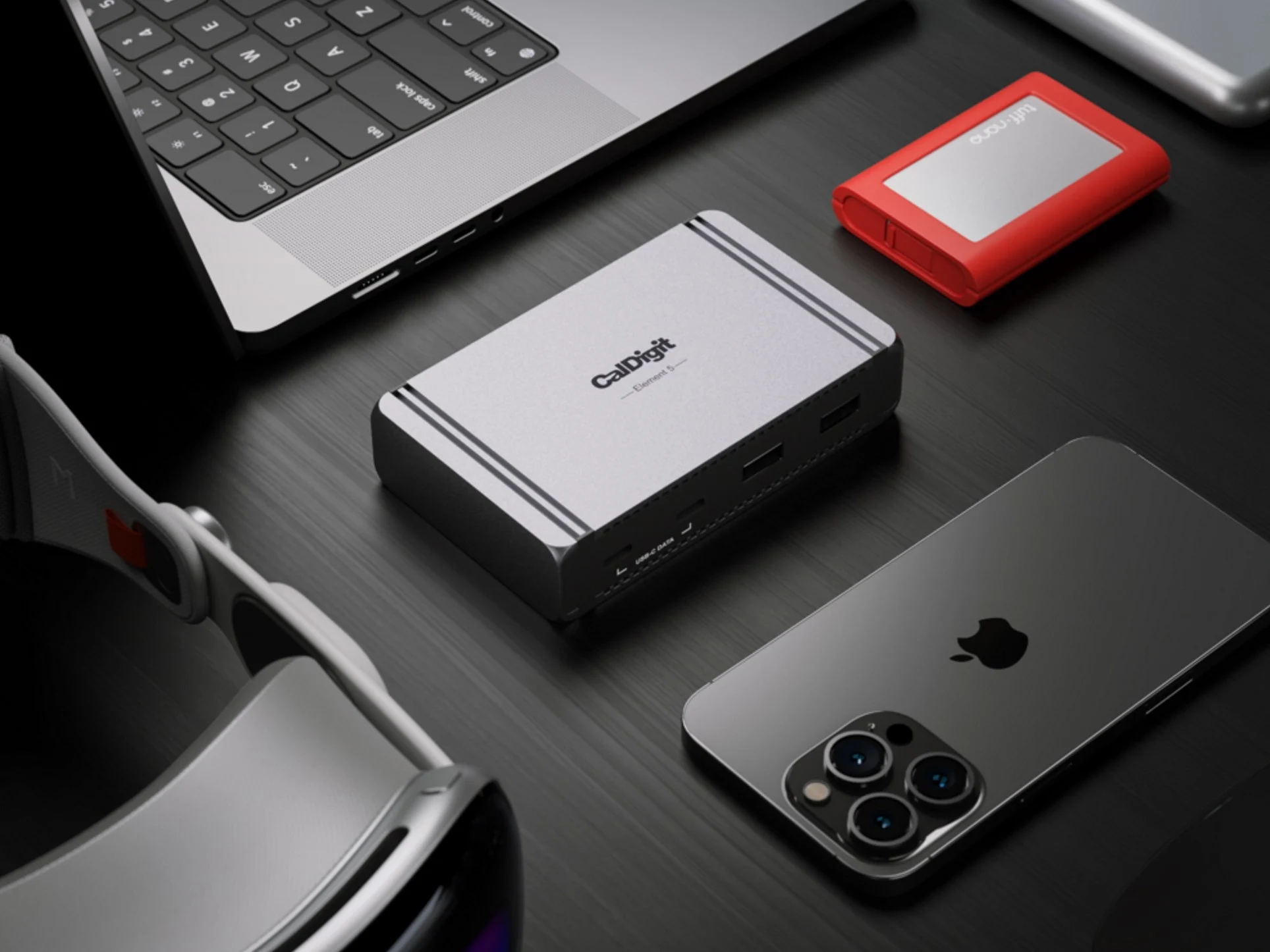
    We’ve previously shared news about the accessory brand CalDigit, which has now unveiled an innovative docking solution that utilizes the newest standard. To be more specific, the Element 5 Hub adopts Thunderbolt 5, allowing for a total bandwidth of 120 Gbit/s. As is always the case, the device connected to this hub must be TB5-compatible to enjoy all its features.

    Monitor Compatibility

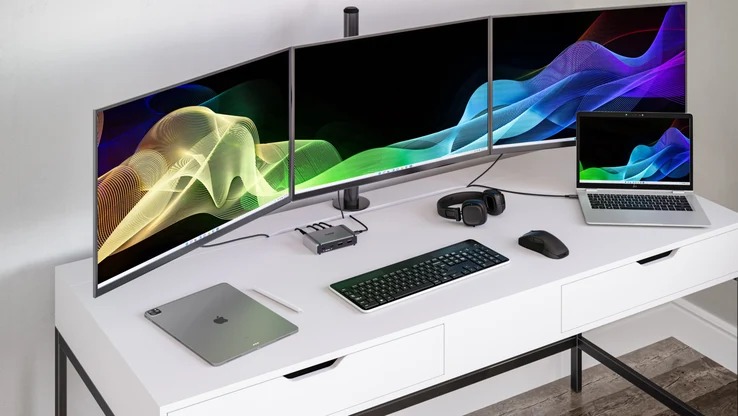
    On the product page, CalDigit provides information on how many monitors various systems can handle. For example, macOS can’t support three monitors, and a Windows laptop equipped with Thunderbolt 4, rather than Thunderbolt 5, will only manage two external displays. In the best-case scenario, the TB5 docking station can work with a fully compatible Windows PC, enabling connections to as many as four 4K monitors at 144Hz.

    Ports and Power

    This new hub from CalDigit features four USB 4 V 2.0 ports that are compatible with Thunderbolt 5, which also allows for USB Power Delivery up to 15 watts. Users need to connect their monitors through these ports since there’s no HDMI option available. Additionally, there are two USB-C ports capable of transferring data at 10 Gbit/s and outputting up to 7.5 watts, alongside two more USB Type A ports with identical specs, plus an extra USB-A port located on the opposite side. The Thunderbolt 5 dock can provide up to 180 watts, with half of that being deliverable to the connected PC or Mac. Finally, the dimensions of the CalDigit Element 5 Hub are 4.5 x 2.8 x 1 inches, and it comes with a price of $249.

    Source:
    Link


  • Intel Core Ultra 7 255H Beats AMD Ryzen 9 HX in Passmark Test

    Intel Core Ultra 7 255H Beats AMD Ryzen 9 HX in Passmark Test

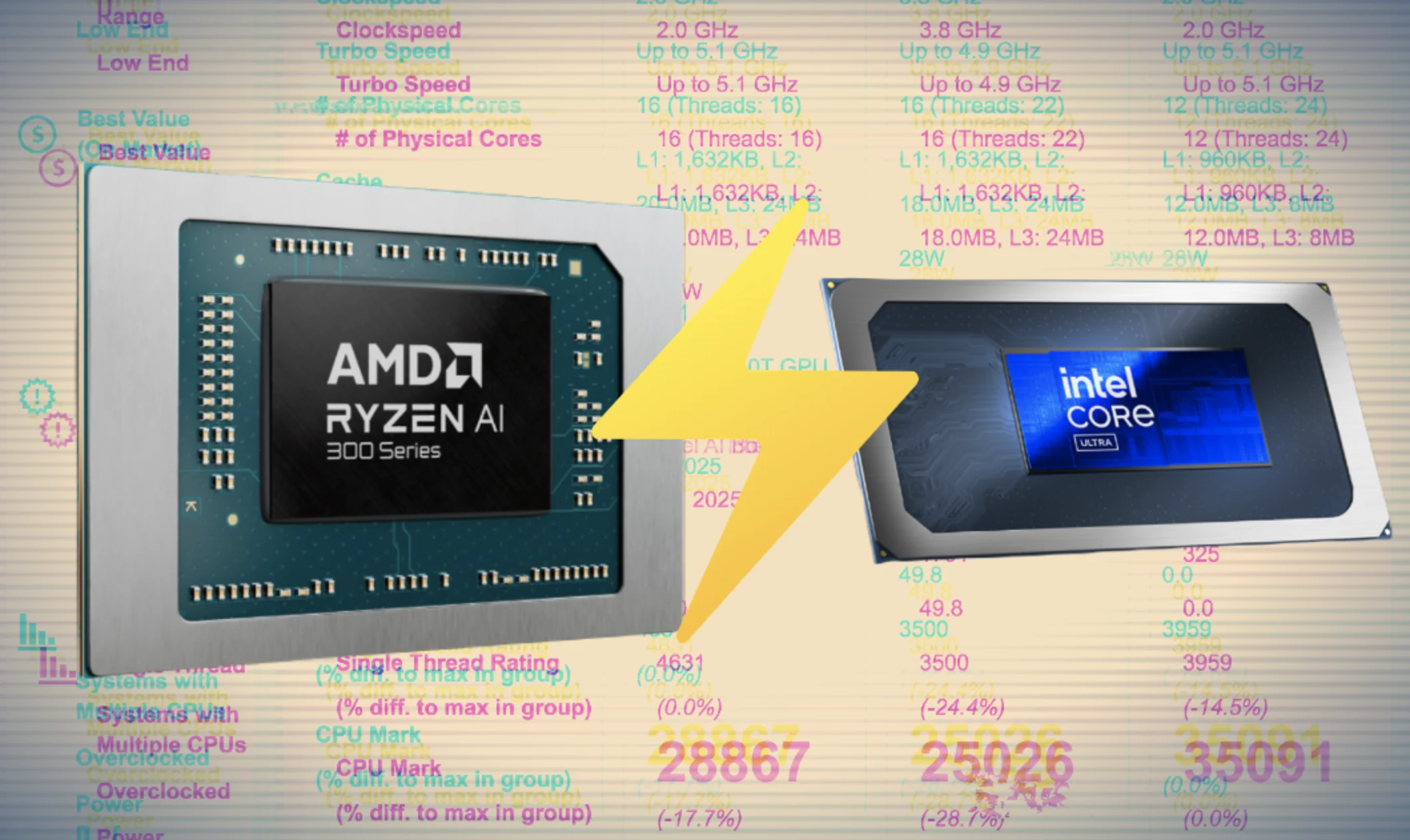
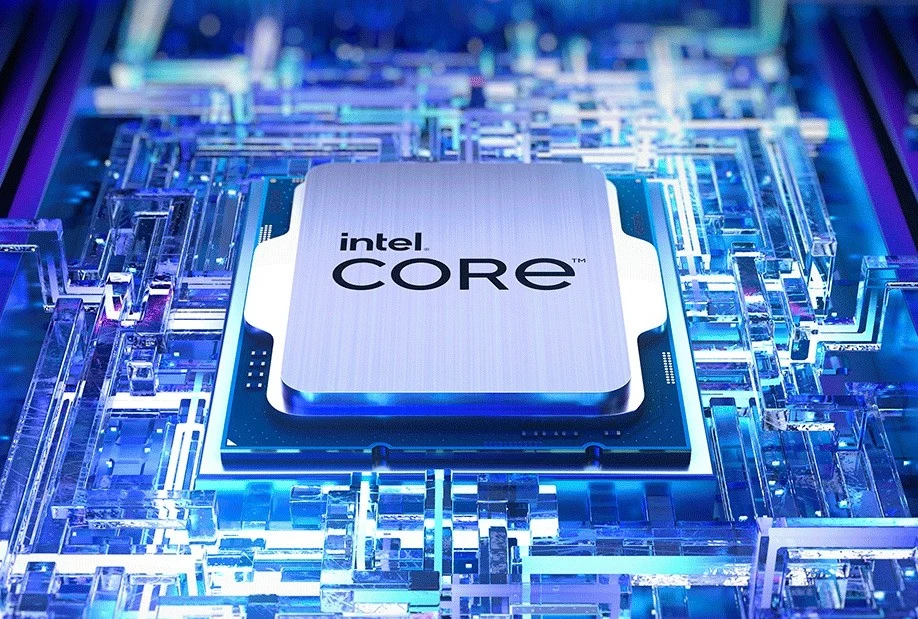
    A recent benchmark for Intel’s Core Ultra 7 255H processor has appeared online. From the data, Arrow Lake-H looks poised to significantly enhance single-threaded performance, though the multi-threaded performance appears to be a letdown, mainly because Intel has removed hyperthreading support.

    Impressive Single-Thread Performance

    The Passmark score reveals that the Core Ultra 7 255H achieved an outstanding single-thread score of 4631 points, marking a remarkable 32% increase compared to the Core Ultra 7 155H “Meteor Lake-H” CPU. The Arrow Lake-H series utilizes Lion Cove performance cores, which are showing their value, supported by TSMC’s N3B fabrication process. Interestingly, this benchmark positions the Core Ultra 7 255H approximately 17% ahead of the AMD Ryzen AI 9 HX 370 “Strix Point” CPU. However, in terms of overall performance, the Arrow Lake-H model falls short, trailing the Strix Point by nearly 20%.

    Generational Improvements

    When compared to its previous model, the Core Ultra 7 255H exhibits about a 12% advantage in overall performance. While this is a respectable increase from generation to generation, it’s not nearly as striking as the gains seen in single-threaded performance. Additionally, the Arrow Lake-H chips are anticipated to feature integrated GPUs with up to eight Xe LPG+ cores, which will be less powerful than the Xe2 cores found in Lunar Lake processors. It’s important to note that synthetic benchmarks should be viewed cautiously, as actual performance can vary widely based on specific workloads.

    Source:
    Link


  • Lenovo’s Only EU PC Factory: Made for Europe Amid Trade Wars

    Lenovo’s Only EU PC Factory: Made for Europe Amid Trade Wars

    East, always east – this has been the case for many years regarding where PC hardware originates. Since the 2000s, China has been the main hub for most tech product manufacturing due to its large workforce and lower production costs. Despite ongoing trade tensions and tariffs, China continues to be the leading source of technology products worldwide.

    Outsourcing and Original Design Manufacturers

    In addition to China, many companies choose to outsource their production. Major PC brands like Dell, Apple, and HP primarily focus on design, while companies like Pegatron, Foxconn, and Compal handle the actual manufacturing. When you purchase a laptop, desktop, or server, there’s a high chance it was assembled in China by one of these companies.

    Lenovo’s Unique Approach

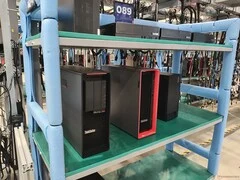
    However, Lenovo stands out in this landscape. While they do rely on ODMs, Lenovo, as the largest PC maker by volume, operates a number of factories on its own. This article looks at Lenovo’s only European factory located in Budapest.

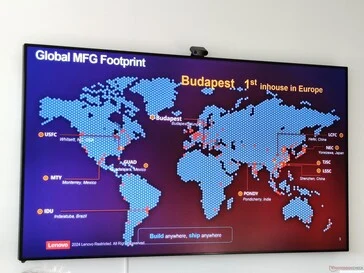
    Lenovo operates ten factories globally—four in the Americas, five in Asia, and just one in Europe. The Budapest factory, which began construction in 2020 and opened in 2021, is the newest addition to their network.

    Focus on Enterprise Products

    This factory, situated just ten minutes from Budapest Airport, focuses specifically on enterprise products. In Budapest, Lenovo manufactures three categories: ThinkCentre desktop PCs, ThinkStation workstations, and ThinkSystem servers.

    The choice of these products raises the question: Why not include ThinkPad laptops? The answer lies in logistics. Smaller items like laptops are cheaper and more sustainable to produce in Asia and ship globally, even by air. However, servers and desktops are bulkier and heavier, increasing shipping costs, time, and environmental impact.

    Strategic Location in Hungary

    Hungary was chosen for its central location in Europe, making the Budapest facility well-connected to major highways. This is crucial for a factory that regularly receives numerous truck deliveries for parts and shipments of finished products.

    It’s important to mention that Lenovo only assembles products in Europe. The supply chain remains international, with most parts still produced in China and other parts of Asia. The exceptions include packaging materials and the local printing of manuals and keyboards.

    Efficiency in Shipping

    Lenovo claims that assembling in Europe speeds up shipping significantly. Customers in most European countries, excluding the UK, Ireland, and Portugal, can expect delivery within 24 to 72 hours depending on the type of product.

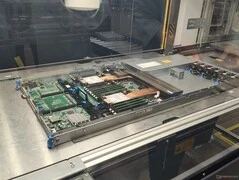
    Beyond assembly, Lenovo also operates a large testing center in Budapest. Here, servers undergo rigorous stress tests before shipment. Workstations and desktops also go through quality checks, which might seem unusual; for instance, running a game is a standard test since it puts considerable strain on the system.

    Commitment to Sustainability

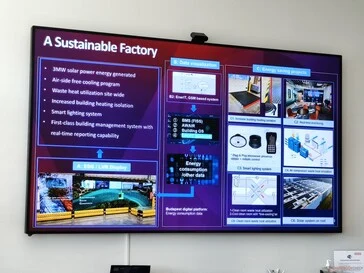
    Lenovo also refurbishes hardware at this site, but this takes place in a separate building to avoid mixing new and used components. The factory utilizes solar energy, and in winter, it leverages the cold air to cool its data center testing area. Although the plant can produce up to 1,000 servers and 4,000 desktops or workstations daily, it still emits some CO2. Nevertheless, local assembly in Europe is generally more sustainable than the alternatives.

    The local factory manager has noted an increase in demand for products labeled “Made in EU for EU.” While there are no definite plans to start laptop production there at the moment, it remains a topic for future consideration.

  • CapacMouse Pro: Compact Wireless Mouse Without Scroll Wheel

    CapacMouse Pro: Compact Wireless Mouse Without Scroll Wheel

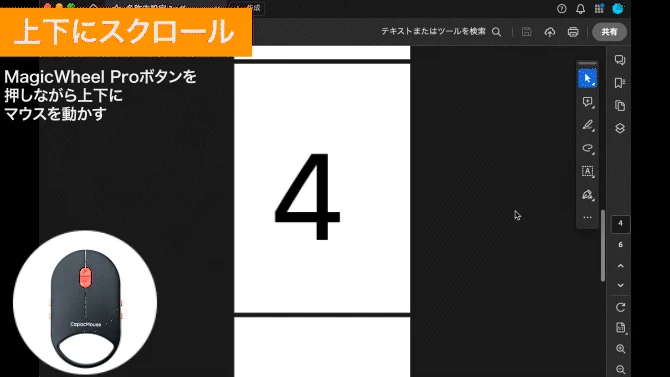
    The CapacMouse Pro has officially launched. This small wireless mouse has eliminated the conventional scroll wheel, replacing it with what the company refers to as MagicWhell. This new button is pressure-sensitive, meaning it can simulate the usual wheel function depending on how firmly it is pressed.

    Compact Design with Functional Features

    One of the key reasons the CapacMouse Pro is so compact, roughly the size of a car key, is the absence of the mouse wheel. Interestingly, despite its small form factor, it includes two side buttons and four LED indicators, which display the DPI or scroll sensitivity levels.

    Lightweight and Efficient

    With a weight of only 30 grams, the CapacMouse Pro is not equipped with a large battery; it has a capacity of 180 mAh. However, it offers a decent usage time of up to 30 hours. For connectivity, it supports both 2.4 GHz and Bluetooth modes, but there’s no mention of a wired option.

    Not Ideal for Gaming

    While the 2.4 GHz mode promises low latency, this mouse might not be the best choice for gamers (the Logitech G305 is currently priced at $30.99 on Amazon). Its unconventional size, combined with a tracking speed of 30 IPS, makes it less suitable for precise and quick inputs. Nevertheless, the specifications seem adequate for regular tasks and office work.

    Pricing and Availability

    Astract Japan intends to price the CapacMouse Pro at 7,680 JPY, roughly $50. It is currently available through crowdfunding, with an early bird offer of 5,370 JPY, about $35. There’s no information on whether this compact wireless mouse will be released globally, and the likelihood seems low since its predecessor, the CapacMouse Neo, did not have an international release.

    Source:
    Link


  • Affordable Kamrui Essenx E1 Mini PC with Quad-Core Intel CPU

    Affordable Kamrui Essenx E1 Mini PC with Quad-Core Intel CPU

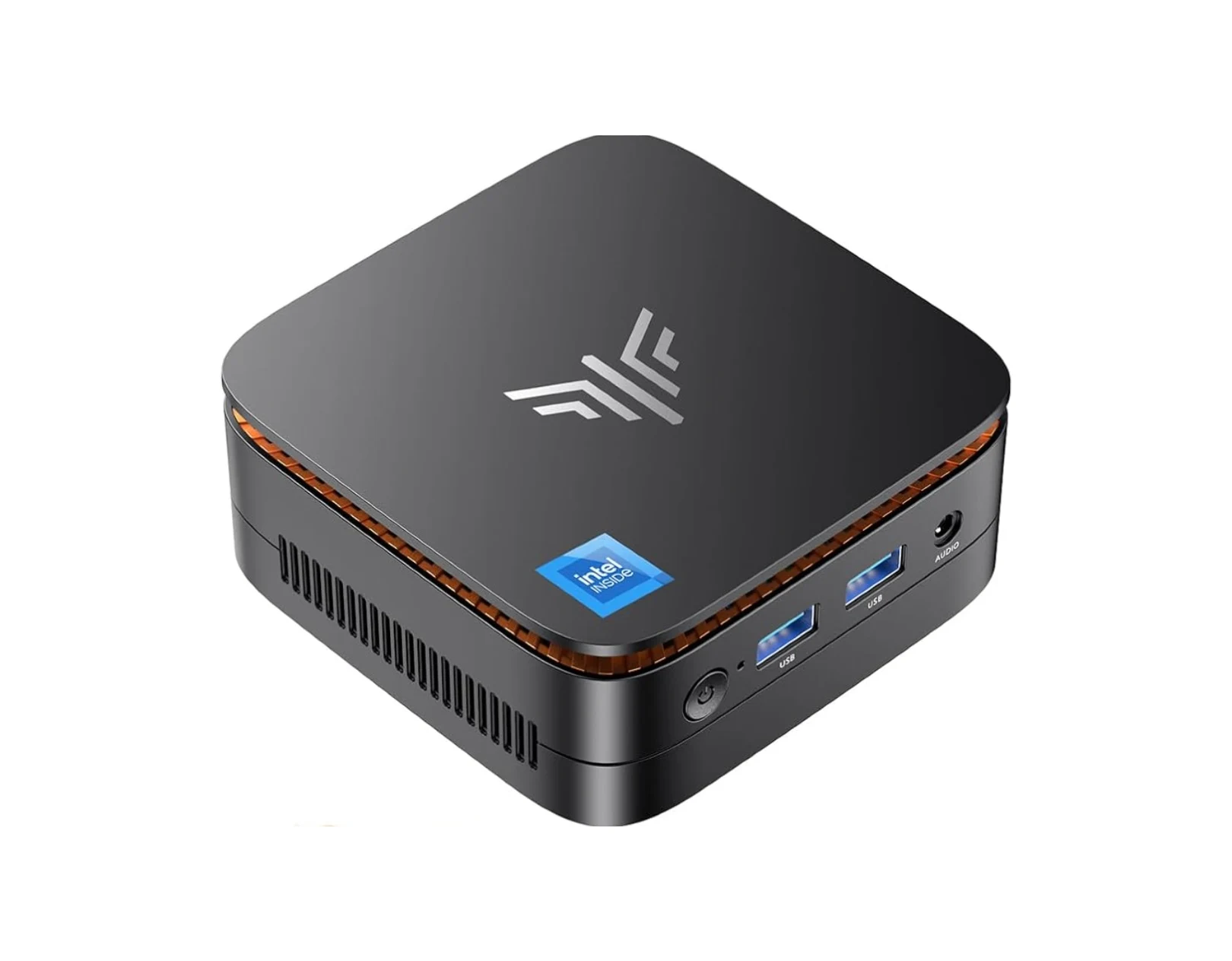
    The mini PC market is rapidly growing and has options for nearly everyone. Even those who are watching their wallets can find good choices among the many reasonably priced systems available online. One of these is the Kamrui Essenx E1, which now runs on Intel’s Twin Lake processors.

    Performance Overview

    Although the Intel N150 chip in the Essenx E1 isn’t the most powerful on the market, it does the job for everyday activities and light use. This quad-core, quad-thread processor is well-suited for most simple tasks that you might encounter. Users can upgrade the Essenx E1 with as much as 16 GB of single-channel DDR4 RAM and up to 2 TB of solid-state drive space. Thankfully, the memory and storage can be easily accessed by users, making it a great option for those looking to keep their system relevant in the future.

    Compact Design

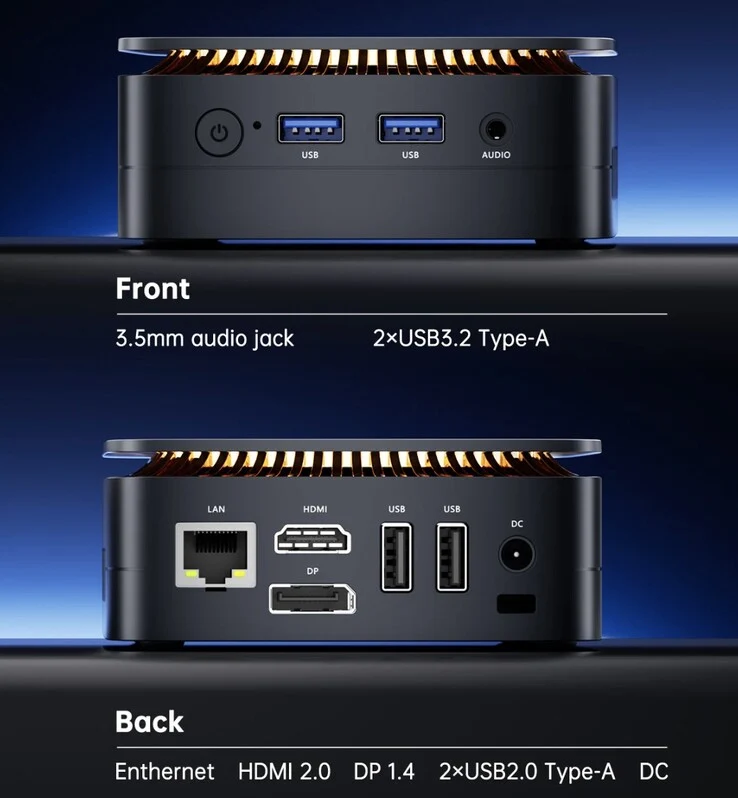
    Measuring only 3.9 x 3.9 x 1.5 inches, the Essenx E1 is impressively small. It also includes various ports such as HDMI 2.0, DisplayPort 1.4, dual USB 3.2 Gen 2, gigabit ethernet, and two USB 2.0 ports. As expected, the mini PC does not feature dedicated graphics, which makes sense given its size. The built-in Iris Xe iGPU with 24 execution units should manage most light workloads, but the system will likely struggle under heavier demands.

    Pricing and Availability

    For its intended users, the Essenx E1 mini PC offers specifications that should satisfy most needs. It’s priced according to its modest hardware, starting at just $189 on Amazon for the model with 8 GB of RAM and 256 GB of storage, as noted at the time of this writing. The top-tier model, however, is priced at $319, offering double the memory and a full terabyte of storage.

    Source:
    Link


  • Intel Nova Lake CPUs: Up to 16 P-Cores & 32 E-Cores Rumored

    Intel Nova Lake CPUs: Up to 16 P-Cores & 32 E-Cores Rumored

    The new Arrow Lake Core Ultra 200 desktop CPUs have yet to persuade gamers to upgrade from the older i9-14900K models. The latest architecture fails to show any meaningful performance improvements, despite several months of software updates. It appears Arrow Lake is merely setting the stage for future innovations, particularly Nova Lake, which is anticipated in 2026.

    Speculation on Nova Lake’s Architecture

    Intel has not revealed any specifications for Nova Lake in their recent quarterly earnings report. However, co-CEO Michelle Johnston Holthaus let slip that “Nova Lake will actually have die both inside and outside for that process. So you’ll actually see compute tiles inside and outside.” This revelation sparked a flurry of speculation on Reddit about potential core counts for the upcoming generation of chips.

    Core Configurations and Variants

    According to a now-deleted post by Exist50 on Reddit, the premium Nova Lake desktop CPUs might include up to 2×8 Coyote Cove P-cores and 2×16 Arctic Wolf E-cores, aligning with the concept of dual compute tiles mentioned by Intel’s co-CEO. Additionally, Exist50 mentioned that there will be high-performance mobile Nova Lake variants with configurations of 8P + 16E cores, as well as mid-range desktop and mobile options featuring just 4P + 8E cores. There will also be ultra-low-voltage (ULV) versions that only have 4 P-cores without any E-cores.

    Future iGPU Tile and Production Nodes

    The specifics of the iGPU tile for Nova Lake remain ambiguous. However, it is confirmed that these chips will be manufactured using Intel’s 18A nodes, similar to the Panther Lake mobile processors set to launch in late 2025.

    Source:
    Link

  • AMD RDNA 4 GPUs Launch with Exceptional Linux Support

    AMD RDNA 4 GPUs Launch with Exceptional Linux Support

    Support for cutting-edge hardware has often been inconsistent on Linux, but it seems that the new AMD Radeon RX 9070 and 9070 XT GPUs might be an exception, possibly due to their unusual release timing.

    AMD’s Commitment to Linux

    As reported by Phoronix, AMD’s RADV open-source Vulkan driver for Linux has already been updated to include support for the unreleased AMD RDNA 4 GPUs. This information was shared by Samuel Ptoiset, who is the lead of Valve’s Linux graphic driver team. He assured that the support for RDNA 4 at launch would be “good enough.”

    Ptoiset mentioned, “This initial support should be good enough but it’s missing two features (cooperative matrix and video decode/encode) compared to GFX11 (RDNA3) because lack of time.”

    Ongoing Developments

    While there are still some features missing, such as Delta Colour Compression and Vulkan Video support, work is actively ongoing to address these gaps. Ptoiset expressed optimism that these final details could be completed ahead of the RDNA 4 launch in March. He stated, “DCC is still under active development, but it might be possible to finish it during the RC period.”

    Even if these features are not ready by the time the Radeon RX 9070 and 9070 XT GPUs are released, they are still expected to be functional. This is a more favorable situation compared to what often occurs with new hardware. After the launch, efforts will likely focus on enhancing support and performance for specific features, while also fixing any bugs that may arise.

    Upcoming Driver Updates

    The new RADV open-source driver will be included in the Mesa 25.0 update, which is anticipated to be available by the end of February, aligning perfectly with the release of the Radeon 9070 series GPUs. These updates will probably require a relatively recent kernel version, and Phoronix estimates that the minimum requirement will be Linux 6.13 or 6.14.

    Source:
    Link

  • Intel Unveils 2025-2026 Client Processor Plans, Cancels Falcon Shore

    Intel Unveils 2025-2026 Client Processor Plans, Cancels Falcon Shore

    2024 hasn’t been very promising for Intel, especially with CEO Pat Gelsinger resigning. The recent quarterly earnings report clearly indicates that Team Blue still faces challenges. However, Intel is trying to reassure investors that at least the client roadmap for the upcoming years remains on schedule. This was explained by co-CEO Michelle Johnston Holthaus during the Q4 2024 earnings call.

    Panther Lake CPUs on the Horizon

    The next stage in the client roadmap is the Panther Lake CPU family. According to Johnston Holthaus, this will be the first generation utilizing the 18A nodes. Both volume production and the launch are set for the second half of 2025. Similarly to Lunar Lake, Panther Lake is expected to debut on laptops first. While details about the desktop versions of Panther Lake were not officially revealed, these chips might also be launched in late 2025, perhaps under a different name, akin to how Arrow Lake followed Lunar Lake.

    Future with Nova Lake

    Additionally, co-CEO Johnston Holthaus discussed the Nova Lake family, which is planned for 2026. It remains uncertain if this will directly succeed Panther Lake or if it will be the desktop series stemming from Panther Lake. Johnston Holthaus emphasized that both Panther Lake and Nova Lake “will provide strong performance across the entire PC stack,” suggesting a focus on desktop CPUs.

    Falcon Shore’s Shift in Plans

    On a different note, Intel’s Falcon Shore XPU/GPU, aimed at data centers to compete with established Nvidia’s AI GPUs and AMD’s Instinct lineup, is no longer going to be launched as a consumer product. Johnston Holthaus clarified that Falcon Shore will instead stay as “an internal test chip” that will assist in the development of the next generation Jaguar Shores.

    Source:
    Link

  • Rapidus to Deploy 10 EUV Machines for 2nm Chip Production in Japan

    Rapidus to Deploy 10 EUV Machines for 2nm Chip Production in Japan

    Rapidus, a chip manufacturer from Japan, is gearing up to deploy 10 advanced extreme ultraviolet (EUV) lithography systems across its new production facilities. This initiative is expected to significantly enhance Japan’s position in the advanced chip manufacturing industry. CEO Atsuyoshi Koike revealed these intentions regarding the new IIM-1 and IIM-2 plants, as reported by Nikkan Kogyo Shimbun.

    First EUV Machine Arrives

    In December 2024, the very first EUV lithography machine landed at New Chitose Airport, marking a historic moment for Japan. As per the company’s schedule, Rapidus aims to begin trial production of 2nm chips at the IIM-1 facility as soon as April 2025, with plans to deliver sample chips to the semiconductor giant Broadcom by June.

    Production Capacity Insights

    Considering the production potential, projections indicate that if five EUV machines operate at full capacity, IIM-1 could handle between 17,000 and 20,000 wafers per month, given that about 20 EUV layers are involved in the manufacturing process. Rapidus intends to use ASML’s Twinscan NXE:3800E scanner, which has the capability to process up to 220 wafers each hour at a dose of 30mj/cm².

    Competing with Industry Giants

    With a bold target to achieve mass production of 2nm chips by 2027, Rapidus is entering a competitive arena filled with established players. For instance, TSMC is set to begin its own 2nm chip production in 2025 and has secured significant clients like Apple, NVIDIA, AMD, and Qualcomm.

    On the other side, Samsung is also taking steps to adapt some of its 3nm production lines for 2nm technology, conducting tests collaboratively with companies such as NVIDIA and Qualcomm.

    Source:
    Link

  • Microsoft Launches AI-Powered Surface Business Laptops with 22-Hour Battery

    Microsoft Launches AI-Powered Surface Business Laptops with 22-Hour Battery

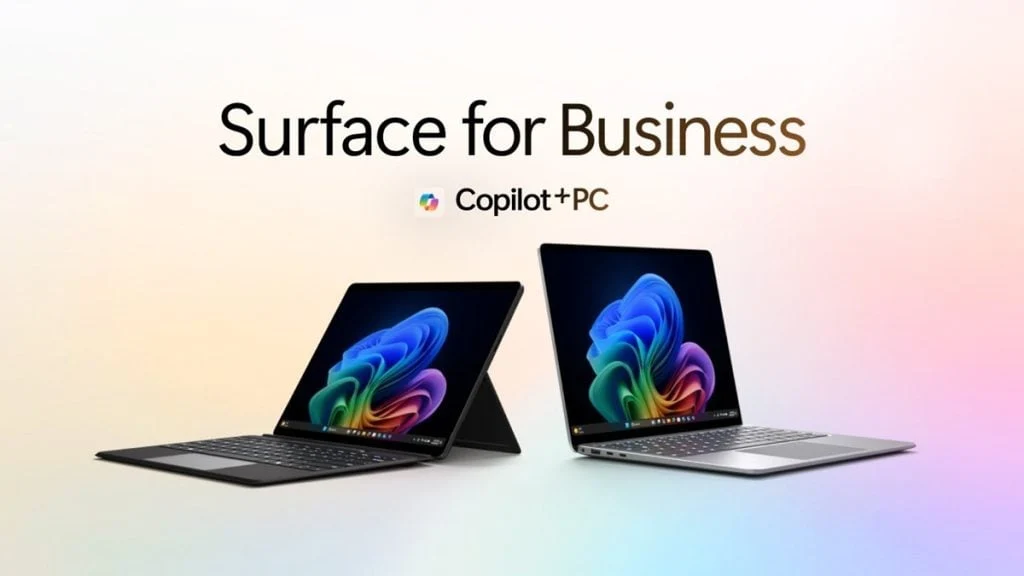
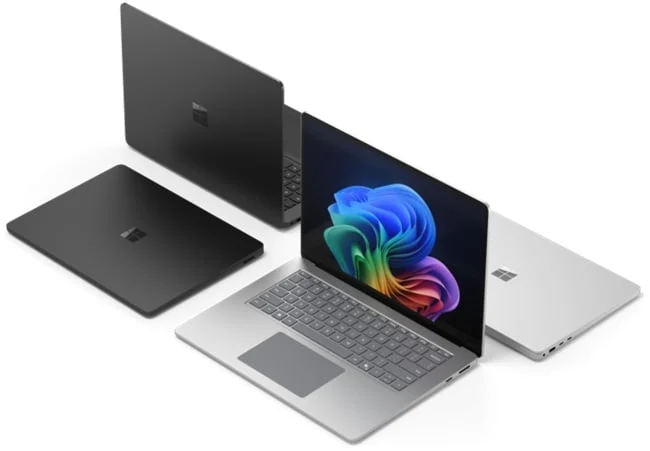
    Microsoft has rolled out updates to its Surface for Business Copilot+ PC series, revealing new Surface Pro and Surface Laptop models that come with Intel Core Ultra processors (Series 2). These machines are tailored for professional users, emphasizing top-notch performance, eco-friendliness, and tools powered by AI to enhance productivity.

    Surface Laptop for Business: Features and Aesthetics

    The latest Surface Laptop for Business is available in 13.8-inch and 15-inch variations, boasting anti-glare screens with slim bezels, Wi-Fi 7, and a variety of ports, including an optional smart card reader. It runs on Intel Core Ultra processors that can deliver up to 22 hours of battery life.

    In terms of performance, these laptops see up to 26% improvements in multi-tasking over the Surface Laptop 5, double the graphics capabilities, and triple the battery endurance during Teams meetings. With built-in NPU support, the 15-inch variant achieves 48 TOPS (Trillion Operations Per Second), while the 13.8-inch version offers 40 TOPS. Battery longevity is notable, with the 15-inch model providing up to 22 hours of video playback and 14 hours of web browsing, while the 13.8-inch model supports 20 hours of video play and 12 hours of internet usage. Both models feature a precise haptic touchpad, backlit keyboards, and dual studio microphones paired with Dolby Atmos speakers.

    These laptops are designed with sustainability in mind, utilizing 67.6% recycled materials, such as 100% recycled aluminum and rare earth elements. The battery cells are made with 100% recycled cobalt, aligning with Microsoft’s commitment to being carbon-negative.

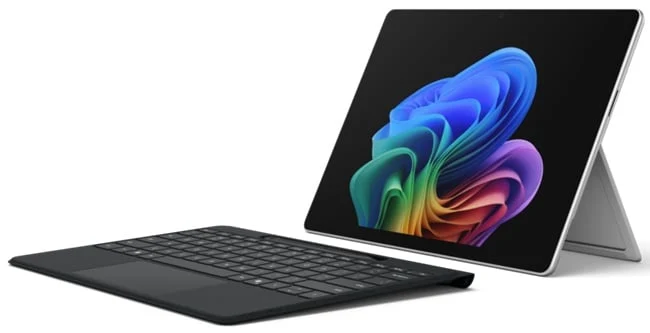
    Surface Pro for Business: Versatility and Strength

    The refreshed Surface Pro for Business retains its 2-in-1 format, making it ideal for tablet and laptop functions. It is equipped with Intel Core Ultra 5 or Core Ultra 7 processors, featuring NPU capabilities of 40 TOPS and 48 TOPS, respectively.

    The device showcases a 13-inch PixelSense Flow display, which comes in both OLED and LCD formats, featuring a resolution of 2880 x 1920, a refresh rate of up to 120Hz, and a brightness of 600 nits. It includes a 1440p front camera and a 10MP rear camera, making it perfect for video conferencing and content creation.

    Storage options range from 256GB to 1TB of removable Gen 4 SSD, alongside 16GB or 32GB of LPDDR5X RAM. For security, it includes TPM 2.0, BitLocker encryption, Microsoft Pluton, and Windows Hello facial recognition.

    Battery performance is rated at up to 14 hours for video playback and 10 hours for web activities. The device weighs 1.92 lbs (872g) without the keyboard and comes with a 165-degree kickstand for versatile use.

    Surface Laptop 5G: Future Launch

    Microsoft has also revealed plans for the Surface Laptop 5G, which is expected to launch in 2025. This will mark the first Surface Laptop to offer cellular connectivity, though further details are yet to be disclosed.

    Security and AI Enhancements

    Security remains a central focus for Copilot+ PCs. The Microsoft Pluton security processor safeguards sensitive information, while Windows 11 and Microsoft 365 provide tools to fight against phishing, malware, and ransomware. AI-powered features, including an enhanced Windows Search, are available to assist users in locating files using relevant words or phrases.

    The Surface Management Portal in Microsoft Intune gives IT administrators tools to oversee and manage devices efficiently. Beginning February 24, 2025, the Security Copilot feature will be in public preview, introducing generative AI capabilities for device management.

    Pricing and Availability

    The starting price for the Surface Laptop for Business is US$1,499.99, which is the same for the Surface Pro for Business. Both devices will be available for purchase starting February 18, 2025.

    Source:
    Link