Category: Computers

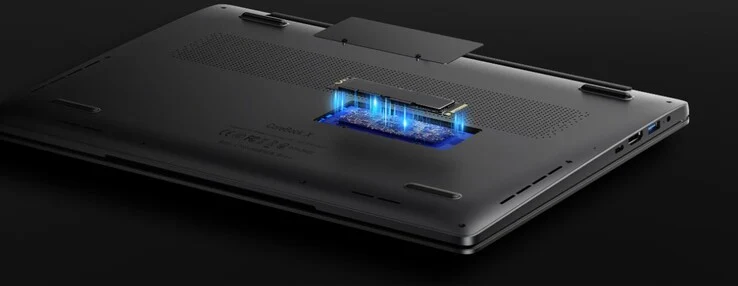
  • Lenovo ThinkPad X1 Carbon Gen 13 Boosts Performance with Arrow Lake H

    Lenovo ThinkPad X1 Carbon Gen 13 Boosts Performance with Arrow Lake H

    Key Takeaways

    1. Lunar Lake chip offers significant efficiency improvements for business laptops, enhancing battery life and quiet operation.
    2. The ThinkPad X1 Carbon Gen 13 Aura Edition, equipped with Lunar Lake, is considered the best version of the X1 in years.
    3. Lunar Lake has a RAM limit of 32 GB, whereas older ThinkPad models supported up to 64 GB; new CPU options could change this.
    4. Arrow Lake H CPUs, with 14 cores, promise better multicore performance compared to Lunar Lake’s 8 cores.
    5. Lenovo is also launching Arrow Lake H and Arrow Lake U for the ThinkPad X1 2-in-1 Gen 10 Aura Edition, increasing versatility in their laptop lineup.


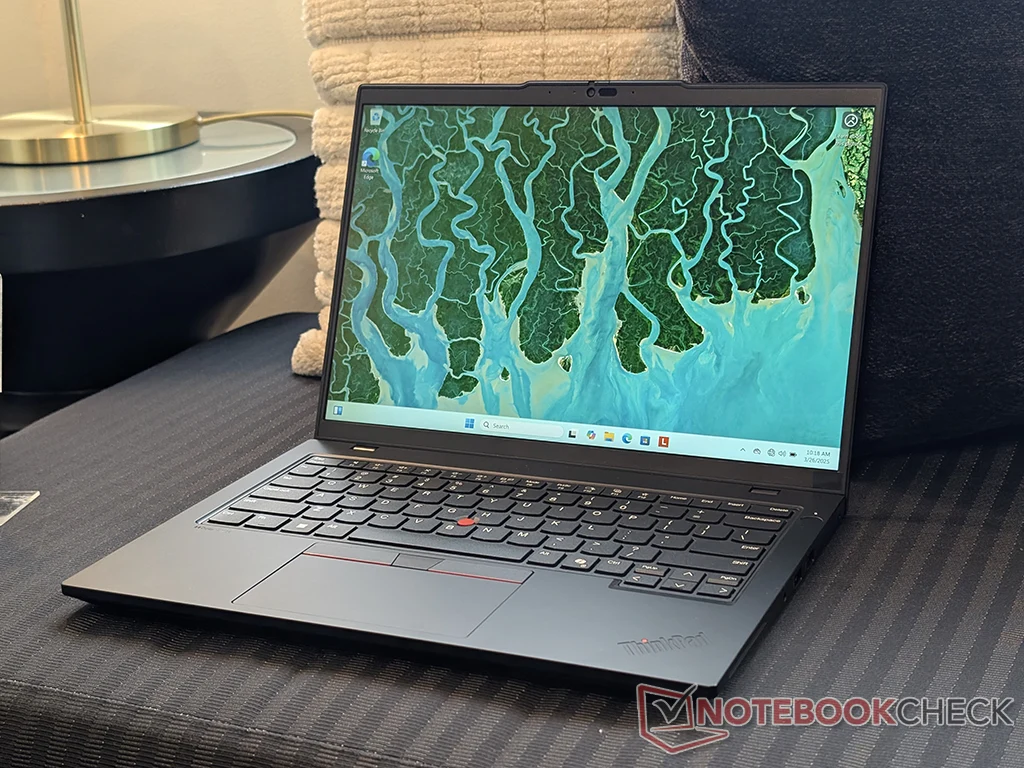
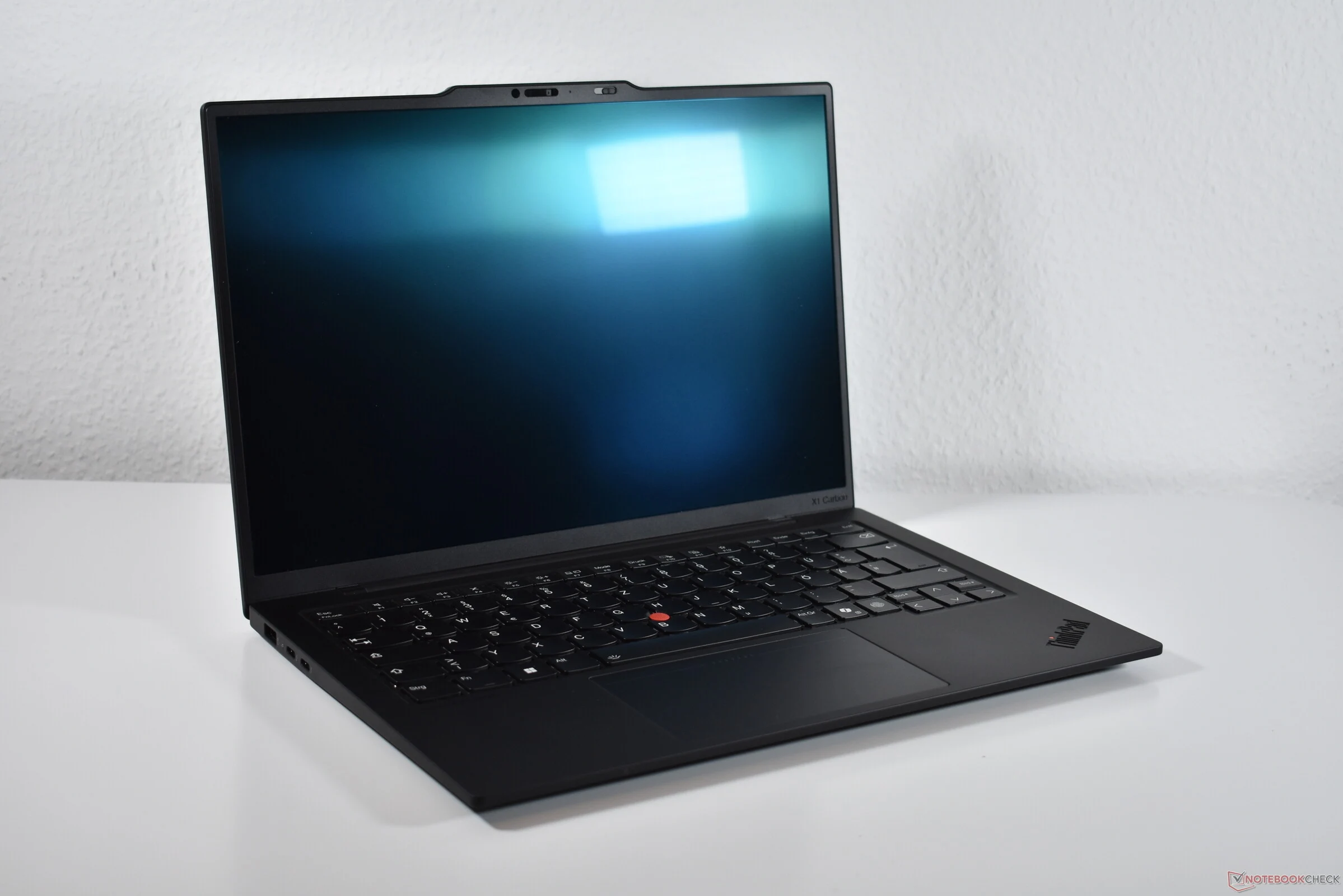
    Lunar Lake has proven to be a significant advancement for Intel, particularly in the realm of business laptops. This chip, designed for optimal efficiency, is ideal for laptops that need to deliver excellent battery life and quiet operation in an office setting. The impact has been notably positive for devices like the Lenovo ThinkPad X1 Carbon series (X1 Carbon G12 available on Amazon), which had struggled with the less efficient previous Intel CPUs. The ThinkPad X1 Carbon Gen 13 Aura Edition, featuring Lunar Lake, is regarded as the best iteration of the X1 in several years.

    Limitations of Lunar Lake

    Nevertheless, there are some drawbacks with Lunar Lake. One such limitation is the RAM cap of 32 GB; older versions of the ThinkPad X1 Carbon could support up to 64 GB, but the new X1 Carbon G13 is restricted to 32 GB. This situation is changing, however, as Lenovo has revealed new CPU options for its flagship ThinkPad. The X1 Carbon Gen 13 Aura Edition is set to begin shipping with Intel Arrow Lake H and Arrow Lake U CPUs in the near future, which might raise the RAM capacity to 64 GB.

    Performance Enhancements

    This development could not only allow Lenovo to provide more RAM but might also enhance the CPU performance of the ThinkPad X1. While Lunar Lake excels in GPU and single-core performance, its effectiveness in multicore tasks is somewhat limited. In contrast, Arrow Lake H features 14 cores compared to the eight found in Lunar Lake, suggesting that the X1 Carbon G13 equipped with Arrow Lake H could handle tasks like rendering and compiling more efficiently.

    Besides the X1 Carbon Gen 13, Lenovo has also introduced Arrow Lake H and Arrow Lake U for the convertible Lenovo ThinkPad X1 2-in-1 Gen 10 Aura Edition. Both models are expected to start shipping this month, adding more versatility to Lenovo’s offerings.

  • Intel Nova Lake CPU to be Made on TSMC’s 2nm Process

    Intel Nova Lake CPU to be Made on TSMC’s 2nm Process

    Key Takeaways

    1. Intel’s 18A node has high expectations but is currently producing Panther Lake and Clearwater Forest chips.
    2. Intel has secured fabrication space at TSMC’s upcoming 2 nm node for Nova Lake desktop CPUs.
    3. The collaboration with TSMC raises concerns about Intel’s 18A-P node reliability or capacity limitations.
    4. Nova Lake will compete with AMD’s Zen 6, Apple’s M6, and Qualcomm’s Snapdragon X Elite 2.
    5. Detailed specifications for Nova Lake are limited, but leaks suggest a high-spec SKU could feature up to 54 CPU cores.


    As Intel Foundry’s initial external node, 18A has significant expectations attached to it. Currently, it’s producing Panther Lake and Clearwater Forest chips, but a recent article from Taiwanese source Economic Daily suggests that Intel’s future desktop architecture may still need to depend on its main rival.

    Collaboration with TSMC

    It appears that Intel has secured some fabrication space at TSMC’s advanced 2 nm node, which is expected to start mass production later this year. This space will be utilized for creating CPU tiles for the Intel Nova Lake desktop CPUs set to debut next year. This development isn’t unexpected, as previous reports hinted at potential clients for TSMC’s 2 nm technology.

    Speculation and Doubts

    Neither Intel nor TSMC have made any public statements regarding this matter, which is understandable. However, Intel’s choice to collaborate with TSMC for CPU tiles raises concerns about the reliability of its own 18A-P node. Alternatively, this could simply be a matter of capacity limitations. Regardless, it places Nova Lake in the same arena as AMD’s Zen 6, Apple’s M6, and Qualcomm’s Snapdragon X Elite 2.

    Limited Information on Nova Lake

    Since Nova Lake is still far from release, detailed information about its specifications is scarce. A previous leak from a reputable source indicated that its highest-spec SKU could feature up to 54 CPU cores, including 16 P-cores, 32 E-cores, and 4 LPE-cores. Moreover, it is expected to incorporate Coyote Cove P-cores along with Arctic Wolf E/LPE-cores.

    Source:
    Link

  • Apple Mini-LED Keyboard with Dynamic Legends: MacBook Upgrade Patent

    Apple Mini-LED Keyboard with Dynamic Legends: MacBook Upgrade Patent

    Key Takeaways

    1. Apple has faced challenges with keyboard technologies, particularly the unreliable butterfly keyboard that cannot have keys replaced individually.
    2. The company is exploring innovative designs, including a touchscreen keyboard and a new patent for dynamic keyboards featuring LEDs for each key.
    3. The new keyboard design aims to improve functionality without significantly increasing power consumption by eliminating the need for traditional LED backlights.
    4. The keys are made from aluminum and use a traditional scissor switch mechanism, with mini-LEDs for high-resolution symbols.
    5. Users may gain more customization options, such as switching between regional layouts, but the visibility of the key legends in bright sunlight remains uncertain.


    From the not-so-popular Touch Bar to the finicky butterfly keyboard, Apple has had a tough time creating successful new keyboard technologies over the last ten years. The butterfly keyboard, for example, is not only unreliable but also has keys and switches that can’t be replaced on their own. Still, this hasn’t held back the tech giant from pursuing new ideas to enhance the keyboards in their MacBook Pro or MacBook Air models (around $912 on Amazon).

    New Innovations in Keyboard Design

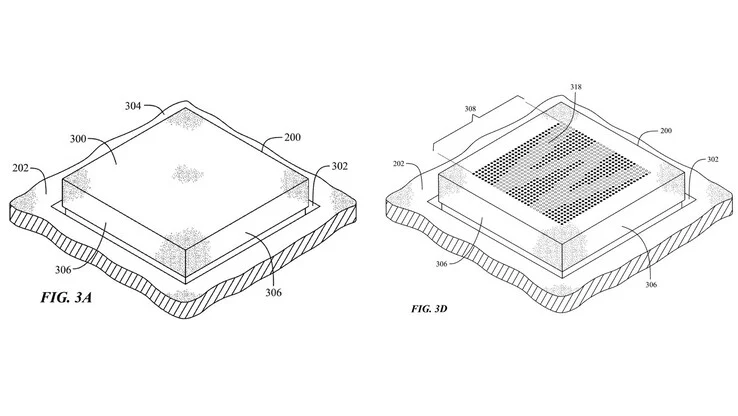
    Apple has previously looked into a touchscreen keyboard, which could greatly affect battery life, whether each key has a small display or if the entire keyboard is one large touch panel. Recently, AppleInsider discovered a new patent from Apple that outlines another intriguing solution for dynamic keyboards. Instead of utilizing a display, this new design incorporates several LEDs for each key to show the needed symbols.

    Improved Functionality Without Extra Power

    Since this innovative design would make the LED backlights, used in all current MacBook keyboards, unnecessary, it shouldn’t lead to a major increase in power consumption. The keys themselves are crafted from aluminum, featuring traditional switches with a scissor mechanism. To light up the keys, mini-LEDs are employed to provide a high resolution, ensuring that the symbols are easily readable.

    This approach could give users far more freedom to customize their keyboard layouts. For example, they might be able to switch between different regional layouts simply by hitting a button. However, it remains unclear if these LEDs would be bright enough to keep the key legends visible in bright sunlight. Like many patents, this idea doesn’t guarantee that Apple is planning to launch a laptop with this specific keyboard design.

    Source:
    Link


  • Lenovo Launches New ThinkPad L Series Laptops with AMD and Intel CPUs

    Lenovo Launches New ThinkPad L Series Laptops with AMD and Intel CPUs

    Key Takeaways

    1. Lenovo launched three new laptops in the ThinkPad L series: L13 Gen 6, L14 Gen 6, and L16 Gen 2, targeting different user needs.
    2. The L13 Gen 6 features brighter displays (up to 400 nits), a new port layout with two Thunderbolt 4 ports, and an optional Smart Card reader.
    3. A 2-in-1 variant of the L13 Gen 6 includes a built-in garaged pen, a 5 MP front-facing camera, and a construction made of 50% recycled aluminum.
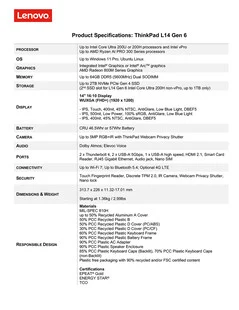
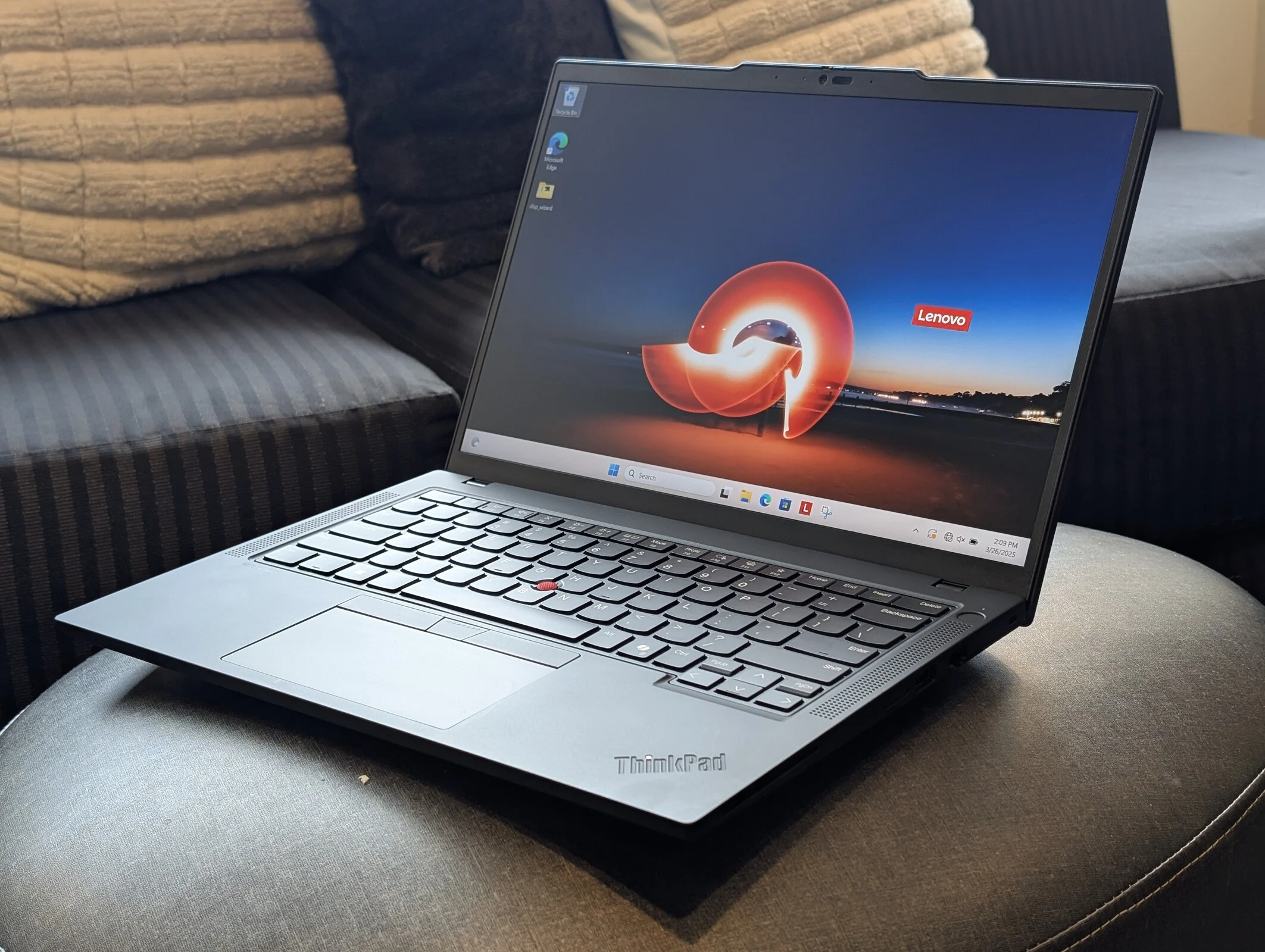
    4. The L14 Gen 6 and L16 Gen 2 are designed for productivity, supporting up to 64 GB of DDR5 RAM and accommodating a 2 TB PCIe 4 SSD.
    5. Pricing starts at $1,509 for the L13 Gen 6 and $1,209 for the L14 Gen 6, with both models available in June 2025.


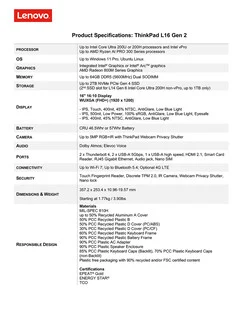
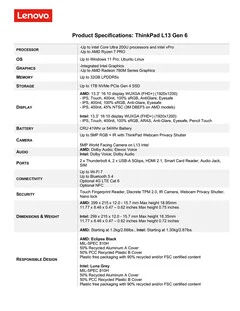
    Lenovo has launched three new laptops in the ThinkPad L series: the L13 Gen 6, L14 Gen 6, and L16 Gen 2. According to the company, the L14 and L16 are focused on enhancing productivity, while the L13 is aimed at mobile business users. The L13 can come with either Intel Core Ultra 200U series processors or AMD Ryzen 7 Pro, but Lenovo hasn’t provided clear choices yet.

    Notable Improvements in L13 Gen 6

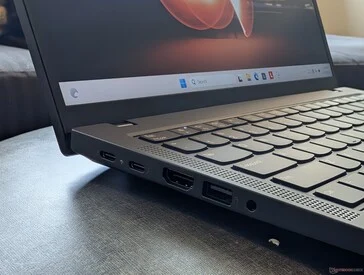
    Lenovo states that the L13 Gen 6 offers several upgrades compared to its predecessor. One of the notable enhancements is the availability of brighter displays, with the highest option reaching a brightness of 400 nits. The laptop also features a new port layout that includes two Thunderbolt 4 ports and an optional Smart Card reader for added convenience.

    Versatile 2-in-1 Design

    Additionally, Lenovo has introduced a 2-in-1 variant of the compact L13 Gen 6, which comes with a built-in garaged pen, making it a perfect choice for drawing and taking notes. Other impressive features include a front-facing camera with a 5 MP sensor and an IR camera, an up to 84% screen-to-body ratio, and a construction made of 50% recycled aluminum.

    Productivity-Focused L14 Gen 6 and L16 Gen 2

    There are also two more models in the ThinkPad L series: the L14 Gen 6 and L16 Gen 2, both tailored for productivity. These laptops can be configured with Intel Arrow Lake 200H series processors or AMD Ryzen AI Pro 300 series processors, although Lenovo has not provided specific details regarding these options.

    Both laptops support up to 64 GB of DDR5 RAM at 5,600 MHz and can accommodate a 2 TB PCIe 4 SSD (the 2 TB Samsung 990 EVO Plus is currently priced at $129.99 on Amazon). Additionally, they can be ordered with an IPS display that boasts a brightness of 500 nits and a 57 Whr battery.

    Pricing and Availability

    The Lenovo ThinkPad L13 Gen 6 will be available in June 2025, starting at a price of $1,509, while the 2-in-1 convertible model will have a starting price of $1,669. The L14 Gen 6 will also be available in June 2025, starting at $1,209, and the L16 Gen 2 will begin at $1,219. For more information on these new laptops, refer to the spec sheets linked below.


  • Lenovo ThinkPad P16s Gen 4 & P14s Gen 6 Launch with AMD Ryzen Pro

    Lenovo ThinkPad P16s Gen 4 & P14s Gen 6 Launch with AMD Ryzen Pro

    Key Takeaways

    1. Lenovo launched new ThinkPad models, including the P16s Gen 4 and P14s Gen 6, featuring AMD Ryzen 300 processors and Intel Core Ultra 200 chips.
    2. Both models can be customized with up to 96 GB DDR5 RAM, 2 TB SSD, and various operating systems, including Windows 11 Pro and Ubuntu.
    3. The P16s Gen 4 offers a 16-inch display with OLED and IPS LCD options, while the P14s Gen 6 has similar display choices at a slightly lower resolution.
    4. Key features include a 5 MP webcam, physical privacy shutter, and advanced connectivity options like USB 4.0, HDMI 2.1, and Wi-Fi 7.
    5. The P16s Gen 4 is priced at $1,619 and the P14s Gen 6 at $1,579, both available in May 2025.


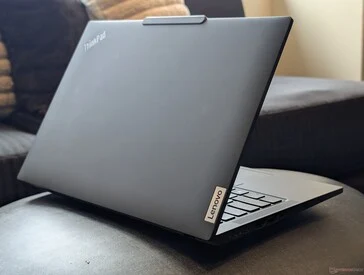
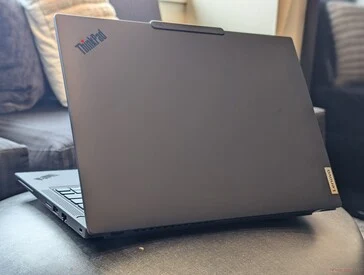
    Lenovo has revealed a variety of new ThinkPads aimed at businesses today. The ThinkPad P16s Gen 4 and ThinkPad P14s Gen 6 are equipped with a Pro version of AMD’s Strix Point-based Ryzen 300 processors. This announcement comes alongside the introduction of the ThinkPad L series, which features Intel Core Ultra 200 chips. And you guessed it, both models retain the iconic red nipple on the keyboard.

    Configurations and Operating Systems

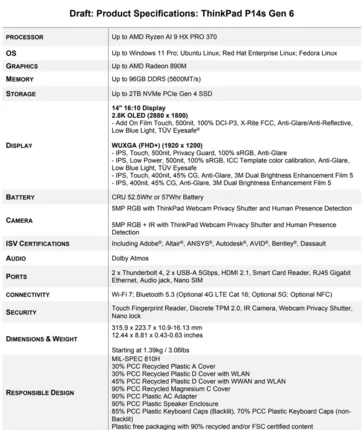
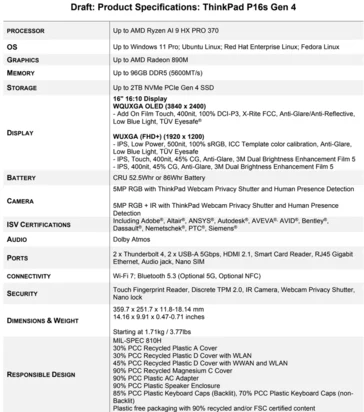
    The ThinkPad P16s Gen 4 and ThinkPad P14s Gen 6 can be customized with a powerful AMD Ryzen AI 9 HX Pro 370 CPU, up to 96 GB DDR5-5600 RAM, and a 2 TB PCIe Gen 4 NVMe SSD. For the operating system, users can choose from Windows 11 Pro, Ubuntu, Red Hat Enterprise, or Fedora. The primary distinction between these two models is their display options.

    Display Options

    The ThinkPad P16s Gen 4 features a 16-inch 16:10 screen. Lenovo offers two choices here. The first option is a WQUXGA OLED panel (3,840 x 2,800) with a peak brightness of 400 nits, 100% DCI-P3 color gamut, and an anti-reflective finish. The second option is a WUXGA (1,920 x 1,200) IPS LCD display, hitting 500 nits and also covering 100% of the sRGB color space. An alternative configuration includes an LCD panel with a 400 nits peak brightness and the possibility of adding touch capability.

    Similarities in the P14s Gen 6

    The ThinkPad P14s Gen 6 provides similar configurations, featuring the same OLED display in a 2.8K (2,880 x 1,800) resolution, along with a WUXGA (1,920 x 1,200) option for LCD. This latter display is available in both touch and non-touch formats. Other specifications, including peak brightness and color coverage, align with those of the 16-inch model. Additionally, Lenovo has equipped both laptops with a 5 MP RGB webcam and an IR sensor. They also come with a physical privacy shutter and human presence detection.

    Connectivity Features

    For connectivity, the ThinkPad P16s Gen 4 and P14s Gen 6 are equipped with two USB 4.0 ports (incorrectly labeled as Thunderbolt 4.0 in the specifications), along with two USB-A ports at 5 Gbps, an HDMI 2.1 port, RJ45 Ethernet, a 3.5 mm audio jack, and a smart card reader. Wireless options include Wi-Fi 7 and Bluetooth 5.3. You can also add a nano-SIM card for optional 5G or 4G LTE connectivity.

    The Lenovo ThinkPad P16s Gen 4 is set to be available in May 2025, starting at $1,619. On the other hand, the ThinkPad P14s Gen 6 will retail for $1,579, launching at the same time.

    Lenovo’s latest offerings are designed to cater to the needs of professionals, combining power with functionality.


  • Lenovo IdeaPad Slim 3 2025 Launched at Rs 63,790 for Students & Creators

    Lenovo IdeaPad Slim 3 2025 Launched at Rs 63,790 for Students & Creators

    Key Takeaways

    1. The Lenovo IdeaPad Slim 3 2025 features a modern design with an upgraded metal build option and is tailored for hybrid workers, students, and digital creators.

    2. It offers various display sizes (14-inch, 15.3-inch, and 16-inch) with a 16:10 aspect ratio and over 90% screen-to-body ratio, enhancing visual experience and portability.

    3. Powered by the latest Intel and AMD processors, it includes smart power optimization and fast connectivity options like USB-C and dual SSD slots for efficient multitasking.

    4. The laptop prioritizes privacy with a Full HD IR camera and privacy shutter, while also supporting Rapid Charge Boost technology for extended battery life.

    5. The starting price for the IdeaPad Slim 3 2025 in India is INR 63,790, available through various online and offline channels, along with a 1-year warranty and accidental damage protection.


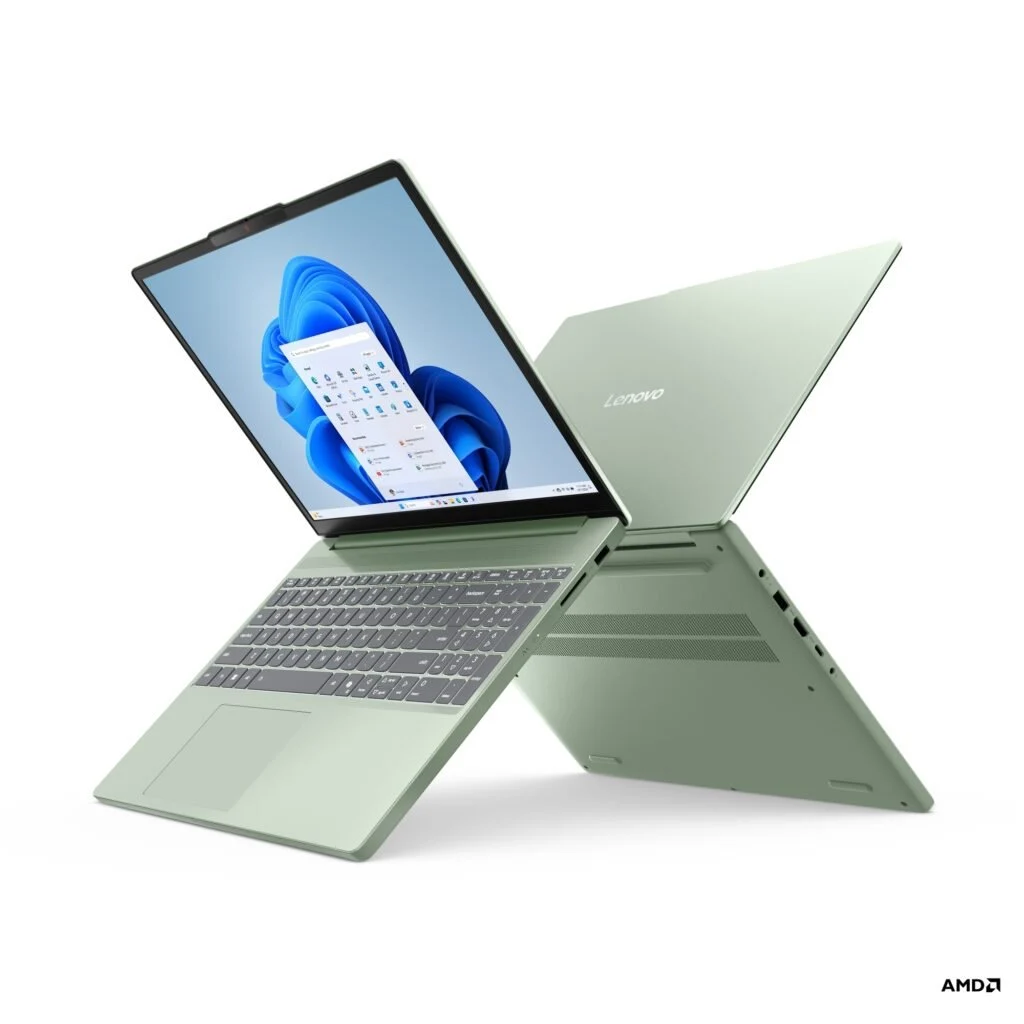
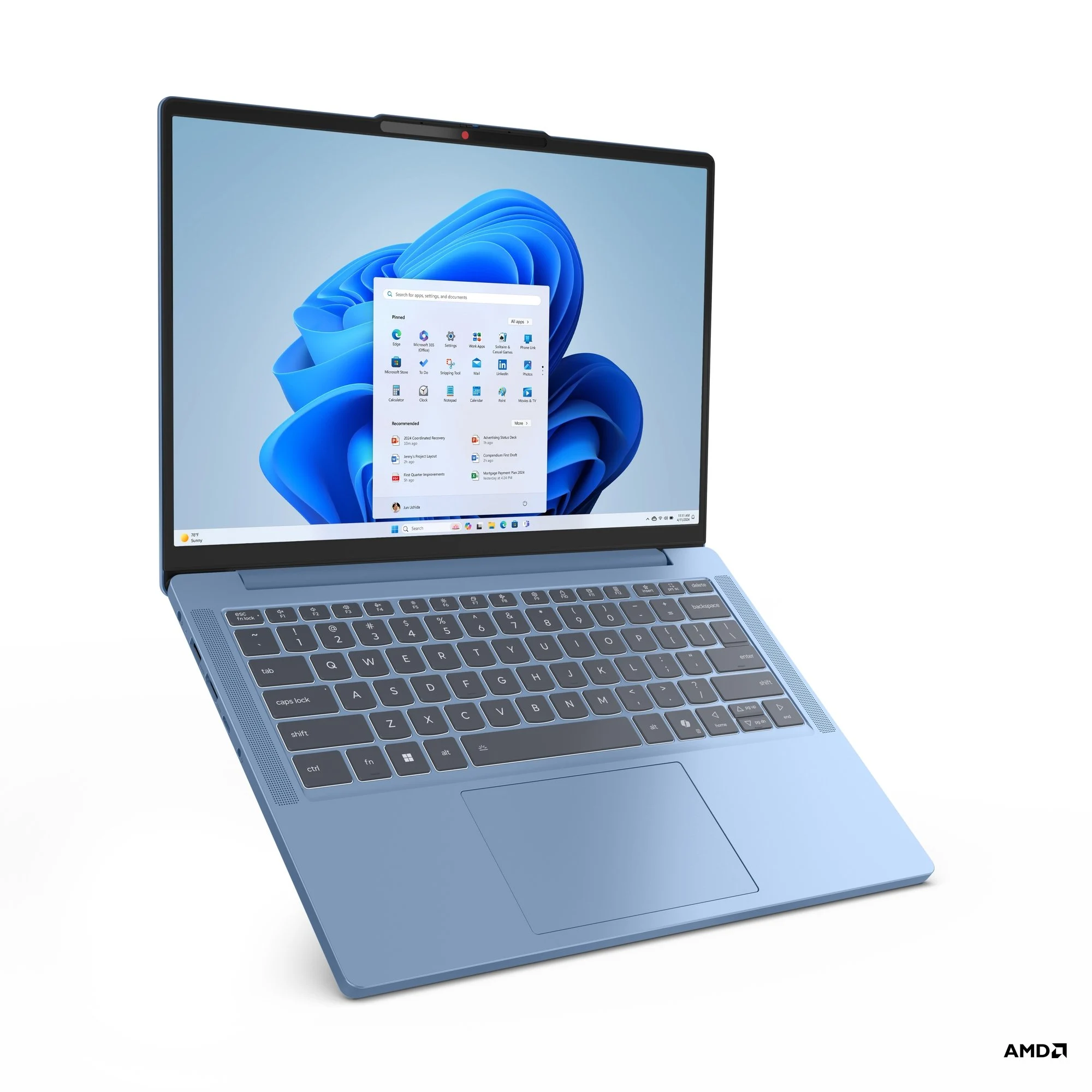
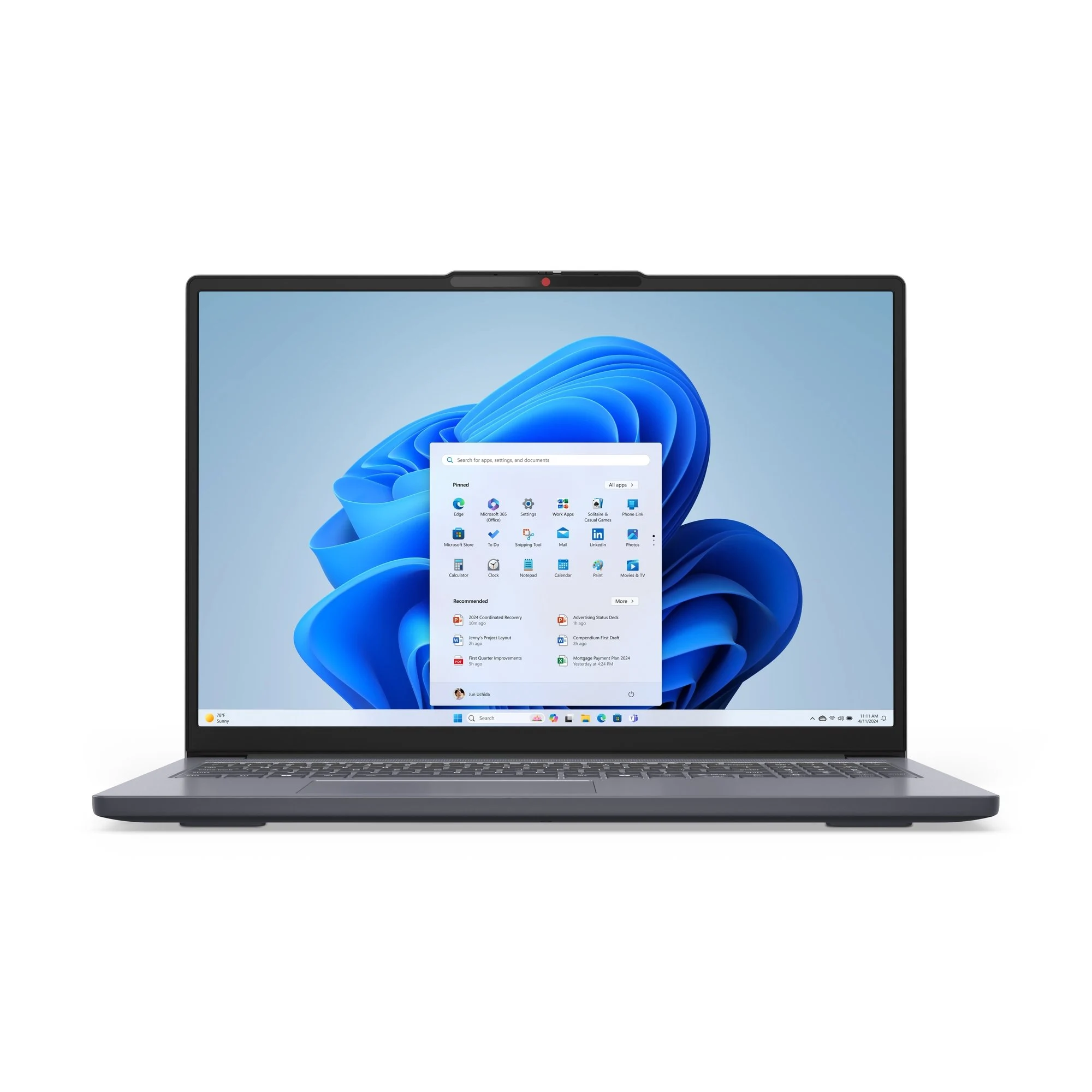
    Lenovo has introduced the IdeaPad Slim 3 2025 in India, aiming to enhance everyday performance for hybrid workers, students, and digital creators. This new model showcases a modern design with an upgraded metal build option and features designed for the demands of contemporary multitaskers. Below are the specifications, features, and pricing details for the IdeaPad Slim 3 2025.

    Specifications and Features Overview

    The Lenovo IdeaPad Slim 3 2025 sports a 16:10 aspect ratio and boasts a screen-to-body ratio exceeding 90%. It comes in various WUXGA IPS panel sizes, including 14-inch, 15.3-inch, and 16-inch options. Additionally, the laptop is equipped with a larger touchpad, a refined 0.1mm-dished keyboard, and an optional metal chassis that adds both durability and visual appeal. At a slim 16.95mm in certain variants, it’s designed for easy portability.

    Performance and Connectivity

    The IdeaPad Slim 3 2025 is powered by the latest Intel Raptor Lake H and AMD HawkPoint processors, delivering performance with a TDP of up to 25W. Smart Power optimization balances performance and energy consumption, making multitasking smooth. This device features a full USB-C port, dual SSD slots, and DDR5 RAM with an additional slot for future upgrades, ensuring fast performance and flexibility.

    Privacy and Battery Life

    For privacy concerns, the laptop includes a Full HD and IR camera equipped with a privacy shutter, a dual-mic array, and enhanced audio capabilities. It also supports Rapid Charge Boost technology, offering a battery option of up to 60Whr, enabling users to remain productive for extended durations.

    Pricing and Availability in India

    The Lenovo IdeaPad Slim 3 2025 is priced starting at INR 63,790 in India. Customers can buy the device through Lenovo.com, Lenovo Exclusive Stores, major e-commerce platforms, and offline retail partners. It comes with a 1-year warranty and 1 year of Accidental Damage Protection, providing users with extra assurance.


  • Chuwi CoreBook X Laptop: Intel Core i9 & 3:2 Aspect Ratio

    Chuwi CoreBook X Laptop: Intel Core i9 & 3:2 Aspect Ratio

    Key Takeaways

    1. Powerful Specs: The Chuwi CoreBook X features an Intel Core i9-13900HK processor, 32GB of RAM (upgradable to 96GB), and a 1TB M.2-2280 SSD.

    2. Unique Display: It has a 14-inch IPS screen with a 3:2 aspect ratio and a resolution of 2160 x 1440 pixels.

    3. Connectivity Options: The laptop includes HDMI 1.4, USB 3.0 Type-C, two USB-A 3.0 ports, an SD card slot, and a 3.5mm headphone jack.

    4. Additional Features: It supports WiFi 6 and Bluetooth 5.2, uses a standard barrel plug for power, and has a 46Wh battery.

    5. Dimensions and Weight: The CoreBook X measures approximately 12 x 9 x 0.7 inches and weighs around 3 lbs; pricing and release date are not yet announced.


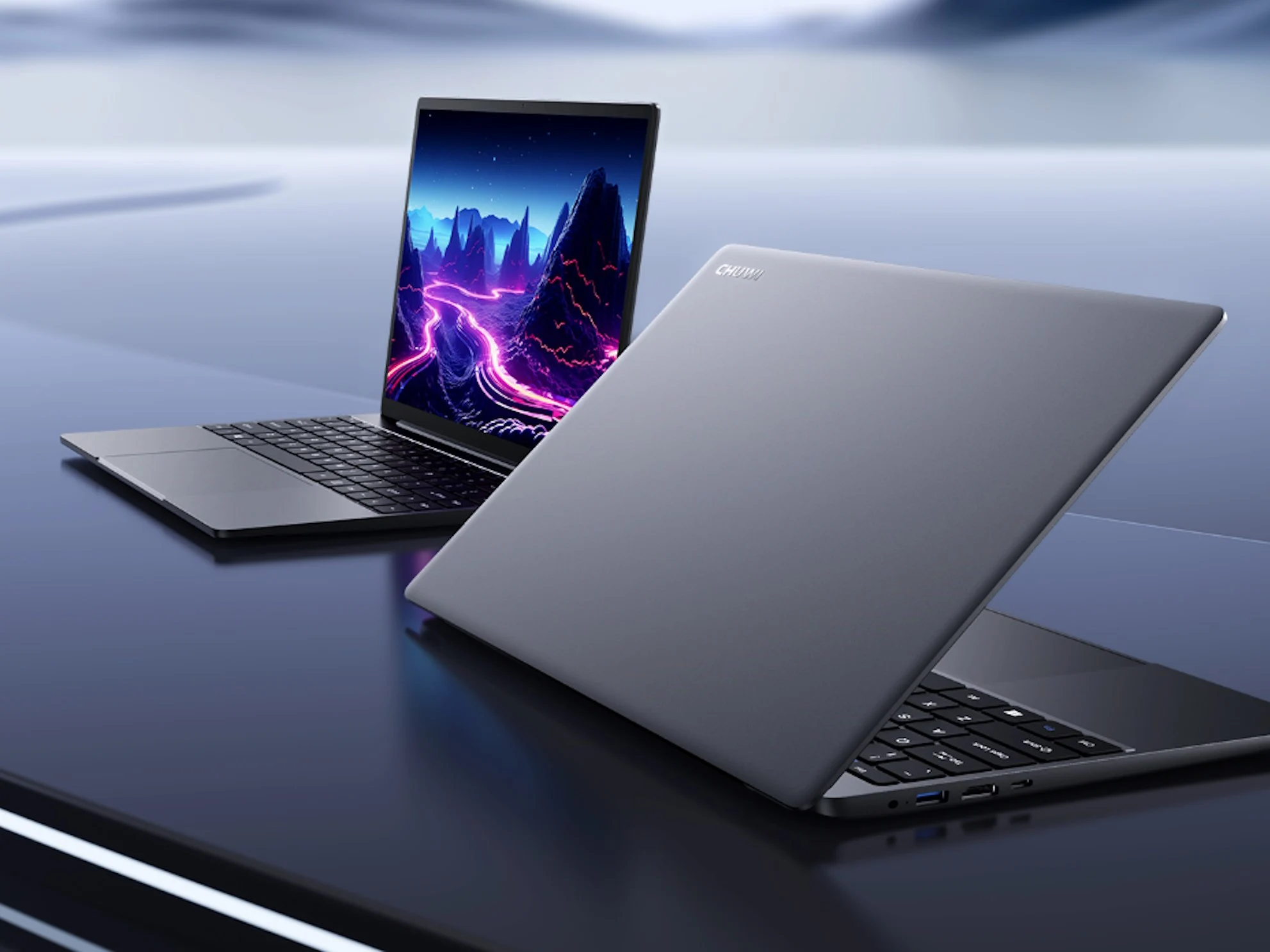
    Some folks may already know about the CoreBook X, but Chuwi has just revealed a new version of this laptop. It appears to be aimed at people who want decent performance, even if it’s not the quickest device out there.

    Powerful Specs

    To get into the details, the Chuwi CoreBook X runs on the Intel Core i9-13900HK, which came out in 2023, and it comes with 32GB of RAM that operates at 3,200MHz. You can upgrade the memory to a whopping 96GB after you buy it, and the M.2-2280 SSD offers 1TB of storage.

    Unique Display

    The display has a less common aspect ratio, as the 14-inch IPS screen features a 3:2 resolution of 2160 x 1440 pixels. You can connect external displays using HDMI 1.4 or USB 3.0 Type-C ports. Connectivity-wise, the Chuwi CoreBook X includes two extra USB-A 3.0 ports, an SD card slot, and a 3.5mm headphone jack.

    Additional Features

    This laptop uses a standard barrel plug for power and supports both WiFi 6 and Bluetooth 5.2. Additionally, the notebook’s dimensions are approximately 12 x 9 x 0.7 inches, it weighs around 3 lbs, and it has a 46Wh battery. Chuwi hasn’t yet shared an official price or release date for the new CoreBook X.

    Source:
    Link


  • Samsung and LG File Lawsuit Against India Over E-Waste Fees

    Samsung and LG File Lawsuit Against India Over E-Waste Fees

    Key Takeaways

    1. LG Electronics and Samsung are challenging the Indian government’s new e-waste recycling payment standards, which set fees at ₹22 per kg for consumer electronics and ₹34 per kg for smartphones.

    2. Both companies argue that the new rates significantly increase their recycling costs, with Samsung stating the fees are five to fifteen times higher than before.

    3. LG claims the regulation creates an unfair financial burden on manufacturers while benefiting recyclers, and does not address the informal sector handling 80% of India’s e-waste.

    4. India produced 3.8 million metric tons of e-waste in 2024, ranking third globally, with only 43% recycled through formal channels.

    5. Other companies, including Daikin and Havells, are also contesting the regulation, citing increased compliance costs and potential effects on product pricing, with the Delhi High Court set to review the cases.


    LG Electronics and Samsung have taken legal action against the Indian government, disputing the “minimum recycling payment standard” section of the E-Waste Management Amendment Regulations 2024. This new rule requires electronic manufacturers to pay a set fee of ₹22 per kilogram for recycling consumer electronics and ₹34 per kilogram for smartphones.

    Concerns from Major Companies

    Both firms assert that the updated rates significantly increase their recycling expenses. Samsung has indicated that the new fees are five to fifteen times higher compared to previous charges. Meanwhile, LG contends that this policy creates an unjust financial burden on manufacturers, mainly benefiting recyclers instead. They also point out that the regulation fails to consider the informal sector, which manages nearly 80% of India’s e-waste.

    E-Waste Statistics in India

    India generated 3.8 million metric tons of e-waste in 2024, ranking as the third-largest producer in the world. However, only 43% of this waste was recycled through formal channels. The remaining waste is dealt with by unregulated recyclers who often use unsafe methods. To address this issue, the government implemented a fixed payment system aimed at attracting more formal players to the market and encouraging investment in improved infrastructure.

    Legal Challenges from Other Companies

    Other businesses, such as Daikin, Havells, Voltas, and Blue Star, have also raised objections against the regulation in court, arguing that it leads to higher compliance costs and could affect product pricing. The Delhi High Court is set to review these cases on Tuesday.

    The results of these legal disputes could greatly influence India’s e-waste management strategies and the operational expenses of the electronics sector.

  • AMD Strix Halo Mini PC Teaser: FEVM FA-EX9 Revealed

    AMD Strix Halo Mini PC Teaser: FEVM FA-EX9 Revealed

    Key Takeaways

    1. AMD’s Ryzen AI Max Strix Halo processors are expanding to more desktops, attracting attention from lesser-known OEMs like GMKTec, Sixunited, and FEVM.
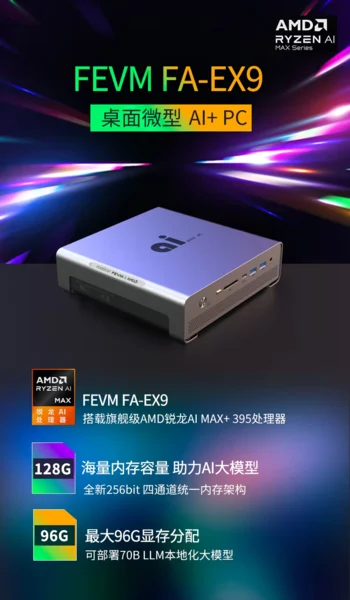
    2. The FEVM FA-EX9 mini PC can be equipped with an AMD Ryzen AI Max+ 395 processor, featuring 16 Zen 5 CPU cores and 40 RDNA 3.5 compute units.
    3. The FA-EX9 supports up to 128 GB of memory, with 96 GB available for GPU use, suitable for AI training tasks.
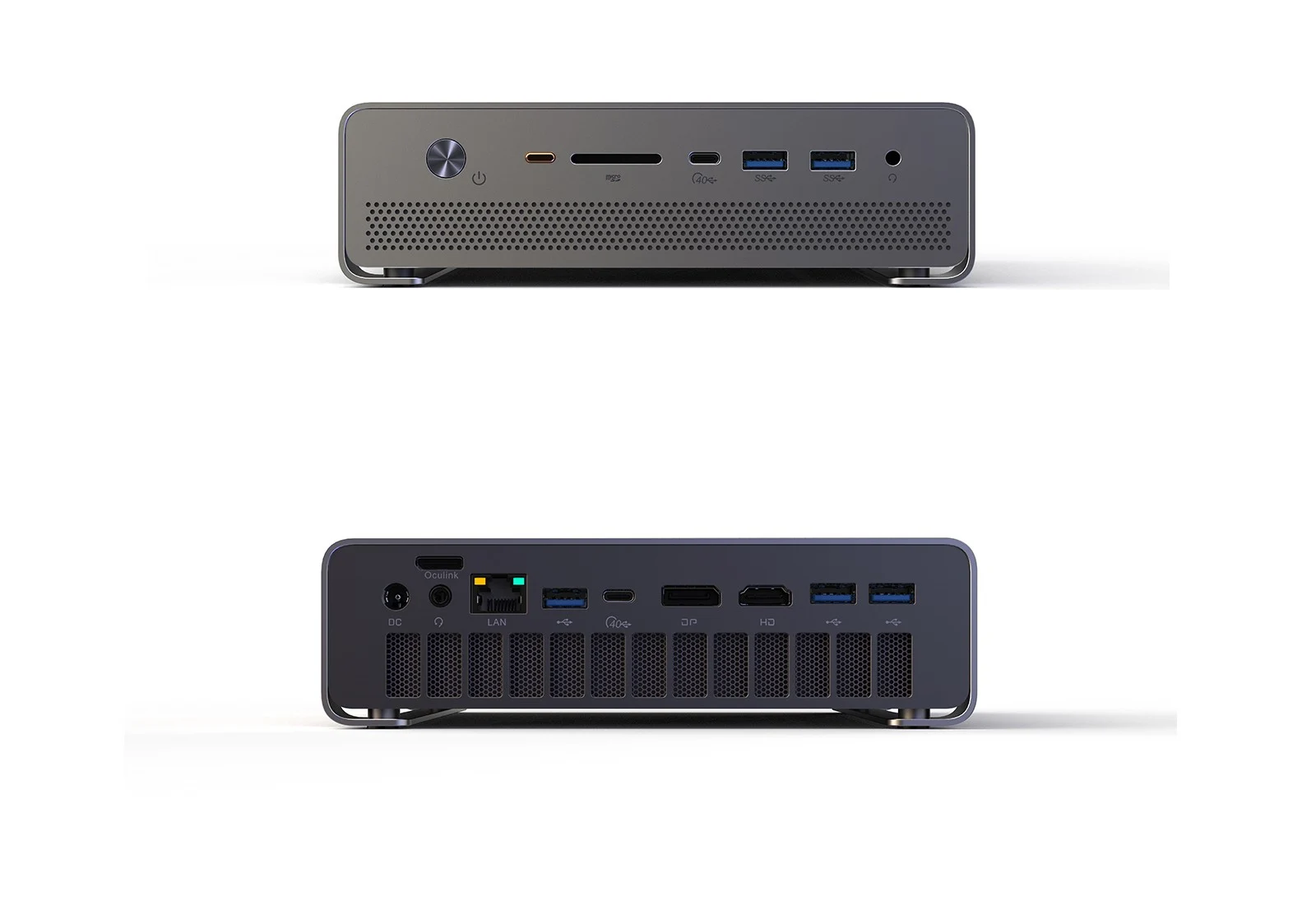
    4. The FA-EX9 includes multiple ports: micro SD card reader, USB 4.0, USB-A, Oculink, HDMI 2.1, DisplayPort 1.4, and Ethernet.
    5. FEVM is actively promoting the FA-EX9 on BiliBili, indicating their intent to compete in the mini PC market.


    Ever since Lisa Su, the CEO of AMD, announced that the company would expand its Ryzen AI Max Strix Halo processors to a wider range of desktops, several lesser-known OEMs have started showcasing their products. Among them, Chinese manufacturers like GMKTec and Sixunited are stepping up alongside Framework. Recently, FEVM has joined the competition with its new FA-EX9 model.

    Specifications Overview

    The FEVM FA-EX9 is capable of being outfitted with a powerful AMD Ryzen AI Max+ 395 processor, which boasts 16 Zen 5 CPU cores and 40 RDNA 3.5 compute units. Similar to other Strix Halo models, it can support a maximum of 128 GB of memory, with up to 96 GB dedicated for the GPU, which can be utilized for AI training tasks. The details about the storage capacity of this mini PC are not mentioned, but it does come with a 240 Watt GaN charger included in the package.

    Ports and Connectivity

    On the front side, the FEVM FA-EX9 features a micro SD card reader, a USB 4.0 40 Gbps Type-C port, along with two USB-A ports. The rear I/O includes an Oculink port for connecting an external GPU, an RJ-45 Ethernet port, three USB Type-A ports, another USB 4.0 port, an HDMI 2.1 port, and a DisplayPort 1.4 port. As for the pricing of the FA-EX9, FEVM has yet to reveal any numbers, but we can expect more details to surface in the following weeks.

    More Insights on FEVM

    FEVM has shared more about their product on BiliBili, providing additional insights that might be of interest to potential buyers. It’s clear that they are looking to make a mark in the mini PC market alongside other established brands.

    Source:
    Link


  • HoneyComb Mini-ITX Board: Octa-Core AMD CPU & 64GB DDR5 Support

    HoneyComb Mini-ITX Board: Octa-Core AMD CPU & 64GB DDR5 Support

    Key Takeaways

    1. The HoneyComb Ryzen V3000 is a single-board computer with an AMD Ryzen V3000 V3C18I processor featuring 8 cores and 16 threads.
    2. It weighs 2.5 lbs and has limited connectivity options, but includes two SFP+ ports (10Gbit/s) and one Ethernet port (2.5Gbit/s).
    3. The board supports up to 64GB of ECC DDR5 RAM, an NVMe SSD, and two SATA III drives, with additional connections via PCIe 4.0.
    4. It includes two USB 3.2 ports and two USB 2.0 ports, with the option to add more through headers, and supports a temperature range of -40 to 185 °F.
    5. The official price of the HoneyComb Ryzen V3000 is $1,000.


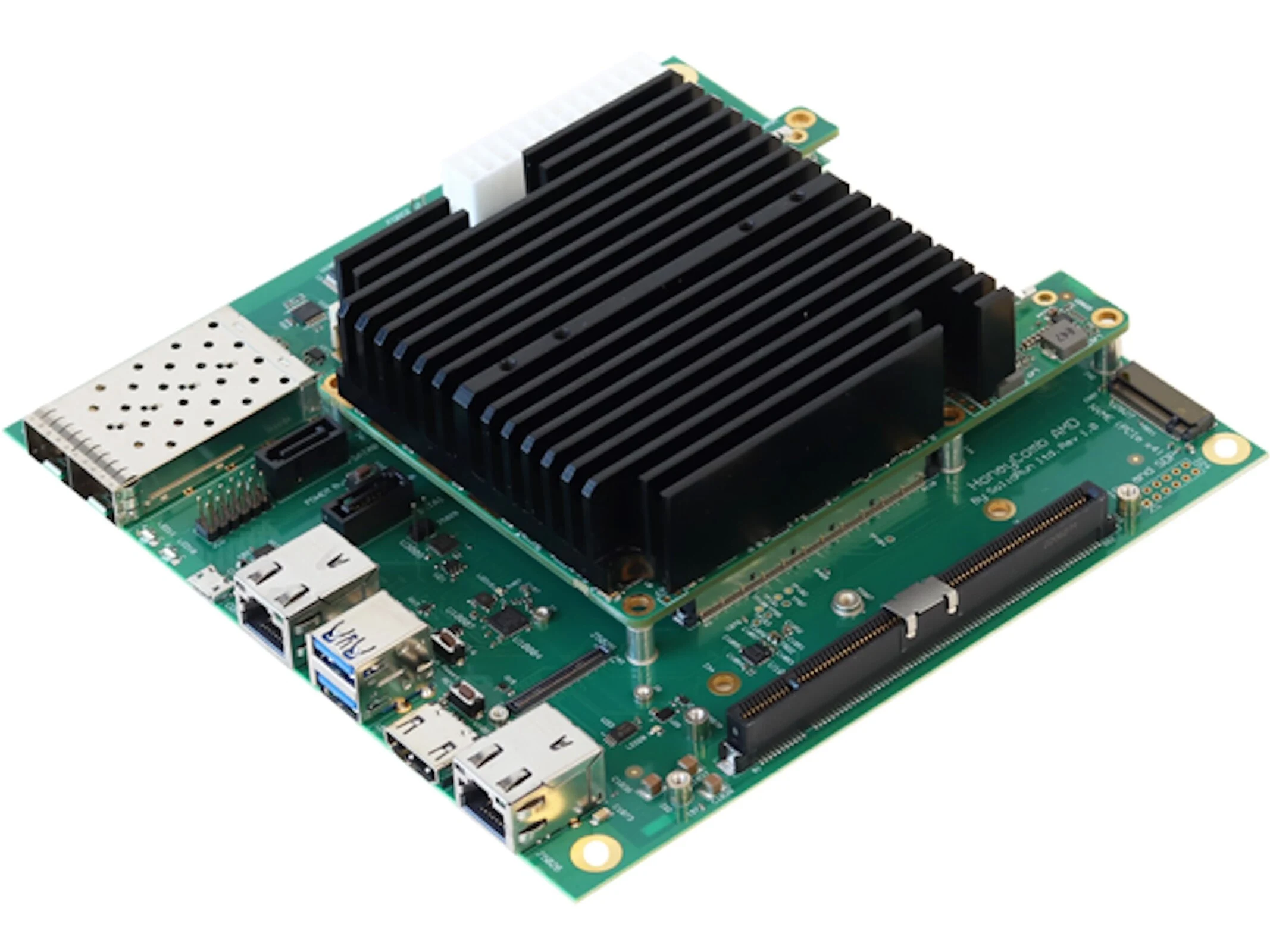
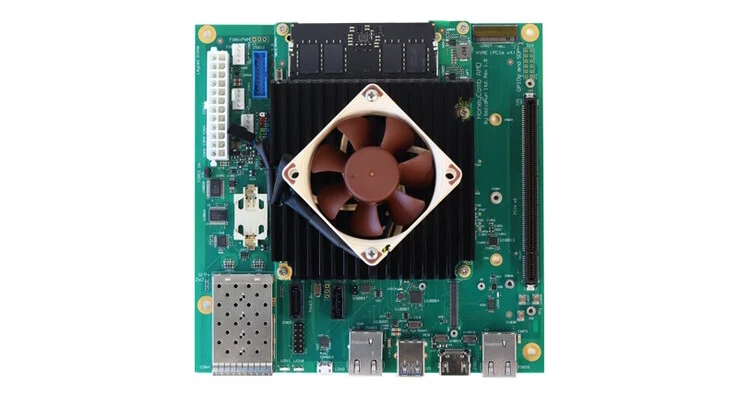
    The HoneyComb Ryzen V3000 is essentially a single-board computer, though it is broadly defined. It comes without any memory, but it has the AMD Ryzen V3000 V3C18I processor soldered directly onto the motherboard. This processor features 8 cores and 16 threads, with a base clock speed set at 1.9GHz and the ability to boost up to 3.8GHz. To keep the CPU cool, there’s a heatsink along with a small fan.

    Weight and Connectivity

    Weighing approximately 2.5 lbs, this board isn’t your typical desktop motherboard, as it misses out on certain connectivity options. However, the HoneyComb Ryzen V3000 serves as a great foundation for creating a network device. It includes two SFP+ ports that provide a bandwidth of 10Gbit/s, while the Ethernet port reaches a maximum speed of 2.5Gbit/s.

    Memory and Storage Options

    Moreover, the board can support up to 64GB of ECC DDR5 RAM, an NVMe SSD, and two SATA III drives. Users can also add more connections using PCIe 4.0 along with compatible adapters, which are readily available on Amazon.

    USB and Temperature Range

    Onboard, you’ll find two USB 3.2 ports and two USB 2.0 ports, and more USB ports can be added through headers. I2C and GPO are also present, and the board is designed to handle ambient temperatures from -40 to 185 °F. The HoneyComb Ryzen V3000 is officially priced at $1,000.

    Source:
    Link