Category: Computers

  • SanDisk Unveils Ultra-Fast Gen5 Gaming SSD WD_Black SN8100

    SanDisk Unveils Ultra-Fast Gen5 Gaming SSD WD_Black SN8100

    Key Takeaways

    1. The WD_Black SN8100 NVMe SSD features PCIe Gen 5.0 for high performance, targeting gamers and content creators.
    2. It offers impressive read speeds up to 14,900 MB/s and write speeds of 14,000 MB/s, significantly faster than previous PCIe Gen 4.0 SSDs.
    3. The SSD achieves over 2,300,000 IOPS for random performance, enhancing quick access to small data chunks.
    4. It boasts a durability rating of up to 2,400 TBW for the 4 TB model, suitable for demanding applications.
    5. The WD_Black SN8100 will be available in 1 TB, 2 TB, and 4 TB sizes, with an anticipated 8 TB version coming by late 2025, and includes a five-year warranty.


    SanDisk has launched a new premium SSD under the WD_Black label. The WD_Black SN8100 NVMe SSD employs the PCIe Gen 5.0 connection and is specifically designed for high-performance PC users, which includes serious gamers, content creators, and professionals who need superior storage capabilities.

    Performance Specs

    This SSD comes in the M.2 2280 size and boasts impressive read speeds of up to 14,900 MB/s and write speeds reaching 14,000 MB/s, as claimed by SanDisk. These speeds position it among the quickest models on the market, offering a notable edge over SSDs based on PCIe 4.0. Notably, the read speed is reported to have more than doubled when compared to the earlier SanDisk PCIe Gen 4.0 SSD.

    Random Performance

    The SN8100 also delivers exceptional random performance metrics, exceeding 2,300,000 IOPS for both the 2 TB and 4 TB versions. This is crucial for quick access to small data chunks. SanDisk incorporates its proprietary BiCS8 TLC 3D CBA NAND technology in this model. Besides its speed, the SSD is claimed to be over 100% more energy-efficient than the previous generation, with an average power draw during use estimated to be below 7 watts.

    Longevity and Availability

    Regarding durability, the company states a figure of up to 2,400 TBW (terabytes written) for the 4 TB model. This aligns with the typical lifespan for high-end SSDs and should adequately support demanding applications like gaming, video editing, and AI tasks.

    When it debuts, the WD Black SN8100 will come in sizes of 1 TB, 2 TB, and 4 TB. By late 2025, a larger 8 TB version is anticipated, which will be available with or without a heatsink, priced about $20 more than the version lacking cooling features. SanDisk backs the WD Black SN8100 with a five-year warranty.

    Source:
    Link
  • Alpha-One Mini PC with NPU and 20 TOPS Performance

    Alpha-One Mini PC with NPU and 20 TOPS Performance

    Key Takeaways

    1. Most AI models are cloud-based, which can create legal issues with sensitive data.
    2. AMD and Intel are integrating NPUs into their chipsets, while more devices emphasize local AI capabilities.
    3. The Pine64 Alpha-One mini PC features a robust NPU with 20 TOPS INT8 performance, based on RISC-V architecture.
    4. It builds on the StarPro64 SBC and includes 64GB of eMMC storage and a preloaded 7b Deepseek/Oen LLM.
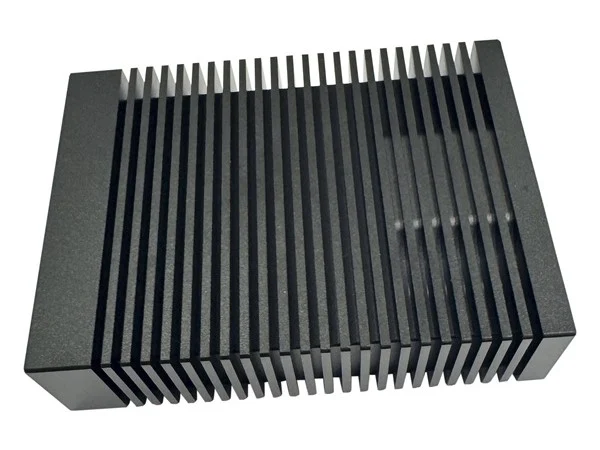
    5. The device operates quietly with passive cooling, uses less than 30 watts, supports 4K monitors, and is priced at $330.


    The majority of AI models today operate in the cloud, relying on external computers. While this is easy to use, it can lead to (legal) complications when handling sensitive data for analysis. Even though regular users typically do not run AI models on their own devices, companies such as AMD and Intel are already incorporating NPUs into their existing chipsets. Additionally, some network storage devices and security cameras are beginning to emphasize local AI capabilities.

    New Mini PC with RISC-V Architecture

    Recently, a new mini PC utilizing the RISC-V architecture and boasting a robust NPU has been introduced. The Pine64 Alpha-One features an NPU with an INT8 performance reaching 20 TOPS. It’s important to mention that other contemporary APUs could be considerably more powerful in this area.

    Based on Existing Technology

    The Pine64 device is not completely novel, as it builds off the StarPro64 SBC. This board is equipped with an ESWIN EIC7700X SoC which has four SiFive 550 processing cores that can operate at speeds of up to 1.4GHz. In addition, the Alpha-One includes 64GB of eMMC storage, and comes preloaded with 7b Deepseek/Oen LLM in Docker containers. The manufacturer also asserts that it achieves a throughput of about 3.5 tokens per second (for a 7b LLM), which should suffice for many novices eager to run AI models locally.

    Power and Connectivity Features

    Power is delivered through a DC barrel plug at 12 volts, and USB Type-C PD is not available. This mini PC has a passive cooling system, ensuring that there’s no fan noise, as the SoC’s temperatures are regulated by a heat pipe. The device operates on less than 30 watts and provides various connectivity options like Ethernet, USB 3.0, and USB 2.0. Furthermore, the Pine64 Alpha-One is capable of supporting 4K monitors at resolutions up to 60Hz, and PCIe Gen 3 with four lanes can be utilized for specific expansion modules. The new mini PC is priced at $330, yet no specific release date has been announced yet.

    Source:
    Link

  • AMD Zen 7 3D Core Leaks: Mandatory Cache Chiplets for Gaming Boost

    AMD Zen 7 3D Core Leaks: Mandatory Cache Chiplets for Gaming Boost

    Key Takeaways

    1. AMD is expected to enhance gaming capabilities in Zen 6 CPUs by increasing the size of the 3D V-Cache.
    2. Zen 7 is rumored to introduce a unified CPU architecture with various core types, including “Classic,” “Dense,” “Efficiency,” and “Low-Power” cores.
    3. The new “3D Core” in Zen 7 will feature individual cache chiplets for each core, rather than a shared cache unit.
    4. AMD is heavily investing in the latest process node technology for Zen 7, aiming for cutting-edge manufacturing from TSMC or Samsung.
    5. Anticipation for more details on Zen 7, particularly regarding the 3D Core, is high, with expectations of improved gaming performance.


    We are currently at a stage in the progression of AMD Zen 5 Ryzen 9000 CPUs where there is an uptick in leaks and speculation about future AMD CPU designs. We’ve shared a lot of information about Zen 6 enhancements, such as the expected CPU core counts, clock speeds, and cache capacities. Additionally, leaks have verified that AMD plans to boost the gaming capabilities of Zen 6 CPUs further by enlarging the 3D V-Cache.

    AMD’s Future Plans

    Thanks to insights from Moore’s Law Is Dead, we might have a clearer picture of AMD’s strategy for CPU architectures post-Zen 6. Zen 7, or whatever name the successor to Zen 6 will carry, is said to introduce a range of new features, including a novel “3D Core”.

    According to the information provided by MLID, AMD aims to create a unified CPU architecture with Zen 7, which will then be divided into various product categories. Reportedly, Team Red is working on new core types, including “Classic,” “Dense,” “Efficiency,” and “Low-Power” cores for Zen 7. Moreover, AMD is investing heavily in the latest process node for Zen 7, meaning they will utilize whatever cutting-edge nodes are available from foundries like TSMC or Samsung at that time.

    The Exciting New 3D Core

    Despite the interesting details shared by MLID, none are as thrilling as the introduction of Zen 7’s new “3D Core.”

    MLID hasn’t disclosed too much about the 3D Core, as it seems the leaker is reserving details for a more comprehensive Zen 7 leak in the future. However, what we do know about the 3D Cores for Zen 7 is quite intriguing.

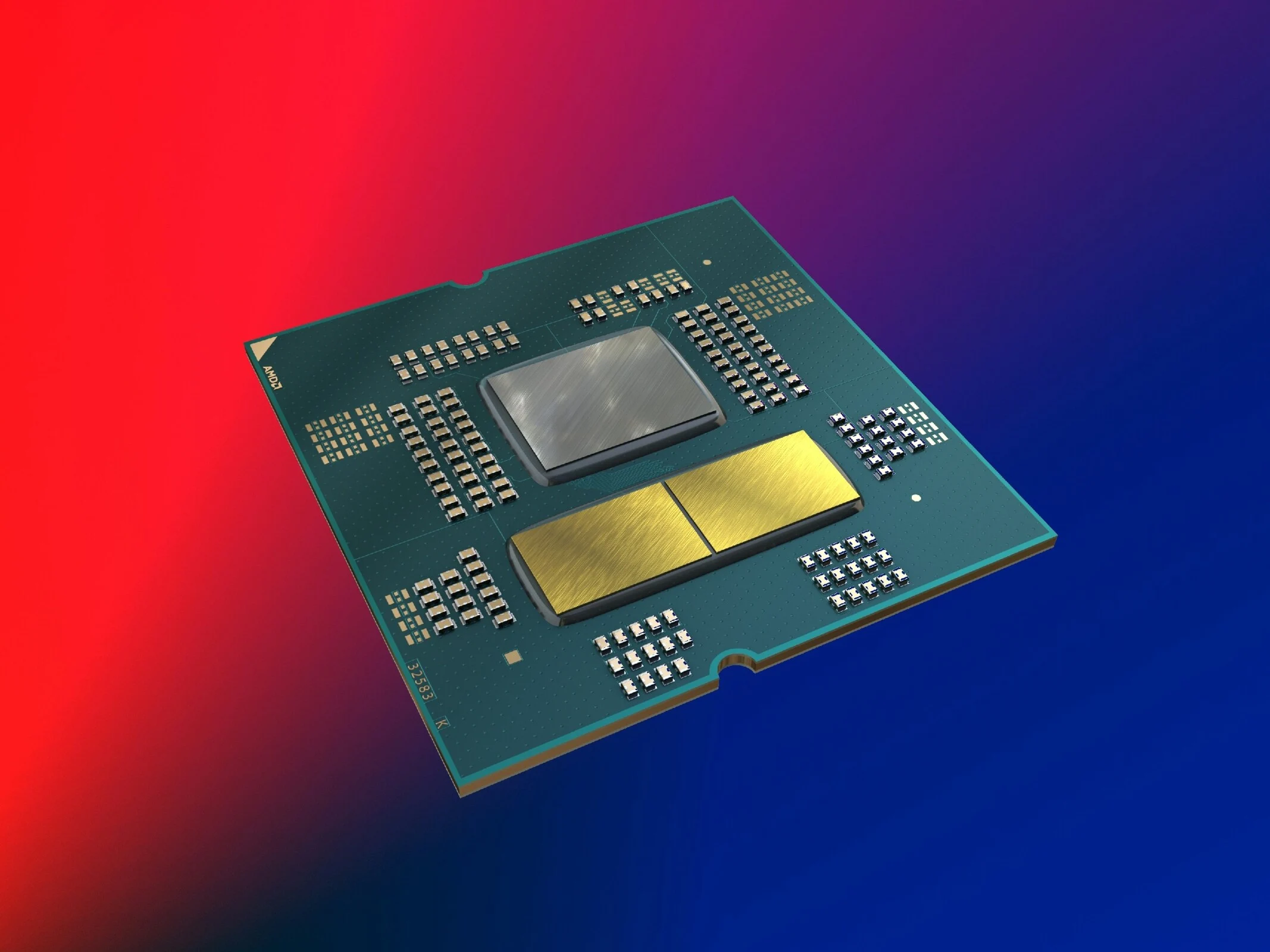
    To begin with, while Zen 7’s 3D Core uses the same cache-stacking concept seen in 3D V-Cache, it is fundamentally distinct. From our understanding, each Zen 7 3D Core will feature its own cache chiplet, instead of having a single cache unit shared across the entire CCD.

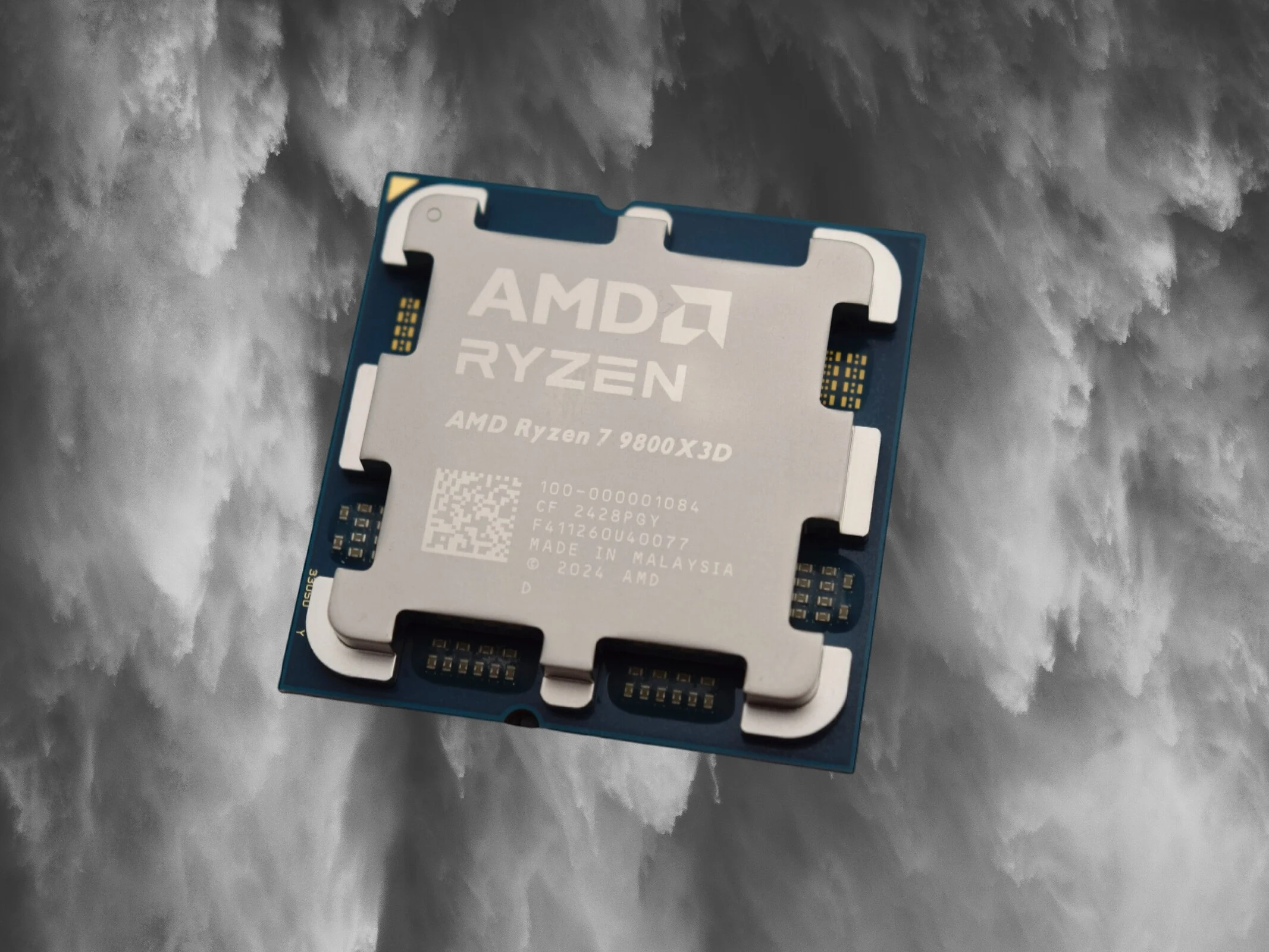
    Presently, AMD’s 3D V-Cache CPUs, like the Ryzen 7 9800X3D, utilize one 64 MB cache chiplet positioned beneath a CCD that houses 8 cores. This means the 64 MB 3D V-Cache is distributed across the CCD. MLID suggests that every 3D Core in a Zen 7 CPU will possess its own cache chiplet, rather than relying on one block for the entire CCD.

    Anticipation for More Details

    We’ll need to wait for a more detailed leak from MLID regarding Zen 7 to gain additional insights about the 3D core. Until that happens, it’s an exciting prospect if AMD is indeed pursuing this direction with Zen 7, as it could lead to significantly enhanced gaming performance.

    It’s already established that 3D V-Cache is extremely beneficial for gaming. Over the last two CPU generations, the top gaming CPUs available have been AMD models featuring 3D V-Cache, such as the Ryzen 9 9950X3D and Ryzen 7 7800X3D. Thus, it’s easy to imagine that a Zen 7 CPU equipped with 3D Cores, each having its own cache chiplet, could dominate gaming performance.

    As always, rumors like these are prone to inaccuracies or may overlook crucial details. Therefore, it’s wise to approach this information with a healthy skepticism.

    Source:
    Link


  • System76 Serval WS Linux Laptop Now Features RTX 5070 Ti GPU

    System76 Serval WS Linux Laptop Now Features RTX 5070 Ti GPU

    Key Takeaways

    1. System76 offers a variety of Linux-compatible products, including laptops, desktops, mini PCs, servers, and keyboards.
    2. The upgraded Serval WS notebook features a 16-inch display with a 240 Hz refresh rate and a resolution of 2560 × 1600.
    3. It is powered by an Intel Core Ultra 9 275HX processor with 24 cores and can support up to 96 GB of DDR5 RAM.
    4. Users can expand storage up to 12 TB with PCIe 5.0 and 4.0, and it includes advanced connectivity options like 2.5 GbE Ethernet, WLAN 7, and Bluetooth 5.4.
    5. The Serval WS starts at $2,999 and comes pre-installed with Pop!_OS, with Ubuntu 24.04 LTS as an additional option.


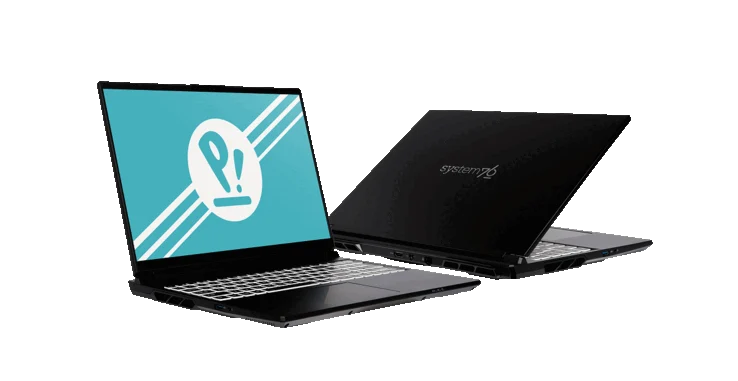
    US company System76 offers a wide range of products, including laptops, desktop computers, mini PCs, servers, and keyboards. Their devices are specifically designed to work with Linux, and they come pre-installed with System76’s own Linux distribution, Pop!_OS. The Serval WS notebook is now receiving an upgrade, featuring powerful hardware that targets scientists, gamers, engineers, and developers.

    Exciting New Features

    One of the most notable upgrades to the Serval WS notebook is its 16-inch display, which boasts a fast refresh rate of 240 Hz and a resolution of 2560 × 1600 in a 16:10 aspect ratio. To take full advantage of this high refresh rate for gaming and other uses, it includes an Nvidia GeForce RTX 5070 Ti laptop GPU with 12 GB of DDR7 RAM, which System76 claims can achieve up to 1406 TOPS.

    Enhanced Performance

    The updated Serval WS is powered by an Intel Core Ultra 9 275HX processor, featuring a total of 24 cores split between 8 performance cores and 16 efficiency cores. To handle even the toughest computing tasks, this Linux laptop can be configured with as much as 96 GB DDR5 RAM running at 5600 MT/s, although it already comes with 32 GB of RAM as standard.

    Connectivity and Storage Options

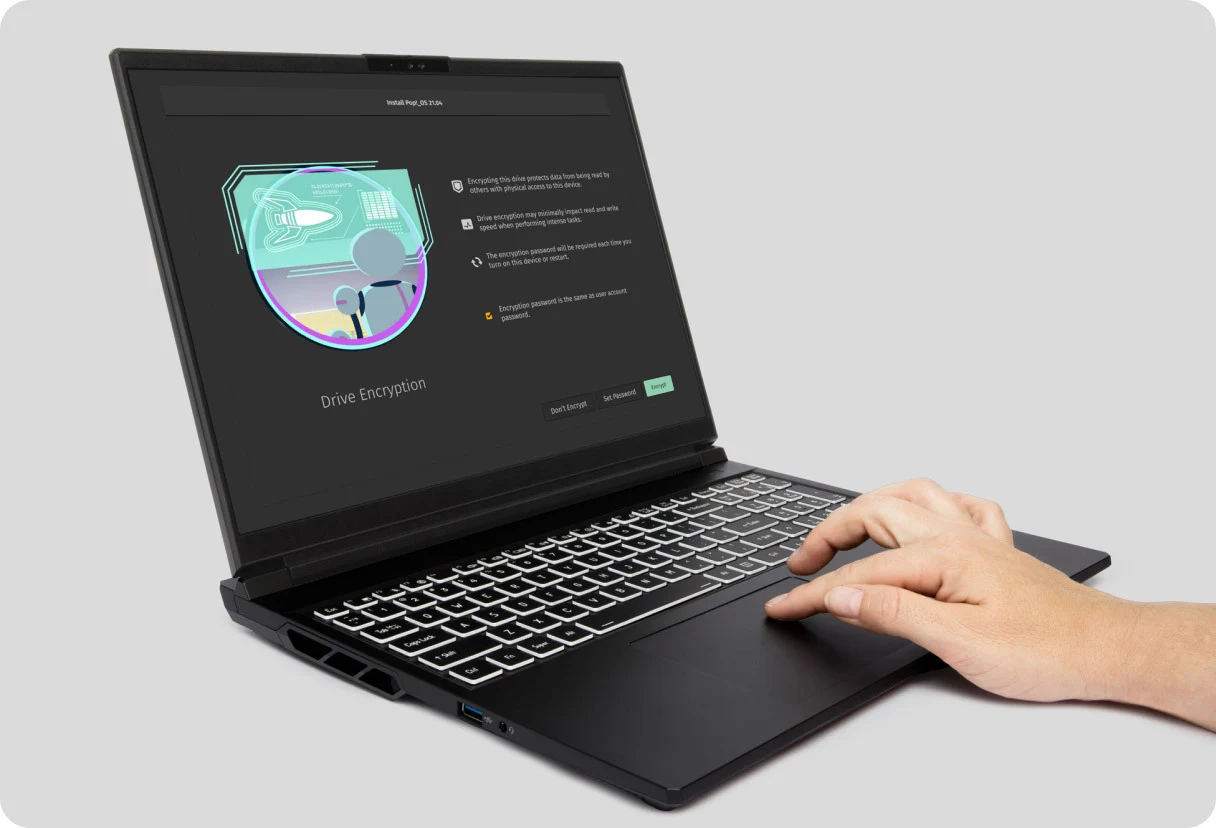
    Moreover, users can add up to 12 TB of storage, utilizing both PCIe 5.0 and 4.0 technology. In terms of connectivity, the Serval WS notebook is equipped with 2.5 GbE Ethernet, WLAN 7, and Bluetooth 5.4, making it very modern. Apart from the built-in Pop!_OS 22.04 LTS, which includes full hard drive encryption, Ubuntu 24.04 LTS is also an option for the operating system.

    You can find the refreshed Serval WS available for purchase on System76’s online store, starting at a price of $2,999 (not including shipping), featuring a US ANSI keyboard. The expected delivery date is set for the end of May.

    Source:
    Link


  • ECS Launches Ultraportable Laptops with AI-Powered Intel, AMD, Qualcomm

    ECS Launches Ultraportable Laptops with AI-Powered Intel, AMD, Qualcomm

    Key Takeaways

    1. ECS is returning to the laptop market, focusing on compact designs and AI-enhanced processors from Intel, AMD, and Qualcomm.
    2. The new UP42 series includes three 14-inch ultraportables and a 15.3-inch UP52PW model powered by Snapdragon X Plus chips.
    3. All models feature a sleek metal design, 16.9 mm thickness, 1.5 kg weight, and display options of 1080p or 2560 x 1600 resolutions.
    4. The laptops support up to 64 GB DDR5 RAM, have a single M.2 SSD slot for up to 1 TB storage, and offer various connectivity options including USB4 and HDMI 2.1.
    5. Pricing is not yet revealed, but ECS aims to be competitive in the SEA market against brands like Lenovo, Asus, and MSI.


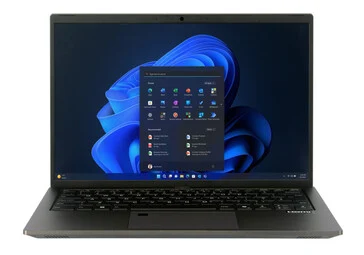
    Back in the early 2000s, ECS was as well-known as Asus in the laptop industry, but they decided to concentrate on compact designs and embedded systems. With all major CPU manufacturers now providing AI-enhanced processors that consume less power, ECS is shifting its focus back to laptops. At Computex 2025, ECS is set to broaden its laptop range, showcasing a variety of specifications that will include processors from Intel, AMD, and Qualcomm.

    New Models in the Lineup

    The fresh AI-infused ultraportables consist of three new 14-inch models from the UP42 series:

    Additionally, there’s a 15.3-inch UP52PW model that runs solely on the Snapdragon X Plus chips.

    Design and Features

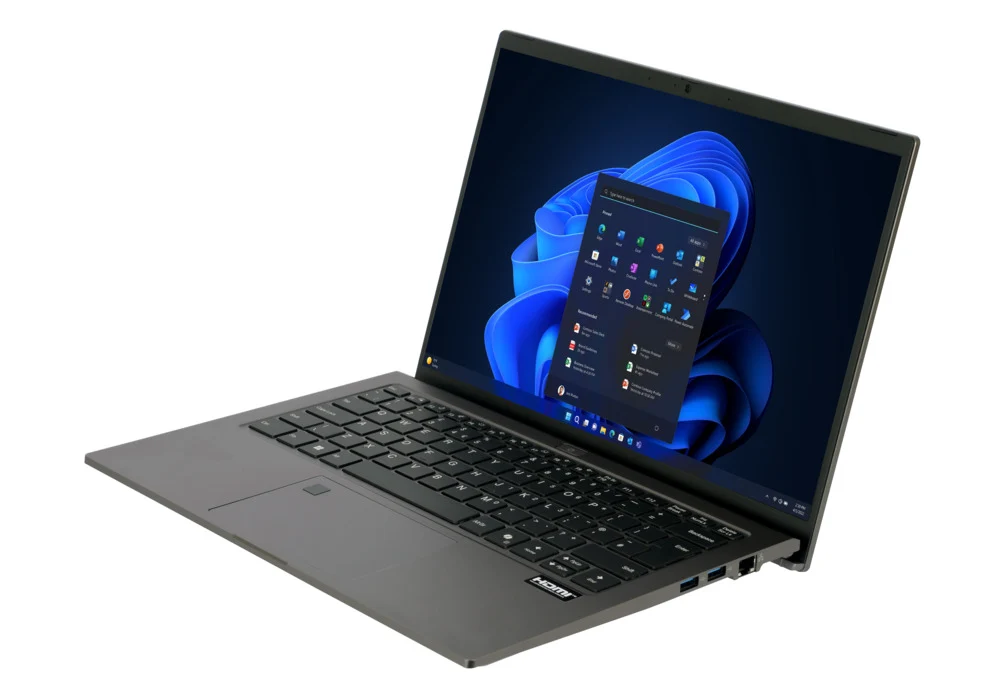
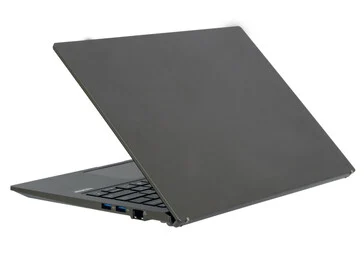
    Every new model boasts a sleek metal body with a 16.9 mm (0.66-inch) thickness and weighs just 1.5 kg (3.3 lbs). Two display choices are offered: one with an IPS 1080p panel and another with a 2560 x 1600 resolution, both featuring an 88% narrow bezel.

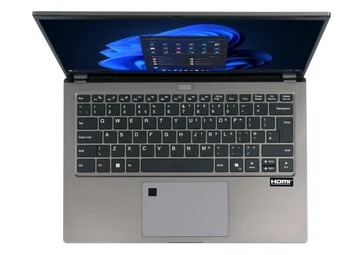
    As of now, only the AMD specifications are available on the official website. ECS has not specified the precise CPU model, indicating only that it can have a maximum of 8 cores and 16 threads using Zen 5 tech. The devices support up to 64 GB of DDR5-5600 RAM and include a single M.2 SSD slot that can hold up to 1 TB of storage. Other typical features include a 2 MP webcam with a dual microphone array, a wireless card up to RTL8852CE Wi-Fi 6E, plus a GbE NIC, Copilot+ compatibility, a fingerprint sensor on the trackpad, and options for either a 55 or 70 Wh battery.

    Connectivity Options

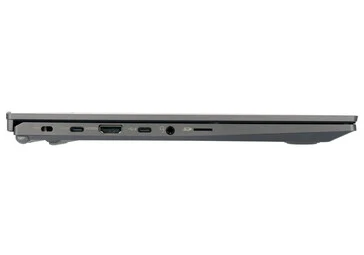
    The AMD variant provides a USB4 port, a USB-C 3.2 Gen 2, two USB-A 3.2 Gen 1 ports, HDMI 2.1 TMDS video output, an audio jack, and a microSD card reader. The Intel version will likely include up to two Thunderbolt 4 ports, while the Snapdragon variant is expected to utilize USB4.

    Though pricing details are not yet disclosed, given that ECS is currently more favored in the SEA market, the prices are likely to be competitive with rivals such as Lenovo, Asus, and MSI.

    Source:
    Link


  • New Microsoft Surface Pro and Laptop Expected Next Year with AMD Processors

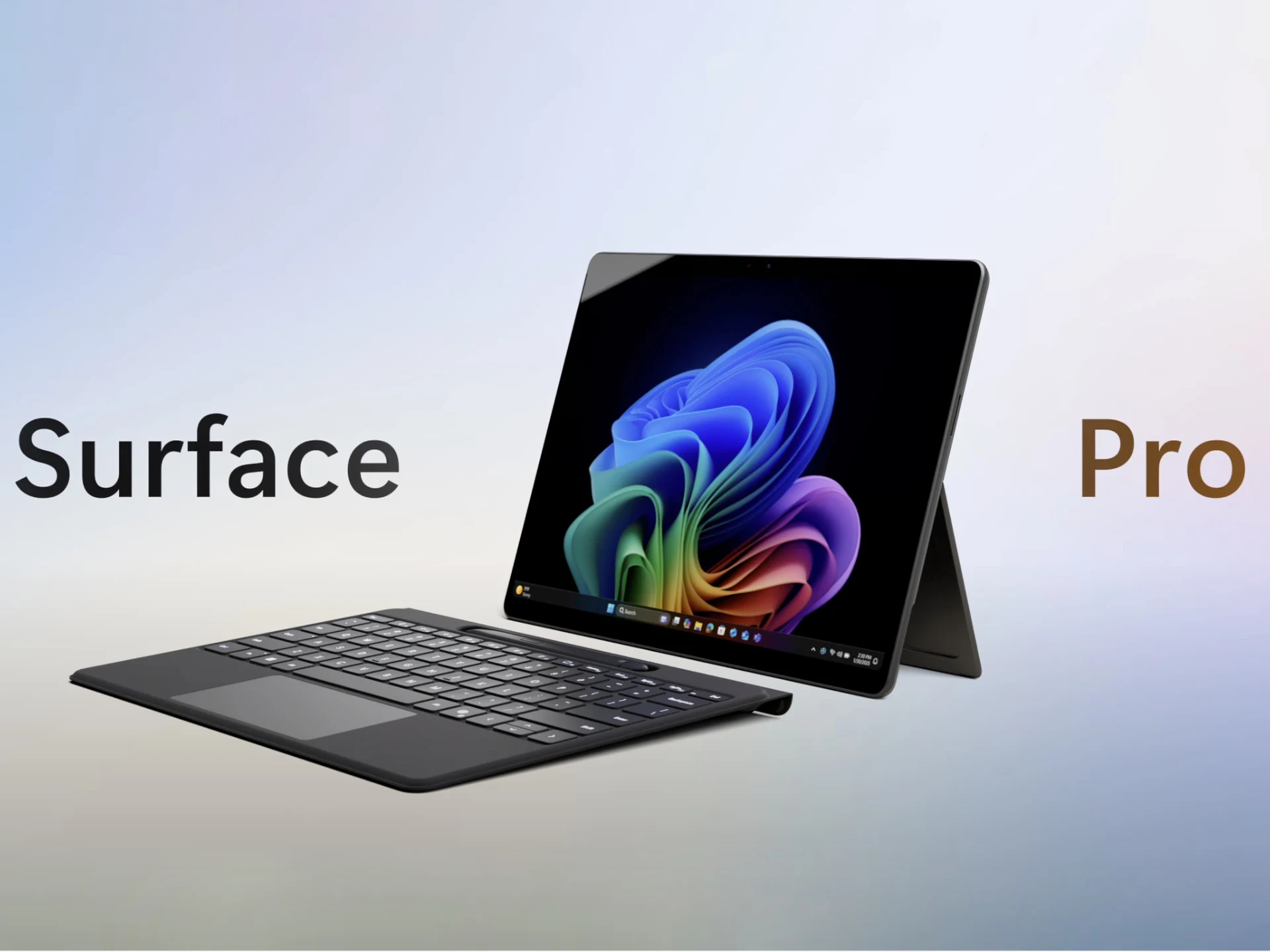
    New Microsoft Surface Pro and Laptop Expected Next Year with AMD Processors

    Key Takeaways

    1. Microsoft launched Intel Lunar Lake editions of the Surface Laptop 7 and Surface Pro 11, along with a new Surface USB4 Dock priced at $199.99.
    2. The company introduced more affordable 13-inch Surface Laptop and 12-inch Surface Pro models compared to existing ARM-based versions.
    3. A new Surface Laptop Studio with the latest x86 processors is speculated to be released by the end of the year.
    4. Microsoft is reportedly collaborating with AMD on new chipsets based on ‘Sound Wave’ architecture for future Surface devices.
    5. The Sound Wave APUs are expected to feature eight ARM-derived CPU cores and an integrated GPU, designed for Microsoft’s 2026 Surface lineup, potentially including Surface Laptop 8 and Surface Pro 12.


    Microsoft has launched four new models of the Surface Laptop and Surface Pro this year. To summarize, the company started 2025 by unveiling the Intel Lunar Lake editions of the Surface Laptop 7 and Surface Pro 11, along with the Surface USB4 Dock, which is currently priced at $199.99 on Amazon.

    Recent Announcements

    Last week, Microsoft introduced the 13-inch Surface Laptop and the 12-inch Surface Pro as more affordable options compared to their current ARM-based versions. There are indications that Microsoft is still active in its Surface line. Speculation suggests that a new Surface Laptop Studio, featuring the latest x86 processors, could be released before the year wraps up.

    Future Developments

    Looking ahead, rumors hint at something even more significant for next year. Reports indicate that Microsoft is collaborating with AMD for chipsets intended for a variety of upcoming Surface devices. These chipsets are reportedly based on AMD’s ‘Sound Wave’ architecture, a topic discussed by Moore’s Law is Dead back in March.

    The AMD Sound Wave APUs are rumored to include eight CPU cores derived from ARM, divided into two performance clusters and four efficiency clusters. They also come with an integrated GPU featuring four Compute Units (CUs) based on the ‘RDNA 3.5+’ architecture. According to Moore’s Law is Dead, the Sound Wave APUs will utilize TSMC’s 3 nm nodes to ensure optimal power efficiency within a range of 5-10 W.

    Expected Releases

    While information is still limited, KeplerL2 suggests that AMD has specifically tailored the Sound Wave APUs for Microsoft’s ‘2026 Surface lineup’. Therefore, it wouldn’t be surprising if the Surface Laptop 8 and Surface Pro 12 were launched in the spring to take the place of Microsoft’s existing consumer-oriented models.

    Source:
    Link

  • Acer Swift 16 AI Review: Stunning OLED and Great Value

    Acer Swift 16 AI Review: Stunning OLED and Great Value

    Key Takeaways

    1. The Acer Swift 16 AI features a standout 16-inch OLED screen with deep blacks, bright colors, and crisp resolution, ideal for creative tasks and video watching.
    2. The laptop is powered by the Core Ultra 9 288V processor, but various configurations are available, ranging from Core Ultra 5 226V to Core Ultra 9 288V, priced between €1,200 and €1,700.
    3. Higher-priced models are not always the best choice; the Core Ultra 7 258V delivers comparable performance to the Core Ultra 9 at a lower cost.
    4. Budget-conscious shoppers can find value by opting for models without features like a touchscreen and considering configurations around €1,350.
    5. Expanding internal storage with a second NVMe SSD is a cost-effective option, as SSDs can be purchased for around $60 on Amazon.


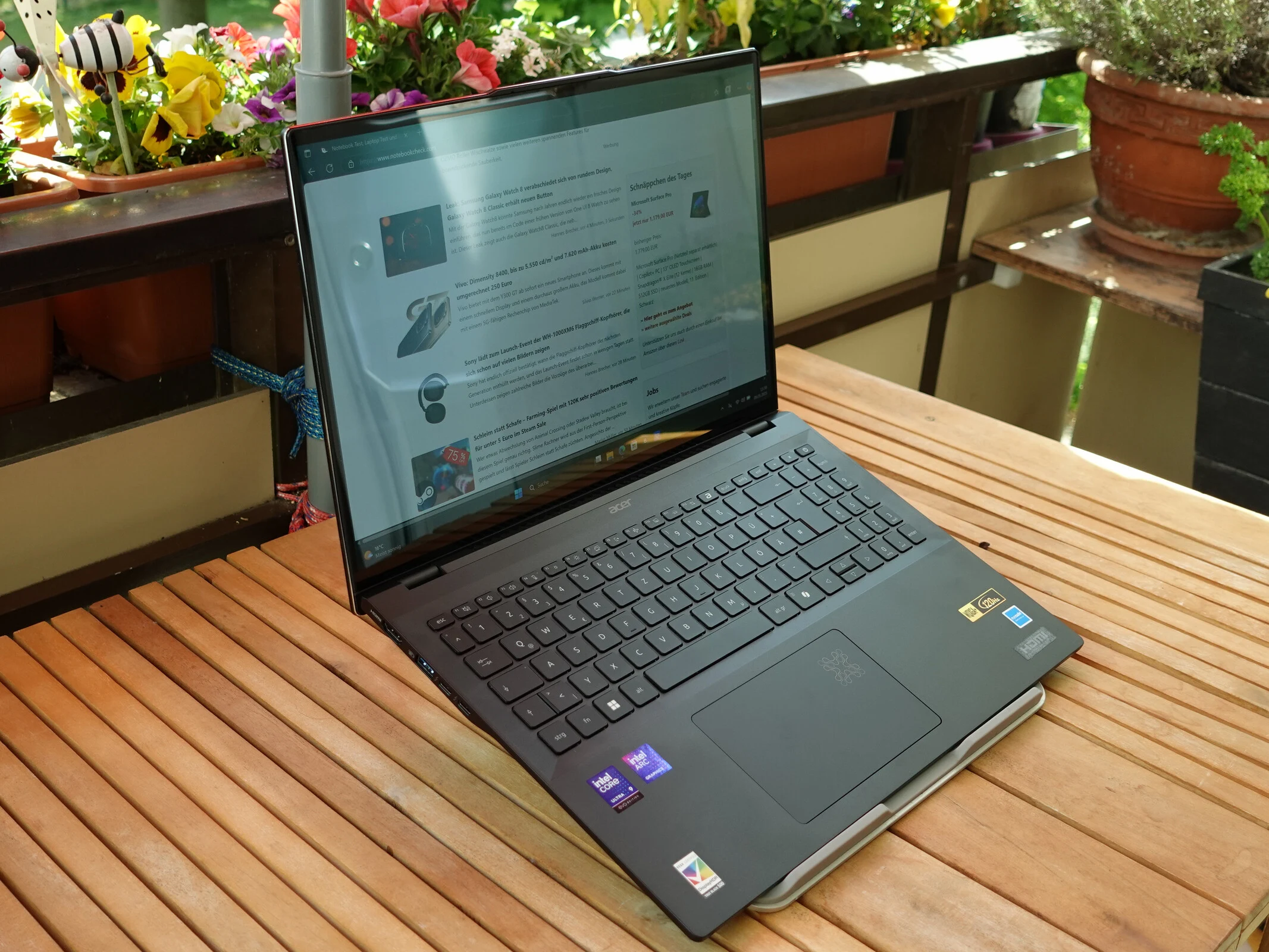
    The Acer Swift 16 AI stands out mainly due to its impressive 16-inch OLED screen. This display truly grabs attention with its deep blacks, bright colors, and crisp resolution, making it excellent for both creative tasks and watching videos. A key question arises: is it necessary to always go for the most expensive version, or is there a smarter, more affordable option available?

    Performance Insights

    The model we examined is powered by the robust Core Ultra 9 288V, which excels in tasks that require heavy artificial intelligence processing. However, when we take a detailed look at the European market, we see there are many different configurations. As of May 2025, the Swift 16 AI OLED laptop is priced between €1,200 and €1,700 and includes processors from the Core Ultra 5 226V to the Core Ultra 9 288V. The good news is that there are options for those who are mindful of their budgets.

    Smart Choices for Shoppers

    Interestingly, the highest-end model isn’t always the best option. The lower-priced variants are part of the least expensive laptops equipped with Lunar Lake technology. Our recent tests have shown that the Core Ultra 9 doesn’t significantly outperform the Core Ultra 7 258V. We’ve already pointed this out in our first take on Intel’s Lunar Lake processors.

    For shoppers focused on saving money, it’s easier to find a model that fits their needs. For instance, if someone doesn’t require a touchscreen and chooses the Core Ultra 7 258V, they can buy the 16-inch Acer laptop for approximately €1,350. This is much cheaper than the premium versions and offers great value, in our view. Additionally, getting a second NVMe SSD to boost the internal storage could also be a wise financial move. The flagship model we looked at features 2 SSDs, totaling 2TB of space. Depending on the speed needed, SSDs can be purchased for around $60 on Amazon.

    Source:
    Link

  • Prionman 5-Max Turns Raspberry Pi 5 into Dual NVMe Tower PC

    Key Takeaways

    1. Dual M.2 NVMe SSD Support: The Pironman 5-Max can support dual NVMe SSDs with RAID 0/1, enabling a high-speed NAS setup.

    2. Enhanced Cooling System: It includes a strong tower cooler with one PWM fan and two RGB fans, optimized for better airflow and low noise levels.

    3. Built-in OLED Display: The case features a 0.96-inch OLED screen for real-time system information, with an auto-sleep function and customizable options.

    4. Improved Connectivity: Maintains the same port setup as the Raspberry Pi 5, with additional features like an external GPIO extender and RTC battery support.

    5. Pre-order Availability: The Pironman 5-Max is available for pre-order at $71.24, with options to customize packages with various components.


    The Pironman 5 was released last year as a compact tower-like case for the Raspberry Pi 5. It made the single-board computer (SBC) much more versatile by including an NVMe PiP expansion board, a cooling system with a PWM fan, and a tiny OLED display. Now, SunFounder has unveiled the enhanced version of this case, called the Pironman 5-Max.

    Enhanced Features

    One of the significant upgrades is the capability to support dual M.2 NVMe SSDs with RAID 0/1, featuring a 2 TB Samsung 990 EVO Plus, priced at $139.99 on Amazon. SunFounder mentions that this enhancement will enable users to create a “high-speed” NAS setup using the Raspberry Pi 5. Additionally, the Pironman 5-Max introduces support for the Hailo-8L AI Kit, which should provide a boost in performance for AI-related tasks.

    Improved Cooling

    It seems that SunFounder has also made improvements to the cooling system. The Pironman 5-Max reportedly includes a “strong” tower cooler, which comes with one PWM fan and two RGB fans. The design of the panel has been optimized for better airflow, and the company asserts that noise levels will remain low, even when the SBC is under heavy loads.

    Display and Connectivity

    The Pironman 5-Max features a built-in 0.96-inch OLED screen. This display can provide real-time system information, including temperature, memory, CPU usage, and disk status. SunFounder emphasizes that this screen has an auto-sleep function and customizable options.

    In terms of connectivity, the Pironman 5-Max maintains the same port setup as the standard version of the Raspberry Pi 5 case. It includes the following:

    Other important features of the Pironman 5-Max consist of an external GPIO extender, support for an RTC battery, and a layout designed for “clean” cable management. This new Raspberry Pi 5 case is currently open for pre-order, with the chassis priced at $71.24 on the official website. Customers can customize their package by adding SSDs, a SBC, a camera module, a power supply, and an AI kit.

    Source:
    Link

  • CERN Physicists Transform Lead into Gold Using Particle Physics

    CERN Physicists Transform Lead into Gold Using Particle Physics

    Key Takeaways

    1. Alchemists believed they could transform lead into gold due to similarities in their atomic structures.
    2. Lead contains 82 protons, while gold has 79 protons, highlighting their atomic similarities.
    3. Researchers at CERN’s ALICE experiment have observed the transformation of lead into gold during high-energy collisions.
    4. These collisions can reach trillions of electron-volts and can create around 86 billion gold nuclei momentarily.
    5. The produced gold exists only for a very short time, limiting its practical value despite the theoretical transformation.


    The alchemists of old believed it was possible to transform common lead into precious gold, due to their similar traits.

    Later findings confirmed their theories, revealing that lead (Pb) contains 82 protons while gold (Au) has 79 protons, showing strong similarities in their atomic structures.

    A New Discovery

    Even with this knowledge, the transformation of one into the other has always been deemed impossible—until now. Researchers from the ALICE (A Large Ion Collider Experiment) at CERN assert that they have witnessed this phenomenon firsthand.

    Their observations stemmed from the ALICE team’s mission to collide heavy lead ions, allowing them to investigate the quark-gluon plasma that forms during these high-energy collisions.

    High-Energy Collisions

    These collisions, which can reach extraordinary energies of trillions of electron-volts (TeV), are said to be capable of displacing protons from the nuclei of the ions, transforming them into other elements, including gold.

    The ALICE team claims their experiments may have produced around 86 billion gold nuclei at once, roughly equivalent to 2.9 ×10^-11 grams (g) of gold.

    A Momentary Existence

    Moreover, this gold only survives for an incredibly short time after the collision.

    Thus, while the age-old dream of turning lead into gold (or chrysopoeia) may have finally been realized, it might not fulfill the aspirations of early scientists throughout history.

    Source:
    Link

  • AMD Zen 6 Leak: 50% Boost in 3D V-Cache and Core Count

    AMD Zen 6 Leak: 50% Boost in 3D V-Cache and Core Count

    Key Takeaways

    1. AMD plans to increase the CPU core count per CCD to 12 for Zen 6 CPUs, a 50% increase from the 8-core CCDs in Zen 5.
    2. Zen 6 CPUs will feature larger L3 cache sizes, with around 48 MB per CCD for client models and up to 128 MB for server models.
    3. The potential total core count for the flagship Zen 6 chip could reach 24 cores and 48 threads.
    4. Future Ryzen 7 X3D CPUs might offer 12 cores and a total of 144 MB of L3 cache, significantly enhancing gaming performance.
    5. Current information is speculative, and final specifications for Zen 6 CPUs are yet to be confirmed.


    Thanks to a lot of reports that have come out recently, we now have a clearer picture of what AMD is planning with their Zen 6 CPU architecture. The main areas AMD is looking at include increasing the CPU core count, enlarging the L3 cache, and raising clock speeds, which should provide a significant performance boost compared to Zen 5.

    Core Count and Cache Size Updates

    Regarding the increase in CPU core counts and L3 cache sizes, there’s now more evidence about AMD’s intentions. HXL shared information on X, indicating that AMD plans to raise the core count per CCD to 12 for the Zen 6 CPUs. This marks a 50% increase compared to the current Zen 5 Ryzen 9000 CPUs, which utilize 8-core CCDs. Therefore, the flagship Ryzen 9 9950X uses two 8-core CCDs. If this trend continues, the Zen 6 flagship chip could potentially feature as many as 24 total cores and an impressive 48 threads.

    Plans for Epyc Server CPUs

    Moreover, AMD might also be working on 32-core CCDs for their Epyc server CPUs. To fit 32 cores on a single CCD, the cores will likely need to be notably smaller than those found in the client Zen 6 CPUs. Thus, it’s expected that there will be 32 Zen 6c cores per CCD rather than the standard Zen 6 cores.

    As previously mentioned, Zen 6 CPUs will also feature more L3 cache compared to their Zen 5 predecessors. HXL reports that the client “Olympic Ridge” Zen 6 SKUs will have around 48 MB of L3 cache per CCD, while server chips could see a massive 128 MB L3 cache per CCD.

    Comparison with Current Models

    For context, the Ryzen 9 9950X provides 32 MB of L3 cache per CCD, resulting in a total of 64 MB. Thus, the increase in L3 cache could mean that the dual-CCD Ryzen 9 Zen 6 flagship could reach 96 MB total. This is quite significant for average users, and a per-CCD L3 cache of 48 MB is also substantial for gamers.

    The Ryzen 7 9800X3D, which is currently the fastest gaming CPU available, has one CCD with 8 cores, 16 threads, and 32 MB of L3 cache. With a single 64 MB 3D V-Cache stack positioned below the CCD, the total L3 cache amounts to 96 MB. If Zen 6 indeed offers 48 MB of L3 cache per CCD, then the successor to the Ryzen 7 9800X3D could potentially have 112 MB of total L3 cache, assuming AMD maintains the same 3D V-Cache amount.

    Potential for a New Gaming Champion

    This is where things become really intriguing. Kepler_L2 responded to HXL’s post, suggesting that AMD might also raise the total 3D V-Cache from 64 to 96 MB. When combined with the 48 MB of L3 cache for a Zen 6 CCD, a future Ryzen 7 X3D CPU could feature 12 cores and a whopping 144 MB of L3 cache.

    In summary, if AMD does launch a Zen 6 X3D chip with 144 MB of cache, 12 cores, and higher clock speeds than the Ryzen 7 9800X3D, Team Red might just hold onto the gaming performance title for another generation. However, this information is still speculative and based on rumors. The exact specifications of the final Zen 6 CPUs remain to be seen.

    Source:
    Link