
Tag: NPU

  • Alpha-One Mini PC with NPU and 20 TOPS Performance

    Alpha-One Mini PC with NPU and 20 TOPS Performance

    Key Takeaways

    1. Most AI models are cloud-based, which can create legal issues with sensitive data.
    2. AMD and Intel are integrating NPUs into their chipsets, while more devices emphasize local AI capabilities.
    3. The Pine64 Alpha-One mini PC features a robust NPU with 20 TOPS INT8 performance, based on RISC-V architecture.
    4. It builds on the StarPro64 SBC and includes 64GB of eMMC storage and a preloaded 7b Deepseek/Oen LLM.
    5. The device operates quietly with passive cooling, uses less than 30 watts, supports 4K monitors, and is priced at $330.


    The majority of AI models today operate in the cloud, relying on external computers. While this is easy to use, it can lead to (legal) complications when handling sensitive data for analysis. Even though regular users typically do not run AI models on their own devices, companies such as AMD and Intel are already incorporating NPUs into their existing chipsets. Additionally, some network storage devices and security cameras are beginning to emphasize local AI capabilities.

    New Mini PC with RISC-V Architecture

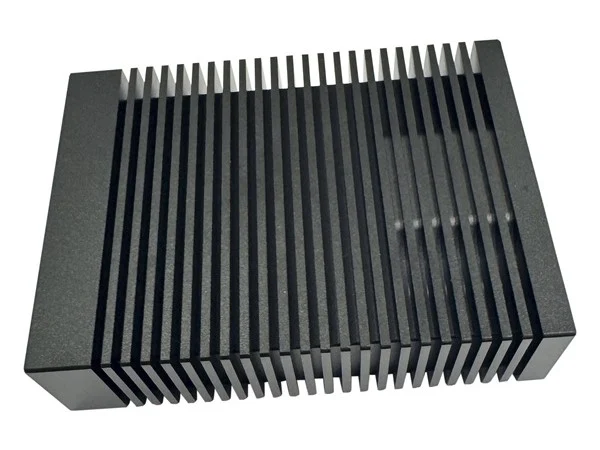
    Recently, a new mini PC utilizing the RISC-V architecture and boasting a robust NPU has been introduced. The Pine64 Alpha-One features an NPU with an INT8 performance reaching 20 TOPS. It’s important to mention that other contemporary APUs could be considerably more powerful in this area.

    Based on Existing Technology

    The Pine64 device is not completely novel, as it builds off the StarPro64 SBC. This board is equipped with an ESWIN EIC7700X SoC which has four SiFive 550 processing cores that can operate at speeds of up to 1.4GHz. In addition, the Alpha-One includes 64GB of eMMC storage, and comes preloaded with 7b Deepseek/Oen LLM in Docker containers. The manufacturer also asserts that it achieves a throughput of about 3.5 tokens per second (for a 7b LLM), which should suffice for many novices eager to run AI models locally.

    Power and Connectivity Features

    Power is delivered through a DC barrel plug at 12 volts, and USB Type-C PD is not available. This mini PC has a passive cooling system, ensuring that there’s no fan noise, as the SoC’s temperatures are regulated by a heat pipe. The device operates on less than 30 watts and provides various connectivity options like Ethernet, USB 3.0, and USB 2.0. Furthermore, the Pine64 Alpha-One is capable of supporting 4K monitors at resolutions up to 60Hz, and PCIe Gen 3 with four lanes can be utilized for specific expansion modules. The new mini PC is priced at $330, yet no specific release date has been announced yet.

    Source:
    Link
  • Lenovo Unveils AI Display Monitor with Built-in NPU at MWC 2025

    Lenovo Unveils AI Display Monitor with Built-in NPU at MWC 2025

    Key Takeaways

    1. Lenovo’s new curved display uses AI to track user movements and prompts for better posture and reduced tiredness.
    2. Integrated sensors and motors adjust the screen’s tilt and height in real-time for healthier computer usage.
    3. A discrete NPU ensures user data privacy by minimizing cloud processing and includes a feature that blurs the display when the user steps away.
    4. The AI Display is compatible with non-AI PCs, allowing them to utilize machine learning capabilities.
    5. Currently, the Lenovo AI display is a proof-of-concept device and not fully ready for the market.


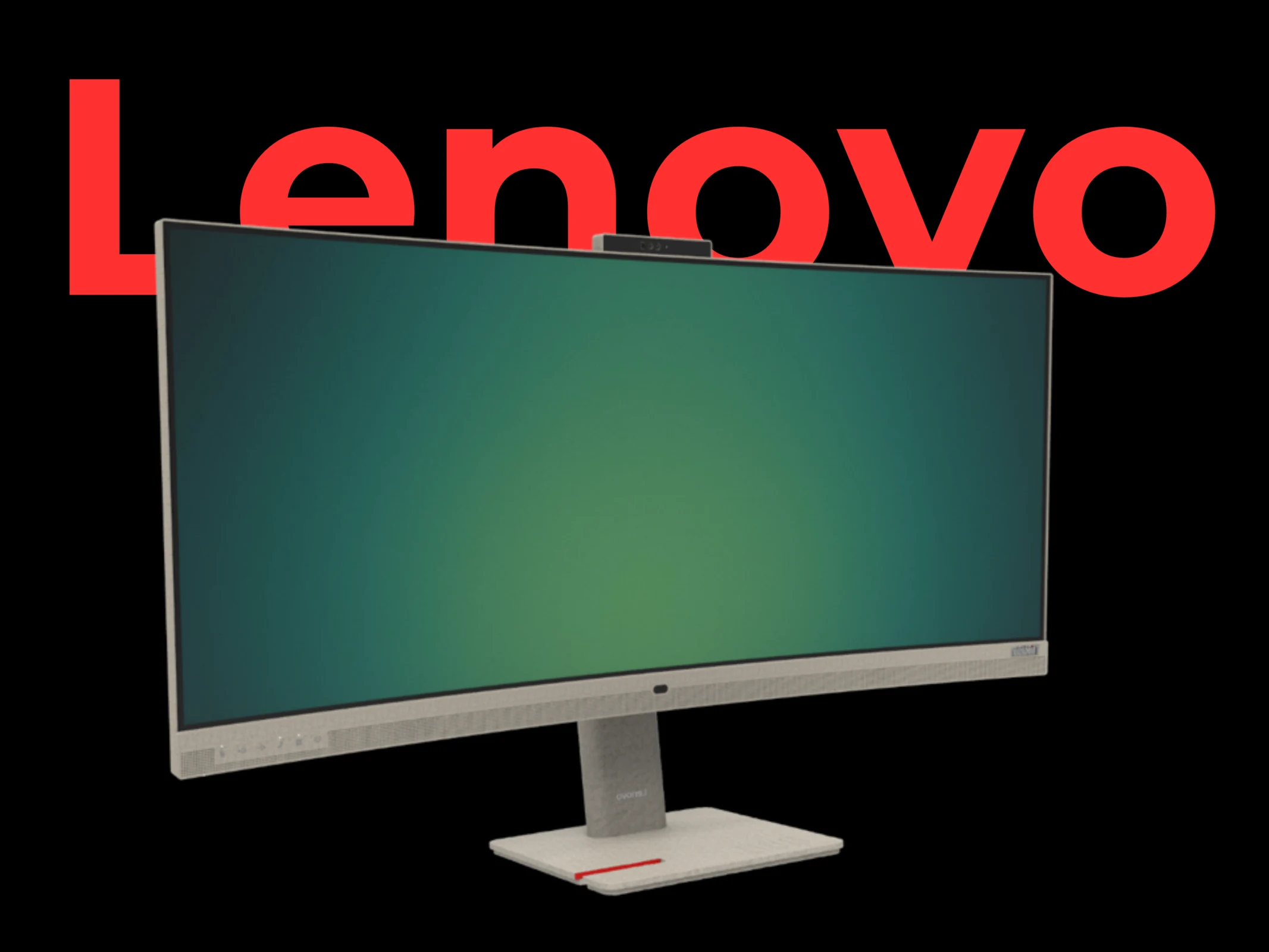
    At CES 2025, Lenovo unveiled a new curved display powered by AI that tracks users’ movements and gently prompts them when it senses bad posture or signs of tiredness.

    Innovative Features

    The integrated sensors monitor the user’s position, while motors automatically adjust the screen’s tilt and height to fit the user in real-time. This innovation is primarily designed to promote healthier computer usage habits, which in turn can boost productivity. However, recent major events like the Microsoft Recall and the unclear nature of how Lenovo is using AI have raised concerns within the consumer tech industry.

    Addressing Consumer Concerns

    Fortunately, Lenovo has addressed the concerns about privacy with a discrete NPU, or a specialized AI chip. This setup minimizes reliance on cloud processing, ensuring that user data remains safe on their PCs. Additionally, the monitor includes a privacy feature that blurs the display whenever the user steps away. While the presence of an NPU might make the idea of a camera constantly tracking physical activity behind the screen a tad more acceptable, it still feels a bit unsettling for 2025.

    Compatibility and Future Prospects

    To make the offering even more attractive, Lenovo’s AI Display can also work with non-AI PCs, allowing them to utilize LLMs and process machine learning requests from users. This might be enough to entice some users to overlook the discomfort that a product of this nature can bring. However, for the moment, the Lenovo AI display equipped with an NPU remains a proof-of-concept device, not fully ready for the current market.