Category: Computers

  • Huawei MateBook Pro Surpasses Intel with Kirin X90 and HarmonyOS

    Huawei MateBook Pro Surpasses Intel with Kirin X90 and HarmonyOS

    Key Takeaways

    1. Huawei launched HarmonyOS 5 as a new operating system to compete with Windows and macOS.
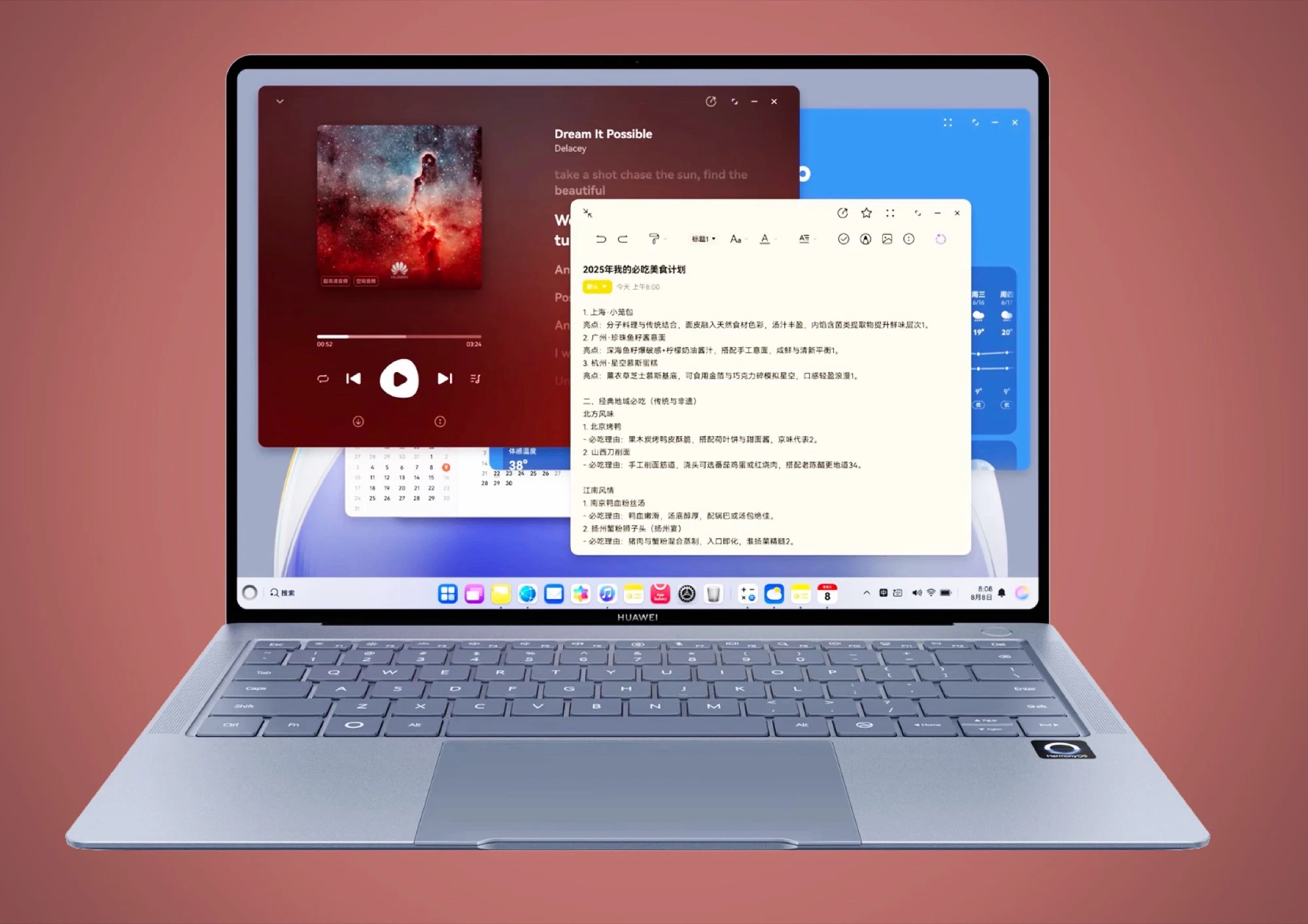
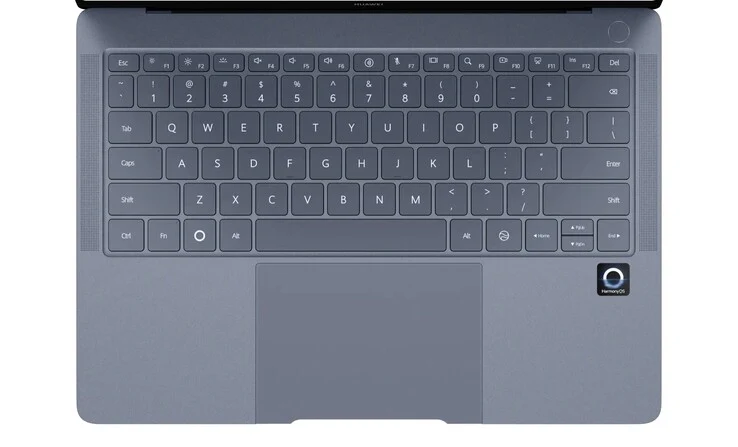
    2. The MateBook Pro features a design similar to the MateBook X Pro, with a HarmonyOS logo button replacing the Windows key and a dedicated AI assistant button.
    3. The laptop is rumored to be powered by the HiSilicon Kirin X90 ARM chipset, featuring a 4+4+2 core layout for enhanced performance.
    4. Huawei is preparing for potential trade conflicts while continuing to market Intel-powered laptops, positioning the MateBook Pro as a self-sufficient device.
    5. Specific hardware details, pricing, and launch date for the MateBook Pro have not yet been disclosed.


    Huawei has unveiled its answer to Windows and macOS on Thursday with the introduction of HarmonyOS 5. This new operating system was showcased at a launch event held in China, which also highlighted a new laptop named the MateBook Pro.

    Design Features

    The design of the MateBook Pro is similar to the MateBook X Pro from 2024, although there are some noticeable changes in the keyboard. Rather than having the usual Windows key, there is a button featuring the HarmonyOS logo located to the left of the Alt key. Additionally, to the right of the right Alt key, there is a special button meant to activate the AI assistant integrated into HarmonyOS, drawing comparisons to Microsoft Copilot+.

    Hardware Insights

    Huawei has not disclosed the specific hardware details for the new laptop yet, but reliable source Digital Chat Station suggests that the device is powered by the HiSilicon Kirin X90. This ARM chipset is said to be a robust option, similar in nature to the Kirin 9010. It is rumored to have a 4+4+2 core layout, which focuses solely on performance cores. Since all ten cores are compatible with multi-threading, the processor is capable of handling a total of 20 threads.

    Market Position and Future Plans

    Even though Huawei is still able to market laptops equipped with Intel processors and Windows due to existing US sanctions, the tech giant is strategically preparing for a possible intensification of the trade conflict between the US and China. Besides Apple’s MacBooks, the MateBook Pro stands out as one of the few laptops that does not depend on third-party processors or operating systems. However, it remains uncertain how effectively the Kirin X90 will perform in real-world scenarios. Currently, Huawei has not disclosed the price or the launch date for the MateBook Pro.

    Source:
    Link

  • Suneast Launches World’s Shortest USB-C Flash Drive

    Suneast Launches World’s Shortest USB-C Flash Drive

    Key Takeaways

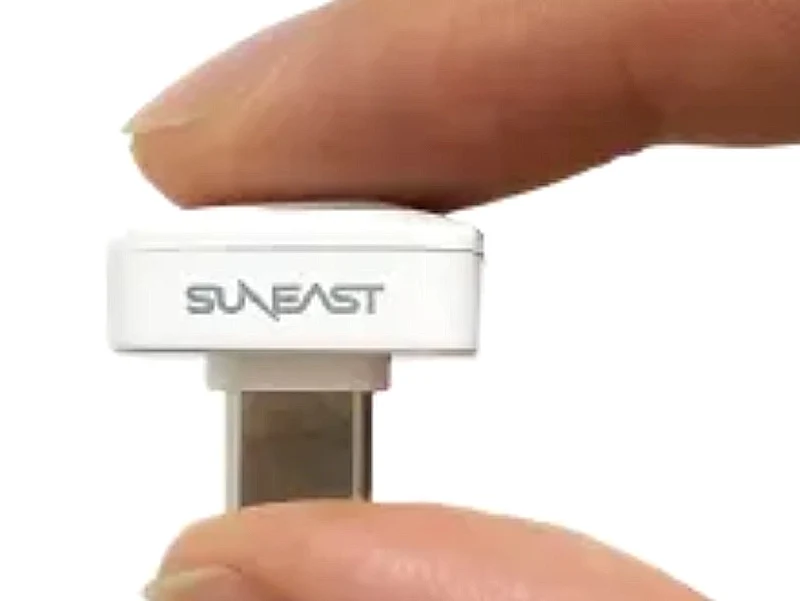
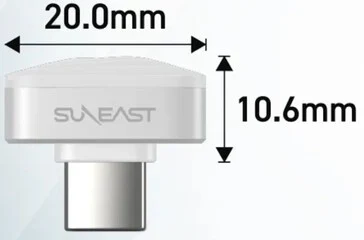
    1. The Suneast Nano is the smallest USB-C flash drive, extending only 10.6 mm from the port.
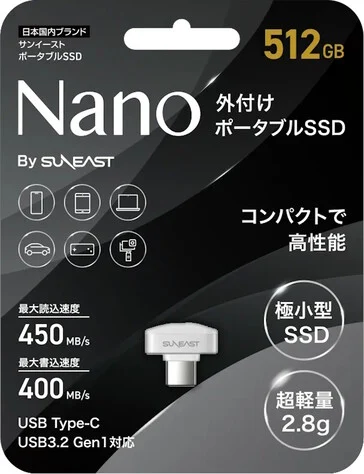
    2. It offers fast performance with read speeds of 450 MB/s and write speeds of 400 MB/s.
    3. The drive is formatted in exFAT for compatibility across various systems, including Windows, Mac, Linux, Android, and iOS.
    4. Available storage capacities are 128 GB, 256 GB, and 512 GB, with prices of approximately $29, $49, and $89, respectively.
    5. The Nano can be purchased at major electronics retailers in Japan, like Bic Camera.


    Suneast has introduced the Nano, which is touted as the smallest USB-C flash drives available for smartphones and laptops.

    Compact Design

    This drive sticks out just 10.6 mm (0.42 in.) from the USB-C port, which helps prevent it from snapping off when left plugged in. Weighing only 2.8 g (0.099 oz.), the drive’s overall dimensions are 10.6 × 20 × 13.5 mm (0.42 x 0.79 x 0.53 in.).

    Impressive Performance

    The USB 3.2 Gen 1 drive offers impressive performance with a maximum read speed of 450 MB/s and a write speed of 400 MB/s. It’s formatted in exFAT, ensuring compatibility with a wide range of systems including Windows 10 and 11, Mac OS 15.0 and newer, Linux, Android 14 or newer, iOS 18.0.1 and later (for iPhone 15 and newer), and iPad Pro with iPadOS 17.6.1 or above.

    Available Sizes and Pricing

    The Nano is available in three storage capacities: 128 GB (SE-PS128G2LNN1WF), 256 GB (SE-PS256G2LNN1WF), and 512 GB (SE-PS512G2LNN1WF). The prices are set at 3,980 yen (~$29), 6,980 yen (~$49), and 12,980 yen (~$89) respectively.

    The Suneast Nano USB-C drives can only be found at major electronics retailers such as Bic Camera in Japan.

    Source:
    Link


  • Qualcomm’s Fun Ads Take Aim at Intel: The Bigger Picture Explained

    Qualcomm’s Fun Ads Take Aim at Intel: The Bigger Picture Explained

    Key Takeaways

    1. The Qualcomm Snapdragon X Elite was expected to revolutionize Windows laptops like Apple’s M1 chip but faced high costs and software compatibility issues at launch.
    2. Intel’s Lunar Lake series was released shortly after the Snapdragon X Elite, offering good efficiency for daily tasks despite lower multi-thread performance.
    3. Qualcomm highlighted a performance claim that Snapdragon X Elite maintains full performance on battery, contrasting with Intel’s Lunar Lake, but testing methods raise skepticism about this assertion.
    4. Performance testing showed that the Intel Core Ultra 7 performed nearly as well as the Snapdragon X Elite in single-core benchmarks.
    5. While the Snapdragon model maintained performance on battery, the claimed performance drop of 55% for Lunar Lake laptops should be viewed with caution based on testing results.


    The Qualcomm Snapdragon X Elite was anticipated to be a revolutionary moment for Windows laptops, akin to Apple’s M1 chip, as it promised extended battery life and remarkable performance. While Qualcomm met some of these expectations, the chip didn’t quite achieve a major breakthrough for the company, mainly due to the high costs associated with Snapdragon X Elite laptops and the widespread software compatibility challenges that surfaced at launch.

    Competition from Intel

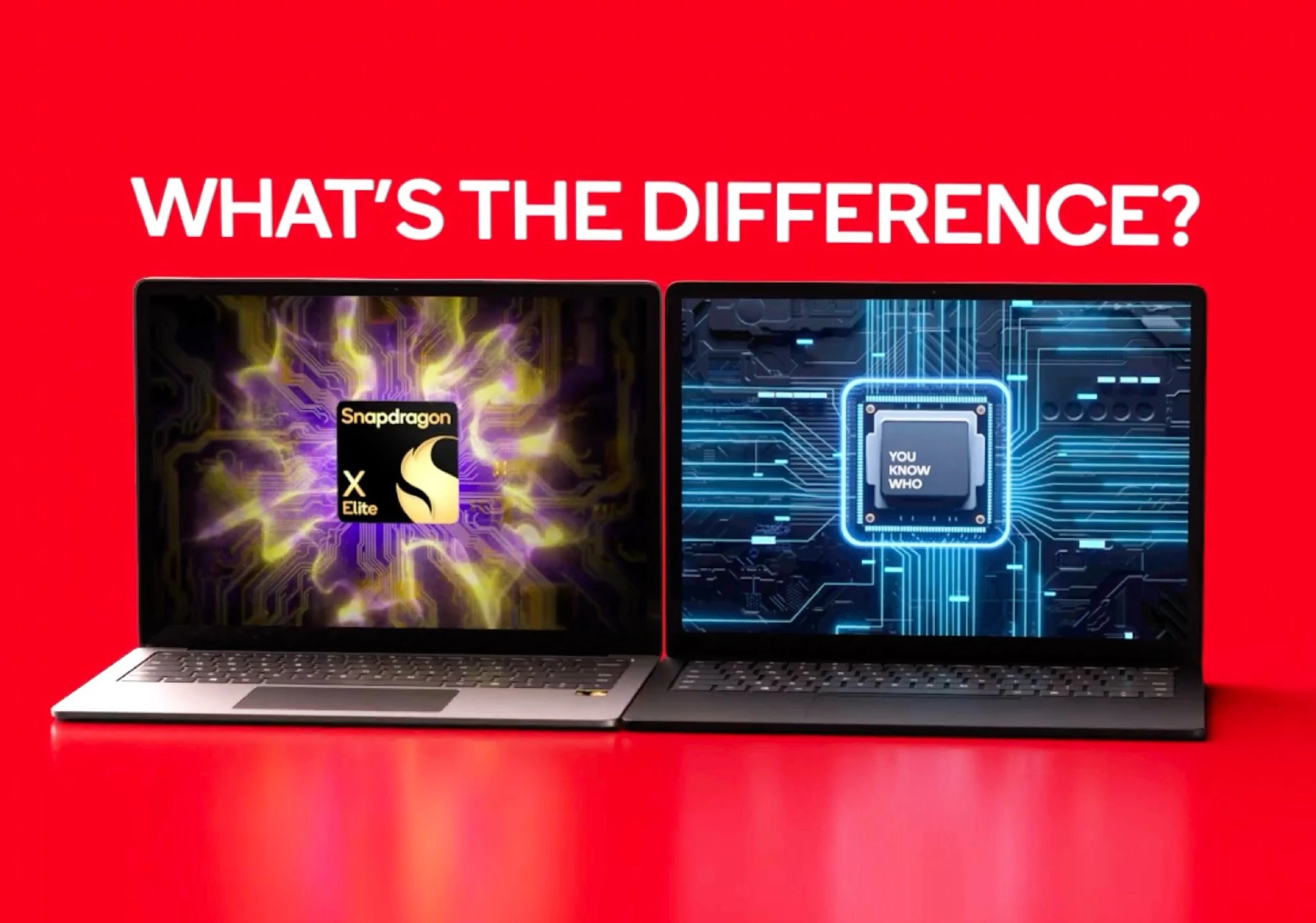
    An important aspect to consider is that Intel introduced its Lunar Lake series as a direct rival just after the Snapdragon X Elite was released. Although these processors have fewer cores, resulting in lower multi-thread performance, Lunar Lake chips showcase impressive efficiency for daily tasks while providing sufficient performance for office and web-related applications. In response, Qualcomm has been running a series of advertisements (see below), asserting that Lunar Lake processors reduce their performance to 55% when not plugged in, while the Snapdragon X Elite supposedly maintains its full performance under similar conditions. Although this message was shared playfully, the fine print hints at issues within the testing approach.

    Testing Methodology and Results

    The CPU performance data is derived from Geekbench v6.2 Single-Core tests on Windows 11, conducted in October 2024. The Snapdragon X Elite (XIE-80-100) was evaluated using a Dell XPS 13 (9345) operating on “Balanced” Power Mode in Windows and “Optimized” mode in Dell Power Manager. Conversely, the Intel Core Ultra 7 256V was tested on a Dell XPS 13 (9350).

    The single-core Geekbench 6.2 test isn’t too challenging and doesn’t really reflect a system’s overall performance. Our thorough examination of the two Dell XPS 13 models (about $1,500 on Amazon) included in Qualcomm’s comparison showed that the Intel Core Ultra 7 256V performed nearly as well as the Qualcomm Snapdragon X Elite in Geekbench’s single-core benchmark.

    Battery Performance Insights

    When operating on battery, the Intel version did see a 9% reduction in CPU performance and a 3% decrease in GPU performance, while the Snapdragon model mostly preserved its performance levels. Therefore, although Qualcomm’s main message isn’t completely untrue, the bold claim of “55%” should be viewed skeptically, especially since such significant performance drops aren’t common for Lunar Lake laptops.

    Source:
    Link

  • Asus Vivobook S16: Long Battery, 120Hz QHD Display, NPU Available

    Asus Vivobook S16: Long Battery, 120Hz QHD Display, NPU Available

    Key Takeaways

    1. The Asus Vivobook S16 is available in Europe, with two models priced at €999 and €899, featuring 1TB and 512GB SSDs respectively.
    2. Both models are powered by a Qualcomm Snapdragon X1-26-100 processor and have 16GB of soldered LPDDR5X RAM.
    3. The 16-inch display offers a resolution of 2560 x 1600 pixels, a 120Hz refresh rate, and a peak brightness of 500 nits.
    4. Weighing 3.8 lbs, the laptop includes various connectivity options, such as HDMI 2.1, USB 3.2, and USB 4.0 ports, along with WiFi 6E and Bluetooth 4.3.
    5. The battery supports fast charging and can reach 60% in 49 minutes, with a claimed battery life of up to 32 hours.


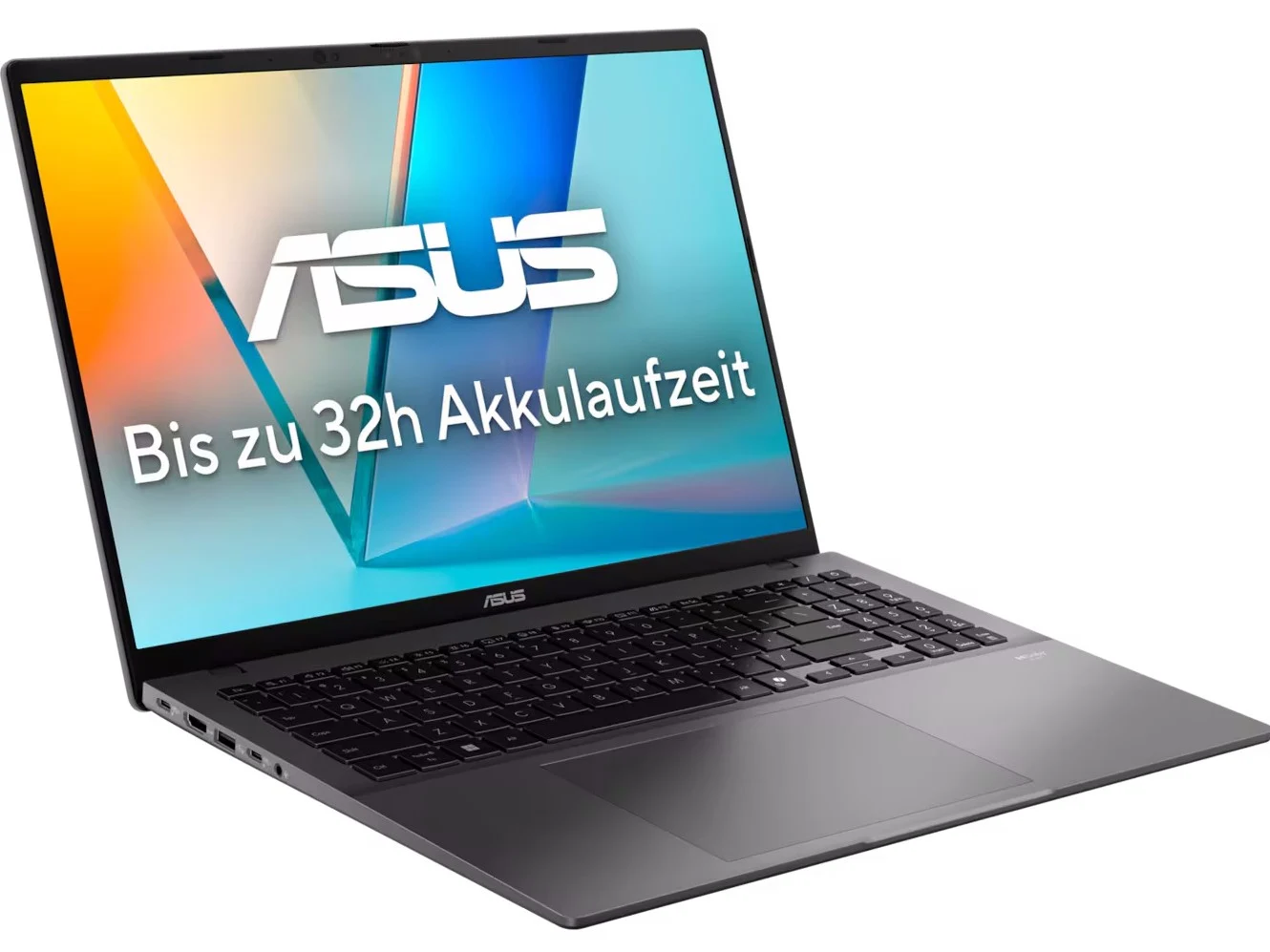
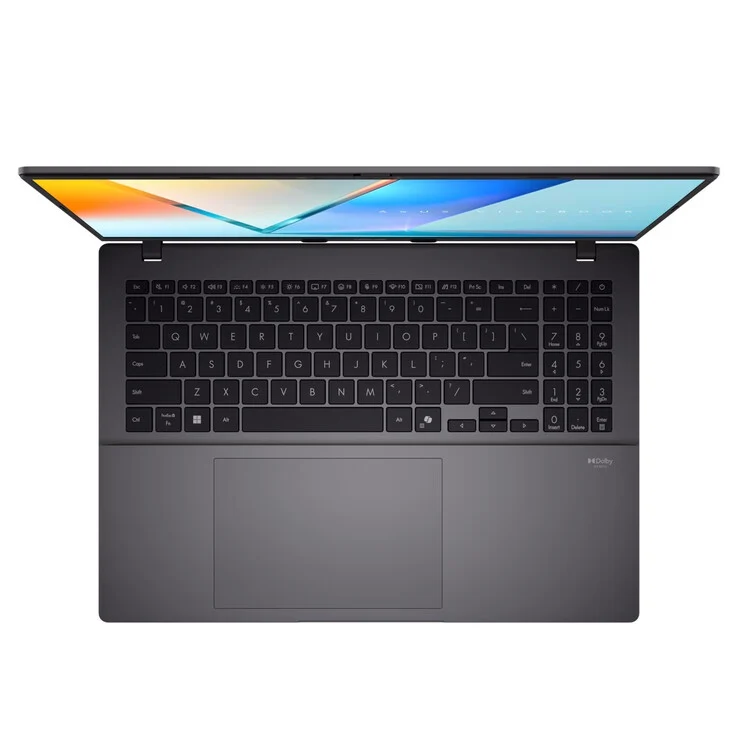
    Asus has recently launched the new Vivobook S16, and it is now available for buyers in various European countries, including Germany. The 16-inch laptop, identified by the model number S3607QA-PL006W, can be purchased for €999, which includes 19% VAT. There is also another configuration of the Vivobook S16, with the model number S3607QA-PL004W, priced lower at €899. This version comes with a 512GB SSD instead of the 1TB option. Both models feature soldered 16GB LPDDR5X RAM and share the same Qualcomm Snapdragon X1-26-100 processor.

    Performance and Display Features

    The ARM chipset in these laptops boasts an NPU capable of 45 TOPS, which is expected to deliver solid performance in AI tasks. These new Asus devices come with a 16-inch screen that has a resolution of 2560 x 1600 pixels, a response time of just 0.2ms, and a refresh rate of 120Hz. The IPS display reportedly achieves a peak brightness of 500 nits and a standard brightness of 400 nits. Asus claims that the sRGB color space is fully covered.

    Weight and Connectivity Options

    Weighing in at 3.8 lbs, the Vivobook S16 has dimensions of 14 x 9.9 x 0.7 inches. It includes a Full-HD webcam, along with built-in microphones and speakers. For connectivity, you’ll find one HDMI 2.1 port, two USB 3.2 Gen 1 Type-A ports, and two USB 4.0 ports that can support display output. Additionally, the device features WiFi 6E and Bluetooth 4.3, while the 70Wh battery can be charged to 60% in just 49 minutes. Asus also asserts that the Vivobook S16 complies with the US MIL-STD-810H standard and can provide battery life of up to 32 hours. Nevertheless, a similar model of this laptop lasted around 20 hours in our detailed testing.

    Source:
    Link


  • Microsoft Surface Arc Mouse Now Available in Two New Colors

    Microsoft Surface Arc Mouse Now Available in Two New Colors

    Key Takeaways

    1. Microsoft introduced new colors for the Surface Arc Mouse: Violet and Ocean, alongside existing colors.
    2. The new colors are available for pre-order at $89.99 and will be released on May 20.
    3. The Surface Arc Mouse features a flexible, ambidextrous design that turns on and off by snapping and flattening.
    4. It includes touch area functionality for vertical and horizontal scrolling, enhancing user experience.
    5. The mouse connects via Bluetooth 4.1, runs on two AAA batteries with a lifespan of up to 6 months, and is compatible with Windows 10, Windows 11, and other Bluetooth devices.


    Microsoft has recently unveiled a new Surface Laptop and Surface Pro. However, these weren’t the only exciting updates. The tech giant from Redmond also introduced two fresh colors for the Surface Arc Mouse.

    New Colors Available

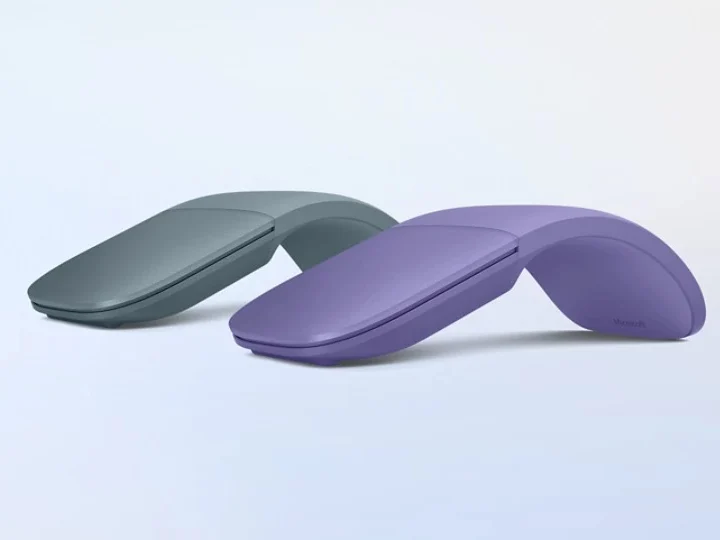
    The Surface Arc Mouse, which was initially offered in Black, Burgundy, Cobalt Blue, and Light Gray, now adds Violet and Ocean to its palette. You can pre-order these new colors right now on Microsoft’s online store or at Best Buy for the same price of $89.99 as the existing options. These new shades will hit the shelves on May 20.

    Evolution of the Surface Arc Mouse

    Since its launch in 2008, the Surface Arc Mouse has undergone significant changes, enhancing its design and features over the years. The latest version features a flexible and ambidextrous design. When you snap the mouse into its curved position, it powers on, and flattening it turns it off, making it convenient to carry in a bag or pocket. Besides the standard left and right click functions, this mouse includes a touch area for both vertical and horizontal scrolling.

    Connectivity and Compatibility

    The Surface Arc Mouse connects using Bluetooth 4.1 and runs on two AAA batteries, which can last for up to 6 months. Microsoft claims it is compatible with both Windows 11 and Windows 10 devices, but it should also function with other Bluetooth-enabled devices.

    Source:
    Link

  • Lenovo Legion 9i: Intel Arrow Lake-HX, RTX 5090, 3D Display Upgrade

    Lenovo Legion 9i: Intel Arrow Lake-HX, RTX 5090, 3D Display Upgrade

    Key Takeaways

    1. Lenovo’s Legion 9i features high-end components, including an Intel Core Ultra 9 275HX processor and Nvidia GeForce RTX 5090 graphics card.
    2. The laptop offers up to 8 TB of storage with three PCIe Gen 4 slots and one PCIe Gen 5 slot.
    3. Users can choose between an 18-inch 4K LCD display and a 3D version with additional specifications.
    4. Connectivity options include Wi-Fi 7, Bluetooth 5.4, two Thunderbolt 5.0 ports, and a variety of USB ports.
    5. The Legion 9i will initially launch in China, with a US release planned for fall 2024.


    In 2024, Lenovo made improvements to its top-tier laptop, the Legion 9i, incorporating high-end components from Intel and Nvidia. They skipped over the entire Meteor Lake series and returned with parts from the same manufacturers. This iteration also introduces a new model featuring a 3D display.

    Premium Performance

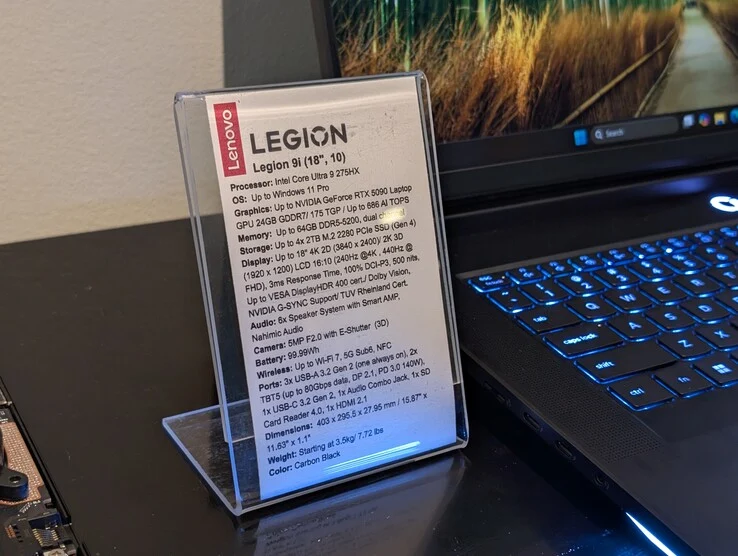
    The Legion 9i is equipped with the most advanced hardware on the market, including an Intel Core Ultra 9 275HX processor and an Nvidia GeForce RTX 5090 graphics card. It can be combined with 192 GB of relatively slow DDR5-4000 RAM. For storage, users have access to three PCIe Gen 4 slots and one PCIe Gen 5 slot, each capable of supporting a 2 TB drive, totaling a maximum of 8 TB of storage.

    Display Options

    Lenovo presents two display options for the Legion 9i. The first is an 18-inch 4K (3,840 x 2,400) LCD screen that boasts a 240 Hz refresh rate, a 3 ms grey-to-grey response time, a peak brightness of 540 nits, full coverage of the 100% DCI-P3 color gamut, and Nvidia G-Sync compatibility. The 3D version maintains the same specifications but also includes an additional 1,920 x 1,200 display with a refresh rate of 244 Hz.

    Connectivity and Battery

    Additional specifications for the Lenovo Legion 9i include Wi-Fi 7, Bluetooth 5.4, two Thunderbolt 5.0 ports, two 10 Gbps USB Type-A ports, one USB 3.2 Gen 2 port, an RG45 Ethernet connection, an SD card reader, and an HDMI 2.1 port. Both models are equipped with a 5 MP webcam featuring a privacy shutter. The laptop houses a 99.9 Wh battery and comes with a massive 400 Watt power adapter.

    For now, the Lenovo Legion 9i will only be released in China. It is set to arrive in the US during the fall, with pricing details to be announced nearer to the launch date.


  • Aurora 16X: Alienware’s Mid-Range Comeback with RTX 5070 GPU

    Aurora 16X: Alienware’s Mid-Range Comeback with RTX 5070 GPU

    Key Takeaways

    1. Alienware introduced the Aurora 16X, which offers more powerful hardware options than the Aurora 16, making it thicker and heavier.
    2. The Aurora 16X features Intel’s Arrow Lake processors, ranging from Core Ultra 5 235HX to Core Ultra 9 275HX, and Nvidia GeForce RTX 5060 or 5070 graphics cards.
    3. The device includes a 16-inch IPS display with a resolution of 2,560 x 1,600 pixels, 500 nits brightness, and a 240 Hz refresh rate.
    4. It comes with a 90 Wh battery, two M.2 SSD slots, and an RGB backlit keyboard, which are not available in the Aurora 16.
    5. The Aurora 16X will be available in the Eurozone starting May 27, with a base price of €1,699 (about $1,923).


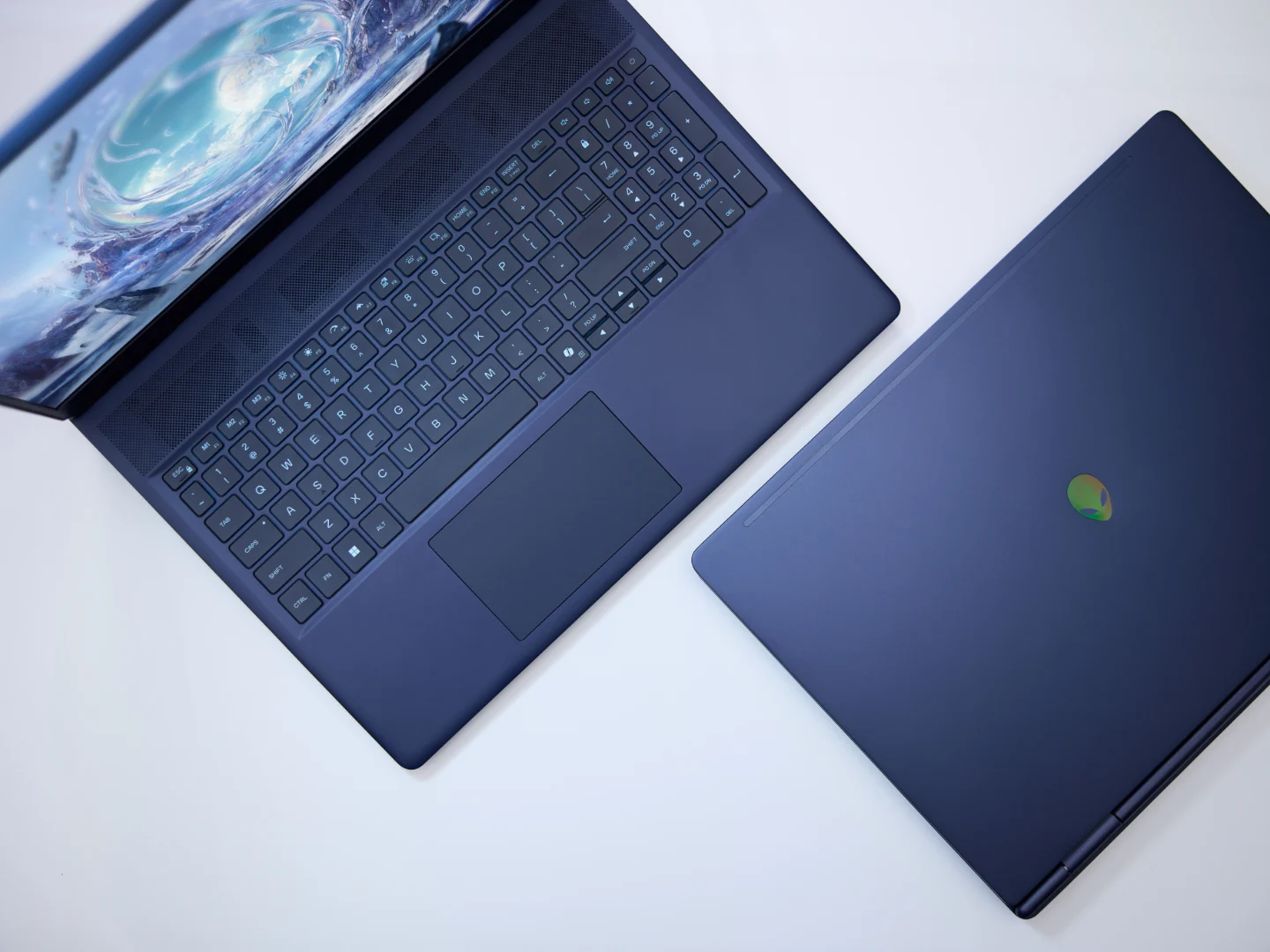
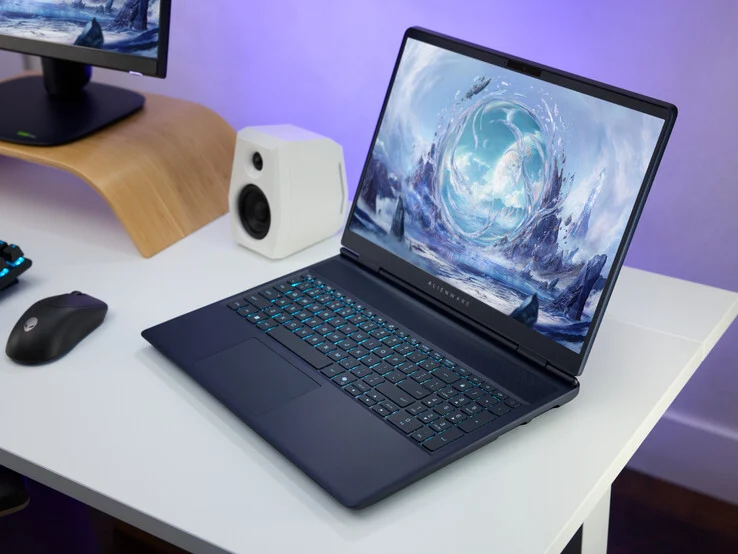
    Alienware has unveiled the Aurora 16X today along with the Aurora 16, which we have discussed in a different article. Although both models appear alike, the Aurora 16X offers a chance to configure much more powerful components compared to the Aurora 16. As a result, the Aurora 16X is both thicker and heavier than its counterpart, measuring 23.4 mm in thickness and weighing 2.66 kg.

    Powerful Hardware Options

    Alienware highlights that the Aurora 16X can come with Intel’s Arrow Lake processors, ranging from the Core Ultra 5 235HX to the Core Ultra 9 275HX. It also starts with an Nvidia GeForce RTX 5060, but users have the option to upgrade to a GeForce RTX 5070. In this way, the Aurora 16X can be seen as a replacement for last year’s Alienware X16 R2 in terms of performance, which is currently priced at $1,834.99 on Amazon. Both graphics card options feature a 115 W TGP, with an additional 15 W available through Dynamic Boost.

    Display and Battery Features

    The Aurora 16X comes equipped with a 16-inch IPS display that boasts a resolution of 2,560 x 1,600 pixels and covers the full DCI-P3 colour space. It also achieves a peak brightness of 500 nits and has a refresh rate of 240 Hz. Additionally, there is a 90 Wh battery included, alongside two M.2 SSD slots and an RGB backlit keyboard, which the less expensive Aurora 16 does not have. As of now, Dell plans to start selling the Aurora 16X in the Eurozone from May 27, with a base price set at €1,699 (approximately $1,923).

    Source:
    Link


  • Dynabook Launches Portégé and Tecra Laptops with Intel AI CPUs

    Dynabook Launches Portégé and Tecra Laptops with Intel AI CPUs

    Key Takeaways

    1. Dynabook has launched the Portégé X40-M, Tecra A40-M, and Tecra A60-M laptops featuring Intel Core Ultra Series 2 processors and AI NPUs for Microsoft Copilot in Windows 11 Pro.
    2. Users can customize the laptops with up to 64 GB of DDR5 RAM and 2 TB of PCIe NVMe storage, ensuring powerful performance and ample storage.
    3. The laptops include advanced security features like an optional fingerprint scanner, a 5 MP webcam with IR for facial recognition, and a smart-card reader.
    4. Connectivity options consist of various ports including Ethernet, HDMI, USB-C/Thunderbolt 4, and support for Wi-Fi 7 and Bluetooth 5.4.
    5. Each device features a 60 Wh battery, a 65-watt USB-C charger, and is designed for video conferencing with stereo speakers, a dual-microphone array, and hotkeys for MS Teams and Zoom.


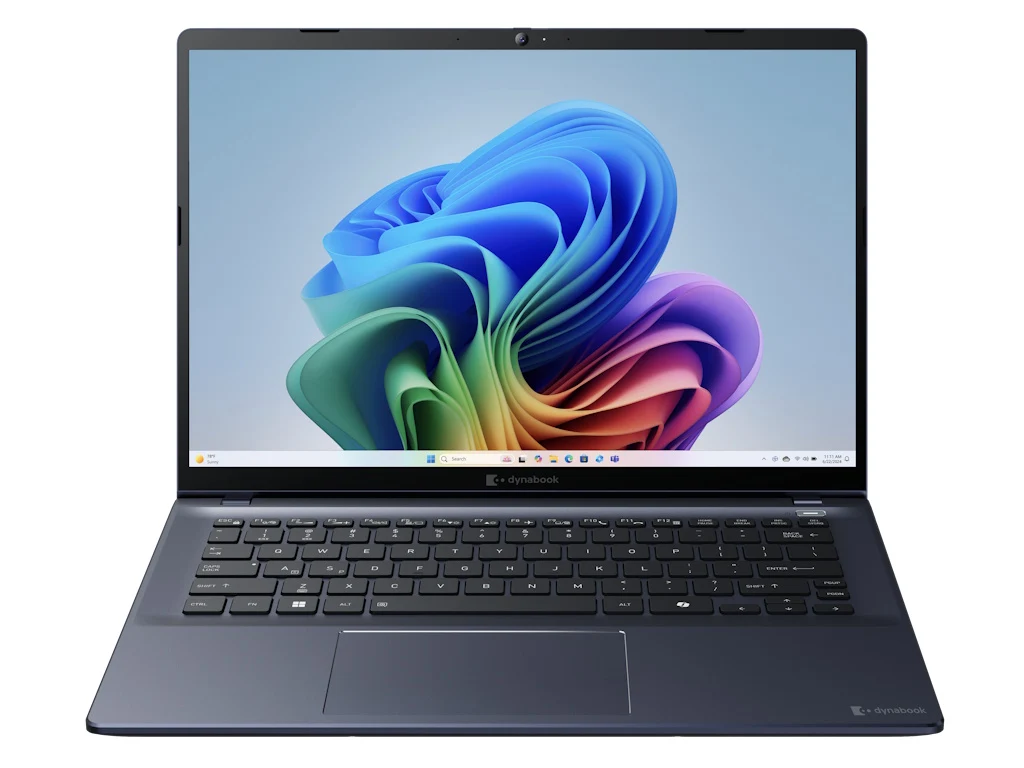
    Dynabook has introduced the Portégé X40-M (Series 2), Tecra A40-M (Series 2), and Tecra A60-M (Series 2) robust business laptops. These devices are equipped with the newest Intel Core Ultra Series 2 processors and feature advanced AI NPUs that enable local operation of Microsoft Copilot in Windows 11 Pro.

    Specifications and Security Features

    Users can customize these laptops with up to 64 GB of DDR5 RAM and 2 TB of PCIe NVMe storage. They boast enterprise-level security measures to protect sensitive business information. This includes an optional fingerprint scanner, a 5 MP webcam equipped with an IR camera for facial recognition, and a smart-card reader.

    Connectivity Options

    The Dynabook models offer a range of standard and additional ports. These include one Ethernet port, one HDMI port, two USB-C/Thunderbolt 4 ports, two USB-A 3.2 Gen 1 ports, a headphone jack, and a microSD slot. They also support wireless connectivity through Wi-Fi 7 and Bluetooth 5.4.

    Battery and Additional Features

    Each device is furnished with a 60 Wh battery and comes with a 65-watt USB-C charger. Additional features include stereo speakers with DTS, a dual-microphone array, and dedicated hotkeys for MS Teams and Zoom, making them ideal for all-day video conferencing.

    The Dynabooks are now available for purchase in EZ Buy configurations, which include 16 GB of RAM, a 512 GB SSD, and a 3-year warranty.

    Source:
    Link

  • Choosing the Right Intel CPU for 2025 Laptops: A Guide

    Choosing the Right Intel CPU for 2025 Laptops: A Guide

    Key Takeaways

    1. Fierce Competition: The Windows laptop market in 2025 sees intense competition among Intel, AMD, and Qualcomm, offering consumers a variety of options but creating confusion.

    2. Intel’s Core Ultra Series 2: Intel’s product lineup for high-end laptop processors, the Core Ultra Series 2, is complicated and not as cohesive as it appears, making it difficult for buyers to navigate.

    3. Product Distinction Issues: Not all Intel Core Ultra Series 2 CPUs are equal, with specific models like Arrow Lake HX being limited to larger laptops, while Arrow Lake U may not offer significant improvements over older models.

    4. Confusing Naming Conventions: Intel’s naming scheme for its 2025 CPUs, such as Arrow Lake U, can mislead consumers, as it suggests minimal differences from previous generations like Meteor Lake.

    5. Real-World Example: The Lenovo ThinkPad X1 Carbon Gen 13 Aura Edition illustrates the confusion, as newer models with different Intel CPUs (Arrow Lake U and H) can leave buyers uncertain about which processor to choose.


    2025 is shaping up to be an interesting year for laptops. There are a variety of strong options available, and the competition among the three major CPU makers in the Windows laptop market—Intel, AMD, and Qualcomm—is fierce. While this is beneficial for consumers, it can also lead to some confusion due to the sheer number of choices.

    The Intel Dilemma

    Even after picking a CPU brand, the confusion doesn’t always go away. This year, Intel is particularly challenging to navigate. The once-dominant chipmaker has a single product line for high-end laptop processors, known as the Core Ultra Series 2, at least on paper. However, what seems like a cohesive product lineup is actually quite scattered, which can be very perplexing for buyers. The complete Core Ultra range that Intel offers in 2025 includes:

    What complicates matters for shoppers is that these product lines aren’t as distinct as they might appear. Arrow Lake HX stands out as it is only available in larger, heavier laptops, while the other three can all power similar laptops. And they do just that.

    Real-World Example

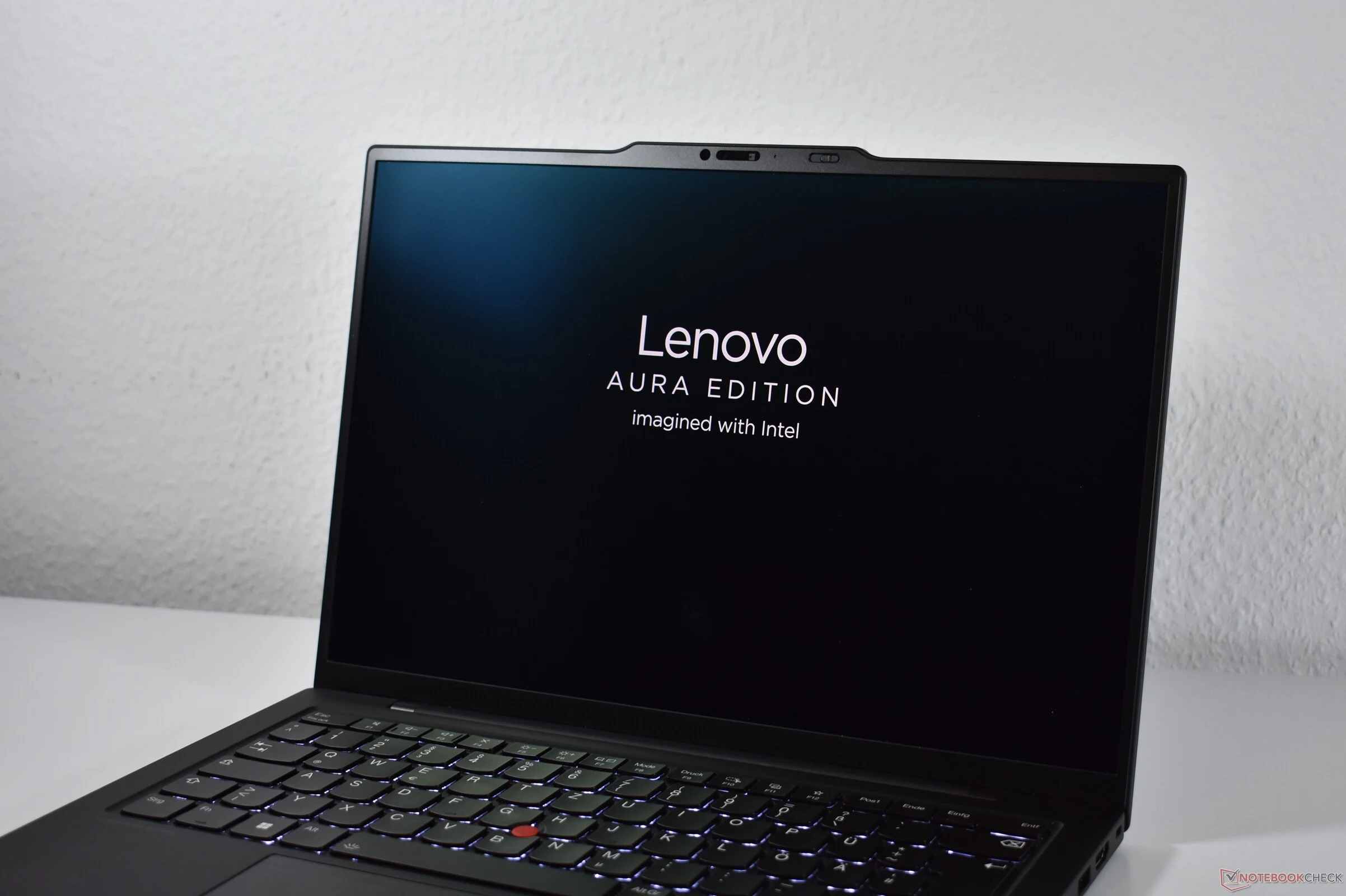
    Take the Lenovo ThinkPad X1 Carbon Gen 13 Aura Edition, which you can find on Amazon. We took this laptop for a spin in December 2024 using Intel’s Lunar Lake, and for quite some time, that was the only option available. However, starting from late April, Lenovo began offering the pricier ThinkPad thin and light models equipped with Intel Arrow Lake U and Intel Arrow Lake H, causing many buyers to wonder: Which CPU should I choose?

    While this situation isn’t ideal, it really becomes a concern when you realize that not all Intel Core Ultra Series 2 CPUs are created equal. The biggest problem lies with the Intel Arrow Lake U, also known as Core Ultra 200U.

    Confusing Naming Conventions

    The name implies there’s little distinction between Arrow Lake U and the others, but in truth, Intel Arrow Lake U is merely an upgrade of last year’s Intel Meteor Lake / Core Ultra 100U, fabricated using the newer Intel 3 process. Consequently, customers who opt for laptops with these CPUs won’t benefit from the advancements Intel has made in efficiency, which are present in Lunar Lake and the more robust Intel Arrow Lake H, featuring the more advanced Lion Cove and Skymont CPU cores made on the modern TSMC 3 nm node.

    Honestly, Intel’s naming scheme for its 2025 CPUs is quite bewildering. It’s not clear why “Arrow Lake U” is even called that when it should actually be labeled as Intel Meteor Lake Refresh. Therefore, customers considering a laptop with Intel Arrow Lake U can also comfortably explore older models from 2024 with Meteor Lake, as the differences between the two CPU families appear to be quite small.

    Source:
    Link

  • Beelink GTR9 Pro: AMD Mini-PC Rivals Mac Studio and GMKtec EVO-X2

    Beelink GTR9 Pro: AMD Mini-PC Rivals Mac Studio and GMKtec EVO-X2

    Key Takeaways

    1. The number of devices powered by AMD Strix Halo is gradually increasing, moving beyond just major manufacturers like Asus and HP.

    2. Beelink has introduced the GTR9 Pro, a mini-PC that combines features of the Mac Studio and Mac mini.

    3. The GTR9 Pro includes four microphones, a 3.5 mm audio jack, an SD card slot, and a USB Type-C port.

    4. It is expected to outperform the Apple M4 Pro chipset with its Ryzen AI Max+ 395 APU and support up to 96 GB of VRAM.

    5. The GTR9 Pro is anticipated to be priced at $1,999 and is marked as ‘coming soon.’


    After a bit of a slow begin, the number of new devices powered by AMD Strix Halo is starting to increase gradually. At first, only major manufacturers such as Asus and HP were the ones to announce Strix Halo devices. However, this has recently shifted in the past weeks.

    Beelink Joins the Fray

    Now, Beelink has entered the scene with its GTR9 Pro, which will soon be available alongside the AI Mini. For more information about Beelink’s so-called ‘AI server cluster’, check out our separate article. Regarding the GTR9 Pro, it appears to be a blend between the Mac Studio and Mac mini in size.

    Specifications of the GTR9 Pro

    From the images that Beelink has shared so far, the mini-PC features four microphones on the front, a 3.5 mm audio jack, an SD card slot, and a USB Type-C port. Additionally, the power button for the GTR9 Pro seems to be placed more sensibly than that of the latest Mac mini.

    The GTR9 Pro is expected to be much more powerful than the Mac mini, even with the Apple M4 Pro chipset. In reality, the Ryzen AI Max+ 395 is the same APU utilized by GMKtec in the EVO-X2 (currently priced at $1,799 on Amazon). Beelink has stated that its mini-PC will support up to 96 GB of VRAM, suggesting that it will come with 128 GB of RAM soldered from the factory. The expected price for the GTR9 Pro is $1,999; however, Beelink has only indicated that the mini-PC is ‘coming soon’ at this time.

    Beelink’s new product shows their commitment to enhancing the mini-PC market.

    Source:
    Link