Category: Computers

  • Intel Arc Pro B50 B60 Launch: Affordable Workstation GPUs 24GB VRAM

    Intel Arc Pro B50 B60 Launch: Affordable Workstation GPUs 24GB VRAM

    Key Takeaways

    1. Intel is launching two new professional GPUs, the Arc Pro B50 and Arc Pro B60, during Computex 2025, both built on the Battlemage architecture.
    2. The Arc Pro B50 is priced at $299, featuring 16 Xe2 cores and 16 GB of graphics memory, focused on efficiency and value for AI workstations.
    3. The Arc Pro B60 utilizes all 20 Xe2 cores, offering up to 24 GB of VRAM and variable power usage between 120 to 200 watts, claiming superior performance in AI tasks.
    4. Intel’s Project Battlematrix enables users to combine up to eight Arc Pro B60 GPUs for a total of 192 GB of VRAM, enhancing processing capabilities for larger AI models.
    5. Both GPUs are expected to be available in Q3 2025, with the Arc Pro B50 at $299 and the Arc Pro B60 at around $500, initially sold as part of complete workstations.


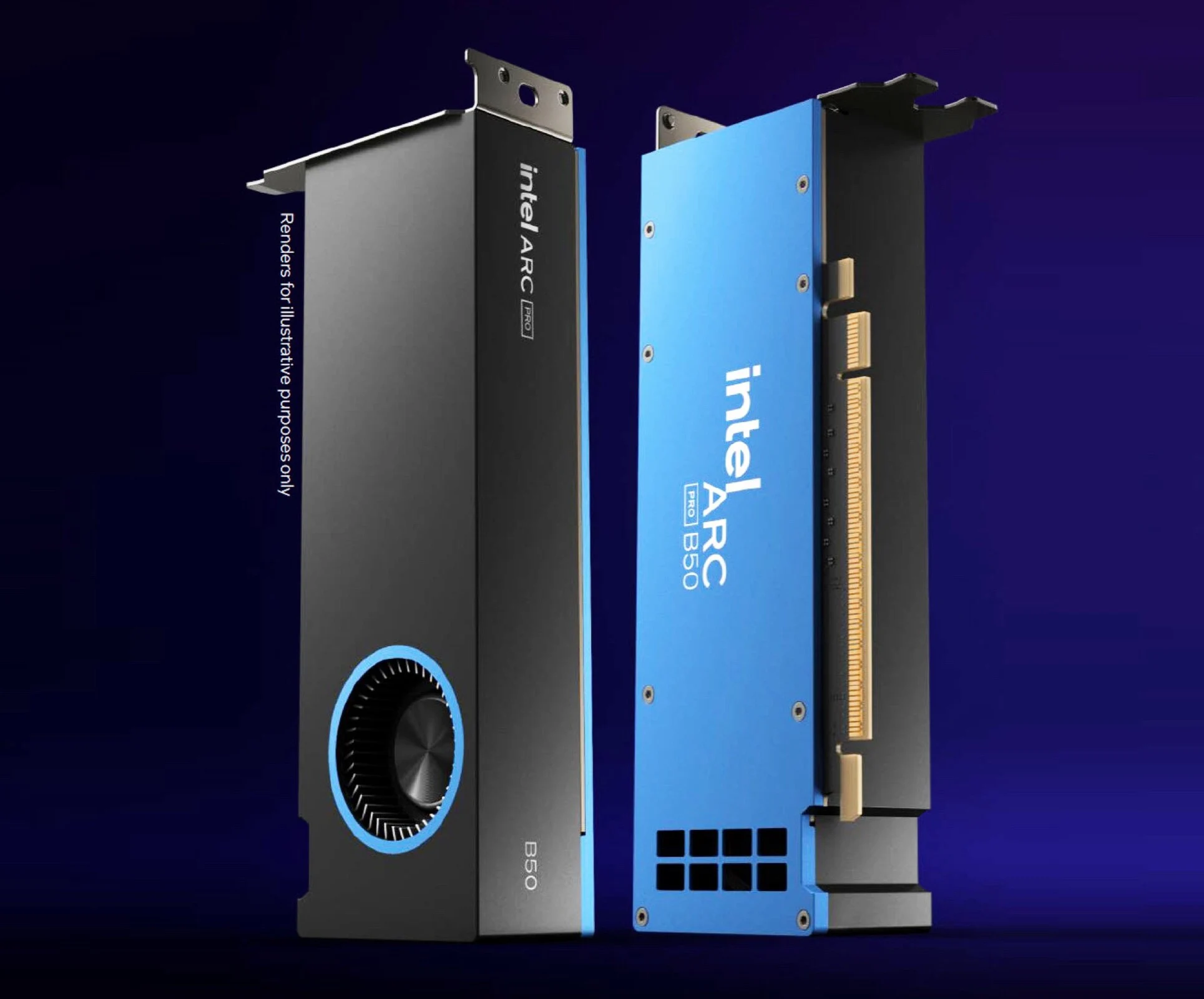
    Following the fairly successful debut of the Intel Arc B580, Intel is showcasing two new professional GPUs built on the same Battlemage architecture during Computex 2025. The first model, the Intel Arc Pro B50, is priced at $299, matching the Arc B580, but it comes with 16 Xe2 cores instead of 20 and has a power draw of 70 watts.

    Focus on Efficiency

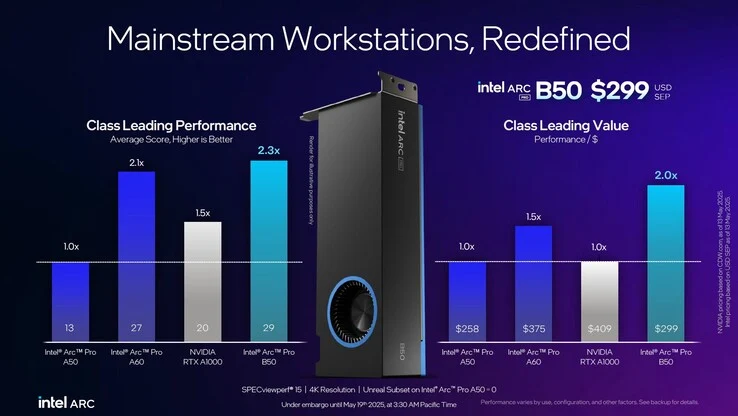
    Intel is increasing the graphics memory to 16 GB while cutting down memory bandwidth to just 224 GB/s. The main goal of the Arc Pro B50 is to deliver efficiency and good value for its price, as using several Arc Pro B50s together could create AI workstations with a huge amount of graphics memory at a much lower cost compared to a GeForce RTX 5090. Intel’s tests show that the Arc Pro B50 is more than two times faster than the Arc Pro A50, boasting double the performance per dollar when compared to the Nvidia GeForce RTX A1000.

    Enhanced Performance

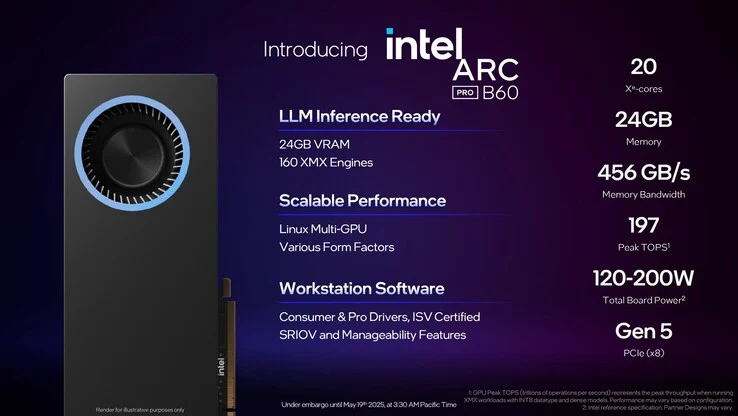
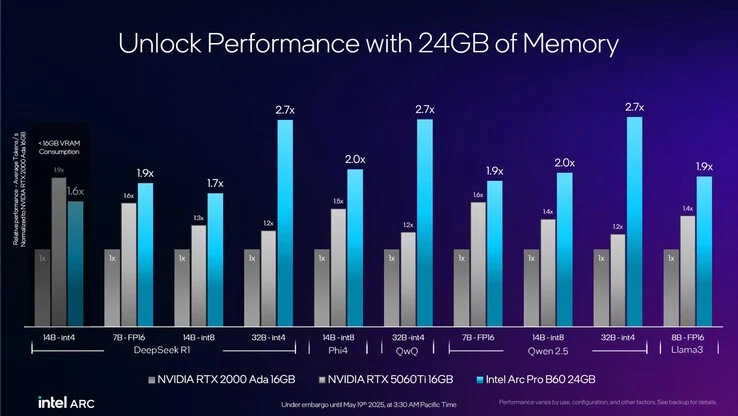
    The Arc Pro B60, similar to the Arc B580, makes use of all 20 Xe2 cores of the GPU, and its power usage can be varied from 120 watts to 200 watts. In this version, Intel includes 24 GB of VRAM with a bandwidth of 456 GB/s. Thanks to the increased VRAM, the Arc Pro B60 is claimed to be much faster than the Nvidia RTX 2000 Ada or even the GeForce RTX 5060 Ti 16 GB in AI tasks like DeepSeek R1 or Llama3, as shown by the benchmark results below.

    Project Battlematrix

    Intel’s Project Battlematrix allows for the combination of up to eight Arc Pro B60 graphics cards to form a system with an impressive 192 GB of VRAM, which helps in processing larger AI models compared to competitors like the AMD Ryzen Strix Halo or the Apple M4 Max. Project Battlematrix is built on an Intel Xeon processor with PCIe 5 support, and Intel provides Linux-based software for system management.

    The Intel Arc Pro B50 is anticipated to be available in the third quarter of 2025 for $299, while the Arc Pro B60 is expected to launch around the same time for approximately $500. Initially, both models will be offered as part of complete workstations, meaning consumers may not be able to purchase the GPUs individually until the fourth quarter.

    Source:
    Link


  • TSMC 2nm Wafers Expected to See 10% Price Increase

    TSMC 2nm Wafers Expected to See 10% Price Increase

    Key Takeaways

    1. TSMC’s N2 node is in high demand from major companies like AMD, Nvidia, Apple, and Qualcomm, leading to higher pricing for wafers.
    2. Wafer prices are expected to rise further due to construction costs of fabs, economic uncertainty, and TSMC’s need to recover significant investments.
    3. The cost of TSMC’s 2 nm wafers is projected to increase by 10%, potentially reaching around $33,000 for a 300 mm wafer.
    4. Smaller OEMs might shift to older nodes (N3, N4) or consider Samsung Foundry’s 2 nm options due to rising TSMC prices.
    5. Intel’s innovative 18A and 14A nodes are becoming competitive alternatives, featuring technologies not available from TSMC and Samsung Foundry for several years.


    With the increasing demand from companies like AMD, Nvidia, Apple, Qualcomm, and even Intel, which has its own fabrication plants, TSMC’s N2 node is becoming one of the most wanted in recent times. This high demand allows the Taiwanese semiconductor manufacturer to set higher prices.

    Rising Wafer Prices

    A new report from Ctee suggests that wafer prices might rise even further in the upcoming weeks. Insiders believe this is due to the increasing expenses of constructing fabs in countries like the United States, the overall uncertainty in the global economy, and the need to recover some of the $38-42 billion that TSMC intends to invest this year for capital projects.

    Cost of TSMC’s 2 nm Wafers

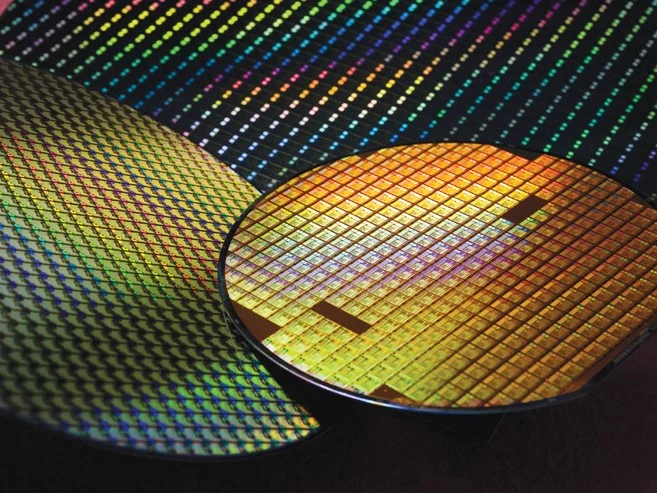
    A wafer at TSMC’s 2 nm node is expected to be 10% pricier than previously. Last year, the estimated cost was around $30,000 for a 300 mm wafer, which means the new price could reach about $33,000. The report mentions that Nvidia’s CEO, Jensen Huang, finds TSMC’s advanced nodes to be “very worth it.”

    Nvidia plans to use the N2 node for its upcoming Rubin Next architecture. It will also be utilized in AMD’s Zen 6 processors, Apple’s A21 and M5 chips, MediaTek’s Dimensity SoC, and potentially even in the CPU tile of Intel’s Nova Lake desktop series.

    Smaller OEMs and Alternatives

    This situation might lead many smaller OEMs to consider older options like the N3 and N4 nodes. Alternatively, they may explore Samsung Foundry’s 2 nm offerings (SF2/SF2P), which Qualcomm is reportedly looking into. If TSMC’s wafer prices continue to escalate, Samsung Foundry could have a genuine opportunity for a resurgence, assuming they can stabilize their yields.

    Intel’s 18A and 14A nodes are also becoming strong contenders due to their innovative technology like backside power delivery, which TSMC and Samsung Foundry won’t have access to for a few more years.

    Source:
    Link

  • Ventiva Launches ICE9: Fan-less Laptop Cooling for 100W TDP

    Ventiva Launches ICE9: Fan-less Laptop Cooling for 100W TDP

    Key Takeaways

    1. Ventiva showcased its ICE9 thermal management system, cooling a laptop with a TDP of 100 watts without fans.
    2. Traditional cooling methods using fans generate noise, limiting laptop usability in quiet environments.
    3. Ventiva’s ICE technology uses ionized air for quiet, efficient electrohydrodynamic airflow without moving parts.
    4. The company presented a laptop concept with a 45-watt TDP, indicating readiness for commercial production of ICE technology.
    5. This innovation enables the design of thinner, lighter, and quieter laptops and gaming handhelds.


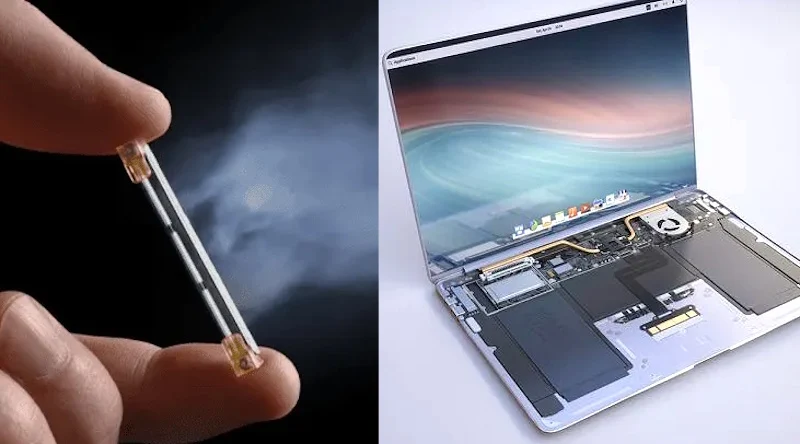
    Ventiva showcased its ICE9 thermal management system during Computex 2025, effectively cooling a laptop thermal test vehicle with a thermal design power (TDP) of 100 watts. This innovative system utilizes the company’s Ionic Cooling Engine (ICE) technology to provide cooling without relying on fans.

    Traditional Cooling Methods

    In the past, computers were cooled with spinning fans that quickly moved air to eliminate harmful heat. Yet, this method often generates significant noise at higher speeds, which can restrict where laptops can operate without disturbing users or those around them.

    Innovative Airflow Technology

    The Ventiva ICE technology ionizes air to generate electrohydrodynamic airflow. This approach makes it smaller and quieter than traditional fans, as it lacks moving blades that produce wind noise or motors that create an electrical whine. Consequently, laptops can either be designed to be smaller or equipped with larger batteries.

    Future of Laptop Design

    At the expo, the company also presented a Compal laptop concept featuring a 45-watt TDP. Compal is a leading ODM manufacturer for well-known brands like Acer and Dell. This indicates that Ventiva’s ICE technology is nearing readiness for commercial production, paving the way for the creation of thinner, lighter, and quieter laptops as well as gaming handhelds.

    Source:
    Link


  • OWC Launches Thunderbolt 5 Dock with Triple 8K 60Hz Support

    OWC Launches Thunderbolt 5 Dock with Triple 8K 60Hz Support

    Key Takeaways

    1. OWC’s Thunderbolt 5 dock will be available for purchase in July at a price of $329.99.
    2. The front features include a Thunderbolt port, USB-A 3.2 port, audio input/output jack, and microSD/SD card slots.
    3. The rear offers three Thunderbolt 5 ports, multiple USB-A ports, and a 2.5GbE Ethernet port, allowing for extensive connectivity.
    4. The dock can deliver up to 140 watts of power and supports three 8K external monitors at 60 Hz.
    5. Compatibility with the Apple SuperDrive is confirmed, and an alternative OWC Thunderbolt 4 dock is available for non-Thunderbolt 5 users.


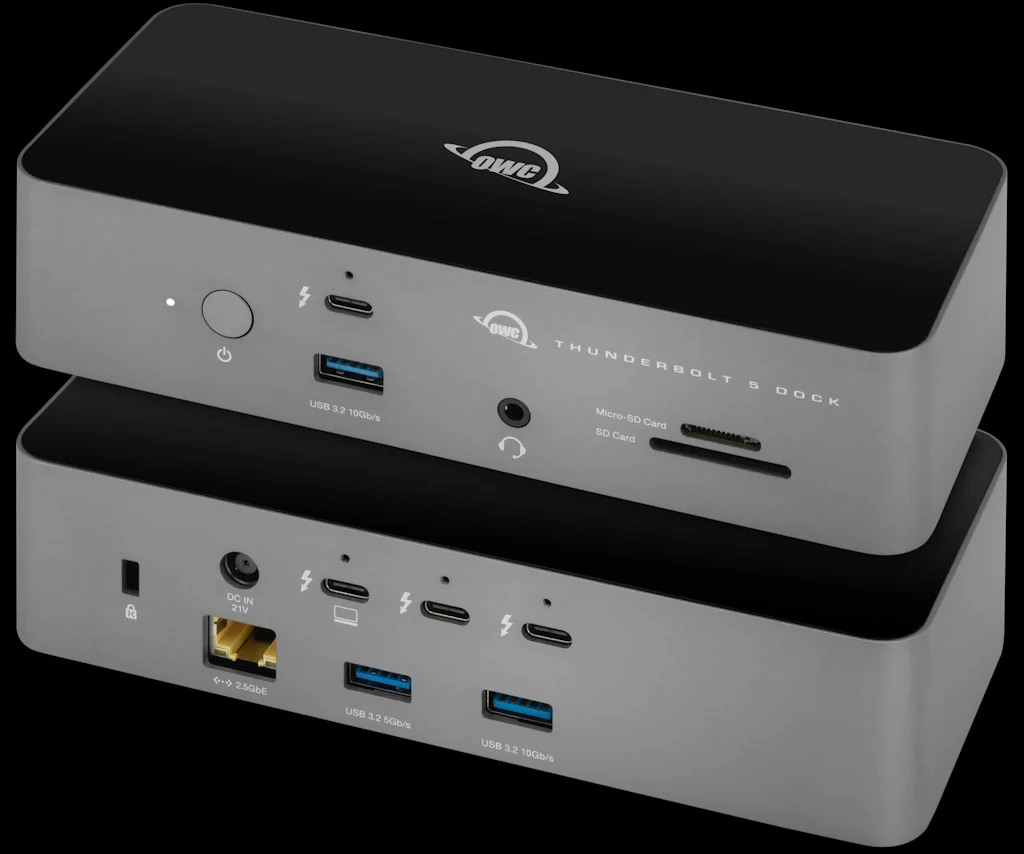
    Other World Computing (OWC) has introduced its new Thunderbolt 5 dock at the Computex 2025 event. This dock is set to be available for purchase in July, with a retail price of $329.99.

    Front Features of the Dock

    On the front side of the aluminum dock, you will find a Thunderbolt (USB-C; speed not specified) port along with a USB-A 3.2 10Gb/s port. There’s also a power button, a 3.5 mm audio input/output jack meant for headphones and microphones, and slots for microSD and SD 4.0 UHS-II readers.

    Rear Connectivity Options

    The back of the dock is equipped with three Thunderbolt 5 (USB-C) ports, two USB-A 3.2 10Gb/s ports, one USB-A 3.2 5Gb/s port, and a 2.5GbE Ethernet port located next to the security lock slot and DC IN port. You can connect three chains of external devices to the dock, and each of these peripheral chains can be unplugged without affecting the other chains.

    Power and Performance

    This dock is capable of delivering up to 140 watts of power to laptops, monitors, and various accessories. Power users will appreciate the dock’s ability to natively support three 8K external monitors running at 60 Hz, making it ideal for remote work or gaming. Additionally, Apple users will find that the dock has been tested for compatibility with the Apple SuperDrive, allowing them to burn CDs and DVDs using Macs. The dock comes bundled with OWC Dock Ejector software, although OWC has not disclosed the complete range of its features.

    For readers in need of a Thunderbolt 5 dock without the card slots and headphone jack, they can opt for this OWC Thunderbolt 5 dock along with Thunderbolt-5 compatible cables. If you happen not to have a computer that supports Thunderbolt 5, you can consider the OWC 11-port Thunderbolt 4 dock as an alternative.

    Source:
    Link

  • HP OmniBook 5 & 6 Launched: Snapdragon X Plus and OLED Display

    HP OmniBook 5 & 6 Launched: Snapdragon X Plus and OLED Display

    Key Takeaways

    1. Budget-Friendly Windows-on-Arm Laptops: HP introduced the OmniBook 5 14 and OmniBook 5 16, focusing on affordability and extended battery life using Snapdragon X Plus SoCs.

    2. Display Features: The OmniBook 5 16 has a 16-inch 2K OLED display with a 0.2 ms response time and 95% DCI-P3 color gamut, while the 14-inch version shares similar specs.

    3. Performance Customization: Both models offer customizable processors (Snapdragon X Plus X1P-42-100 or X1-26-100) with options for 8 cores, memory (up to 32 GB DDR5), and storage (up to 1 TB SSD).

    4. Connectivity and Security: They feature Wi-Fi 6E, Bluetooth 5.3, multiple USB ports, a 3.5 mm audio jack, and a 1080p IR camera with a privacy shutter.

    5. Pricing and Release Date: The OmniBook 5 14 starts at $799, and the OmniBook 5 16 starts at $849, both available in July in Glacial Silver.


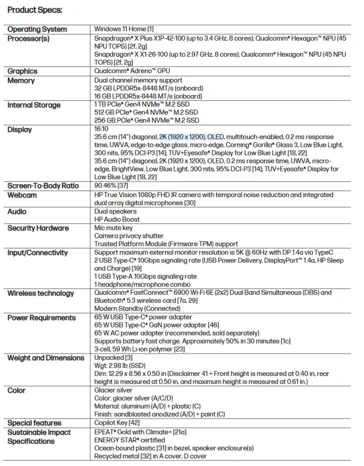
    HP recently revealed two budget-friendly Windows-on-Arm laptops during Computex. The OmniBook 5 14 and OmniBook 5 16 prioritize extended battery life over raw performance, utilizing energy-efficient Snapdragon X Plus SoCs. These devices are certified with Windows Copilot+ and feature a specific key for activating the virtual assistant. Additionally, HP includes a 1080p IR camera along with a privacy shutter for enhanced security.

    Display and Design

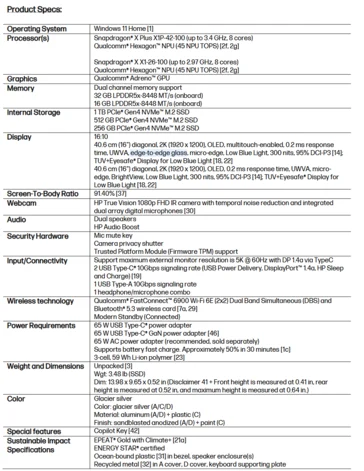
    The HP OmniBook 5 16 sports a 16-inch 2K (1920 x 1200) OLED display with an impressive 0.2 ms response time and 95% DCI-P3 color gamut coverage. It also comes with Corning Gorilla Glass for the touch-enabled variant. The HP OmniBook 5 14 matches these specifications in a sleeker 14-inch design. Other than size, the laptops share the same specifications, including a 59 Wh Li-ion battery that allows for 65 Watts fast charging.

    Performance Options

    Customers can customize the OmniBook 5 16 and OmniBook 5 14 with a Snapdragon X Plus X1P-42-100 or a Snapdragon X1-26-100. Both processors feature 8 cores, but the former can reach speeds of up to 3.4 GHz, while the latter is capped at 2.9 GHz. Options for memory and storage are available in 32/16 GB DDR5-8448 and 1 TB/512 GB/256 GB PCIe Gen4 SSDs. Connectivity includes Wi-Fi 6E, Bluetooth 5.3, two 10 Gbps USB Type-C ports, one USB Type-A port, and a 3.5 mm combo audio jack.

    Pricing and Availability

    The HP OmniBook 5 14 will be available for purchase in July, starting at $799. The HP OmniBook 5 16 will also launch at the same time, with a base price of $849. Both models are offered in a single color option: Glacial Silver.

    Source:
    Link


  • Exploring Foldable and Dual-Screen Laptops Before MateBook Fold Launch

    Exploring Foldable and Dual-Screen Laptops Before MateBook Fold Launch

    Key Takeaways

    1. Huawei is launching its first foldable-screen laptop, likely named MateBook Fold Ultimate Design, on May 19.
    2. The company is leveraging its experience from foldable smartphones to enter the foldable laptop market.
    3. The MateBook Fold will compete with existing foldable laptops from brands like Lenovo and Asus.
    4. Key specifications include a foldable OLED display, HarmonyOS, Kirin X90 processor, 32GB RAM, and 2TB storage.
    5. The article also highlights the Asus Zenbook Duo (2024) as a notable competitor with dual screens and high-performance features.


    Huawei is preparing to launch its first foldable-screen laptop on May 19, which is this coming Monday. Probably called the MateBook Fold Ultimate Design, this new device represents Huawei’s entrance into the specialized but growing sector of foldable computers.

    Expanding Expertise

    Having been involved in foldable technology since the inception of foldable smartphones, Huawei is now applying that knowledge to a larger format. The company clearly perceives foldable laptops as the next big step, and it is leveraging years of research and development from its mobile devices to gain an advantage in this market.

    Competing Brands

    The MateBook Fold will compete directly with foldable laptops from Lenovo and Asus, both of which have been experimenting with unique laptop designs, including foldable models, for several years.

    Specifications to Note

    Initial reports suggest that Huawei’s foldable laptop will boast a foldable OLED display, operate on HarmonyOS, and be powered by the company’s own Kirin X90 processor. Additionally, it’s rumored to come equipped with 32GB of RAM and an impressive 2TB of storage.

    Before the launch, let’s briefly explore some of the most captivating foldable PCs currently available.

    1. Asus Zenbook Duo (2024)
    The 2024 Zenbook Duo represents Asus’s latest venture into dual-screen productivity. It features two 14-inch 3K OLED touch displays, a detachable Bluetooth keyboard, and the flexibility to transform into a portable workstation when laid flat.

    With the two screens combined, users enjoy close to a 20-inch workspace, enabling extensive vertical or side-by-side multitasking. It’s powered by Intel’s Core Ultra 9 processor and comes with 32GB of LPDDR5x memory, positioning it in the high-performance category on paper.

    The laptop is backed by a substantial 75Wh 4-cell Li-ion battery with support for 65W charging. In terms of I/O options, this high-end laptop includes a USB 3.2 Gen 1 Type-A port, two Thunderbolt 4 ports, an HDMI 2.1 TMDS port, and a 3.5mm headphone jack. For wireless connectivity, it supports WiFi 6E and Bluetooth 5.3.


  • TexHoo QN15: Affordable Mini PC with Intel Twin Lake CPU Launch

    TexHoo QN15: Affordable Mini PC with Intel Twin Lake CPU Launch

    Key Takeaways

    1. The TexHoo QN15 mini PC is powered by the Intel N150 processor, featuring a turbo frequency of 3.6 GHz.
    2. It supports up to 16 GB of DDR4 RAM and has an M.2 slot for NVME SSDs, like the 2 TB Samsung 990 EVO Plus.
    3. The QN15 uses WiFi 5 and Bluetooth 4.0, lacking WiFi 6 support and limiting display options to dual HDMI ports.
    4. It has a modern design, supports VESA mounting, and includes an active cooling system.
    5. Pricing starts at $97.79 for the barebone version and $139.84 for the high-end version with additional RAM and storage.


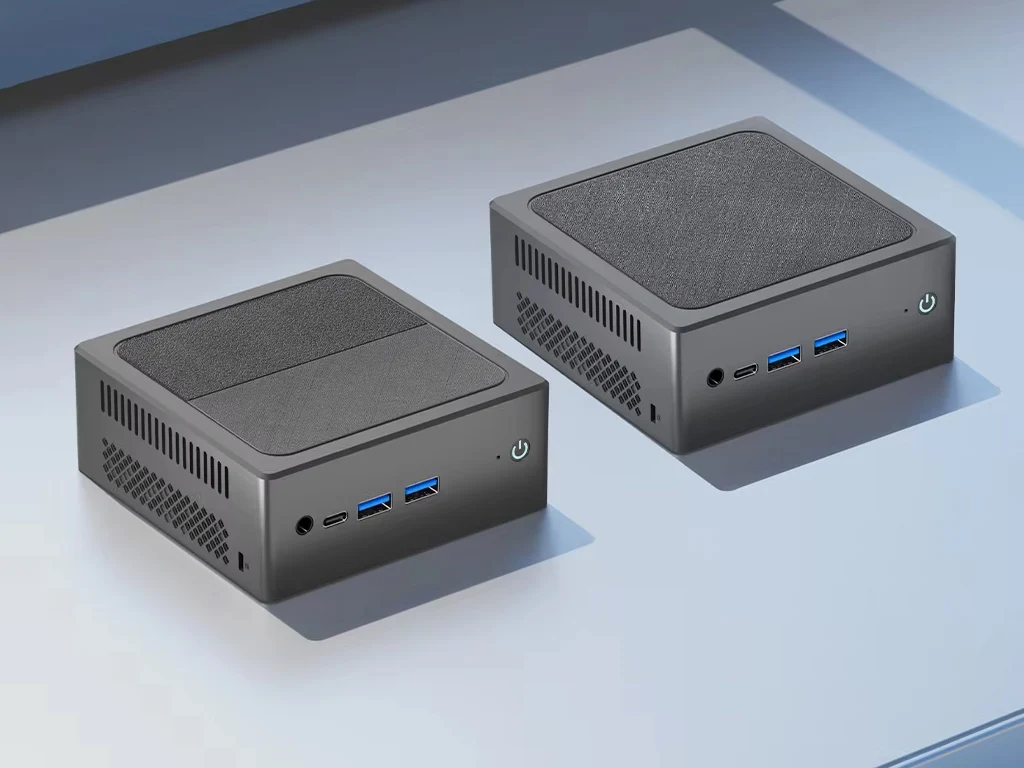
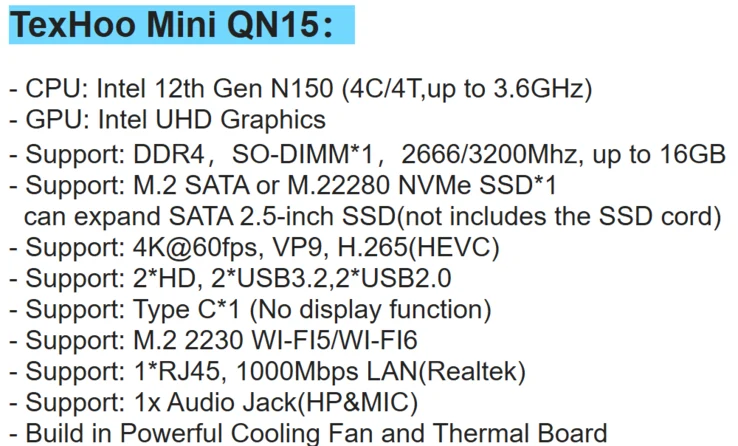
    TexHoo has launched a new mini PC called the QN15, which is part of the Twin Lake series. It is powered by the Intel N150 processor, which is similar to the N100 but with some improvements. Specifically, it retains the same 4-core and 4-thread setup, but the N150 boasts a turbo frequency of 3.6 GHz, compared to the 3.4 GHz of its predecessor.

    Memory and Storage

    This Twin Lake CPU in the mini PC is compatible with up to 16 GB of DDR4 RAM. There’s also an M.2 2280 slot available for adding an NVME SSD, such as the 2 TB Samsung 990 EVO Plus, which is currently priced at $139.99 on Amazon. The QN15 offers a diverse range of ports, which is a nice feature for users.

    Connectivity Options

    In contrast to the QN10 model from TexHoo, the QN15 does not include WiFi 6. Instead, it operates on WiFi 5, and it supports Bluetooth 4.0 for additional wireless options, which is also a bit outdated. It’s important to mention that the USB-C port on this device cannot be used for display output, limiting the QN15 to dual-display capabilities through its two HDMI ports only.

    Design and Pricing

    Among the notable features of this mini PC are its modern and compact design, support for VESA mounting, and an active cooling system. As for pricing, the barebone version of the QN15 is available for $97.79 on AliExpress, while the high-end version, which includes 16 GB of RAM and a 512 GB SSD, retails for $139.84. For more details, refer to the complete specification sheet provided below.

    Source:
    Link


  • Acer Predator Triton 14 AI: Graphene Cooling, OLED, RTX 5070

    Acer Predator Triton 14 AI: Graphene Cooling, OLED, RTX 5070

    Key Takeaways

    1. Lightweight Design: The Predator Triton 14 AI weighs 1.6 kg and is only 17.31 mm thick, making it a portable option for creators and gamers.

    2. Powerful Hardware: It features an Intel Core Ultra 9 288V processor and an NVIDIA GeForce RTX 5070 Laptop GPU for high performance in creative work and gaming.

    3. Advanced Cooling System: The laptop utilizes graphene thermal interface material and dual AeroBlade metal fans for improved cooling efficiency.

    4. High-Quality Display: The OLED WQXGA+ display has a resolution of 2880 x 1800, 100% DCI-P3 color accuracy, a 120Hz refresh rate, and a 1ms response time.

    5. AI-Driven Features: It includes up to 32 GB of RAM, 2 TB SSD storage, and AI tools for productivity, such as real-time caption translation and AI image generation.


    Acer has introduced the Predator Triton 14 AI, a compact yet powerful laptop designed for creators, professionals, and gamers who require substantial performance in a lightweight design. Weighing only 1.6 kg and with a thickness of 17.31 mm, this 14.5-inch laptop is packed with high-end hardware while maintaining a sleek appearance.

    Specifications of the Triton 14 AI

    The heart of the Triton 14 AI is the Intel Core Ultra 9 288V processor, coupled with an NVIDIA GeForce RTX 5070 Laptop GPU. This combination is perfect for demanding creative work and seamless gaming experiences. A standout feature is its groundbreaking graphene thermal interface material on the CPU, which enhances heat dissipation by 14.5% compared to traditional thermal grease. Additionally, it has dual 6th Gen AeroBlade metal fans and a vapor chamber to boost cooling efficiency.

    Display and Features

    The laptop’s OLED WQXGA+ display, featuring a resolution of 2880 x 1800, offers 100% DCI-P3 color accuracy, a refresh rate of 120Hz, and a rapid 1ms response time. It is Calman Verified and provides touch input, making it ideal for video editors, designers, and digital artists. The haptic Gorilla Glass touchpad, along with the included stylus that supports various pen protocols and pressure levels, enhances creative possibilities.

    Memory and Storage

    The Triton 14 AI comes with up to 32 GB of LPDDR5X RAM and 2 TB of PCIe Gen 4 SSD storage. It is also classified as a Copilot+ PC, which means it features AI-driven tools such as real-time caption translation and AI image generation in Paint, incorporated into Windows for improved productivity.

    Acer also announced the Predator Helios Neo 14 AI, a compact gaming laptop, and an updated version of the Predator Orion 3000 desktop targeted at AAA gaming and creative tasks.

    Pricing and Availability

    The Predator Triton 14 AI will be available in EMEA regions starting July 2025, with prices starting at EUR 2,999.


  • Acer Launches Aspire 16 AI Laptops: OLED, 32GB RAM, 27-Hour Battery

    Acer Launches Aspire 16 AI Laptops: OLED, 32GB RAM, 27-Hour Battery

    Key Takeaways

    1. Processor Options: The Aspire 16 AI series offers three processor choices: Intel Core Ultra, AMD Ryzen AI, and Snapdragon X platforms, each with different performance levels.

    2. Display Features: The Intel and AMD models feature 16-inch OLED WUXGA+ screens with a 120 Hz refresh rate, while the Snapdragon model uses LCD WUXGA displays.

    3. Memory and Storage: All models support up to 32 GB LPDDR5X RAM and 1 TB PCIe Gen4 SSD storage, with microSD expansion options available.

    4. Battery Life: The Intel model offers up to 26 hours of battery life, the AMD model provides similar performance, and the Snapdragon model boasts 27 hours during video playback.

    5. AI and Security Features: AI-driven functionalities like PurifiedVoice and facial recognition are included across all models, with additional security features in the Intel and AMD versions.


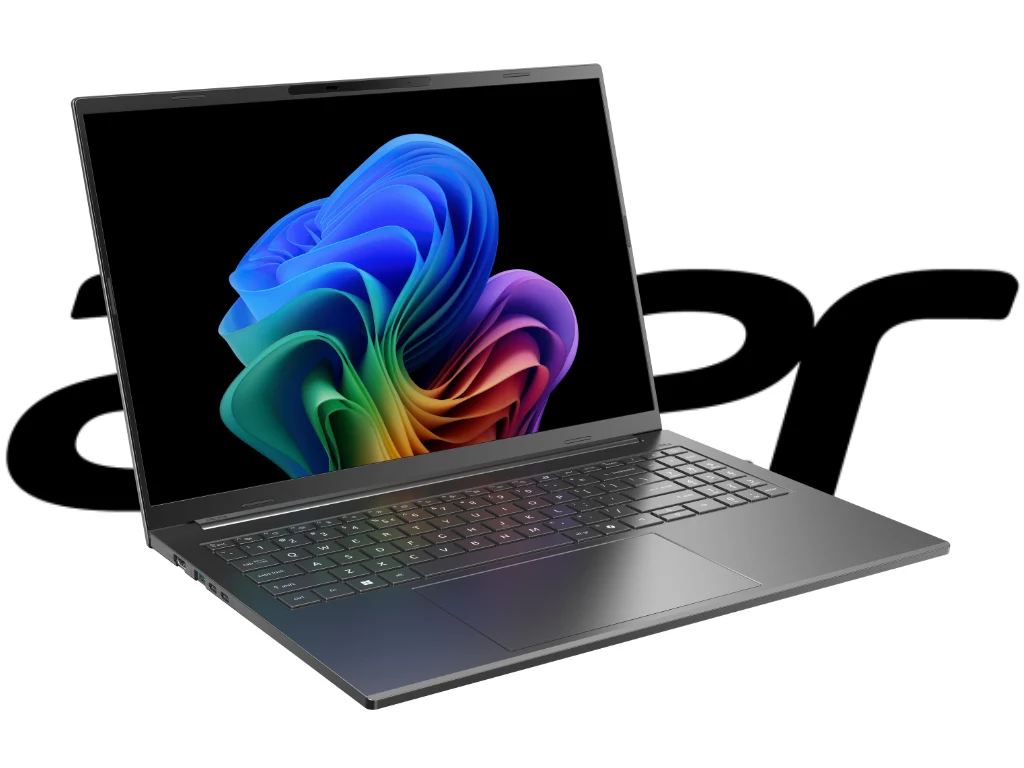
    Acer has unveiled its latest Aspire 16 AI series, featuring three processor choices: Intel Core Ultra, AMD Ryzen AI, and Snapdragon X platforms. Each model comes with a spacious 16-inch design, LPDDR5X RAM, and AI-centered functionalities, yet they vary in performance, display types, and connectivity options.

    Processor and Battery Specifications

    The Aspire 16 AI (A16-52M/52MT) powered by Intel includes Core Ultra 7 258V CPUs, combined with Arc Graphics, offering a battery life of up to 26 hours, optimized for thermal design power (TDP). The AMD version (A16-61M/61MT) is equipped with Ryzen AI 7 350 or AI 5 340 chips, alongside Radeon 860M or 840M graphics. The Snapdragon model (A16-11M/11MT) features the innovative Oryon CPU and Adreno GPU, boasting a claimed battery life of 27 hours during video playback.

    Display Capabilities

    Display choices differ among the models. Both the Intel and AMD versions are available with up to 16-inch OLED WUXGA+ screens that support a 120 Hz refresh rate and can reach 500 nits brightness. In contrast, the Snapdragon variant opts for LCD WUXGA displays, providing either 100% sRGB or 45% NTSC color support, foregoing OLED technology altogether.

    Memory and Connectivity

    All models support a maximum of 32 GB LPDDR5X RAM and 1 TB PCIe Gen4 SSD storage, with options for microSD expansion. The I/O setups are similar across all models, including USB 3.2 Type-A, USB-C, HDMI 2.1, and a MicroSD slot. However, the Intel version includes two Thunderbolt 4 ports and a dedicated headphone jack, adding to its connectivity features.

    Battery and AI Features

    Users will benefit from a 65 Wh battery, Wi-Fi 6E or 7 (depending on the chipset), and Windows 11 across the range. Acer incorporates AI-driven features such as PurifiedVoice, LiveArt, and Copilot+ Hotkey into all versions. The Intel and AMD models also come with Microsoft’s Pluton security chip and facial recognition, while the Qualcomm version offers basic support for Windows Hello.

    The Snapdragon version of the Aspire 16 AI will be available in July 2025, starting at €749 ($835). The AMD and Intel models are set to release in August, priced at €999 ($1,113) and €1,049 ($1,169), respectively.


  • Acer Swift Edge 14: Ultra 9 288V & 3K OLED in Under 1kg

    Acer Swift Edge 14: Ultra 9 288V & 3K OLED in Under 1kg

    Key Takeaways

    1. Lightweight and Durable Design: The Swift Edge 14 AI weighs only 0.99 kg and meets MIL-STD 810H durability standards.

    2. Powerful Configurations: Available with various Intel Lunar Lake processors and up to 32 GB of LPDDR5x RAM and 1 TB of PCIe Gen4 NVMe storage.

    3. Stunning Display and Connectivity: Features a 14-inch 3K OLED display with 340 nits brightness and multiple connectivity options, including USB4 and HDMI 2.1.

    4. Advanced Security Features: Includes an FHD IR camera for Windows Hello, a fingerprint reader, and a Microsoft Pluton secure co-processor.

    5. Availability and Pricing: Launching in June 2025, starting at €1,799.


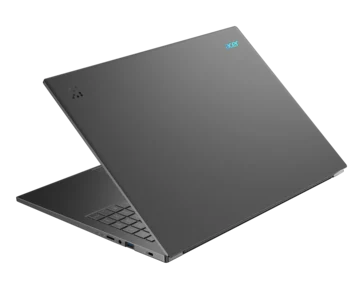
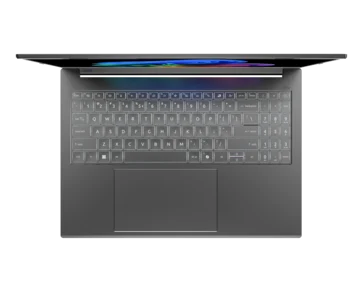
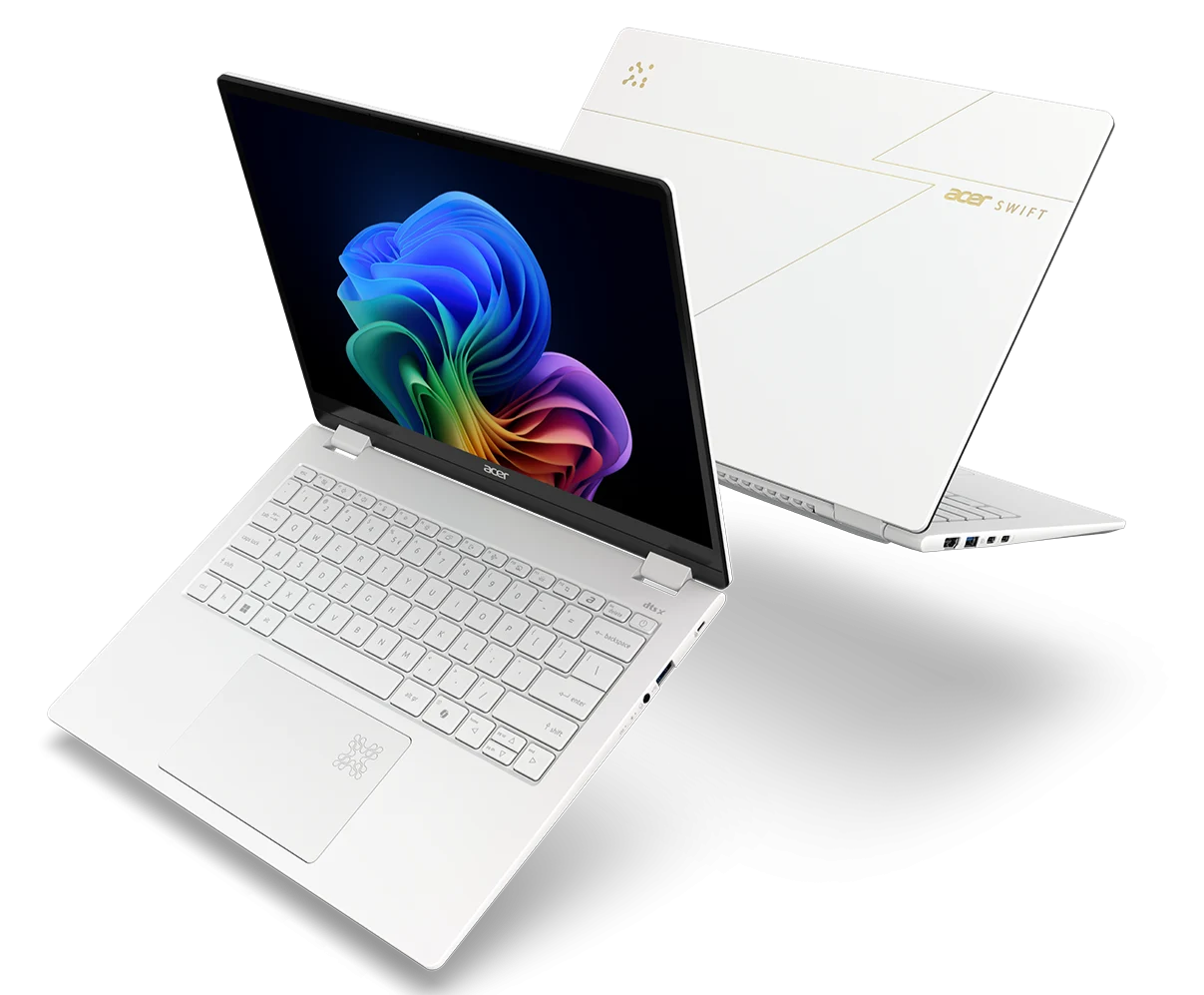
    The Swift Edge series made its first appearance in a 16-inch model at Computex 2023. Now, during Computex 2025, Acer is unveiling the Swift Edge 14 AI Copilot+ PC, which is powered by the new Intel Lunar Lake processors. Alongside it, they are also refreshing the Swift X 14 AI, which runs on AMD Strix Point APUs.

    Lightweight and Durable Design

    The Swift Edge 14 AI is an incredibly lightweight laptop, measuring 313.7 x 229.2 x 9.3/16.6 mm, and weighing only 0.99 kg. It features a sleek Pearl White finish made from a magnesium-aluminum alloy, and Acer claims that its chassis has been rigorously tested to meet the MIL-STD 810H durability standards.

    Powerful Configurations

    Acer provides a variety of Intel Lunar Lake configuration options, including the Core Ultra 5 226V, Core Ultra 5 228V, Core Ultra 7 256V, Core Ultra 7 258V, and the high-end Core Ultra 9 288V. The laptop’s display is driven by the integrated Intel Arc Graphics 140V (or Arc Graphics 130V for the lower models). It can be configured with up to 32 GB of LPDDR5x RAM and offers up to 1 TB of PCIe Gen4 NVMe storage.

    Stunning Display and Connectivity

    The display on the Swift Edge 14 AI is a 14-inch 16:10 3K (2880 x 1800) OLED panel that boasts 340 nits of brightness and 100% DCI-P3 coverage. It supports multitouch and features a Corning Gorilla Matte Pro coating to reduce glare.

    For connectivity, the laptop includes 2 USB4 Type-C ports, 2 USB 3.2 Type-A ports (one of which offers Power Share), an HDMI 2.1 output, and a 3.5 mm combo audio jack. Wireless networking is handled by an Intel Killer Wi-Fi 7 chip, which also supports Bluetooth 5.4.

    Advanced Security Features

    The Swift Edge 14 AI is fitted with an FHD IR camera that supports Windows Hello for facial recognition, and a fingerprint reader is integrated into the power button. Additionally, it features a Microsoft Pluton secure co-processor, making it a Secured-Core PC.

    The Acer Swift Edge 14 AI (SFE14-51 / SFE14-51T) will be available starting June 2025, with prices beginning at €1,799.