Category: Computers

  • Intel Acknowledges Arrow Lake Issues, Optimistic About Nova Lake SKUs

    Intel Acknowledges Arrow Lake Issues, Optimistic About Nova Lake SKUs

    Key Takeaways

    1. Intel has faced leadership changes and significant layoffs due to poor performance in recent years.
    2. The Meteor Lake processors showed only slight performance gains over Raptor Lake, with Arrow Lake expected to have similar results.
    3. Intel’s CFO admitted the company has struggled in the high-performance desktop market, particularly with Arrow Lake.
    4. Nova Lake is the upcoming generation of desktop CPUs, expected to offer improved performance and a wider range of SKUs for the high-end market.
    5. Intel remains optimistic about Nova Lake’s potential to enhance competitiveness, with a planned release next year.


    Intel has been undergoing significant changes with new leadership and considerable layoffs due to its poor performance in recent years. The Meteor Lake processors released in 2023 provided only slight performance gains compared to Raptor Lake, and the upcoming Arrow Lake, set for 2024, appears to follow suit. The company has acknowledged its shortcomings, particularly with Arrow Lake, but remains optimistic about its upcoming generation of desktop CPUs.

    Acknowledgment of Shortcomings

    In a report from Wccftech referencing a Deutsche Bank 2025 Technology Conference call, Intel’s CFO David Zinsner confessed that the company has struggled in the desktop market with Arrow Lake, failing to compete effectively. He stated:

    “As you know, we kind of fumbled the football on the desktop side, particularly high performance desktop side. So we’re as you kind of look at share on a dollar basis versus a unit basis, we don’t perform as well and it’s mostly because of this high end desktop business that we didn’t have a good offering this year.”

    Future Plans with Nova Lake

    Zinsner then mentioned Nova Lake, the forthcoming generation of desktop CPUs, indicating that it would offer a more comprehensive range of SKUs targeting the high-end desktop segment. The company is hopeful that Nova Lake will enhance its competitive stance in the market next year.

    Nova Lake is expected to deliver significant performance enhancements over both Arrow Lake and Arrow Lake Refresh. These CPUs are likely to incorporate the new Coyote Cove P-cores and Arctic Wolf E-cores. It remains uncertain whether they will utilize TSMC’s 2nm or Intel’s 18A-P manufacturing process. The processors will adopt the Core Ultra 400 naming scheme, with the top-tier model rumored to feature 52 cores—16 P-cores, 32 E-cores, and 4 LP island E-cores with a 150 W TDP. Additionally, some models may include 3D V-cache, similar to AMD’s X3D series.

    Optimism for the Future

    In summary, Intel’s Nova Lake series is poised to be a more substantial upgrade compared to the previous couple of generations. The CPUs seem to be on schedule for release next year, although a specific launch date has not yet been announced.

    Source:
    Link


  • Icepi Zero: Exciting Raspberry Pi Alternative Now on Crowdfunding

    Icepi Zero: Exciting Raspberry Pi Alternative Now on Crowdfunding

    Key Takeaways

    1. The Raspberry Pi Foundation offers various single-board computers, including the Raspberry Pi 5 with an 8GB version priced at $82.
    2. The Icepi Zero is an alternative to Raspberry Pi Zero, using an FPGA chipset instead of an ARM processor and focusing on vintage system emulation.
    3. The Icepi Zero measures 2.6 inches by 1.2 inches, includes customizable buttons and LEDs, and features three USB Type-C ports.
    4. It has GPIO pins for connecting sensors and a microSD card slot for storage, but lacks eMMC or SSD storage.
    5. The Icepi Zero is available for crowdfunding starting at $69, with financial risks and an expected delivery date of February 2026.


    The Raspberry Pi Foundation provides a range of single-board computers, including the well-known Raspberry Pi 5, which has an 8GB version that is priced at $82 on Amazon. There are also smaller Raspberry Pi boards that can be utilized for more compact projects. One alternative to these Raspberry Pi Zero models is the Icepi Zero, which features an FPGA chipset instead of the standard ARM processor.

    Specifications and Features

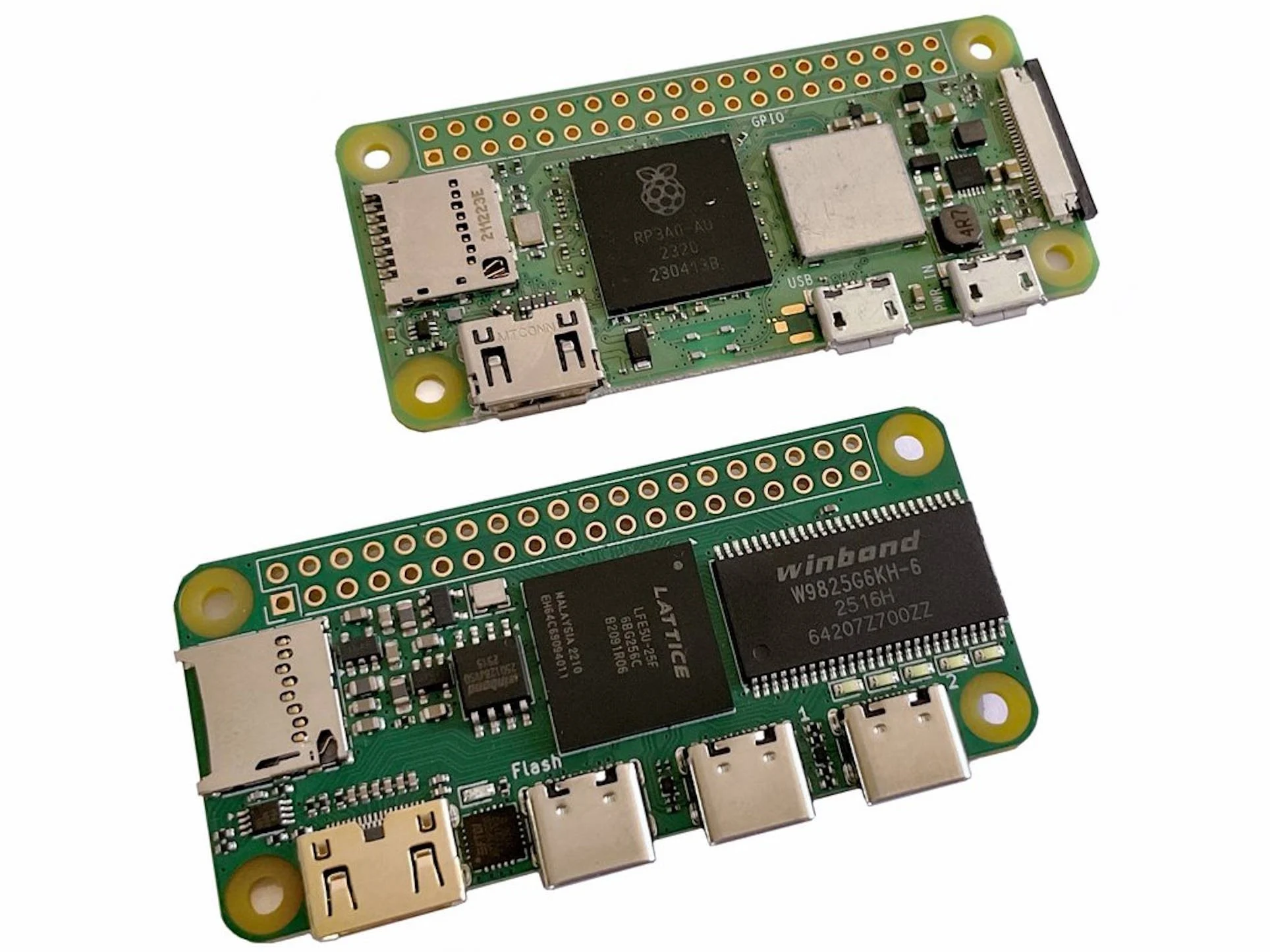
    This single-board computer is driven by the Lattice ECP5U chip. It is said to be capable of emulating vintage systems like the Apple I and Commodore 64, but it can’t run modern operating systems. The board promotes an open-source philosophy, allowing DIY enthusiasts to create their own applications with ease.

    Dimensions and Connectivity

    In terms of its dimensions, the Icepi Zero is 2.6 inches by 1.2 inches. It is equipped with two programmable buttons and five LEDs that can be customized. The size of the Icepi Zero matches that of the Raspberry Pi Zero, and the manufacturer claims some accessories can be used interchangeably. There are three USB Type-C ports that allow various attachments. Like most compact single-board computers, it lacks eMMC or SSD storage, but it does include a microSD card slot.

    Furthermore, the Icepi Zero has GPIO pins for connecting sensors and actuators, and it requires a 5-volt power supply through USB Type-C. Currently, as part of a crowdfunding effort, the board can be purchased starting at $69, with typical financial risks associated with such campaigns. This price does not cover shipping or any potential import charges, and the expected delivery date is by the end of February 2026.


    Source:
    Link


  • Honor MagicBook Art 14 Now Available for Purchase in Europe

    Honor MagicBook Art 14 Now Available for Purchase in Europe

    Key Takeaways

    1. Powerful Performance: Equipped with Intel Core Ultra 5 or 7 processors, up to 32 GB RAM, and up to 2 TB storage, without a dedicated GPU.

    2. Stunning Display: Features a 14.6-inch OLED screen with 3120 x 2080 resolution, 1,600 nits brightness, 120 Hz refresh rate, and touchscreen capability.

    3. Long Battery Life: Powered by a 60 Wh battery that charges via USB-C.

    4. Connectivity Options: Includes Wi-Fi 7, Thunderbolt 4.0, USB-C, USB-A, HDMI 2.1, and a 3.5 mm audio jack.

    5. Compact Design: Weighs 1.03 kg and has a thickness of 11.5 mm, with a retractable 1080p webcam.


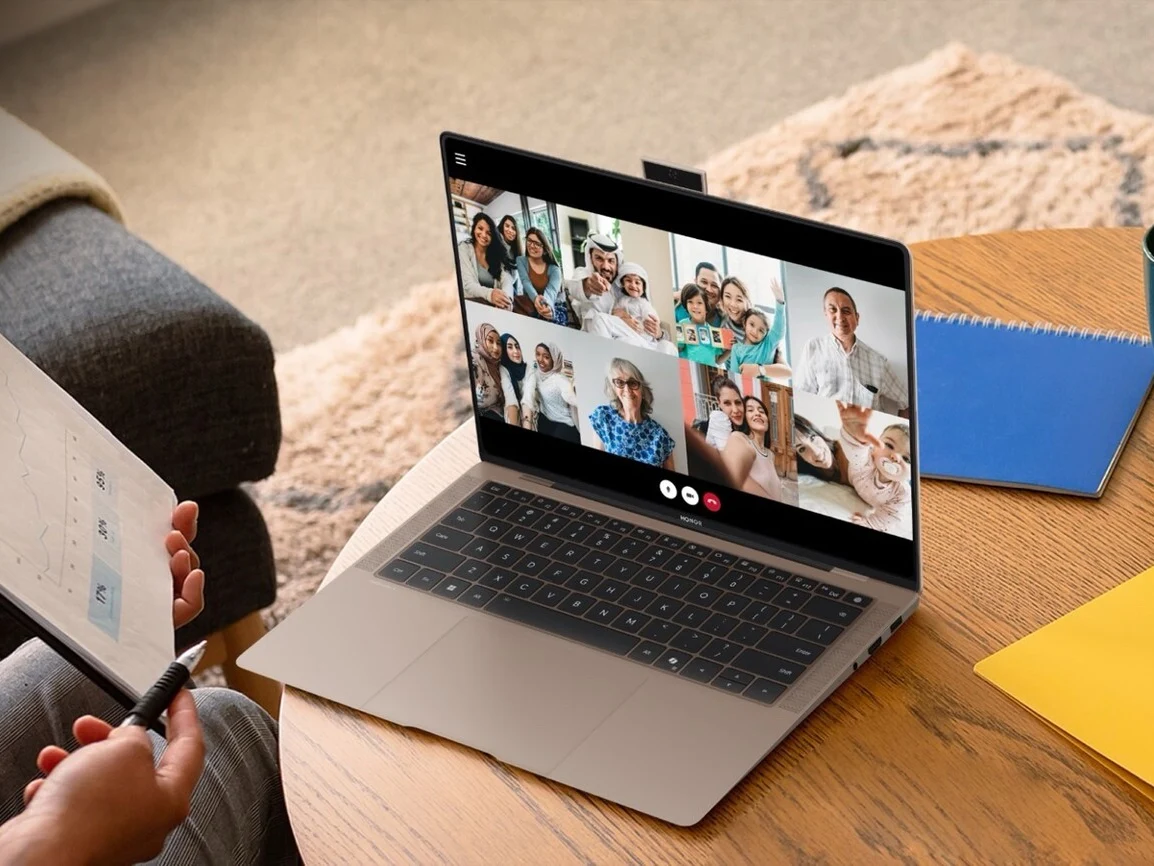
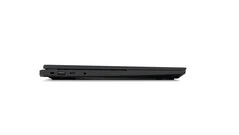
    After making its entrance in China, the Honor MagicBook Art 14 has now arrived in Europe. It fulfills all the requirements for a lightweight, portable laptop, featuring an Intel Arrow Lake-H processor, an OLED display, and a detachable webcam.

    Powerful Performance

    Internally, it is equipped with either an Intel Core Ultra 5 225H or a Core Ultra 7 255H processor, combined with an Intel Arc 140T integrated GPU (or Arc 130T for the Core Ultra 5). There are no options for a dedicated GPU. The maximum memory reaches 32 GB of LPDDR5X-8400, while the storage capacity goes up to 2 TB.

    Stunning Display and Battery Life

    A 60 Wh battery powers the laptop, which charges through USB-C. The Honor MagicBook Art 14 features a 14.6-inch OLED screen with a 3:2 aspect ratio, boasting a resolution of 3120 x 2080 pixels, a peak brightness of 1,600 nits, a refresh rate of 120 Hz, and full DCI-P3 color gamut coverage. Additionally, it supports touchscreen capability.

    Connectivity and Design

    Additional specifications include Wi-Fi 7, one Thunderbolt 4.0 port, a USB 3.2 Gen 2 Type-C port, a USB 3.2 Gen 2 Type-A port, an HDMI 2.1 port, and a 3.5 mm audio jack. The 1080p webcam can retract into the laptop’s body, which has a thickness of just 11.5mm and weighs 1.03 kilograms.

    The Honor MagicBook Art 14 will be priced at £1499.99 in the UK and €1699 in Europe. It is expected to be available for purchase soon.


  • TSMC Speeds Up 1.4nm Process as Intel and Samsung Adjust Plans

    TSMC Speeds Up 1.4nm Process as Intel and Samsung Adjust Plans

    Key Takeaways

    1. TSMC is advancing quickly in semiconductor manufacturing, moving towards 1.4nm production while 2nm chips are not yet widespread.
    2. The company plans to build four new factories, with the first expected to be operational by the end of 2027 and mass production starting in late 2028.
    3. TSMC’s progress comes as competitors Intel and Samsung reassess their manufacturing plans, with Intel potentially halting its 1.4nm development and Samsung delaying its targets to 2029.
    4. The current market is primarily using 3nm technology, with TSMC’s 3nm process being utilized in various CPUs from Intel and Apple.
    5. New semiconductor nodes typically debut in mobile chips, with the upcoming Galaxy S26 series set to use the 2nm process for its Exynos 2600 CPU.


    The race in semiconductor manufacturing is moving swiftly, and TSMC, the leading company in this field, is eager to further solidify its dominance. Although 2nm chips haven’t seen widespread use yet, it appears that TSMC is already pushing ahead with its 1.4nm production process. New factories dedicated to this advanced technology might be established as soon as next year, with plans for mass production to commence the following year.

    Breakthrough in Manufacturing

    According to UDN (translated by machines), TSMC has achieved a significant advancement in its 1.4nm production, enabling a quicker ramp-up of output, which begins with the construction of new factories. The company is set to build four facilities, with the first expected to be operational by the end of 2027 after its risk trial production is completed. This indicates that mass production could kick off in the latter half of 2028. TSMC has also reportedly notified its suppliers to get ready with the essential equipment for the 1.4nm production setup.

    Production Phases and Future Plans

    Among the four factories in the plans, two will initiate mass production of the new node in 2028 as part of the initial phase. In the second phase, the other two factories could potentially be utilized for an even more advanced 1nm manufacturing process.

    This significant progress for TSMC arrives at a moment when rivals like Intel and Samsung are reevaluating their manufacturing roadmaps. Intel is considering halting its A14, the 1.4nm process development, while Samsung has delayed its 1.4nm targets to 2029 to improve yields with their 2nm process.

    Current Market Landscape

    However, the existing PC market is still primarily operating on the 3nm manufacturing process, with 2nm technology still absent. Intel’s Arrow Lake and Lunar Lake CPUs utilize TSMC’s 3nm process, whereas Apple’s latest M4 platform is built on TSMC’s N3E process, which is the second generation of 3nm. Generally, new nodes are first implemented in mobile chips before they reach mainstream desktop computing. The Exynos 2600, set to power the upcoming Galaxy S26 series, will be the first mobile CPU utilizing this process. Similarly, while Apple’s soon-to-be-released iPhone 17 series is expected to maintain the 3nm process, the iPhone 18 series equipped with the A20 SoC will likely transition to 2nm technology.

    Source:
    Link


  • XMG Launches EVO 15 Ultrabook with AMD Ryzen AI and Intel Core Ultra

    XMG Launches EVO 15 Ultrabook with AMD Ryzen AI and Intel Core Ultra

    Key Takeaways

    1. Processor Options: The XMG EVO 15 series offers a range of AMD Ryzen AI processors and a single Intel Core Ultra option, with pricing differences based on the platform.

    2. Cooling and Performance: The new models feature a larger chassis and enhanced cooling, allowing a maximum TDP of 90 W in “Overboost” mode for both AMD and Intel processors.

    3. Display Specifications: AMD models support a 300 Hz refresh rate with FreeSync, while Intel models are limited to 240 Hz, both featuring a 15.3-inch IPS display with 500 nits brightness.

    4. RAM and Storage: Both models support up to 128 GB DDR5 RAM, but Intel models can accept faster DDR5-6400. They also allow for up to 16 TB PCIe 4.0 SSD storage.

    5. Ports and Connectivity: Intel versions include a Thunderbolt 4 port and support for Wi-Fi 7, while AMD models have USB4 and support Wi-Fi 6E, with other ports being consistent across both versions.


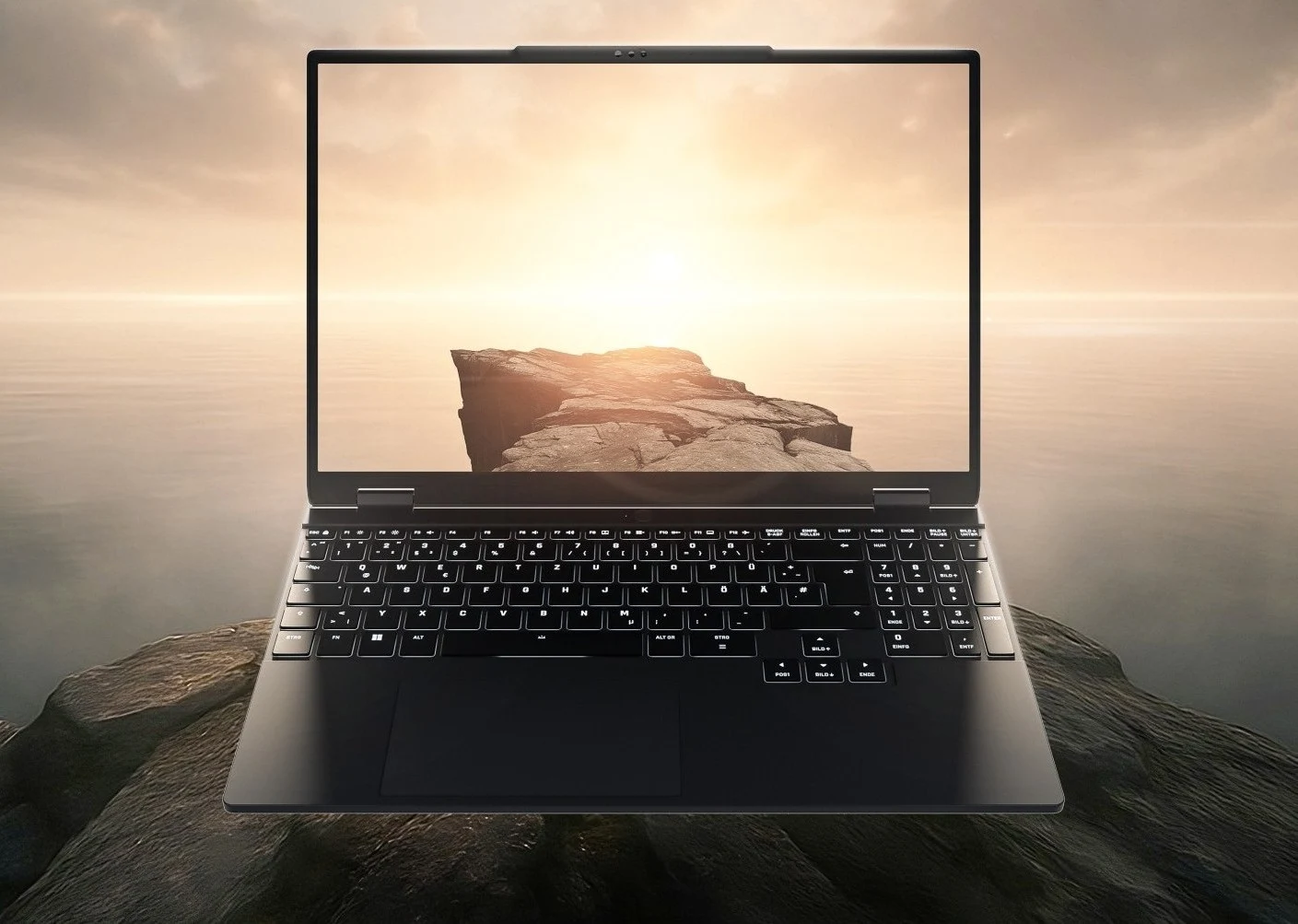
    The 2025 EVO 15 ultrabook series by XMG has received an upgrade featuring the newest AMD Ryzen AI and the Krackan Point APUs, along with Intel’s latest Core Ultra 200H processors. There are some important distinctions between the AMD and Intel platforms, leading to a variation in price as well.

    Processor Options

    For the EVO 15 (E25) models, XMG presents a wider range of processors, which includes the Ryzen AI 9 HX 370, AI 9 365, AI 7 350, and the more budget-friendly Ryzen 7 H 255 from the Krackan Point line that lacks an NPU. In contrast, the EVO 15 (M25) models come with just one Intel choice, the Core Ultra 7 255H CPU.

    Cooling and Performance

    Due to a larger aluminum chassis compared to the current EVO 14 models and enhanced dual-fan cooling systems, the new EVO 15 models can maintain a maximum TDP of 90 W in “Overboost” mode for the Ryzen AI 9 HX 370 and Core Ultra 7 255H processors.

    The first notable difference between the AMD and Intel variants is found in the display specifications. Both models feature a 256 x 1600 15.3-inch IPS display with a maximum brightness of 500 nits and a 100% sRGB color range. However, the AMD versions allow for a 300 Hz refresh rate and FreeSync, while the Intel models are limited to 240 Hz due to the Adaptive Sync feature from Arc Graphics iGPUs. Both types of laptops also provide a low-power 60 Hz refresh option and come with an FHD webcam that has Windows Hello support and a physical privacy shutter.

    RAM and Storage

    A second significant difference lies in the RAM capabilities. Both platforms can accommodate up to 128 GB DDR5-5600 RAM through two SO-DIMM slots; however, the Intel models also accept CSO-DIMM modules with DDR5-6400 specifications. Additionally, both can be upgraded with as much as 16 TB of PCIe 4.0 SSD storage using two M.2 slots.

    Ports and Connectivity

    Lastly, there’s a difference in port selection and wireless capabilities. The Intel models come equipped with a Thunderbolt 4 port that includes DP 2.1 (DP 80) and an HDMI 2.0 (18 Gbps) port, while the AMD versions have a USB4 with DP 2.1 (DP40) and an HDMI 2.1 (32 Gbps). The other ports remain consistent across both versions, which include a USB-C 3.2 Gen2 with DisplayPort 1.4a and 100-watt Power Delivery, three USB-A 3.2 Gen1 ports, a 2-in-1 audio jack, a full-size SD Express card reader, and a GbE jack. The Intel models can support up to a Wi-Fi 7 card, whereas the AMD options support up to Wi-Fi 6E.

    Design and Weight

    In terms of portability, the EVO 15 models are quite slim, featuring a profile of 22 mm and weighing 1.75 kg, including the substantial 99.8 Wh battery that allows for USB-C 140 W fast charging. The keyboard is full-sized and edge-to-edge, with standard-sized arrow keys and comes with a multi-level white backlight.

    The base configuration for the XMG EVO 15 (E25) and XMG EVO 15 (M25) includes either an AMD Ryzen 7 H 255 or an Intel Core Ultra 7 255H, 16 GB (2×8) DDR5-5600 RAM, and a 500 GB SSD. The starting prices are €999 for the EVO 15 (E25) and €1,279 for the EVO 15 (M25), both inclusive of 19% VAT. There are upgrade options available for the E25 model, including AMD Ryzen AI 7 350 (€150), AMD Ryzen AI 9 365 (€275), or Ryzen AI 9 HX 370 (€440).

    With the exception of the entry-level EVO 15 (E25) with Ryzen 7 H 255, which XMG plans to ship in early October, all other configurations of this ultrabook are available for immediate order. Until September 8th, bestware.com is providing a 5% discount on all 2025 XMG EVO 15 models.

    Source:
    Link


  • RayCue Launches 128K Puls Universal Docking Station with Touchscreen

    RayCue Launches 128K Puls Universal Docking Station with Touchscreen

    Key Takeaways

    1. The RayCue 128K Puls Universal Docking & Display Powerhouse is designed to sit on top of the M4-based Mac mini and is compatible with other laptops and Windows computers.
    2. It features a 5-inch FHD touchscreen that can be used as a digital clock, photo frame, or media player, along with several USB ports and card readers.
    3. The dock includes dual M.2 NVMe SSD slots and additional USB-A ports, HDMI input, and a 3.5 mm audio jack for versatile connectivity.
    4. Pre-orders are available for $99.00 in the U.S., with only 200 units at this introductory price, shipping starts on September 30th.
    5. The device is also listed on Amazon Marketplace for $99.99 with expected delivery in mid-October, and worldwide shipping is offered with customer responsibility for customs fees.


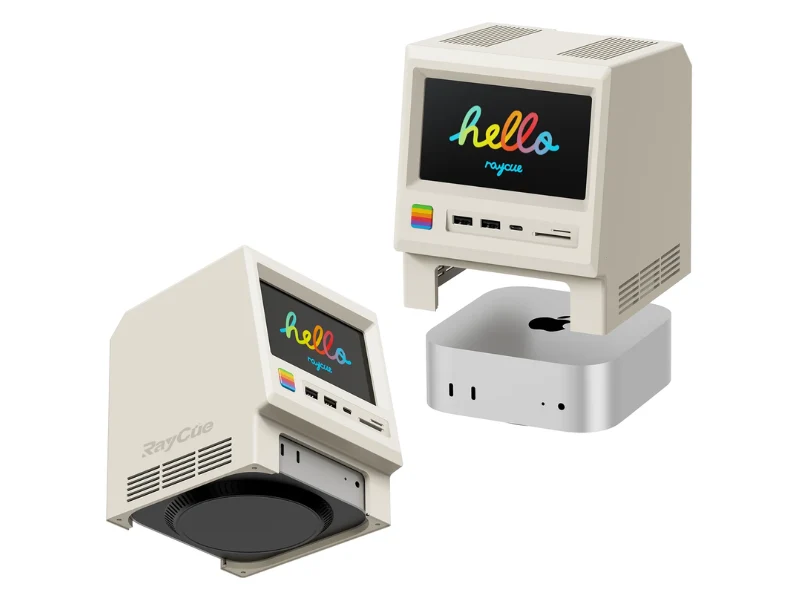
    The RayCue 128K Puls Universal Docking & Display Powerhouse is now up for pre-order. This device is made to fit neatly on top of a current M4-based Mac mini, but it also works with other laptops and Windows computers.

    Features of the 128K Puls

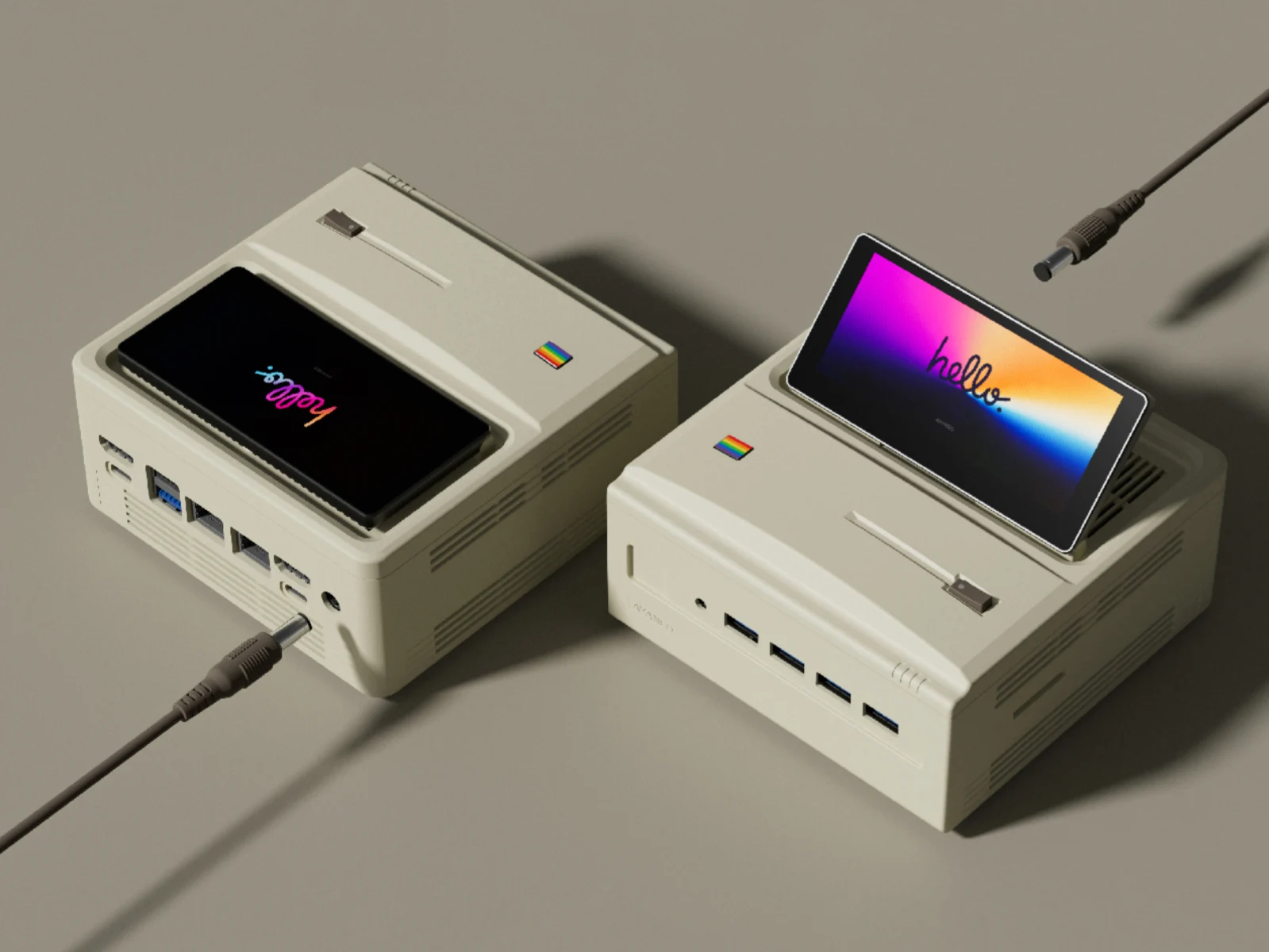
    The 128K Puls takes inspiration from the classic Macintosh 128K, featuring a built-in 5-inch FHD (1,280 x 720 px) touchscreen. This screen can function as a digital clock, a photo frame, or even a compact media player. Below the display, you will find the power button, along with one USB-C 3.2 port and two USB-A 3.2 ports, each offering 10 Gbps of bandwidth, plus an SD and microSD 4.0 card reader.

    Additional Specifications

    At the top of the RayCue 128K Puls dock, there are dual 10 Gbps M.2 NVMe SSD slots that support M Key and B&M Key SSDs in a range of sizes. On the back, you’ll find two more USB-A ports with 10 Gbps speed, an HDMI input, and a 3.5 mm audio jack. The device gets power through a USB-C connection and links to the host device using another USB-C port.

    In the United States, you can pre-order the RayCue 128K Puls Universal Docking & Display Powerhouse directly from the company for a special price of $99.00 (regular retail price $119). There are only 200 units available at this introductory price, and they will be shipped starting September 30th. The company offers worldwide shipping, but customers must cover any customs fees and import duties. Additionally, the accessory is also listed on Amazon Marketplace for $99.99, with delivery expected for mid-October.

    Source:
    Link


  • Chilkey Slice68 HE: New Evangelion Hall Effect Gaming Keyboard

    Chilkey Slice68 HE: New Evangelion Hall Effect Gaming Keyboard

    Key Takeaways

    1. The new Hall effect mechanical keyboard, Slice68 HE, comes in two color options inspired by Evangelion: Cosmic Purple (EVA-01) and Velocity Red (EVA-02).
    2. The Cosmic Purple version features a purple-and-green design with a “01” marking, while the Velocity Red version has a red-and-gold design with a “02” marking.
    3. Key specifications include custom WS Flux switches, an 8,000 Hz polling rate, a 32K scan rate, and adjustable actuation down to 0.005 mm.
    4. The Slice68 HE has a compact layout with 68 keys and uses dye-subbed PBT keycaps, differing from the Slice75 HE’s double-shot PBT keycaps.
    5. Release date and price are not yet announced, but the Slice75 HE model is priced at $189.99, hinting at a similar price point for the Slice68 HE.


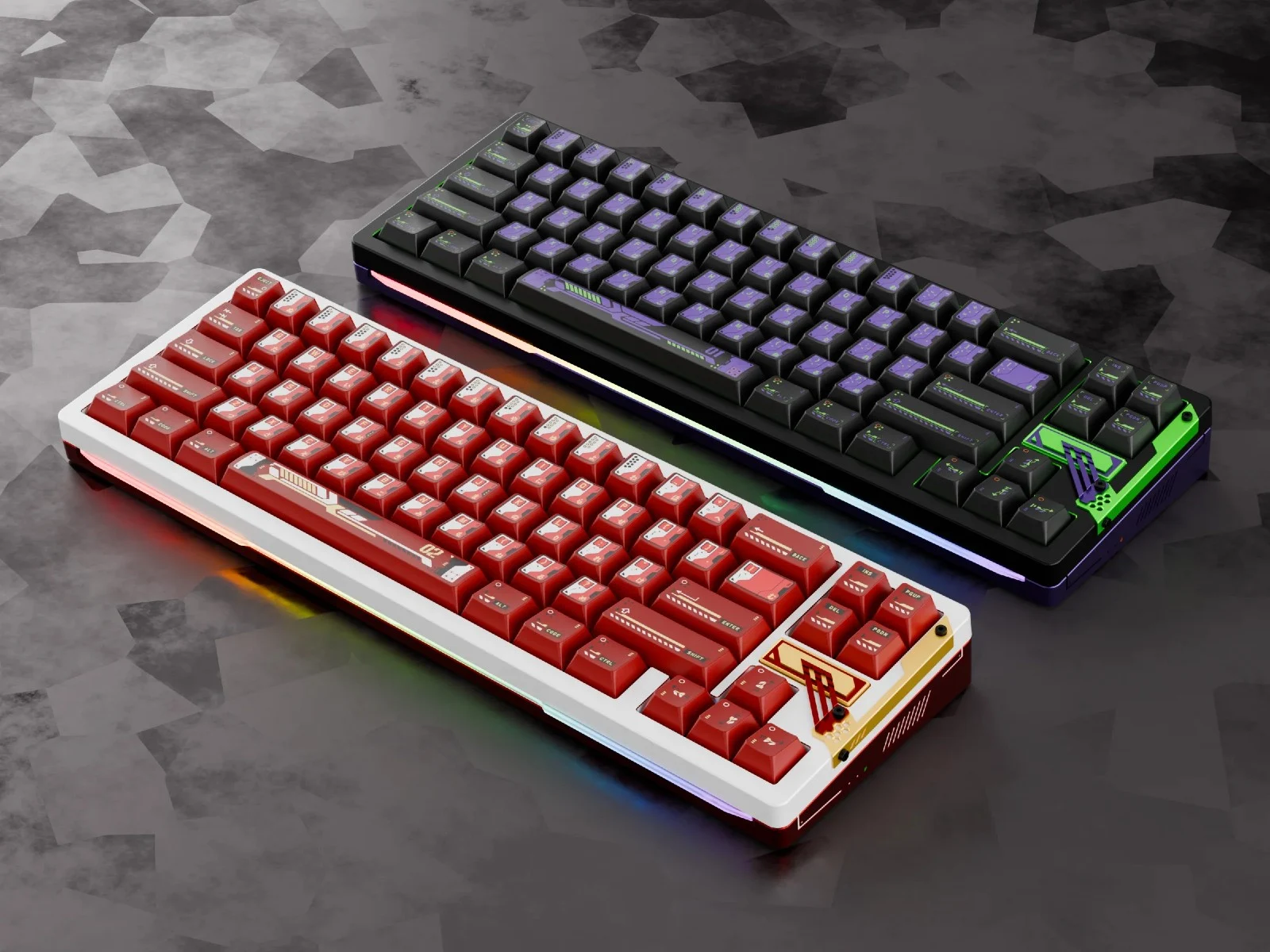
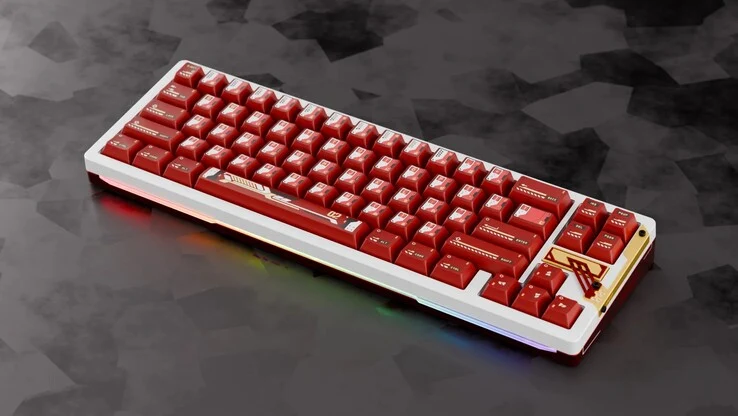
    Chilkey has given a sneak peek at its new Hall effect mechanical keyboard. Named the Slice68 HE, this model is set to be available in two color options that seem to take inspiration from the EVA-01 and EVA-02 units from the popular series Evangelion. This info comes from images shared on X and Instagram.

    Color Variants

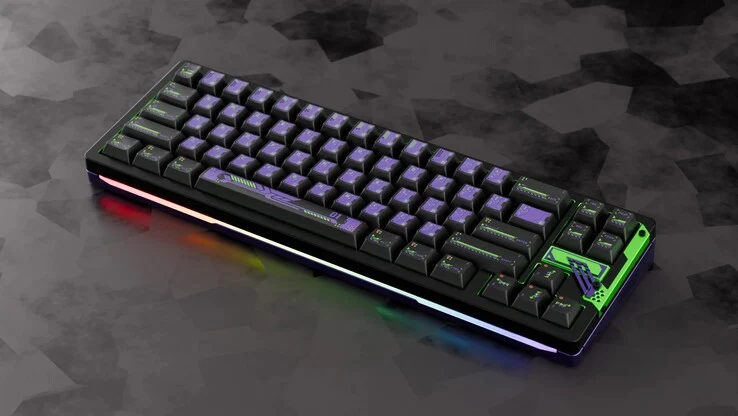
    The official color choices are Cosmic Purple and Velocity Red. The Cosmic Purple version features a purple-and-green design that mirrors EVA-01, and it includes a “01” marking on the space bar. On the other hand, the Velocity Red version honors EVA-02 with its red-and-gold design, complete with a matching “02” marking.

    Specifications and Features

    Although Chilkey has not yet announced when the keyboard will be released or its price, they have revealed more information on a teaser page on their website. The Slice68 HE will include custom WS Flux switches, an impressive 8,000 Hz polling rate, a 32K scan rate, and adjustable actuation down to 0.005 mm. The specifications seem to match those of the Slice75 HE magnetic keyboard, which is currently priced at $189.99 on Amazon, meaning the main difference here will be the anime-themed aesthetics.

    Design Elements

    Similar to the Slice75 HE, the Slice68 HE is built with aluminum but has a more compact layout featuring 68 keys. Interestingly, it looks like Chilkey has chosen dye-subbed PBT keycaps for this model instead of the double-shot PBT ones seen on the Slice75 HE. However, it will keep the same wired USB-C connection.

    Source:
    Link


  • Ayaneo AM01S Release Date: AMD Ryzen AI 9 HX 370 Features

    Ayaneo AM01S Release Date: AMD Ryzen AI 9 HX 370 Features

    Key Takeaways

    1. Ayaneo is actively launching new products, including the recently released Pocket DS.
    2. AYN Technologies has responded to Ayaneo’s releases with their own product, the AYN Thor.
    3. Ayaneo will showcase advancements in its dual-screen Android software in a Product Sharing Session soon.
    4. Pre-orders for the AM01S mini-PC will start on August 29, 2024, with no pricing details available yet.
    5. The AM01S will feature the AMD Ryzen AI 9 HX 370 chipset, making it more powerful than the previous AM02 model.


    Ayaneo has been launching a lot of new products recently. Nevertheless, there are also several items that have been announced but still haven’t officially launched. To give a quick overview, the company has just begun selling the Pocket DS, and AYN Technologies promptly responded with their AYN Thor.

    Upcoming Product Showcase

    Ayaneo has announced that it will reveal the advancements made in its dual-screen Android software in a new Product Sharing Session happening tomorrow. To put things in perspective, the shipping of Pocket DS devices to Indiegogo supporters won’t start until October.

    Pre-Orders for the AM01S

    As seen in the tweet embedded below, Ayaneo will also take this opportunity to reintroduce its AM01S mini-PC. It seems that August 29 will be the day when Ayaneo starts taking pre-orders, after initially showcasing the AM01S in May 2024. Unfortunately, both the pricing and full availability details are still not disclosed at this moment.

    The AM01S will be Ayaneo’s first mini-PC powered by the AMD Ryzen AI 9 HX 370 chipset. This means it will be more robust compared to the AM02, which has been on the market for a while (currently priced at $599 on Amazon). The recent update confirms that the port selection for the AM01S remains unchanged from its earlier previews. As far as we can see, the AM01S now includes the following I/O options:

    Source:
    Link


  • NASA Seeks Volunteers for Upcoming Manned Moon Mission

    NASA Seeks Volunteers for Upcoming Manned Moon Mission

    Key Takeaways

    1. NASA is seeking assistance from the aerospace sector, including businesses and volunteers, to track the Artemis II Orion spacecraft during its moon mission.
    2. The Artemis II mission is scheduled to launch in April 2026 and will involve four astronauts on a ten-day journey around the moon.
    3. Volunteers will use their own ground antennas to capture Orion’s radio signals and gather tracking measurements, but cannot transmit signals back.
    4. This initiative aims to enhance NASA’s navigation and communication framework by incorporating commercial resources into deep space exploration.
    5. Interested participants must submit their applications by October 27, and participation is voluntary and at no cost to the U.S. government.


    NASA has reached out to the aerospace sector — including businesses, universities, and everyday people — for assistance in tracking the Artemis II Orion spacecraft during its trip to the moon and back. This initiative is part of NASA’s ongoing strategy to incorporate commercial resources into its navigation and communication framework for space missions.

    The Artemis II Mission

    The Artemis II mission, set to launch in April 2026 or possibly earlier, will carry four astronauts from NASA on a ten-day journey around the moon. While NASA’s Deep Space and Near Space Networks will manage crucial communications, the agency is inviting volunteers to explore the effectiveness of non-NASA ground stations in deep space exploration. This effort builds upon the success of the 2022 uncrewed Artemis I mission, where ten volunteer partners effectively tracked the spacecraft.

    Volunteer Participation

    Individuals who volunteer for this mission will utilize their own ground antennas to passively capture Orion’s S-band radio signals and gather “one-way Doppler tracking measurements.” This will be a passive engagement since volunteers can only receive signals from the spacecraft and are not allowed to transmit back to it.

    The information collected from this mission will guide our shift towards a commercial-first strategy, ultimately enhancing the infrastructure necessary to fulfill long-term goals between the Moon and Mars. — Kevin Coggins, Deputy Associate Administrator for SCaN.

    How to Get Involved

    Submissions in response to this request must be made by October 27, and participation is entirely voluntary, without any cost to the U.S. government. For more details on how to apply, visit Sam.gov.

    If you’re interested in radio technology, you can purchase the Nooelec HackRF One Software Defined Radio on Amazon for $349.95.

    Source:
    Link


  • NuPhy Launches New 60% Halo Keyboard on August 27

    NuPhy Launches New 60% Halo Keyboard on August 27

    Key Takeaways

    1. NuPhy will launch a new keyboard from its Halo line on August 27 at 10:00 UTC.
    2. The new keyboard features a compact 65% layout and an updated Halo 2.0 glow system for enhanced RGB lighting.
    3. It will be available in five colors and offer four switch options, although specific switch details are not yet revealed.
    4. The design includes arrow keys while maintaining a smaller size, appealing to users who want compactness without losing functionality.
    5. This new model will compete with other popular 65% keyboards like the Keychron Q2 series and Wooting 60HE V2.


    Keyboard maker NuPhy has announced that a new addition to its Halo keyboard line will launch on August 27 at 10:00 UTC. The company released a short teaser video on X (formerly Twitter), showcasing a sleek design with a new lighting setup.

    Compact and Colorful

    The upcoming keyboard is described as “smaller, brighter, bolder,” featuring a 65% layout, which is more compact than the larger Halo75 and Halo96 models. It will incorporate the updated Halo 2.0 glow system, which spreads RGB lighting around the edges of the keyboard. The teaser video highlights this effect, displaying a vibrant, thick border that surrounds the keyboard case.

    Variety of Options

    NuPhy has also announced that the keyboard will come in five different colors and will have four switch options available, although details about the specific switches haven’t been disclosed yet. Given the company’s history with their Mint, Lemon, and Raspberry switches, along with Cherry and Gateron alternatives, we can anticipate a variety of tactile and linear options.

    Designed for Users

    The brand appears to be aiming at users who desire both a compact size and full functionality, as they have managed to keep arrow keys while reducing the overall size. This new release will compete with other well-known 65% keyboards, such as the Keychron Q2 series and the Wooting 60HE V2 (check out our review here).

    Source:
    Link