Category: Computers

  • Radxa Launches 8-Core SBC Inspired by Raspberry Pi Zero with 16GB RAM

    Radxa Launches 8-Core SBC Inspired by Raspberry Pi Zero with 16GB RAM

    Key Takeaways

    1. The Radxa Cubie A7Z SBC is compact, measuring just 65 x 30 mm, making it suitable for space-limited projects.
    2. It features powerful hardware with an Allwinner A733 SoC, including two Cortex A76 cores and six Cortex A55 cores, comparable to older flagship smartphone processors.
    3. The SBC supports up to 16 GB of LPDDR4/X memory and offers storage options up to 512 GB (UFS 3.0), with various I/O options including micro HDMI and USB 3.1 Type-C.
    4. It includes advanced connectivity options such as WiFi 6 and Bluetooth 5.3.
    5. The basic version of the Radxa A7Z SBC starts at an affordable price of $15, making it accessible for hobbyists and developers.


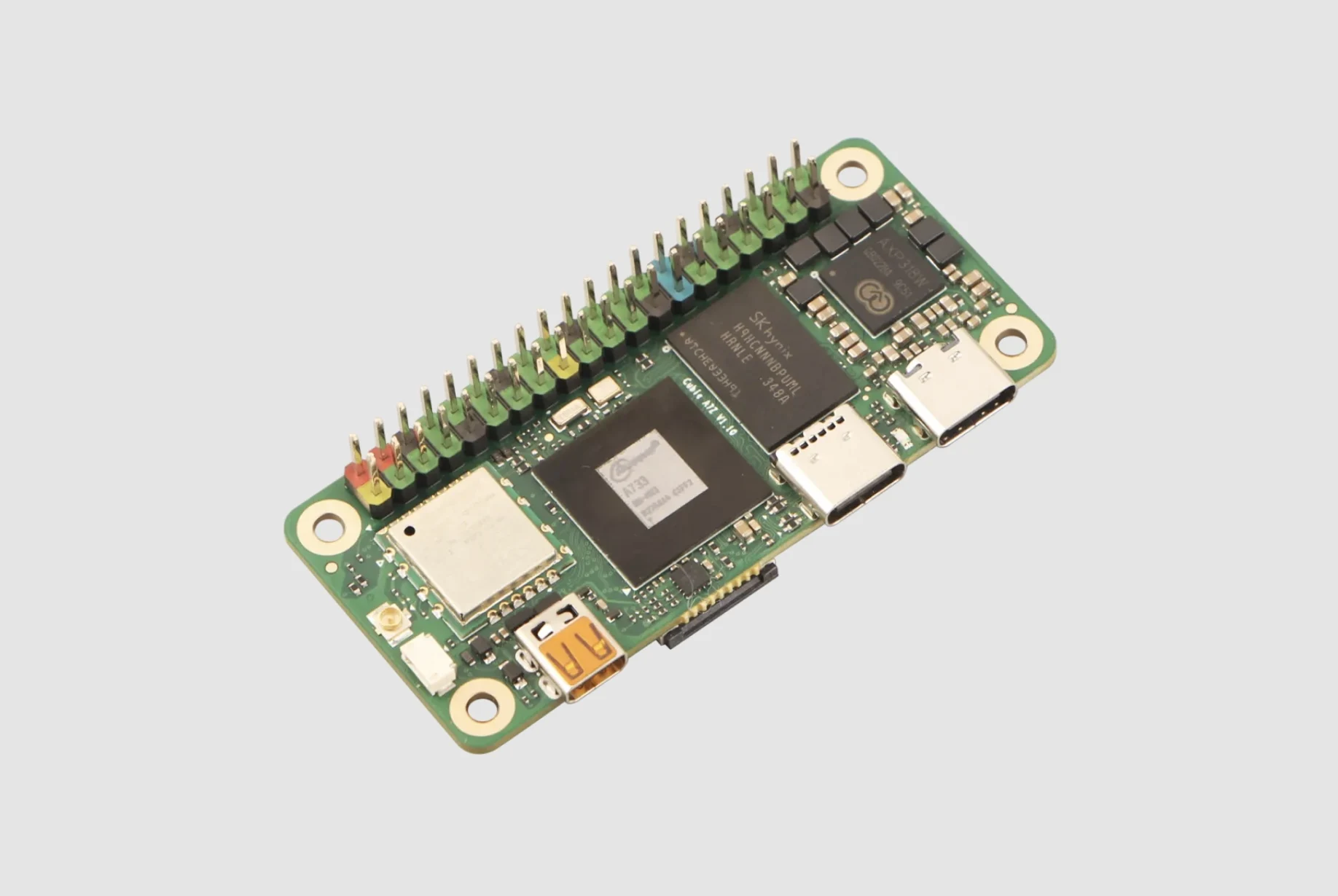
    The Raspberry Pi Zero is a small and very compact device, making it an ideal option for projects that have limited space. Radxa is clearly targeting this market by introducing the Cubie A7Z SBC (single-board computer) that features quite powerful hardware.

    Powerful Hardware

    At the heart of the Radxa Cubie A7Z SBC, you will find the Allwinner A733 SoC, which includes two Cortex A76 cores and six Cortex A55 cores. This processor is nearly as strong as some of the older flagship smartphone processors, making it a great choice for hobbyist projects. The A7Z SBC is quite small, following the design inspiration of the Raspberry Pi Zero (Zero 2 currently priced at $21.41 on Amazon), measuring just 65 x 30 mm, which makes it significantly more compact than its larger counterpart, the Cubie A7A.

    Memory and Connectivity Options

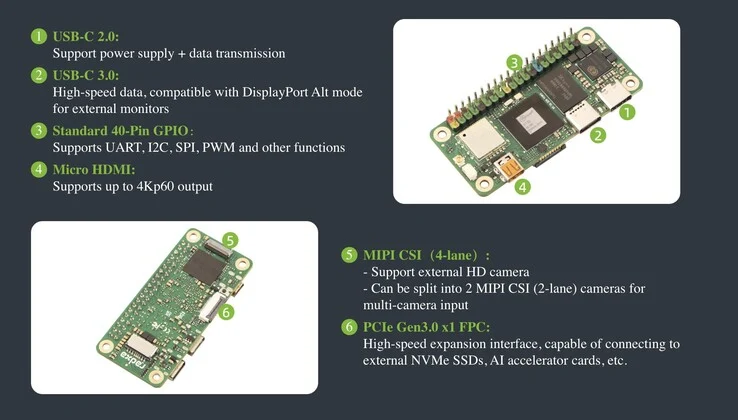
    The SBC can support up to 16 GB of LPDDR4/X memory and offers storage options of up to 512 GB (UFS 3.0). It has a good range of I/O options, which includes micro HDMI 2.0b, a microSD slot, USB 3.1 Type-C (with DisplayPort), USB 2.0 Type-C, and a 40-pin GPIO header. Interestingly, it also features a PCIe Gen3 FPC. For wireless connectivity, it includes WiFi 6 and Bluetooth 5.3. Additional important details regarding the SBC are listed below:

    Affordable Pricing

    The basic version of the Radxa A7Z SBC, which comes with 1 GB of memory and lacks a GPIO header, will retail for a mere $15, making it quite budget-friendly. The product is already available for purchase worldwide, with options from Arace and AliExpress.

    Source:
    Link


  • MSI Cubi NUC Mini PC with Intel Core Ultra 9 288V Now Pre-Order

    MSI Cubi NUC Mini PC with Intel Core Ultra 9 288V Now Pre-Order

    Key Takeaways

    1. The MSI Cubi NUC AI+ 2MG is a compact PC powered by Intel’s Lunar Lake processors, starting at $899 for pre-order.
    2. Available configurations include Intel Core Ultra 5, Ultra 7, and Ultra 9 system-on-chips, with the Ultra 9 offering 8 cores and 8 threads.
    3. The mini PC lacks discrete graphics, relying on integrated GPUs, which can compete with AMD’s Radeon 890M iGPU.
    4. Memory options include 16 GB for the Core Ultra 5 and 32 GB for the Ultra 7 and Ultra 9, with upgradeable storage via M.2 slot.
    5. An alternative option is the Aoostar GEM12 Max with AMD Ryzen 7 for $449, which supports OCuLink.


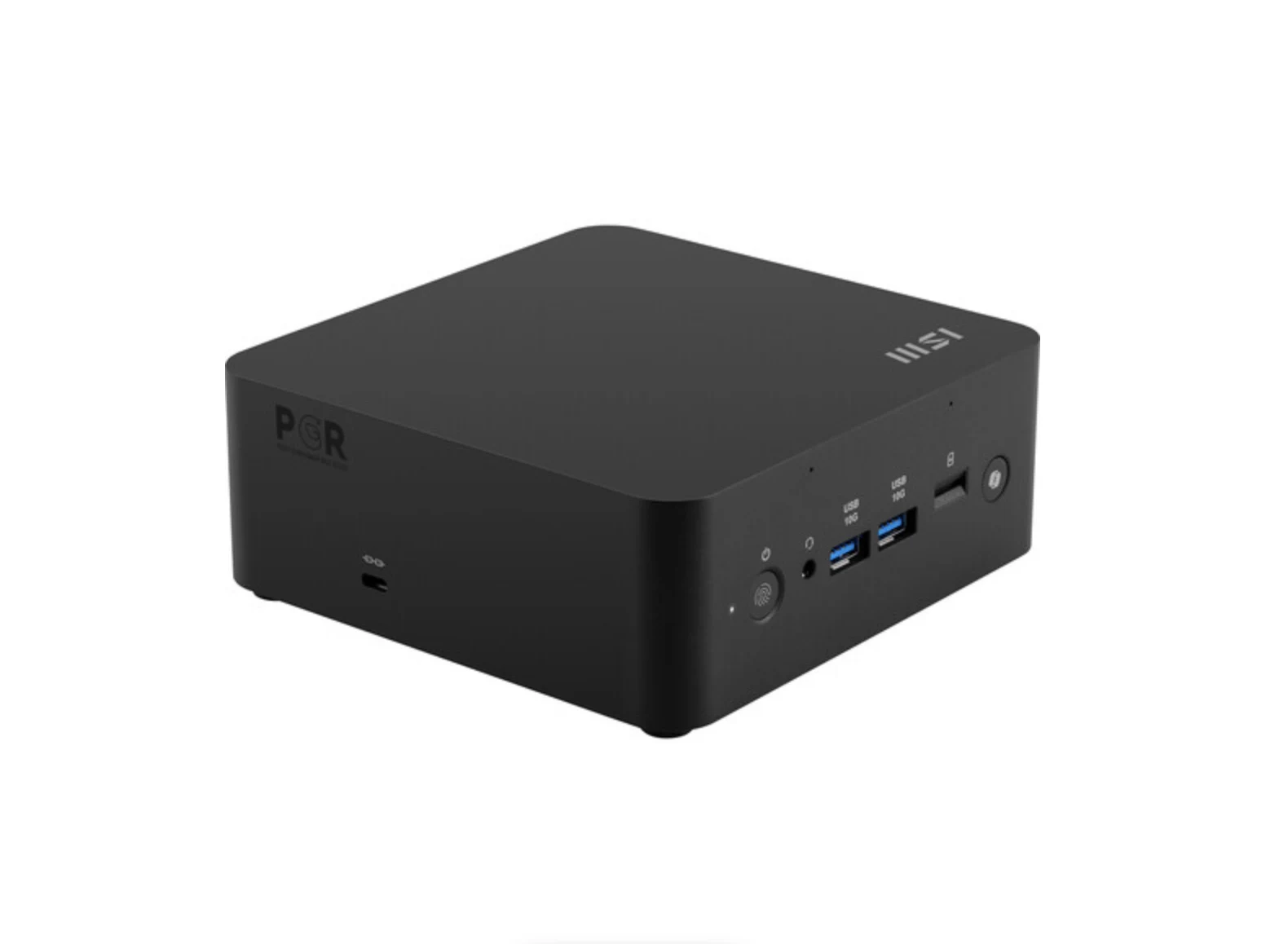
    The MSI Cubi NUC AI+ 2MG is a compact PC that runs on Intel’s Lunar Lake processors. It was launched around two months ago and is now available for pre-order at B&H Photo Video, with prices beginning at $899.

    Specifications Overview

    MSI has indicated that the Cubi NUC AI+ 2MG will come with options for Intel Core Ultra 5 226V, Core Ultra 7 258V, and Core Ultra 9 288V system-on-chips (SoCs), but as of now, only the last two options can be ordered. The Core Ultra 9 288V chip, which features 8 cores and 8 threads, has shown impressive performance and efficiency, as highlighted in our review. For everyday tasks, the Lunar Lake chips are expected to perform well. The Core Ultra 5 version includes 16 GB of LPDDR5X-8533 memory, while the other two versions boast double that amount.

    Graphics and Memory

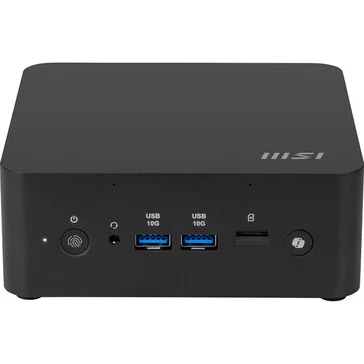
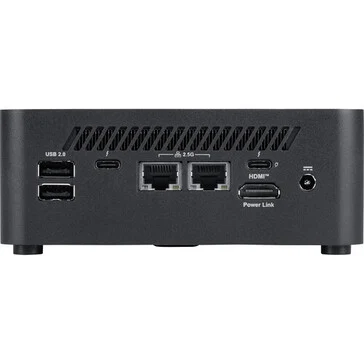
    This mini PC does not have room for discrete graphics, so users must depend on the integrated graphics processors within the Cubi NUC’s 0.826-liter design. However, the Arc 130V and 140V integrated GPUs are capable and can compete with AMD’s Radeon 890M iGPU. Unfortunately, it lacks support for OCuLink, which is somewhat disappointing but understandable for a mini PC aimed at office use. The on-package memory cannot be changed, but the storage is upgradeable via an M.2 slot. The I/O options are as follows:

    Pricing and Alternatives

    As stated earlier, the mini PC can be pre-ordered from B&H Photo Video, starting at $899 for the Core Ultra 7 258V barebones model. If you want the Core Ultra 9 288V version, it will cost an extra $100 for the barebones configuration.

    For those looking for a different option with OCuLink, the Aoostar GEM12 Max featuring the AMD Ryzen 7 8845HS is currently available for $449 on Amazon.

    Source:
    Link


  • SFF Enthusiast Reveals Passively Cooled AMD Ryzen AI Max+ PC

    SFF Enthusiast Reveals Passively Cooled AMD Ryzen AI Max+ PC

    Key Takeaways

    1. The AMD Ryzen AI Max+ 395 is a leading chip with strong performance, featuring a Zen 5-based CPU and integrated graphics that rival mid-range discrete options.
    2. DIY enthusiast TheJiral modified the AMD Ryzen AI Max+ 395 into a fanless system, creating a visually appealing 7.5-liter passively cooled chassis named Monochrome 2.
    3. The Monochrome 2 chassis functions as a large heat sink, capable of dissipating up to 150 watts, which is sufficient for the Ryzen AI Max+ 395 that operates at 100 watts.
    4. Performance testing showed that while the system could handle 100 watts effectively, temperatures exceeded 80°C under heavy load at that power level, prompting adjustments.
    5. The actively cooled GMKTec EVO-X2 featuring the Strix Halo APU is available for $1,999 on Amazon for those interested in this high-performance chip.


    There is no doubt that the AMD Ryzen AI Max+ 395 is currently one of the most discussed chips globally. Featuring a robust Zen 5-based CPU with integrated graphics that can compete with mid-range discrete graphics, the top-tier Strix Halo chip from AMD, which we also praised in our review, offers remarkably impressive performance.

    Innovative Modding

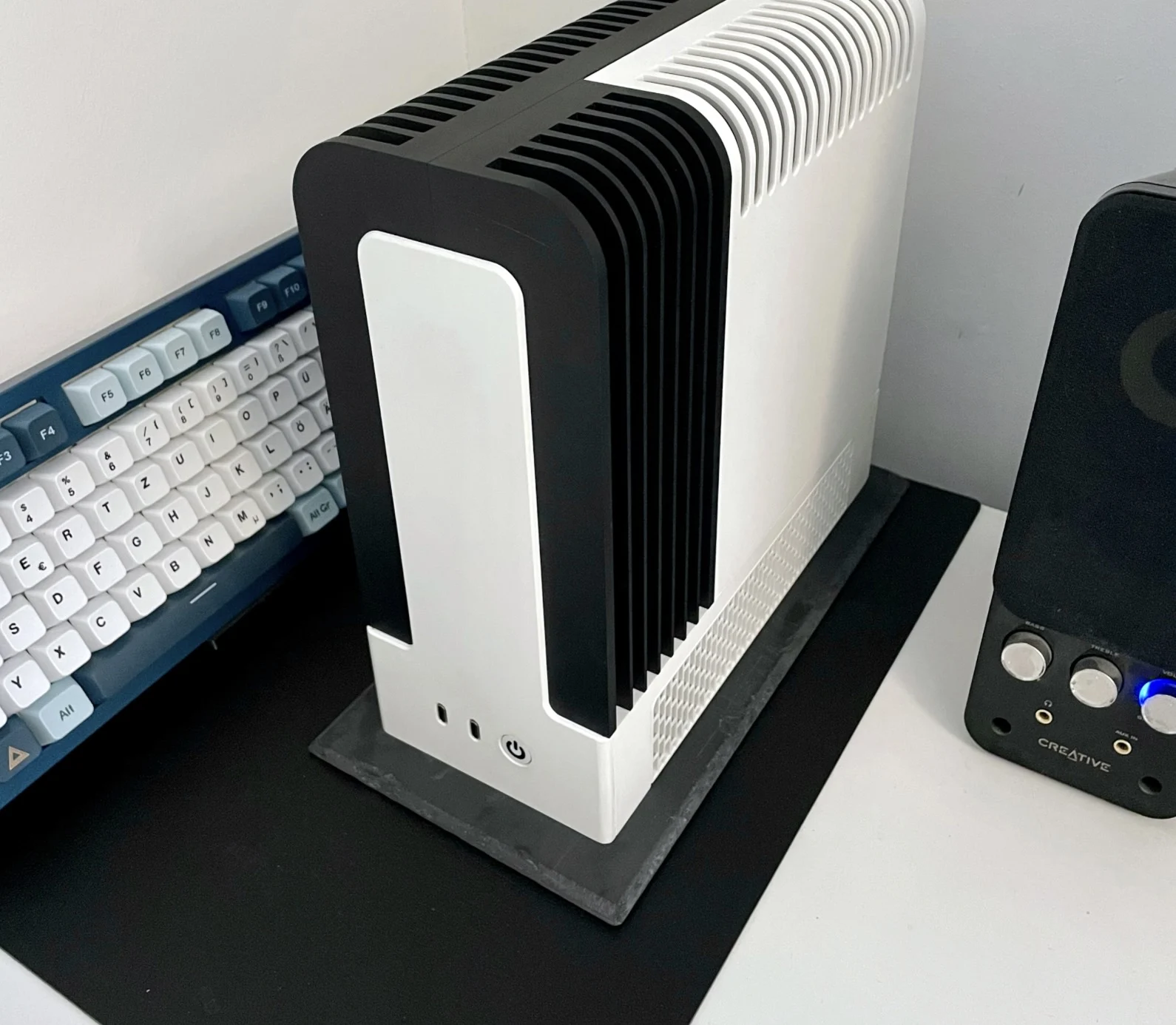
    Naturally, it was just a matter of time before a DIY enthusiast with a knack for fanless technology came up with a modified system. A member of the SFF community, known as TheJiral, appears to have accomplished just that by using the Framework Desktop’s AMD Ryzen AI Max+ 395 “Strix Halo”-equipped motherboard. The end result is a 7.5-liter passively cooled chassis that looks quite appealing, featuring a sleek black-and-white design.

    Efficient Cooling Solutions

    Managing heat from the AMD Strix Halo is no easy feat, which is why the entire case exterior functions as a large heat sink for the chip. TheJiral asserts that the case, cleverly named Monochrome 2, can dissipate up to 150 watts. This should be more than enough to handle the Ryzen AI Max+ 395 APU, which runs at 100 watts, as temperatures became quite warm at 120 watts and above. The project kicked off two months ago and has recently been marked as finished by the creator. Consequently, the initial benchmarks are in, and they appear quite promising:

    Performance Testing Results

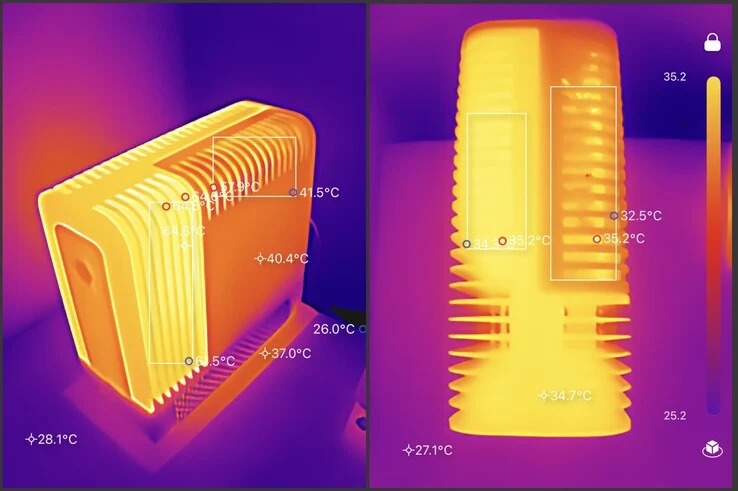
    TheJiral did experiment with the system at 120 and 140 watts but chose to dial it back when temperatures reached 98.8 C after two hours of stress testing. At 100 watts, the system met their expectations, only exceeding 80 C when both CPU and GPU were under load at the same time. To get an idea of the outer case temperatures, check out the image above.

    For those interested in trying the Strix Halo APU, the actively cooled GMKTec EVO-X2 is available for $1,999 on Amazon.

    Source:
    Link


  • SanDisk WD Blue SN5100 NVMe Drive Hits 7,100 MB/s Speed

    SanDisk WD Blue SN5100 NVMe Drive Hits 7,100 MB/s Speed

    Key Takeaways

    1. Performance Boost: The WD Blue SN5100 NVMe offers up to a 30% increase in performance compared to the previous WD Blue series.

    2. Specifications: Built on PCI Express 4.0, the drive features DRAM-less architecture, BiCS8 quad-level cell NAND, and is available in M.2 2280 format, making it suitable for laptops.

    3. Speed Metrics: The 1 TB and 2 TB versions achieve read speeds up to 7,100 MB/s and write speeds of 6,700 MB/s, with the 500 GB variant reaching read speeds of 6,600 MB/s.

    4. Endurance and Warranty: Endurance ratings remain unchanged with 5-year warranty, covering up to 1,200 TB written for the largest 4 TB model.

    5. Price Increase: Prices have risen by 22 to 36 percent compared to the previous generation, with suggested retail prices ranging from $54.99 for 500 GB to $299.99 for 4 TB.


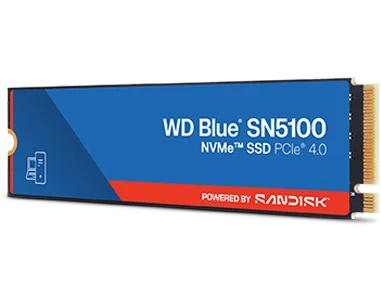
    SanDisk has launched the WD Blue SN5100 NVMe, aimed at creators and power users needing high performance for extensive tasks, rapid application launches, and swift file transfers. According to SanDisk, this new model offers up to a 30% boost in performance compared to the earlier WD Blue series.

    Specifications and Design

    The drive is built on PCI Express 4.0 and comes in the M.2 2280 format. It features a DRAM-less architecture with Host Memory Buffer and utilizes BiCS8 quad-level cell NAND across all sizes. SanDisk’s nCache 4.0 organizes writes in single-level cell blocks before transferring data to quad-level cells during idle periods. Its single-sided layout also makes it suitable for laptops.

    Performance Metrics

    When it comes to performance, the 1 TB and 2 TB versions can reach read speeds up to 7,100 MB/s and write speeds reaching 6,700 MB/s. The 500 GB variant still provides read speeds of up to 6,600 MB/s. In terms of random performance, you can expect around 1 million reads and 1.3 million writes IOPS. SanDisk claims this delivers up to 29% faster read speeds and up to 34% quicker write speeds compared to the WD Blue SN5000.

    Endurance and Warranty

    Even with these speed enhancements, the endurance ratings have stayed the same: 300 TB written for the 500 GB version, 600 for 1 TB, 900 for 2 TB, and 1,200 for 4 TB. The warranty period remains at 5 years. Additionally, SanDisk includes Acronis True Image for straightforward cloning, and its Dashboard utility allows you to keep an eye on health, performance, and firmware updates.

    Real-World Performance

    Wondering about actual speeds? The interface used can greatly affect performance. For instance, placing a 2 TB SN5100 in a Thunderbolt enclosure with APFS formatting could yield write speeds around 3,125 MB/s and read speeds near 3,057 MB/s. However, if a standard USB enclosure is used, speeds may drop to about 1,000 MB/s due to connection limitations.

    Price Comparison

    The SN5100 is significantly quicker than the SN5000’s top 4 TB model, which maxes out at 5,500 MB/s read speed and 5,000 MB/s write speed. Yet, the pricing has increased as well. Suggested retail prices are $54.99 for 500 GB, $79.99 for 1 TB, $149.99 for 2 TB, and $299.99 for 4 TB. This indicates a price hike of about 22 to 36 percent compared to the previous generation for equivalent storage capacities.

    Source:
    Link


  • Corsair Xeneon Edge Sale: New Ultrawide Secondary Display

    Corsair Xeneon Edge Sale: New Ultrawide Secondary Display

    Key Takeaways

    1. The Corsair Xeneon Edge was delayed but is now available for purchase.
    2. It features a 14.5-inch VA display with a 32:9 aspect ratio and a resolution of 2,560 x 720.
    3. The device supports 5-point capacitive touch inputs, a 60 Hz refresh rate, and a peak brightness of 350 nits.
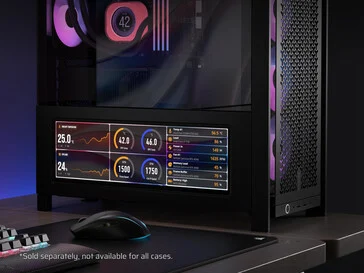
    4. The Xeneon Edge can be used on a desk or mounted inside a PC case, instead of a 360 mm radiator.
    5. Its price is set at $249.99, and it is currently sold directly by Corsair, with plans for availability at other retailers later.


    It might have come out later than expected, but the Corsair Xeneon Edge is now on the market. First revealed in January, the Xeneon Edge made its appearance just a few days prior to the global launch of the EX400U external SSD, which Corsair quickly made available (currently priced at $109.99 on Amazon). In contrast, Corsair initially planned to release the Xeneon Edge by the end of June.

    Specifications Remain Consistent

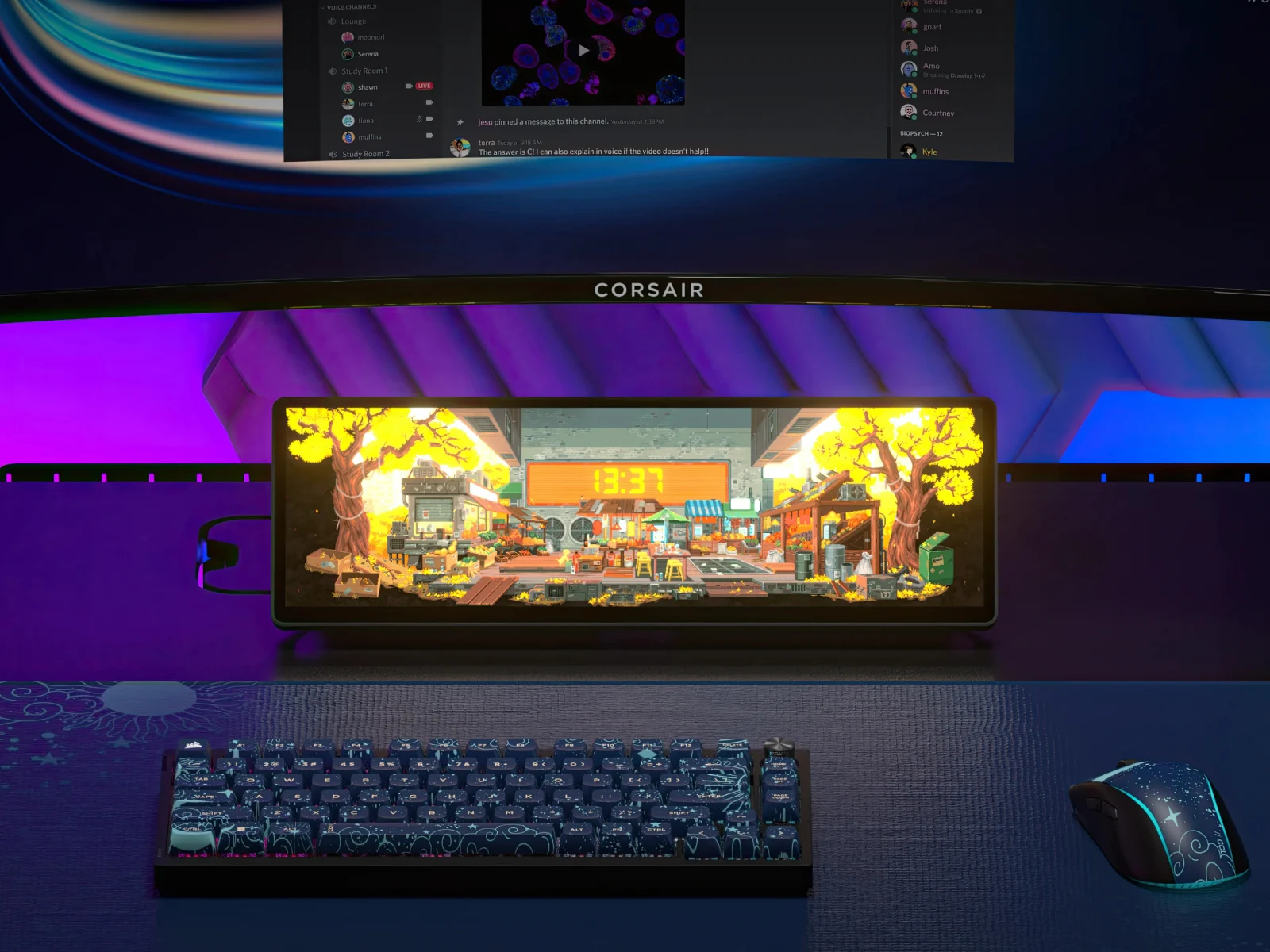
    Even though the Xeneon Edge did not meet its original release schedule, its specs have not changed since the first reveal. The device features a 14.5-inch VA display with a 32:9 aspect ratio and a resolution of 2,560 x 720, all packed into a case that measures about 372 x 120 x 20 mm. Additionally, the display supports 5-point capacitive touch inputs, a refresh rate of 60 Hz, and a peak brightness of 350 nits.

    Versatile Mounting Options

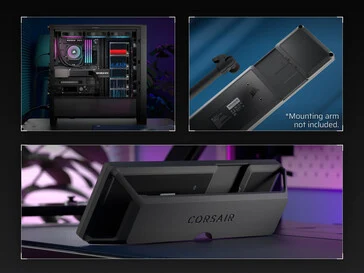
    While Corsair mainly showcases the Xeneon Edge for desk use, it is also possible to mount it inside a PC case instead of a 360 mm radiator. An early listing from B&H Photo Video indicated that Corsair has set the Xeneon Edge’s price at $249.99 in the United States. For now, the touchscreen model is only purchasable directly from Corsair. However, the Xeneon Edge is expected to become available at other retailers, such as B&H Photo Video, later this year. For more information, visit Corsair’s official site.

    Source:
    Link


  • Framework 16: New CPU and GPU Options for Ultimate Customization

    Framework 16: New CPU and GPU Options for Ultimate Customization

    Key Takeaways

    1. The 2023 Framework 16 features new AMD Ryzen AI 300 Strix Point and Krackan Point CPUs, enhancing performance options.
    2. Users can choose between Nvidia GeForce RTX 5070 or Radeon RX 7700S GPUs, with easy swap-out options for upgrades.
    3. The laptop includes a powerful 240 Watt USB-PD charger and supports video transmission via USB-C.
    4. Significant updates feature Wi-Fi 7, a 1080p camera, and an 85 Wh battery for improved connectivity and usability.
    5. Pre-orders are available with a $100 deposit, but the total cost for a fully loaded configuration is $2,806.


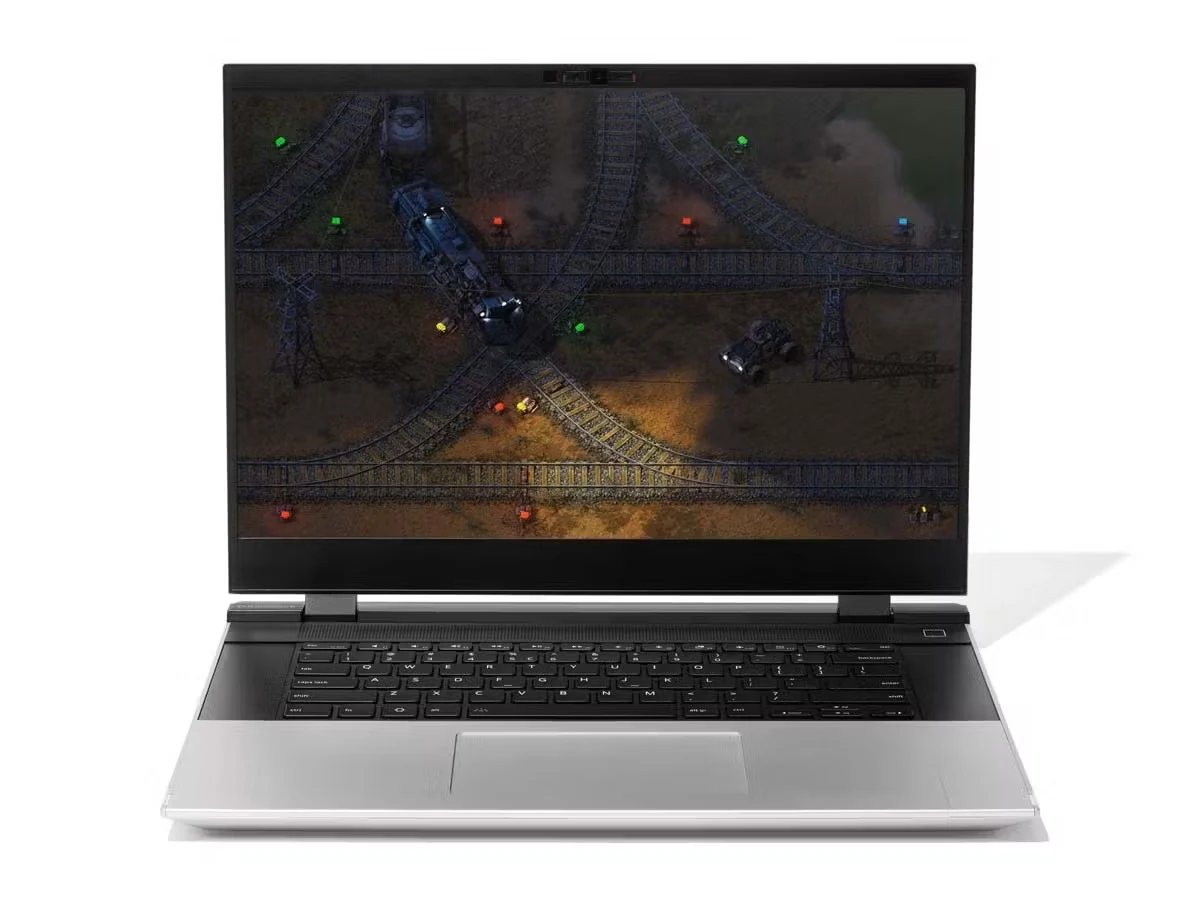
    A few days back, Framework shared a mysterious hint about ‘something big that got bigger’. Many might think it relates to a bigger laptop, but that’s not the case. Instead, the 2023 Framework 16 has received a stylish update, bringing in features that are usually seen in other laptops.

    New Processors and Graphics Options

    To start, the updated Framework 16 is powered by the new AMD Ryzen AI 300 Strix Point and Krackan Point CPUs. The top choice is the Ryzen AI 9 HX 370, while the Ryzen AI 7 350 serves as the alternative. Users can pair this with an Nvidia GeForce RTX 5070 laptop GPU, or stick with the Radeon RX 7700S that comes with the 2023 version. For those not needing a discrete GPU, there are two extra expansion slots for increased storage.

    Charger and Connectivity Features

    The new Framework 16 comes with a 240 Watt USB-PD charger, which is the highest supported by this standard. While it isn’t exactly small, it’s essential for the fully loaded version. Additionally, you can connect the laptop to a monitor via USB-C, allowing it to serve as a power source while also transmitting video. It’s not as effective as a dedicated charger, but it’s a useful option to have.

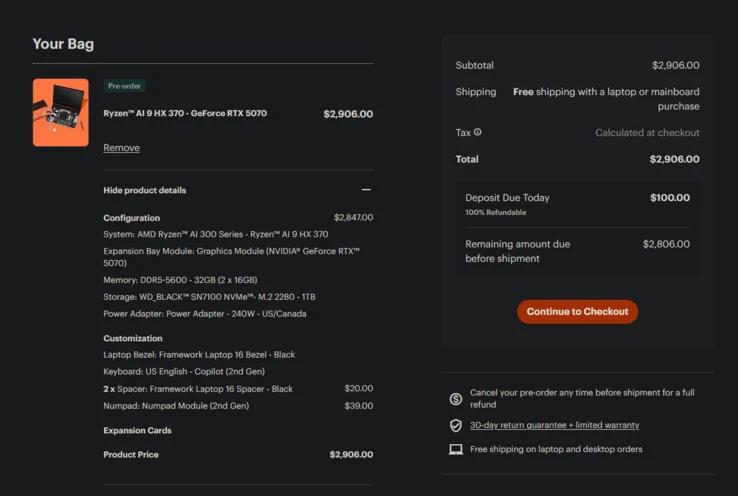
    In typical Framework style, the GPUs can be swapped out easily. However, each module must be purchased separately, and they do come with a hefty price tag. The RTX 5070 is priced at $700, while the Radeon RX 7700S costs $400. If you go for a configuration that includes a Ryzen AI 9 HX 370, RTX 5070, 32 GB RAM, and 1 TB storage, along with a 240 Watt charger and barebones I/O, you’re looking at a staggering total of $2,806, which could potentially purchase you two laptops with similar features.

    Additional Features and Pre-Order Information

    Other significant updates include Wi-Fi 7, a 1080p camera, and an 85 Wh battery. The new Framework 16 is available for pre-order on the company’s official website. Luckily, you don’t have to pay the whole price at once. For the configuration mentioned earlier, a deposit of only $100 is required.

    Source:
    Link


  • GMKtec EVO-X2: Affordable AMD Strix Halo Mini-PC with New Memory Option

    GMKtec EVO-X2: Affordable AMD Strix Halo Mini-PC with New Memory Option

    Key Takeaways

    1. GMKtec’s EVO-X2 mini-PC features AMD’s Ryzen AI Max+ 395 APU and is priced at $1,499.99 on Amazon.
    2. The EVO-X2 has been available since April and is one of the first AMD Strix Halo mini-PCs on the market.
    3. GMKtec recently updated its EVO-X2 lineup in China, introducing a new memory configuration with 96 GB of RAM and a 1 TB SSD.
    4. The new 96 GB RAM model is priced at CNY 10,999 (~$1,537) in China, which is $140 more than the previous 64 GB version.
    5. It remains uncertain if the pricing for the 96 GB model will decrease globally, as it is currently listed at $1,799 with a 2 TB SSD.


    GMKtec has been in the market with its EVO-X2 featuring AMD’s Ryzen AI Max+ 395 APU for some time now. Since the end of April, the EVO-X2 has been one of the first AMD Strix Halo mini-PCs available for purchase worldwide (currently priced at $1,499.99 on Amazon). However, many competitors are now emerging, such as the Aokzoe Mini PC, HP Z2 Mini G1a, and the Geekom A9 Mega.

    Recent Updates in China

    Recently, GMKtec has refreshed its EVO-X2 lineup in China. Up until now, the company offered the Strix Halo mini-PC in three different memory configurations, going up to 128 GB of RAM and a 2 TB SSD. In addition, GMKtec previously sold versions with 96 GB of RAM/2 TB SSD and 64 GB RAM/1 TB SSD, but all these models utilized the same Ryzen AI Max+ 395 APU.

    Changes to Memory Options

    Unexpectedly, GMKtec has altered its mid-tier option to feature 96 GB of RAM and a 1 TB SSD. As a result, the EVO-X2 with 96 GB of RAM is now available for CNY 1,000 (~$140) more than the 64 GB version. This means that GMKtec’s new model is priced at CNY 10,999 (~$1,537) in China. Unfortunately, it’s still unclear if GMKtec plans to lower the price of its 96 GB model globally, which is currently listed at $1,799 with a 2 TB SSD.

    Source:
    Link


  • Logitech MX Master 4: Specs, Price, and Release Date Leaked

    Logitech MX Master 4: Specs, Price, and Release Date Leaked

    Key Takeaways

    1. The Logitech MX Master 4 weighs 150 grams and is slightly larger than the MX Master 3S, measuring 128.2 mm x 88.4 mm x 50.8 mm.
    2. It features an 8K DPI sensor adjustable in 150 DPI increments and has a 500 mAh battery with up to 70 days of use on a single charge.
    3. The MX Master 4 will not include a USB-C charging cable or a 2.4 GHz dongle for the Mac version.
    4. A purchase of the MX Master 4 for Mac includes a complimentary one-month subscription to Adobe Creative Cloud.
    5. The anticipated launch price is €129.99, with availability starting on September 30.


    The Logitech MX Master 4 has been the subject of several leaks over the last few months—first through an EUIPO filing and later through an Amazon listing. The initial leak gave us a glimpse of its design, while the Amazon listing shared details about its internal features. Now, a fresh leak has provided its complete specifications.

    Weight and Dimensions

    Thanks to an additional eight buttons and a motor for haptic feedback, the MX Master 4 is expected to weigh 150 grams, which is 9 grams heavier than the MX Master 3S. It will also be slightly larger, measuring 128.2 mm in height, 88.4 mm in width, and 50.8 mm in depth. However, the overall feel in your hand may not differ much from its predecessor.

    Features and Battery Life

    Besides that, the MX Master 4 remains mostly the same as the previous version, featuring an 8K DPI sensor that you can adjust in 150 DPI increments, along with a 500 mAh battery. Logitech asserts that you can get up to 70 days of use from a single charge. As previously mentioned, a USB-C charging cable will not be included in the box, and customers purchasing the MX Master 4 for Mac will not receive a 2.4 GHz dongle either.

    Pricing and Availability

    This is not surprising, as the MX Master 3S also did not come with a dongle. However, with the purchase of the MX Master 4 for Mac, you will receive a complimentary one-month subscription to Adobe Creative Cloud. According to winfuture.de, the price will stay the same, set at €129.99 when it launches. It is anticipated to be available in stores starting on September 30.

    Source:
    Link


  • SK hynix Begins Mass Production of 321-Layer 2TB QLC NAND

    SK hynix Begins Mass Production of 321-Layer 2TB QLC NAND

    Key Takeaways

    1. SK hynix has begun mass production of its 321-layer, 2-terabit QLC NAND, the first QLC device to exceed 300 layers.
    2. The new design doubles the capacity per die and increases the number of planes from four to six, enhancing read and write performance.
    3. The V9Q dies operate at 3,200 mega-transfers per second, providing significant performance improvements for QLC tasks despite being lower than TLC NAND speeds.
    4. A 2-terabyte client SSD can be created with only eight 2-terabit dies, reducing package count and overall costs.
    5. SK hynix is developing a 244-terabyte enterprise drive for AI servers, focusing on high capacity and efficient power use.


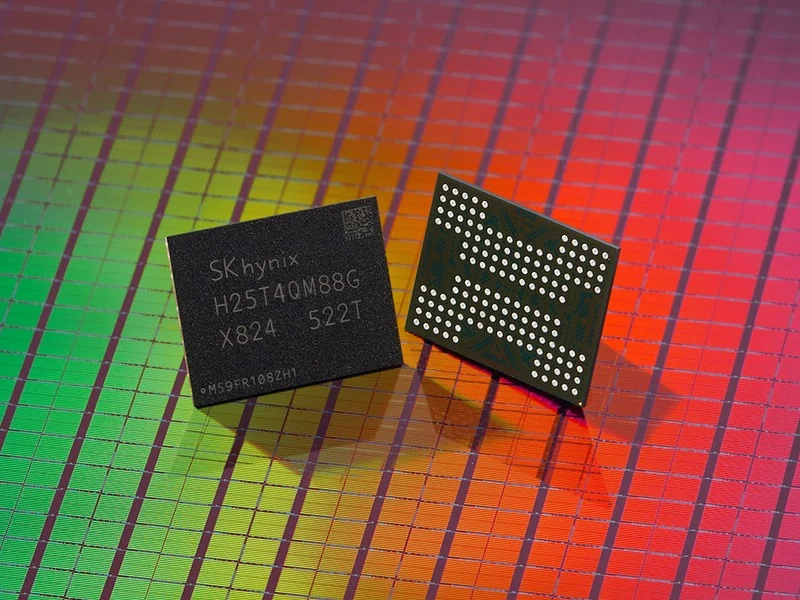
    SK hynix has kicked off the mass production of its groundbreaking 321-layer, 2-terabit (256 gigabytes) QLC NAND, which is said to be the first QLC device to surpass the 300-layer threshold. The initial commercial products are expected to be available in the first half of next year, pending validation from customers.

    Enhanced Chip Design

    The company has managed to double the capacity per die when compared to earlier QLC versions and has upped the number of planes within each chip from four to six. This addition of more planes allows for increased parallel processing, which leads to a major boost in simultaneous read performance, all while keeping latency in check. According to SK hynix, this new QLC technology doubles the data transfer speed, improves write performance by as much as 56 percent, and enhances read performance by 18 percent. Additionally, write power efficiency has increased by over 23 percent, which is crucial for AI data centers with limited power resources.

    Interface and Performance

    On the interface front, the V9Q dies function at 3,200 mega-transfers per second. This is a bit lower than the top-tier TLC NAND, which operates at 3,600 mega-transfers per second; nevertheless, the structural advancements provide significant performance gains for QLC tasks. The six-plane design is the primary enhancement, and it plays a vital role in improving simultaneous read speeds.

    Advantages of Density

    The density of these chips brings further advantages. A 2-terabyte client SSD can be constructed using only eight of these 2-terabit dies, which reduces both the package count and overall bill of materials. SK hynix aims to start with PC SSDs before moving on to enterprise SSDs for data centers and UFS for smartphones once validation processes are wrapped up.

    For extremely high capacities, the company’s 32DP packaging can stack up to 32 dies in a single package to maximize integration density. SK hynix is also working on an enterprise drive aimed at the 244-terabyte range, specifically designed for AI servers that demand vast storage capacity while ensuring efficient power use for data center applications.

    Source:
    Link


  • Breakthrough in Deposition Develops 120-Layer High-Density 3D DRAM

    Breakthrough in Deposition Develops 120-Layer High-Density 3D DRAM

    Key Takeaways

    1. Researchers developed a method to grow 120 alternating layers of silicon and silicon-germanium on 300mm wafers for advanced 3D DRAM, maintaining strain essential for device yield.

    2. The silicon-germanium layers used 20% germanium, allowing for selective etching and enabling over 100 bilayers on production-sized wafers, which increases memory density.

    3. Process modifications were made to ensure sharp interfaces and minimize layer mixing, using reduced-pressure CVD techniques and maintaining consistent germanium profiles.

    4. Defect management was crucial, with techniques confirming that the wafer remained fully strained and free of threading dislocations, despite the multilayer structure’s thickness.

    5. Uniformity in layer deposition was enhanced through active temperature control in the reactor, addressing challenges related to thickness variations and maintaining consistent interface quality.


    Researchers at imec and Ghent University have come up with a new way to grow 120 alternate layers of silicon and silicon-germanium on 300mm wafers, which will help in making three-dimensional DRAM. Each stack includes about 65 nanometers of silicon and 10 nanometers of silicon-germanium, which has 20 percent germanium, repeated 120 times. This keeps the inner wafer fully strained, which is vital for the yield of the devices. Most of the misfit dislocations occur near the edge of the wafer, where the bevel allows for relaxation.

    Silicon-Germanium Layers

    To create these channels, they needed silicon-germanium layers that could be etched selectively, which is why they opted for a composition that includes 20 percent germanium. The findings from the team show that it’s possible to build over 100 bilayers on production-sized wafers, which leads to a higher memory density.

    Process Adjustments

    To make this happen, the team modified their process to keep the interfaces sharp and to minimize mixing between the layers, all while ensuring good throughput. They utilized reduced-pressure CVD in ASM Intrepid tools, growing silicon with silane at around 675 degrees Celsius and silicon-germanium with dichlorosilane and germane. Secondary-ion mass spectrometry was used to compare a normal stack to one that was kept hot for as long as it would take to create 60 additional bilayers. The germanium profiles were consistent, showing that there was hardly any mixing between silicon and silicon-germanium under these conditions.

    Managing Defects

    Handling defects was also a key issue. High-resolution X-ray diffraction and cross-sectional TEM indicated that the superlattice in the wafer remained fully strained, and no threading dislocations were observed there. Even though the total thickness of silicon-germanium is about 1.2 micrometers—much greater than the typical critical thickness for a single layer—the multilayer structure and clean growth kept it stable. The authors noted that strain relaxation occurs near the edge due to the bevel effect, and they suggested either lowering the germanium content or adding a small amount of carbon to reduce lattice mismatch. They also kept an eye on wafer bow and, when needed, applied a compressive nitride layer to the back after safeguarding the front side.

    Uniformity Challenges

    The team paid close attention to the uniformity challenges in layer deposition. The paper links changes in layer thickness and non-uniformity in thick stacks to temperature changes caused by unwanted buildup on the reactor’s quartz tube, which affects how the lamps heat the chamber. A newer tool with active temperature control for the tube decreased this drift, enhancing both side-to-side uniformity and layer consistency. In comparison, optimized single-layer runs had thickness variations of about 1.3 percent, while very thick cap structures raised that to around 1.8 percent, with the edge being the most sensitive area. The analysis indicates that interface thicknesses are just a few nanometers, with bottom-of-stack interfaces measuring about 2.6–2.9 nanometers, and sharper transitions higher up. This is consistent with reduced segregation and interdiffusion at the chosen temperature and chemistry. These microscopy findings are in line with x-ray satellite peaks that stayed well-resolved and vertically aligned with the substrate peak, indicating a coherent, strained superlattice.

    Source:
    Link