Category: All News

  • Acer Nitro Blaze Link vs Logitech G Cloud

    Acer Nitro Blaze Link vs Logitech G Cloud

    Key Takeaway

    – The Acer Nitro Blaze Link is a Linux-based handheld for streaming games, not running them locally.
    – It features a 7-inch 1920×1200 60Hz display, 1GB RAM, and 8GB eMMC storage.
    – Connectivity includes Wi-Fi 6 and a USB-C port, with no microSD card slot.
    – It uses Sunshine and Moonlight software for low-latency streaming from a PC.
    – Weighs 464 grams, has dual 2W speakers, and is set for a Q4 release with no price yet.


    Acer have announced a new handheld, and while it falls under its Nitro Blaze line of gaming handhelds, this device doesn’t run Windows. As a matter of fact, it runs Linux, and its specs are similar to what we would find on cheap Android handhelds. While that might be surprising, the use case — which is for streaming games from your more powerful computer — sort of justifies why its specs are a far cry from those of the other Nitro Blaze handhelds.

    Display, RAM, and Storage Details

    Called the Acer Nitro Blaze Link, the handheld has a 7-inch touch display with a 1920 × 1200 resolution and a 16:10 aspect ratio. The display is the same size as that of the Logitech G Cloud, but Acer’s handheld has a higher resolution. There’s no mention of a high refresh rate, so it is presumed the display refreshes at 60Hz.

    Although the official product page doesn’t say, Videocardz reports that the Nitro Blaze Link has 1GB of RAM and 8GB of eMMC storage. There’s no mention of a microSD card slot and we didn’t spot one in any of the images. It is also reported to have a single-cell 18Wh battery that charges at 15W.

    Physical Controls and Button Layout

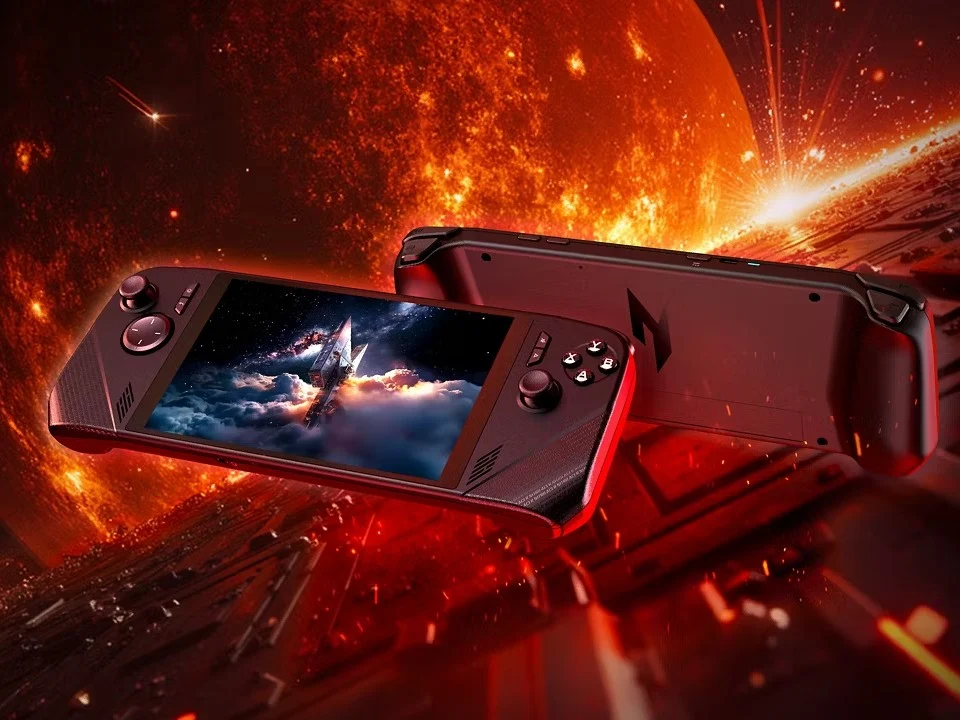
    With respect to its look, the display is flanked on the left by a thumbstick, a D-pad, and two buttons (Home and Back). There’s another thumbstick on the right, alongside the ABXY buttons, a mute button, and a Start button. The top of the Nitro Blaze Link is home to the power and volume buttons, and a USB-C port, while the bottom houses an audio jack.

    The handheld has stacked shoulder and trigger buttons. It also features dual front-facing 2W speakers. The back has ergonomic grips, and Acer says that the handheld’s 464-gram weight is easy to carry and comfortable to hold for long gaming sessions.

    Connectivity, Software and Release

    Acer says the Nitro Blaze Link has Wi-Fi 6 for low-latency streaming from a laptop or PC. Videocardz mentions that the handheld ships with Sunshine and Moonlight software for game streaming. Acer hasn’t revealed pricing details for the Nitro Blaze Link, but it is scheduled to be released in the fourth quarter of the year.

    Sources
  • Steam Machine Launch Nears as Valve Adds Welcome Tour

    Steam Machine Launch Nears as Valve Adds Welcome Tour

    Key Takeaway

    – Valve added the Steam Machine’s Welcome Tour to Steam’s backend, signaling final preparations for launch.
    – This follows the same pattern used for the Steam Controller, where similar assets appeared weeks before its official release.
    – The Steam Machine was delayed from early 2026 due to the memory shortage but now appears close to public launch.
    – Multiple configurations are hinted at, including 512GB and 2TB models, plus two bundles with a Steam Controller.


    Ever since Valve officially announced the Steam Machine, many have been eagerly waiting to see when the device would finally arrive. The device was originally expected to launch in early 2026, but plans were pushed back due to the ongoing memory shortage affecting the tech industry. However, after months of waiting, it seems that Valve is finally getting ready to launch the device.

    Backend Update Discovered

    As spotted by industry insider Brad Lynch, Valve recently added the Steam Machine’s Welcome Tour to Steam’s backend through a new update. This discovery suggests that the plan is moving into its final stages, and the company could be preparing for a public release.

    The backend files include references to the Welcome Tour itself, along with several welcome images that users will likely see when setting up the Steam Machine for the first time. There has been no official statement on specifc pricing yet, but previous leaks suggest configurations may vary.

    Similar Strategy to Steam Controller

    What’s especially interesting is that Valve appears to have followed a similar approach with the Steam Controller. A Welcome Tour and related assets were added to Steam’s backend only a few weeks before Valve officially revealed the controller’s pricing and release date. If the company is following the same roadmap again, Steam Machine fans may not have to wait much longer to learn when they can get their hands on the device.

    Previous references found in Steam’s database files have also hinted at multiple launch configurations. Based on those findings, the Steam Machine could arrive in four different packages. These include a standard 512GB model, a 2TB version, and two bundles that come packaged with a Steam Controller.

    Sources
  • 3D Printer Revolution: Prusa ColorMix for Color Printing

    3D Printer Revolution: Prusa ColorMix for Color Printing

    Key Takeaway

    – Multicolor 3D printing with affordable devices now possible without manual filament changes
    – Prusa ColorMix achieves mixed colors by stacking different colored layers in depth, not on the surface
    – Mixing ratio and number of producible colors are limited
    – Workflow simplified with settings directly in PrusaSlicer and EasyPrint
    – CMYKW set in development for more reproducible results; filament shade consistency and color-accurate monitors matter for best outcomes


    Multicolor 3D Printing Gets a Upgrade with Prusa ColorMix

    3D printing in multiple colors is now possible even with relatively affordable devices without having to change individual filaments manually. If only one print head is used, however, cutting the filament and therefore generating waste is unavoidable. Users are also naturally limited to the colors they have available as filament. Prusa ColorMix, a new system released under the MIT license, has now been introduced and could significantly simplify multicolor printing in terms of material requirements.

    How the Technology Works for Better Color Mixing

    The basic principle does not fundamentally differ from conventional two-dimensional color printing. The human eye has limited resolving power, so differently colored dots effectively blur into a mixed color. However, Prusa ColorMix does not alternate the dots across the surface but in depth. The layers stacked on top of each other then form the mixed color. There are limitations. For example, the mixing ratio cannot be freely selected, and the number of colors that can be produced this way is also limited. According to Prusa, the workflow itself has been significantly simplified, with the corresponding settings available directly in PrusaSlicer and EasyPrint.

    Development of CMYKW and Color Accuracy Considerations

    A CMYKW set is also in development, which could lead to more reproducible results. Optimal results should only be expected if the source filaments match the same shade across batches, not just the same basic color. The integrated color mixing model is intended to predict which color will actually be produced in a print. In such cases, a monitor that is not necessarily calibrated but at least reasonably color-accurate could become relevant.

    Additional Insights and Recommendation for Readers

    Prusa’s blog post is also recommended beyond the announcement itself, as it discusses various color mixing models and the insights gained during development. The system aims to make multi-color printing more accesible while reducing waste, although users must still consider filament batch consistency. Understanding these limitations helps in achieving the best possible print results.

    Sources
  • Automatic E-Bike Trek: 90Nm Torque, 800Wh, Strong Specs

    Automatic E-Bike Trek: 90Nm Torque, 800Wh, Strong Specs

    Key Takeaway

    – Mid-drive motor with 750W peak, 250W continuous, and 90 Nm torque
    – Large 800 Wh battery with up to 120 miles of range
    – Gates carbon belt drive paired with Enviolo Automatiq continuously variable transmission
    – Full touring equipment: fenders, lights, rear rack with pannier struts, kickstand
    – Weighs 62.2 lbs with 3.9-inch suspension fork and suspended seatpost


    The Aventon Trava EXP is a new e-bike, or at least an additional model version. The bike is offered with a classic diamond frame and also as a step-through model. It is a trekking e-bike, so it already comes with a full set of equipment suitable for everyday riding and tours, including not only a kickstand, fenders and lights, but also a rear rack. This has additional struts for carrying panniers, for example.

    Motor and Powertrain Details

    An Aventon Ultro S motor is installed. This is a mid-drive motor with a listed peak output of 750 watts, while the rated continuous output is limited to 250 watts, likely also for regulatory reasons. Torque is up to 90 Nm, and the motor is said to provide assistance of up to 400% of the rider’s own pedaling power.

    Battery Capacity and Range Specs

    The battery has a very decent capacity of 800 Wh, and Aventon lists a range of up to 120 miles. The mid-drive motor, large battery and equipment naturally result in a higher weight, which is listed at 62.2 lbs.

    Drivetrain and Suspension Features

    Power is transferred via a Gates carbon belt, and a gear system is installed, specifically the continuously variable Enviolo Automatiq Trekking system, which can even operate automatically. The gear range is of course still limited, specifically to 380% on “Automatiq Trekking”. A suspension fork with 3.9 inches of travel is installed. There is no rear shock, but the seatpost is suspended.

    • Peak Motor Power: 750 watts
    • Continuous Motor Power: 250 watts
    • Motor Torque: 90 Nm
    • Assistance Level: Up to 400%
    • Battery Capacity: 800 Wh
    • Max Range: Up to 120 miles
    • Bike Weight: 62.2 lbs
    • Belt Drive: Gates Carbon
    • Gear System: Enviolo Automatiq Trekking (380% range)
    • Fork Travel: 3.9 inches
    • Suspension Seatpost: Yes


    Sources

  • Best Budget Drone with Display Controller

    Best Budget Drone with Display Controller

    Key Takeaway

    – Affordable drone priced around $70 but only available as direct import with possible extra shipping and import fees
    – Severe limitations: control range of 330 feet, WiFi transmission, and 720p HD camera
    – Lightweight at 190g, avoiding 250g legal limit, with optical flow positioning but no GPS
    – Flight time of ~12 minutes with 60-minute charge; toy-like aerial roll feature
    – Supports smartphone connection (Android/iOS) and basic flight planning via display


    Affordable Drones and Their Limits

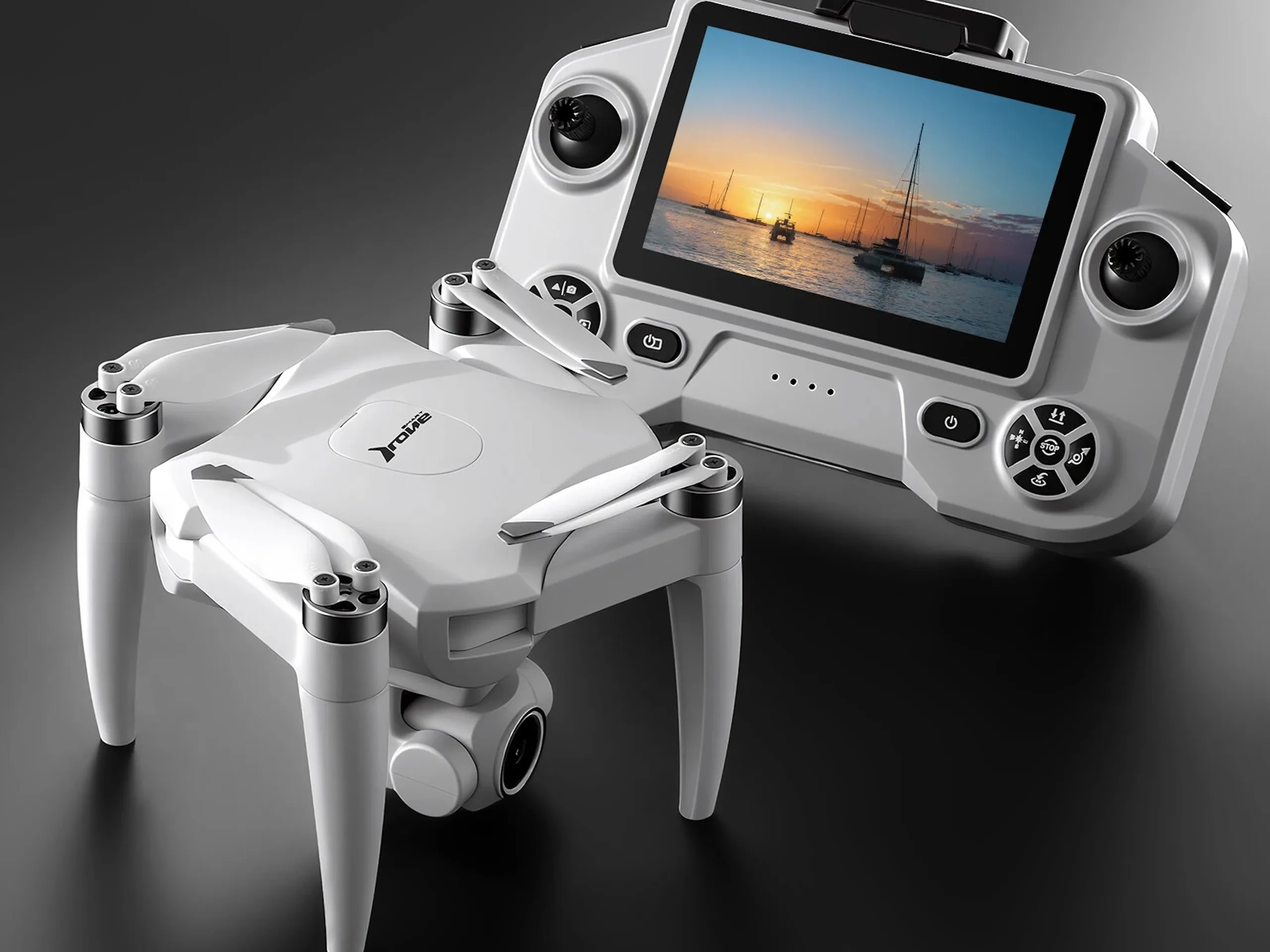
    There is a large selection of affordable drones, many of which are only available as direct imports. The YL01 is one such cheaper drone, with a current price of around $70. That gets customers the model with one battery. Additional shipping costs are charged. Import fees may apply depending on the buyer’s location. At first glance, the specifications are fairly decent. For this comparatively low price, customers get the drone itself and a remote control with a display.

    Transmission and Camera Constraints

    However, the transmission distance for both the control signals and the live video feed is severely limited. The specified 330 feet for the control signals is not comparable to higher-quality drones, such as those from DJI. Data transmission takes place via WiFi. According to the manufacturer, the camera offers HD resolution, meaning 720p rather than 1,080p. The takeoff weight is listed at 190 grams, so the gadget remains below the legal 250-gram limit in some regions. Optical flow positioning is supported. Accordingly, the camera’s image signals are processed for positioning.

    No GPS but Smartphone Compatability

    There is no GPS module, although this would probably not be particularly useful anyway given the short range. In practice, the drone would no longer be reachable for control signals. However, it should still be possible to draw a flight plan on the display, which the drone then follows. The drone can roll in the air, which is more of a toy feature. Flight time is listed at around 12 minutes, with charging taking 60 minutes. Accordingly, even two batteries would not allow continuous operation. A smartphone connection is possible. Both Android and iOS devices are supported.

    Battery and Pricing Details

    This drone is avalible from retailers like Banggood, with a current price of around $70 for the single battery version. Extra shipping charges may apply, and import fees can vary depending on your location. The takeoff weight is 190 grams, so it remains under the 250-gram limit in many regions. The specified 330 feet for control signals is quite short, and the WiFi based video feed is limited to 720p HD resolution. Optical flow positioning is supported, but there is no GPS module, which makes sense given the short range. The drone can perform aerial rolls, which is a fun toy feature, but flight time is only about 12 minutes with a 60 minute charge time. A smartphone connection is possible, supporting both Android and iOS devices, and you can draw a flight plan on the display for the drone to follow.


    Sources

  • PiEEG XR Real-Time Brain Activity Measurement for VR

    PiEEG XR Real-Time Brain Activity Measurement for VR

    Key Takeaway

    – PiEEG XR is an EEG-based input device for XR/VR that measures brain activity through a replacement face cushion with built-in electrodes.
    – Data is processed via ironbci at 250 data points per second with Bluetooth communication for wireless VR headset compatibility.
    – Funded through Kickstarter, targeting makers, researchers, and consumers with multiple versions (Mask, Research Kit, All-in-One) and native VRChat support.
    – Backed by expert Ildar Rakhmatulin; APIs and SDKs enable flexible use without strict manufacturer limitations.


    So, the PiEEG XR is this new interface for XR and therefore also for applications such as VR. It is essentially an input device that functions as an EEG system. The abbreviation stands for electroencephalography and ultimately refers to the measurement of brain activity. It should be noted right away that the system will be funded through a Kickstarter campaign and is not necessarily a typical consumer product, alot of people might not realise this. Instead, it is also aimed at makers and researchers. APIs and SDKs are intended to allow use in a wide range of contexts and without strict manufacturer specifications. The project is also backed by Ildar Rakhmatulin, a recognized expert in this field who has already attempted to bring other projects to market.

    Hardware and Sensing Capabilities

    At the hardware level, the PiEEG XR is essentially a replacement face cushion. Electrodes are built into it, which are then responsible for measuring brain activity. Data processing is handled by ironbci, which can record 250 data points per second, wich is quite fast. This should also enable high temporal resolution. Communication takes place via Bluetooth, which should be very practical in the era of fully wireless VR headsets such as the Pico 4 Ultra that we have already tested. The system will be available as the PiEEG XR Mask, as a research kit with ironbci and as an all-in-one version for consumers.

    Pricing and Availability Details

    • PiEEG XR Mask: This is the base model designed for makers and tinkerers, pricing details are announced via Kickstarter.
    • Research Kit with ironbci: A more advanced package for scientific studies, includes the ironbci software for high-resolution data logging.
    • All-in-One Version: A complete consumer oriented kit for those who want plug-and-play functionality, featuring native VRChat compatibility.

    Native VRChat compatibility is advertised as a key feature. This essentially means that the device can directly interface with the popular social VR platform, allowing for brain-controlled interactions wich is really impressive. The campaign will likely offer early bird discounts for backers who pledge during the first few days, though exact price tiers have yet to be fully revealed. Its important to follow the campaign closely if you are interested in this kind of neurotechnology.

    Sources
  • Nvidia Announces New PC Era: AI Chips Arrive

    Nvidia Announces New PC Era: AI Chips Arrive

    Key Takeaway

    – Nvidia will unveil a long-rumored ARM APU (likely named N1X or N1) at Computex.
    – The chip features 20 CPU cores, a 3nm TSMC process, and an iGPU comparable to an RTX 5070 Ti.
    – This ARM chip aims to compete with Qualcomm’s Snapdragon X2 Elite series.
    – Windows 12 will not be announced, but new Surface and PC updates are expected.
    – The event is scheduled for Monday, June 1, at 11:00 am local time in Taipei.


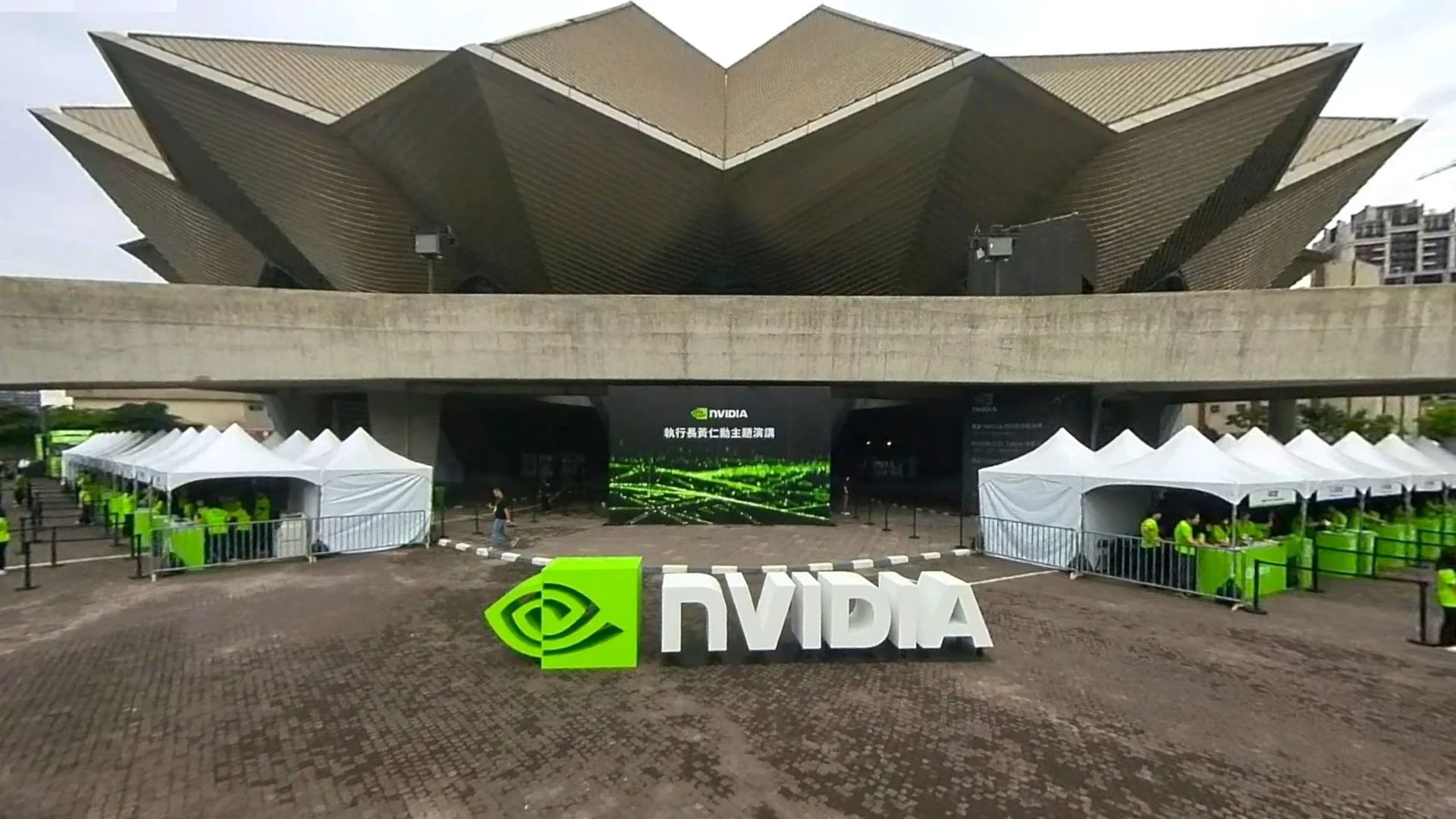
    That sounds exciting, but it is unlikely to be the new era that PC and laptop fans might be hoping for. After Nvidia CEO Jensen Huang primarily drew attention around Computex in Taiwan in recent years with his AI ambitions, this year’s tech trade show in Taipei could also include something for PC enthusiasts, whom Nvidia has largely neglected in recent years. In any case, both Microsoft’s Windows account and Nvidia announced the same thing ahead of Computex: a new PC era.

    Cryptic Coordinates and a Secret Venue

    In both cases, there is also a cryptic number code, which appears to be coordinates for the Taipei Music Center. Google Maps conveniently already shows the venue for the keynote, which Nvidia has decorated for the occasion and which starts on Monday, June 1, at 11:00 am local time.

    Not Windows 12, But Something Else Entirely

    But what exactly will be unveiled? It will not be Windows 12, as Windows EVP Pavan Davuluri specifically emphasized on X. However, Nvidia’s announcement could very well be followed by new Surface news as well as updates from other PC manufacturers, since Nvidia is almost certain to unveil its long-rumored ARM APU on Monday, which will reportedly be called the N1X or N1.

    A Geekbench entry for the chip had already surfaced in 2025, revealing 20 CPU cores with clock speeds of at least 2.81GHz, while further leaks pointed to an iGPU that could offer performance roughly on par with a GeForce RTX 5070 Ti. The chipset, reportedly manufactured by TSMC using its 3nm process, was likely developed in cooperation with MediaTek and is expected to compete primarily with Qualcomm’s Snapdragon X2 Elite series. Whether this marks the beginning of an entirely new PC era remains to be seen.


  • Foldable 300W Power Bank with Solar & Built-in Charger

    Foldable 300W Power Bank with Solar & Built-in Charger

    Key Takeaway

    – Integrated plug folds down for travel, available in US, EU, and UK versions
    – USB-C cable doubles as a lanyard; supports up to 100W transmission
    – 74 Wh capacity with up to 300W combined output; charges laptops via 140W USB-C ports
    – Solid-state design prevents thermal runaway under physical stress
    – High crowdfunding risk; $89 starting price with shipping expected in August


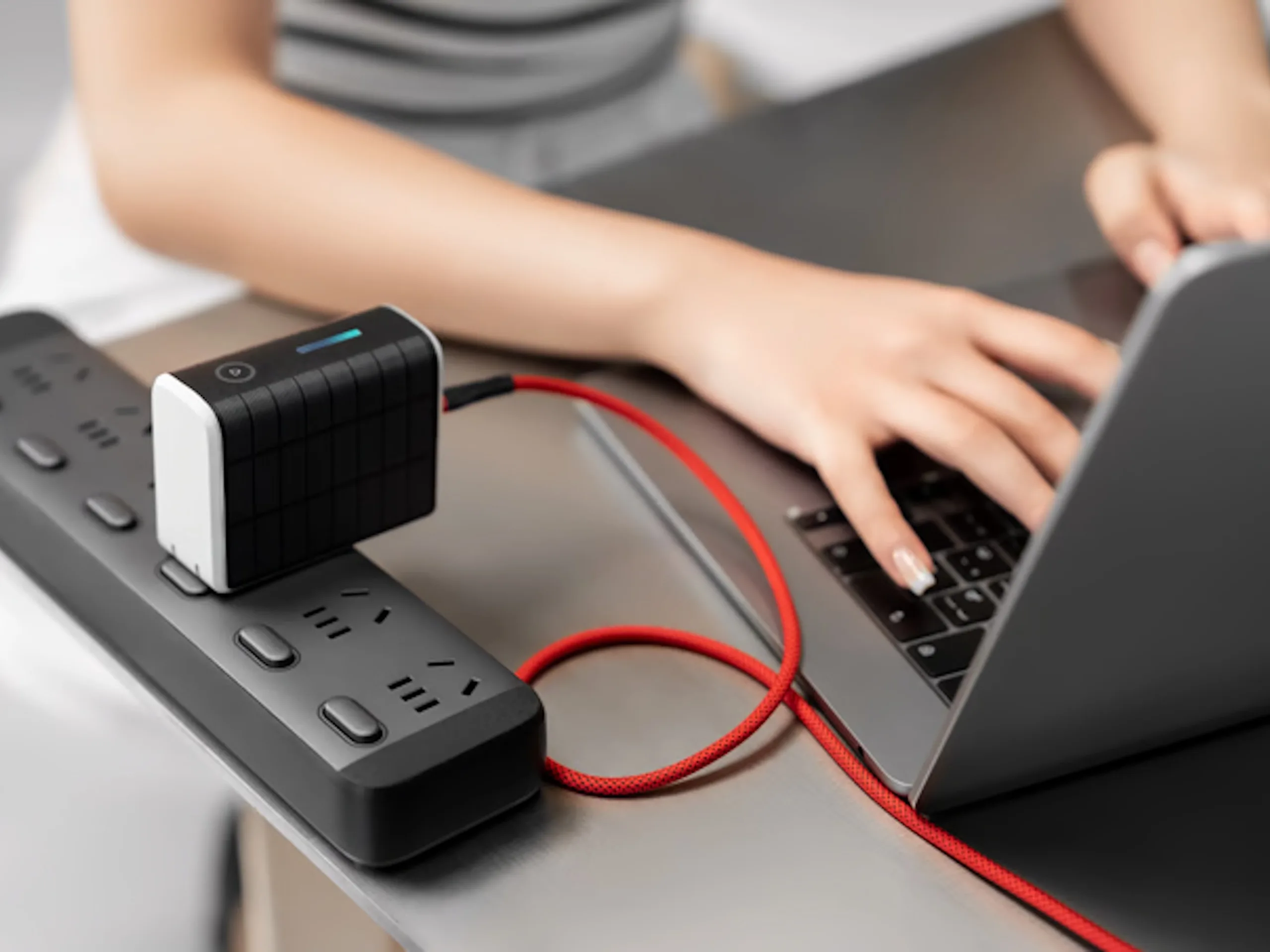
    A new power bank could be interesting for travelers or for anyone who wants to use a power bank without an additional charger. The Solly comes with an integrated charger and a plug. The model is offered in versions with a US, EU and UK plug. This plug simply folds down, which means it should not get in the way during transport.

    The 3.1 x 2 x 1.4-inch gadget comes with a USB-C cable

    Which also functions as a lanyard and should make it easier to carry. Up to 100 watts can be transmitted via the USB-C cable. The weight is listed as 14.1 oz. In an emergency, the built-in solar panel is also supposed to provide a certain amount of charge. According to the manufacturer, the power bank has a capacity of 74 Wh, which should be enough to fully charge typical smartphones more than once.

    It supports output of up to 300 watts

    As usual, this figure refers to the combined output across all ports. The two USB-C ports are said to deliver up to 140 watts each, which should be enough to charge laptops. USB-A can still deliver 20 watts. The Solly can be charged not only with the integrated plug but also via USB-C at up to 140 watts. This is a solid-state power bank, so it should not go into thermal runaway even under severe physical stress.

    As part of the crowdfunding campaign

    Which carries a considerable financial risk for backers, prices start at $89, with shipping scheduled for August. Users should carefully check the shipping terms. In fact, this campaign seems very ambitious to us, so the crowdfunding risk might be relatively high in this specific case.

    • Dimensions: 3.1 x 2 x 1.4 inches
    • Weight: 14.1 oz
    • Capacity: 74 Wh
    • Total output: up to 300 watts
    • USB-C output: up to 140 watts each
    • USB-A output: up to 20 watts
    • Charging input via USB-C: up to 140 watts
    • Integrated plug available in US, EU, UK versions
    • Includes foldable plug and USB-C lanyard cable
    • Built-in solar panel for emergency charging
    • Solid-state battery technology
    • Crowdfunding price: starts at $89
    • Shipping scheduled for August
    Sources
  • Acer Android Tablet: Aged Specs, Under $100

    Acer Android Tablet: Aged Specs, Under $100

    Key Takeaway

    – Outdated specifications (12nm processor, 1280×800 display, 128GB SD limit)
    – Low price (~$78) suitable for basic use like reading or video
    – Thick bezels and heavy build (570g, 9.8mm)
    – Underwhelming battery (5000mAh) and media features (Wi-Fi 5, 5MP cameras)
    – Feels like a device from a decade ago


    Introducing the Acer A312 Pad

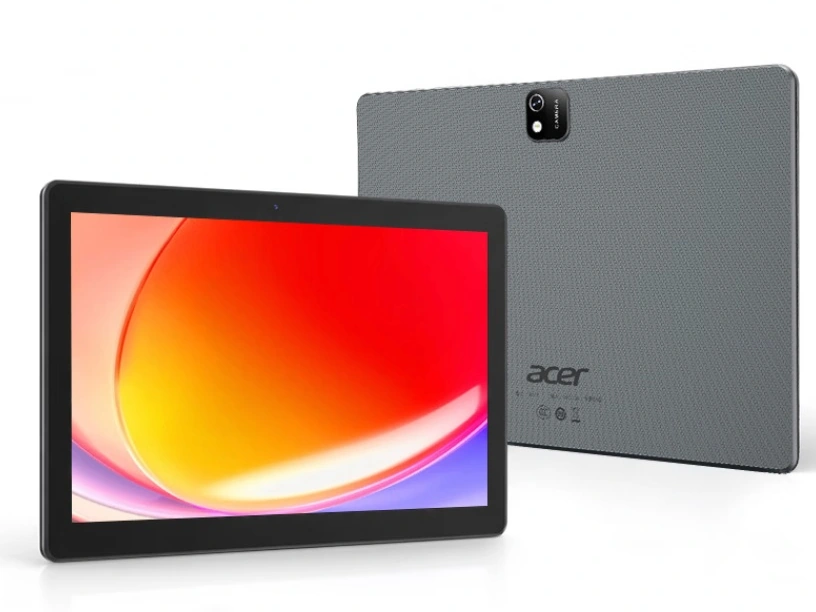
    So Acer has announced a new tablet in China, and when you look at its design and specs it realy feels like something that should of come out a decade ago. Called the Acer A312 Pad, this device also comes with a pretty low price tag that matches its age. Its basicly a cheap option for kids or just for reading and watching videos, nothing more fancy then that.

    Screen, Performance and Memory

    The A312 Pad has very thick bezels around its 10.1-inch display that only runs a 1280 x 800 resolution. This screen has a standard 60Hz refresh rate and it supports 10-point multi-touch for input. Under the hood, your getting a 12nm MediaTek MT8768 processor, which is also known as the Helio P22T and its around six years old now. The tablet includes 4GB of RAM and 64GB of storage. There is a microSD card slot too, but the maximum capacity it supports is a measly 128GB wich is quite limited.

    Cameras, Connectivity and Battery

    On both sides of the tablet there is a 5MP camera, and the rear camera even includes an LED flash for better photos in the dark. It does have Bluetooth 5.0 and Wi-Fi 5 for connectivity, plus it has stereo speakers. The battery capacity is a 5,000mAh unit, wich should give decent life for basic tasks. The tablet weighs in at 570g and its 9.8mm thick, but Acer does not mention the version of Android it will run on.

    Pricing and Availability

    The Acer A312 Pad has a price tag of CNY 525 which is around $78 or €67. However, in certain regions you can get discounts that bring the price down to CNY 499, which is about $74 or €63. So for the price its really not a bad deal if you just need something simple.

    Sources
  • Diablo’s Biggest Rival Launches Free Weekend With 50% Off

    Diablo’s Biggest Rival Launches Free Weekend With 50% Off

    Key Takeaway

    – Path of Exile 2 is free to play until June 1, with a 50% discount ($14.99 vs. $29.99) for continued access.
    – It is harder, more complex, and more theorycraft-focused than Diablo IV, which is more accessible and streamlined.
    – The game features a dark, grim world with deep build customization via passive abilities and skill gems.
    – Player reception is mixed: praised for atmosphere and depth, criticized for high difficulty, slow progression, and unrewarding loot.
    – The choice between Diablo IV and Path of Exile 2 ultimately depends on personal preference for accessibility vs. complexity.


    Diablo IV and Path of Exile 2: A Weekend Battle for ARPG Supremacy

    For some time now, Diablo IV and Path of Exile 2 have been locked in a close race for the title of today’s most popular action RPG. Compared to Diablo IV, Path of Exile 2 is less cinematic, but harder, more complex and far more focused on theorycrafting. Anyone who has not yet had the chance to try Grinding Gear Games’ ARPG can now do so over the weekend. Until June 1, Path of Exile 2 is completely free to play, including on the Steam Deck. On top of that, the game is getting its first-ever discount, according to SteamDB – and not just 20%, but a full 50% right away. After around a year and a half, it was about time. Those who want to continue playing after the free trial can currently get PoE 2 for $14.99 instead of $29.99.

    What Path of Exile 2 Offers

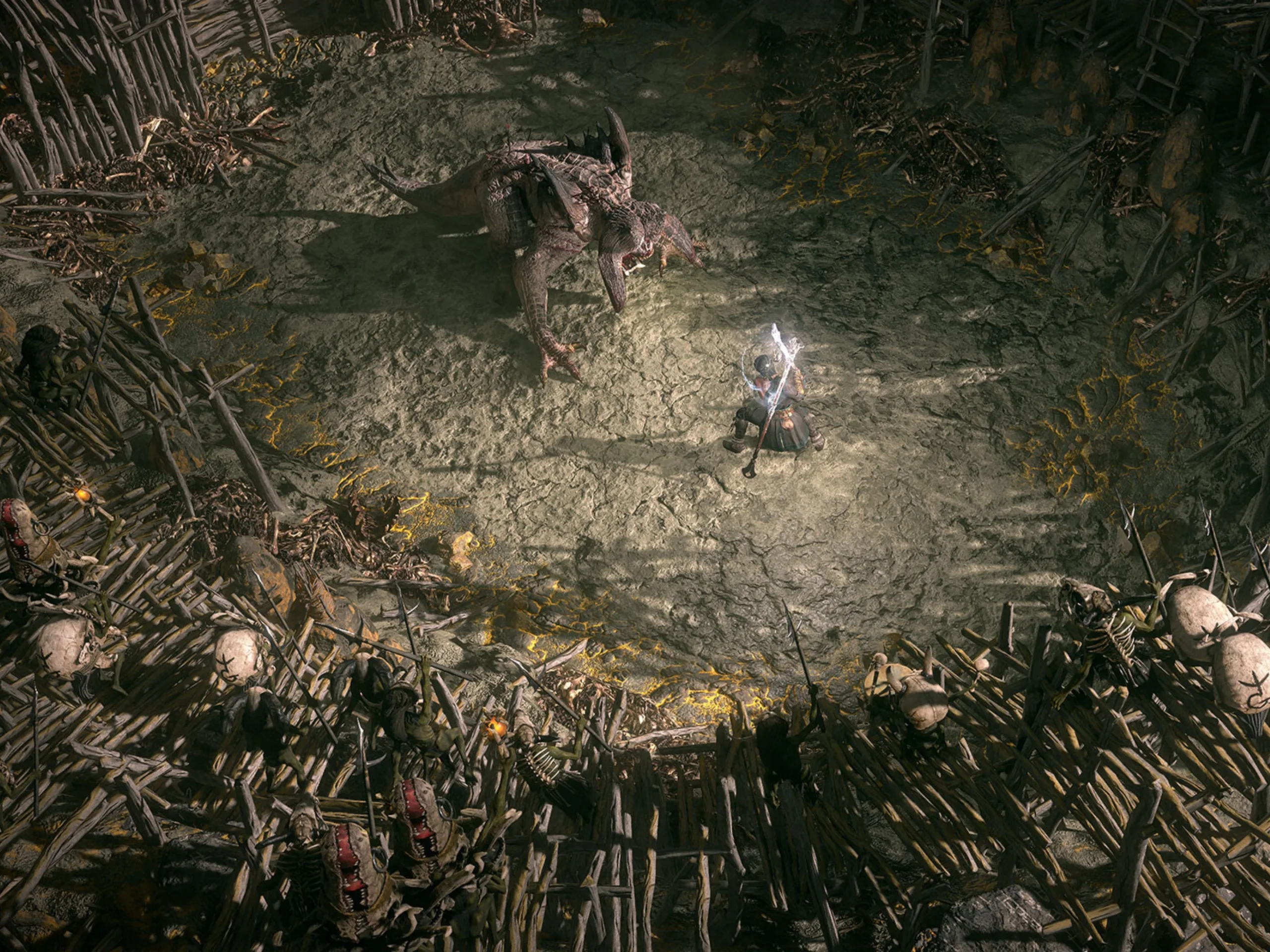
    In Path of Exile 2, players return to the dark world of Wraeclast, where corruption, monsters and ancient powers set the tone. They choose a class, fight their way through grim areas from an isometric perspective, collect loot, improve equipment and shape their character through passive abilities, skill gems and countless build combinations – essentially a classic action RPG, but more complex, harder and less streamlined than Diablo IV. A look at the Steam reviews shows that many players like exactly that. Others prefer to stick with Blizzard’s more accessible ARPG, which is more polished and forgiving in its mechanics.

    Comparing Reviews and Difficulity

    The more than 200,000 Steam reviews are only 73% positive, although the situation is similar for Diablo IV. There is praise for the dark atmosphere and enormous gameplay depth, but also criticism of the very high difficulty level, slow progression and loot that often does not feel rewarding. With Diablo IV, it is almost the opposite: Blizzard’s RPG is considered more accessible, but is often criticized for having less endgame depth and too much focus on live service. Whether Diablo IV or Path of Exile 2 is the better game ultimately comes down to personal taste, with no clear winner emerging from the community.

    Pricing and Deal Details

    • Free play until June 1 on all platforms, including Steam Deck.
    • 50% discount on the full game via SteamDB, dropping price from $29.99 to $14.99.
    • No guarantee on price stability, as retailers may change prices without notice.
    • First major discount after about 18 months following launch.


    Sources