Category: All News

  • Forza Horizon 6 Car Meets: Why They Feel So Empty

    Forza Horizon 6 Car Meets: Why They Feel So Empty

    Key Takeaway

    – Car Meets often feel deserted due to server visibility limits, showing only a handful of players per instance.
    – The design lacks incentives, with most players only visiting for festival tasks or achievements.
    – The community wants rewards (XP, credits, Wheelspins) and voting features to boost engagement.
    – Positive experiences exist (organized convoys, spontaneous gatherings), but these are exceptions.
    – Playground Games has not yet addressed whether it will improve the feature.


    Car Meets in Forza Horizon 6: A Feature That Feels Empty

    Many players had been especially looking forward to the new Car Meets before Forza Horizon 6 launched. In practice, they are community meeting points in the open world where players can show off their vehicles, inspect cars and spontaneously interact with others. At the moment, however, Car Meets often feel deserted – even though FH6 sees more than 100,000 daily players on Steam, according to SteamDB.

    Reddit Calls It ‘Sad’

    In a Reddit thread simply titled “This is sad,” the community is currently discussing possible reasons. The image in the thread shows just two vehicles in the parking lot – one of them belonging to the player who posted it. Many other users say they have also found Car Meets completely empty on multiple occasions. The issue is seen less as a lack of interest and more as a flaw in the feature’s design.

    Server Limits or Design Flaws?

    Several Redditors point out that server or visibility limits apparently allow only a small number of drivers to be shown at once. Exactly how many players can be placed in a single instance remains unclear. Still, users argue that a meet with twelve parking spaces will almost never feel full if only a handful of players are visible per instance.

    No Rewards, No Fun

    Another point of criticism is the lack of incentives. Many FH6 players apparently visit the meeting points only for festival tasks or achievements. As additional motivation, the community suggests voting on the best-looking vehicles or offering XP, credits and Wheelspin rewards for participants.

    But Some Players Love It Anyway

    Despite the criticism, there are also positive experiences with Car Meets in FH6. Some players report spontaneous gatherings with several vehicles or organized convoys that actually bring the meeting points to life. For now, however, such moments seem to be the exception rather than the rule. The basic idea appears to work, but it still needs further development. Whether Playground Games will respond to the criticism remains to be seen.

    Sources
  • Hidden Steam Deck Bluetooth Trick Most Users Miss

    Hidden Steam Deck Bluetooth Trick Most Users Miss

    Key Takeaway

    – The Steam Deck can receive Bluetooth audio from a smartphone, allowing users to route calls, YouTube, or Spotify from their phone to the handheld.
    – Many Steam Deck owners were unaware of this Bluetooth audio source feature.
    – Using a phone as a Bluetooth audio source may be less demanding on the Steam Deck’s battery and performance than running apps directly on the device.


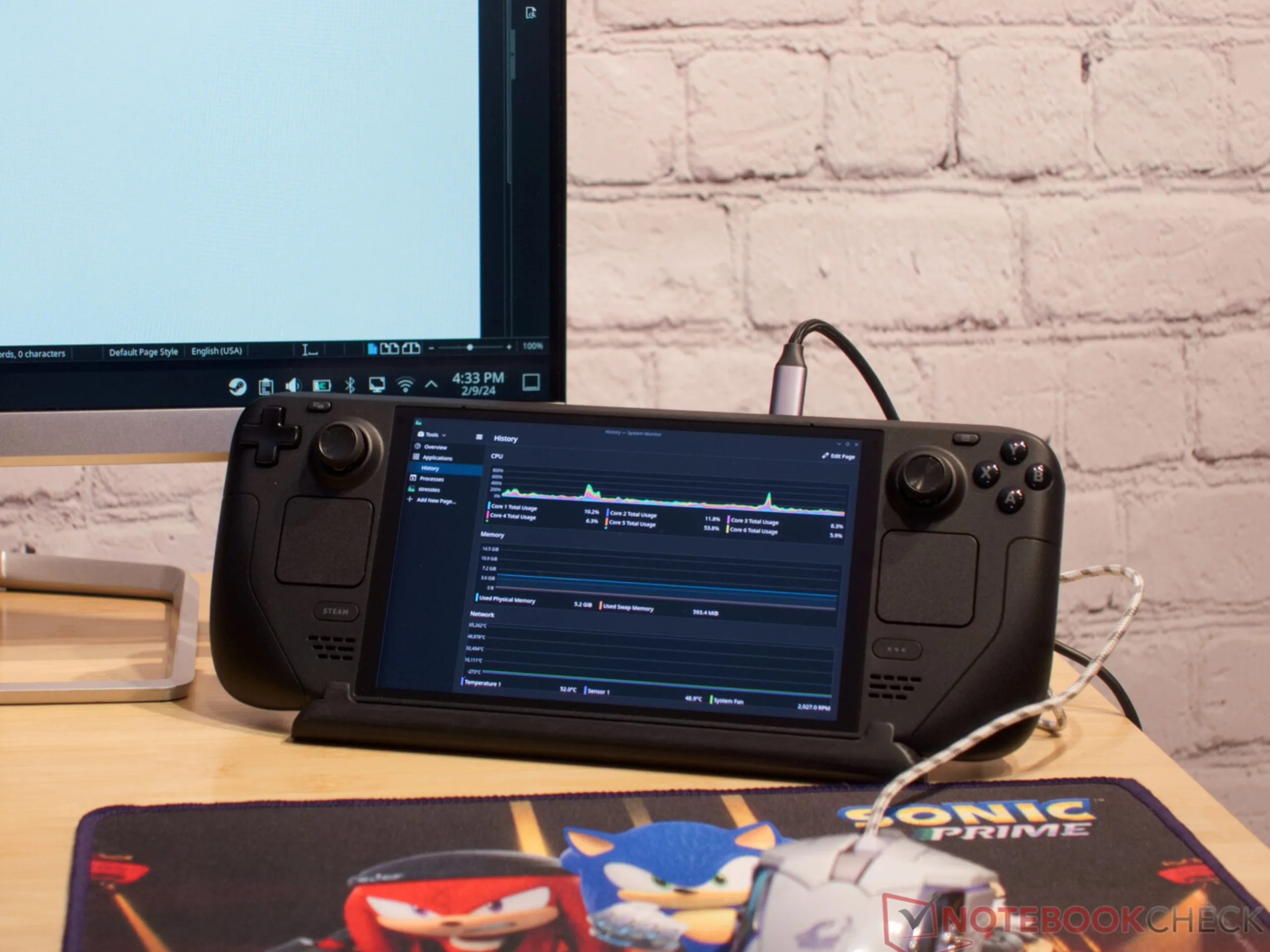
    Amid discussions about the current Steam Deck OLED price increases, Reddit also has something to laugh about – and even something to learn. A meme in the Steam Deck subreddit sums up how many gamers use their handheld: the device is tired, the battery is groaning – and yet it is still expected to handle Mario Kart 8 Deluxe at double emulation speed, full brightness and Spotify running in the background.

    The Joke Turned Into A Serious Discussion

    The joke turned into a discussion about how much people actually demand from the handheld in everyday use – and also brought attention to a hidden feature that some users apparently did not know about. It started with a comment by u/PushDeep9980, who wondered why anyone would run Spotify on the Steam Deck when they could instead stream audio from their smartphone to the handheld via Bluetooth. The Redditor explains it as follows:

    How To Connect Your Phone

    “On your phone, you can search for your steam deck as a Bluetooth device. Once it is connected, then all audio from your phone will be routed to your deck. So you can even listen to whatever the f*ck YouTube, Spotify, phone calls.”

    Practical Uses For The Feature

    A smartphone can therefore be used as a Bluetooth audio source for the Steam Deck. The idea is that a simple Bluetooth connection to the phone may be less demanding for the handheld in terms of battery life and performance than running the app directly on the Steam Deck. Whether that is actually true is debatable. Either way, the feature is practical – for incoming calls, for example, or for watching a YouTube video on the side while playing the audio through the same headphones.

    User Reactions

    Many Steam Deck owners were apparently unaware of the trick. On Reddit, users wrote things like “TIL!” or “Well… I learned something new today. Thank you.” Even the creator of the thread seemingly did not know about it. In the end, the meme thread about the Steam Deck’s digital burnout offered some real added value.

    Sources
  • Microsoft faces security backlash over Nightmare Eclipse

    Microsoft faces security backlash over Nightmare Eclipse

    Key Takeaway

    – Three unpatched Windows zero-days (YellowKey, GreenPlasma, MiniPlasma) pose active risks and need immediate mitigation.
    – Microsoft’s threat of criminal prosecution against the researcher has backfired, drawing sharp criticism from the security community.
    – The researcher claims Microsoft deleted their bug report account, disputing the company’s narrative of irresponsible disclosure.
    – Microsoft previously hired a researcher (SandboxEscaper) who published zero-day code without warning, contradicting its current hardline stance.
    – Administrators should apply Defender Engine version 1.1.26040.8 for RedSun/UnDefend and configure TPM+PIN to block YellowKey’s physical extraction route.


    Microsoft Threatens Security Researcher Over Zero-Day Flaws

    The software giant has been facing a massive backslash from the security community after it publicly threatend to seek criminal charges againt a researcher who disclosed six Windows zero-day vulnerabilities. This dispute has quickly turned into a full-scale backlash, with many experts criticizing Microsoft’s approach to handling the situation. Nightmare Eclipse, the researcher in question, published weaponized proof-of-concept code without coordinating with Microsoft.

    Vulnerabilities and Their Current Status

    Between early April and mid-May 2026, the researcher published exploit code for six Windows flaws, three of which—BlueHammer, RedSun, and UnDefend—have been exploited in real-world attacks. The remaining vulnerabilities, known as YellowKey, GreenPlasma, and MiniPlasma, have not yet been patched by the company. Microsoft has accused the researcher of bypassing coordinated disclosure standards and described the disclosures as “never justifiable” in a blog post published on May 28. The company warned it’s Digital Crimes Unit would pursue cases against anyone enabling criminal activity through exploit code.

    • BlueHammer: Exploited in live attacks
    • RedSun: Exploited, but Defender Engine version 1.1.26040.8 or later protects against it
    • UnDefend: Exploited, covered by latest Defender updates
    • YellowKey: Unpatched, requires manual editing of offline WinRE registry
    • GreenPlasma: Unpatched, active risk for administrators
    • MiniPlasma: Unpatched, threat of escalation to remote code execution

    The Researcher’s Side of the Story

    Nightmare Eclipse disputes Microsoft’s version of events, claming the company deleted the Security Response Center account used to file the original bug reports. “You literally deleted the Microsoft account I used to report bugs to you with, and I got zero pennies from doing so,” the researcher wrote. The security industry has largely sided with the researcher, with Katie Moussouris, who pioneered bug bounty programs at Microsoft, publicly criticizing the company’s blog post on Bluesky. She argued that invoking “responsible disclosure” was the first problem and that adding a prosecution threat would push researchers away from trusting Microsoft.

    Industry Reactions and Precedent

    Kevin Beaumont, a former Microsoft security engineer, described the situation as “a dumpster fire of their own making.” He noted that Microsoft previously hired SandboxEscaper after she published zero-day exploit code without warning, behavior the company now describes as criminal. Nightmare Eclipse was banned from GitHub around May 23 and GitLab on May 26-27, and now publishes from a personal blog. A July 14 exploit release targeting July’s Patch Tuesday remains a threat, with warnings of escalation to remote code execution vulnerabilities.

    Recommended Actions for Administrators

    Administrators should treat YellowKey, GreenPlasma, and MiniPlasma as active risks. For YellowKey, Microsoft’s mitigation requires manually editing the offline WinRE registry hive and stripping autofstx.exe from the BootExecute value. A TPM+PIN pre-boot configuration cuts off the physical extraction route entirely. Defender Engine version 1.1.26040.8 or later handles RedSun and UnDefend, and that update should not wait for a scheduled maintenance window.

  • Casio Mudman MIP Display Leaks: Step Counter & Rugged Build

    Casio Mudman MIP Display Leaks: Step Counter & Rugged Build

    Key Takeaway

    – First Mudman with MIP display for superior readability and lower power consumption
    – Bluetooth connectivity for smartphone sync, activity logging, and training metrics
    – Step counter with goal tracking expected, but no Tough Solar or extra sensors confirmed
    – Classic Mudman design with chunky case, button guards, and textured strap
    – Three color variants; estimated $200–250 price range with summer 2026 announcement


    New G-Shock Mudman Leaked

    The Mudman name has always meant one thing in the G-Shock lineup: maximum protection, as little compromise as possible. A new model may be about to add a long-overdue display upgrade to that formula. The Casio G-Shock GDG-B100 has just surfaced via a Russian Casio enthusiast blog, Casioblog, which claims to have obtained leaked imagery of the unannounced watch ahead of an expected summer 2026 reveal.

    Display and Key Features

    The most key detail here is the display. The GDG-B100 would reportedly be the first Mudman-series watch to feature a MIP (Memory-in-Pixel) display. Casio has been gradually rolling out this tech across its mid-range G-Shock lineup, like the recent GMW-BZ5000RC-1. MIP panels bring superior readability and contrast over standard LCD modules, and draw way less power, typically enabling two-year battery life on a conventional cell. The blog includes no evidence of Tough Solar on the GDG-B100, however. Visually, the GDG-B100 follows the classic Mudman/Mudmaster design language — large case, chunky button guards, and a heavily textured strap with thick lugs.

    Sensors and Variants

    Based on the display layout, the blog infers the watch will include a step counter with goal tracking, Bluetooth for smartphone time sync and activity logging, a training mode covering distance, pace and calorie data, plus standard G-Shock features including world time, stopwatch, interval timer, alarm, and 200-meter water resistance. Additional sensors such as a thermometer or compass are considered unlikely at this tier. Three variants have been identified so far: GDG-B100-1 (all black), GDG-B100-1A3 (black with green camo strap), and GDG-B100-1A5 (black with sand strap).

    Pricing and availibilty: Casioblog estimates a $200–250 price range and expects an announcement this summer. Casio has not commented on the same.


    Sources

  • Oppo Find X9 Ultra Camera Review: Smarter Than 1-Inch Sensors

    Oppo Find X9 Ultra Camera Review: Smarter Than 1-Inch Sensors

    Key Takeaway

    – The Find X9 Ultra’s new 200MP Sony sensor offers better dynamic range and detail than the Find X8 Ultra’s 1-inch sensor.
    – The Find X9 Ultra has a significant edge in high-magnification zoom quality.
    – The Find X8 Ultra performs slightly better in absolute darkness (less grain).
    – The Find X9 Ultra is roughly $400 more expensive than the Find X8 Ultra.


    Oppo’s Camera Flagships Compared

    The camera smartphones from Oppo have been among the most exciting camera phones in the Android ecosystem for several years now. With the Find X9 Ultra, the manufacturer is now launching a new flagship with outstanding hardware. But its predecessor, the Find X8 Ultra, still claims to deliver the best photo quality.

    Daily Performance and Price Differences

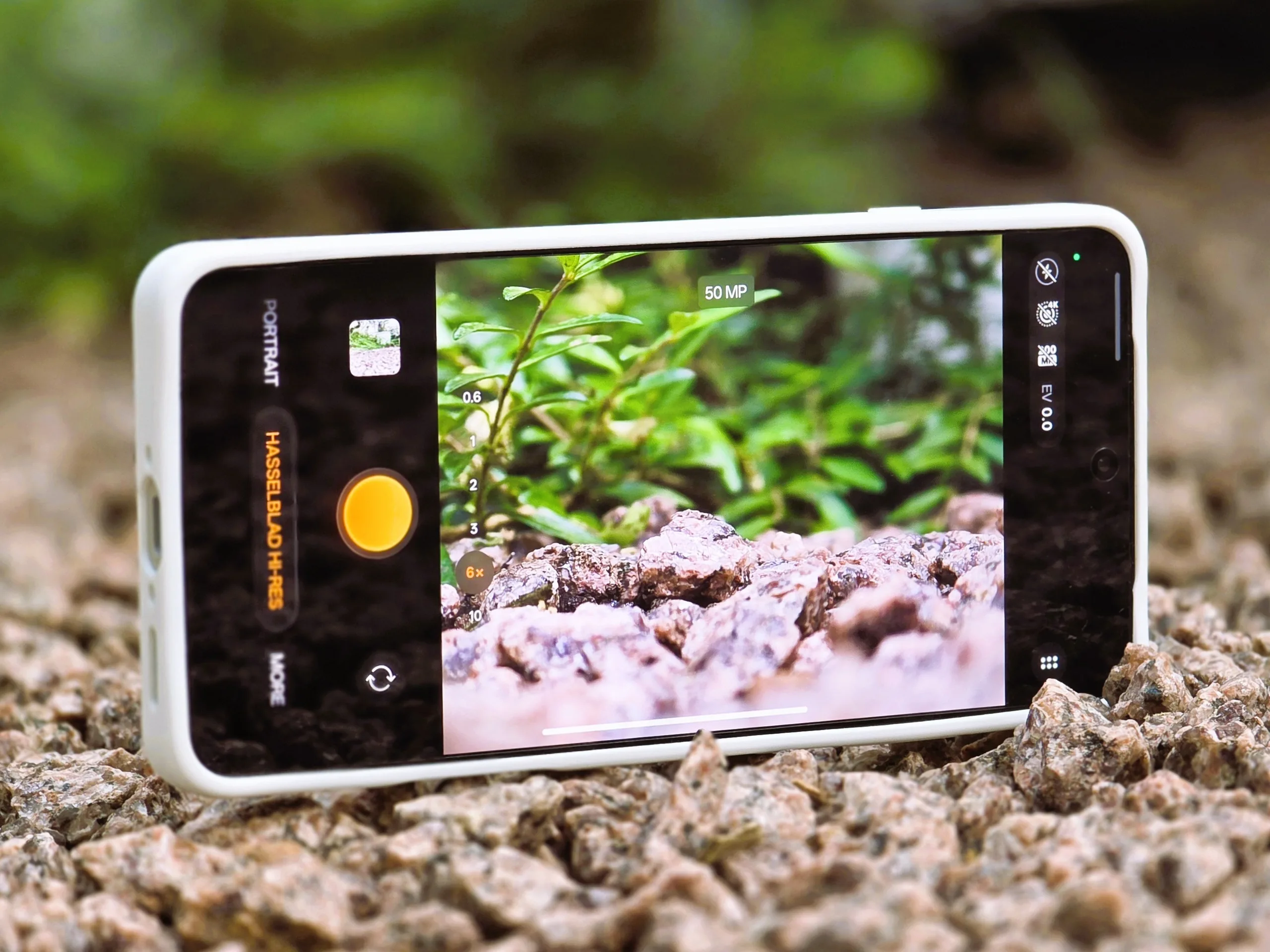
    In this comparison, we take a look at how the Hasselblad cameras of the two Oppo flagships perform in everyday use. Does the Find X9 Ultra really deliver the better photos? Or is the 2025 model with its 1-inch sensor more convincing after all? In terms of price, the Find X8 Ultra starts at around $800, while its successor, as an import, currently starts at around €1,037, making it roughly $400 more expensive.

    The Sony Sensor Advantage

    Compared to the Find X8 Ultra, the Sony camera in the Find X9 Ultra achieves a significantly higher light yield — at least that’s what the manufacturer says. According to Oppo, the increase is ten percent for the main camera. However, the stacked sensor “only” measures 1/1.12 inches and is therefore smaller than the 1-inch format of the Find X8 Ultra. On the other hand, the Sony Lytia 901 with 200 MPix offers four times the resolution and therefore significantly more scope for pixel binning to reduce image noise in low light.

    Real-World Photo Results

    The photo results, as well as the shots in the review, speak in favor of the Find X9 Ultra’s new sensor. The photos offer slightly more dynamic range and, thanks to variable pixel binning, the images also show a little more detail than the Find X8 Ultra’s. Only in absolute darkness (book motif) does the 200-MPix camera produce slightly more grain than the 2025 flagship with its 1-inch-format lens.

    How to View Full Resolution Images

    In order to better differentiate image details between the two top Oppo smartphones, all image files can bei open in full resolution. Click the corresponding photos to open them.

    Zoom Performance Gains

    Apart from the main cameras, the Find X9 Ultra has made significant gains in terms of photo quality, especially when zooming in at high magnification. You can find all the camera samples and information about the new Oppo high-end phone in the full review.

    • Find X8 Ultra starts at around $800
    • Find X9 Ultra starts at around €1,037 (import)
    • Price difference is roughly $400
    • Sony Lytia 901 features 200 MPix
    • Find X9 Ultra sensor measures 1/1.12 inches
    • Find X8 Ultra uses a 1-inch sensor
    • Main camera light yield increased by ten percent
    Sources
  • Run 50+ Linux Distros Online with DistroSea

    Run 50+ Linux Distros Online with DistroSea

    Key Takeaway

    – DistroSea lets users test 50+ Linux distributions and 500+ versions directly in a web browser without downloading or installing anything.
    – The platform runs operating systems in a remote virtual machine, providing a full desktop experience.
    – Privacy-friendly: users can explore local features without signing in or sharing personal data.
    – Features adjustable streaming quality for better performance on slower internet connections.
    – Creating an account adds benefits like queue skipping, ad-free sessions, and internet connectivity.


    Exploring Linux Distributions Without Installation

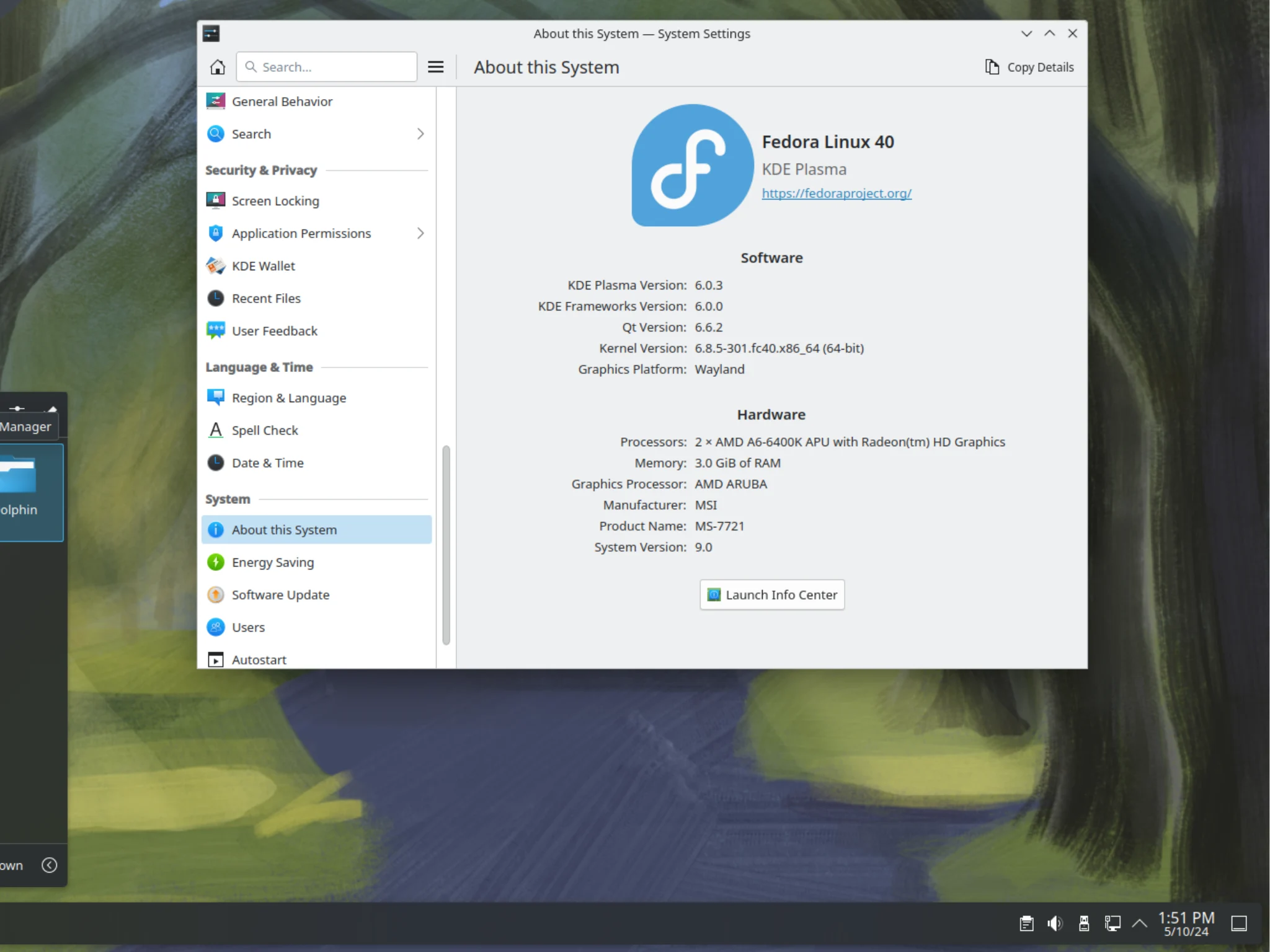
    After Microsoft decided that many perfectly functional Windows 10 PCs should not be eligible for Windows 11, affected users was left weighing their options. While Windows 10 continues to work, its free Extended Security Updates (ESU) program is scheduled to end on October 13, 2026, prompting some users to consider alternatives such as Linux.

    A New Way to Try Operating Systems

    For newcomers, however, choosing a Linux distribution can be overwhelming. Instead of downloading multiple ISO files, creating bootable drives, or live USBs, and testing each option individually, users can now experiment with different Linux distributions directly from a web browser using a platform called DistroSea. DistroSea’s goal is straightforward, that is, helping first-time Linux users find a distribution that suits their needs before committing to an installation.

    Broad Selection and Ease of Use

    The service currently hosts more than 50 operating systems and over 500 different versions, giving users a broad selection of environments to explore. Getting started is simple. Users only need to visit the website, select a distribution, choose a preferred version, and launch it. The operating system then loads in a remote virtual machine, allowing users to interact with it much like they would on real hardware.

    Performance and Privacy During Testing

    During testing, PearOS NiceC0re ran smoothly inside the browser, offering a surprisingly complete desktop experience. Privacy-conscious users may also appreciate that local features can be explored without signing in or sharing information from their PC. Sessions can even be continued without internet access for a limited period. Those who choose to create an account gain access to several additional features, including queue skipping, captcha-free access, ad-free sessions, increased virtual machine resources, internet connectivity, and longer session durations.

    Adjustable Streaming and Global Accessibility

    One of DistroSea’s most notable features is its adjustable streaming quality. Users can modify both stream quality and compression levels through a simple slider, making the experience more usable on slower internet connections. Accessibility is another strong point. The platform is available in six languages, including English, Spanish, German, French, Italian, and Portuguese, making Linux experimentation more approachable for users worldwide.

    Sources
  • Zenless Zone Zero 3.0 Roscaelifer Guide

    Zenless Zone Zero 3.0 Roscaelifer Guide

    Key Takeaway

    – HoYoverse is skipping ZZZ Version 2.9, going straight to Version 3.0 on June 17, 2026.
    – Version 3.0 introduces Roscaelifer (Celestial Nexus), a floating city above New Eridu, as a playable region.
    – Velina debuts as the first Wind attribute agent; Norma joins as a Fire Stun specialist.
    – Pyrois is the Proxy’s awakened combat form, tied to the Roscaelifer story arc.
    – The update launches simultaneously on PC, mobile, PS5, and Xbox Series X|S.


    Big Update Drops for Zenless Zone Zero

    HoYoverse is skipping Zenless Zone Zero Version 2.9 entirely and going straight to 3.0, which arrives June 17, 2026. Version 3.0 opens Season 3 with a new floating city, the game’s first Wind attribute agent, and a narrative scope that goes well beyond a standard content patch. Players on PC, mobile, PS5, and Xbox Series X|S get the update simultaneously at 11:00 AM UTC+8. This is a major jump, skipping a whole version number, so theres alot of new content coming all at once.

    Roscaelifer and the Celestial Nexus Revealed

    Roscaelifer has been teased in background text since Version 1.0. Version 3.0 finally opens it as a playable region. Known officially as the Celestial Nexus, it is the floating city above New Eridu, an independent Restricted Zone founded and ruled by the Lady Sunbringer. It operates as a Bangboo utopia, a self-contained city where Bangboo and humans live in harmony, combining European architecture with flying cars and a level of serenity absent from New Eridu below. Few residents of New Eridu even know it exists.

    Season 3 Story and World Building

    The Season 3 teaser released April 30 confirmed that New Eridu’s prosperity is tied to a hidden data stream flowing from Roscaelifer, and that stream is connected to suffering rather than goodwill. Roscaelifer is described as standing on the brink of collapse, with the TOPS Three Pacts already maneuvering to claim the city for their own interests. Version 3.0 focuses on exploration and world-building in the new region, with Version 3.1 delivering the first major narrative escalation of Season 3. This means the plot will slowly unfold over multiple patches not just a single update.

    New Agents in Version 3.0

    Velina is the standout new agent for Version 3.0. She serves as the administrative director of Roscaelifer’s External Strategy Department and becomes the first Wind attribute agent in Zenless Zone Zero’s history. Wind was previewed during Version 2.8, where a boss entered a Wind Attribute Anomaly state; the full attribute debut arrives with Velina in 3.0. Norma joins in the same update as a Fire Stun specialist. HoYoverse has teased both Velina and Norma on official social media ahead of June 17, confirming their playable status without revealing full kit details ahead of the Special Program.

    Unique Character Pyrois

    Pyrois is the third addition and the most structurally distinct. It is the Proxy’s own awakened combat form rather than a standard banner agent. Its acquisition method has not been officially confirmed, though the story framing places it at the centre of the Roscaelifer arc’s main progression. This is a big deal for players who want to see the main character become more poweful in a unique way, but we still need to wait for official details on how to get it.

    Official Info and Release Date

    Zenless Zone Zero official sources have shared all theese details. The update goes live on June 17, 2026, at 11:00 AM UTC+8 for all platforms. Version 3.0 is set to be one of the biggest updates yet, with a whole new region, new story beats, and three new characters including the first Wind attribute agent. Fans should keep an eye out for the Special Program which will likely show full gameplay and more story details.

    Sources
  • Motorola Cell Phone: 88dB Speaker, Minimal Bass

    Motorola Cell Phone: 88dB Speaker, Minimal Bass

    Key Takeaway

    – Loud speakers (up to 87.8 dB) suitable for noisy environments, but bass is weak.
    – Display has PWM flickering at 361.6 Hz, which may cause fatigue for sensitive users.
    – Sound quality is flat and lacks low frequencies, making it poor for music and movies.
    – Recommended to test the screen if you are sensitive to flicker.
    – Better audio options (headphones/external speakers) are advised for music lovers.


    Audio Performance and Screen Flicker Analysis

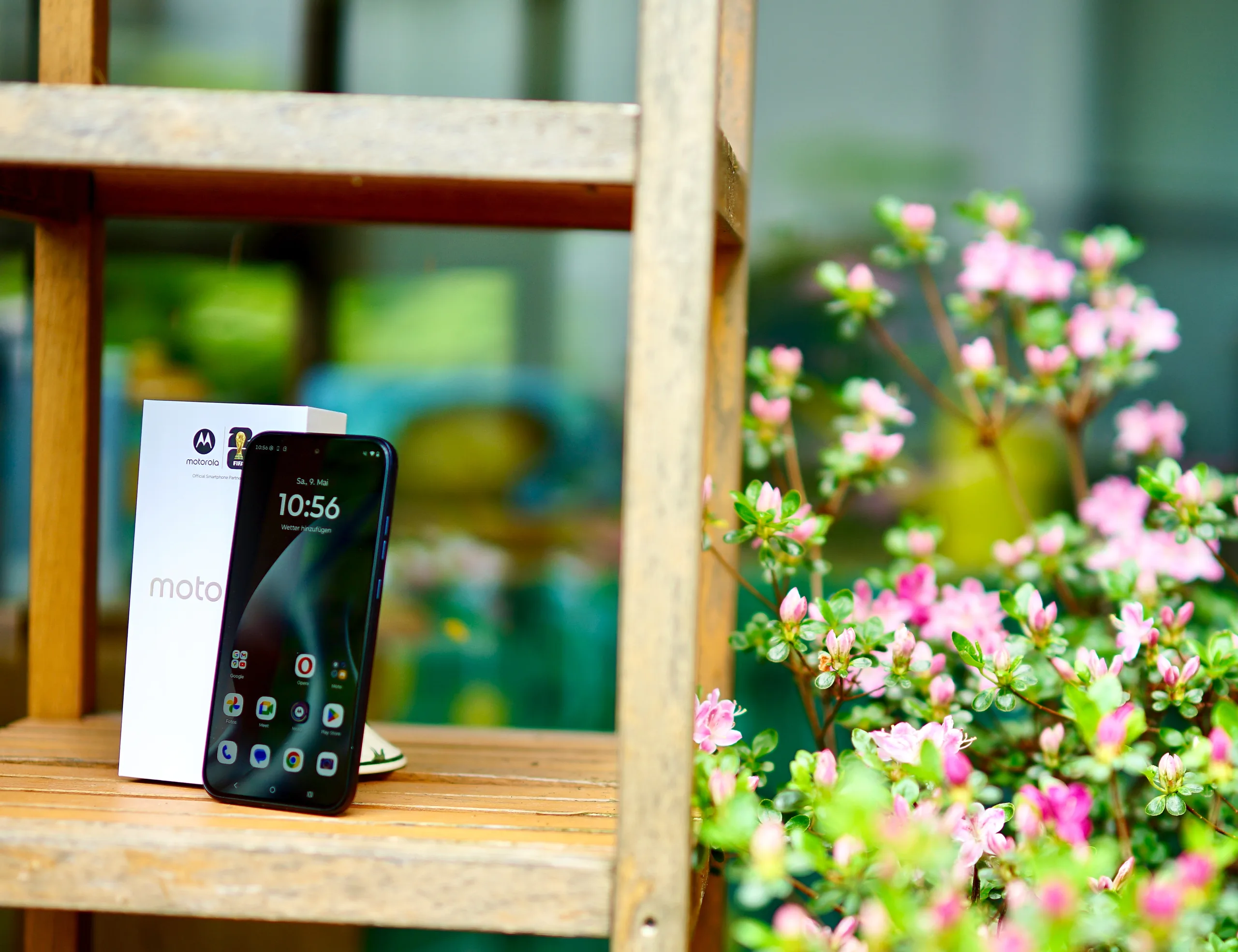
    The Motorola Moto G87 has speakers that can play loudly at up to 87.8 dB. However, there is a lack of bass, which impairs the sound quality. This decibel level is quite high for a smartphone, making it capable of cutting through background noise in busy settings, but the audio experience sufferes due to the missing low-end frequencies that provide depth.

    Display PWM Frequency Issues

    We also noticed PWM flickering at 361.6 Hz on the screen, which can be problematic for sensitive users. Pulse-width modulation is used to control the brightness, and at this rate, some individuals might experience eye strain or headaches, though it varies greatly from person to person.

    The speakers are loud enough to be heard even in noisy environments. You can also fill a medium-sized room with sound without any problems. However, the sound is flat, as the bass is 35.4% below the median. This is particularly noticeable with music or movies, where low frequencies are lacking.

    User Experience and Comparative Analysis

    The display uses PWM for brightness control with a frequency of 361.6 Hz. This is relatively high and should not cause any problems for most people. However, sensitive users report problems at 500 Hz and above, so if in doubt, test the screen before buying. The risk is moderate but real for those with known sensitivity.

    In everyday life, the volume of the Motorola Moto G87 is sufficient for videos and games, but insufficient for music lovers. External speakers or headphones are recommended for better sound quality. The device fills a medium room well for casual content, yet audiophiles will find the audio profile lacking.

    PWM and Bass Trade-offs

    The PWM flickering is unproblematic for most users, but can lead to fatigue during long periods of use. Compared to the Samsung Galaxy A57, the Moto G87 has a higher volume but weaker bass. The Samsung device offers a more balanced sound. So the choice depends on what is more important: loudness or tonal accuracy.

    Let’s summarize: The Moto G87 offers loud speakers, but with significant weaknesses in the bass. There is also PWM on the screen. It is less suitable for users who value sound quality and are sensitive to flickering screens, while others may be able to live with the limitations.

    Final Thoughts on Performance

    And how else does the Motorola Moto G87 perform? Find out with our big test report. The overall package includes a bright display and decent volume, but compromises in bass depth and display flicker might deter some buyers from considering this model for long-term use.

    Sources
    • OPPO Find X10: First Android with 100MP Square Selfie Camera

      OPPO Find X10: First Android with 100MP Square Selfie Camera

      Key Takeaway

      – OPPO Find X10 series may feature a 100MP square (1:1) front camera sensor, a first for Android.
      – The sensor is custom Samsung-made, around 1/2.5 inches, and could be paired with MediaTek’s 2nm Dimensity 9600 chipset.
      – Square sensor design offers more flexible cropping for both vertical and horizontal content, ideal for video calls, group selfies, and live streaming.
      – OPPO’s approach mirrors Apple’s Center Stage on iPhone 17, but with much higher resolution (100MP vs 24MP) for greater digital zoom flexibility.


      Exclusive OPPO Find X10 Series Leaked with 100MP Square Selfie Camera

      Tipster Digital Chat Station has revealed that the upcoming OPPO Find X10 series is being tested with the new 100MP square-format selfie camera sensor. If released commercially, it could be the first Android smartphone lineup to feature a 1:1 square front camera sensor design. According to the leak, the setup uses a custom Samsung-made 100MP sensor of around 1/2.5 inches. The tech is said to be in testing for a future device that will be powered by MediaTek’s upcoming 2nm Dimensity 9600 chipset, which should debut inside the Find X10 family.

      How a Square Sensor Changes Selfies

      Most selfie photos and social media content are shot in portrait orientation, so traditional front cameras are typically designed for vertical framing. A square sensor (1:1) changes all that, providing a wider field of view that can be cropped more flexibly for vertical and horizontal content. That may come in handy in video calls, group selfies, live streaming, and creator-centric content where users tend to flip between orientations. Rather than having to rotate the phone or aggressively crop the picture, the sensor can keep more of the original frame.

      Comparing OPPOs Approach to Apples

      Apple has also taken a similar route with its Center Stage-style front camera system on the iPhone 17 series, although Apple’s implementation is said to use a lower-resolution 24MP sensor. OPPO seems to be working on a much higher resolution model with the aim of providing maximum flexibility and digital zoom options. Digital Chat Station on Weibo

      Sources
    • Deal: Lenovo Legion Pro 7 RTX 5080 & Core Ultra 9 30% Off

      Deal: Lenovo Legion Pro 7 RTX 5080 & Core Ultra 9 30% Off

      Key Takeaway

      – Lenovo Legion Pro 7i with RTX 5080 is discounted to $2,499 (saving $1,000 or ~30%).
      – Features Intel Core Ultra 9 275HX, 32GB DDR5 RAM, 2TB SSD, and a 1600p 240Hz OLED display.
      – Excels in CPU/GPU performance, keyboard quality, and HDR brightness (nearly 1,000 nits).
      – Comes with a bulky 400W power supply and runs hot, making it poor for frequent travel.
      – Best for buyers prioritizing high performance and a vibrant OLED over portability.


      After two mentionable gaming laptop deals for both the Legion 5 and Legion Pro 5 OLED, another Lenovo notebook has now been put on sale for a pretty reasonable price considering the ongoing memory shortage, which has resulted in sharply increasing costs for gamers and enthusiasts who are looking to upgrade.

      A Substantial Saving from a New York Retailer

      This time, the reputable electronics retailer B&H Photo Video has discounted the coveted Lenovo Legion Pro 7, which is a full-fleged high-end machine for demanding gamers who are looking to play the latest games like Forza Horizon 6 or 007 First Light at high settings and frame rates.

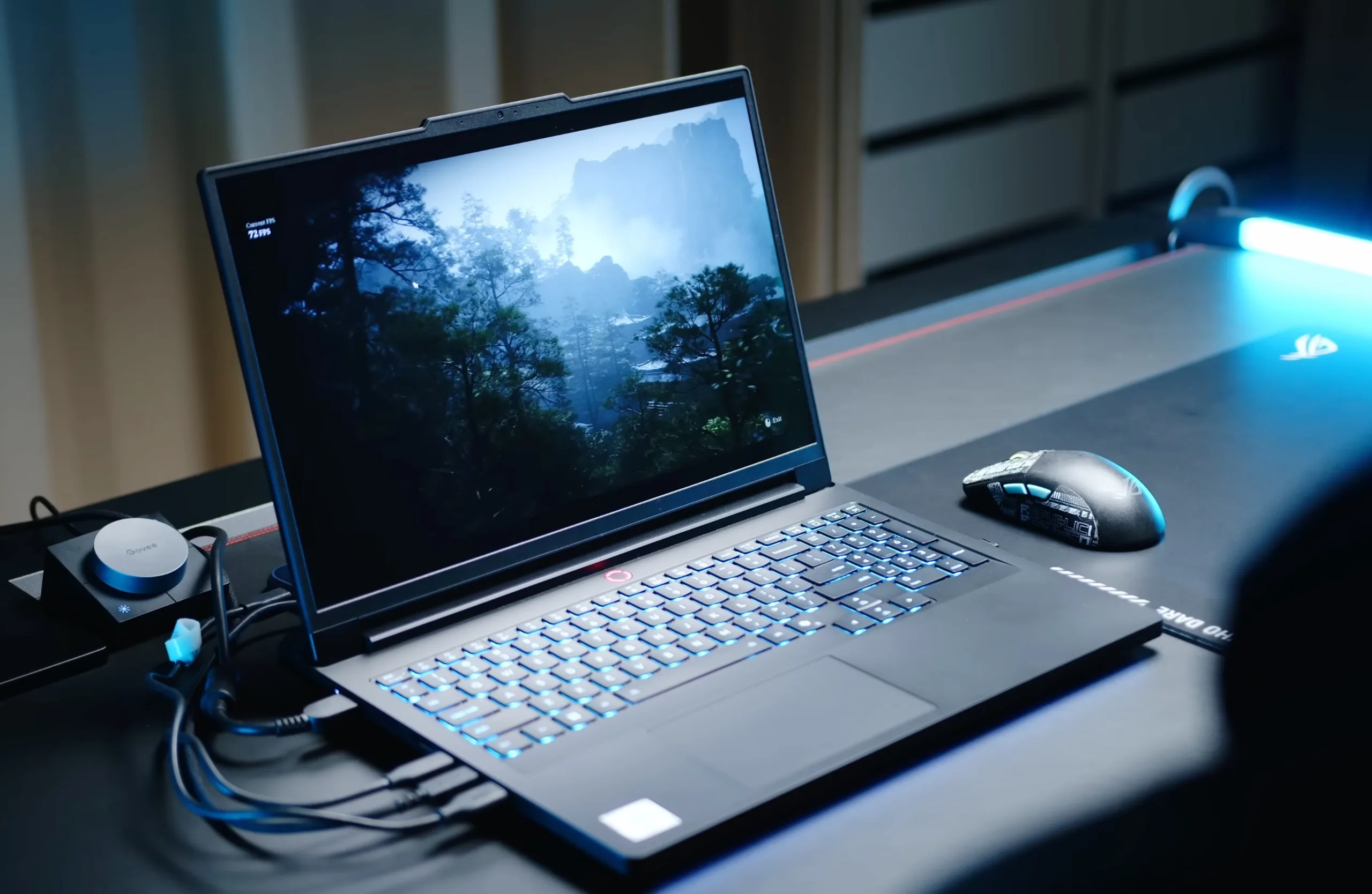
      To be more precise, the New York City-based online shop has marked down the Legion Pro 7i with an Intel Core Ultra 9 275HX and Nvidia GeForce RTX 5080 Laptop dGPU with 16GB VRAM to $2,499 including free shipping. Therefore, this sale offers savings of $1,000 or almost 30% compared to the usual price point of $3,499.

      Specifications and Hardware Details

      This model variant also comes with 32GB DDR5 RAM and a 2TB SSD, in addition to the 1600p OLED panel with 240Hz and 100% DCI-P3 colors as well as 500 nits of brightness in SDR mode. Despite the price reduction, prospective buyers should make sure to read our detailed review and YouTube video before spending a lot of money on their new Lenovo gaming laptop. We tested an almost identical RTX 5080 configuration, which means that almost all of our benchmarks apply to this SKU as well.

      Performance Insights and User Considerations

      For instance, we found that the Legion Pro 7 performs very well in terms of CPU and GPU performance, but we also praised the keyboard and the excellent OLED screen, which can hit almost 1,000 nits when playing HDR content or games. Despite these strong suits, we noted that the included 400-watt power supply is very bulky, which means that this 16-inch laptop might not be the best choice for gamers who travel frequently.

      That being said, the massive PSU is certainly needed considering the Legion Pro 7i needs a lot of power and gets quite hot under full load. All things considered, this gaming notebook deal is likely best suited for buyers who prioritize performance over portability and are in the market for a future-proof RTX 5080 machine with a vibrant OLED display.

      • Disclaimer: Notebookcheck is not responsible for price changes carried out by retailers. The discounted price or deal mentioned in this item was available at the time of writing and may be subject to time restrictions and/or limited unit availability.

      Final Note on Availability

      B&H Photo Video is the retailer offering this current deal at the moment and it looks like a solid opportunity for folks needing raw power without breaking the bank too badly.

      Sources