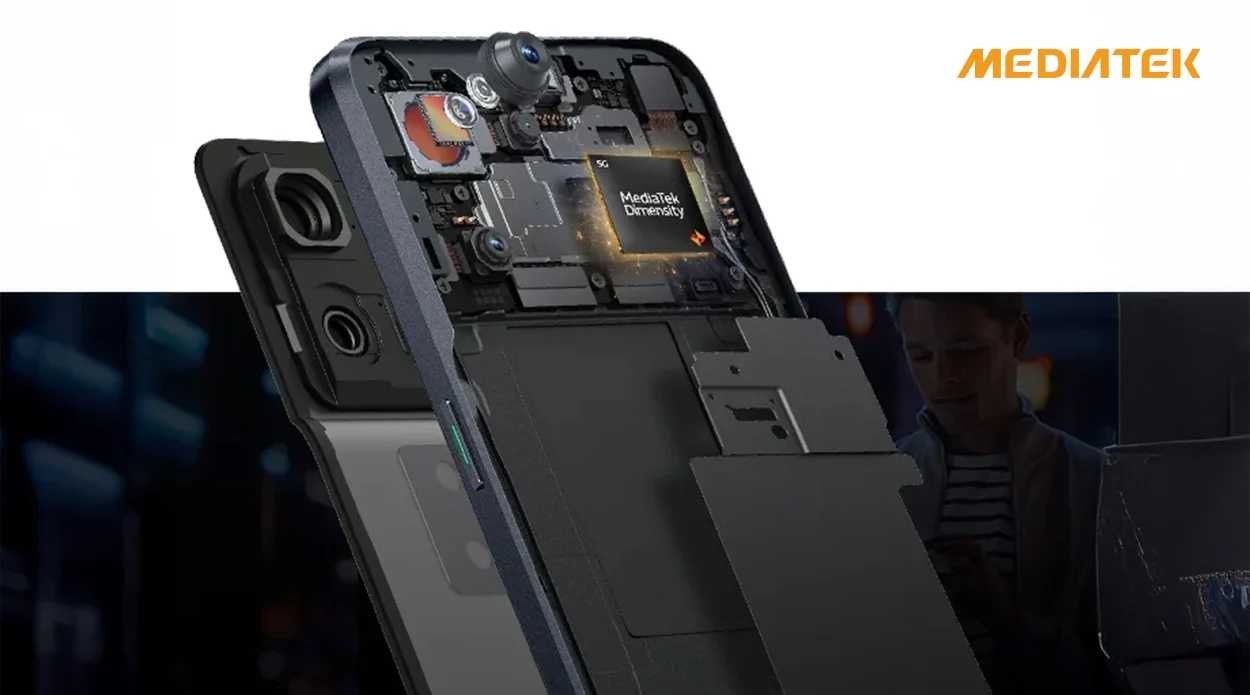
Tag: MediaTek Dimensity 9600

  • OPPO Find X10: First Android with 100MP Square Selfie Camera

    OPPO Find X10: First Android with 100MP Square Selfie Camera

    Key Takeaway

    – OPPO Find X10 series may feature a 100MP square (1:1) front camera sensor, a first for Android.
    – The sensor is custom Samsung-made, around 1/2.5 inches, and could be paired with MediaTek’s 2nm Dimensity 9600 chipset.
    – Square sensor design offers more flexible cropping for both vertical and horizontal content, ideal for video calls, group selfies, and live streaming.
    – OPPO’s approach mirrors Apple’s Center Stage on iPhone 17, but with much higher resolution (100MP vs 24MP) for greater digital zoom flexibility.


    Exclusive OPPO Find X10 Series Leaked with 100MP Square Selfie Camera

    Tipster Digital Chat Station has revealed that the upcoming OPPO Find X10 series is being tested with the new 100MP square-format selfie camera sensor. If released commercially, it could be the first Android smartphone lineup to feature a 1:1 square front camera sensor design. According to the leak, the setup uses a custom Samsung-made 100MP sensor of around 1/2.5 inches. The tech is said to be in testing for a future device that will be powered by MediaTek’s upcoming 2nm Dimensity 9600 chipset, which should debut inside the Find X10 family.

    How a Square Sensor Changes Selfies

    Most selfie photos and social media content are shot in portrait orientation, so traditional front cameras are typically designed for vertical framing. A square sensor (1:1) changes all that, providing a wider field of view that can be cropped more flexibly for vertical and horizontal content. That may come in handy in video calls, group selfies, live streaming, and creator-centric content where users tend to flip between orientations. Rather than having to rotate the phone or aggressively crop the picture, the sensor can keep more of the original frame.

    Comparing OPPOs Approach to Apples

    Apple has also taken a similar route with its Center Stage-style front camera system on the iPhone 17 series, although Apple’s implementation is said to use a lower-resolution 24MP sensor. OPPO seems to be working on a much higher resolution model with the aim of providing maximum flexibility and digital zoom options. Digital Chat Station on Weibo

    Sources
  • 2nm AI Phone SoC to Outperform iPhone 18 Pro and Galaxy S27 Ultra

    2nm AI Phone SoC to Outperform iPhone 18 Pro and Galaxy S27 Ultra

    Key Takeaway

    1. The MediaTek Dimensity 9600 is set to be a flagship 2nm SoC, competing with Apple A20 Pro and Snapdragon 8 Elite Gen 6.
    2. It features a 2+3+3 all-big core CPU architecture aimed at achieving industry-leading single-core performance.
    3. The GPU is expected to be a significant strength, potentially outperforming rivals.
    4. The first phones with the Dimensity 9600 are expected in fall 2026, with an OpenAI smartphone possibly launching in late 2026 or early 2027.

    Upcoming Tech Battle in 2026

    As the year 2026 gets closer, tech enthusiasts eagerly anticipate the ongoing showdown among flagship SoCs from Android and Apple, but this time, OpenAI’s upcoming smartphone might shake things up even more. This new player, influenced by leaked insights from a known tech tipster, will feature MediaTek’s latest creation, the Dimensity 9600, targeting premium markets with impressive specs. The phone will likely be a special device with AI-enhanced features, aligning with OpenAI’s focus on artificial intelligence and advanced user experiences.

    Specs and Performance Targets

    “MediaTek’s new Dimensity 9600,” which is destined to power some high-profile smartphones like Oppo Find X10 Pro and Vivo X500, is built on a super efficient 2nm process technology. This process helps in achieving faster performance and better power efficiency. The chip’s architecture is said to follow a 2+3+3 big core CPU setup, which should deliver extraordinary single-core powered performance, potentially rivaling Apple’s latest A-series chips. The aim is to beat or match Apple’s benchmark scores, with each core optimized for speed and efficiency.”

    Graphics and Additional Features

    Moving beyond the CPU, there’s buzz about the Dimensity 9600’s GPU. Observers believe it could be the real standout, possibly surpassing competitors that use the same 2nm tech. The boost in graphics processing power will likely fill new devices with smoother animations, faster rendering, and enhanced gaming or AI tasks. Industry insiders suggest that MediaTek is making a bold move to push its GPU technology forward, which might give the upcoming phones a distinct edge in visual processing and AI-driven applications.

    Launch Timeline and Market Impact

    The first smartphones featuring the Dimensity 9600 are expected to appear in fall 2026. This timeframe aligns with the release plans of other top-tier flagships like the Snapdragon 8 Elite Gen 6-powered models and Apple’s iPhone 18 Pro. The competition will be fierce, as each company aims to showcase their latest innovations to consumers and tech lovers worldwide. Meanwhile, OpenAI’s smartphone, possibly running a specially tailored version of the Dimensity 9600, is projected to debut in late 2026 or early 2027, bringing AI and smartphone tech closer together than ever before.

    Sources
  • MediaTek Dimensity 9600 Pro Smartphone CPU to Reach 5 GHz and Boost Performance

    MediaTek Dimensity 9600 Pro Smartphone CPU to Reach 5 GHz and Boost Performance

    Key Takeaway

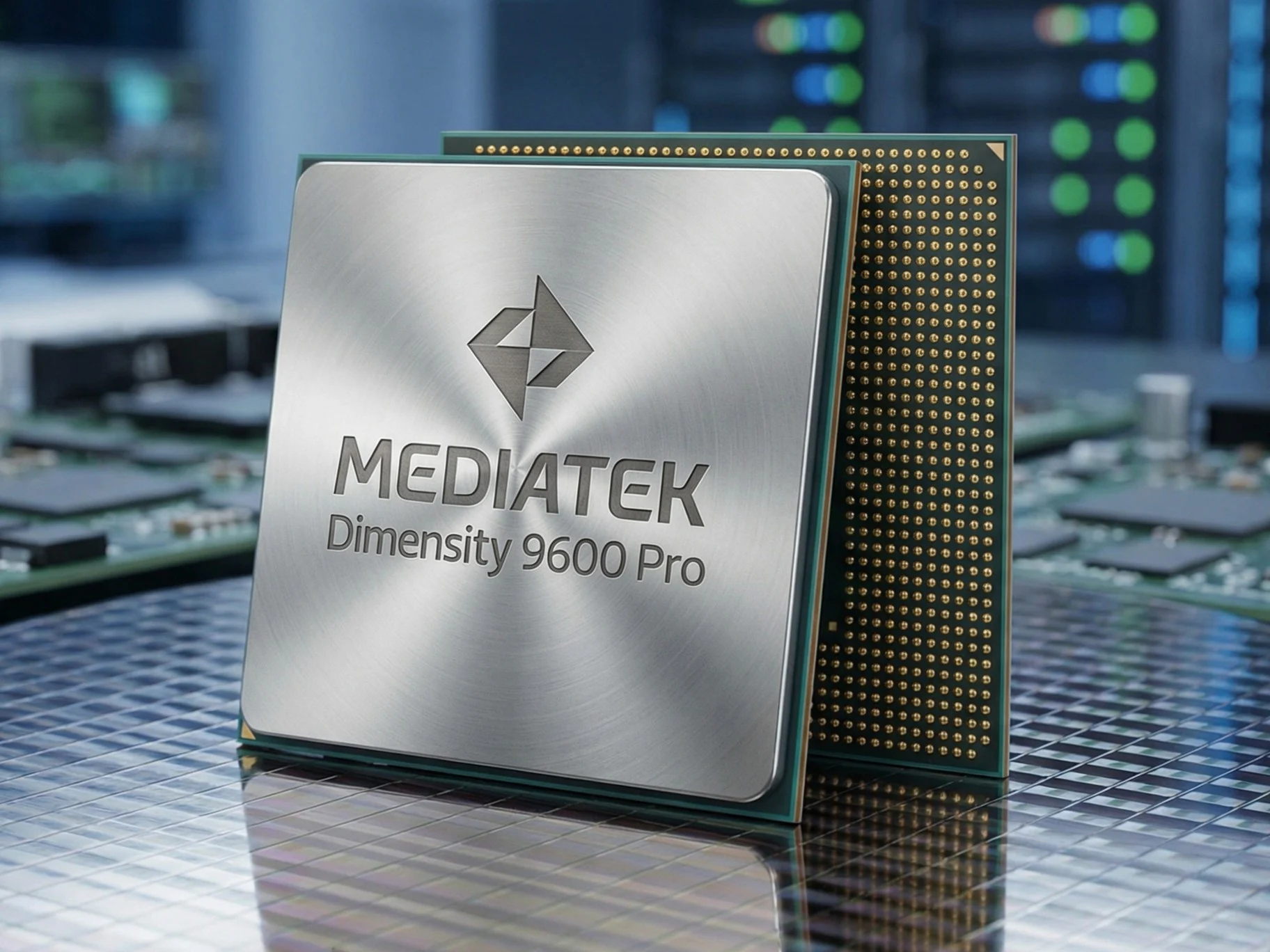
    1. MediaTek may release a Dimensity 9600 Pro with dual “super cores” capable of reaching 5 GHz, aiming to match Qualcomm’s Snapdragon 8 Elite Gen 6 Pro.
    2. The Pro version is expected to have overheating issues during testing, possibly requiring advanced cooling solutions like vapor chambers or active fans.
    3. The Pro chip might be designed for high-performance applications beyond smartphones, such as handheld consoles, depending on cooling feasibility.

    Latest Rumors About MediaTek Dimensity 9600 Series

    There are some new speculations from China about MediaTek possibly rolling out multiple versions of their Dimensity 9600 smartphone chip. Of course the regular model has one high-performance core, but now there’s talk about a pro version that could have two “super cores”. This upgraded core setup might be capable of desktop PC like speeds, putting it in the same league with Qualcomm’s Snapdragon 8 Elite Gen 6 Pro. But there is a catch; the company needs to come up with a good cooling solution for this powerhouse.

    Potential Performance Boost and Fabrication Details

    This leak was shared by the Digital Chat Station account on Weibo, and it suggests those two high-performance cores could reach up to 5 GHz, which is kinda impressive! Most probably, this is achievable because of the new TSMC N2P manufacturing process MediaTek is likely to use for the chip. Still, the initial testing indicates the chip gets pretty hot, and that might cause issues unless advanced cooling tech is applied.

    Cooling Challenges and Possible Solutions

    According to some reports, the Dimensity 9600 Pro might need elaborate cooling tech — stuff like vapor chambers, liquid cooling, or even tiny active fans! If not, the chip could throttle itself back to around 4 GHz to prevent overheating, which would be kinda disappointing. The necessity of bulky cooling systems could also limit where this chip can go, maybe beyond smartphones into handheld gaming devices if cooling units become too large.

    Specifications and Future Usage

    As mentioned previously, the Dimensity 9600 Pro would feature a 2+3+3 ARM CPU cluster configuration. Meanwhile, the non-Pro model is expected to stick with just one “super core” but at lower boost speeds. Whether a smaller, more practical cooling approach can be found remains to be seen because the pro version might be too chunky for regular smartphone designs but perfect for gaming consoles if cooled efficiently.

    Sources
  • MediaTek Launches 2nm Chip Using TSMC Technology

    MediaTek Launches 2nm Chip Using TSMC Technology

    Key Takeaways

    1. Samsung is developing the Exynos 2600 chipset for the Galaxy S26 lineup, with unverified reports about its 2-nanometer technology.
    2. MediaTek has completed its first flagship SoC using TSMC’s new 2-nanometer technology, with mass production starting by the end of next year.
    3. TSMC’s 2-nanometer process uses nanosheet transistors, offering improved performance, efficiency, and yield compared to previous technologies.
    4. The first MediaTek products utilizing 2-nanometer technology, including the Dimensity 9600, are expected to launch by late 2026, with Oppo’s Find X10 series as a likely early adopter.
    5. Qualcomm may announce plans for 2-nanometer technology at the Snapdragon Summit 2025, with the Snapdragon 8 Elite Gen 6 anticipated by the end of 2026.


    Word has spread through a South Korean news source that Samsung is already in the process of making the Exynos 2600 chipset for the upcoming Galaxy S26 lineup. MediaTek, not wanting to be overshadowed, quickly issued an official statement in response.

    MediaTek’s New Chip Announcement

    The Taiwanese semiconductor company revealed that it has finished its first flagship SoC (System on a Chip), which is built on TSMC’s (Taiwan Semiconductor Manufacturing Company) new 2-nanometer tech. Mass production is set to kick off by the end of next year. Both Samsung and MediaTek are collaborating on chip development for mobile devices, computers, vehicles, and data centers, prioritizing high efficiency and low energy use.

    TSMC’s Innovative Technology

    TSMC’s 2-nanometer process is groundbreaking as it employs nanosheet transistors, enhancing performance, efficiency, and yield. In comparison to the N3E technology, the logic density is expected to rise by a factor of 1.2, while both performance and power consumption will see significant improvements. The initial MediaTek products that incorporate this innovation should launch by late 2026. Oppo is expected to be among the earliest smartphone brands to feature the MediaTek Dimensity 9600 in its Find X10 series.

    Qualcomm’s Future Plans

    So far, Qualcomm hasn’t made any formal announcements related to 2-nanometer chips. There might be some updates at the Snapdragon Summit 2025, scheduled for Tuesday (September 23). Regardless, it appears that the California-based company may adopt 2-nanometer technology in the Snapdragon 8 Elite Gen 6, likely by the end of 2026.

    As of now, the announcement regarding the Exynos 2600’s 2-nanometer tech hasn’t been officially verified, but various reliable media sources have confirmed this information. Samsung Foundry is currently feeling a strong need to act after the issues faced with the Exynos 2500.

    Source:
    Link


  • TSMC 2nm Nodes: Hidden Risks for Apple, MediaTek, Qualcomm 2027

    TSMC 2nm Nodes: Hidden Risks for Apple, MediaTek, Qualcomm 2027

    Key Takeaways

    1. Apple’s upcoming A20 chipsets will utilize 2 nm nodes, moving from the previous 3 nm nodes in A18 and A19 models.
    2. The shift to 2 nm wafers could provide a 15% performance boost without increasing power consumption.
    3. Qualcomm plans to implement similar 2 nm nodes for their Snapdragon 8 Elite 3 chipset.
    4. TSMC’s production of 2 nm nodes is significantly more expensive, likely leading to higher prices for upcoming flagship devices.
    5. MediaTek is expected to introduce the Dimensity 9600 as their first 2 nm chipset, following the Dimensity 9500 and 9500+ models.


    The news about TSMC’s N2 manufacturing process being embraced by major smartphone companies is well-known. Nevertheless, Digital Chat Station has shared fresh perspectives on how this new technology might influence future flagship devices. To summarize, Economic Times Daily mentioned at the end of last month that Apple’s upcoming A20 chipsets will utilize 2 nm nodes, marking a shift from the 3 nm nodes found in the A18 and A19 models.

    Performance Enhancements

    It appears that moving from 3 nm to 2 nm wafers could provide a 15% boost in performance within the same package size, all without increasing power consumption. Shortly after, Digital Chat Station indicated that Qualcomm plans to implement similar nodes for their Snapdragon 8 Elite 3, codenamed ‘SM8950’.

    Future Predictions

    Currently, the leaker maintains that 2026 is the expected launch period for these new chipsets. They have also included MediaTek among the firms that will adopt TSMC’s N2 nodes. Additionally, Digital Chat Station claims that producing this new node is costing TSMC ‘significantly’ more than the older 3 nm versions. It is expected that these increased costs will be transferred to consumers, leading to higher prices for upcoming flagship models like the Apple iPhone 18, Oppo Find X10, Samsung Galaxy S27, and Vivo X400 series, to name a few.

    MediaTek’s Plans

    According to MediaTek’s existing launch timeline, the company is set to release the Dimensity 9500 this fall, followed by a refresh with the Dimensity 9500+ in the spring of 2026. In past years, MediaTek’s mid-cycle updates have typically offered only slight enhancements, such as the Dimensity 9300+ found in devices like the Galaxy Tab S10 Plus (currently priced at $849.99 on Amazon). Therefore, it is likely that the first chipset based on 2 nm technology from MediaTek will actually be the Dimensity 9600 instead of the Dimensity 9500+.

    Source:
    Link