Category: All News

  • Ahead of its release, the Samsung Galaxy Fit 3 has been sighted on the Bureau of Indian Standards website

    Ahead of its release, the Samsung Galaxy Fit 3 has been sighted on the Bureau of Indian Standards website

    Samsung Galaxy Fit 3 Emerges on Certification Website

    The Samsung Galaxy Fit 3, a highly anticipated smart band, has made an appearance on the Bureau of Indian Standards (BIS) certification website. This development comes after recent renders of the device were leaked, providing an initial glimpse into its design. While the BIS certification does not disclose any specific details about the smart band’s specifications, it does indicate that the authorities have approved its potential future launch in India.

    A Sleek and Stylish Design

    Although comprehensive information about the Galaxy Fit 3’s specifications is currently unavailable, some details about its design have been revealed. Notably, the smart band boasts a larger display capsule compared to its predecessor, enhancing its visual appeal. The device features a sleek metallic design, adding a touch of sophistication. Additionally, the traditional watchband has been replaced by non-removable straps, resulting in a more streamlined build. A button is situated on the right edge of the smart band, although its exact function remains undisclosed.

    Color Options and Potential Operating System Update

    Leaked renders of the Galaxy Fit 3 suggest the possibility of a rose gold variant with a light pink strap, indicating that there may be multiple color options available upon its launch. Furthermore, there are speculations that Samsung might transition from the previous rtOS-based system to the Android operating system for the Galaxy Fit 3. This potential update could unlock additional features and capabilities for the smart band.

    Health Tracking and Global Launch

    In terms of health tracking capabilities, the Galaxy Fit 3 incorporates an optical heart rate monitoring sensor on its back. This feature allows users to conveniently monitor their heart rate during various activities. The smart band utilizes Pogo pins for charging, ensuring a hassle-free charging experience.

    Furthermore, the Galaxy Fit 3 was also spotted in documents filed with the Federal Communications Commission (FCC) a couple of months ago. This discovery suggests that Samsung is preparing for a global launch of the smart band in the near future.

    As of now, further information about the Samsung Galaxy Fit 3 remains undisclosed. However, with its appearance on the BIS certification website, excitement continues to build among tech enthusiasts and fitness enthusiasts alike. Stay tuned for more updates on this highly anticipated smart band.

  • Electric Vehicle Fueling Cost Estimation

    Electric Vehicle Fueling Cost Estimation

    Analyzing the Expenses Involved in Powering Electric Cars

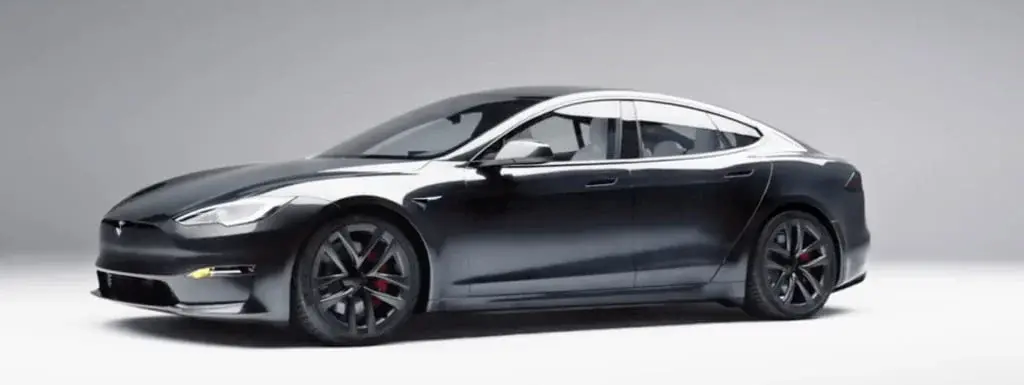
    The discourse concerning electric vehicles (EVs) traditionally revolves around their positive impact on the environment and the collective drive towards a sustainable future. Nonetheless, a recent investigation has shed light on a different dimension of EVs – their fueling expenses. As per this research, the cost of fueling an electric vehicle equates to approximately $17 per gallon, prompting a more profound comprehension of EV ownership.

    Unveiling the Actual Fueling Expenses of an EV

    Initially, this cost might appear significantly higher when compared to the standard gasoline prices. Nevertheless, this juxtaposition is not so straightforward. The cost per gallon for EVs does not directly correlate with the typical gallons utilized by gasoline vehicles. Instead, it signifies the financial outlay for the electricity necessary to cover the equivalent distance that one gallon of gasoline would propel a conventional car.

    Grasping the Operational Expenditures

    This particular calculation is pivotal in grasping the genuine expenses associated with running an EV. Despite the fact that the initial buying price of electric vehicles could surpass that of their gasoline-powered counterparts, their operational costs, primarily propelled by fueling, are frequently lower. Electricity, as a fuel source, tends to be comparatively more cost-effective than gasoline, and EVs exhibit higher energy efficiency levels compared to internal combustion engine vehicles. Moreover, the pricing of electricity can fluctuate significantly across different regions, with time-based rates potentially influencing the cost of charging an EV.

    Innovations in Battery Technology and Charging Network

    Additionally, the discoveries of the research emphasize the significance of progressing battery technology and the charging network. Enhancements in battery efficiency and accelerated charging durations have the potential to curtail the overall expenses associated with operating an EV. Furthermore, with the escalating prevalence and declining costs of renewable energy sources, the cost of charging EVs might further diminish, rendering them even more economically viable in the long haul.

    Factors to Deliberate for Consumers and Decision-Makers

    For consumers, comprehending the actual expenses involved in fueling EVs is vital when contemplating the transition from gasoline-powered vehicles. Despite the initial surprise sparked by the $17 per gallon value, an in-depth examination demonstrates that EVs could potentially offer superior cost-effectiveness over their lifespan. As for policymakers and key industry actors, these conclusions stress the necessity for continued investments in EV infrastructure and technology to render electric mobility a more appealing and feasible alternative for a broader spectrum of consumers.

    In summation, the initial expense of fueling electric vehicles may seem exorbitant in comparison to gasoline vehicles. Nevertheless, a profound insight into the financial calculation and operational expenditures elucidates that EVs could prove to be more economical over time. The advancements in battery technology and charging infrastructure will likely further bolster the affordability of EVs. As the globe progresses towards a more sustainable trajectory, backing EVs and their corresponding infrastructure stands as a critical component to encourage widespread acceptance of electric mobility.

  • China’s High-Tech Manufacturing Investment Expands from EVs to Semiconductors

    China’s High-Tech Manufacturing Investment Expands from EVs to Semiconductors

    China’s Strategic Investment in High-Tech Manufacturing

    China is making strategic investments in high-tech manufacturing sectors as part of its broader agenda to upgrade its manufacturing capabilities. This move highlights China’s commitment to technological advancement and innovation. The country aims to transition from being the world’s factory of basic goods to becoming a hub for advanced technology products. This shift towards producing high-end electronics, semiconductors, and electric vehicles demonstrates China’s ambition to lead the global technology race and achieve technological self-sufficiency.

    China’s Ambition in High-Tech Manufacturing

    The Chinese government’s decision to invest in high-tech manufacturing sectors is a clear indication of its ambition to transition from being the world’s factory of basic goods to a hub for advanced technology products. This shift towards producing high-end electronics, semiconductors, and electric vehicles is a strategic move aimed at propelling the country to the forefront of the global technology race. It also reflects China’s efforts to achieve technological self-sufficiency, especially in the wake of global supply chain challenges and geopolitical tensions.

    Impact on Global Markets

    However, the surge in high-tech manufacturing raises concerns about the potential impact on global markets. The influx of affordable, high-tech products from China could reshape market dynamics and intensify competition, particularly in sectors like electric vehicles where China is rapidly expanding its footprint. This development poses both opportunities and challenges for global tech companies and economies, prompting them to rethink their strategies in the face of China’s technological ascent.

    Vivo’s X100 Series Smartphones

    Simultaneously, Vivo, a leading tech company, is planning to unveil its highly awaited X100 series smartphones. The series, including the Vivo X100, X100 Pro, and X100 Pro+, is expected to feature MediaTek’s upcoming Dimensity 9300 chipset, signifying a significant step forward in smartphone technology. The launch of these models is not just a milestone for Vivo but also a testament to China’s growing capabilities in cutting-edge consumer electronics. The X100 series smartphones are already breaking pre-order records across China, highlighting China’s growing influence in the tech sector.

    China’s Technological Advancements

    These developments in China’s tech sector, from high-tech manufacturing to innovative consumer products, underscore the country’s ambition to lead in technological innovation. They reflect a strategic shift in China’s approach to technology development, focusing on creating a robust ecosystem that supports the entire value chain from production to innovation. As China continues to advance its technological prowess, it is poised to play an increasingly influential role in shaping the future of global technology.

  • Rumors suggest OnePlus Watch 2 to bring hope with WearOS 4 integration

    Rumors suggest OnePlus Watch 2 to bring hope with WearOS 4 integration

    OnePlus Watch 2: A Second Chance at Success

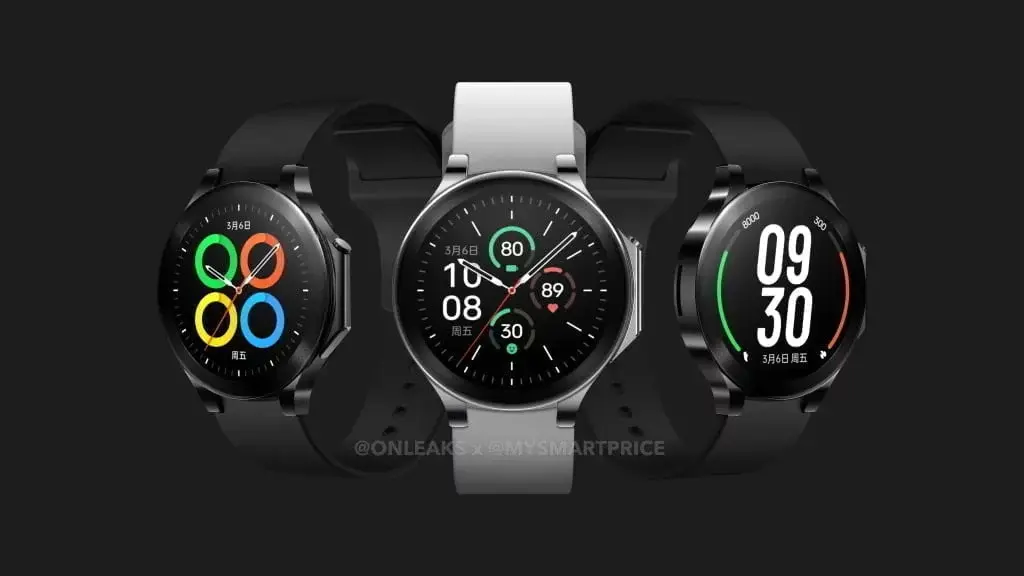
    After the lukewarm reception of the initial OnePlus Smartwatch earlier this year, OnePlus is determined to make a mark in the premium smartwatch market. A recent report shed light on the renders and specifications of the upcoming OnePlus Watch 2, revealing the brand's efforts to improve upon its predecessor.

    A Shift in Operating System

    One of the main criticisms of the first OnePlus Smartwatch was its reliance on an RTOS-based custom operating system. This limited the smartwatch's functionality and app support, leading to its unpopularity. However, there is now some hope for the Watch 2.

    Renowned tipster Max Jambor recently tweeted that the OnePlus Watch 2 will be powered by the WearOS 4 operating system. This aligns with leaked information about the inclusion of a Qualcomm Snapdragon W5 Gen 1 chipset. Opting for WearOS is a logical choice, as it offers a comprehensive operating system with a wide range of features.

    The Advantages of WearOS

    WearOS provides an extensive set of features, including Google Assistant, Google Maps, and access to the Google Play Store. It offers compatibility with both Android and iOS devices, allowing users to seamlessly connect their smartphones with the smartwatch. This opens up a world of possibilities with numerous third-party applications available for download.

    In contrast, RTOS serves as a lightweight operating system primarily used in fitness-centric smartwatches. It prioritizes simplicity and cost-effectiveness over advanced features and app support.

    A Promising Future

    By embracing WearOS for the OnePlus Watch 2, OnePlus aims to address the shortcomings of its previous smartwatch. This move indicates a commitment to delivering a more versatile and user-friendly experience. The inclusion of the Snapdragon W5 Gen 1 chipset further reinforces the brand's intention to compete in the premium smartwatch market.

    While pricing and specific details are yet to be revealed, the shift to WearOS is a positive sign for potential buyers. It suggests that OnePlus has listened to customer feedback and is determined to provide a smartwatch that meets the expectations of tech enthusiasts.

    As we await further updates on the OnePlus Watch 2, it seems that OnePlus is on the right track to redeem itself in the smartwatch market. With the combination of WearOS and powerful hardware, the OnePlus Watch 2 holds the promise of delivering a compelling smartwatch experience for users.

  • Samsung considers implementing 3D chiplet technology in Exynos mobile APs

    Samsung considers implementing 3D chiplet technology in Exynos mobile APs

    Samsung Considers 3D Chiplets for Exynos Mobile APs

    Samsung Electronics is reportedly considering the application of 3D chiplet technology to its Exynos mobile application processors (APs). According to a company official familiar with the matter, Samsung believes that there are significant benefits to be gained from this technology.

    The Advantages of Chiplets

    Chiplets are a next-generation packaging technology that involves manufacturing semiconductors with different functions and vertically connecting them into a single chip. This approach offers several advantages over the traditional monolithic method.

    One key benefit of chiplets is improved yield. In the case of a problem occurring in a specific circuit on a monolithic chip, the entire chip must be discarded. However, with chiplets, only the affected component needs to be replaced.

    Another advantage is increased design efficiency. When a change needs to be made to a particular circuit on a monolithic chip, the entire design must be redone. With chiplets, only the specific circuit that needs to be changed requires redesign.

    Gaining a Competitive Edge

    The move to chiplets is driven by Samsung's desire to gain a competitive edge in the mobile AP market. Currently, Qualcomm holds the largest market share, followed by Apple and MediaTek. Samsung's Exynos APs have struggled to gain traction, leading the company to use Qualcomm's Snapdragon 8 Gen 2 chip in its flagship Galaxy S23 smartphone series.

    By implementing 3D chiplets, Samsung aims to differentiate its Exynos APs. Vertical stacking of chips through 3D packaging can reduce overall package size, increase bandwidth, and improve power efficiency. These advantages could make Exynos APs more competitive with offerings from Qualcomm and Apple.

    Chiplet Technology Across the Industry

    Samsung is not alone in exploring chiplet technology. Other major players in the industry, such as NVIDIA, AMD, and Intel, are also incorporating chiplets into the development of system semiconductors for high-performance computing (HPC).

    In conclusion, Samsung's consideration of 3D chiplets for its Exynos mobile APs reflects the company's pursuit of improved performance and competitiveness in the market. With the potential benefits that chiplet technology offers, Samsung aims to enhance its position in the mobile AP industry and provide users with more efficient and powerful devices.

  • Oppo Find N3 and Find N3 Flip: Attain 1M-Fold Certification!

    Oppo Find N3 and Find N3 Flip: Attain 1M-Fold Certification!

    Oppo Obtains TUV Rheinland Endorsement for Foldable Mobile Devices

    Oppo, a significant contender in the smartphone realm, recently garnered attention for the launch of the Find N3 Flip and Find N3 smartphones, both of which showcase revolutionary foldable screens. To ensure the sturdiness of these state-of-the-art gadgets, Oppo pursued validation from TUV Rheinland, a renowned testing entity.

    TUV Rheinland Certification

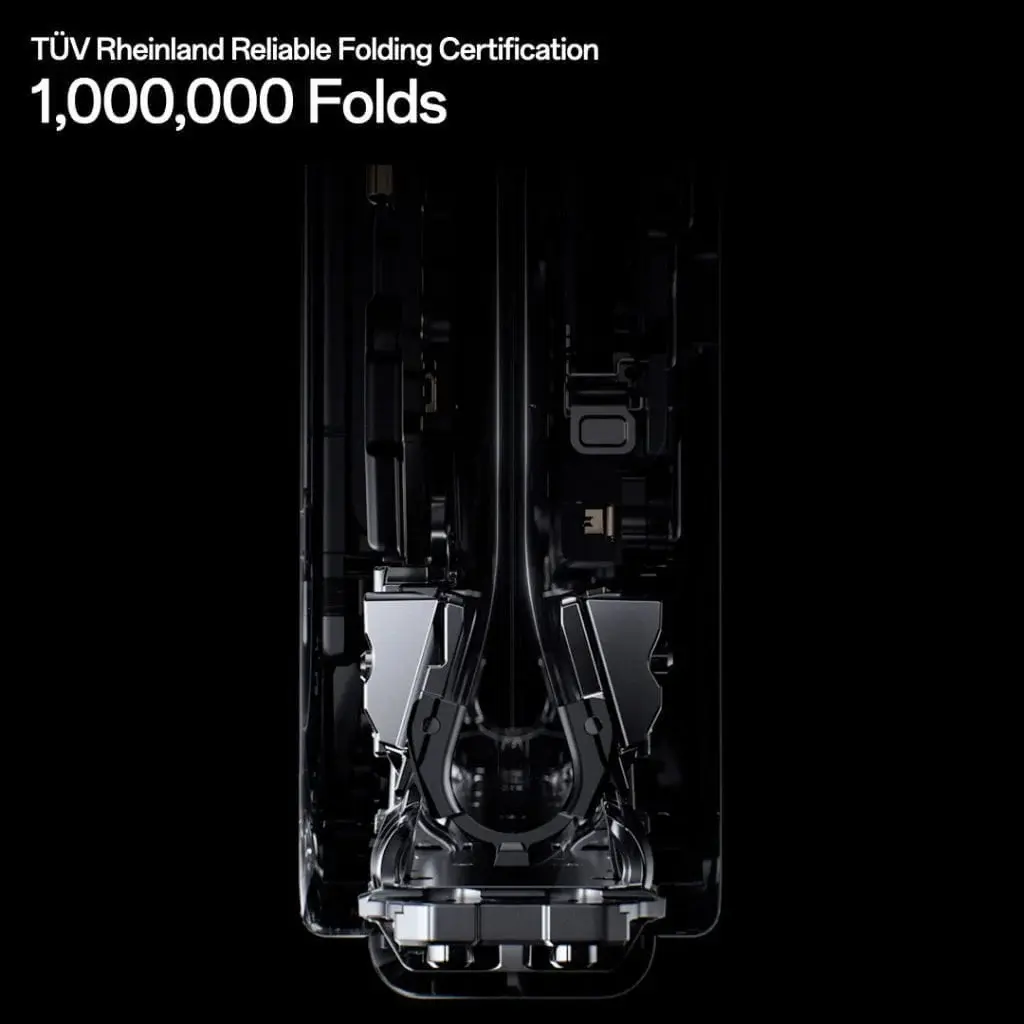
    A formal nod has been granted to Oppo by TUV Rheinland, certifying that both the Find N3 Flip and Find N3 gadgets can endure a minimum of 1 million folds. This certification serves as a testament to the endurance of the phones’ movable parts, offering a sense of security to users. Interestingly, upon the initial introduction of the Find N3 Flip, Oppo had stated that the device could withstand 600,000 folds, equating to opening and shutting the phone a hundred times daily, suggesting a lifespan exceeding 16 years. However, recent findings from TUV Rheinland indicate that the devices can surpass that threshold, outlasting the practical life expectancy of smartphones owing to continual technological progressions.

    Oppo Find N3 Specifications

    The Oppo Find N3 comes packed with remarkable specs. It flaunts a 7.82-inch foldable OLED inner display boasting a 2K resolution and is energized by the Snapdragon 8 Gen 2. Operating on ColorOS 13.2 derived from Android 13, the device is furnished with a robust 4,805mAh battery supporting 67W fast charging. Camera-wise, the Find N3 presents a 48-megapixel primary rear sensor, a 32-megapixel front camera, and a 64-megapixel periscope lens.

    Oppo Find N3 Flip

    In contrast, the Oppo Find N3 Flip exhibits a 6.8-inch LTPO screen with a 120Hz refresh rate. Its triple rear camera arrangement includes a 50MP OIS-enabled main sensor. Powered by a Dimensity 9200 processor and boasting 12GB of RAM and 256GB of storage, the Flip operates on Android 13, offering a commitment to four years of OS updates, ensuring users can relish the newest features and security upgrades for an extended duration.

    In summary, Oppo’s Find N3 Flip and Find N3 smartphones have obtained formal validation from TUV Rheinland, ensuring their robustness and longevity. With their remarkable specifications and avant-garde features, these gadgets present an enticing choice for technology enthusiasts seeking cutting-edge smartphones.

  • Possible Launch of Oppo Pad Air 2 alongside Reno 11 and Reno 11 Pro

    Possible Launch of Oppo Pad Air 2 alongside Reno 11 and Reno 11 Pro

    The alleged Oppo Pad Air 2 tablet, which received radio certification in China back in July, is rumored to be launching soon. Initially, there were speculations that it might debut alongside the Find N3 Flip, which was released in August. However, it did not launch alongside either the Find N3 Flip or the Find N3, which were officially announced in October. Now, there are reports suggesting that the Oppo Pad Air 2 may debut alongside the Reno 11 series of smartphones.

    Oppo Pad Air 2 launch timeframe tipped

    According to a recent report, Oppo is expected to announce the Reno 11 series of smartphones on November 23 in China. However, this information has not been officially confirmed by the brand. In response to this claim, tipster Digital Chat Station hinted that the Pad Air 2 could also be launched this month, possibly alongside the Reno 11 series.

    It is worth noting that a newer leak suggests that the Reno 11 series launch has been delayed and is now expected to take place in early December. This means that there is a possibility that the Pad Air 2 may be launched after the Reno 11 lineup in the coming month.

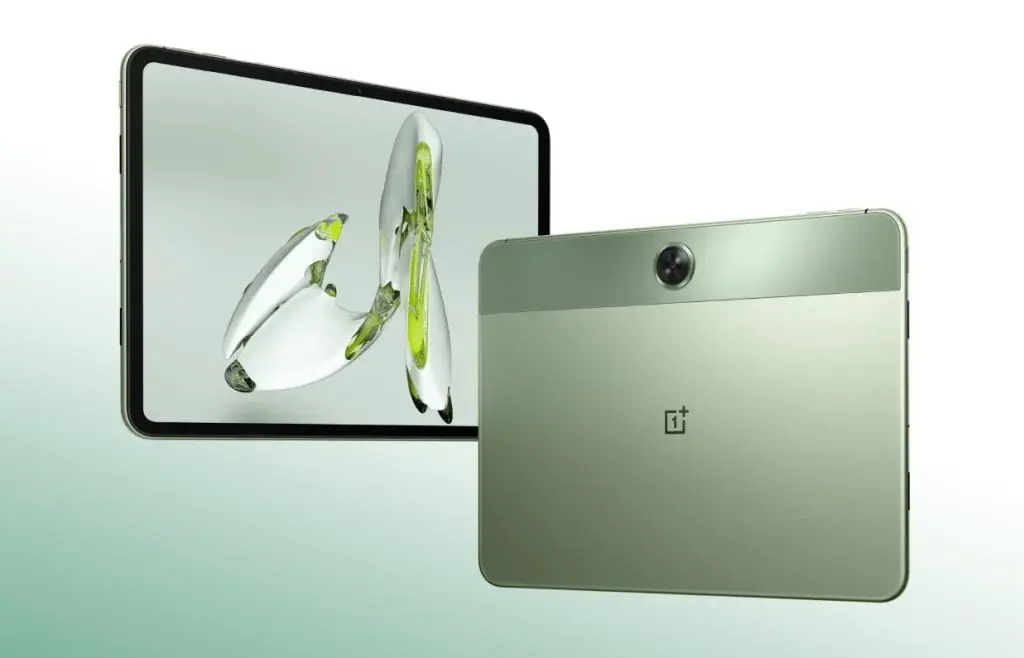
    OnePlus Pad Go rebranded as Oppo Pad Air 2?

    In October, OnePlus unveiled the OnePlus Pad Go in the global market. Reports suggest that this device will be rebranded as the Oppo Pad Air 2 in China. Here are the rumored specifications of the Oppo Pad Air 2:

    Oppo Pad Air 2 specifications (rumored)

    • Display: The tablet is expected to feature an 11.35-inch display with a 2.8K resolution and a 90Hz refresh rate.
    • Processor: It is rumored to be powered by the Helio G99 chipset.
    • RAM and Storage: The tablet may come with 8 GB of RAM and either 128 GB or 256 GB of internal storage.
    • Battery: The Pad Air 2 could pack an 8,000mAh battery with support for 33W fast charging.
    • Software: It is expected to run on ColorOS 13.2 based on Android 13.
    • Cameras: The tablet may sport an 8-megapixel front camera and an 8-megapixel rear camera.

    These specifications are based on rumors and leaks, so it’s advisable to take them with a grain of salt until official information is available.

    In conclusion, the Oppo Pad Air 2 is rumored to be launching soon, possibly alongside the Reno 11 series of smartphones. It is expected to come with a large display, powerful processor, ample RAM and storage, a long-lasting battery, and a decent camera setup. As of now, there is no official confirmation regarding the launch date or pricing of the tablet.

  • Leaked: Price and Variants of Vivo X100 and X100 Pro Revealed Just Before Launch

    Leaked: Price and Variants of Vivo X100 and X100 Pro Revealed Just Before Launch

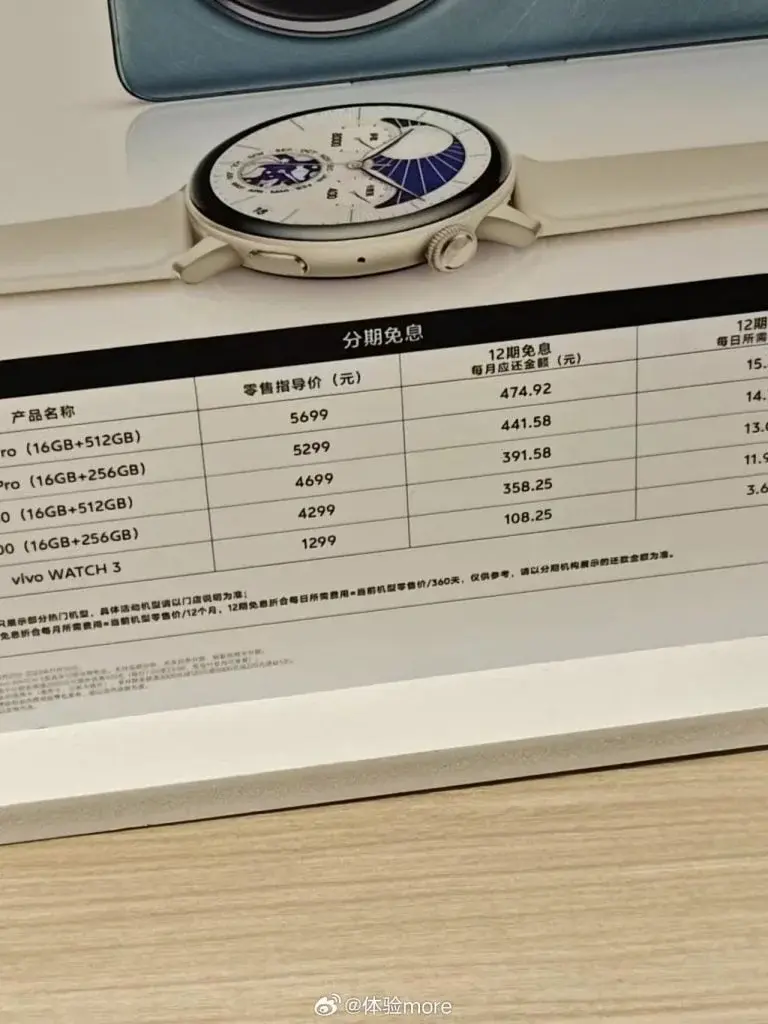
    Vivo X100, X100 Pro, and Vivo Watch 3 Prices Leaked

    Vivo is set to announce the Vivo X100, X100 Pro, and the Vivo Watch 3 in China today at 7pm local time. However, leaked information on Weibo has revealed the prices of these products. It’s important to note that the accuracy of these prices is uncertain, so it’s advisable to take the leak with a pinch of salt.

    Vivo X100 and X100 Pro Prices

    A leaked document has provided details about the variants and prices of the Vivo X100 and X100 Pro. According to the leak, the Vivo X100 will be priced at 3,999 Yuan (Rs 46,320; ~$550) for the 12GB+256GB version, and it will go up to 4,699 Yuan (Rs 54,460; ~$650) for the 16GB+512GB variant.

    On the other hand, the Vivo X100 Pro is expected to start at 4,999 Yuan (Rs 57,900; ~$700) for the 12GB+256GB model, with the price increasing to 5,699 Yuan (Rs 66,000; ~$800) for the 16GB+512GB version. Reports suggest that the X100 Pro will be available in shades such as Star Trail Blue, Sunset Orange, White Moonlight, and Cheyne Black. It seems that the X100 will also be offered in these color options.

    Vivo Watch 3 Price

    According to the leak, the Vivo Watch 3 might be priced at 1,299 Yuan (~Rs 15,050; ~$180).

    Features of Vivo X100 and X100 Pro

    The Vivo X100 and X100 Pro will be unveiled today as the world’s first phones to feature the Dimensity 9300 chipset. Both devices will also be the first smartphones to come with the latest LDDR5T RAM technology. Additionally, along with the recently announced iQOO 12 series, the Vivo X100 lineup will be the first phones from the brand to run on the newest OriginOS 4-based Android 14.

    Global Launch and Vivo X100 Pro+

    The global launch of the Vivo X100 series is expected to take place in the first half of 2024. The X100 Pro+, powered by the Snapdragon 8 Gen 3, is anticipated to debut in Q1 2024. However, it is likely that the Pro+ will remain exclusive to the Chinese market.

  • Is Poco X6 5G an Updated Version of this Phone?

    Is Poco X6 5G an Updated Version of this Phone?

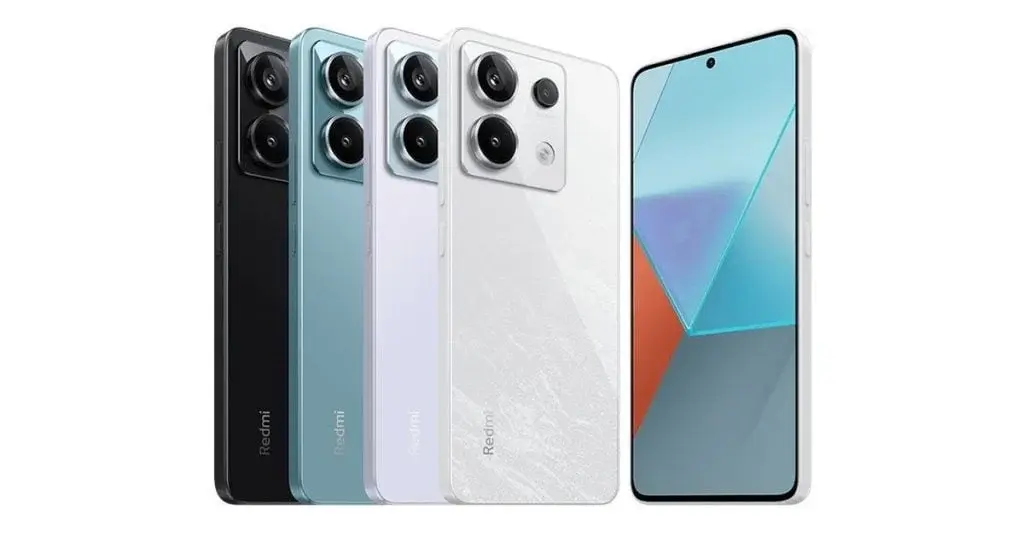
    Poco X6 5G: A Rebranded Redmi Note 13 Pro?

    Poco recently unveiled the Poco C65, an entry-level smartphone, in the global market. However, details about the brand's upcoming releases for the rest of the year remain uncertain. Speculations suggest that the Poco X6 series and the Poco F6 series could be the next offerings from the brand, with an expected debut in the first quarter of 2024. In addition, a recent leak has provided some essential information about the highly anticipated Poco X6 5G.

    According to tipster Kacper Skrzypek, the Poco X6 5G could actually be a rebranded version of the Redmi Note 13 Pro. Skrzypek previously claimed that the Redmi Note 13 Pro, initially launched in China, would be introduced to the global market under the same name. However, he also hinted that the Note 13 Pro would be rebranded as a Poco device, although the specific Poco phone name was not confirmed at that time.

    In a recent update from Skrzypek, it has been revealed that the Note 13 Pro will indeed be rebranded as the Poco X6 5G for the global market. This suggests that the X6 Pro will likely feature the same specifications as the Redmi model, but it will have a different rear design.

    Poco X6 5G Specifications (Rumored)

    According to rumors, the Poco X6 5G is expected to come with a 6.67-inch OLED panel offering a 1.5K resolution (1220 x 2712 pixels), a 120Hz refresh rate, and Gorilla Glass Victus protection. The device is said to be powered by the Snapdragon 7s Gen 2 chipset and a 5,100mAh battery with 67W fast charging support.

    In China, the Redmi Note 13 Pro is available with 16 GB of RAM and 512 GB of storage. As for the Poco X6 5G, it is rumored to ship with up to 8 GB of RAM and up to 256 GB of storage.

    The Redmi Note 13 Pro boasts a 16-megapixel front camera and a triple camera setup on the back, consisting of a 200-megapixel main camera with OIS, an 8-megapixel ultra-wide lens, and a 2-megapixel macro lens. However, the recent leak suggests that the Poco X6 5G might feature an OmniVision OV64B primary camera instead of the 200-megapixel snapper.

    With these rumored specifications and the rebranding of the Redmi Note 13 Pro, the Poco X6 5G is shaping up to be an exciting addition to Poco's lineup. Fans of the brand can look forward to the official unveiling of the device in the near future.

  • Meizu 21 Pre-orders Start November 15; Launch Imminent

    Meizu 21 Pre-orders Start November 15; Launch Imminent

    Introduction to Meizu 21 Series Launch

    Meizu is gearing up to introduce its flagship smartphone series, the Meizu 21, which will run on the Snapdragon 8 Gen 3 chipset. Interested buyers can commence pre-booking this device from November 15 onwards.

    Unveiling of Ultra-Slim Bottom Bezel

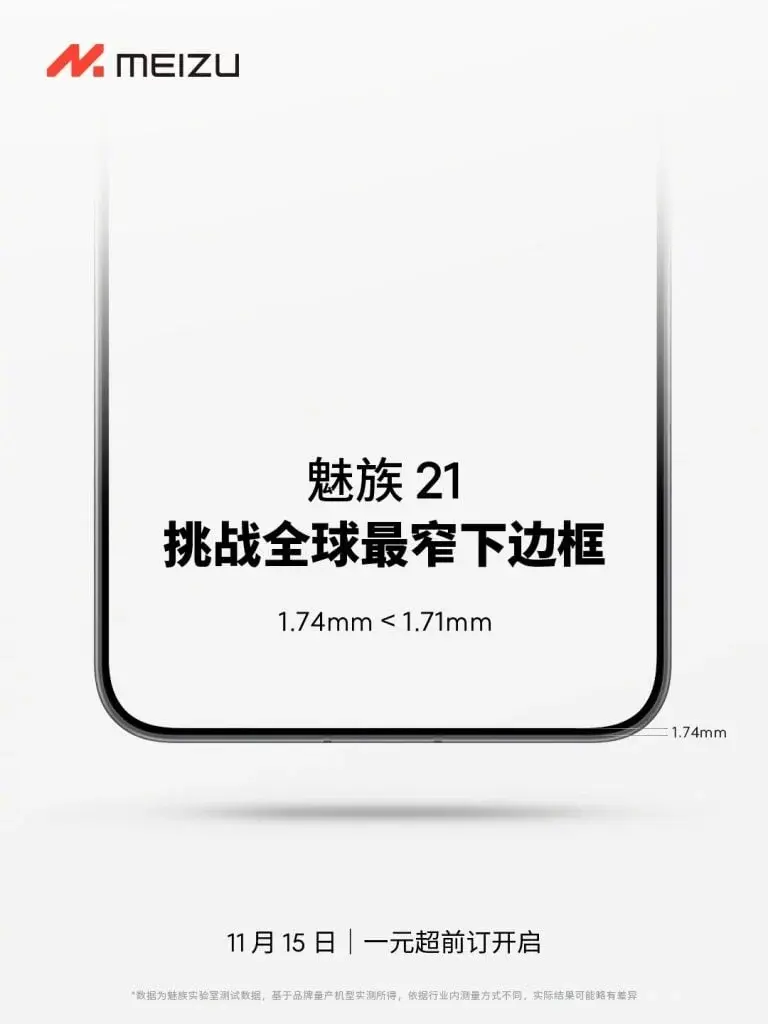
    A teaser released by Meizu showcases the upcoming Meizu 21 series boasting an incredibly thin bottom bezel. The teaser hints at a mere 1.74mm chin on the Meizu 21, attracting potential customers in China to secure their pre-orders for just 1 Yuan starting November 15.

    Insights into Certification

    While confirmation exists regarding the utilization of the Snapdragon 8 Gen 3 chipset in the Meizu 21 and 21 Pro models, specific details are yet to be revealed officially. Nevertheless, the Meizu 21, identified by the model number M461Q, recently received approval from China’s 3C authority. This certification suggests possible 80W charging support, with indications pointing to models M461H and M461S as belonging to the Meizu 21 series.

    Battery Efficiency and Charging Features

    Recent sources suggest that the Meizu 21 will house a 4,800mAh battery, slightly smaller than the 5,020mAh battery anticipated in the Meizu 21 Pro. Both models are likely to accommodate 80W wired charging, with the Pro version potentially offering a further 50W wireless charging feature.

    Anticipated Release Date

    The Meizu 21 series, encompassing models M481Q and M481S, is slated for a China launch towards the end of November or early December. Meizu’s tantalizing hints regarding the imminent arrival of the Meizu 21 series suggest that the unveiling of these smartphones is just around the corner.