Category: All News

  • SpaceX Unveils Starlink’s Revolutionary Space ‘Cellphone Towers’

    SpaceX Unveils Starlink’s Revolutionary Space ‘Cellphone Towers’

    The Evolution of Internet Connectivity: Elon Musk’s Starlink Initiative

    SpaceX, under the leadership of Elon Musk, has unveiled the deployment of 21 fresh Starlink satellites. While this development might be anticipated given Musk’s direct involvement, these satellites represent a distinct agenda – challenging established mobile network giants. This initiative is part of Musk’s grand venture, currently undergoing testing, aimed at transforming the landscape of internet accessibility.

    Redefining Connectivity in the Digital Age

    Launched a few years back, Starlink’s primary goal is to offer viable internet solutions to underserved territories via satellites encircling the Earth. Nonetheless, this service necessitates antennas and associated equipment to relay the signal to devices, hence falling short of being an optimal choice for certain users. Enter Starlink’s groundbreaking innovation – the inception of the inaugural ‘cellphone towers in space,’ specifically engineered for compatibility with smartphones.

    Unleashing the Capabilities of Starlink’s Satellites

    These fresh satellites, boasting speeds reaching up to 7 Mbps, are poised to cater to select locales like North America, aimed at fulfilling tasks reliant on lower internet speeds, such as transmitting textual messages. Although this might appear limited in comparison to the initial commitments of economical limitless internet access and voice calls, it’s crucial to acknowledge that Starlink is in its formative phase, teeming with the promise of substantial evolution.

    Envisioning Global Mobile Connectivity

    Musk has highlighted that these satellites will pave the way for universal mobile phone connectivity. Nevertheless, there exists a notable bandwidth constraint, with each signal beam supporting a mere 7 Mbps and encompassing a vast geographical scope. Musk elucidated that while this solution serves as a boon for regions devoid of cellular coverage, it does not pose a direct threat to existing terrestrial cellular networks.

    In essence, Elon Musk’s Starlink initiative is poised to redefine the domain of internet accessibility. Introducing ‘cellphone towers in space,’ the service aspires to furnish a more convenient and access-friendly alternative for users, especially in marginalized regions. Although bandwidth constraints persist, this marks only the initial phase for Starlink, promising monumental strides in the days to come.
  • Predictions Indicate the Possibility of a $400 Nintendo Switch 2 Launching This Year

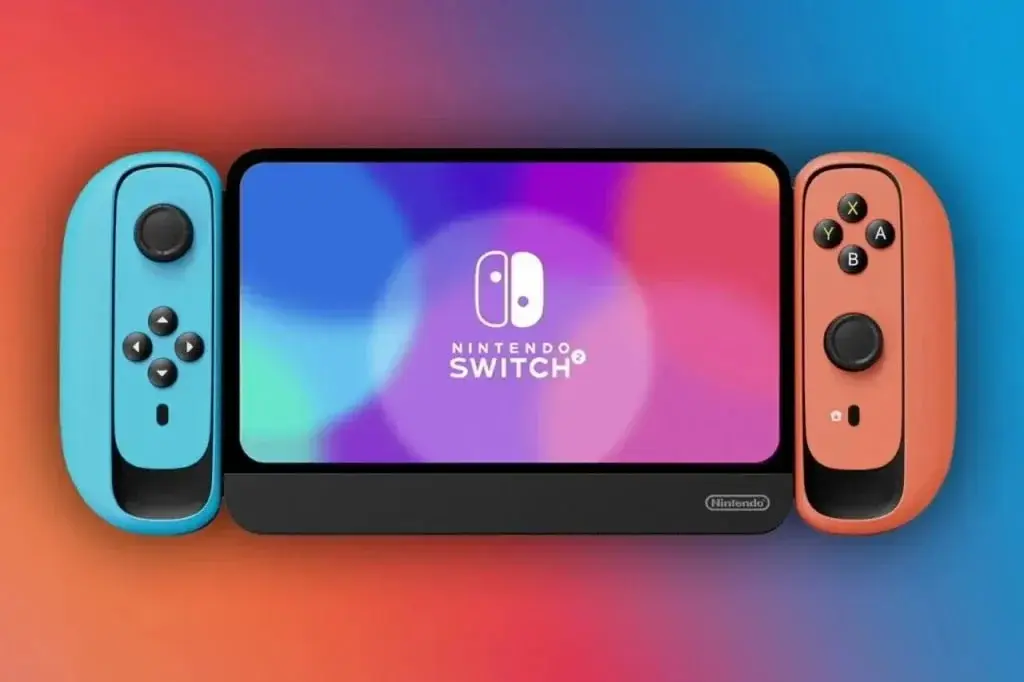
    Predictions Indicate the Possibility of a $400 Nintendo Switch 2 Launching This Year

    Nintendo Fans Anticipating Release of Rumored Nintendo Switch 2 in 2024

    Excitement is building among Nintendo fans as the year 2024 arrives, with the highly anticipated release of the rumored Nintendo Switch 2 on the horizon. According to industry experts, this new console could hit the shelves later this year, priced at around $400. Dr. Serkan Toto, a respected Nintendo analyst, shared his insights with GamesIndustry.biz, predicting a 2024 release for the Switch 2. Interestingly, Toto also confirmed the existence of a previously rumored Switch Pro model, although it was ultimately shelved.

    The Switch 2: An Upgrade with Familiarity

    The gaming community is eager to learn what the Nintendo Switch 2 will bring to the table. Dr. Serkan Toto suggests that it will be more of an upgrade rather than a complete overhaul, retaining the beloved portability feature that has become synonymous with the Nintendo brand. This is especially important given the popularity of Pokémon games. This approach is similar to the Nintendo 3DS, which enhanced the DS with better hardware and new features while maintaining the core experience.

    Anticipated Impact on the Console Market

    Piers Harding-Rolls, an analyst from Ampere Analysis, predicts a slight upturn in the console market, partly due to the anticipated launch of the Switch 2. This new console has been a topic of discussion since 2023, following a demonstration at Gamescom that showcased its expected capabilities, including advanced DLSS technology.

    Backward Compatibility: A Key Factor

    One of the most pressing questions from fans is whether the new console will support backward compatibility, allowing them to play their existing Switch games on the new device. This highly sought-after feature could be a decisive factor for many potential buyers.

    Nintendo’s Plans and the Thriving Current Switch

    While Nintendo has yet to make an official announcement regarding the Switch 2, fans are hopeful for some clues during the company’s February Direct event, which typically outlines Nintendo’s plans for the year. In the meantime, the current Switch continues to thrive, with developers actively releasing updates for the platform’s titles. This ongoing support is a win for Nintendo fans in itself.

    In conclusion, Nintendo fans have a lot to look forward to in 2024 with the potential release of the Nintendo Switch 2. As rumors and speculation continue to circulate, it remains to be seen what exciting features and improvements this new console will bring to the gaming community.

  • State Lab Receives Quantum Computing Facility as Baidu Participates in Tech Philanthropy Trend

    State Lab Receives Quantum Computing Facility as Baidu Participates in Tech Philanthropy Trend

    Chinese search engine giant Baidu has made a significant announcement, stating that it will donate its quantum computing research facility to the Beijing Academy of Quantum Information Sciences (BAQIS). This move is in line with the growing trend of tech giants contributing to state-backed initiatives, particularly in the rapidly evolving field of quantum computing.

    Baidu's Quantum Computing Journey

    Baidu's foray into quantum computing began in early 2018 when it established the Baidu Institute for Quantum Computing. The company set out with an ambitious mission to establish itself as a leading global player in quantum computing research. It focused on various areas such as quantum AI, algorithms, and architecture.

    In March last year, Baidu joined forces with BAQIS to form China's first quantum computing intellectual property (IP) alliance. The aim of this collaboration was to facilitate IP cross-licensing and foster innovation in the industry.

    Quantum Computing and its Potential

    Quantum computing is at the forefront of scientific advancement, utilizing fundamental physics to tackle problems that traditional computers cannot solve. Its ability to perform multiple calculations simultaneously provides unprecedented speed in solving complex statistical problems. However, it is important to note that quantum computing is not intended to replace conventional computing.

    A Strategic Alignment

    The donation of Baidu's quantum computing research facility to BAQIS holds great significance in the tech world. It is not merely an act of corporate generosity but also a strategic alignment with national priorities. Both China and the United States are fiercely competing in the quantum computing race, an area that was recently recognized as a national priority by Beijing. Collaborative partnerships like this have the potential to accelerate breakthroughs in quantum computing, ultimately benefiting sectors beyond technology, including healthcare and agriculture.

    The Future of Quantum Computing

    While the journey towards large-scale commercialization of quantum computing remains challenging, recent developments in generative AI technologies, such as OpenAI's ChatGPT, demonstrate the potential of cutting-edge tech to reshape our world. Baidu's decision to donate its research facility could serve as a stepping stone towards more collaborative efforts in the field. Only time will tell if this move proves to be lucrative or not.

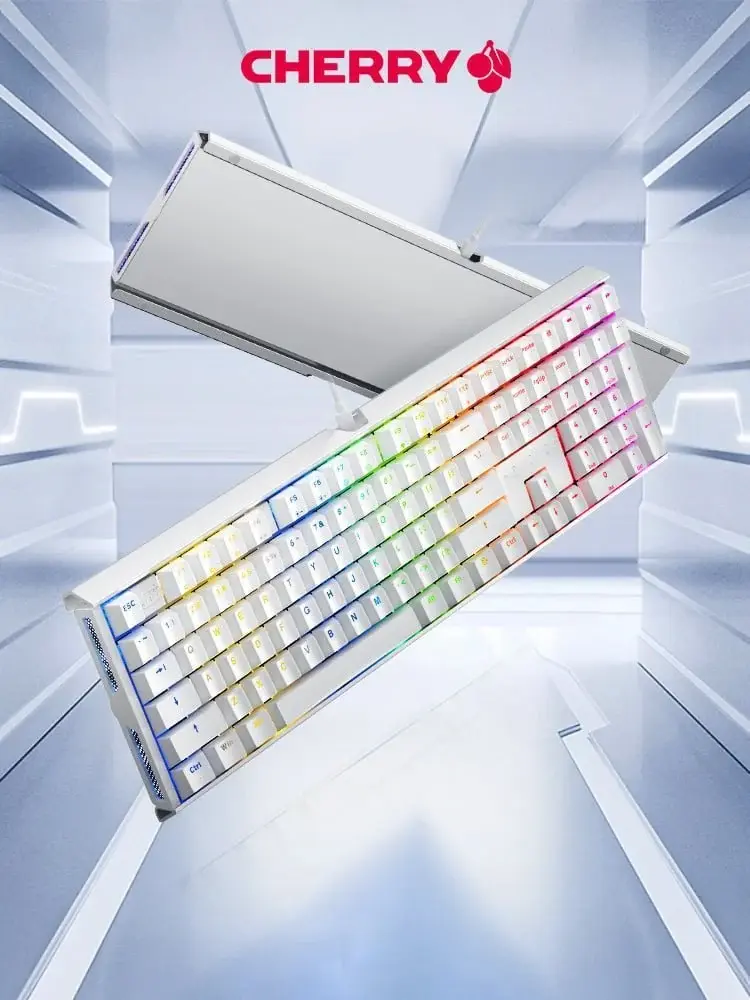
  • Cherry Launches MX3.1 Keyboard with MX2A Switches in China at 899 Yuan

    Cherry Launches MX3.1 Keyboard with MX2A Switches in China at 899 Yuan

    Cherry MX3.1 Keyboard: An Innovative Mechanical Keyboard with Remarkable Attributes

    Renowned for its exceptional input devices, Cherry has recently introduced a novel mechanical keyboard in the Chinese market. The MX3.1 keyboard, priced at 899 Yuan ($126), is currently up for grabs at the Tmall store.

    MX3.1 Keyboard Specifications

    Let’s delve deeper into the key specifications of the MX3.1 keyboard:

    • Switches: The MX3.1 keyboard showcases Cherry’s cutting-edge MX2A switches, offering users the choice between Red or Brown switches. These switches are engineered for stability and top-notch quality, integrating gold crosspoint contact technology and a novel barrel-shaped noise-suppressing spring structure.
    • Color Options: The MX3.1 keyboard is presented in three appealing color variations: White, Pink, and Black.
    • Layout and Anti-Ghosting: Sporting a 108-key layout, the MX3.1 keyboard provides a pleasurable typing encounter. It boasts full anti-ghosting capabilities, ensuring precise registration of each keystroke, even during simultaneous key presses.
    • Durability: Each key on the MX3.1 keyboard is crafted to endure up to 100 million keystrokes, ensuring prolonged performance. The keycaps are fashioned from premium ABS material, ensuring longevity while retaining their tactile feedback over time.
    • Lighting Effects: Featuring dual independent lighting effects, the MX3.1 keyboard enhances its visual allure. It includes RGB backlighting and incorporates a side RGB module.
    • Robust Build: The MX3.1 keyboard integrates a tough one-piece aluminum bottom shell frame, guaranteeing endurance and stability during usage.
    • Noise Reduction: Cherry has integrated a dual silencing mechanism in the MX3.1 keyboard to diminish typing noise, providing a quieter typing experience.
    • Connectivity: The keyboard’s connectivity is facilitated through a USB-C detachable braided cable, ensuring a dependable connection.

    MX2A Switches: Red vs. Brown

    For users with specific switch preferences, the MX3.1 keyboard offers two alternatives:

    • MX2A Red Switch: Recognized for its direct vertical feel with minimal actuation force, the MX2A Red Switch is ideal for prolonged use, delivering a cozy and responsive typing experience.
    • MX2A Brown Switch: Conversely, the MX2A Brown Switch presents a soft and gentle feel, making it perfect for individuals prioritizing comfortable typing sessions.

    Cherry Utility Software and Warranty

    Included with the MX3.1 keyboard is the Cherry Utility Software, empowering users to personalize lighting and key configurations based on their preferences. Furthermore, the MX3.1 comes with a two-year warranty period, ensuring customer peace of mind.

    In essence, the Cherry MX3.1 keyboard stands out as a remarkable addition to Cherry’s range of high-caliber input devices. With its robust construction, customizable attributes, and a choice between Red or Brown switches, the MX3.1 caters to the requirements of both professional and casual users. Whether you identify as a gamer, coder, or simply value a dependable and comfortable typing experience, the MX3.1 keyboard unquestionably merits consideration.

  • January 18 event in China to showcase Huawei’s HarmonyOS ecosystem

    January 18 event in China to showcase Huawei’s HarmonyOS ecosystem

    Huawei to Host HarmonyOS Ecosystem Event in China

    Huawei has announced that it will be hosting an event called the “Hongmeng Eco Thousand Sails Sailing Ceremony” on January 18 in China. While there has been speculation about the unveiling of a new HarmonyOS version called “NEXT”, the focus of this event will be on future innovation strategies and the progress of native app development for HarmonyOS.

    Huawei’s Vision for HarmonyOS

    Rather than launching a new operating system, Huawei aims to use this event as an opportunity to connect with potential partners and explore business opportunities that will ultimately benefit users. The event will provide attendees and online viewers with the chance to interact with key executives, ask questions, and gain insights into the future of HarmonyOS.

    Showcasing the HarmonyOS Ecosystem

    In addition to discussions about future innovation, the event will also offer a hands-on experience with the existing HarmonyOS ecosystem. Huawei intends to showcase the advancements made in native app development for HarmonyOS, highlighting the potential and capabilities of the ecosystem.

    Wider Accessibility

    To ensure a wider reach, the event will be held in eight major cities across China, including Beijing, Shanghai, Hangzhou, Nanjing, Chengdu, Xiamen, Wuhan, and Changsha. This will allow a larger audience to attend and participate in the event. Registration for the event is simple and can be done through the provided link.

    HarmonyOS NEXT and Native Applications

    While HarmonyOS NEXT is not expected to be released until the first half of 2024, major Chinese companies have already started developing native applications for the upcoming version. Companies such as iQiyi, Alipay, Meituan, MiHoYo, Bilibili, and Amap have joined forces with Huawei and are actively working on developing native apps for HarmonyOS NEXT.

    Growing HarmonyOS Ecosystem

    Wu Hao, the CEO of Huawei Interactive Media Corps and President of Huawei Terminal Cloud Service Interactive Media BU, revealed last month that over 700 million devices are now part of the Hongmeng Ecosystem. Huawei has been actively collaborating with partners in various sectors, including gaming, social media, travel, business, and hospitality, to develop native applications for Hongmeng in 18 different fields.

    HarmonyOS vs. iOS

    According to a recent report by TechInsights, it is predicted that Huawei’s HarmonyOS will surpass Apple’s iOS to become the second most popular smartphone operating system in China by 2024. This forecast highlights the growing influence and potential of HarmonyOS in the Chinese market.

    As Huawei prepares to host the HarmonyOS ecosystem event, the anticipation among tech enthusiasts and industry experts continues to build. The event promises to shed light on the future of HarmonyOS and the exciting developments taking place within its ecosystem.

  • Announcement of India launch date for Oppo Reno 11 series

    Announcement of India launch date for Oppo Reno 11 series

    Oppo Reno 11 series to Launch in India on January 11

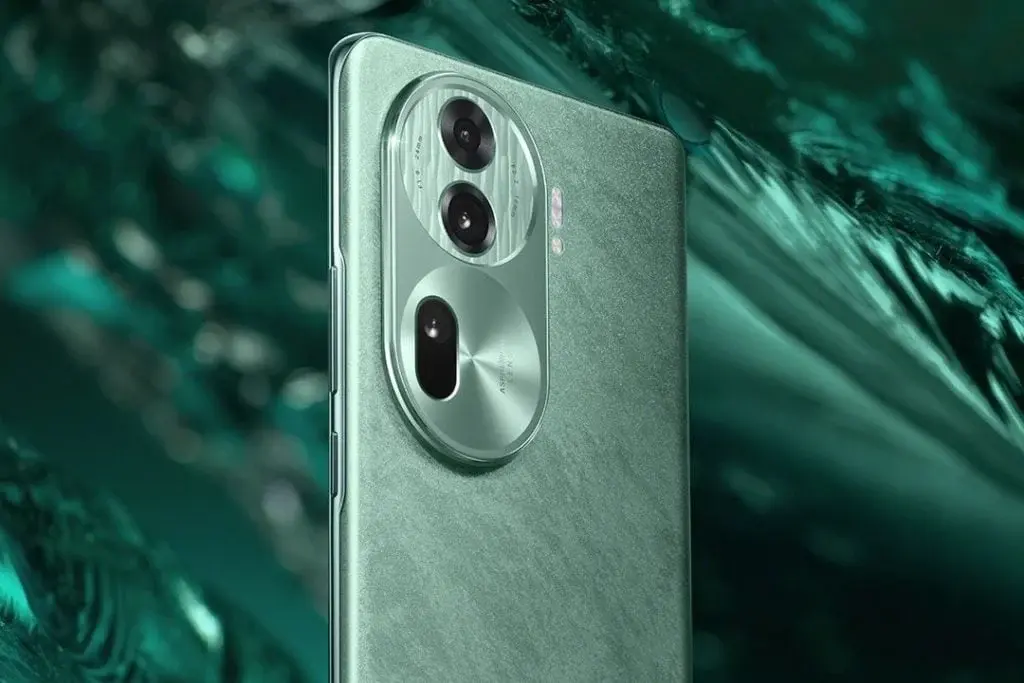
    The Oppo Reno 11 series, which was officially launched in China in November, is now set to make its global debut. The smartphones, Reno 11 and Reno 11 Pro, have been available for purchase in China since their launch. However, Oppo has now announced that the devices will also be launched in India on January 11.

    Different Variants for Different Markets

    The Oppo Reno 11 series will include two models – a regular version and a Pro version. While the Pro variant is expected to be the same as the one sold in China, the vanilla version might have some differences, especially in terms of the camera setup. The camera placement on the global Reno 11 is different from its Chinese counterpart, indicating that there may be some changes in the camera specifications.

    Possible Changes in Chipsets

    According to a reliable tipster, the regular model of the Oppo Reno 11 series in global markets will be equipped with a less powerful MediaTek Dimensity 1080 chip. On the other hand, the Pro version might not feature the Snapdragon 8 Plus Gen 1 chip that is present in the Chinese variant. Instead, it is expected to come with a Dimensity 8200 SoC, which is found in the vanilla model sold in China.

    Other Features

    Both the regular and Pro models of the Reno 11 series are expected to come with a 32MP telephoto camera and 80W charging support. These specifications are likely to be consistent across all markets.

    Continued Disparity

    The difference between Chinese and international versions of Oppo Reno smartphones is not new. This has been the case for several years now, with Oppo making certain changes and adjustments to cater to specific markets.

    Awaiting Official Announcement

    As the launch date for the Oppo Reno 11 series in India approaches, we can expect to learn more about these devices in the coming days. The official announcement will provide further details and specifications of the smartphones.

  • Skyworth 100A7D: The 100-inch 4K “Wallpaper TV” That Doubles as Stunning Home Decor

    Skyworth 100A7D: The 100-inch 4K “Wallpaper TV” That Doubles as Stunning Home Decor

    Chinese electronics company Skyworth has recently launched the 100A7D, a 100-inch 4K TV that draws inspiration from Samsung’s Frame TV lineup. This new TV, similar to the Frame, is designed to seamlessly blend into your home decor. It features a paper-like screen that can be customized with over 200 world-famous paintings and a sleek, wall-mountable design.

    Skyworth 100A7D TV Specifications

    The 100A7D boasts a 100-inch paper-like screen with a 12 million:1 contrast ratio and a brightness of 1200 nits. It covers 99% of the DCI-P3 color gamut and supports PWM dimming and MEMC motion compensation. With its 4K resolution and 288Hz refresh rate, it is ideal for gaming and watching movies. Additionally, the TV has passed TUV Rheinland Eye Protection Certification, ensuring that you can watch for extended periods without straining your eyes.

    Built-in Art Gallery

    Similar to Samsung’s Frame TV lineup, one of the standout features of the 100A7D is its built-in art gallery. This TV comes pre-loaded with over 200 world-famous paintings that you can display on the screen. This feature allows you to effortlessly add a touch of culture to your home.

    Powerful Sound System and Voice Control

    The 100A7D is equipped with a powerful sound system co-developed with Harman Kardon. It features 11 speakers and has a peak power output of 210W, ensuring an immersive audio experience. Additionally, the TV supports far-field voice control, allowing you to conveniently control it using your voice.

    Impressive Performance and Connectivity

    Under the hood, the 100A7D is powered by a quad-core processor and has 4GB of RAM and 128GB of storage. It runs on the Coocaa system 9.2, which is a custom version of the Android TV operating system. In terms of connectivity, the TV offers a variety of ports including two HDMI 2.1 ports, two HDMI 2.0 ports, one USB-A 3.0 port, one USB-A 2.0 port, one AV input port, one RF input port, one optical output port, and one RJ45 Ethernet port.

    Pricing and Availability

    The Skyworth 100A7D 100-inch 4K wallpaper TV is currently available in China for 17,999 yuan (~$2534.93). This is significantly cheaper compared to Samsung’s smaller 85-inch Frame TV, which is priced at $4,300 in the US, despite both TVs offering similar features. If you are in China, you can purchase the TV through JD.com.

    In conclusion, the Skyworth 100A7D offers an impressive combination of design, performance, and features. Its paper-like screen, customizable art gallery, powerful sound system, and voice control make it an excellent choice for those looking to enhance their home entertainment experience.

  • Sony introduces new “off-ear” style Float Run sports headphones in India

    Sony introduces new “off-ear” style Float Run sports headphones in India

    Sony Launches New Wireless Headphones for Runners and Athletes in India

    Sony has recently released its latest wireless headphones, the Float Run, in India. These headphones are specifically designed for runners and athletes, offering a unique “off-ear” style. Let’s take a closer look at the specifications and features of the Float Run.

    Sony Float Run Headphone Specifications

    The Float Run headphones have an unconventional design where they sit just outside the ear on a flexible neckband. This design offers several benefits for active users. Firstly, it eliminates pressure and potential chafing on the ears, making them more comfortable for extended runs. Additionally, the open design allows ambient noise to pass through, increasing situational awareness for runners who want to hear traffic or approaching footsteps.

    Despite the unique placement, Sony claims that the Float Run’s 16mm drivers deliver “a more natural and wider sound” without compromising on audio quality. This makes them perfect for a workout session. The open-ear style even cancels out some distracting echoes like your own footsteps or breathing.

    The Float Run headphones weigh just 33 grams, making them lightweight and comfortable to wear during workouts. With a battery life of 10 hours, they should be able to cover most playlists. The headphones also have an IPX4 splashproof rating, ensuring they can handle sweat and unexpected rain.

    Intuitive Controls and Hands-Free Communication

    The Float Run headphones also come with intuitive controls that allow users to manage music and calls without needing their phone. Additionally, there is a built-in microphone for hands-free communication, making it convenient for those on the go.

    Price and Availability

    The Sony Float Run headphones are available in India for Rs 10,990 (approximately USD 132). They come in a single black color option and can be purchased at Sony retail stores and major e-commerce platforms like Amazon throughout India.

    If you are a runner or athlete looking for a comfortable and high-quality audio experience during your workouts, the Sony Float Run headphones may be worth considering. With their unique off-ear design and impressive features, they offer a new and innovative option for active individuals.

  • POCO X6 5G Specifications and Design Exposed in Leaked Unboxing Video

    POCO X6 5G Specifications and Design Exposed in Leaked Unboxing Video

    POCO X6 5G: Design and Specifications Unveiled in Latest Leak

    The highly awaited POCO X6 series of smartphones is gearing up for its introduction in the Indian market. While some specifications have been officially confirmed through teasers, a recent leak has now shed light on the design and features of the POCO X6 5G model in an unboxing video, offering enthusiasts an exciting preview of what lies ahead.

    Leaked Unboxing Video

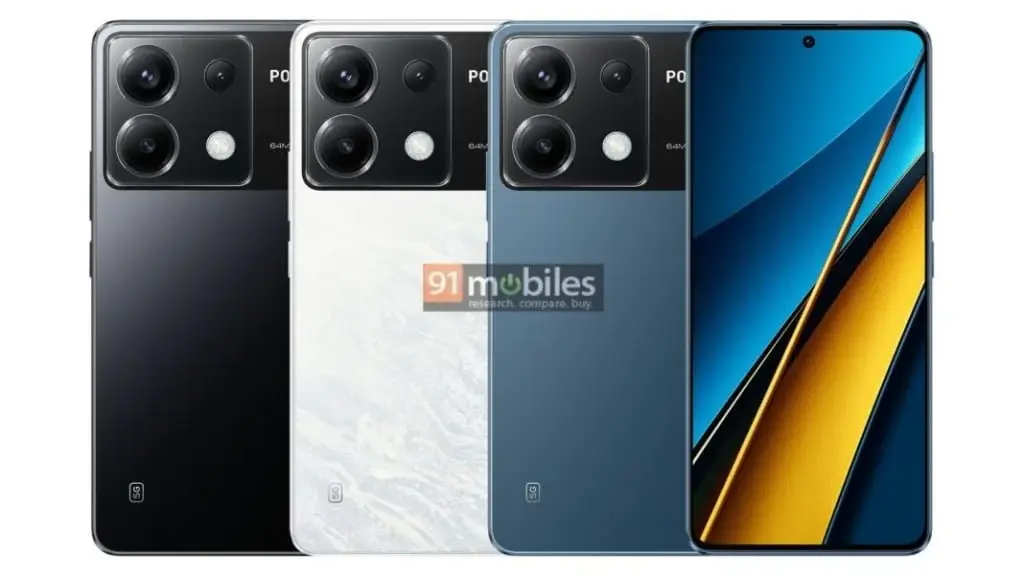
    Tipster Sudhanshu Ambhore recently leaked details on Twitter, revealing the design and specifications of the POCO X6 5G model. The leak not only showcased the smartphone’s appearance but also outlined its key features. According to the video, the POCO X6 5G will come in black and white color variants, with the retail package also including a protective cover.

    Design Insights and Features

    The leaked footage indicates that the POCO X6 5G will feature a triple-camera setup at the rear. Furthermore, the device’s bottom will house a USB Type-C port, a speaker grille, the primary microphone, and a SIM card tray. Display-wise, the smartphone will sport a tall 6.67-inch AMOLED screen with a Full HD+ resolution and an impressive 120Hz refresh rate.

    High-Performance Specifications

    Powering the POCO X6 5G is the Qualcomm Snapdragon 7s Gen 2 SoC, a potent processor that comes coupled with up to 12GB of RAM and up to 512GB of internal storage, ensuring seamless performance. In addition, the device will pack a sizeable 5,100mAh battery with 67W fast-charging support, promising extended battery life and quick recharging capabilities.

    Imaging Capabilities

    For photography enthusiasts, the POCO X6 5G will offer a 64-megapixel primary rear camera. This will be complemented by an 8-megapixel ultra-wide-angle lens and a 2-megapixel macro sensor. On the front, users can expect a 16-megapixel camera, perfect for stunning selfies and immersive video calls.

    Save the Date

    Make a note on your calendar! The launch of the POCO X6 5G and X6 Pro 5G models is slated for January 11, 2024, in India and worldwide. With their attractive design, powerful performance capabilities, and advanced camera features, these smartphones are anticipated to leave a lasting impression on the market.

    Stay tuned for more details and updates on the POCO X6 series by tuning in to the official launch event.

  • ColorOS 14.0 Stable Update Arrives in China for Oppo Find N

    ColorOS 14.0 Stable Update Arrives in China for Oppo Find N

    Oppo Find N Receives ColorOS 14 Update with Exciting New Features

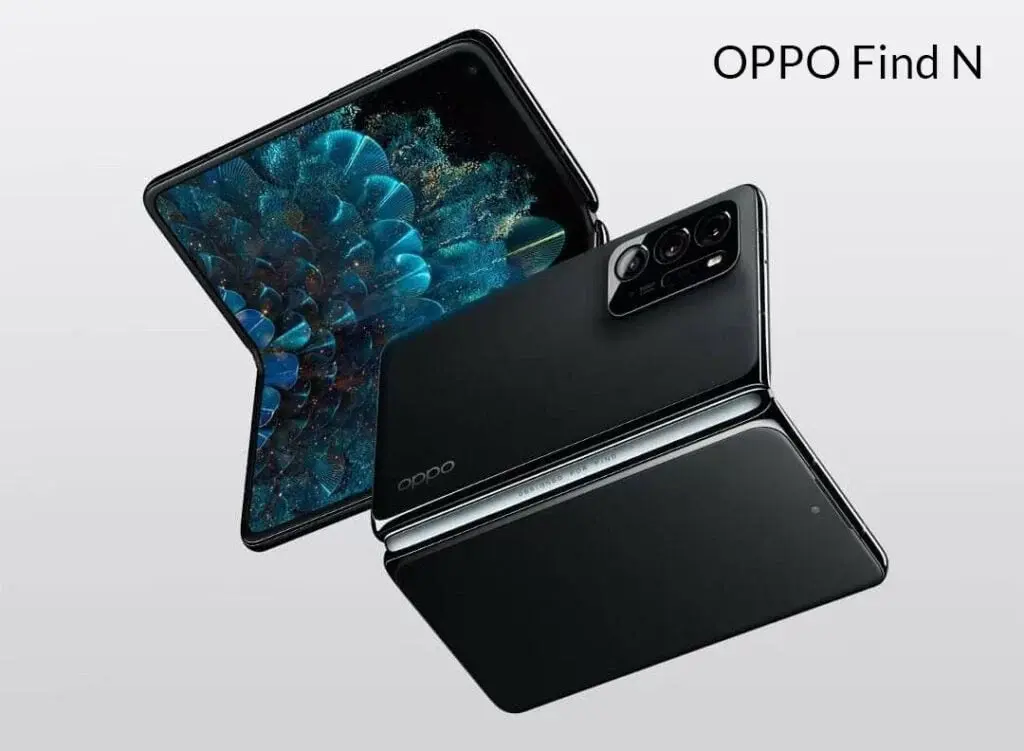
    Just after bringing the ColorOS 14-based Android 14 update to most of the compatible Oppo smartphones, the company is here with the update for the Oppo Find N smartphone. Following the consecutive closed and open beta updates, the stable update for the Find N with firmware 14.0.0.260 brings several new changes and improvements.

    Steps to Get ColorOS 14 on Oppo Find N

    The update is rolling out to all the users, and to get the update, they should update the Oppo Find N to ColorOS versions 13.1.0.195 and 13.1.0.194. Once they have the exact firmware based on ColorOS 14, they can check for the new update by following these steps:

    1. Go to System Settings
    2. Tap on About device
    3. Tap the top of the page
    4. Tap the icon on the top right
    5. Go to Trial versions
    6. Select Official version
    7. Apply Now

    New Features of ColorOS 14 on Oppo Find N

    The Oppo Find N receives several new features, including Android 14 luxuries and the company’s self-skin-based features. Here are some of the highlights:

    Aquamorphic Design:

    • Enhanced sound effects, color systems, and interactions.
    • Ten new Aquamorphic-themed ringtones for calls, alarms, and notifications.
    • Dynamically adjusting Aquamorphic Coloring System for a more intuitive experience.
    • Aqua Dynamics design simplifies interactions, extending to the Status Bar.

    Revamped Always-On Display (AOD):

    • Homeland AOD showcases nature scenes, including a Go Green AOD for climate change awareness.
    • Environment Vision pages linked to daily step counts.

    Smart Touch and Seamless Content Sharing:

    • AI-powered Smart Touch streamlines daily tasks.
    • File Dock on Smart Sidebar for seamless content sharing, supporting split-screen and floating windows.

    Smart Image Matting and Trinity Engine Upgrade:

    • Smart Image Matting separates subjects from images or paused video frames.
    • Trinity Engine upgrade boosts device smoothness and stability.

    AI-powered Smart Charging and Privacy Assurance:

    • Smart Charging adjusts charging current based on usage conditions, reducing unnecessary battery wear.
    • Prioritizes safety and privacy, integrating Android 14’s capabilities.
    • Picture Keeper prevents apps from misusing permissions.
    • Snapchat integration with Bitmoji AOD for faster app navigation and updates on messages and friend activities. Your device, your control.

    Important Note

    Before updating to ColorOS 14, it is important to back up your important data, as during installation it may get corrupt. The smartphone will take a couple of days to optimize itself with the new OS. Until then, the smartphone may heat up or consume more battery. Some apps might not be compatible with the smartphone. It is advised to update all the apps by heading to the Play Store.

    Oppo has already rolled out the stable ColorOS 14 version to the flagship as well as devices like the OPPO A77, A77s, and A57. Oppo’s partner brand OnePlus is already seeding OxygenOS 14 for its compatible smartphones, including the OnePlus 11 Series, OnePlus 10 Pro, OnePlus 10R, OnePlus Nord 3, and OnePlus Pad. We expect the remaining smartphones to receive the ColorOS 14 update soon.