Category: All News

  • Xiaomi Boosts Security Measures for Bootloader Unlocking

    Xiaomi Boosts Security Measures for Bootloader Unlocking

    Xiaomi's recent policies on bootloader unlocking have stirred up frustration among developers and users alike. The company, known for its diverse range of devices catering to various budgets, has faced criticism for imposing stringent restrictions on this crucial aspect of customization.

    Tightened Restrictions on Bootloader Unlocking

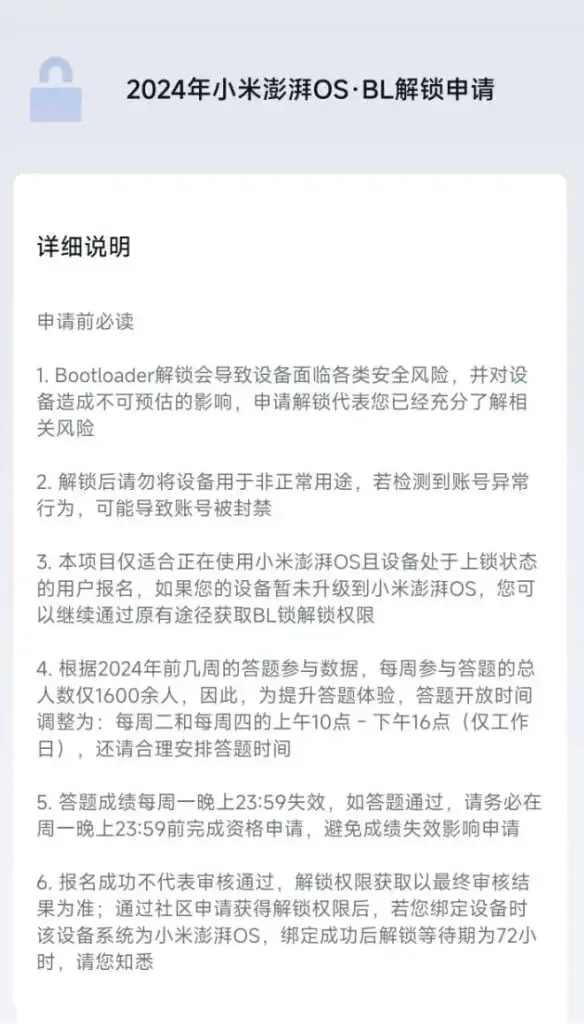
    With the release of numerous Xiaomi devices, the custom ROM community has actively engaged in developing alternative software for these smartphones. However, the process of unlocking the bootloader has become increasingly challenging due to Xiaomi's recent actions. The latest update reveals that users will now only be able to unlock their Xiaomi phone's bootloader on Tuesdays and Thursdays.

    New Policy Implementation

    Xiaomi has introduced a new policy that requires users to request the unlocking of their device's bootloader, a departure from the previous automatic process. These requests are then reviewed by Xiaomi employees, and if deemed appropriate, users can proceed with unlocking their device. The evaluation and approval process will now take place exclusively on Tuesdays and Thursdays between 10:00 and 16:00 every week.

    Impact on Users

    This change in policy is likely to frustrate developers and smartphone enthusiasts who rely on unlocked bootloaders for customization and system updates. Previously, Xiaomi phones with unlocked bootloaders could still receive over-the-air (OTA) updates. However, under the new policy, devices with unlocked bootloaders will no longer receive these updates. Users can regain access to OTA updates by relocking the bootloader, but this process adds an additional layer of complexity to an already cumbersome procedure.

    The stringent measures imposed by Xiaomi, including the limitation of unlocking only three devices per year and the specific time restrictions for bootloader unlocking requests, are bound to have a significant impact on the user experience. As the company continues to refine its policies, users are left to navigate the increasingly intricate process of customizing their Xiaomi devices.

    For those deeply invested in the customization and optimization of their devices, these restrictions pose challenges that may hinder the seamless user experience Xiaomi devices are known for providing.

  • Xiaomi & Leica Unveil Mobile Photography Breakthrough

    Xiaomi & Leica Unveil Mobile Photography Breakthrough

    Xiaomi has recently been at the forefront of mobile photography advancements, notably being one of the pioneering smartphone manufacturers to introduce a 1-inch camera sensor. Collaborating with Leica has resulted in a significant enhancement of camera hardware and software in Xiaomi phones. The latest development from this partnership is the establishment of an optical institute.

    Xiaomi & Leica’s Optical Institute in China

    The new optical institute, a joint venture between Xiaomi and Leica, aims to design ultra-precision optical lenses in a compact form factor. The primary goals include achieving optimal performance in computational photography, adhering to the highest optical standards for lenses, and exploring cutting-edge optoelectronic technology applications. This initiative is highlighted on Xiaomi’s official website.

    Key personnel from both Xiaomi and Leica are actively involved in setting up this institute. Peter Karbe, renowned for his contributions to Leica’s premium Noctilux and APO lenses, will bring his expertise as an optical specialist. Zeng Xuezong, Senior Vice President of Xiaomi Group and President of the Xiaomi Mobile Phone Department, will assume the role of Director. Additionally, Yi Yan from Xiaomi Group’s Software Technical Team and Wang Xuanran, General Manager of Xiaomi Camera Department, will serve as Deputy Directors.

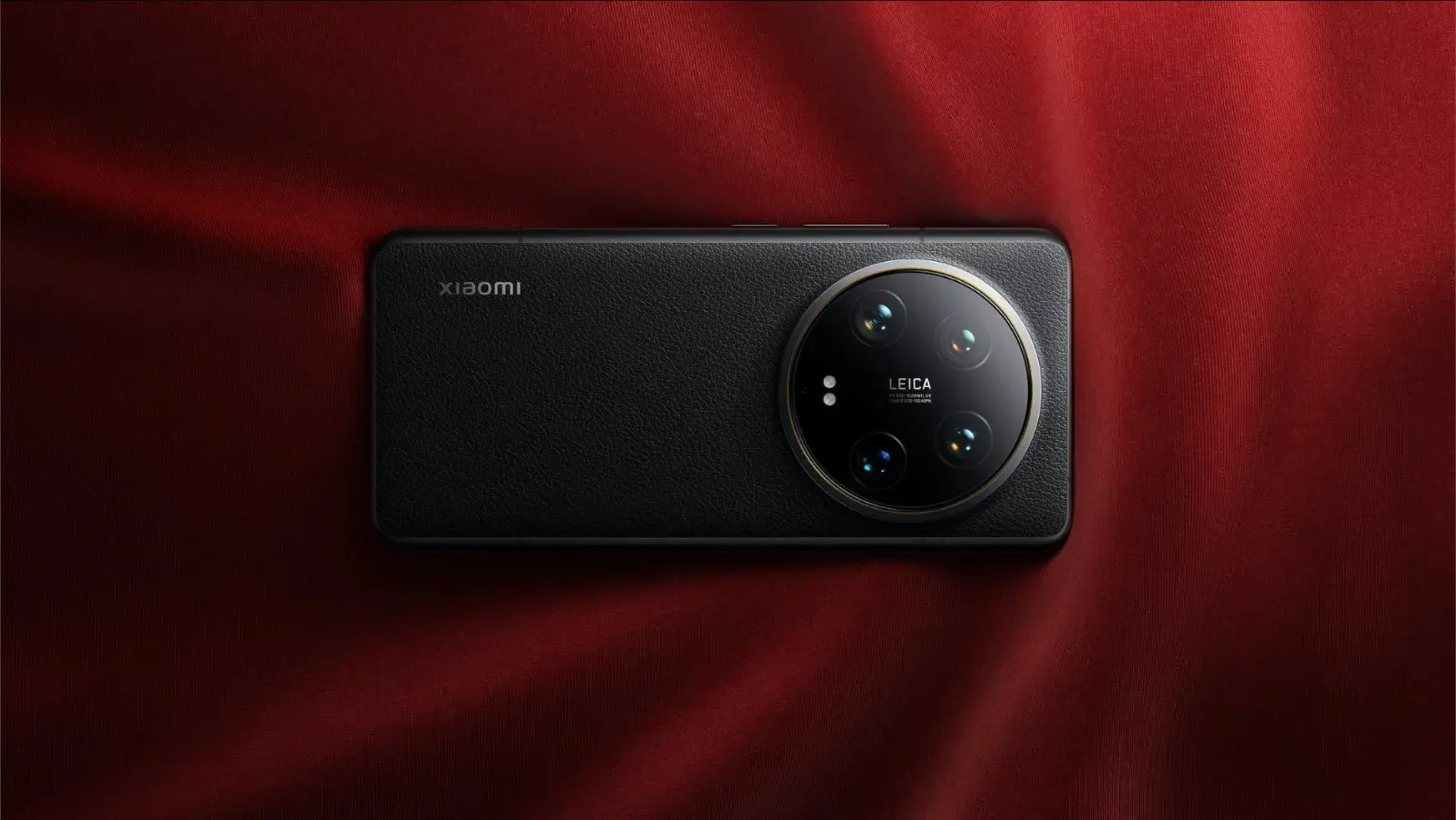
    Xiaomi 14 Ultra

    The collaborative effort between Xiaomi and Leica has not yet materialized into a physical institute. Presently, plans are in place to establish three main laboratories in Beijing, focusing on Camera Hardware, Imaging, and Objective and Subjective Image Quality Evaluation.

    Xiaomi appears to be pushing the boundaries in mobile photography further. While the Xiaomi 13 Ultra already boasts a robust camera setup, expectations are high for the upcoming Xiaomi 14 Ultra, anticipated to offer even more advanced hardware capabilities. For a glimpse of what to expect, recent images captured using the Xiaomi 14 Ultra were shared in a previous article.

  • Samsung Galaxy Book4 Series Launch in India with AMOLED Displays and Core Ultra SoCs: Prices, Offers, & More

    Samsung Galaxy Book4 Series Launch in India with AMOLED Displays and Core Ultra SoCs: Prices, Offers, & More

    Samsung has introduced the Galaxy Book4 series in India, consisting of three models: the Galaxy Book4 Pro 360, Galaxy Book4 Pro, and Galaxy Book4 360. These laptops share similar specifications, particularly the Pro 360 and Pro variants, with the non-pro model being the base offering in the lineup.

    Samsung Galaxy Book4 Series Overview

    The Samsung Galaxy Book4 Pro 360 and Book4 360 are versatile two-in-one laptops, adaptable to different form factors, while the Book4 Pro follows a traditional clamshell design.

    Display and Audio Features

    Both the Samsung Galaxy Book4 Pro 360 and Book4 Pro feature Dynamic AMOLED 2x screens with a resolution of 2,880 x 1,800 pixels. The Pro 360 offers a 16-inch display, while the Pro model is available in 16 and 14-inch sizes. On the other hand, the base Galaxy Book4 360 sports a 15.6-inch sAMOLED screen with FHD resolution, all supporting touch functionality.

    Audio-wise, the Galaxy Book4 series comes equipped with AKG-tuned quad speakers incorporating Dolby Atmos technology for an immersive sound experience.

    Performance and Battery

    Powered by Intel’s latest Core Ultra processors, the Samsung Galaxy Book4 series delivers exceptional performance. The Book4 Pro 360 features the Core Ultra 7 processor with 16GB LPDDR5x RAM, while the Book4 Pro and Book4 360 come in Core Ultra 7 and Ultra 5 variants. The Pro models offer options of 16GB and 32GB RAM, while the non-pro model includes a 16GB RAM configuration. The Pro variants also feature Intel Arc graphics, whereas the non-pro model includes Intel Iris Xe GPU. Storage options range from 512GB to 1TB across all three models.

    In terms of battery capacity, the Galaxy Book4 Pro 360, Book4 Pro, and Book4 360 are supported by 76Wh, 76Wh (63Wh-14-inch), and 68Wh battery cells, respectively, all supporting 65W charging speeds.

    Pricing and Availability

    The Samsung Galaxy Book4 Pro 360 is priced at Rs 1,63,990 in Moonstone Grey color. The Book4 Pro starts at Rs 1,31,990 in Moonstone Gray and Platinum Silver hues, while the Book4 360 is available at a starting price of Rs 1,14,990 in Gray color.

    Pre-booking for all three laptops begins on February 20 through Samsung’s official website, leading online stores, and retail outlets. Pre-bookings during this period are eligible for benefits worth Rs 5,000. Customers can also take advantage of bank cashback up to Rs 10,000 or an upgrade bonus of Rs 8,000. Additionally, those pre-booking during the Live Commerce event on Samsung’s website on February 20 will receive an extra instant cashback of Rs 8,000.

  • OnePlus Nord CE 3 Lite 5G Update: Bug Fixes & Feb 2024 Security Patch

    OnePlus Nord CE 3 Lite 5G Update: Bug Fixes & Feb 2024 Security Patch

    OnePlus has initiated the deployment of the OxygenOS 14.0.0.300 update for the Nord CE 3 Lite 5G in India and Europe, introducing the February 2024 Android security patch. This specific update, identified as “CPH2467_14.0.0.300(EX01)” in India and “CPH2465_14.0.0.300(EX01)” in Europe, is designed to address various issues to enhance the device's functionality and security.

    Update Enhancements and Fixes

    The latest OxygenOS 14.0.0.300 update targets multiple issues that users have encountered, aiming to provide a smoother experience and improved security measures. Some of the key problems addressed in this update include:

    • System Improvements: The integration of the February 2024 Android security patch bolsters system security. Additionally, enhancements have been made to elevate the gaming experience.

    • Screen Related Fixes: Resolves issues where the screen would go black during unlocking, when taking scrolling screenshots, or while interacting with notifications on the lock screen.

    • Communication Fixes: Addresses problems related to incoming call alerts and the management of three-way calls.

    • Connections: Fixes an issue where Bluetooth tethering might unexpectedly turn off.

    • Camera Improvements: Resolves the challenge of recording time-lapse videos with a watermark enabled on the device.

    OxygenOS 14.0.0.300 Update Changelog

    System

    • Integrates the February 2024 Android security patch to enhance system security.
    • Improves the gaming experience.
    • Fixes issues causing the screen to turn black during various interactions.

    Communication

    • Addresses problems with managing three-way calls.

    Connections

    • Resolves Bluetooth tethering issues.

    Camera

    • Fixes the inability to record time-lapse videos with the watermark enabled.

    OnePlus is rolling out this update gradually to ensure a seamless deployment process. Indian users can provide feedback and report bugs by dialing “*#800#” through the Google Dialer, granting access to a region-specific feedback menu. On the other hand, European users are encouraged to share their feedback on the OnePlus update forum.

    Conclusion

    By addressing these key issues and enhancing the overall user experience with the OxygenOS 14.0.0.300 update, OnePlus is committed to providing a smoother and more secure environment for Nord CE 3 Lite 5G users in India and Europe. Stay tuned for further updates as OnePlus continues to improve its devices through ongoing updates and optimizations.

  • iQOO Phone Leak: Unannounced Qualcomm Chip, LTPO Display, & More

    iQOO Phone Leak: Unannounced Qualcomm Chip, LTPO Display, & More

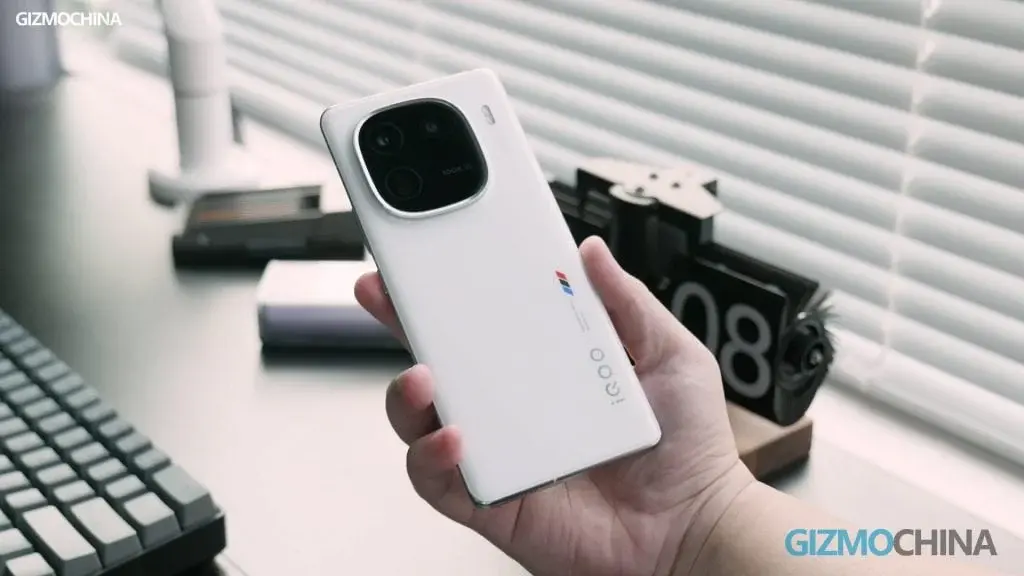
    Smartphone brand iQOO is gearing up for the launch of the iQOO Z9 series, expected to debut in March. While anticipation builds around this upcoming release, details have surfaced regarding another iQOO handset in the pipeline, although the specific name remains undisclosed at this point.

    Upcoming iQOO Handset Details

    Rumors suggest that the upcoming iQOO device will fall into the upper mid-range category, boasting notable features that set it apart. What’s intriguing is that this smartphone will be equipped with a flagship Qualcomm SoC that is yet to be officially announced.

    iQOO 12 Pro Features Leak

    Digital Chat Station has shared insights on an upcoming iQOO smartphone that is currently in the works. The device is said to be powered by a Qualcomm SM8635 chip, running at an impressive 3.3GHz clock speed. It’s worth noting that the final clock speed may vary from this initial disclosure. This chipset is anticipated to be an enhanced version of the Snapdragon 8 Gen 3.

    The leak reveals that the handset will sport a 6.78-inch flat display that notably lacks a plastic bracket. This LTPO OLED panel is expected to deliver a resolution of 2800 x 1260 pixels (1.5K); however, details on the display’s refresh rate have not been disclosed, though it’s likely to be at least 120Hz.

    Distinct Features and Design

    Although the specifications align closely with those of the iQOO 12, distinguishing features set this upcoming model apart. Unlike its predecessors, the new smartphone will feature a flat frame constructed from plastic instead of metal. Additionally, it will house a larger 6,000mAh battery capacity, providing potential users with extended usage time. It’s important to note that the final version of the handset may see adjustments to the battery size.

    While speculation swirls around the potential naming convention for this device, there is a possibility that it could be part of the iQOO Neo 9 series. Nevertheless, as more information surfaces in the days ahead, consumers can look forward to uncovering additional details about this intriguing product.

  • OnePlus Watch 2 Official Teaser, Launch Anticipated This Month

    OnePlus Watch 2 Official Teaser, Launch Anticipated This Month

    OnePlus Smartwatch Making a Comeback

    OnePlus is gearing up to re-enter the smartwatch market after a significant hiatus. The brand’s last smartwatch was launched in 2021, making it the sole offering from OnePlus in this category so far. Recently, the company has begun teasing the arrival of the second generation of its smartwatch, hinting at an imminent comeback to the wearable tech scene.

    Teaser Unveiled

    OnePlus has shared a cryptic teaser image via its official OnePlus Community forum, inviting users to take a guess at what the upcoming product might be. While the teaser doesn’t explicitly mention the device’s name, the image unmistakably portrays a smartwatch. By adjusting the brightness settings on your device, you can discern a design reminiscent of leaked renders, showcasing a metal chassis with a noticeable protrusion on the right side. Moreover, the teaser confirms the presence of a digital crown and a physical button, offering a sneak peek into the OnePlus Watch 2’s design aesthetics.

    Launch Date Leak

    Renowned tipster Max Jambor has hinted that the OnePlus Watch 2 is slated for a debut on February 24, preceding the start of the Mobile World Congress (MWC) scheduled to kick off on February 26. With the launch date drawing near, fans can anticipate more teasers and details to be revealed by the brand in the lead-up to the official unveiling event, building up excitement among tech enthusiasts.

    Specifications and Features

    Rumored specifications suggest that the OnePlus Watch 2 will sport a 1.43-inch AMOLED display, offering vivid visuals and enhanced readability. Under the hood, the smartwatch is expected to be powered by a Snapdragon W5 Gen 1 processor, ensuring seamless performance and responsiveness. Running on Google’s WearOS, the wearable device is likely to incorporate a comprehensive array of health sensors to cater to users’ fitness and wellness needs.

    For more details and the full unveiling of the OnePlus Watch 2, stay tuned for the upcoming launch event and subsequent announcements from OnePlus.

  • Evolving Finance Trends & Emergence of Minimalist Wallets

    Evolving Finance Trends & Emergence of Minimalist Wallets

    In a profound digital transformation, a significant portion of Americans (41%) reported in 2022 that none of their weekly purchases were made with cash. However, the enduring relevance of wallets persists, albeit with a modern twist.

    The Federal Reserve notes that while cash usage declines, debit and credit card transactions continue to thrive, surpassing $1 trillion in balances in the United States alone by 2023. This financial shift highlights the importance of adapting to digital payments while embracing minimalist wallet solutions, such as the innovative Shuffle Wallet.

    Understanding the Future of Currency:

    The trajectory towards a cashless society is apparent, with a notable 25% decrease in cash payments across major global markets from 2011 to 2021. Despite this trend, physical currency remains resilient, with approximately $40 trillion in circulation worldwide. Moreover, factors such as convenience fees associated with digital transactions and the tangible nature of cash contribute to its ongoing relevance.

    Where We Stand with Cash:

    The World Bank estimates that 1.4 billion adults globally remain unbanked, highlighting the continued necessity of cash transactions. As Courtney Alev of Credit Karma emphasizes, cash offers a tangible means of managing finances, resonating with individuals’ preferences and spending habits. Nevertheless, the proliferation of digital payments offers unparalleled convenience, enabling seamless transactions through QR codes and credit card facilities.

    Minimalist Wallets: A Modern Solution:

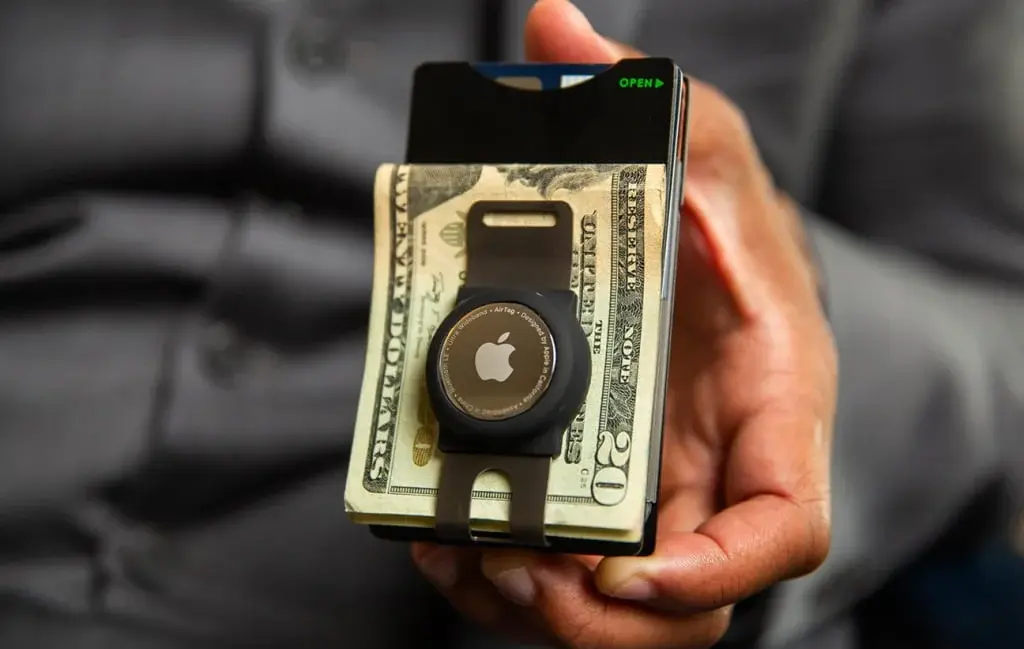
    In response to the evolving payment landscape, minimalist wallets have emerged as a modern solution for individuals seeking practical and compact ways to carry their essentials. These wallets prioritize functionality and efficiency while accommodating the shift towards digital payments. One such example is the Shuffle Wallet, designed to streamline daily transactions and enhance the overall user experience.

    For more information about the Shuffle Wallet and other minimalist solutions, visit Shuffle Wallet website

    If you’re looking to embrace the future of currency management and stay ahead in the digital payment realm, exploring minimalist wallet options could be a step in the right direction.

    Evolving Finance Trends & Emergence of Minimalist Wallets

  • Introducing Roborock P10S and P10S Pro: Advanced Self-Cleaning Mopping Robots

    Introducing Roborock P10S and P10S Pro: Advanced Self-Cleaning Mopping Robots

    Roborock, a prominent player in home cleaning technology, has recently unveiled its newest additions to the robotic cleaner lineup, the P10S and P10S Pro, representing a significant leap forward in automated home cleaning solutions. These latest models follow in the footsteps of the previously launched P10 and P10 Pro from the previous year.

    Roborock P10S Pro Specifications:

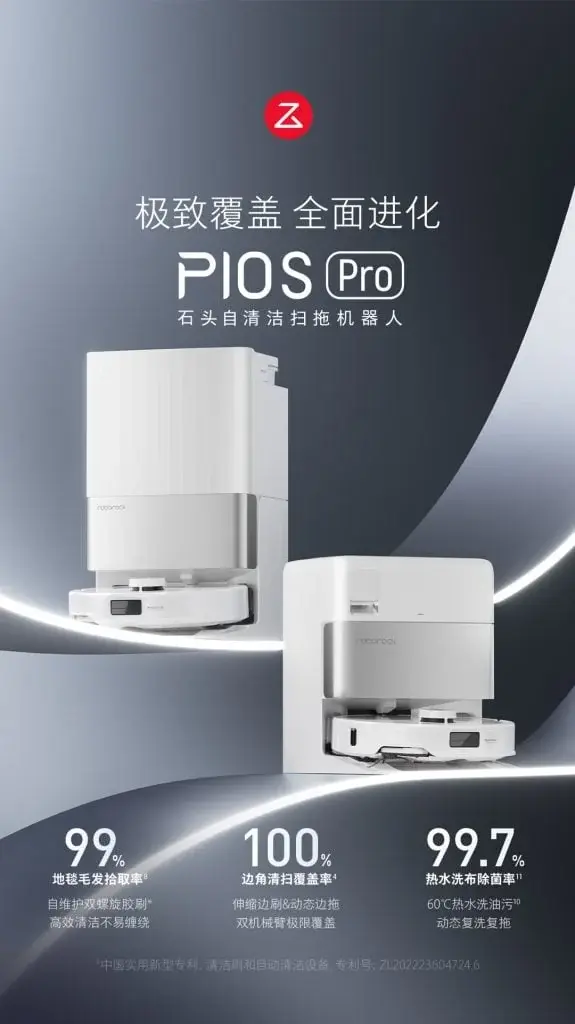
    The flagship offering, the P10S Pro, distinguishes itself with its innovative dual telescopic mechanical arms, a feature meticulously engineered to extend the robot’s reach into edges and corners, achieving an impressive 98.8% coverage. This novel approach tackles a common challenge faced by robotic vacuum cleaners, ensuring thorough cleaning throughout all areas of the household.

    Moreover, the P10S Pro comes equipped with a self-maintaining dual spiral sweeping system that merges dual-brush inward rolling with a robust 11000Pa suction capability. This system is tailored to streamline the cleaning process by suctioning, rolling, and cutting debris, proving to be particularly effective in households with carpets and pets. The improved system aims to minimize maintenance requirements and provide a convenient cleaning solution. Additionally, it boasts a 99.7% sterilization rate with hot water washing at 60°C.

    Roborock P10S Pro Features:

    The Roborock P10S Pro includes self-cleaning mopping technology and intelligent water management, achieving an impressive 99.99% ground sterilization rate. Its compact design suits various home settings, and the Roborock SmartPlan AI enhances cleaning plans. A versatile base station supports hot water washing, automated dust collection, and water replenishment, enriching the overall cleaning experience.

    Roborock P10S Specifications:

    The P10S model is crafted to be versatile and cost-effective without compromising on performance. It highlights a 98.8% dynamic mechanical arm for thorough edge and corner coverage, a 7000Pa ultra-strong suction power, and a soft rubber main brush to minimize hair tangling.

    It offers high-temperature sterilization and washing at 60°C for dynamic mopping and showcases a self-cleaning feature with a compact mini base station. The FlexiArm design guarantees dynamic edge mopping with a 98.8% coverage rate. The robot is also equipped with an antibacterial system, dynamic wet mopping, and a 99.99% floor sterilization rate.

    The devices support various control methods, including voice commands and smart device integration. Both models are embedded with Roborock’s latest SmartPlan AI, enabling the robots to intelligently strategize and optimize cleaning routes based on user behavior and specific home layouts, including room types and flooring materials

    Introducing Roborock P10S and P10S Pro: Advanced Self-Cleaning Mopping Robots
  • Tecno Spark 20C: Leaked Image Shows Leather Back Panel & Color Choices

    Tecno Spark 20C: Leaked Image Shows Leather Back Panel & Color Choices

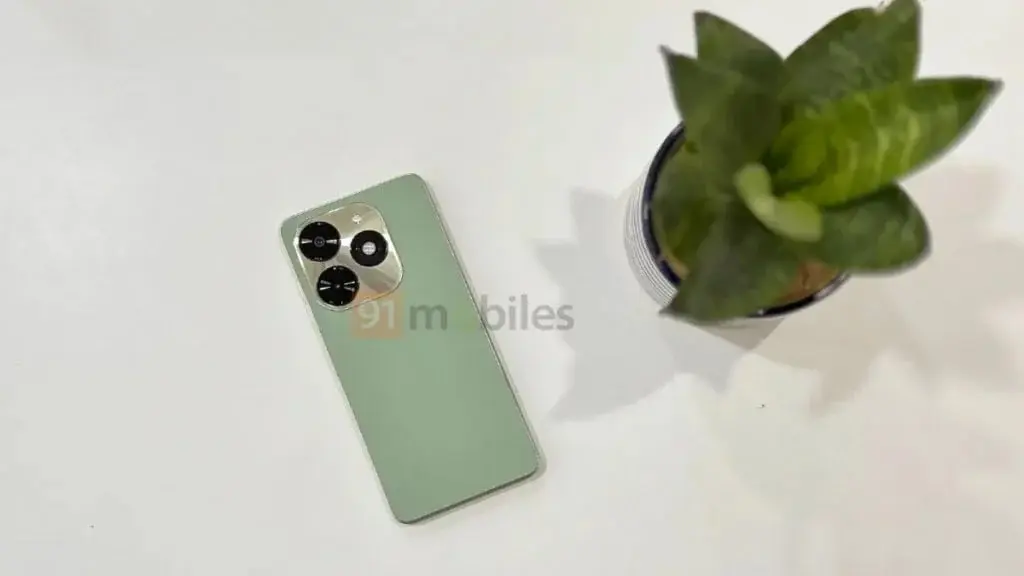
    Tecno recently introduced the Spark 20C smartphone in global markets, with plans to launch it in India soon. A live image shared by 91Mobiles provides a glimpse of the device’s rear panel design and color option, hinting at the imminent arrival of the Spark 20C.

    A Peek at the Tecno Spark 20C

    The Tecno Spark 20C showcases a leather-textured back panel in a Light Green hue, indicating the possibility of more color variants upon launch. Sporting a squarish camera module with a Gold-color finish, the smartphone boasts a dual-tone aesthetic. The rear panel accommodates two camera sensors and an LED flash unit, while the power and volume rocker buttons are situated on the right side. Additionally, reports suggest that the Spark 20C will feature a WhatsApp call recording capability.

    Launch Expectations in India

    While the exact launch timeline of the Tecno Spark 20C in India remains undisclosed, speculations hint at an imminent release. Official details regarding the Indian launch are anticipated to surface in the near future.

    The Tecno Spark 20C offers a 6.6-inch HD+ display with a 90Hz refresh rate in its global variant. Equipped with a 50MP rear camera alongside an AI lens and an 8MP selfie shooter, the device boasts impressive imaging capabilities. Under the hood, an octa-core processor powers the Spark 20C, with options for 4GB and 8GB RAM configurations paired with 128GB of internal storage. To keep users powered throughout the day, the smartphone houses a robust 5,000mAh battery that supports 18W fast charging.


    This article is based on information regarding the Tecno Spark 20C smartphone, its design, features, and imminent launch in the Indian market. Stay tuned for more updates as the official unveiling draws near.

  • Google Camera Ports Development May Face Blocking by Google

    Google Camera Ports Development May Face Blocking by Google

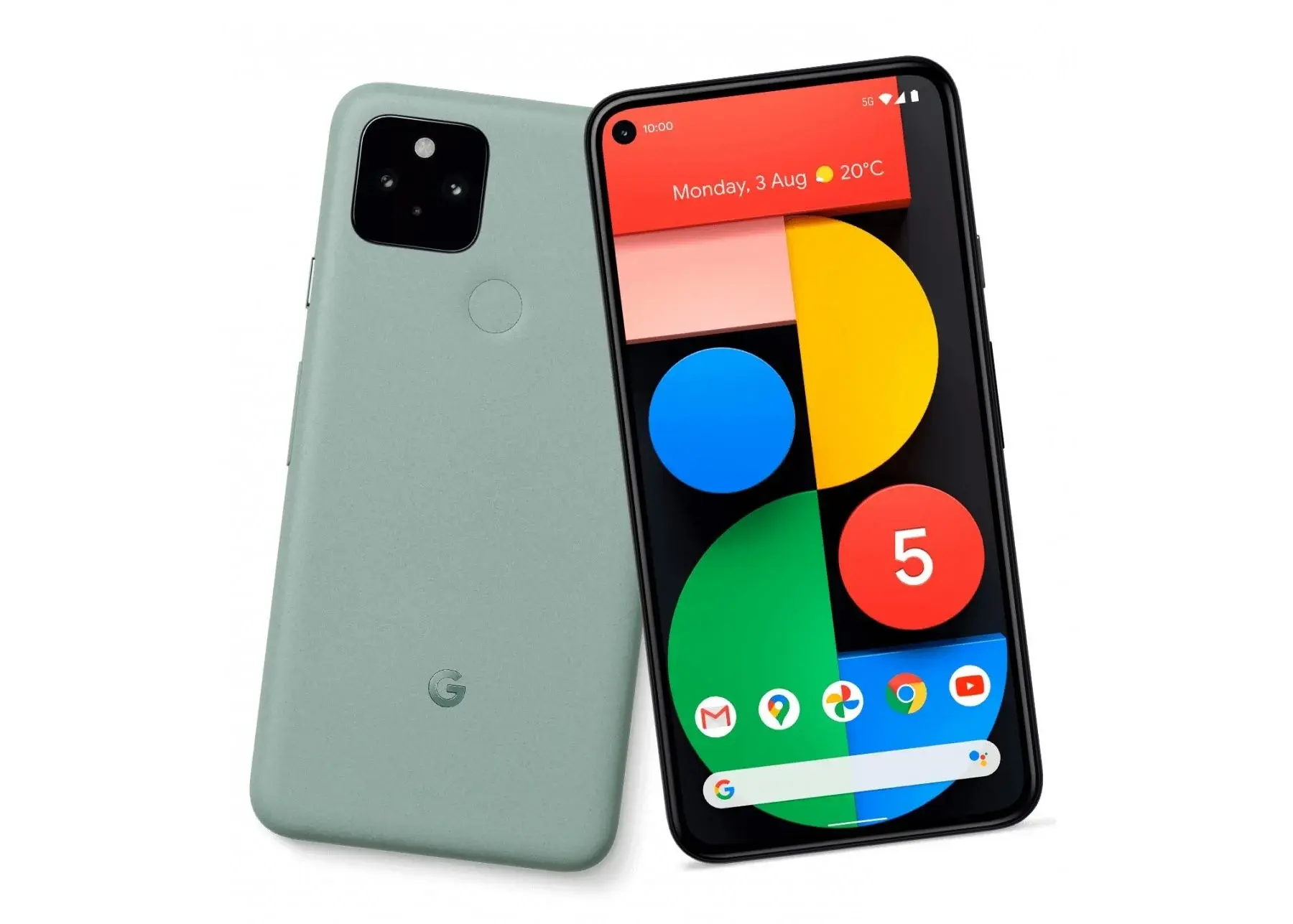
    Google recently unveiled the first developer preview version of Android 15, bringing forth a host of captivating features. Despite this initial release, the Pixel 5 series devices did not receive the Android 15 update. As Pixel 5 devices are no longer receiving official software support, the possibility of porting the GCam app to non-Pixel Android devices seems increasingly unlikely. The oldest Pixel devices eligible for the Android 15 update are part of the Pixel 6 series, equipped with Google’s custom Tensor chipset.

    Google’s Shift Away from Snapdragon Support

    In 2020, Google introduced the Pixel 5, which officially ceased to receive software updates by 2024. Noteworthy for featuring the last Snapdragon chipset from Google, the Pixel 5 stands out from the modern devices like the Pixel 6, which boast the custom Tensor CPU.

    Impact on Pixel 5 Features

    With the transition to their proprietary chipset, Google now wields complete control over the processor, a realm previously limited by Snapdragon chipsets. This shift may lead to Pixel-exclusive features that operate solely with a Tensor processor, potentially complicating the utilization or porting of Pixel features to non-Pixel devices.

    Challenges with Qualcomm DSP Support

    There’s a possibility that Qualcomm DSP support could be eliminated from Google Camera, a crucial component for image processing on Qualcomm chipsets. Should the GCam application be adapted to various devices without this support, image processing times could significantly lengthen, rendering GCam ports ineffective.

    Despite the possibilities, it remains uncertain whether these changes will come to fruition, especially with Google discontinuing official support for Snapdragon devices. However, a more pressing concern arises from the performance limitations of Tensor chipsets.

    Addressing Tensor Chipset Performance

    Since Google’s inception of their custom chipset in 2021, Tensor CPUs continue to grapple with substantial challenges in power and efficiency. Present-day Tensor CPUs offer performance levels akin to Qualcomm’s flagship processors from approximately three years ago. Given the current landscape of smartphones featuring robust processing power and impressive battery life, Google may need to reconsider adopting Snapdragon chipsets once more or make significant advancements in the Tensor lineup.

    Google Camera Ports Development May Face Blocking by Google