Category: All News

  • XPPen Artist Pro 27: 4K 120Hz Drawing Display with Color Accuracy

    XPPen Artist Pro 27: 4K 120Hz Drawing Display with Color Accuracy

    Key Takeaways

    1. The XPPen Artist Pro 27 is a 27-inch external monitor with a resolution of 3840 x 2160 pixels and a refresh rate of 120 Hz.
    2. It covers 99% of Adobe RGB and sRGB color gamuts and 97% of DCI-P3, with a ΔE value below 1 for color precision.
    3. The monitor supports X3 Pro Slim and X3 Pro styli with 16,384 levels of pressure sensitivity and offers a tilt range of 16° to 72°.
    4. It features ten-finger multitouch, an anti-glare surface, and is compatible with multiple operating systems, including Windows and macOS.
    5. The price of the XPPen Artist Pro 27 is $1,899, with a smaller alternative, the Artist Pro 24, available for $770.


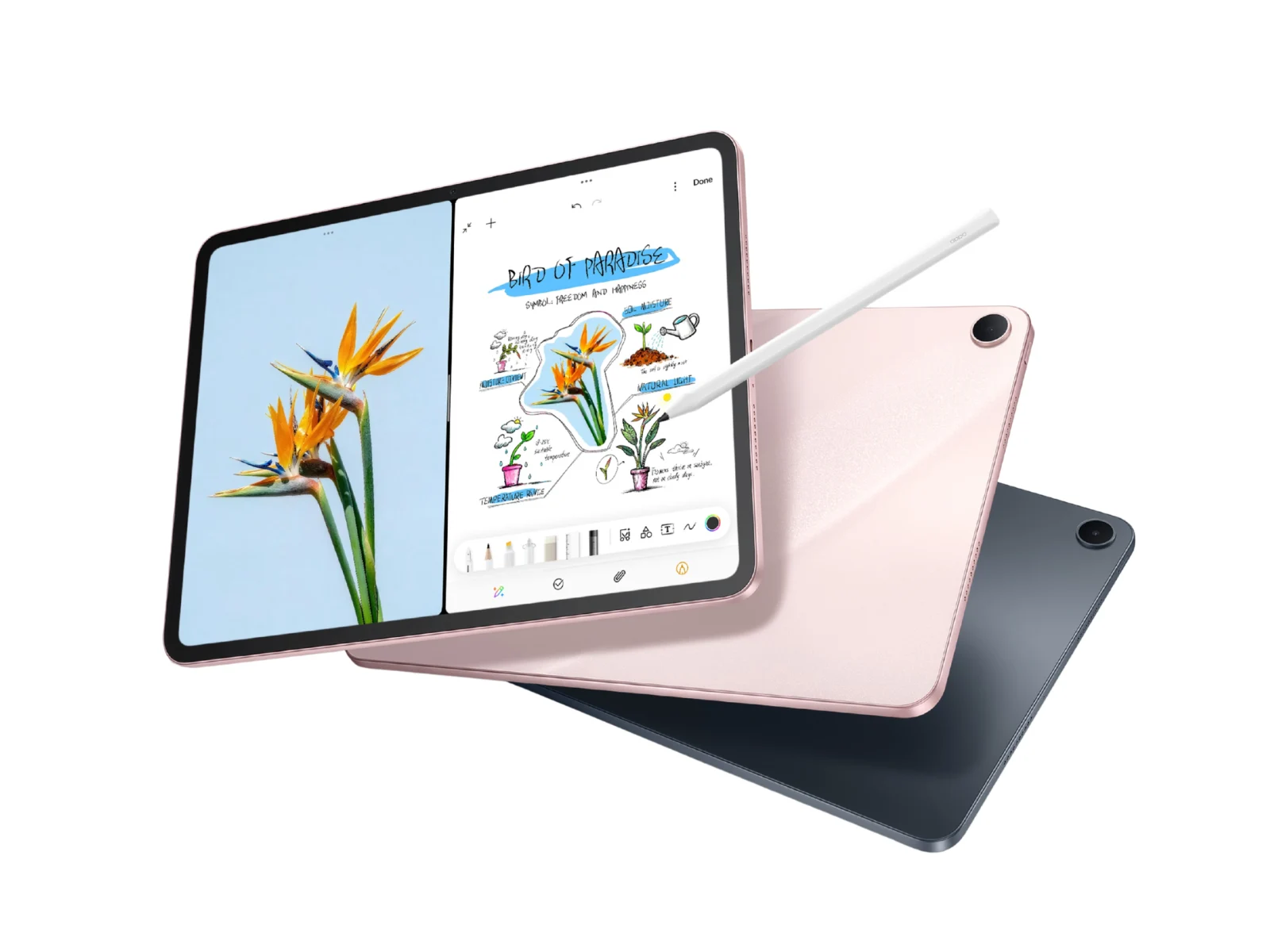
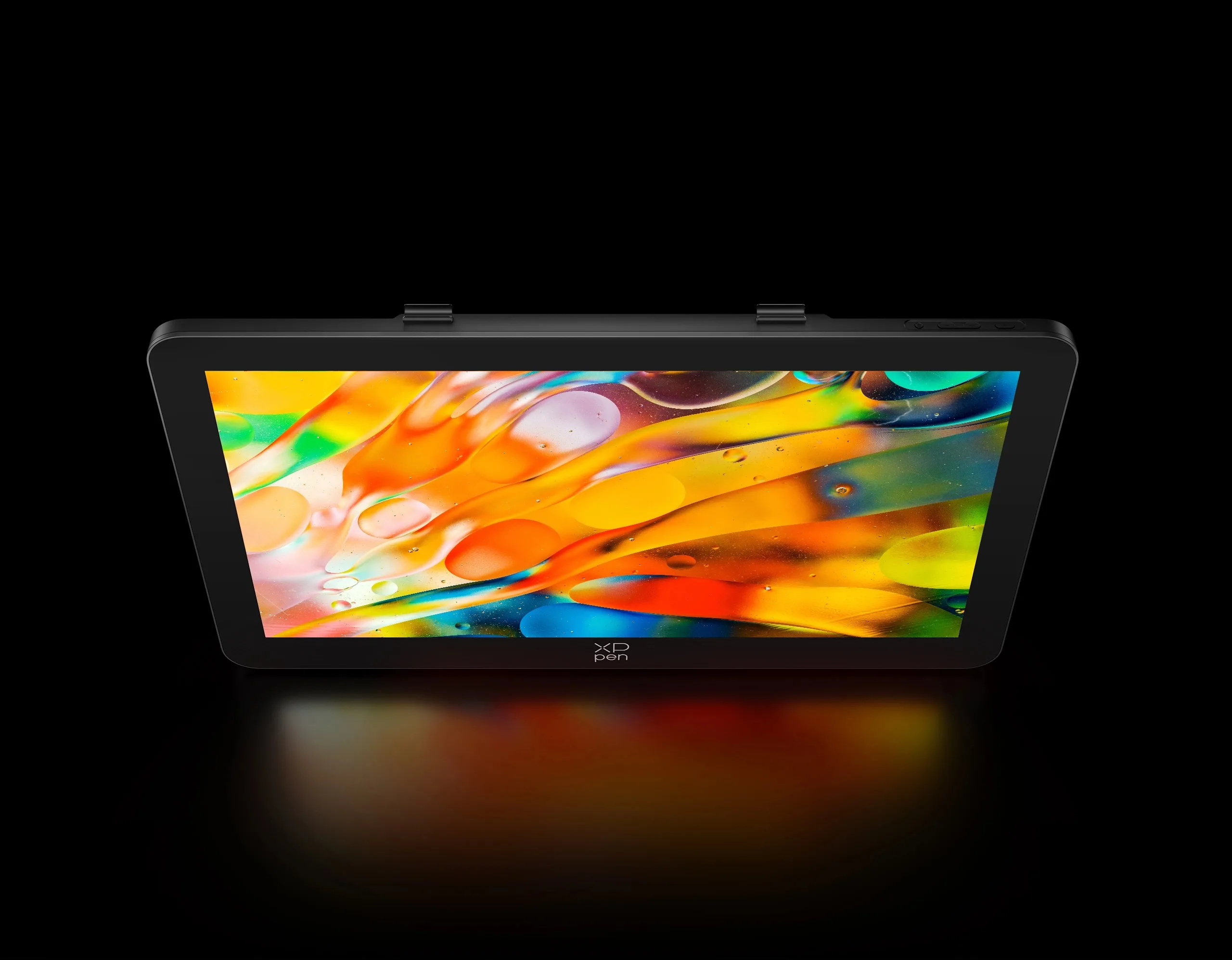
    XPPen has launched a new premium external monitor tailored for creative professionals. Named the Artist Pro 27, this 27-inch screen showcases a resolution of 3840 x 2160 pixels and a refresh rate of 120 Hz, ensuring smooth visuals and performance.

    Impressive Color Features

    The Artist Pro 27 is said to excel in color reproduction. It reportedly covers 99% of both the Adobe RGB and sRGB color gamuts, along with 97% of the DCI-P3 color gamut. Color precision is also noteworthy, with a ΔE value below 1. A review from Creative Bloq highlights the display’s vibrant and rich visuals, though it notes that brightness levels are somewhat limited, reaching a maximum of 350 nits.

    Stylus and Usability

    Stylus compatibility is essential for displays targeting artists. The X3 Pro Slim and X3 Pro styli deliver remarkable features, boasting an impressive 16,384 levels of pressure sensitivity. The display can be tilted from 16° to 72° for user convenience. It claims an accuracy of +/- 0.4 mm at the center. Weighing 15.43 pounds, this display should be transportable enough for those who need to move it around.

    Additional Features and Pricing

    Other key features of the XPPen include support for ten-finger multitouch, an anti-glare and anti-fingerprint surface, and compatibility with Windows, macOS, ChromeOS, Android, and Linux. Connectivity options feature USB-C, HDMI, DisplayPort, and an audio jack. The XPPen Artist Pro 27 is priced at $1,899 and can be bought directly from XPPen’s website.

    For digital artists looking for a smaller alternative, XPPen offers options like the Artist Pro 24, which is available for $770 on Amazon.

    Source:
    Link


  • Machenike Launches New Asus ROG NUC Rival with RTX 5070 Soon

    Machenike Launches New Asus ROG NUC Rival with RTX 5070 Soon

    Key Takeaways

    1. Machenike has launched a new mini-PC for gaming, called the Dawn Gaming Mini PC, which competes with the ROG NUC 2025.
    2. The Dawn Gaming Mini PC will feature Nvidia’s GeForce RTX 5060 and RTX 5070 laptop GPUs, but will not support RTX 5070 Ti or RTX 5080.
    3. It utilizes Intel’s Raptor Lake HX platform instead of the newer Arrow Lake HX options.
    4. Pricing starts at CNY 13,999 (about $2,030) for a model with a Core i7-14700HX and GeForce RTX 5060, with higher specs available.
    5. The mini-PC will be available in China starting March 22, but there is no information on a global launch yet.


    Machenike has launched a new mini-PC designed for gaming. Earlier this year, they introduced a budget-friendly version of their GTS mini-PC, which they later made available worldwide through Minixpc.

    New Competition in the Market

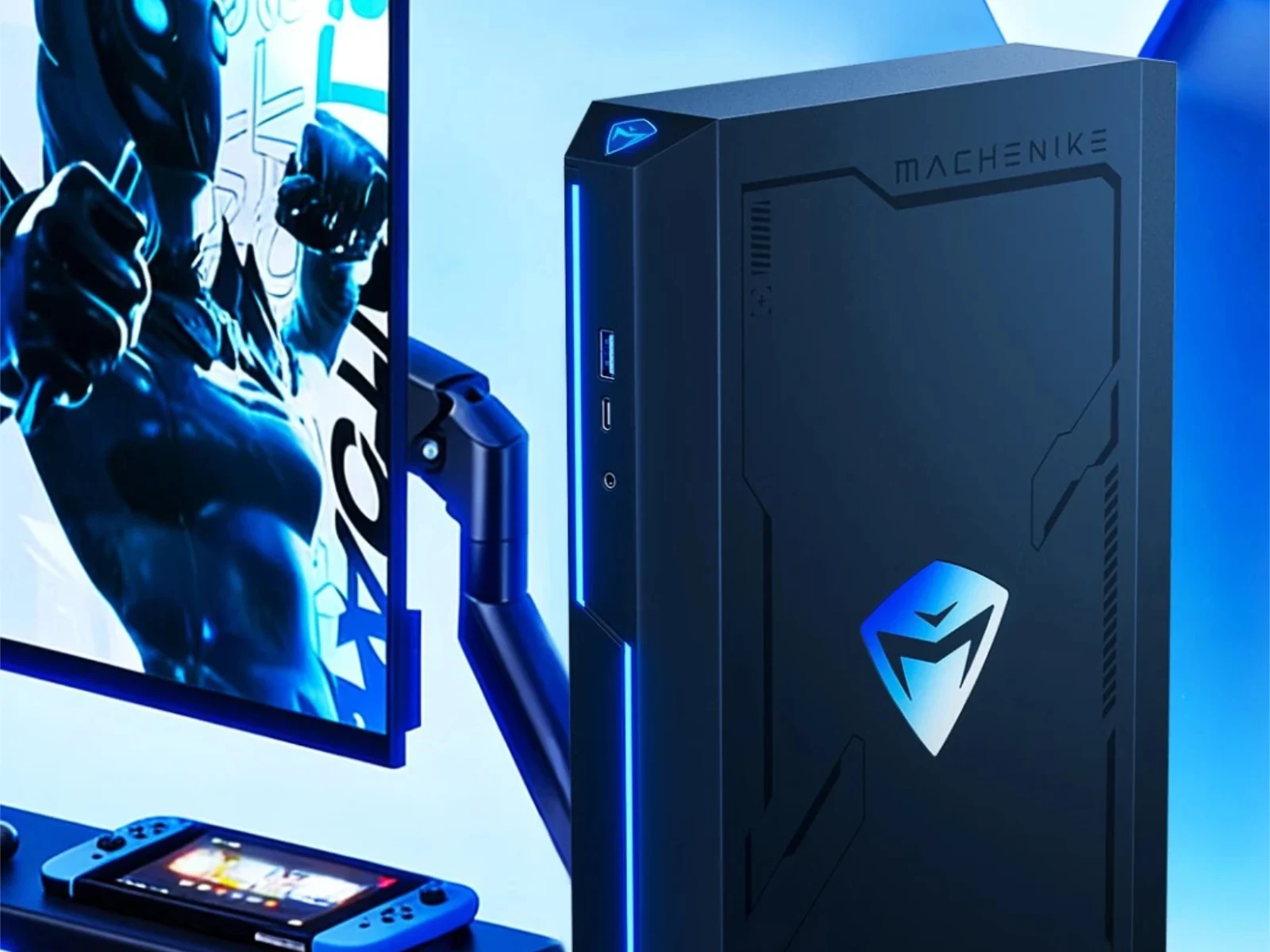
    Recently, they unveiled a fresh competitor to the ROG NUC 2025, which currently retails for $1,749 on Amazon, in China. This new device, roughly translated as the Dawn Gaming Mini PC, also stands upright like the well-known Asus mini-PC. Additionally, Machenike plans to equip the Dawn Gaming Mini PC with Nvidia’s GeForce RTX 5060 and RTX 5070 laptop GPUs.

    Limitations in Options

    Notably, the Dawn Gaming Mini PC will not support configurations with the GeForce RTX 5070 Ti or the GeForce RTX 5080. Instead, it uses Intel’s Raptor Lake HX platform, as opposed to the newer Arrow Lake HX options that would align with the ROG NUC 2025.

    Pricing and Specs

    The starting price for the Dawn Gaming Mini PC is CNY 13,999 (about $2,030) for a model featuring a Core i7-14700HX and a GeForce RTX 5060. Machenike will also offer models with a Core i9-14900HX, which will come with either the GeForce RTX 5060 for CNY 14,999 (~$2,175) or the RTX 5070 for CNY 15,999 (~$2,320). All versions are set to be available in China starting March 22, with 32 GB of DDR5 RAM and 1 TB of PCIe 4.0 storage. As of now, Machenike hasn’t provided any information regarding a global launch.

    Source:
    Link


  • iPhone Fold Release Delayed; Surprising iPhone 18 Plus Name Mentioned

    iPhone Fold Release Delayed; Surprising iPhone 18 Plus Name Mentioned

    Key Takeaways

    1. Apple is exploring the foldable phone market with a new model possibly named iPhone Fold or iPhone Ultra, expected to ship in December this year.
    2. The iPhone 18 series is set to launch in March next year, along with potential models like the iPhone 18e and either the iPhone 18 Plus or iPhone Air 2.
    3. The name ‘iPhone 18 Plus’ raises questions as Apple had previously moved away from the ‘Plus’ label in the iPhone 17 series.
    4. The iPhone Air has experienced declining sales compared to other models, but its performance supports plans for a second-generation version.
    5. The iPhone 18 Pro and Pro Max are anticipated to be released in September, following Apple’s staggered launch strategy.


    Apple has been in talks for some time now about joining the foldable phone market this year. There have been indications of an iPhone Fold that was set to launch in September, alongside the new iPhone 18 series. However, a recent report suggests a later release date and introduces a new name for an iPhone model that hasn’t been previously mentioned. This intriguing device is anticipated to arrive in March next year.

    Launch Timeline Shift

    As per a report from Macrumors, which quotes Apple expert Tim Long, the iPhone Fold, or possibly the iPhone Ultra, is expected to begin shipping in December this year. Earlier information indicated that this model would be available in September, but it appears that the timeline has been adjusted. This is similar to Apple’s approach with the iPhone X, where the iPhone 8 and 8 Plus were launched in September, and the iPhone X followed later in December.

    New Models on the Horizon

    Moreover, the analyst mentioned that the iPhone 18 is set to launch in March of next year, and it will be joined by two other models: the iPhone 18e and either the iPhone 18 Plus or the iPhone Air 2. While the existence of these models isn’t surprising due to prior leaks, the name iPhone 18 Plus raises some eyebrows. Apple had stopped using the ‘Plus’ label with the iPhone 17 series, replacing it with the iPhone 17 Air. It’s possible that the same could happen with the iPhone 18 series, and it seems unlikely that Apple would revert to the Plus naming system.

    Sales Performance Concerns

    On the other hand, the iPhone Air hasn’t seen significant sales, especially when compared to other models in the range. After a solid launch, its sales figures have dropped. Despite this, reports suggest that the performance was sufficient to justify a second-generation version of the device.

    For now, September is expected to see the release of the iPhone 18 Pro and Pro Max as per Apple’s rumored staggered launch strategy. In the upcoming months, more information about the complete lineup should become available.

    Source:
    Link


  • Lenovo to Launch RTX 5070 12GB Gaming Laptops with Intel Core Ultra 7

    Lenovo to Launch RTX 5070 12GB Gaming Laptops with Intel Core Ultra 7

    Key Takeaways

    1. Intel announced the new Arrow Lake HX Plus processors, with the Core Ultra 9 290HX Plus currently available in Alienware gaming laptops.
    2. Upcoming gaming laptops will feature the Core Ultra 7 251HX processors, including models from Lenovo and Fnac.
    3. The new laptops may include Nvidia’s GeForce RTX 5070 12 GB GPU, which some listings refer to as the RTX 5070 Ti.
    4. Lenovo plans to launch at least four more gaming laptops with the new GPU, updating existing models rather than introducing entirely new ones.
    5. Nvidia has an embargo on manufacturers that will be lifted around the end of April, coinciding with Lenovo’s expected launch of the Legion 5i on May 1.


    Intel recently made a big announcement about the Arrow Lake HX Plus processors. The new Core Ultra 9 290HX Plus is currently available only in three Alienware gaming laptops. However, various OEMs, such as Acer and Asus, have been confirmed to be using the 24-core processor in their devices.

    Upcoming Core Ultra 7 Laptops

    It looks like there are some upcoming gaming laptops that will feature the less powerful Core Ultra 7 251HX processors. For example, Lenovo is already offering a Legion 5i version with the Core Ultra 251HX on Amazon. Additionally, retailer Fnac has shared that a new Raider 16 HX B2WH model will also come with the same processor.

    Graphics GPU Details

    Interestingly, this laptop seems to include Nvidia’s new GeForce RTX 5070 12 GB GPU. Some listings still call this GPU the GeForce RTX 5070 Ti. At the same time, an insider named Huang514613 has pointed out that Lenovo is set to launch at least four more gaming laptops featuring this new discrete GPU.

    As illustrated in the images below, these are updates to the existing models like the Legion Pro 5 16ADR10, Legion Pro 5 16IRX10, LOQ 15IRX10, and LOQ 17IRX10, rather than entirely new versions. Notably, every model except for the Legion Pro 5 16ADR10 comes equipped with Intel Arrow Lake HX processors, while the 16ADR10 uses AMD’s Dragon Range platform. Reports suggest that Nvidia has placed an embargo on manufacturers that will lift ‘around [the] end of April.’ This aligns with Amazon’s information that Lenovo is expected to launch its new Legion 5i on May 1.

    Source:
    Link


  • Oppo Pad Mini: New Leak Reveals Compact Android Tablet Details

    Oppo Pad Mini: New Leak Reveals Compact Android Tablet Details

    Key Takeaways

    1. The Oppo Pad Mini will feature an 8.8-inch display with a high refresh rate.
    2. It is expected to use the Snapdragon 8 Gen 5 processor, which is a 3nm octa-core Qualcomm chip.
    3. The tablet will have a 13MP rear camera and an 8MP front camera.
    4. The Oppo Pad Mini is anticipated to be launched alongside the Find X9 Ultra in April.
    5. There is no detailed information available about the Oppo Pad Mini beyond the specifications mentioned.


    Previously, a leak disclosed important specifications about the Oppo Pad 5 Pro. This tablet is anticipated to be released as a flagship model with a sizeable 13.2-inch screen and a Snapdragon 8 Elite Gen 5 processor. A tipster named Digital Chat Station on Weibo has now provided some crucial information regarding another upcoming Oppo tablet, which is said to be the Oppo Pad Mini.

    Features of the Oppo Pad Mini

    As the name implies, the Oppo Pad Mini will be a smaller tablet. The tipster indicates that it will come equipped with an 8.8-inch display that boasts a high refresh rate.

    A prior leak hinted that it might utilize the flagship Snapdragon 8 Elite Gen 5 chipset. Nevertheless, the tipster mentions that it could actually incorporate the Snapdragon 8 Gen 5 instead. This is a 3nm octa-core Qualcomm processor, which is also found in sub-flagship smartphones like the OnePlus 15R (currently priced at $699 on Amazon). The new tablet is rumored to include a 13MP camera on the back and an 8MP camera on the front.

    Release Expectations

    At this time, there are no additional details available about the Oppo Pad Mini. The company is anticipated to introduce the Find X9 Ultra in April, and it is likely that the Pad Mini will be launched alongside it. In a separate development, Oppo is also believed to be developing the Find X9s, a compact flagship smartphone that is expected to feature an impressive 7,000mAh battery.

    Source:
    Link


  • ZimaCube 2: High-End NAS with 64GB RAM, 164TB Storage, GPU Support

    ZimaCube 2: High-End NAS with 64GB RAM, 164TB Storage, GPU Support

    Key Takeaways

    1. The ZimaCube 2 NAS features Intel’s Alder Lake CPUs, with pre-orders starting at $799 for the base model equipped with a 6-core i3-1215U CPU.

    2. Users can choose a more powerful variant with a 10-core i5-1235U CPU, offering about 23% better multi-core performance.

    3. The device includes 8 GB of RAM, a 256 GB SSD, six SATA III bays, and four NVMe M.2 slots, allowing for a maximum storage capacity of 164 TB.

    4. It has various expansion options, including PCIe slots and support for up to 64 GB of RAM, all within a compact size of approximately 9.45 x 8.7 x 8.6 inches.

    5. While the ZimaCube 2 is suitable for home lab enthusiasts, more budget-friendly alternatives like the 4-bay Ugreen NASSync DH4300 are available for those with simpler needs.


    A new NAS system has made its debut, called the ZimaCube 2. This device is powered by Intel’s Alder Lake CPUs, making it a good option for people seeking an effective personal NAS solution that won’t strain their budget too much.

    Pricing and Specifications

    However, it’s important to note that the ZimaCube 2 NAS isn’t exactly inexpensive. Pre-orders for the device start at $799, and it comes equipped with a 6-core Intel i3-1215U CPU. In terms of multi-core performance, the Alder Lake chip operates similarly to a modern Core Ultra 5 134U CPU, typically found in entry-level laptops.

    Performance and Usability

    The performance should be sufficient, and users wanting to utilize the ZimaCube 2 as a compact PC for light daily tasks can do that as well. There’s also a more powerful option featuring the 10-core Core i5-1235U CPU, which offers approximately 23% better multi-core performance.

    Storage and Expansion

    The base model of the ZimaCube 2 NAS includes 8 GB of RAM and a 256 GB SSD. For additional storage, it boasts six SATA III bays (for both 3.5-inch and 2.5-inch drives) and 4 NVMe M.2 slots, allowing for a total of 164 TB of maximum storage capacity. The I/O options are impressive, as outlined below:

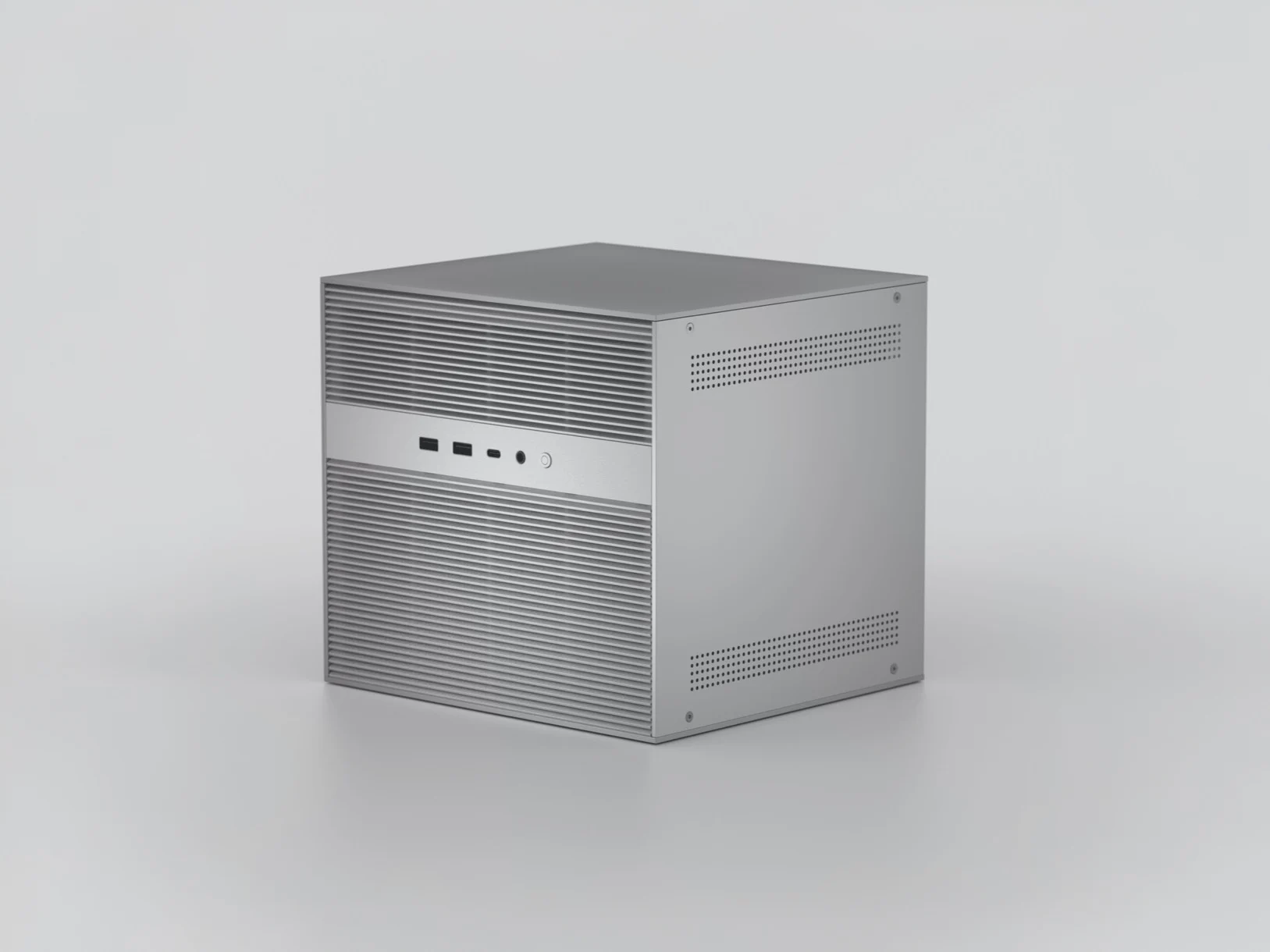
    Other expansion possibilities feature a PCIe 4.0 x16 slot (with x4 lanes) for GPUs, a PCIe 3.0 x8 slot (with x2 lanes), and support for up to 64 GB of RAM. With dimensions around 9.45 x 8.7 x 8.6 inches or 240 x 221 x 220 mm, the ZimaCube 2 NAS is quite compact. The entry-level model is available in silver, while the premium model comes in black.

    Overall, the ZimaCube 2 lineup seems to be a great option for home lab enthusiasts. Those with simpler needs might want to consider alternatives such as the 4-bay Ugreen NASSync DH4300, which is currently priced at $379 on Amazon, allowing them to save a few hundred bucks.

    Source:
    Link


  • Xiaomi Launches Slim Magnetic Charging Power Banks

    Xiaomi Launches Slim Magnetic Charging Power Banks

    Key Takeaways

    1. New Models: The Black Shark Blade 2+ power banks are improved versions of their non-Plus counterparts, featuring a magnetic surface with a special coating.

    2. Battery Capacities: Two versions are available: a 5,000mAh model (0.8cm thick, 105g) and a 10,000mAh model (1.36cm thick, 175g).

    3. Charging Speeds: Both models support 15W wireless charging; wired charging speeds are 18W for the 5,000mAh version and 22.5W for the 10,000mAh version.

    4. Design Features: The power banks have a modern design with power level indicators, a side button for battery status, and strong N52 magnets for attachment.

    5. Pricing and Availability: The 5,000mAh model is priced at CNY 159 (around $29) and the 10,000mAh model at CNY 189 (about $27); international release is uncertain.


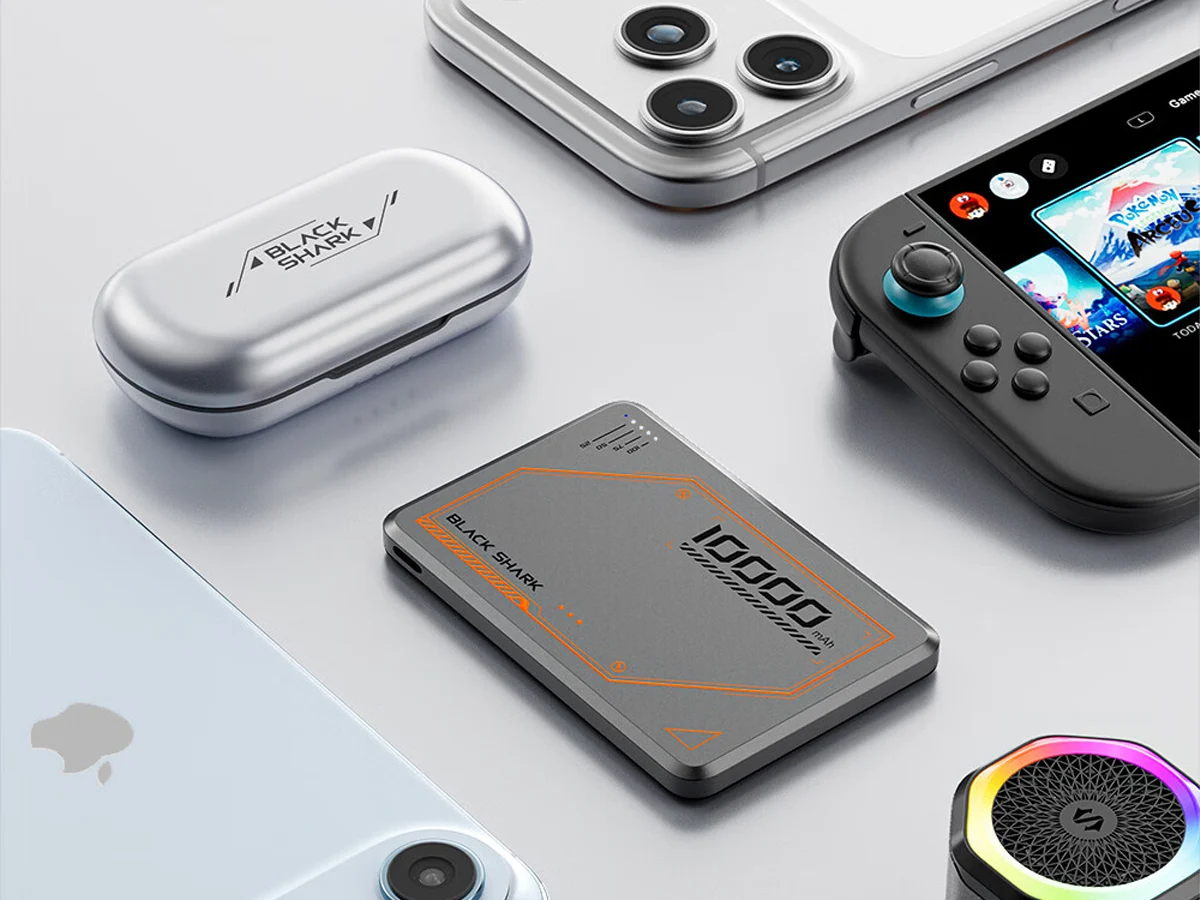
    The Black Shark Blade 2+ power banks have been launched in China. These new models from Xiaomi are slightly improved versions of their non-Plus counterparts. A key update is the magnetic surface, which now features a coating believed to come from a UV excimer process.

    Battery Options and Sizes

    There are two versions available: one with a 5,000mAh capacity and the other boasting 10,000mAh. The smaller model is just 0.8cm thick while the larger one measures 1.36cm in thickness. Xiaomi emphasizes that this slim design is complemented by a lightweight structure, making the weights of the power banks 105g and 175g, respectively.

    Charging Speeds and Features

    Both power banks support 15W wireless charging. The wired charging speeds are 18W for the 5,000mAh version, and the 10,000mAh model can reach 22.5W (using a 3-feet Anker 240W cable curr. $9.99 on Amazon). Xiaomi also mentions that the batteries are “Apple-derived,” ensuring stable and reliable power output.

    Design and Availability

    In terms of design, the Black Shark Blade 2+ power banks showcase a modern aesthetic, complete with power level indicators on the outside. They include a side button that, when pressed once, displays the battery status, and a double press turns off the charger.

    Other features include N52 magnets for strong magnetic attachment, support for various charging protocols, and they come in two different colors. In China, the pricing is set at CNY 159 (approximately $29) for the 5,000mAh version, while the 10,000mAh model is priced at CNY 189 (around $27). Xiaomi may consider launching these power banks internationally, but a widespread global release is not anticipated.

    Source:
    Link


  • Nintendo Switch 2: Easy Battery Replacement for EU Compliance

    Nintendo Switch 2: Easy Battery Replacement for EU Compliance

    Key Takeaways

    1. The Switch 2 is harder to fix than its predecessor, with battery issues being a common complaint.
    2. Nintendo is redesigning the Switch 2 for European markets to comply with the EU’s Right to Repair directive, effective July 2026.
    3. Joy-Con 2 controllers will see improvements, particularly regarding battery reliability and stick drift issues.
    4. New EU regulations aim to make spare parts more accessible, reducing repair costs and e-waste.
    5. Concerns about the durability of the Switch 2 battery exist, with challenges in accessing it for repairs due to strong adhesive.


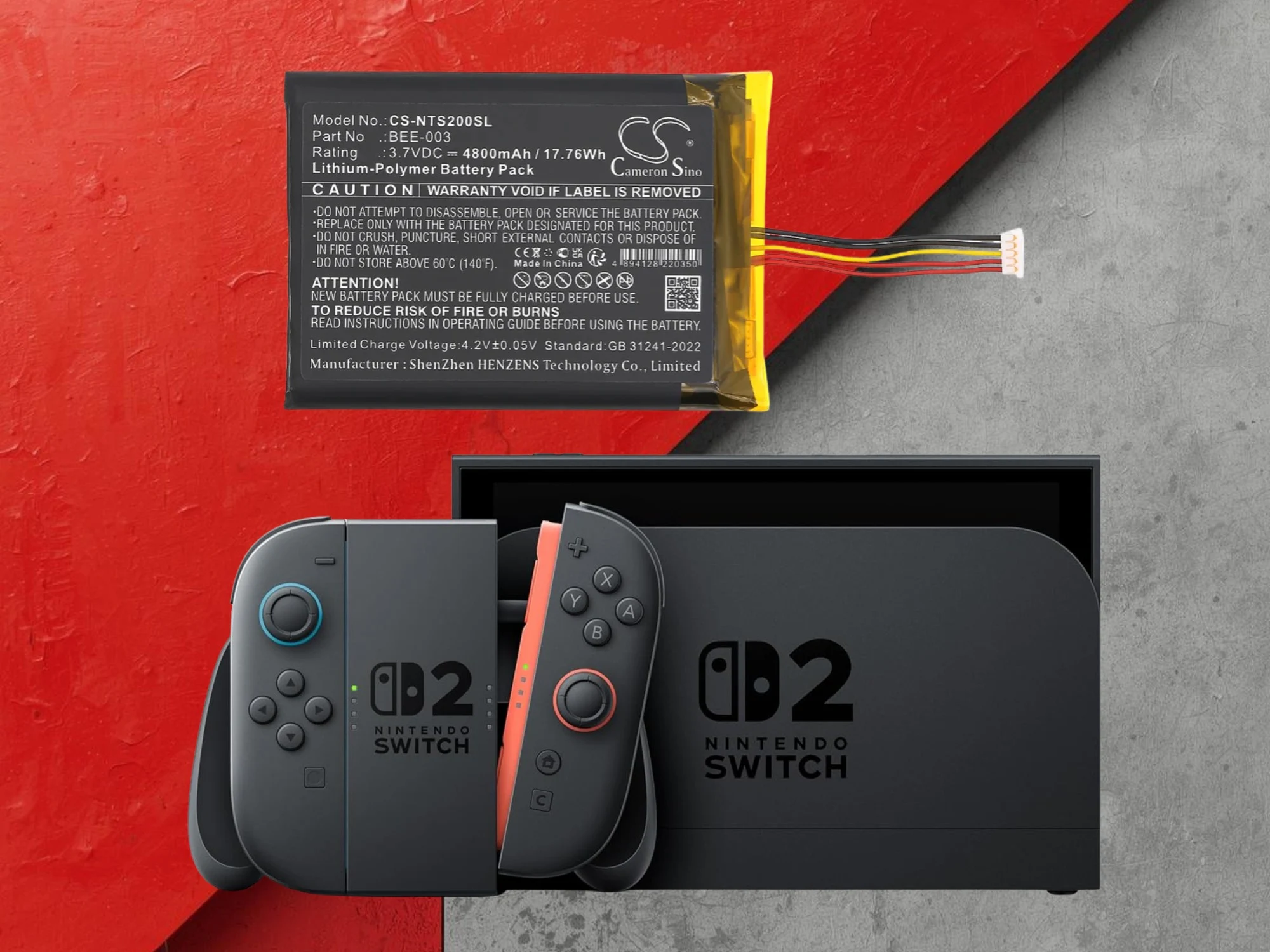
    iFixit has noted that the Switch 2 is quite hard to fix, even more so than the previous handheld version. One of the most frequent issues reported to Nintendo Support is a reduced capacity or damaged battery. In at least one area, the company plans to alter the Switch 2 specifications to make it easier to replace this component.

    Nintendo’s Response to Legislation

    According to a report by Nikkei in Japan, Nintendo is taking steps to comply with EU laws. The Right to Repair directive, which was passed in 2024, is set to take effect in July 2026. Currently, Nintendo is only looking at redesigning the Switch 2 for European markets. However, they may consider enhancements for repairability in Japan and North America down the line.

    Joy-Con Improvements on the Horizon

    While the issue of stick drift is a significant concern with the Joy-Con 2 controllers, Nintendo also intends to make improvements to these accessories. The controllers, which come with the console, have rechargeable lithium-ion batteries that tend to wear out over time.

    In the past few years, the EU has implemented additional regulations concerning batteries. These new rules aim to provide consumers with better repair options for devices such as smartphones, tablets, and hand-held gaming systems. With these changes, spare parts are expected to be more accessible, which should lower repair costs at home or in local businesses. A key goal of this legislation is to minimize e-waste when electronics become too hard or expensive to repair.

    Battery Reliability Concerns

    Having been on the market since June 2025, the durability and lifespan of the Switch 2 battery are still unclear. So far, isolated cases of dangerous swelling have been reported. Nevertheless, teardowns have revealed that if the battery does fail, many gamers may find it challenging to fix it. Even after taking apart the handheld, accessing the battery is tough due to strong adhesive securing it.

    With the current memory shortage impacting production, Nintendo’s adjustments to the Switch 2 specs could lead to higher manufacturing costs. Sometimes, it can be more cost-effective for a company to modify a product’s design on a global scale. It’s also uncertain whether the gaming giant will revise its warranty policies in light of the new EU regulations.

    Source:
    Link


  • Unitree Launches Humanoid Robot for Home Chores and Elder Care

    Unitree Launches Humanoid Robot for Home Chores and Elder Care

    Key Takeaways

    1. Unitree has sold over 5,500 humanoid robots in 2025, surpassing American competitors like Tesla and Agility Robotics.
    2. The company plans to introduce a more affordable general-purpose humanoid robot by 2030, focusing on practical applications for everyday use.
    3. Unitree aims to extend the use of humanoid robots beyond industrial tasks to household chores and elder care within the next three years.
    4. The design of Unitree’s upcoming robots will incorporate cloud-based training and real-world data collection for improved decision-making.
    5. Real-world data collection is crucial for enhancing the intelligence of humanoid robots and preparing them for domestic use at lower prices.


    While Elon Musk believes the Tesla Optimus robot will outperform its Chinese rivals upon its release, companies like Unitree have already delivered thousands of humanoid robots and are transitioning from flashy demonstrations to creating practical household assistants.

    Unitree’s Impressive Sales

    In 2025, Unitree sold over 5,500 humanoid robots, exceeding the total production of all American competitors such as Tesla, Figure AI, and Agility Robotics. The company plans to ship up to 20,000 units in 2026, indicating that they are not waiting for the technology to be perfected before ramping up production.

    A Shift Towards Domestic Use

    Unitree, better known for viral videos showcasing a marching army of robots or the impressive martial arts displays of its WuBots captivating viewers at the Spring Festival Gala, is now focusing on a more practical future for its machines. According to its IPO filing with the Shanghai Stock Exchange, which aims to raise over $600 million, the company plans to introduce a more affordable “general-purpose humanoid robot embodied foundation model” by 2030.

    This new model focuses on four main areas: scene, instruction, action, and task. Its design intends to connect cloud-based model training, edge-side inference, and real-world data collection. This approach mirrors the technology used in self-driving electric vehicles but is adapted for decision-making and execution in humanoid robots.

    Moving Beyond Industrial Applications

    Although the immediate emphasis for humanoid robots like Optimus or Hyundai’s Atlas has been within industrial and manufacturing settings—where the environment is controlled to ensure reliable operation—Unitree aims to begin selling a general-purpose humanoid in the next three years. They believe that as generalization, reliability, and safety improve, the uses for these robots will extend beyond industrial tasks to include household chores, elder care, and everyday activities like laundry.

    This goal isn’t just theoretical. Unitree’s R1 robot can already perform simple household chores using voice and vision-based interaction. Moreover, its open-sourced UnifoLM-VLA-0 model enables the G1 humanoid to manage 12 different categories of complex tasks autonomously, such as unpacking a tennis racket, rather than just executing pre-programmed kung fu routines.

    The Importance of Real-World Data

    The current challenge is to gather data from real-world interactions. Industry experts assert that once a specific threshold is achieved, overall intelligence will significantly increase, marking a pivotal moment when humanoid robots will be ready to transition from demonstrations to homes at a lower price than current models.

    Source:
    Link


  • Nvidia Explains DLSS 5: 2D Screencaps and Motion Vectors Only

    Nvidia Explains DLSS 5: 2D Screencaps and Motion Vectors Only

    Key Takeaways

    1. Nvidia announced DLSS 5, prompting a strong public reaction and demand for more details.
    2. Youtuber Daniel Owen reached out to Nvidia’s Jacob Freeman for clarification on DLSS 5.
    3. Nvidia responded via email, which some fans felt was less effective than a live discussion.
    4. The exchange emphasizes the need for clear communication from tech companies about new technologies.
    5. Transparency is crucial in the tech community to avoid confusion among enthusiasts.


    Right after the public’s strong reaction to the announcement of DLSS 5, Nvidia shared more details about the technology behind it. However, many of the comments were still vague and open for different interpretations. Youtuber Daniel Owen reached out to Nvidia’s Jacob Freeman to get a clearer understanding of the carefully worded statements in the official announcement and to explain what DLSS 5 truly does. Instead of having a live discussion, Nvidia opted to respond through email.

    Nvidia’s Response

    Daniel Owen, who is known for his tech reviews and insights, took the initiative to seek clarification directly from Nvidia. His goal was to break down the complex language used in their announcements. The response from Nvidia came by email, which left some fans feeling that a more direct conversation would have been better.

    Clarification Needed

    The exchange highlights a growing need for clear communication from tech companies. Many enthusiasts are eager to understand new technologies like DLSS 5, but vague language can lead to confusion. Owen’s effort to get a better understanding serves as a reminder that transparency is key in the tech community.

    Source:
    Link