Tag: right-to-repair

  • Why Most Laptops Lack This One Practical Feature

    Key Takeaway

    – Replaceable batteries are extremely rare despite sustainability marketing and EU right-to-repair regulations.
    – The Schenker Connect 15 is currently the only tested laptop with a fully user-removable battery.
    – Sealed-in batteries are not a technical necessity; they mainly benefit manufacturers by encouraging laptop replacement.
    – Removable batteries enable longer device lifespan, easier repairs, and the ability to swap spares for extended runtime.
    – Removing the battery while plugged in reduces wear from continuous charging cycles.


    Replaceable Batteries: A Vanishing Feature

    Although manufacturers are increasingly eager to market themselves and their products as environmentally friendly, a feature that was once standard can currently only be found on the Schenker Connect 15 (our review): a replaceable battery. Even last year’s Dynabook Portégé Z40L-N didn’t feature a “true” replaceable battery. However, its battery was at least accessible through a service hatch and could be replaced by the user.

    The Schenker Connect 15’s Unique Design

    The Schenker Connect 15, on the other hand, comes with a fully removable battery. To take it out, slide the right latch to the left position, then push the left latch to the right (it does not lock in place) while pulling the battery out using the notch at the top center. That’s all there is to it. Despite ongoing marketing campaigns centered around sustainability and despite the EU’s right-to-repair regulations, a replaceable battery remains extremely rare.

    Why Built-In Batteries Dominate

    In the early days of laptops—and for many years afterward—it was completely standard, proving that sealed-in batteries are by no means a technical necessity. Built-in batteries certainly save a bit of space and weight. However, for years the far greater benefit for manufacturers was likely that users with a failing battery would rather buy a new laptop than pay to have the internal battery professionally replaced—and that remains true today.

    Practical Benefits of Swappable Power

    Beyond easier repairs, longer service life, and improved sustainability, replaceable batteries offer additional benefits. Anyone spending extended periods away from a power outlet can simply carry spare batteries and swap them once one runs out, effectively doubling the laptop’s usable runtime. And when using the laptop at home while plugged in for extended periods, the battery can be removed altogether, reducing wear by avoiding continuous charging and discharging cycles.

    An Optimistic Outlook for Business Use

    This year, the Schenker Connect 15 is the first laptop with a replaceable battery that we have tested. The advantages are especially compelling for businesses: battery failures are easier to repair, potentially extending the lifespan of the devices considerably. As a result, the laptops become more sustainable, and carrying additional batteries allows employees to work longer away from a power source. We hope to see more laptops with replaceable batteries return in the future.
    Sources

    • Nintendo Switch 2: Easy Battery Replacement for EU Compliance

      Nintendo Switch 2: Easy Battery Replacement for EU Compliance

      Key Takeaways

      1. The Switch 2 is harder to fix than its predecessor, with battery issues being a common complaint.
      2. Nintendo is redesigning the Switch 2 for European markets to comply with the EU’s Right to Repair directive, effective July 2026.
      3. Joy-Con 2 controllers will see improvements, particularly regarding battery reliability and stick drift issues.
      4. New EU regulations aim to make spare parts more accessible, reducing repair costs and e-waste.
      5. Concerns about the durability of the Switch 2 battery exist, with challenges in accessing it for repairs due to strong adhesive.


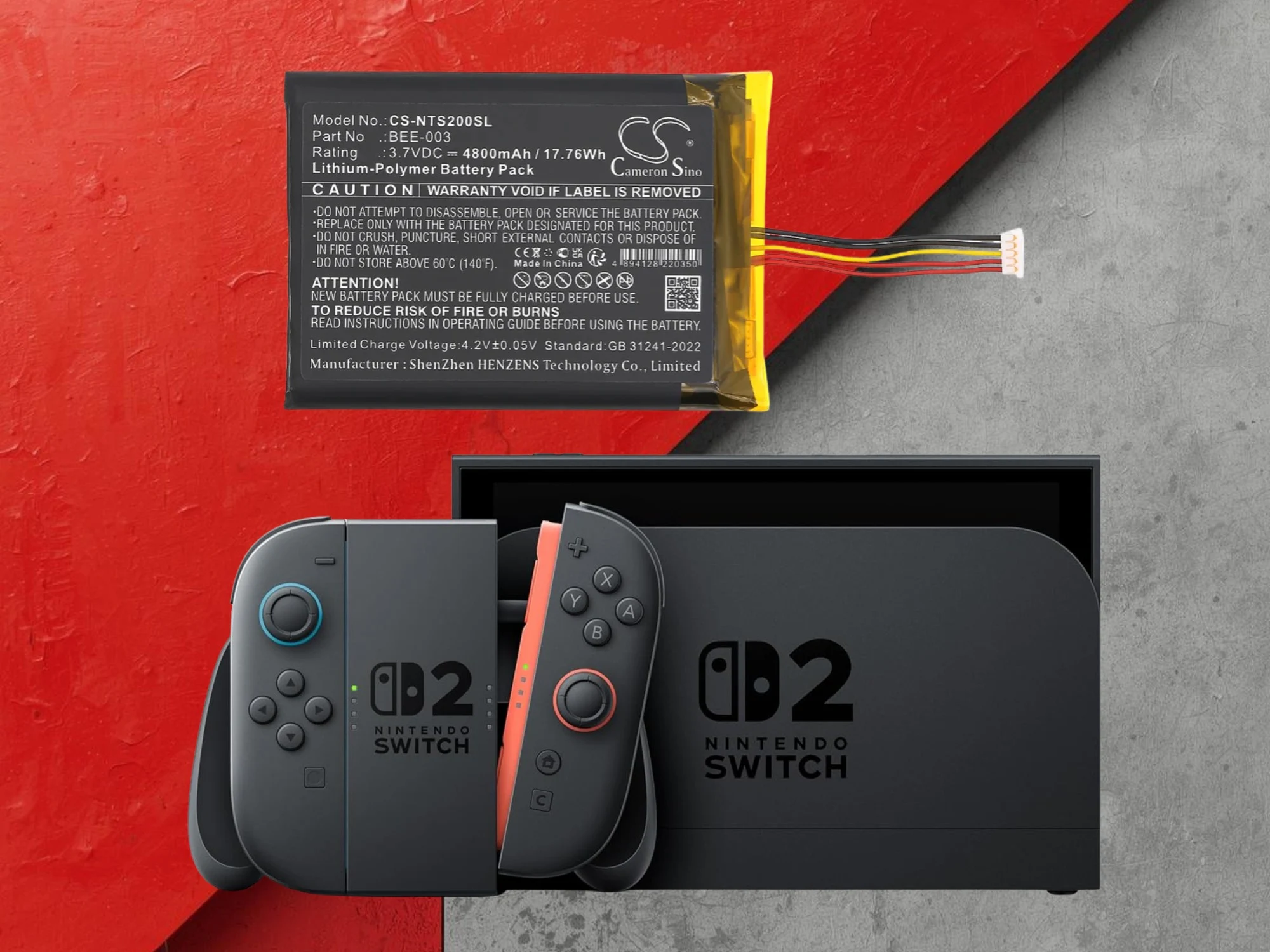
      iFixit has noted that the Switch 2 is quite hard to fix, even more so than the previous handheld version. One of the most frequent issues reported to Nintendo Support is a reduced capacity or damaged battery. In at least one area, the company plans to alter the Switch 2 specifications to make it easier to replace this component.

      Nintendo’s Response to Legislation

      According to a report by Nikkei in Japan, Nintendo is taking steps to comply with EU laws. The Right to Repair directive, which was passed in 2024, is set to take effect in July 2026. Currently, Nintendo is only looking at redesigning the Switch 2 for European markets. However, they may consider enhancements for repairability in Japan and North America down the line.

      Joy-Con Improvements on the Horizon

      While the issue of stick drift is a significant concern with the Joy-Con 2 controllers, Nintendo also intends to make improvements to these accessories. The controllers, which come with the console, have rechargeable lithium-ion batteries that tend to wear out over time.

      In the past few years, the EU has implemented additional regulations concerning batteries. These new rules aim to provide consumers with better repair options for devices such as smartphones, tablets, and hand-held gaming systems. With these changes, spare parts are expected to be more accessible, which should lower repair costs at home or in local businesses. A key goal of this legislation is to minimize e-waste when electronics become too hard or expensive to repair.

      Battery Reliability Concerns

      Having been on the market since June 2025, the durability and lifespan of the Switch 2 battery are still unclear. So far, isolated cases of dangerous swelling have been reported. Nevertheless, teardowns have revealed that if the battery does fail, many gamers may find it challenging to fix it. Even after taking apart the handheld, accessing the battery is tough due to strong adhesive securing it.

      With the current memory shortage impacting production, Nintendo’s adjustments to the Switch 2 specs could lead to higher manufacturing costs. Sometimes, it can be more cost-effective for a company to modify a product’s design on a global scale. It’s also uncertain whether the gaming giant will revise its warranty policies in light of the new EU regulations.

      Source:
      Link


    • Sustainable Smartphone Brand Launches in the US Market

      Sustainable Smartphone Brand Launches in the US Market

      Key Takeaways

      1. Fairphone focuses on sustainable and easy-to-repair technology, entering the US market with over-the-ear headphones instead of a smartphone.
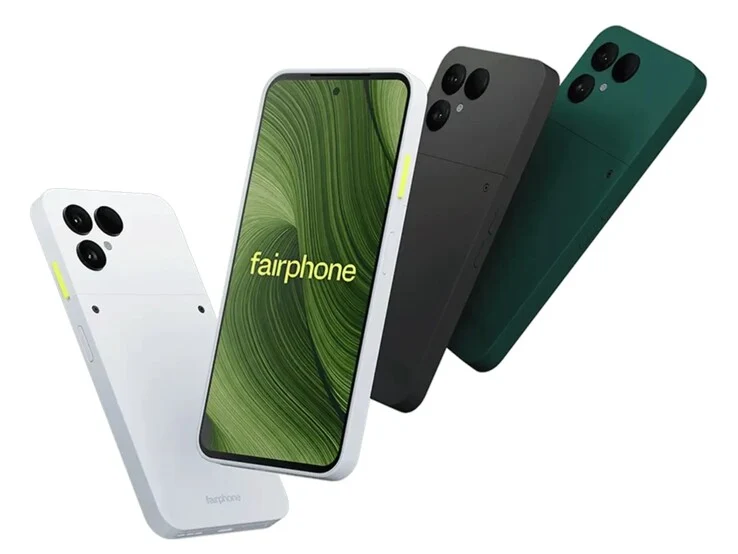
      2. The Fairphone 6 smartphone is made from 50% recycled materials, has a modular design, and is highly repairable, according to iFixit.
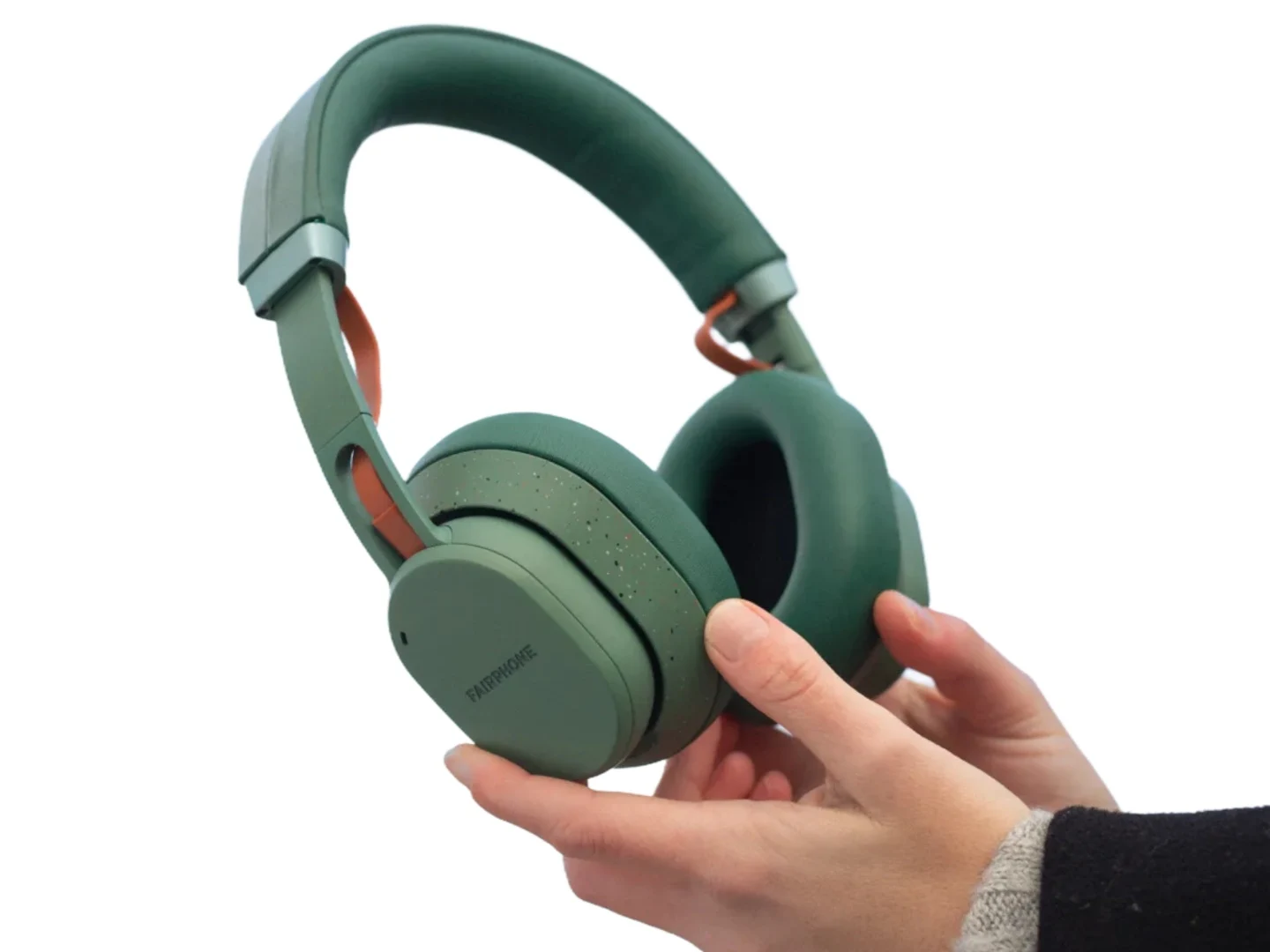
      3. The Fairbuds XL headphones are made of 92% recycled aluminium, are e-waste neutral, modular, and have a replaceable battery.
      4. The anticipated price for the Fairbuds XL in the US is around $280, but no official listing or release date is available yet.
      5. Fairphone plans to launch its first official smartphone in the US, with hopes of better pricing through a partnership with Amazon.


      Fairphone has made a name for itself by focusing on sustainable and easy-to-repair technology. Now, the brand is stepping into the US market, coinciding with the growing momentum of the ‘right to repair’ movement in the country. Interestingly, Fairphone’s first offering isn’t a smartphone; it’s actually over-the-ear headphones that were first released in 2023.

      About Fairphone’s Products

      Fairphone’s range is quite limited, and they are currently on their sixth generation of the flagship Fairphone. The Fairphone 6 is crafted from 50% recycled materials, features a modular design, and is made under ethical conditions. iFixit ranks it as one of the most repairable smartphones. The Fairbuds XL headphones follow the same philosophy. They consist of 92% recycled aluminium, are completely e-waste neutral, modular, and include a replaceable battery.

      Pricing and Availability

      The Fairbuds XL debuted in Europe with a price tag of €249. Although Fairphone hasn’t announced the US price yet, it is anticipated to be around $280, and they will be available through Amazon. At the moment, there’s no listing on Amazon’s website, nor has a release timeline been provided by the company.

      Future Plans

      According to reports from Reuters, Fairphone is gearing up for its first official smartphone launch in the US. Raymond van Eck, the Chief Executive, mentioned the right to repair movement, stating, “Our strategy is built for uncertainty. The tariffs weather may change daily, but the demand signal in the U.S. is clear.” Notably, the Fairphone 6 can currently be purchased in the US via Murena for $899, a steep price compared to the European cost of €599 (around $688). With the new partnership with Amazon and its entry into the US market, it is hoped that prices will become more reasonable.

      Source:
      Link


    • Tesla Ships Parts to Owners for DIY Repairs with Cybertruck Wiring

      Tesla Ships Parts to Owners for DIY Repairs with Cybertruck Wiring

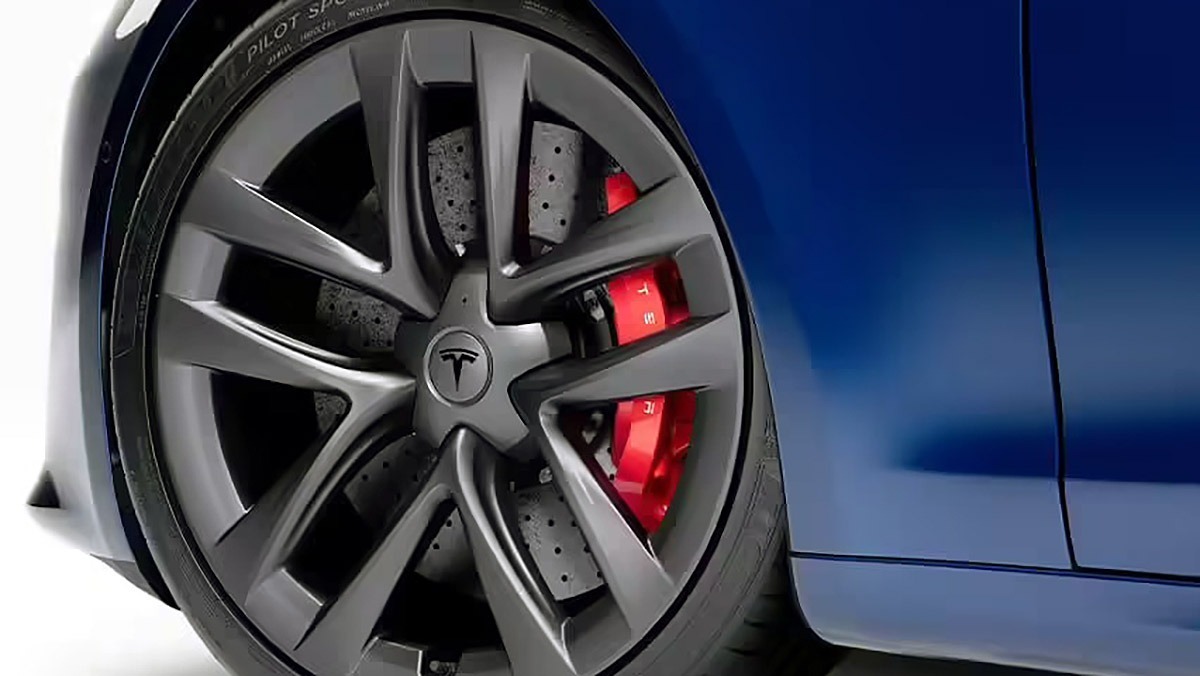
      Tesla is expanding its self-repair program by offering parts directly to its vehicle owners. While you can’t buy the $15,750 Model Y battery, you can get items like brake rotors and calipers.

      New Offerings for Owners

      Previously, Tesla only provided basic items such as replacement wipers or air filters. Now, they are adding more components to their direct-to-consumer catalog, which is expected “to be expanded with future releases.” California’s right-to-repair law may be influencing this change, especially since Tesla has recently shared an interactive wiring diagram for the Cybertruck. This change is beneficial for owners, allowing them to perform simple repairs themselves and avoid service center visits.

      Pricing and Availability

      For example, you can order the Model Y brake rotors, part number 1188611-00-A, for $160 directly from Tesla, with a delivery time of about a week. Currently, these repair parts can only be sent to a US address. This suggests that Tesla’s willingness to sell parts directly is partly due to the right-to-repair movement at both the state and federal levels, which has even prompted companies like Apple to provide repair parts, tools, and diagrams to third-party repair shops.

      Previous Ordering Process

      In the past, if someone wanted to do a simple brake job, they had to order the part to be delivered to a Tesla Service Center and then pick it up from there. The only Tesla vehicle without any direct-to-consumer repair parts listed in its Electronic Repair Catalog is the Cybertruck, which is understandable due to production ramp challenges. As the Cybertruck becomes more widely available and early adopter vehicles need services like brake replacements, it’s likely that Tesla will add more Cybertruck parts to their catalog.

      You can also find the Power Stop carbon fiber ceramic brake pads for the Tesla Model Y on Amazon.

      Source: Link

    • Lenovo ThinkPad T16: Why Right to Repair is Rare in Laptops

      Lenovo ThinkPad T16: Why Right to Repair is Rare in Laptops

      Repairing gadgets not only helps the planet, it also cuts down costs. The “right to repair” movement has become a hot topic in the tech world recently, with new companies like Framework bringing attention to this issue.

      Keyboard Vulnerabilities

      One component of laptops that is prone to damage is the keyboard. This mechanical section can get easily harmed, whether from a spill or a key being ripped off. This creates a compelling reason to make this part easier to swap out.

      Changing Repairability

      In the past, fixing laptop keyboards was generally straightforward. Unfortunately, that’s not the case today, as many brands now tightly integrate the keyboard into the laptop’s design. With the trend towards thinner laptops, allowing for keyboard replacement could compromise the overall structure. But really, what should take priority: a sleek design or the ability to repair the laptop?

      Exceptions to the Rule

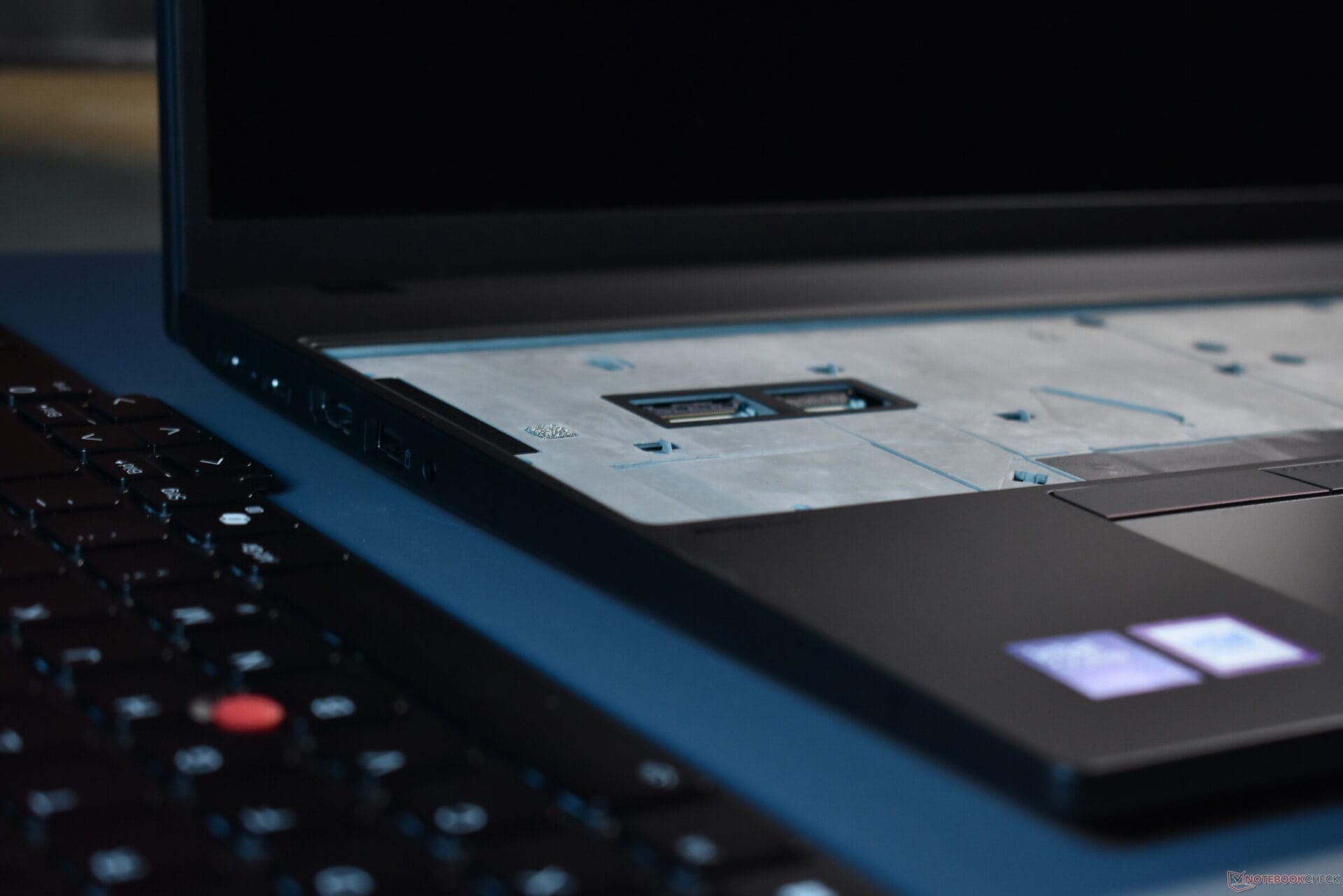
      Some laptops still break this trend. A prime example is the Lenovo ThinkPad T16 Gen 3, which we recently examined. This large-screen business laptop from the renowned ThinkPad series features a keyboard that can be swapped out in just a few minutes. The user needs to unscrew two screws on the bottom, and the keyboard easily slides out. This is because the keyboard is not built into the top cover; it stands alone as a separate piece.

      Even in the realm of business laptops, this repair-friendly aspect is now uncommon—why is that? If manufacturers fail to provide such straightforward and effective options for making laptops more repairable, they open themselves up to criticism from the right to repair movement, and they deserve it.

      Source: Link

    • Spectra Smartwatch: Customization & Repair for Tech Lovers

      Spectra Smartwatch: Customization & Repair for Tech Lovers

      Pocuter has kicked off its Kickstarter campaign for the new Spectra Smartwatch, presenting a fresh approach to the high-end smartwatch market. Emphasizing the right to repair, the Spectra features an ESP32-S3, a sleek aluminum frame, and numerous sensors to create an inviting experience for tech lovers. Early bird units can be snagged for about $217, making it a tempting deal for potential buyers.

      Design and Accessibility

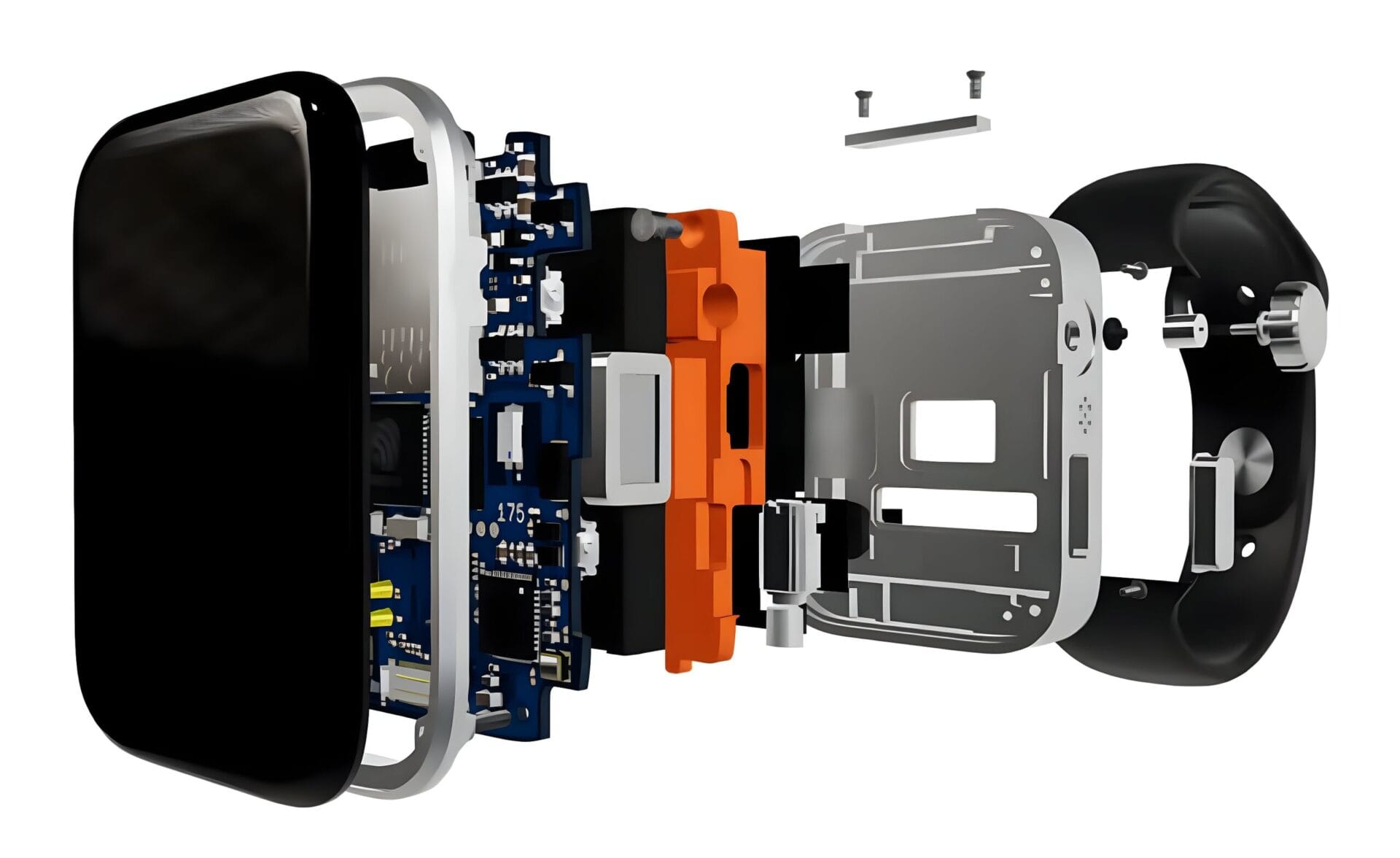
      The Spectra showcases a CNC-machined aluminum outer casing, held together by just seven screws, ensuring easy access to the internal components. Additionally, Pocuter has crafted all internal parts to be modular, simplifying the repair process significantly. For those seeking a more luxurious option, there’s a stainless steel version available, which offers enhanced durability and attractiveness.

      Powerful Internals

      Underneath, the Spectra operates on a top-tier ESP32-S3, boasting impressive specifications like 8 MB of RAM and 32 MB of flash storage. It also comes with an nRF52832 co-processor to enhance battery longevity, which Pocuter suggests can last for weeks. This co-processor also improves Bluetooth connectivity and overall efficiency. Users can expand their storage beyond the 32 MB, thanks to a micro SD card slot that supports up to 512 GB.

      Display and Software Features

      The Spectra will come equipped with a 368×448 OLED screen, delivering a vibrant visual experience. A hacker watch wouldn’t be complete without a plethora of I/O options, and the Spectra is set to meet those needs. Below is an overview of what to expect when the Spectra watch officially launches.

      The watch will operate on Pocuter’s own SpectraOS, which incorporates hardware abstraction to maintain compatibility with future versions of the device. This means users can rest easy knowing their apps will continue to function with new iterations. With such foresight, it’s evident that Pocuter is building a smartwatch platform designed to last, even though the Spectra is still in its development phase. For further details or to reserve your unit, please check out the Kickstarter page linked below.

      [Pocuter Spectra on Kickstarter]

    • Google Updates Controversial Repair Policy to Work with Customers

      Google Updates Controversial Repair Policy to Work with Customers

      The earlier repair policy for Pixel devices indicated that devices with non-authorized parts should not be sent to Google for repair. If someone ignored this policy, they risked not getting their device back. This policy had been effective since mid-2023.

      Unauthorized Parts Clause

      The previous policy explicitly stated:

      Unauthorized Parts: You will not send in a Device containing non-Google-authorized parts – if You do, Your Device will not be returned to you.

      This policy recently gained attention thanks to right-to-repair advocate Louis Rossman. In response, Google informed Android Authority that they would be updating the policy.

      Google’s Response and Policy Update

      Google has now revised its repair policy. The new policy states that if Google decides not to return a device with unauthorized parts due to health and safety concerns, they will at least contact the user and work towards a solution.

      The updated clause reads:

      Unauthorized Parts: If You send a Device containing non-Google-authorized parts for repair, in certain situations (e.g., safety), the Service Provider may not be able to repair Your Device. Service Provider will return Your Device except when health or safety requirements prevent us from doing so. If the Service Provider can’t return Your Device, Google will work with You on the next steps.

      Implications of the Updated Policy

      The revised policy now leaves room for the service provider to decide whether to repair the device. This means Google could potentially repair and return devices if they consider the unauthorized parts safe. If the device is deemed unsafe, they will collaborate with the user on the next steps.

      As illustrated, the new policy remains somewhat open-ended. It may still take some time for Google to coordinate with users to return devices without compromising health and safety. Your device will either be returned fixed, as is, or through further steps worked out with Google.

    • Apple Fights Against Right-to-Repair Bill Endangering Its Device Repair Monopoly

      Apple Fights Against Right-to-Repair Bill Endangering Its Device Repair Monopoly

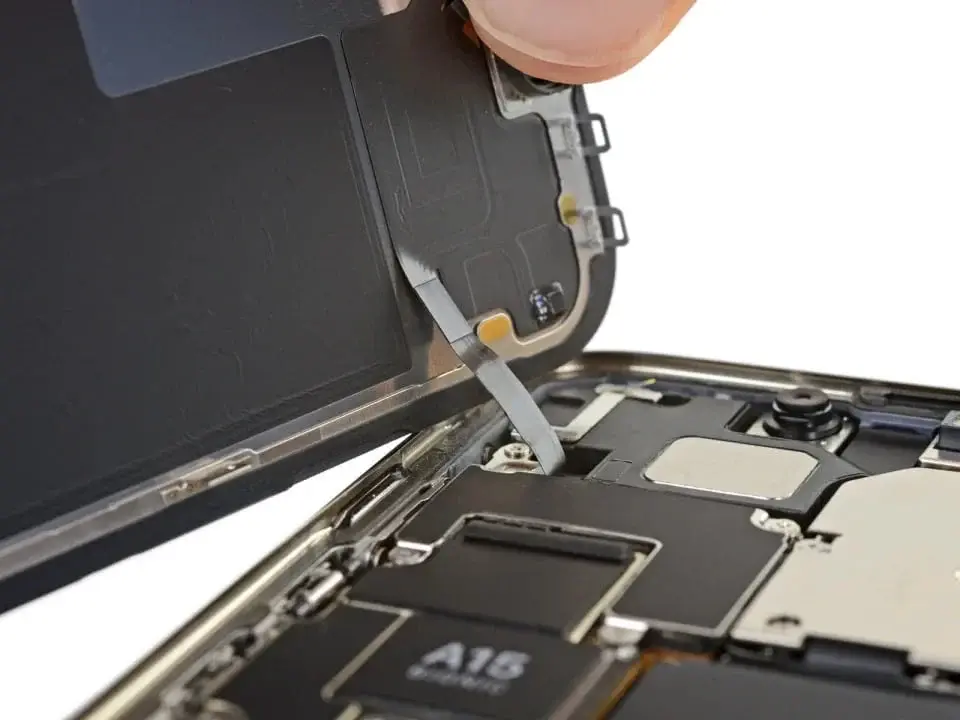
      On February 8, 2024, the Oregon State Legislature introduced a bill, SB 1596, that challenges the common practice of component encryption by manufacturers like Apple. This bill stands out from others in states like California by requiring companies to provide the needed documentation, tools, and parts for repairs. It also bans the encryption of components that limit third-party repairs and the use of non-original parts.

      Credit: iFixit

      Apple Clashes With New Right-to-Repair Legislation

      Apple, a major supporter of component encryption, strongly opposes this bill. The company argues that encrypting components helps make repairs more convenient and keeps devices and personal data secure. John Perry, a senior member of Apple’s security design team, says that the legislation would force manufacturers to allow parts from unknown sources, risking device security.

      Debate Over Consumer Rights and Device Security

      During the legislative hearings, a notable moment came from a video testimony by cybersecurity expert Tarah Wheeler, who highlighted Apple’s firm stance on maintaining control over device repairs. This perspective aligns with Apple’s broader argument that the bill could dilute the security and integrity of device ecosystems by opening the door to third-party components and repair services not vetted by the original manufacturers.

      Apple has also pointed to recent updates in its repair processes as evidence of its efforts to accommodate consumer needs for more accessible repair options. These updates have streamlined the process for replacing components, eliminating the need for customers to directly engage with Apple support for such activities.

      The Balance Between Consumer Advocacy and Manufacturer Concerns

      The debate centers around the balance between consumer rights to repair and the security and integrity of devices. Apple has historically utilized component encryption to prevent the use of unauthorized parts, citing security concerns. For instance, replacing a screen with a non-Apple part could lead to the disabling of features like Face ID. While replacing the battery can trigger a “Service” message and disable the battery health monitoring feature in the settings.

      SB 1596 represents a pivotal moment in the ongoing discussion around right-to-repair legislation, highlighting the tension between consumer advocacy for more open repair ecosystems and manufacturers’ concerns over security and proprietary control. As the bill progresses through the legislative process, the tech industry and consumers alike will be watching closely to see how this balance is navigated.