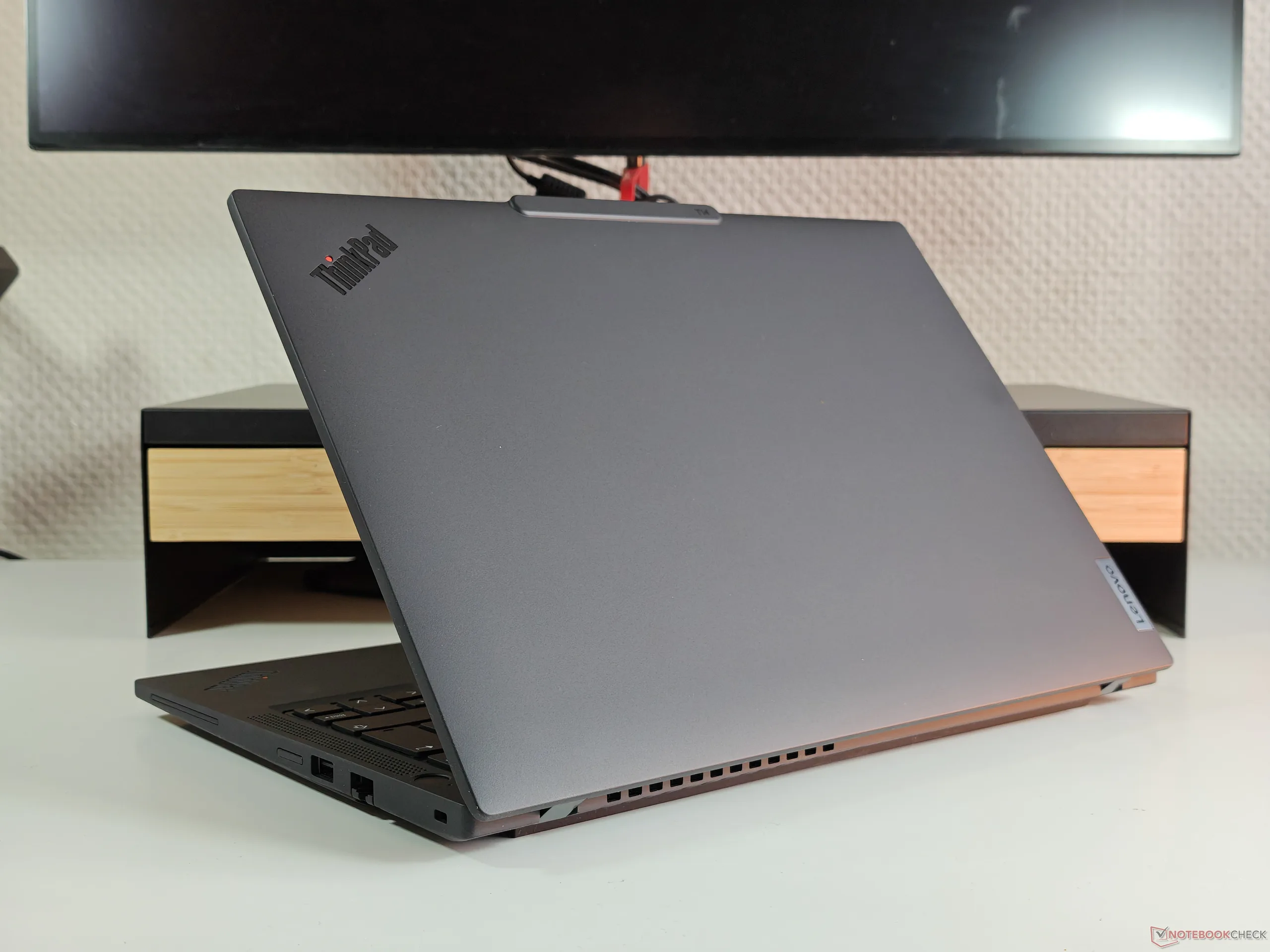
– Replaceable batteries are extremely rare despite sustainability marketing and EU right-to-repair regulations.
– The Schenker Connect 15 is currently the only tested laptop with a fully user-removable battery.
– Sealed-in batteries are not a technical necessity; they mainly benefit manufacturers by encouraging laptop replacement.
– Removable batteries enable longer device lifespan, easier repairs, and the ability to swap spares for extended runtime.
– Removing the battery while plugged in reduces wear from continuous charging cycles.
Replaceable Batteries: A Vanishing Feature
Although manufacturers are increasingly eager to market themselves and their products as environmentally friendly, a feature that was once standard can currently only be found on the Schenker Connect 15 (our review): a replaceable battery. Even last year’s Dynabook Portégé Z40L-N didn’t feature a “true” replaceable battery. However, its battery was at least accessible through a service hatch and could be replaced by the user.
The Schenker Connect 15’s Unique Design
The Schenker Connect 15, on the other hand, comes with a fully removable battery. To take it out, slide the right latch to the left position, then push the left latch to the right (it does not lock in place) while pulling the battery out using the notch at the top center. That’s all there is to it. Despite ongoing marketing campaigns centered around sustainability and despite the EU’s right-to-repair regulations, a replaceable battery remains extremely rare.
Why Built-In Batteries Dominate
In the early days of laptops—and for many years afterward—it was completely standard, proving that sealed-in batteries are by no means a technical necessity. Built-in batteries certainly save a bit of space and weight. However, for years the far greater benefit for manufacturers was likely that users with a failing battery would rather buy a new laptop than pay to have the internal battery professionally replaced—and that remains true today.
Practical Benefits of Swappable Power
Beyond easier repairs, longer service life, and improved sustainability, replaceable batteries offer additional benefits. Anyone spending extended periods away from a power outlet can simply carry spare batteries and swap them once one runs out, effectively doubling the laptop’s usable runtime. And when using the laptop at home while plugged in for extended periods, the battery can be removed altogether, reducing wear by avoiding continuous charging and discharging cycles.
An Optimistic Outlook for Business Use
This year, the Schenker Connect 15 is the first laptop with a replaceable battery that we have tested. The advantages are especially compelling for businesses: battery failures are easier to repair, potentially extending the lifespan of the devices considerably. As a result, the laptops become more sustainable, and carrying additional batteries allows employees to work longer away from a power source. We hope to see more laptops with replaceable batteries return in the future.