
Key Takeaways
1. Unitree has sold over 5,500 humanoid robots in 2025, surpassing American competitors like Tesla and Agility Robotics.
2. The company plans to introduce a more affordable general-purpose humanoid robot by 2030, focusing on practical applications for everyday use.
3. Unitree aims to extend the use of humanoid robots beyond industrial tasks to household chores and elder care within the next three years.
4. The design of Unitree’s upcoming robots will incorporate cloud-based training and real-world data collection for improved decision-making.
5. Real-world data collection is crucial for enhancing the intelligence of humanoid robots and preparing them for domestic use at lower prices.
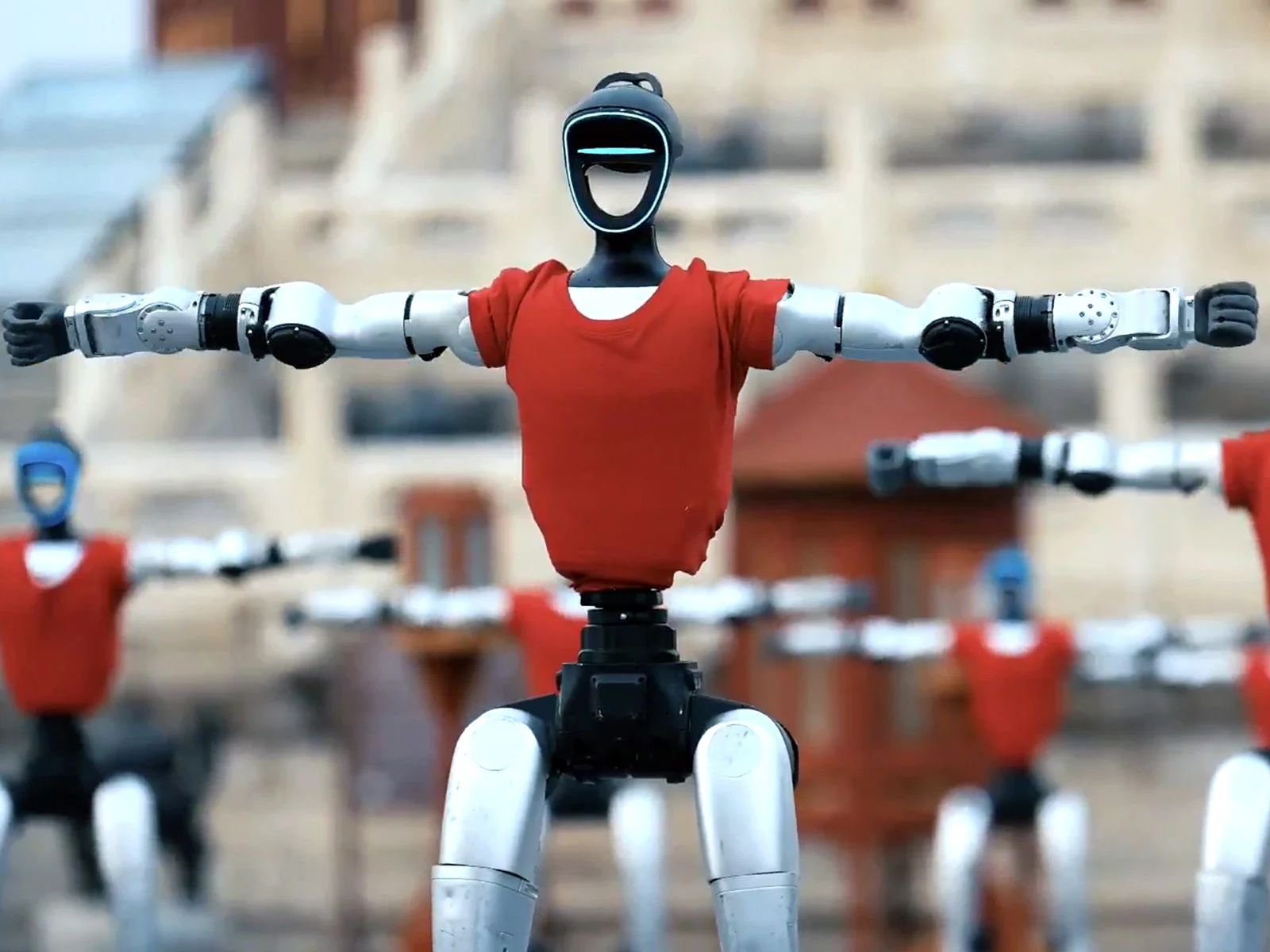
While Elon Musk believes the Tesla Optimus robot will outperform its Chinese rivals upon its release, companies like Unitree have already delivered thousands of humanoid robots and are transitioning from flashy demonstrations to creating practical household assistants.
Unitree’s Impressive Sales
In 2025, Unitree sold over 5,500 humanoid robots, exceeding the total production of all American competitors such as Tesla, Figure AI, and Agility Robotics. The company plans to ship up to 20,000 units in 2026, indicating that they are not waiting for the technology to be perfected before ramping up production.
A Shift Towards Domestic Use
Unitree, better known for viral videos showcasing a marching army of robots or the impressive martial arts displays of its WuBots captivating viewers at the Spring Festival Gala, is now focusing on a more practical future for its machines. According to its IPO filing with the Shanghai Stock Exchange, which aims to raise over $600 million, the company plans to introduce a more affordable “general-purpose humanoid robot embodied foundation model” by 2030.
This new model focuses on four main areas: scene, instruction, action, and task. Its design intends to connect cloud-based model training, edge-side inference, and real-world data collection. This approach mirrors the technology used in self-driving electric vehicles but is adapted for decision-making and execution in humanoid robots.
Moving Beyond Industrial Applications
Although the immediate emphasis for humanoid robots like Optimus or Hyundai’s Atlas has been within industrial and manufacturing settings—where the environment is controlled to ensure reliable operation—Unitree aims to begin selling a general-purpose humanoid in the next three years. They believe that as generalization, reliability, and safety improve, the uses for these robots will extend beyond industrial tasks to include household chores, elder care, and everyday activities like laundry.
This goal isn’t just theoretical. Unitree’s R1 robot can already perform simple household chores using voice and vision-based interaction. Moreover, its open-sourced UnifoLM-VLA-0 model enables the G1 humanoid to manage 12 different categories of complex tasks autonomously, such as unpacking a tennis racket, rather than just executing pre-programmed kung fu routines.
The Importance of Real-World Data
The current challenge is to gather data from real-world interactions. Industry experts assert that once a specific threshold is achieved, overall intelligence will significantly increase, marking a pivotal moment when humanoid robots will be ready to transition from demonstrations to homes at a lower price than current models.
Source:
Link
Leave a Reply