Category: All News

  • Lenovo Legion Go S SteamOS Now $1050 — Better Deal at Best Buy for $900

    Lenovo Legion Go S SteamOS Now $1050 — Better Deal at Best Buy for $900

    Key Takeaway

    1. The Legion Go S with SteamOS has experienced a significant price increase, now costing $1,049.99, up $450 from its initial launch price.
    2. Best Buy offers a more powerful version of the Legion Go S with SteamOS, featuring the Ryzen Z1 Extreme, 32GB RAM, and 1TB storage, for $899.99.
    3. Buyers can still find the lower-priced, less powerful base model on other retailers, but the current market offers advantageous deals on the more powerful version at Best Buy.

    Price Hike for Legion Go S with SteamOS

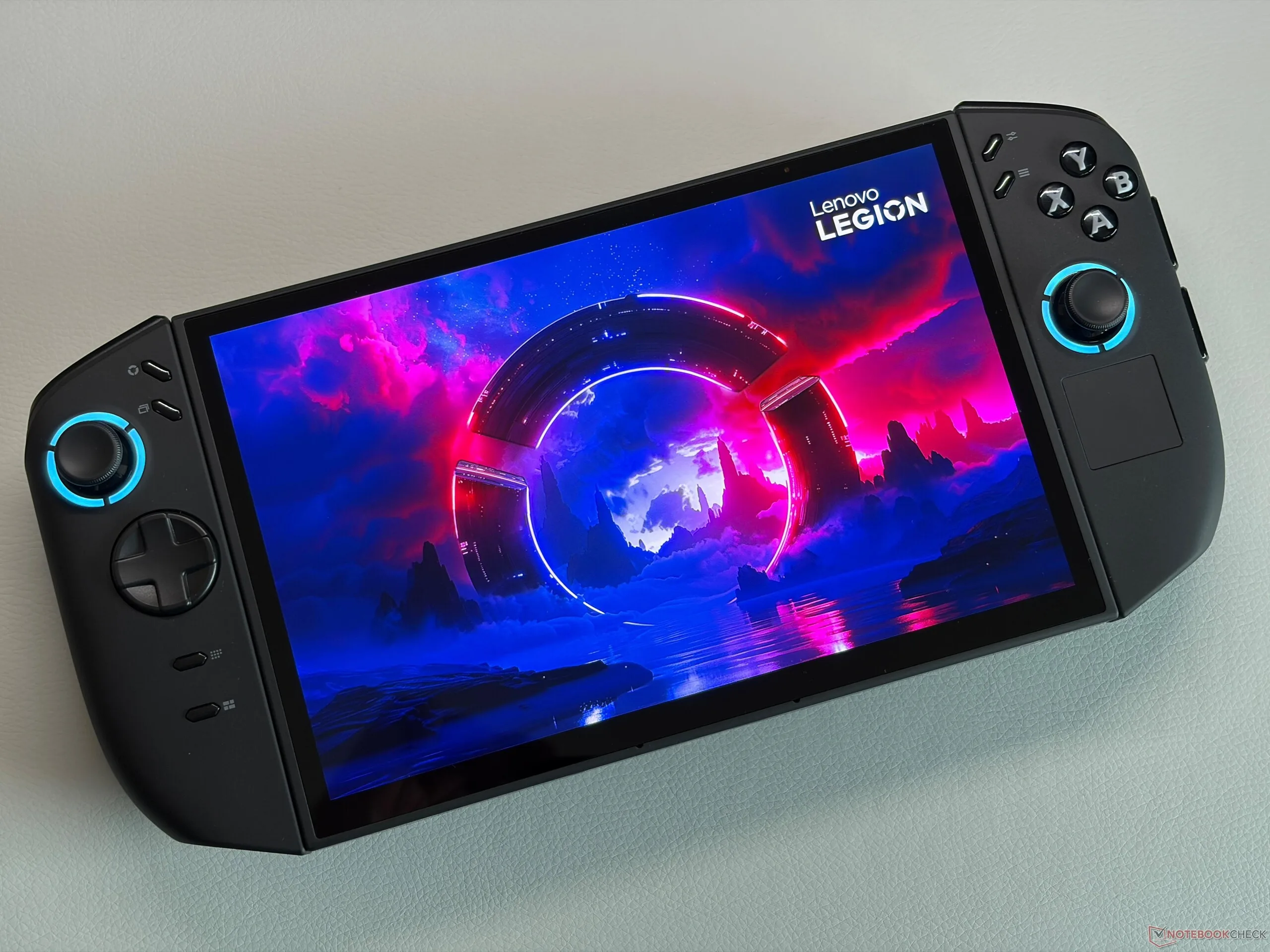
    Recently, been noticing that the price of the Legion Go S with SteamOS has bumped up, and not just the base model but also the more powerful configurations. Lenovo decided to increase the retail price to a whopping $1049.99, which is a $450 jump from the initial launch price of $599.99. This jump is quite significant especially considering the earlier deals that were available in 2025, where the device could be scored for as low as $499.99.

    Specifications and Variants

    The original version of this handheld was centered around the Ryzen Z2 Go processor, 16GB of RAM, along with 512GB of storage. Meanwhile, the upgraded model housed the Ryzen Z1 Extreme chip, matching the processor inside the original Legion Go, bolstered with 32GB of RAM and 1TB of storage space. The price for this more robust iteration was once $899.99 and available from Best Buy.

    Best Buy Offers and Availability

    Despite Lenovo’s increase in pricing, consumers can still find more affordable options at Best Buy. For instance, the retailer offers the more powerful Legion Go S with SteamOS, equipped with the Ryzen Z1 Extreme, 32GB RAM, and 1TB SSD, at a price of $899.99. Customers can either buy it in-store or place orders online, and the deal’s deadline is uncertain, so acting quickly seems wise.

    Sources
  • Apple to Increase Production of MacBook Neo to Meet Growing Demand

    Apple to Increase Production of MacBook Neo to Meet Growing Demand

    Key Takeaway

    1. Apple has increased the production target of the MacBook Neo to 10 million units due to high demand.
    2. The shortage of the Apple A18 Pro SoC has been a key factor, with Apple utilizing binned chips in the current models.
    3. The increased production is likely to benefit sales during upcoming US shopping events, especially the back-to-school season.
    4. There is speculation that Apple may focus on higher-margin versions of the MacBook Neo to maintain profitability.
    5. The market may see competitive responses from Windows laptop OEMs at upcoming industry events like Computex 2026.

    Demand for the MacBook Neo is soaring high

    The MacBook Neo has become incredibly popular, so much so, that Apple might be struggling with the supply of a key part for this model. That critical component is the Apple A18 Pro SoC, which seems to be running out quickly as Apple just can’t seem to keep up with the demand for the Neo. To counter this, it looks like Apple has decided to increase their production plans to 10 million units, which is quite a jump from their initial projections.

    Specifications and Pricing Details

    • Starting at an affordable $599
    • Production target raised from 5-8 million to 10 million units
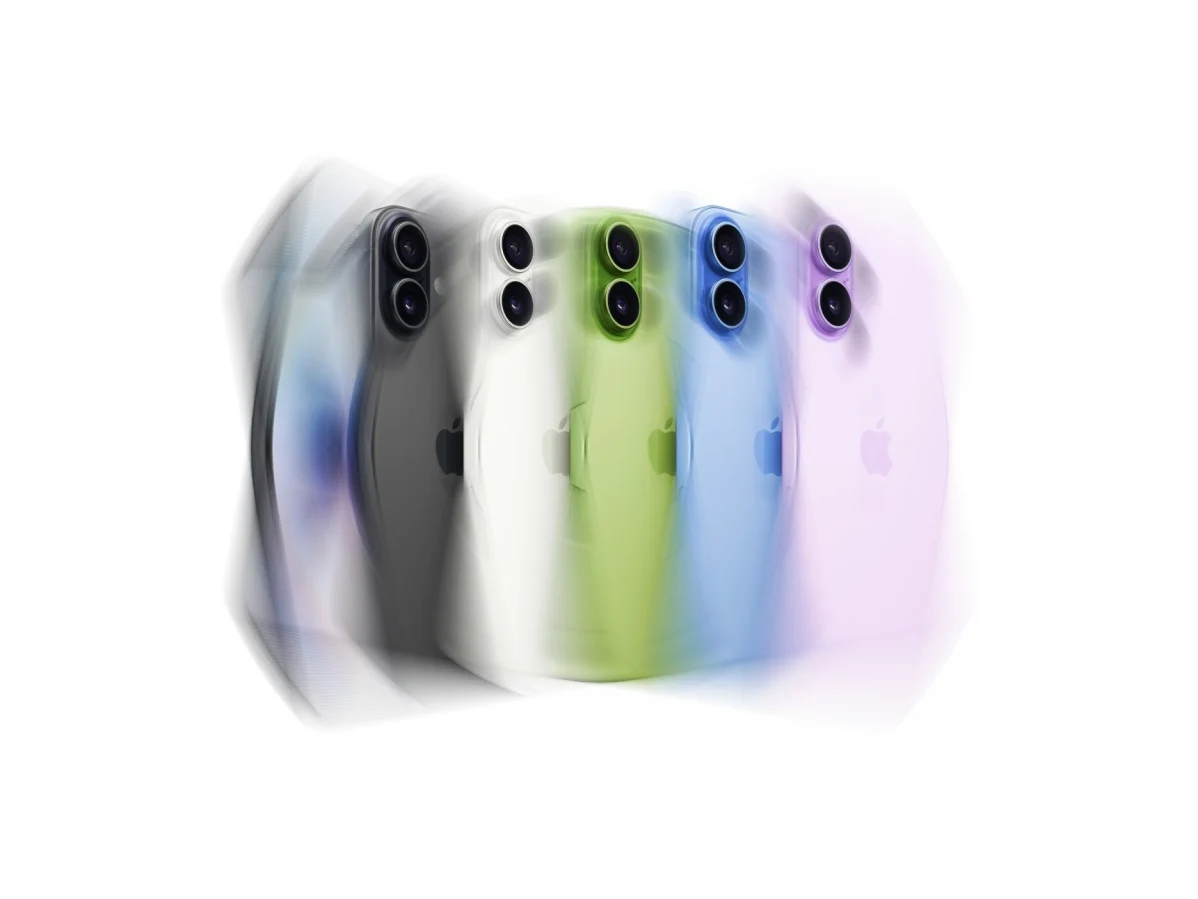
    • Uses Apple A18 Pro SoC (likely the binned-down chips not used in iPhone 16 Pro)

    Implication for Apple’s production strategy

    If Apple really is pushing out 10 million MacBook Neos, it clearly means they are making more of the A18 Pro chips. Interestingly, the chips in the current Neo models are probably the less powerful versions that didn’t qualify for the iPhone 16 Pro and Max, which could mean that Apple is focusing more on boosting availability than on high-end performance. This shift might slightly cut into profit margins, since the chips used are probably the cheaper, lower-grade ones.

    What about pricing and market response?

    The $599 price tag for the entry-level MacBook Neo is unlikely to change, but Apple might prefer to push the $699 version more. This strategy could help maximize profits during these high-demand periods, especially since they might prefer to sell more expensive variants. However, given the markets and sales events coming up – like back-to-school and holiday seasons – having loads of these devices available will surely give Apple a boost.

    Future competition and market movements

    It’ll be interesting if any Windows-based laptops are getting ready to challenge the MacBook Neo. With Computex 2026 just around, we shall see if any manufacturers announce innovative models that could rival Apple’s offering. Keep your eyes peeled for news and updates on this front.

    Sources
    • Meta Developing AI-Powered Mark Zuckerberg for Employee Training

      Meta Developing AI-Powered Mark Zuckerberg for Employee Training

      Key Takeaway

      1. Meta is developing an AI-based digital twin of Mark Zuckerberg for internal use to enhance communication and management.
      2. The AI character is being trained on Zuckerberg’s mannerisms and strategic thinking to serve as an internal executive avatar.
      3. Meta is leveraging AI to improve productivity internally and is expanding its consumer AI models across its platforms and products.

      Meta’s New Internal AI Project

      Meta is currently working on some new stuff that really stand out, like an AI version of Mark Zuckerberg, but not for public use, instead this one is mostly for inside the company. As reported, the idea behind this project is to create a digital twin of Zuckerberg which can interact with employees, and help in internal communications and management tasks. They’ve been training this AI character to mimic his mannerisms, how he talks, and his usual way of thinking about the company’s strategy.

      Details and Purpose of the AI Doppelgänger

      This AI isn’t just a simple chatbot, it’s a photorealistic 3D figure designed to engage with staff as if it were Zuckerberg himself. Unlike typical AI tools that focus on coding or productivity boosts, this one is more about embodying an executive figure for internal uses. The system learns from Zuckerberg’s public statements and personal communication style, which makes this project quite unique and ambitious in the AI world. If successful, this could significantly change how managers or executives are represented and interact within the company.

      Meta’s Broader AI Strategy

      Meta has been making big moves to integrate AI into both their work processes and consumer platforms. Earlier this year, Zuckerberg emphasized that 2026 would be a game-changing year for AI, suggesting that AI will profoundly influence how work gets done. They also have been cutting down the size of teams and introducing AI-driven tools to boost productivity. Reports mention that Meta’s CFO, Susan Li, credited AI coding assistants for increasing engineering productivity by 30% since early 2025, showing AI’s growing importance.

      Consumer AI Innovations

      The company is also busy developing AI for its social platforms and products. Recently, they launched Muse Spark, the first model made by Meta’s Superintelligence Labs, which is an important step towards creating a personal superintelligence. This model is already integrated into the Meta AI app and website, with plans to extend its reach to mainstream apps like WhatsApp, Instagram, Facebook, Messenger, and even their AI glasses. These initiatives display Meta’s aim to leverage AI not just internally but also to enhance user experience across their ecosystem.

      Implications for Meta’s Future

      If Meta begins using this AI Zuckerberg on a wider scale inside the company, it could be a very clear sign that they want to explore how AI can fundamentally change management and internal operations. This creates a powerful symbol for their future plans about blending AI with leadership and how it might transform decision-making processes. The ongoing development reflects Meta’s ambition to rewrite how AI influences both how they ship products and how they run their business.

    • Xiaomi Launches New Gaming Phone with 165Hz Display Release Date Announced

      Xiaomi Launches New Gaming Phone with 165Hz Display Release Date Announced

      Key Takeaway

      1. The Redmi K90 Max is set to launch on April 21 in China, with pre-orders now available.
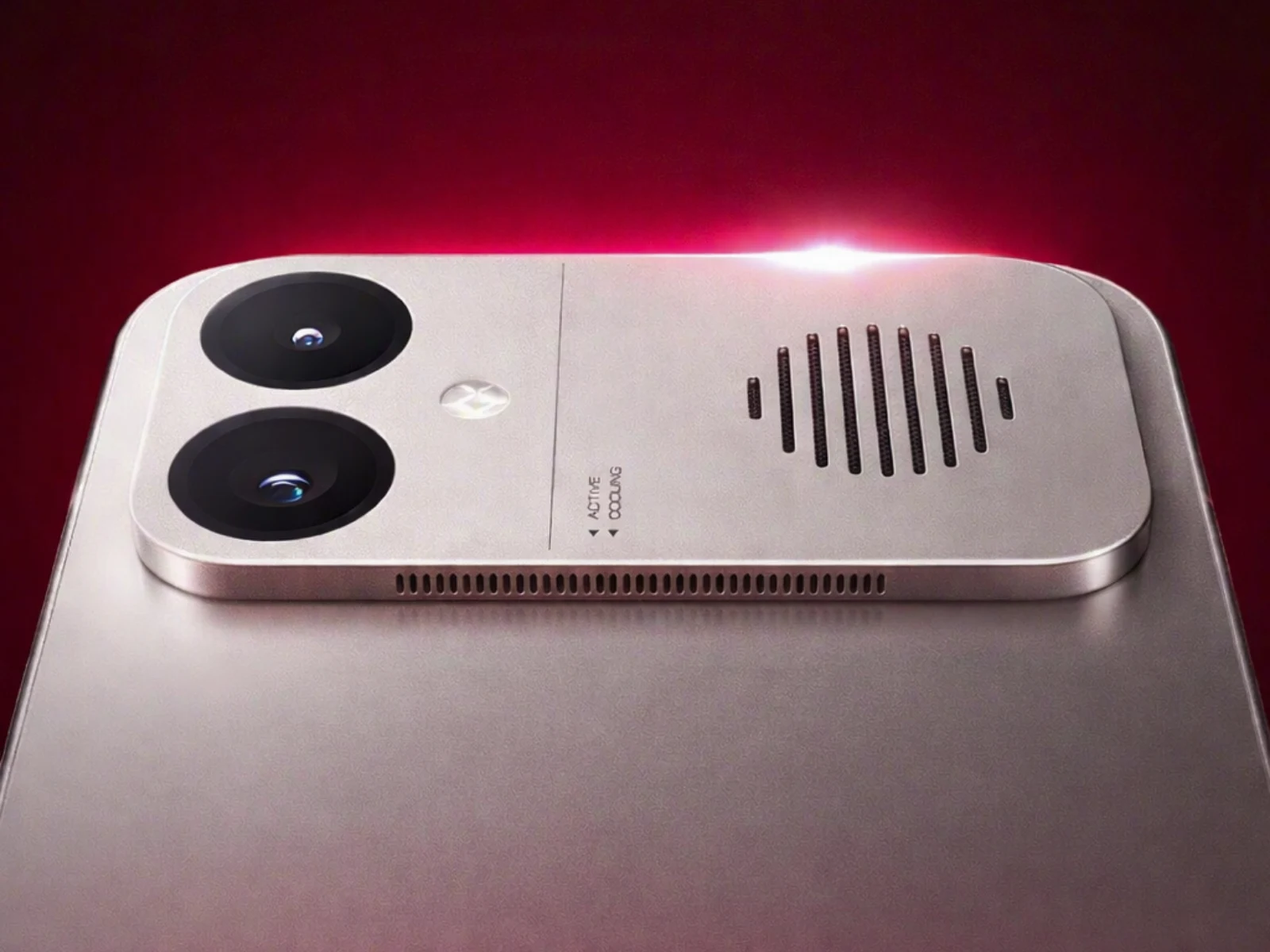
      2. Key features include a 6.83-inch display with a 165Hz refresh rate, 3,500 nits brightness, and an active cooling fan.
      3. The device is water and dust resistant (IP66/IP68/IP69), with a metal frame and a dual rear camera setup.
      4. Leaked info suggests it may be powered by a Dimensity 9500 processor and include a D2 discrete GPU.

      Redmi K90 Max is coming soon with impressive features

      The Xiaomi company’s latest gaming-focused model, the Redmi K90 Max, has been announced with a countdown to the release date. Fans eagerly waiting for new tech can mark their calendars as this device will hit the market soon.

      Launch Date and Availability

      Mark your calendars! The Redmi K90 Max is set to be officially unveiled on April 21 at 7 PM local time in China. Pre-orders are already open on multiple Chinese online shopping sites for those who are eager to grab it when it drops.

      Design and Display Features

      This phone boast a 6.83-inch display with a refresh rate of 165Hz that promise buttery smooth visuals. It also shines bright with a maximum brightness of 3,500 nits, which means it should be easy to see even in bright sunlight. The device’s build includes an aluminum alloy frame, making it sturdy and durable. Currently, it has been shown in a sleek ‘Space Silver’ color, with teasers revealing a dual rear camera setup but no complete specs.

      Cooling System and Resistance Ratings

      One of the key gaming features is its active cooling system, which includes an 18.1mm fan. The company claims this fan can reduce the device’s temperature by around 10°C within just 100 seconds of heavy gaming. Additionally, the Redmi K90 Max is rated IP66, IP68, and IP69 for dust and water resistance, making it exceptionally durable and capable of handling various environmental challenges.

      Expected Hardware and Competition

      Unconfirmed leaks suggest the device may be powered by a Dimensity 9500 processor paired with a D2 discrete graphics chip, promising excellent performance for gaming and multitasking. Interestingly, other brands like Oppo are also launching flagship smartphones such as the Find X9 Ultra and Find X9s Pro on April 21, so this will be a busy day for tech enthusiasts.

      Stay Tuned for More Details

      While all full specifications are yet to be announced, the Redmi K90 Max seems to be packed with powerful features aimed at gamers and tech lovers. Keep an eye out for official updates for more details about this promising new device.


      Sources

    • 8.8-inch OLED Tablet with Snapdragon 8 Gen 5 Launch Date Announced

      8.8-inch OLED Tablet with Snapdragon 8 Gen 5 Launch Date Announced

      Key Takeaway

      1. The Oppo Pad Mini features an 8.8-inch OLED display with a 144 Hz refresh rate and a slim design weighing only 279 grams.
      2. It is powered by the Snapdragon 8 Gen 5 SoC, offering strong performance for gaming and multitasking.
      3. The device includes an 8,000-mAh battery with 67W fast charging, and a design with thin bezels and a punch-hole front camera.

      Compact Tablet Market Is Heating Up

      There’s kinda been a surge in interest around small tablets lately, especially for those who wanna game more deeply than on a usual smartphone. Brands like Lenovo, RedMagic, Xiaomi, and Apple already shown some impressive models, and now Oppo is apparently about to drop their own new tablet to compete with these.

      Oppo Pad Mini Rumors

      The Oppo Pad Mini, as many leaks suggest, will be sporting an 8.8-inch OLED screen with a 3:2 aspect ratio. It’s said to be a high refresh rate panel, circulating reports talk about 144 Hz, which should make gaming super smooth. This little gadget might weigh just 279 grams and be as thin as 5.39 mm, making it ultra portable and easy to carry around.

      Upcoming Launch and Details

      Oppo recently teased the Pad Mini on their official Weibo account, announcing a global release scheduled for April 21st, on the same day as the highly anticipated Find X9 Ultra. As for the price, there’s no info available yet, so fans keep waiting for more updates.

      Specs Expectations

      Leak sources claim that this mini tablet will run on the powerful Snapdragon 8 Gen 5 processor, promising solid CPU and GPU performance for gaming and multitasking. Compared to the Snapdragon 8 Elite Gen 5 used in Lenovo’s Legion Tab Gen 5, the 8 Gen 5 is roughly 30% slower in benchmarks, but still capable. Moreover, Oppo’s tablet is said to be significantly thinner than the Legion, at just 5.39 mm thick, whereas the Legion is about 7.6 mm.

      Comparison with Apple and Other Features

      Apple’s current 8.3-inch iPad mini, which costs around $474, is still running on an older A17 Pro chip, making it a bit behind the Snapdragon 8 Gen 5 in performance—especially in graphics tests. The Oppo Pad Mini’s rumored specs include an 8,000-mAh battery with fast charging of 67 watts, a front-facing punch-hole camera, and very slim bezels around the display. More details will be revealed as the release date approaches, so stay tuned.


      Sources

    • Apple’s MacBook Neo and More: Discover Great Value Apple Products

      Apple’s MacBook Neo and More: Discover Great Value Apple Products

      Key Takeaway

      1. The iPad Air 2026 features the powerful M4 chip, outperforming competitors like Samsung Galaxy Tab S11 and offering top-tier performance for a midrange tablet.
      2. It has a 10.86-inch display with accurate colors but limited brightness (500 nits) and lacks a 120Hz refresh rate, with design features such as wide bezels and no IP rating.
      3. Priced at $599, the iPad Air 2026 offers a strong value as a lower-cost alternative to the iPad Pro, especially for users who prioritize performance and cloud storage ease.

      Apple’s Latest Midrange Tablet, the iPad Air 2026

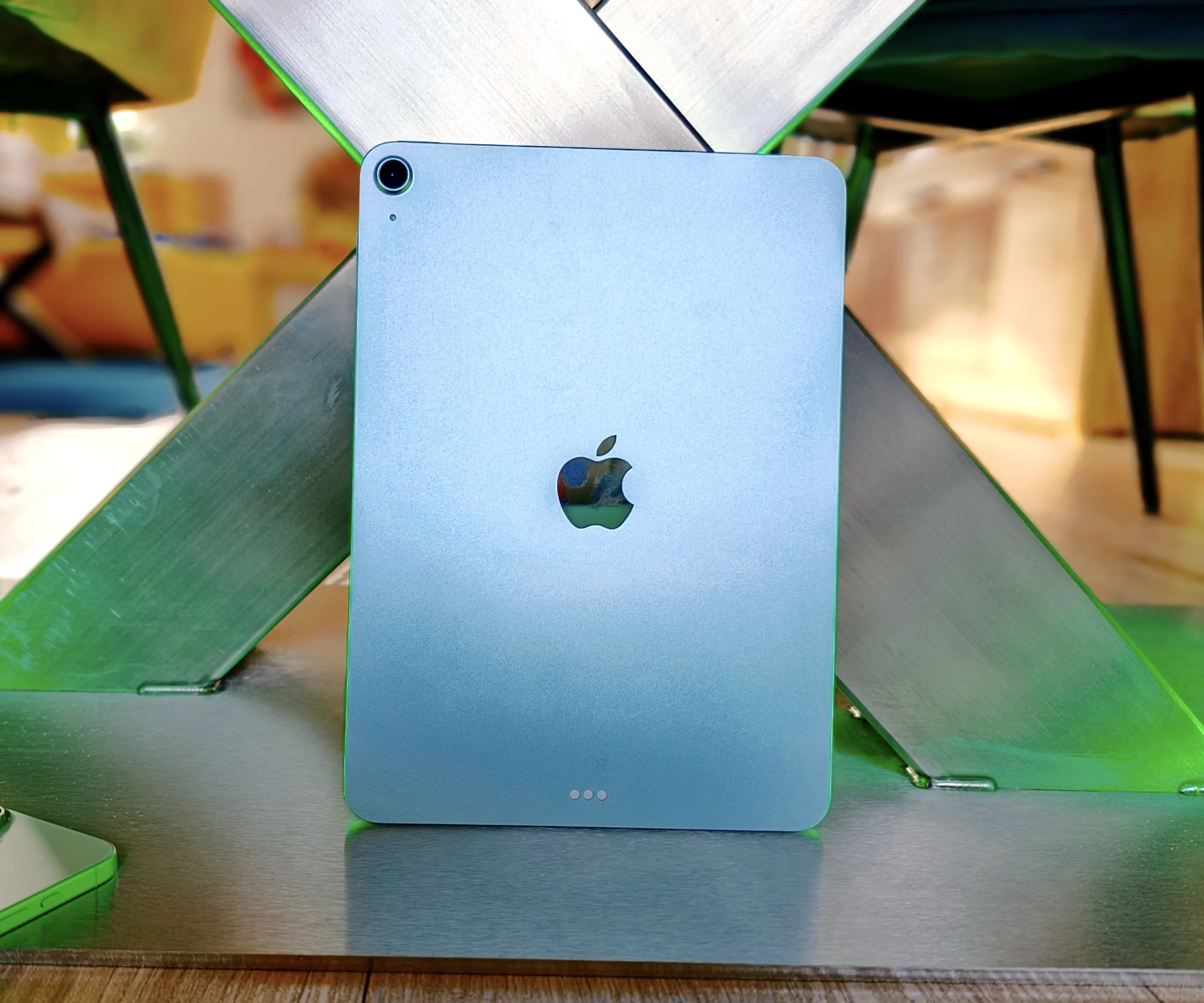
      In the world of tablets, apple’s iPad Air 2026 is considered the midrange champion. Its price point is around $599 for the 128GB model which is quite affordable compared to their premium iPad Pro line. The highlight, of course, is the new M4 chip that powers this iPad. It comes with 8 CPU cores, 9 GPU cores and a hefty 12GB of RAM. This combination means it outperforms most of its competition in raw power.

      Performance and Hardware Details

      The performance is stunning. Benchmarks like Geekbench 6, with a single-core score nearing 3,700, put the iPad Air in a league above many Android rivals, such as the Samsung Galaxy Tab S11. Although some throttling happens when pushed hard, it’s quite moderate. The battery life is respectable too, lasting around 12 hours during web browsing. But, compared to Android devices, it does fall a little short in longevity. The display features a 10.86-inch IPS panel with 2360 x 1640 resolution and a 60Hz refresh rate, rendering colors accurately with decent uniformity. Brightness, however, is only 500 nits, which isn’t enough for outdoor use without difficulty. The bezels look kinda dated, and lacking a 120Hz refresh rate might be a letdown for some. Yet, it does come with USB-C, Pencil support and an aluminum body—though it isn’t water-resistant or rated for IP standards.

      Price, Software, and Final Thoughts

      Starting at $599, the iPad Air 2026 offers a lot for a lower price than the iPad Pro, but some Android options with OLED screens or more storage can still be more attractive on price. iPadOS has made multitasking better but still suffers from being less productive than Apple’s desktops or macOS. For those with existing iPad Airs from 2025, there’s no real need to upgrade. However, first-timers or those with older models might find it worthwhile, especially as it serves as a cheaper alternative to iPad Pro. Upgrading storage remains costly, yet surprisingly more affordable than last year. For folks who rely on cloud storage and don’t mind the 60Hz refresh rate, the iPad Air 2026 checks many boxes for high-end performance at an approachable price, making it a standout in Apple’s tablet range alongside the MacBook Neo.

      Sources
      • Resident Evil Requiem Has Its Performance Boosted by Denuvo Crack Amid DRM Threats

        Resident Evil Requiem Has Its Performance Boosted by Denuvo Crack Amid DRM Threats

        Key Takeaway

        1. Irdeto’s DRM software, including Denuvo, has been swiftly bypassed, with a cracked version of Resident Evil Requiem surfacing just over 5 weeks after release.
        2. The hypervisor bypass method complicates DRM removal but may expose users to security risks and becomes easier to implement over time.
        3. Cracked versions often improve game performance and reduce system resource strain, highlighting drawbacks of DRM on system efficiency.
        4. The quick defeat of Denuvo suggests a potential shift in the effectiveness of anti-piracy measures for newer game releases.

        The Rise of Cracked DRM and Its Impact

        Denuvo has famously protected many big games from pirates but now folks are claiming it ain’t as invincible as once thought. It’s kinda wild how just over a month after the launch of Resident Evil Requiem, a cracked version was already surfacing online. Not just that, but testing shows that Denuvo might be slowing down your game’s performance too. Everyone’s talking about how these anti-piracy measures might be more trouble than they’re worth.

        The Speed of the Crack

        What makes this situation even more interesting is how quick it all happened. Usually, hackers spend months or even years cracking old games, but this time it was done way faster. A recent report talks about how hacker groups like voices38 have sped up the process a lot. They’ve even created tools that work across different titles, making it easier to bypass protections like Denuvo and Irdeto’s DRM. If companies don’t act fast, new releases like RE9 could be targeted too, making piracy even more widespread.

        Methods of Circumventing Security

        One way hackers bypass these protections is through hypervisor exploits. Instead of hacking code directly, they trick the system into thinking the game has the right permissions. This tech pushes the boundaries, but it’s not without risks. Gamers might need to tweak their Windows settings, which could expose them to potential threats. And, from what I’ve seen, it looks like hacking this way might only become easier over time, making the security even less reliable.

        Performance and Resource Drain

        Another thing, Denuvo’s not just about preventing piracy, it also messes with game performance. Some players have noticed that turning the DRM off can increase FPS by around 5%. YouTuber ChillyWillMD even measured that removing it reduces system memory usage and frees up VRAM. The result? Games run smoother in some scenes, especially when heavy graphical effects like path tracing are used. Still, not everyone might notice the difference if their system isn’t a beast, and some big companies like Capcom aren’t losing sleep since their latest game sold well already.

        Looking Ahead

        All this shows that the game piracy scene is evolving fast, with hackers finding new ways to get around even the toughest DRM protections. No doubt, we might see more cracked versions pop up shortly after new games hit the market. It’s a game of cat and mouse, but gamers and developers will probably need to adapt for the future. Companies might have to rethink their security strategies, and players will just have to stay vigilant about their system safety.

      • Lenovo Legion Go 2 Price Increased to $2,849 After $850 Hike

        Lenovo Legion Go 2 Price Increased to $2,849 After $850 Hike

        Key Takeaway

        1. The Lenovo Legion Go 2 has been recently priced at $2,849.99, marking a significant increase from previous prices.
        2. Retailers’ current listings are lower, but are likely to update to the new pricing once current stock depletes.
        3. The price hikes are most likely due to the ongoing memory crisis affecting component costs.
        4. The device has experienced multiple price increases since its September launch, with uncertainty remaining about further hikes.

        Price Increases by a Large Margin

        Recently, the Lenovo Legion Go 2 with the Ryzen Z2 Extreme processor quite dramatically increased in cost. Initially, it was priced at $1,350, then went up to $1,850, and now has jumped again to a staggering $2,849.99 on their official website. This huge escalation makes it clear that the device is now in a very high priced segment, probably making it less attractive for the average gamer or enthusiast looking for a portable gaming option.

        Current Retail Prices Compared to Official Listing

        Despite the official website showing a steep price of nearly $2,850, some retail shops are still selling the Legion Go 2 at much lower prices. For example, Best Buy offers it at $1,999, and B&H still has it for $1,849.99. But these prices are most likely for older units before the recent price hike. Soon, once current stock is sold out and new units are available, it’s expected that these stores will also update their prices to match the official $2,849.99, which is quite a leap from previous amounts.

        Understanding The Price Jumps

        Lenovo hasn’t officially explained why the price keeps increasing so steeply. But industry analysts believe that this is mainly due to the ongoing memory shortage crisis, causing the costs of critical parts like memory and storage to hike up quickly. Since its launch in September last year, the Legion Go 2 has had multiple price increases and there’s no guarantee that the last one was the final, leaving consumers to wonder what the future holds for this high-end handheld gaming device.


        Sources

        • Insta360 Luna Ultra Dual Camera to Challenge Osmo Pocket 4

          Insta360 Luna Ultra Dual Camera to Challenge Osmo Pocket 4

          Key Takeaway

          1. The Insta360 Luna Ultra is a potential rival to the DJI Osmo Pocket 4, featuring a larger 1,550 mAh battery.
          2. The Ultra model appears to have a dual-camera setup, likely offering 3x optical zoom, and may be part of a two-version lineup including a single-camera variant.
          3. The Luna Ultra offers more physical controls, including a joystick, zoom lever, and additional buttons, and is rumored to be modular.

          New Competitor in Gimbal Camera Market

          The Osmo Pocket 3 has been really popular among consumers for quite some time, making it one of the top-selling video cameras on the market. So it’s no surprise that DJI’s success has caught the attention of competitors. Now, with the upcoming launch of the DJI Osmo Pocket 4 set for April 16, rumors have started buzzing about possible rivals, and we might just have the first look at one of them.

          The Rise of Insta360 Luna Ultra

          According to a fresh leak spotted on X, the new camera aiming to challenge the Osmo Pocket 4 is called the “Insta360 Luna Ultra.” It shows a battery capacity of 1,550 mAh, which is more than the Osmo Pocket 3’s 1,300 mAh. This suggests a longer battery life which could make it more appealing to users looking for extended recording times.

          Speculation About the Camera’s Variants

          It remains a mystery if this “Ultra” model is just a version of the previously leaked Insta360 Luna or an entirely new device. The leaked images display a dual-camera setup, possibly offering a 3x optical zoom; this hints that we are seeing the “Ultra” version rather than a basic one, assuming there’s also a standard model.

          Possible Multiple Models

          Most probably, Insta360 is planning to release two versions of the Luna: a single-camera model meant to directly compete with the Osmo Pocket 4, and a more advanced dual-camera “Ultra” variant. Rumors also mention an “Osmo Pocket 4 Pro” with dual cameras, but DJI hasn’t confirmed yet if such a device exists or not.

          Design and Control Features

          The leaks also talk about the Luna Ultra having more physical controls than the Osmo Pocket 4. It includes a joystick, a dedicated zoom lever, a record button, and two extra buttons next to the rotating screen. These buttons probably allow users to tweak settings like ISO, gimbal locks, or audio levels conveniently.

          Modular Design Possibilities

          Interestingly, the Insta360 Luna Ultra is said to be “modular.” Whether this means just magnetic accessories like mounts and lights, or some more complex modular system, remains uncertain. But the idea of customization options could be a game changer for users who want more flexibility with their cameras.


          Sources

        • Android Copies Leaked iPhone 18 Pro Color, Says Reputable Source

          Android Copies Leaked iPhone 18 Pro Color, Says Reputable Source

          Key Takeaway

          1. The “Cosmic Orange” iPhone 17 Pro may be a limited-edition color, potentially being phased out soon.
          2. Apple is considering “Deep Red” as the upcoming flagship color for the iPhone 18 Pro series.
          3. Major Android manufacturers are reportedly adopting the “Deep Red” shade to compete with Apple’s design trends.
          4. The new “Deep Red” color raises questions about whether it replaces or continues the theme of Apple’s previous “special edition” (PRODUCT)RED lineup.

          New Colors on the Horizon for Apple and Android Fans

          If you’re digging the bright orange hue of the iPhone 17 Pro, disadvantaged to act fast because this eye-catching color might not stay around for long, rumors has it. Industry insiders suggest that the bold “Cosmic Orange” shade is limited time only, and soon it might be gone, leaving fans to look for fresh colors. And don’t worry, the Android camp might just be following suit with their own vibrant options to catch up.

          Insights from Industry Rumors and Experts

          Leaker Digital Chat Station, who has a good record for leaking insider info, has shared some more insights. They support previous predictions from Bloomberg’s Mark Gurman, indicating that Apple is thinking of introducing a “Deep Red” color for the upcoming iPhone 18 Pro series. This colour choice seems to be gaining attention across the industry, with hints that major Android brands are already adopting similar shades to rival Apple’s new design aesthetics.

          Color Trends and Apple’s Past Choices

          • Apple historically swaps and rotates its color lineup, occasionally launching special editions, which keeps things fresh and exciting for customers. Past iPhone Pro models have seen a range of popular hero colors, each with its own vibe and appeal.
          • The speculation about the “Deep Red” iPhone 18 Pro raises questions about the longevity of the well-known “(PRODUCT)RED” branding, last seen on models like the iPhone 14 and iPhone SE (3rd Gen). It could mean Apple is evolving its color strategies, or maybe just experimenting with new ideas, but only time will tell what this will really lead to.
          • Now, other Android makers seem to be paying close attention to Cupertino’s color choices, possibly for inspiration or to stay competitive in the market of stylish phones, especially as the iPhone 18 Pro’s launch draws nearer.
          Sources