Category: All News

  • Poco X8 Pro Max: Invisible Display & Eye Strain Risk

    Key Takeaway

    – The Poco X8 Pro Max uses temporal dithering (FRC) to simulate its advertised 12-bit color depth, rather than natively rendering all gradations.
    – A small subset of users reports symptoms like eye strain, headaches, and dizziness from temporal dithering, though no scientific consensus exists.
    – The device’s high-frequency PWM dimming (3,840 Hz) is considered eye-friendly, but it does not eliminate the potential effects of temporal color modulation.
    – The dithering effect is detectable in original footage but obscured by compression on platforms like YouTube.
    – Most users will not notice any issue, but those sensitive to display flicker should consider this as a potential factor.


    Display tech and what it means for you

    The Poco X8 Pro Max boasts a state-of-the-art AMOLED display featuring a 120 Hz refresh rate, HDR10+, Dolby Vision, 12-bit color depth, and PWM dimming of up to 3,840 Hz. On paper, this places it among the most advanced smartphone displays in its class. However, a technology unfamiliar to most users is increasingly coming into focus with devices like this: temporal dithering.

    The mechanism of temporal dithering explained

    Temporal dithering is used to simulate additional color shades. Instead of displaying a specific color directly, the display – or the mechanism controlling a pixel – rapidly toggles between two similar color values. The human eye perceives this as an intermediate color. This method allows for the creation of exceptionally fine color gradients and an increase in the advertised color depth without requiring the panel to natively render every single gradation.

    Who might feel the effects

    For most people, this process is completely imperceptible. However, a small group of users reports symptoms such as burning eyes, headaches, dizziness, or unusually rapid fatigue when using certain displays. Temporal changes in brightness and color – potentially including temporal dithering alongside PWM flicker – are discussed as possible causes. While there is no scientific consensus on the matter yet, the number of anecdotal reports is rising.

    How the Poco X8 Pro Max handles this

    This distinction is particularly relevant for the Poco X8 Pro Max. The device employs very high-frequency PWM dimming, which is considered relatively easy on the eyes. Nevertheless, this does not rule out the additional use of temporal color modulation. Manufacturers generally do not disclose details regarding this practice. Our testing reveals whether the advertised 12-bit display is achieved entirely natively or is partially supported by Frame Rate Control (FRC) – a form of temporal dithering: it is highly likely that temporal dithering is being used. The effect is difficult to discern in the YouTube video, which is due to the platform’s compression or post-processing. The original footage shows the alternating flickering of the individual subpixels more clearly.

    Final thoughts for sensitive users

    For most users, this issue is of no consequence. However, those sensitive to certain displays should be aware that not only brightness flickering but also subtle color shifts can play a role. The Poco X8 Pro Max exemplifies how modern display technologies enable impressive image quality on the one hand, but on the other hand raise new questions about visual tolerance.

    Sources
  • Buggy Dell, HP software bricking Windows 11 PCs

    Buggy Dell, HP software bricking Windows 11 PCs

    Key Takeaway

    – Dell SupportAssist version 5.5.16.0 causes Blue Screen of Death crashes every 30 minutes.
    – HP BIOS updates break TPM communication, triggering recursive BitLocker recovery loops.
    – Uninstalling Dell SupportAssist or installing hotfix 5.5.16.1 stops the crashes.
    – HP requires emergency BIOS revisions or suspending BitLocker to resolve fleet-wide lockdowns.
    – The crashes are caused by Dell and HP software/firmware, not Microsoft’s Windows 11 updates.


    System Crashes Wreak Havok on Windows 11 Users

    A wave of severe system crashes and infinite reboot loops has left thousands of Windows 11 users unable to access their desktops in the weeks leading up to June’s critical Patch Tuesday deployment. While corporate helpdesks and consumer forums reflexively point fingers at Microsoft’s impending quality updates, deep-dive telemetry diagnostics have completely vindicated Redmond. The actual culprits behind the widespread instability are faulty background software and firmware updates pushed independently by PC manufacturing giants Dell and HP.

    Dell’s SupportAssist Malefunction Causes Kernel Errors

    For Dell hardware owners, the primary source of recent instability is a botched automated update to the proprietary Dell SupportAssist Remediation suite. Specifically, version 5.5.16.0 of the pre-installed device recovery tool triggers a catastrophic kernel error causing an immediate Blue Screen of Death. Affected machines across the XPS, Alienware, and Latitude lines have been hitting a definitive critical process died bugcheck code every thirty minutes, locking systems into a relentless crash-and-reboot cycle. Because the tool runs invisibly as an elevated system component, everyday users are completely unaware that Dell’s own health utility is the engine behind the unending instability, which the vendor has since attempted to address with an emergency version 5.5.16.1 hotfix.

    HP Firmware Updates Disrupt Bitlocker and Secure Boot

    Simultaneously, enterprise IT administrators managing corporate networks have been battling a secondary infrastructure disaster originating from HP. A series of native BIOS updates pushed across enterprise-grade HP EliteBooks, ProBooks, and ZBook workstations has abruptly broken communication with local Trusted Platform Modules. The sudden firmware mismatch prevents the system from verifying its core boot state, instantly triggering recursive BitLocker recovery loops as platforms fail to smoothly process Microsoft’s incoming 2023 Secure Boot keys. The failure has crash-landed directly on top of Microsoft’s broader Secure Boot certificate transition, turning a routine hardware lifecycle patch into a fleet-wide lockdown.

    Immediate Workarounds for Affected Systems

    To prevent widespread endpoint failures ahead of tonight’s global Microsoft update window (10:00 AM PDT / 1:00 PM EDT / 7:00 PM SAST), defenders need to deploy targeted workarounds. For the Dell SupportAssist disaster, completely uninstalling the software or manually pulling Dell’s recently released version 5.5.16.1 hotfix halts the half-hourly crashes instantly. Alternatively, administrators can run an elevated command prompt to manually disable the problematic service to stabilize the system. For impacted HP fleets, administrators are forced to pause all upcoming endpoint distributions until the machines can be flashed with emergency BIOS revisions or have their BitLocker protection temporarily suspended.

    Conclusion: Blame the OEMs, Not Microsoft

    The dual-vendor crisis serves as a stark reminder to tech consumers that while Windows 11 consistently absorbs the public blame for system instability, the real point of failure frequently lies within the unoptimized software ecosystems running quietly in the background.


  • Garmin Mid-Range Smartwatches Get Major Update

    Garmin Mid-Range Smartwatches Get Major Update

    Key Takeaway

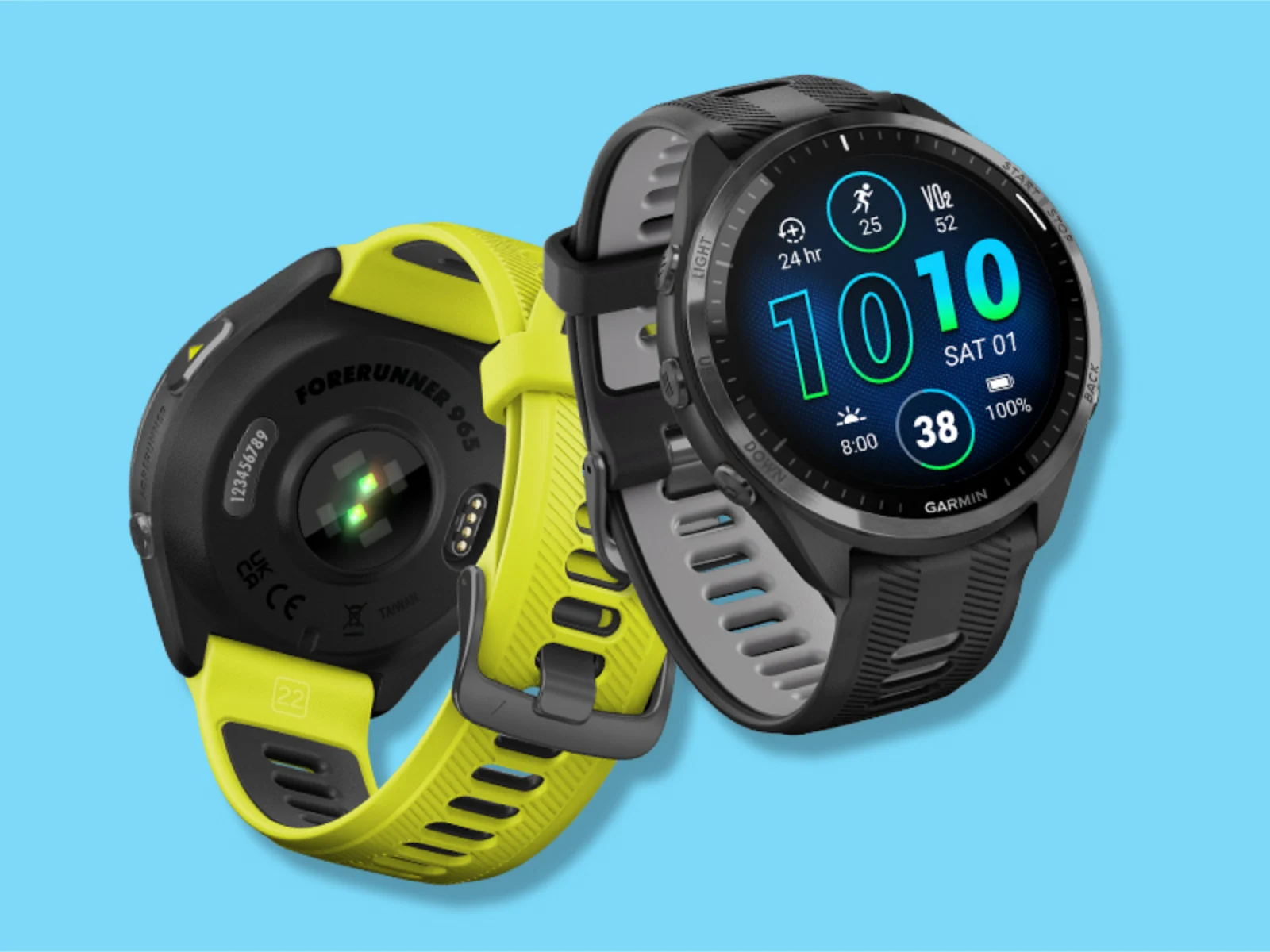
    – Garmin released stable Software Version 28.05 for Forerunner 165, 255, 265, 955, and 965.
    – The update includes 7 to 10 changes depending on the model, with the 955 and 965 receiving the most.
    – All models benefit from activity and workout improvements.
    – The rollout has reached about 20% of eligible devices and will expand in coming days.


    New Update lands for Older Garmin Watches

    Garmin has finalised a new stable update for five of its older mid-range smartwatches. To recap, almost four months have passed since the company issued Software Version 27.09 to the Forerunner 165, Forerunner 255, Forerunner 265, Forerunner 955 and Forerunner 965 (curr. $599 on Amazon). In the intervening period, Garmin delivered a solitary v28.xx beta update called Beta Version 28.03.

    Mostly Same Features Across Models

    Nonetheless, it has now pushed ahead with the release of Software Version 28.05 globally. According to Garmin, Software Version 28.05 comes with up to 10 changes. However, this is only true for the Forerunner 955 and Forerunner 965. By contrast, the Forerunner 255 and Forerunner 265 benefit from 8 changes, with the Forerunner 165 dropping further to 7 changes from Software Version 27.09. However, all are said to have recieved activity and workout improvements.

    Currently, Garmin reports that Software Version 28.05 should have reached around 20% of eligible smartwatches. This percentage should change in the coming days, though. The changelogs for Software Version 28.05 are as follows:

    All Forerunner x55 and x65 smartwatches:

    • Fixed an issue where the watch could crash during activity sync
    • Improved heart rate accuracy during high-intensity intervals
    • Resolved a bug where sleep data was not syncing to Garmin Connect
    • Added support for new cycling power meter profiles
    • General system stability improvements
    • Updated translations for multiple languages
    • Fixed a rare issue with the altimeter calibration

    Forerunner 955 & Forerunner 965 specific

    • Improved mapping tile loading speed
    • Added new climb pro data fields
    • Fixed an issue where satIQ mode could drain battery faster than expected

    Forerunner 255, Forerunner 265, Forerunner 955 & Forerunner 965 specific: All four models recieve a fix for race predictor algorithems that were showing incorrect times for some users. Along with this, the update patched a problem with the touchscreen not responding after swimming in salt water.

    Sources
    • HP 14-Inch Laptop Launches Globally: 800 Nit Display, 32GB RAM

      HP 14-Inch Laptop Launches Globally: 800 Nit Display, 32GB RAM

      Key Takeaway

      – HP EliteBook 8 G2i 14 now on sale in Europe, starting at £1,348 / €2,251.
      – Available with Intel Core Ultra 5 and Core Ultra 7 (Panther Lake) processors.
      – Core Ultra 7 355 is the only configuration offering up to 32 GB of RAM.
      – 1200p display standard; 800-nit options exist, but 1600p 120 Hz VRR panel is not yet available.
      – No confirmed release date for other markets, including the US.


      New EliteBook 8 Models Appearing

      HP continues to quietly release its latest batch of EliteBook 8 laptops. Presented almost three months ago, the EliteBook 8 G2 range is already available in 13-inch and 13-inch convertible forms with Intel Panther Lake processors. Based on the company’s March announcement, a total of six models will be are coming.

      14-Inch Variant Hits Europe

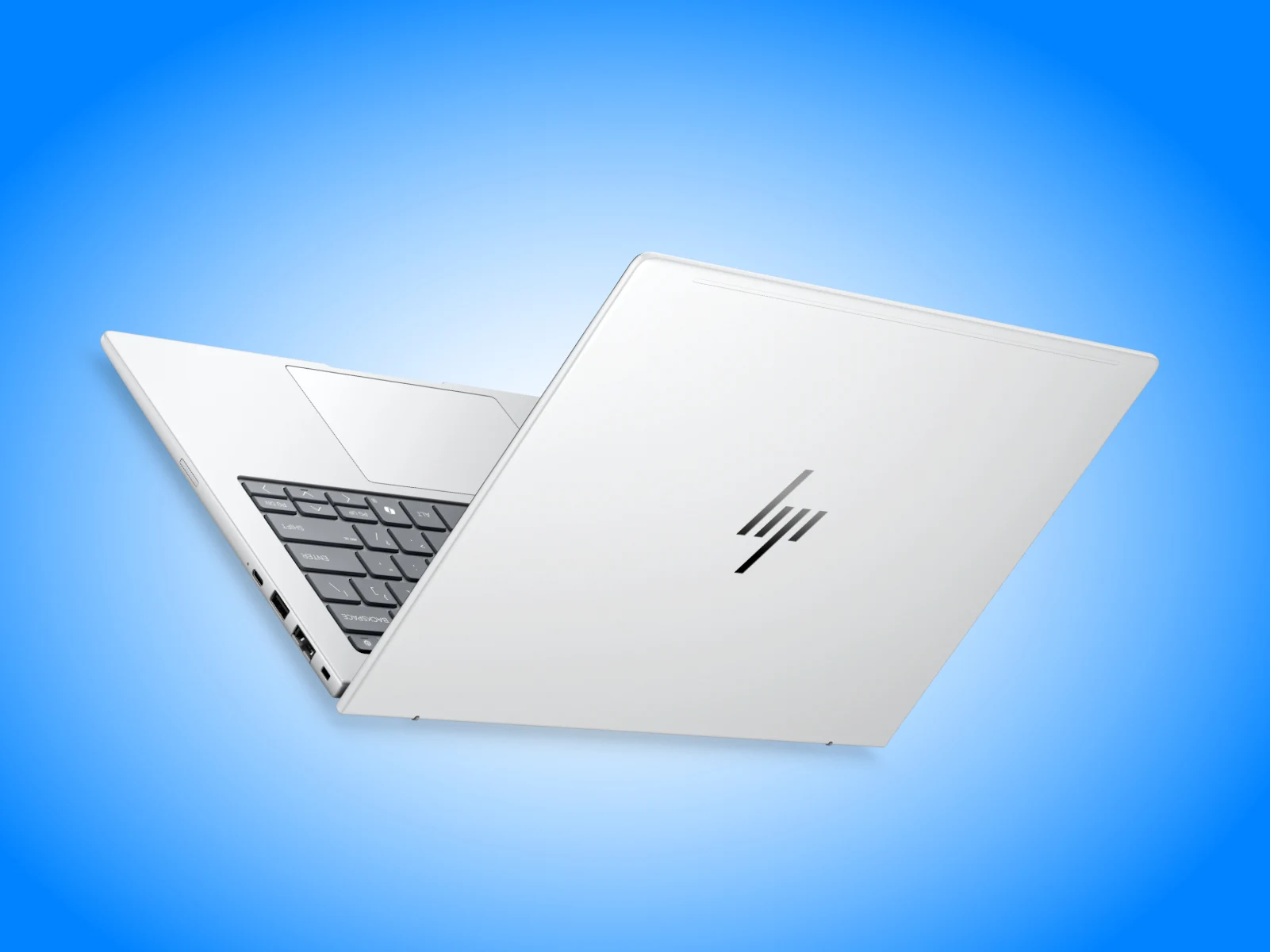
      Now, HP has started selling the EliteBook 8 G2i 14 across Europe. For context, the new 14-inch laptop replaces the Arrow Lake-based EliteBook 8 G1i ($1,475), rather than the AMD counterpart we reviewed in October 2025. Nonetheless, a new AMD model is on its way to receiving a global release too.

      Pricing and Configuration Details

      In the meantime, the EliteBook 8 G2i 14 starts at around £1,348 in the UK with a Core Ultra 5 325 processor, 16 GB of RAM, 256 GB of storage and a 1200p display backed by a 68 Wh battery. In comparison, HP has priced this configuration at €2,251 in the Eurozone. However, only a Core Ultra 7 355-powered SKU, priced at over €200 more, is orderable at the time of writing.

      UK Options and Display Choices

      Alternatively, the EliteBook 8 G2i 14 is available in the UK with the Core Ultra 5 335. Only the Core Ultra 7 355 is configurable with up to 32 GB of RAM, though. Also, HP sells its new 14-inch laptop with 800-nit displays in some instances, too. Unfortunately, a promised 120 Hz VRR panel with a 1600p resolution is yet to materialise. Likewise, it is unclear when HP will begin selling the EliteBook 8 G2i 14 in other markets, such as the US.

      • Core Ultra 5 325 with 16 GB RAM, 256 GB storage, 1200p display starts at £1,348 (UK) or €2,251 (Eurozone)
      • Core Ultra 7 355 SKU costs over €200 more in the Eurozone
      • Core Ultra 5 335 option available in the UK
      • Only Core Ultra 7 355 can be configured with up to 32 GB RAM
      • 800-nit display avalible in some configurations
      • 120 Hz VRR 1600p panel not yet released

      Future Availability

      Likewise, it is unclear when HP will begin selling the EliteBook 8 G2i 14 in other markets, such as the US. Nonetheless, a new AMD model is on its way to receiving a global release too, so consumers in other regions may have to wait a little longer for the full range.


    • Honor X80 Pro Max Launch: 11,000mAh Battery

      Honor X80 Pro Max Launch: 11,000mAh Battery

      Key Takeaway

      – 11,000mAh battery with 90W fast charging
      – 6.8-inch flat AMOLED display, 2788 × 1280 resolution
      – Snapdragon 6 Gen 5 chipset
      – Full water resistance, drop-resistant design, flagship biometrics
      – Standard Honor X80 also has Snapdragon 6 Gen 5, 10,000mAh battery, launches late June


      Honor X80 Pro Max Leak Reveals Massive Battery

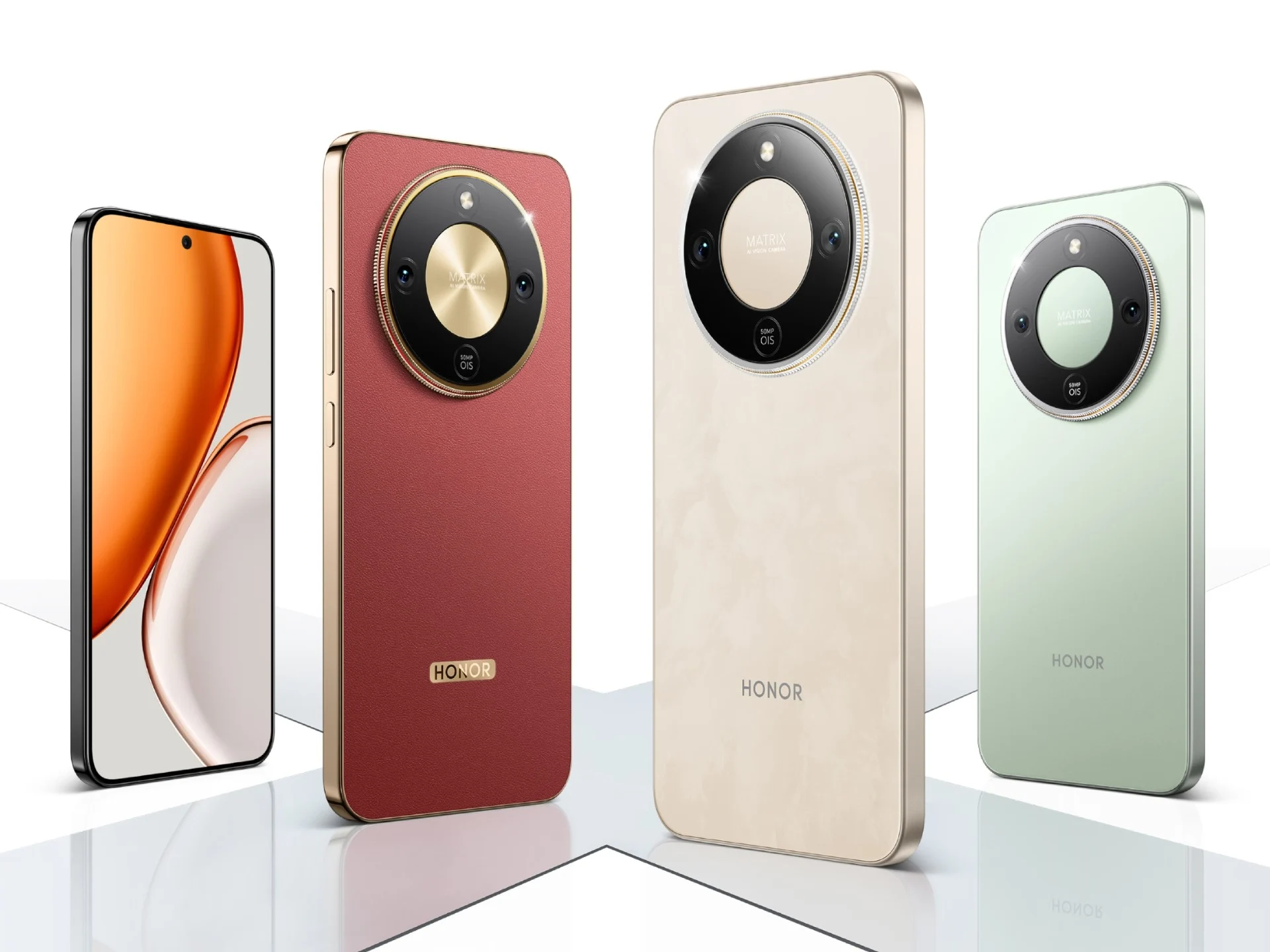
      Honor launched the Honox X80i in China in April, and now it is preparing to launch a Pro Max version. Thanks to tipster Digital Chat Station, we now have a sneak peek of what the Honor X80 Pro Max will offer. The leak also suggest that the handset will feature a large 11,000mAh battery with support for 90W fast charging.

      Display and Processor Details

      It is also reported to feature a 6.8-inch flat AMOLED display with narrow bezels, rounded corners, and a resolution of 2788 × 1280 pixels. The Honor X80 Pro Max will also allegedly get the Snapdragon 6 Gen 5 chip. The device is also expected to feature full water resistance, a drop-resistant design, and flagship-level biometric authentication features.

      Standard X80 Model Compares

      As per a recent leak, the standard Honor X80 is also said to be equipped with the Snapdragon 6 Gen 5 SoC. It is tipped to offer a 6.8-inch AMOLED display and a 10,000mAh battery.

      The leak didnt specify when we can expect the X80 Pro Max to be launched, but a previous leak suggested that the company will launch the vanilla X80 toward the end of June. We dont know whether we’ll also see the X80 Pro Max during this launch; we’ll have to wait and see.


      Sources
    • This Free Tool Checks If Your Grocery Store Sales Are Real Deals

      This Free Tool Checks If Your Grocery Store Sales Are Real Deals

      Key Takeaway

      – Lowtein compares weekly flyer prices to official government averages to reveal true deals.
      – It covers hundreds of US and Canadian cities, normalizing prices to common units ($/lb, $/100g, $/dozen).
      – Each item gets a simple label: below average, around average, or pricey.
      – Standout deals (30-50% below average) are flagged as worth a grocery run.
      – No login, no app, no lists—just open the site and your city loads automatically.


      Grocery Sale Tags Arent Always Telling the Truth

      Most grocery store sale stickers are just marketing, not math. A new tool called Lowtein is trying to fix that — by checking weekly flyer prices against official government averages for your city. It’s a neat idea that cuts through the noise.

      How Lowtein Actually Works

      The tool has been built by an independent developer who goes by u/barneycorp on Reddit. The site covers hundreds of cities across the US and Canada. Every week, it pulls meat, fish, dairy, and egg prices from local store flyers, normalizes them to a common unit ($/lb, $/100g, $/dozen), and then compares each price against government benchmarks — Statistics Canada in Canada, the Bureau of Labor Statistics in the US. What you see is a simple label on the aforementioned groceries: below average, around average, or pricey.

      Why Its Not Just Another Deal Site

      “Most sites show you a low price, not whether it’s actually low,” the creator explained in a Reddit post on r/InternetIsBeautiful, which quickly picked up traction. The difference does matter. A “$2.99/lb” chicken breast looks like a deal, but if the regional average is $2.80, it isn’t one. Lowtein scans those gaps, and flags standout deals that are 30-50% below regional averages, which tend to be the ones actually worth planning a grocery run for.

      Simple Interface, No Sign Up Required

      There’s no login, no app, and no list to fill out, which is great. You can simply open the site and your city loads automatically. As an example, for Vancouver this week, pork shoulder is available at Walmart for $1.98/lb — 54% below the B.C. average. In Los Angeles, El Super has chicken leg quarters at $0.77/lb, 55% under the West Coast average.

      One Clean Little Tool

      It’s a small, well-executed idea that does exactly one thing and does it cleanly (especially with that UI). You can check it out at lowtein.com. Lowtein.com, u/barneycorp on Reddit

      Sources
    • Samsung Galaxy A27: Higher Price, Fewer Features

      Samsung Galaxy A27: Higher Price, Fewer Features

      Key Takeaway

      – Galaxy A27 starts at €349 (6GB RAM/128GB storage), with an 8GB/256GB variant at €439
      – Prices are higher than the Galaxy A26, which launched at €299 and €369
      – Features a 5,000 mAh battery, 50MP main camera, and 6.7-inch AMOLED display
      – Switches from Snapdragon 6 Gen 3 to Exynos 1380 for a modest performance boost
      – Pricing leak suggests global launch may be imminent


      Pricing Information Leaked for Galaxy A27

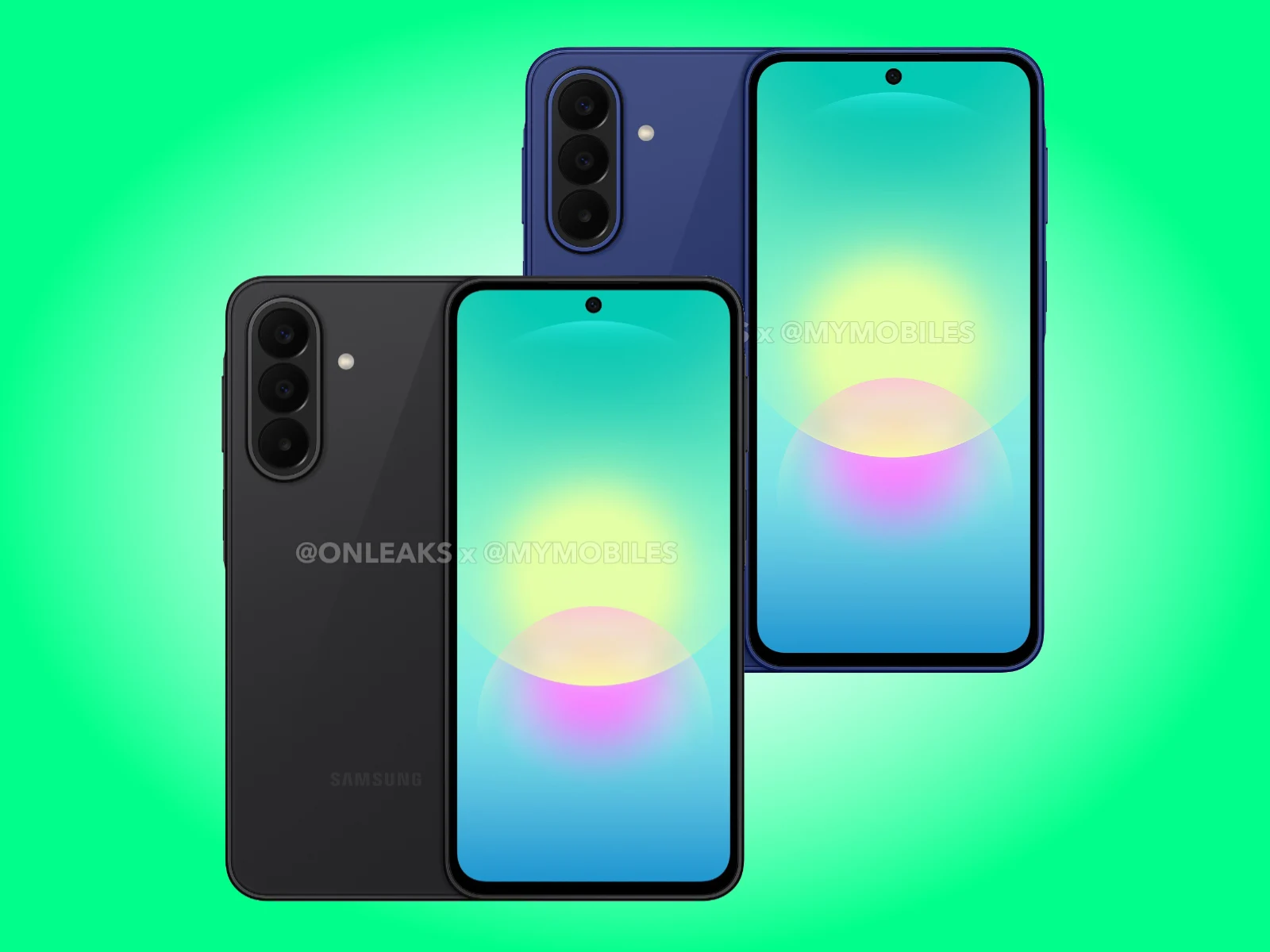
      Roland Quandt has share fresh details about Samsungs next budget phone. Specifically, the leaker claims to of obtained pricing information for two Galaxy A27 variants, In short, Samsung will distinguish with different memory configurations rather than 4G and 5G connectivity as with the Galaxy A17 that we reviewed earlier this year in its 4G and 5G forms.

      Two Memory Options Available

      According to Quandt the Galaxy A27 will start at €349 with 6 GB of RAM and 128 GB of storage. Presumably this pricing includes taxes which would correlate to ~$339 at current exchange rates. Also, Quandt reports that the smartphone will run to €439 (~$426) with 8 GB of RAM and 256 GB of storage.

      Comparison to Previous Model Pricing

      By contrast the Galaxy A26 originally retailed for €299 and €369 in these memory configurations. Reportedly Samsung will maintain a 5,000 mAh battery a 50 MP primary camera and a 6.7-inch AMOLED display too. However the Exynos 1380 will make for the Snapdragon 6 Gen 3 for a modest performance improvement in some cases. Also 13 MP front-facing and 8 MP ultra-wide-angle cameras will be replaced by 12 MP and 5 MP equivalents.

      Launch Timeline and Additional Details

      To recap initial information about the Galaxy A27 emerged in November 2025. Surfacing alongside the Galaxy A37 and Galaxy A57 the leak indicated that the Galaxy A27, Galaxy A37 and Galaxy A57 may launch simultaneously. While an official launch date remains unknown for now the emergence of pricing information suggests that the Galaxy A27 is close to being released globally.

      • Samsung Galaxy A27 6GB/128GB: €349
      • Samsung Galaxy A27 8GB/256GB: €439
      • Battery capacity: 5,000 mAh
      • Primary camera: 50 MP
      • Display size: 6.7-inch AMOLED
      • Processor: Exynos 1380
      • Front-facing camera: 12 MP
      • Ultra-wide-angle camera: 5 MP
      Sources
    • Two Citizen Promaster Watches Up to 50% Off on Amazon

      Two Citizen Promaster Watches Up to 50% Off on Amazon

      Key Takeaway

      – The Citizen Promaster BN0151-09L is an affordable ($199), solar-powered, ISO-certified dive watch with a 4.7-star rating.
      – The Promaster “Fugu” is a more serious automatic (self-winding) mechanical watch on a stainless bracelet, currently $106 below its average price.
      – Both watches are ISO 6425 certified and water resistant to 200 meters, making them legitimate dive watches.
      – The BN0151’s current price of $199 is nearly $89 below its historical average, but not its all-time low of $119.99.
      – The Fugu’s $336 price is 23% off its average, but its all-time low of $285.60 suggests patience could yield a better deal.


      Citizen Promaster Dive Watches on Sale

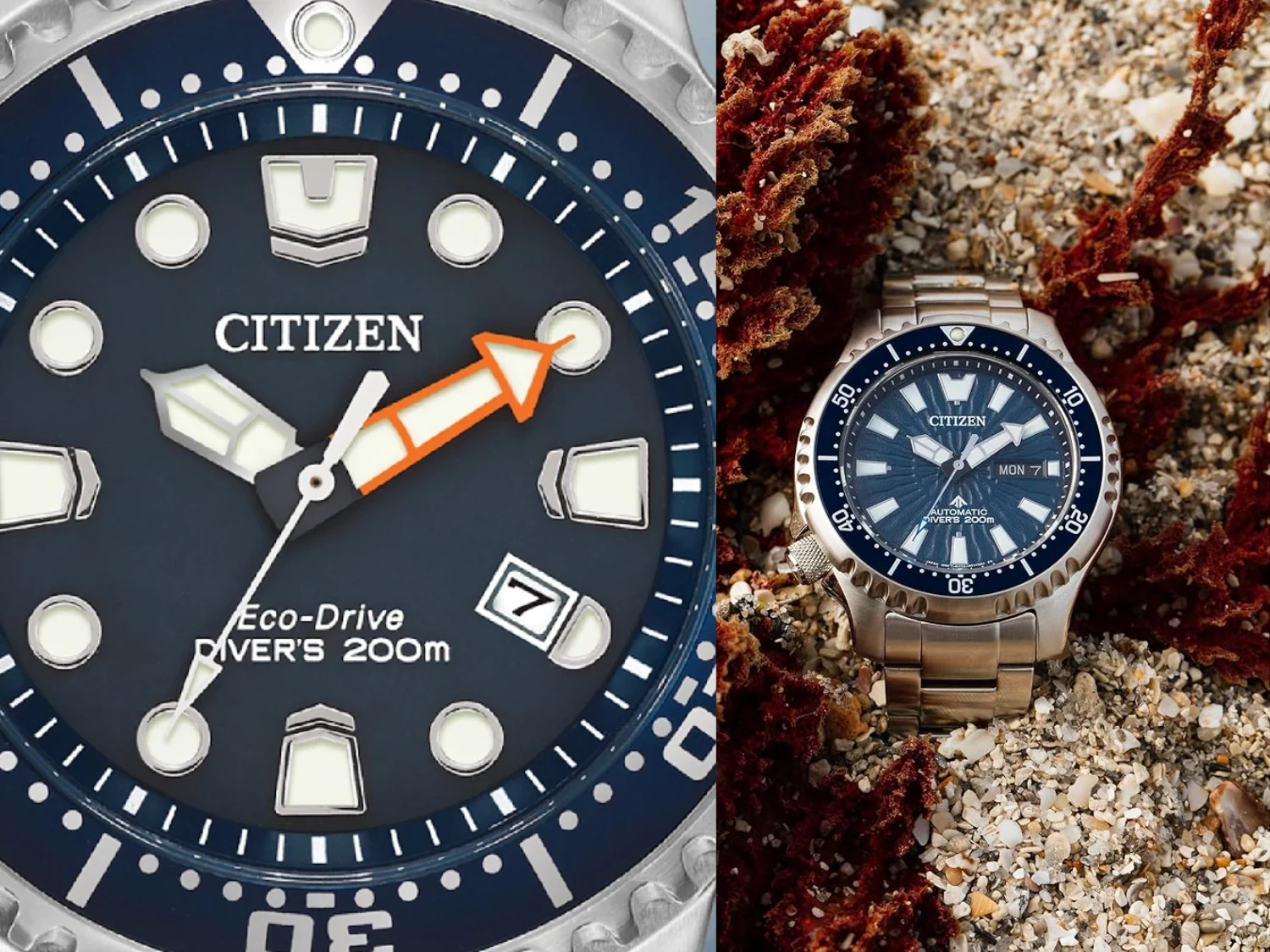
      If you been wanting a proper dive watch, Amazon is discounting two good options from Citizen’s Promaster line — one solar-powered and very cheap, the other automatic and a bit more serious. The BN0151-09L is one of the most recommended entry-level dive watches around, and at $199 its hard to argue with. It runs on Citizen’s Eco-Drive calibre E168 — a solar movement that never needs a battery change, with a six-month power reserve when fully charged. It passes ISO 6425 standards and resists water to 200 meters, so its a real diver not just a watch that looks aquatic. The 42 mm stainless steel case has a blue polyurethane strap, and at only 12 mm thick its suprisingly light for its size. It holds a 4.7-star rating across nearly 9,000 Amazon reviews — pretty rare for any watch at this price point.

      Comparing Prices and Value

      Price tracker data from camelcamelcamel shows an average Amazon selling price of $288.26 since 2015. So the current $199 price is almost $89 below average — though not the all-time low of $119.99 from October 2020. That means you could wait for a better deal if your patient, but this is still a decent discount for a top-rated diver. The Fugu is a hole different animal completly. It’s an automatic — no battery, no solar, just a self-winding mechanical movement — and its design goes back to a 1989 Citizen dive watch, with a serrated bezel inspired by the Japanese fugu fish.

      Fugu Automatic Features and Discount

      This watch is also ISO compliant with 200 meters of water resistance, but it adds a day-date display and a full stainless bracelet instead of the rubber strap on the BN0151. At 4.4 stars across 201 reviews its newer and less proven, sure, but the 23% discount brings it $106 below its $442 average selling price. Its all-time low is $285.60, so theres room for patience if you dont need it immediatly. Both are available now via Amazon, so you can pick the one that fits your style and budget — the Eco-Drive model or the more expensive automatic dive watch.

      Disclaimer and Availability

      Discounts prices and deals mentioned were availible at time of writing and may change due to time limits or stock issues. This item might not stay at the quoted price for long, so act fast if you like what you see. The retailers can alter pricing without notice. Amazon sells both watches currently, but availability can vary depending on your location and stock levels. Keep in mind that the Fugu is newer to the market with less reviews, while the BN0151 has a proven track record with thousands of positive ratings over many years. Both are solid choices for anyone looking to get into diving or just wanting a tough everyday watch that can handle some water.


      Sources

      • New Opel Astra EV: €25k with Chinese tech sparks turnaround

        New Opel Astra EV: €25k with Chinese tech sparks turnaround

        Key Takeaway

        – Opel’s next-generation Astra will remain “Made in Germany” on a new STLA One platform.
        – German plants are severely underutilized (below 60%), with Rüsselsheim running on a single shift.
        – Opel has been reduced to a third-tier Stellantis brand, retaining few core engineering competencies.
        – A partnership with Chinese startup Leapmotor aims to deliver a low-cost electric SUV by 2028.
        – Without Chinese support, Opel’s survival is considered unlikely by industry experts.


        Opel’s future holds a mixed bag of hope and hard truths

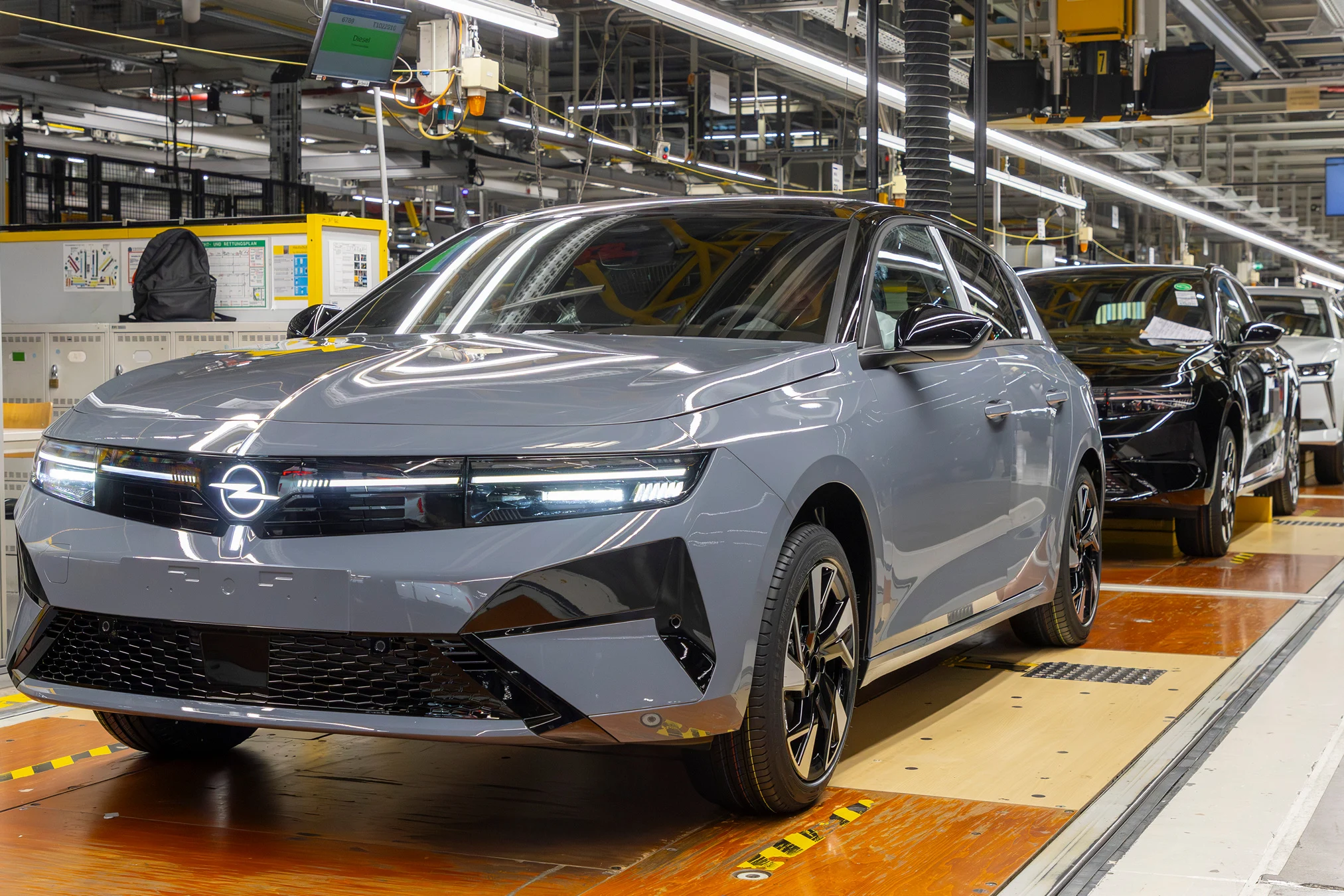
        Officially, a tone of optimism is being maintained at Opel’s headquarters in Rüsselsheim. The company’s parent group, Stellantis, has announced that the next generation of the long-running compact bestseller, the Astra, will continue to be designed, developed and manufactured in Rüsselsheim, ensuring that it remains a true product “Made in Germany”. The vehicle will be based on the new STLA One electric platform. Opel plans to invest more than one billion euros in Germany by 2030 and introduce at least four new models, including the next generation of the Corsa.

        But the factory floors tell a more troubling story

        However, the reality away from the marketing rhetoric is bleak. The German plants in Rüsselsheim and Eisenach are struggling with significant underutilisation, with production historically falling below 60 percent. In Rüsselsheim, production is effectively running on just a single shift. Even more dramatic is the downsizing at the traditional development centre: of the former 7,000 engineers, only 1,650 remain today. Insiders complain that Opel has been relegated to the third tier within the Stellantis Group, leaving developers with few core competencies beyond lighting and seats.

        A rescue plan from the Far East emerges

        The salvation of the struggling car manufacturer, whose European market share has shrunk to a critical 3 percent, therefore comes from the Far East. Opel aims to turn things around through its partnership with the Chinese electric start-up Leapmotor. A new electric family SUV based on affordable Chinese technology is planned for release in 2028. This collaboration is intended to serve as a blueprint for achieving shorter development times and offering more affordable EVs. The upcoming electric Corsa is also expected to break the psychological price barrier of €25,000 in this way.

        Without Chinese support, the brand might not survive

        According to industry experts, without support from China, the survival of the brand would hardly be guaranteed anymore. Opel’s reliance on external partners highlights just how deep the structural problems run within the company. While the official announcements speak of billion-euro investments and new models, the day-to-day reality involves massive job cuts, reduced shifts, and a shrinking market presence. The partnership with Leapmotor might offer a lifeline, but it also raises questions about how much of the Astra’s “Made in Germany” identity will remain genuine.

        Sources
      • Microsoft June 2026 Patch Tuesday: High Stakes & Hidden Features

        Microsoft June 2026 Patch Tuesday: High Stakes & Hidden Features

        Key Takeaway

        – June 2026 Patch Tuesday is a critical compliance milestone due to June 24 expiration of legacy UEFI Secure Boot certificates.
        – Unpatched devices will lose the ability to receive future boot security updates, including Windows Boot Manager and revocation list updates.
        – CVE-2026-42897, a high-severity XSS vulnerability in Outlook Web Access for on-premises Exchange, is now permanently patched.
        – Major Windows 11 features include NPU monitoring in Task Manager, Shared Audio via Bluetooth LE, and Multi-App Camera support.
        – Users can now set custom local user folder names during clean Windows 11 installations.


        Rollout of June 2026 Security Bundle Begins

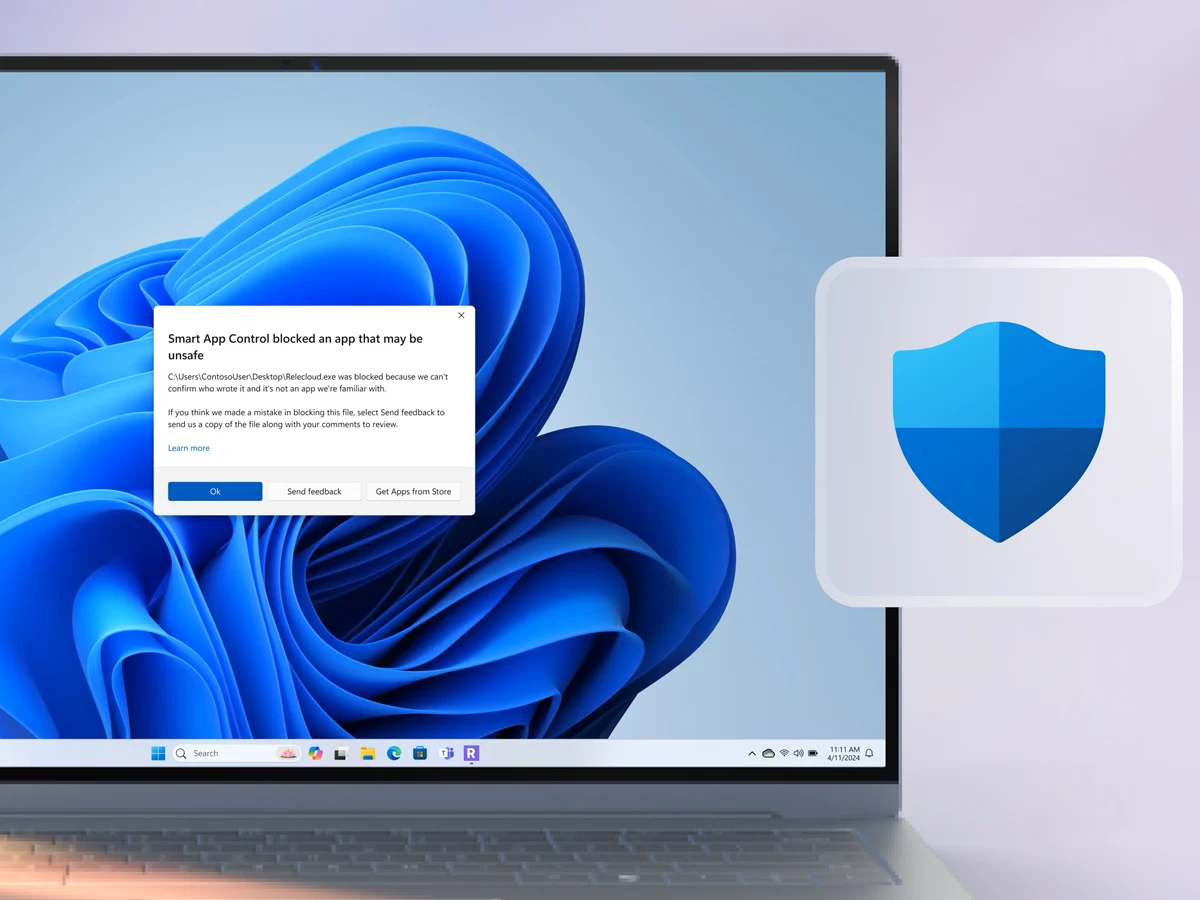
        Microsoft has officially begun rolling out its June 2026 Patch Tuesday update bundle, turning a routine monthly security deployment into an essential compliance milestone for enterprise networks. Because legacy 2011-era Third-Party UEFI Secure Boot certificates begin their scheduled expiration cycle on June 24, IT departments are using this update window to finalize validation across their device fleets.

        New Features for Everyday Users

        While enterprise administrators are focused on long-term boot compliance, everyday Windows 11 users will receive a collection of new, officially documented features. Rather than holding quality-of-life upgrades back for a traditional annual operating system version milestone, Microsoft is using this mandatory quality update to deliver sweeping platform improvements to general system performance, hardware diagnostics, and peripheral management.

        Critical Checkpoint for Corporate Environments

        For corporate environments, the June 9 rollout represents a critical checkpoint in a multi-stage infrastructure transition. According to official Microsoft lifecycle documentation, devices that do not migrate to the newer Windows UEFI CA 2023 certificates ahead of the summer expiration timeline will continue to boot and operate normally under standard conditions. However, Microsoft warns that these non-updated endpoints will lose the ability to receive new security protections for the early boot process, effectively halting future updates to the Windows Boot Manager, Secure Boot databases, and critical vulnerability revocation lists.

        Security Vulnerability and Patch Details

        On the security front, administrators are closely monitoring CVE-2026-42897, a high-profile cross-site scripting vulnerability affecting Outlook Web Access in on-premises Exchange Server deployments. With today’s security updates officially delivering the permanent patch to resolve this vulnerability, administrators can finally transition away from temporary blocks previously managed by the Exchange Emergency Mitigation Service. Today’s quality update bundle also addresses associated system bugs, including a fix for installation failures on devices with limited space of 10 MB or less on their EFI System Partition.

        Major Feature Updates for Performance

        Beyond security patches, the deployment introduces a series of major feature updates directly to the Windows 11 client ecosystem under the general performance umbrella. For core system performance, this update officially accelerates app launch behaviors and enhances responsiveness across core shell experiences, specifically targeting micro-stuttering within the Start menu, Search, and Action Center.

        Task Manager and NPU Monitoring

        To accommodate modern hardware requirements, Task Manager now provides significantly improved visibility into local AI workloads by introducing optional columns to actively track Neural Processing Unit utilization, active NPU engines, and dedicated or shared NPU memory allocations.

        Media Management and Sharing Upgrades

        Media management receives a substantial upgrade through the launch of the Shared Audio feature, which utilizes Bluetooth LE Audio broadcast technology to allow two individuals to listen to the same audio stream from a single Windows 11 PC simultaneously using separate connected devices. Capturing and streaming video is also more flexible with the introduction of the Multi-App Camera feature, allowing a single physical webcam feed to be shared across multiple communication applications at the same time alongside a new Basic Camera mode intended to simplify device troubleshooting.

        Custom User Folder Name Option

        Finally, addressing a long-standing infrastructure request, the updated Windows setup experience now allows users to choose an exact custom name for their local user folder directly on the Device Name page during clean system installations, cleanly bypassing automated account abbreviations.

        Global Rollout and Enterprise Monitoring

        The mandatory quality update is rolling out globally via Windows Update. Enterprise deployment teams are advised to monitor local system event logs for firmware completion markers to ensure complete fleet readiness ahead of the absolute June certificate cutoff.

        Systemic Pressure on Corporate Networks

        Beyond the routine security fixes and the critical firmware validation deadlines, today’s deployment cycle underscores the broader systemic pressure facing corporate defense networks. While these automated cumulative updates resolve several active operational exploits, the long-term fallout from recent uncoordinated disclosure waves remains an escalating challenge for enterprise administrators as they brace for the threatened mid-July mass disclosure drop by researcher “Nightmare Eclipse.”