Author: GizNews

  • Lenovo Launches Nvidia RTX Spark Laptop 15-Inch SD Slot

    Lenovo Launches Nvidia RTX Spark Laptop 15-Inch SD Slot

    Key Takeaway

    – Lenovo’s Yoga Pro 9n is the first laptop revealed with Nvidia’s new RTX Spark superchip, combining a Grace CPU and Blackwell GPU.
    – It features up to 128GB RAM, 1 petaflop of AI performance, and promises “all-day battery life” for creators, gamers, and AI work.
    – The 15-inch laptop includes top-firing speakers, a backlit keyboard, a large trackpad with pen support, HDMI, and an SD card slot.
    – Pricing is estimated at $1,799 to $2,899, competing with Apple’s M5 MacBook Pro lineup.
    – Official launch details are unconfirmed, but Spark RTX laptops are expected to ship in fall 2026.


    Lenovo Shows Off Its First RTX Spark Laptop

    Lenovo has (sort of) officially revealed its first laptop powered by the new Nvidia RTX Spark, the Lenovo Yoga Pro 9n, which appears to follow the design of the Yoga Pro 9i. While the next-gen Yoga laptop is on full display at Computex 2026, and an official teaser video has been shared online, the company hasn’t (technically) detailed the hardware just yet. However, thanks to reports from the event, we have more info.

    Under the Hood of the Yoga Pro 9n

    Of course, at the core of the Yoga Pro 9n the Nvidia RTX Spark superchip. In its fastest flavor, the platform pairs a 20-core Nvidia Grace CPU with an Nvidia Blackwell-based RTX GPU; up to 128GB of RAM, and up to 1 petaflot of AI performance. According to Nvidia and Lenovo, the Spark RTX-powered Yoga Pro 9n is built for agents and AI, creators, and gamers, while offering “all-day battery life”.

    Design and Ports Revealed in Teasers

    The short video shared by Lenovo reveals the laptop from a distance, confirming a 15-inch screen, and a familiar Yoga aesthetic. The remaining details we have come from hands-on reports from Computex, which confirm the laptop has top-firing speakers, a backlit keyboard, and a large trackpad with pen support so you can use it for drawing.

    We can also spot the presence of an HDMI port and an SD card slot from the images, which (unsurprisingly) confirms the Lenovo Yoga Pro 9n is made for creators and professionals, who might need to use external displays and transfer large video files.

    Pricing and Launch Timeline

    Naturally, official pricing and launch date for the Lenovo Yoga Pro 9n haven’t been shared yet. Most new laptops with the RTX Spark are expected to hit the shelves this fall. One thing’s for sure, and it is that the Lenovo Yoga 9n will face some stiff competition from the likes of Dell, Asus and Microsoft.

    In related news, according to market analyst Morgan Stanley, Spark RTX laptops like the Lenovo Yoga Pro 9n could start at $1,799 and $2,899, depending on the chip (N1 or N1x). This is in the same ballpark as the base M5 MacBook Pro and an M5 Pro 16-inch MacBook Pro.
  • Xiaomi TV Stick HD 2nd Gen Cheaper Europe Launch

    Xiaomi TV Stick HD 2nd Gen Cheaper Europe Launch

    Key Takeaway

    – Xiaomi TV Stick HD (2nd Gen) now available for purchase in Europe via Xiaomi Poland.
    – Priced at PLN 209 (~$57), slightly cheaper than the TV Stick 4K (2nd Gen) at PLN 239 (~$65).
    – Expected Eurozone price between €50 and €60.
    – Runs Google TV with 1 GB DDR4 RAM, quad-core Cortex-A55 CPU, and Mali-G31 MP2 GPU.
    – Supports 1080p/60Hz output, Dolby Audio, DTS:X, HDR10+, Bluetooth 5, and 5 GHz Wi-Fi.


    Xiaomi’s new streaming stick finally hits the market in Europe

    A few months have past since Xiaomi announced the TV Stick HD (2nd Gen). For context, the new TV Stick was listed on the company’s global website in March. While that listing indicated that Xiaomi would release the TV Stick HD (2nd Gen) globally, it did not reveal when. However, Xiaomi’s latest streaming stick is now available to purchase in Europe pending a global rollout.

    Pricing and availability on Polish website

    Specifically, the TV Stick HD (2nd Gen) can be purchased from Xiaomi’s Polish website. Hence, we suspect the device will reach other parts of Europe in the coming weeks. In the meantime, Xiaomi Poland indicates that the TV Stick HD (2nd Gen) may only be slightly cheaper than the existing TV Stick 4K (2nd Gen). At the time of writing, the former can be purchased for PLN 209 (~$57), compared to PLN 239 (~$65) for the TV Stick 4K (2nd Gen). On this basis, the TV Stick HD (2nd Gen) may reach the Eurozone for between €50 and €60.

    Technical specifications and hardware details

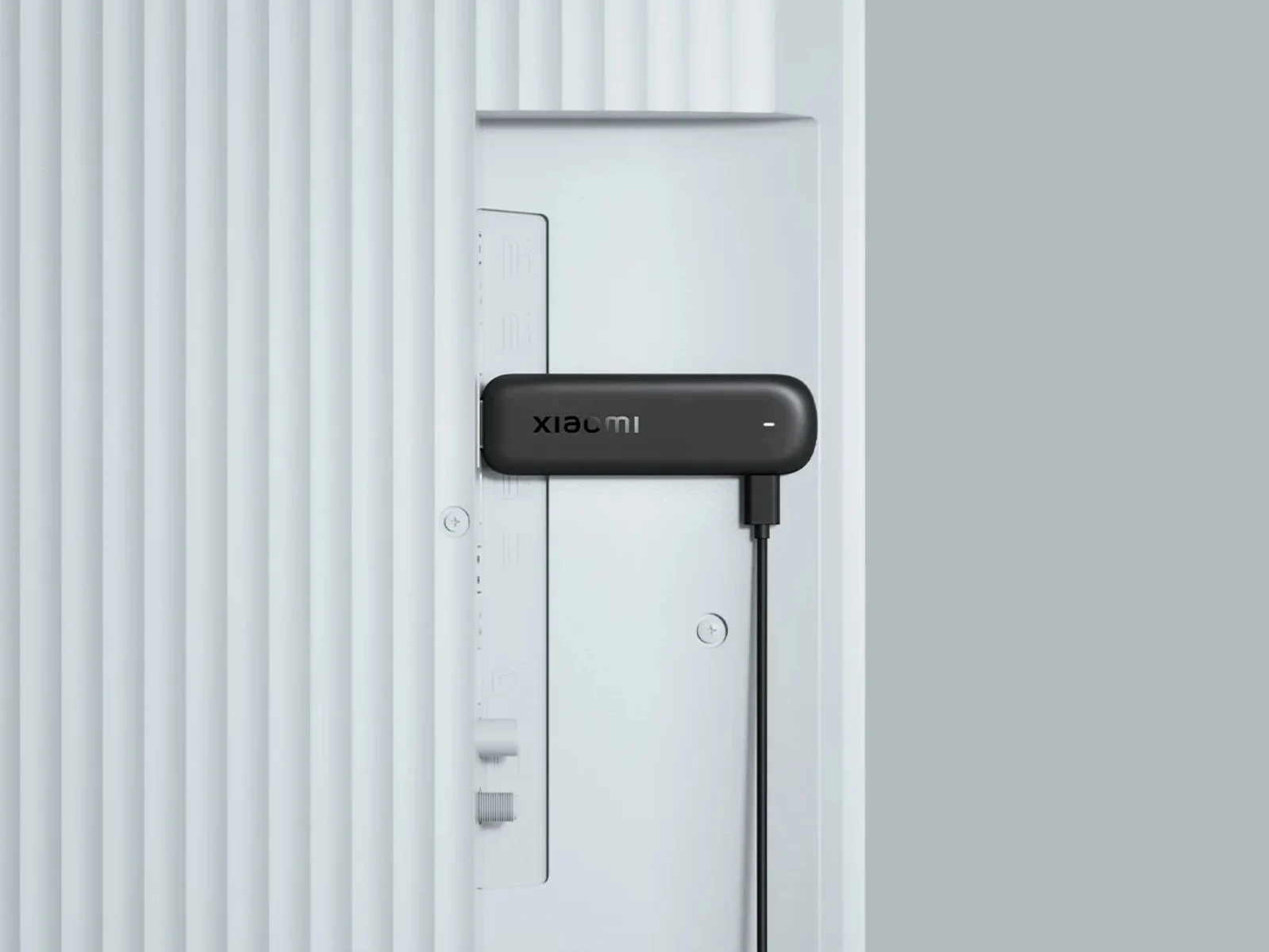
    To recap, the TV Stick HD (2nd Gen) runs Google TV with 1 GB of DDR4 RAM and an unnamed chipset that combines a Mali-G31 MP2 GPU with a quad-core Cortex-A55 CPU. Also, the streaming stick supports Bluetooth 5 and 5 GHz Wi-Fi but contains a Micro USB port for charging purposes. Moreover, the TV Stick HD (2nd Gen) outputs at up to 1080p and 60 Hz with Dolby Audio, DTS:X and HDR10+ support.

    • 1 GB DDR4 RAM
    • Mali-G31 MP2 GPU
    • Quad-core Cortex-A55 CPU
    • Bluetooth 5 support
    • 5 GHz Wi-Fi capability
    • Micro USB port for charging
    • 1080p at 60 Hz output
    • Dolby Audio, DTS:X, HDR10+

    Concluding thoughts on European release

    Please see our launch article and Xiaomi’s website for more details. The device is currently priced competitive with the 4K version, offering a budget friendly option for those who dont need ultra high definition. Its unclear when exactly the stick will spread to other markets outside of Poland, but signs point to a wider rollout soon enough.


    Sources

  • Xiaomi Launches Wireless Soundbar with Dolby Audio in New Market

    Xiaomi Launches Wireless Soundbar with Dolby Audio in New Market

    Key Takeaway

    – Xiaomi launched the Soundbar Pro 2.0 ch in the UK at £89.90.
    – It is a cheaper alternative to the Soundbar Pro 2.1 ch.
    – The soundbar delivers 84W power, Dolby Audio, and a 50-20 kHz frequency response.
    – It won a Red Dot Design Award and includes HDMI, Bluetooth, and NFC pairing.
    – At £89.90, it is significantly cheaper than Sonos’ entry-level soundbar.


    New Xiaomi Soundbar Hits the UK Market

    Xiaomi has released another soundbar in the UK. To recap, the company began selling the Desktop Speaker Pro Set yesterday in the same market. Priced at £79.99, the Desktop Speaker Pro Set combines a wireless soundbar and a wireless subwoofer in one package.

    Soundbar Pro 2.0 ch Arrives as a Cheaper Option

    Now, it has started offering the Soundbar Pro 2.0 ch in the UK too. For context, the Soundbar Pro 2.0 ch reached parts of the Eurozone in November 2025. Also, the soundbar is a cheaper alternative to the Soundbar Pro 2.1 ch, which has just debuted in the UK as well.

    Award-Winning Design and Audio Specs

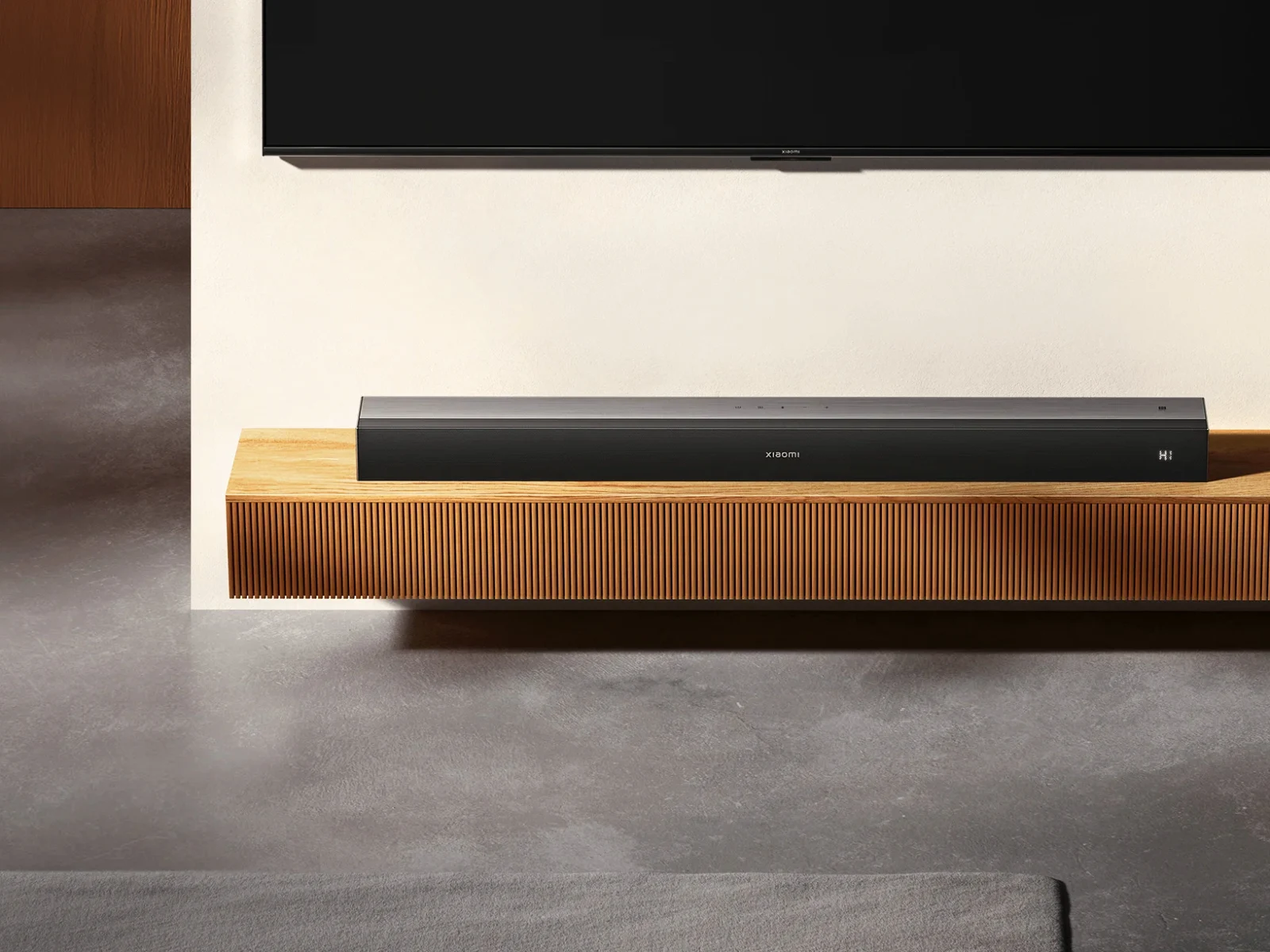
    A Red Dot Design Award winner, the Soundbar Pro 2.0 ch features a pair of mid-bass drivers and tweeters within a housing that measures 840 x 77 x 60 mm. Reportedly, these drivers deliver up to 84 W of power with a 50-20 kHz frequency response while mastering Dolby Audio. Moreover, the soundbar offers coaxial, optical audio, HDMI and Bluetooth connectivity, as well as NFC pairing.

    Pricing Compared to Competitors

    The Soundbar Pro 2.0 ch retails for £89.90 in the UK, which makes it much cheaper than even Sonos’ entry-level soundbar. Incidentally, this pricing makes the Soundbar Pro 2.1 ch about half the price of the Soundbar Pro 2.1 ch, too. Please see the Xiaomi website for more details.

    • Wireless soundbar with subwoofer combo: £79.99
    • Soundbar Pro 2.0 ch: £89.90
    • Power output: up to 84 W
    • Frequency response: 50-20 kHz
    • Dolby Audio support
    • Dimensions: 840 x 77 x 60 mm
    • Connectivity: coaxial, optical audio, HDMI, Bluetooth, NFC
    • Red Dot Design Award winner


    Sources

  • Xiaomi 18, Oppo Find X10, Vivo X500 Launch Timelines Leaked

    Xiaomi 18, Oppo Find X10, Vivo X500 Launch Timelines Leaked

    Key Takeaway

    – Xiaomi 18 series launching in September 2026, with standard model featuring a 6.4-inch 2K flat display and Pro models having secondary displays and dual 200MP cameras.
    – Oppo Find X10 series expected in September 2026, with standard model rumored to include a 200MP camera and 8,000mAh battery, powered by MediaTek Dimensity 9600 chips.
    – Vivo X500 series also targeting September 2026 launch, with models including X500, X500 Pro, X500 Pro Max, and X500e.
    – Vivo X500 series highlights include Zeiss-tuned cameras with LOFIC technology, ~7,000mAh batteries, and Dimensity 9600 chipsets.
    – All three brands are aligning their next flagship launches around the same September 2026 window.


    New flagship lineups from Xiaomi, Oppo, and Vivo have surfaced online

    New details have surfaced online about the upcoming flagship lineups from Xiaomi, Oppo, and Vivo. The leak reveals potential launch timelines for the Xiaomi 18 series, the Oppo Find X10 series, and the Vivo X500 series.

    Xiaomi 18 series launch and display leaks

    According to Digital Chat Station on Weibo, the Xiaomi 18 series will be released in September 2026. This is not a surprise, since the Xiaomi 17 series was also launched in September last year. For context, the Xiaomi 17 series initially launched with three models: the standard Xiaomi 17 (curr. $929 on Amazon), the Xiaomi 17 Pro, and the Xiaomi 17 Pro Max. As such, the Xiaomi 18 series could also launch with at least three devices.

    Standard Xiaomi 18 display and Pro camera details

    In a separate Weibo post, the tipster has hinted that the standard Xiaomi 18 may feature a display size of approximately 6.4 inches. It is said to sport a flat display with narrow bezels and a “2K” resolution. Meanwhile, the Xiaomi 18 Pro models will reportedly feature secondary displays and dual 200MP cameras.

    Oppo Find X10 series launch timeline and specs

    Although the Oppo Find X9 series was launched in October 2025, the tipster suggests that Oppo may launch the Find X10 series a month earlier this year. The company is reportedly targeting a September 2026 launch for the Find X10 series in China. Leaks suggest that the standard Find X10 may feature a 200MP primary camera and an 8,000mAh battery. The lineup may use MediaTek’s upcoming Dimensity 9600-series chipsets.

    Vivo X500 series also targeting September 2026 launch

    Similar to the Find X10 series, Vivo is reportedly targeting a launch in September 2026 for its next flagship lineup. Multiple X500 series phones have already made an appearance on the GSMA IMEI database: the standard Vivo X500, the X500 Pro, the X500 Pro Max, and the X500e.

    X500 series camera and battery highlights

    Some leaked highlights of the X500 series include a Zeiss-tuned camera system with LOFIC technology, batteries of around 7,000mAh, and Dimensity 9600-series chipsets.

    Sources
  • New Peladn Mini-PC: AMD Strix Halo, 96GB VRAM

    New Peladn Mini-PC: AMD Strix Halo, 96GB VRAM

    Key Takeaway

    – Peladn YO2 is a new high-end mini-PC powered by the AMD Ryzen AI Max+ 395 (Strix Halo) APU.
    – It can push the APU to 160W in performance mode using a triple-fan and three-heatpipe cooling system.
    – The YO2 includes 128GB of LPDDR5X RAM, with up to 96GB assignable as VRAM for its Radeon 8060S iGPU.
    – Current pricing starts at roughly $3,249 in China; global availability is unconfirmed but possible.
    – The mini-PC weighs 1.85 kg, measures 246 x 193 x 92 mm, and offers three M.2 2280 slots plus extensive ports.


    New Mini-PC From Peladn

    Earlier this year, we reviewed the Peladn HO5 mini-PC powered by AMD’s Strix Point platform (curr. $999 on Amazon). In the months befor that, Peladn released the WO-4 with a slower AMD Ryzen APU. Additonally, the company launched the Link S-3 eGPU dock with Thunderbolt 5 connectivity.

    Availibility and Power

    Now, it has returned with a new mini-PC called the YO2. For the time being, the Peladn YO2 is only available in China. However, the company tends to offer its mini-PCs globally at some stage. Wheather that will occur with the YO2 remains unconfirmed for now. Unofficially, the mini-PC can be picked up on AliExpress for over $3,200.

    Setting that aside, the YO2 is far more powerful than the HO5 we reviewed in February, thanks to its Ryzen AI Max+ 395 APU. While this Strix Halo processor is found in many other high-end mini-PCs, Peladn claims that the YO2 can push the Ryzen AI Max+ 395 to 160 W in performance mode.

    Design and Specifications

    To that end, the company has included a triple-fan setup and three heatpipes, which contribute to the YO2’s 1.85 kg overall weight. Moreover, the mini-PC measures 246 x 193 x 92 mm and contains three M.2 2280 slots, as well as multiple ports. Pricing starts at CNY 21,999 (~$3,249) in China with 2 TB of storage and 128 GB of LPDDR5X RAM running at 8,000 MT/s, 96 GB of which should be assignable as VRAM to its Radeon 8060S iGPU.


  • Lenovo Launches Lightweight 14-Inch Laptop with 20+ Hour Battery

    Lenovo Launches Lightweight 14-Inch Laptop with 20+ Hour Battery

    Key Takeaway

    – Lenovo IdeaPad Slim 5 Ultra is lighter than the MacBook Air 13 and offers Intel Lunar Lake processors, dual SSD slots, and an optional OLED display.
    – Base model (Core Ultra 5 226V) starts at ~$1,000 in Singapore and includes 16 GB RAM, a 1600p/120 Hz IPS display, and a 65 Wh battery rated for 23.3 hours of video playback.
    – Upgrading to the Core Ultra 7 256V provides ~6% better CPU and over 25% better GPU performance for 13% more cost.
    – OLED display option reduces battery life by over 15% (to 19.5 hours) and is available with up to 1 TB storage and Wi-Fi 7.
    – The laptop is currently available in Australia, Hong Kong, and Singapore, with wider release expected later in March 2026.


    Lenovo IdeaPad Slim 5 Ultra 14ILL11 Now Available

    Hardly any time has passed since Lenovo added the IdeaPad Slim 5 Ultra 14ILL11 to its global PSREF website. So the 14-inch laptop is now available to purchase internationally following its MWC 2026 debut in March. It comes with Intel Lunar Lake processors and dual SSD slots, plus an option for a OLED display. This thing is even lighter then the MacBook Air 13.

    Pricing and Specs Details

    Currently, the IdeaPad Slim 5 Ultra starts at AUD 1,799 in Australia, and HKD 10,288 in Hong Kong and SGD 1,299 (~$1,000) in Singapore. For those prices, Lenovo includes a Core Ultra 5 226V processor, which brings 8 cores, an Arc 130V iGPU and 16 GB of LPDDR5X-8533 RAM to the table. Also, the laptop features Wi-Fi 6 connectivity and a 1600p IPS display with 100% sRGB colour space coverage, 400 nits peak brightness and a 120 Hz refresh rate. On top of that, its 65 Wh battery is said to last 23.3 hours when playing 1080p locally-host videos at 150 nits.

    Processor Options and Performance

    Alternatively, it can be configured with a Core Ultra 7 256V in Australia, which surpasses the Core Ultra 5 226V by about 6% in CPU benchmarks and over 25% in GPU workloads. However, Lenovo charges 13% more for the privilege. This is a decent upgrade if you need more graphics power for your apps.

    Additional Configurations Available

    Moreover, the IdeaPad Slim 5 Ultra is available with up to 1 TB of M.2 2242 storage, Wi-Fi 7 connectivity and a 1200p/60 Hz OLED display as needed. Please note that equipping an OLED display drops official battery life estimates by over 15% to 19.5 hours. Lenovo claims it will release the laptop in other markets later this month.

    • Base price: AUD 1,799 in Australia
    • Price: HKD 10,288 in Hong Kong
    • Price: SGD 1,299 (~$1,000) in Singapore
    • Core Ultra 5 226V: 8 cores, Arc 130V iGPU, 16 GB LPDDR5X-8533 RAM
    • Display: 1600p IPS, 100% sRGB, 400 nits, 120 Hz
    • Battery: 65 Wh, up to 23.3 hours (1080p video at 150 nits)
    • Core Ultra 7 256V: +6% CPU, +25% GPU performance, 13% higher cost
    • Storage: Up to 1 TB M.2 2242
    • Connectivity: Wi-Fi 6 or Wi-Fi 7
    • OLED display: 1200p/60 Hz, reduces battery to 19.5 hours


  • Honor unveils entry-level phone with 7,500 mAh battery

    Key Takeaway

    – 7,500 mAh battery (7,000 mAh outside Malaysia) with 45W charging
    – 6.6-inch HD+ LCD display with 120 Hz refresh rate
    – 50 MP main camera and dedicated one-tap AI key
    – 6 GB RAM + 256 GB storage, no expandable storage
    – Runs Android 16-based Magic OS 10.0, but software updates are uncertain


    Honor’s Latest Budget Offering

    Last month, Honor unveiled the 600 Pro globally. Now, the company has quietly launched its new budget 4G smartphone, the Honor X7e, in the global market. The entry-level smartphone is currently available in Malaysia for MYR 899 ($225) for a single 6 GB + 256 GB variant. Buyers can choose from midnight black and sunset orange shades.

    Massive Battery and Display Details

    The key selling point of the smartphone is its large 7,500 mAh battery capacity, which supports 45 W wired charging. However, it will ship with a 7,000 mAh battery in other markets, except Malyasia. The device boasts a 6.6-inch LCD panel that resolves at HD+ resolution with a refresh rate of 120 Hz. Plus, it comes with 5-star SGS premium drop protection.

    Camera, Software, and AI Features

    Interestingly, the device features the same dedicated customizable one-tap AI key found on the Honor 600 series. As for lenses, you get a 50 MP main camera joined by an auxiliary lens. Upfront, there’s a 5MP snapper for selfies and video chats. Software-wise, it runs Android 16-based Magic OS 10.0 out of the box. There’s no word on its software support from the brand, indicating that software updates may never arrive.

    Storage, Dimensions, and Final Notes

    Nevertheless, the smartphone packs 6 GB of RAM and 256 GB of internal storage with no room for storage expansion. Dimensionally, it measures 8.29 mm (0.32 inch) in thickness and weighs around 207 grams (0.45 lbs). You can learn more about the X7e via Honor’s official website.

    • Single variant: 6 GB RAM + 256 GB storage
    • Colors: midnight black and sunset orange
    • Battery: 7,500 mAh (global) or 7,000 mAh (other markets)
    • Charging: 45 W wired
    • Display: 6.6-inch HD+ LCD, 120 Hz refresh rate
    • Protection: 5-star SGS premium drop protection
    • Camera: 50 MP main + auxiliary lens, 5 MP front
    • Software: Android 16-based Magic OS 10.0
    • Dimensions: 8.29 mm thick, 207 grams weight


    Sources

  • Android fake call detection: Google uses RCS to stop AI scams

    Android fake call detection: Google uses RCS to stop AI scams

    Key Takeaway

    – Fake Call Detection uses RCS-based encrypted handshake to verify caller identity
    – Feature is on by default and requires no user action
    – Only works when both parties use Phone by Google app
    – Targets impersonation scams by detecting number spoofing at the hardware level
    – Does not analyze call audio, unlike the separate Scam Detection feature


    New Android Tool Blocks Voice Cloning Scams

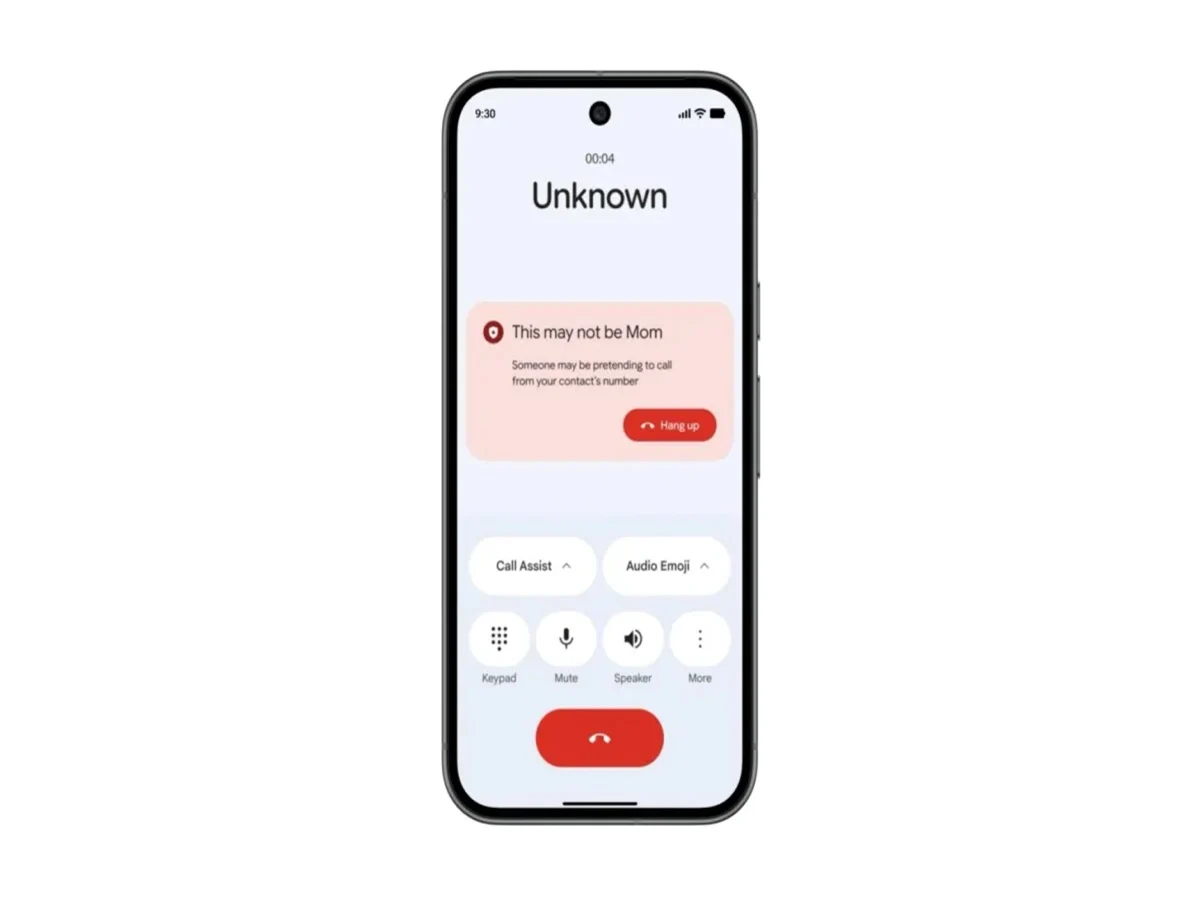
    Google has added fake call detection to Android. This new security feature uses RCS to verify whether a call from a saved contact is actually coming from that person’s device. Fraudsters often clone voices using AI, making it look like a trusted family member is calling from their number.

    How The Verification Works Silently

    The protection functions as a silent digital handshake between two devices. When a contact calls you and both parties are running Phone by Google, the caller’s device sends an encrypted confirmation signal over RCS to verify the call is originating from their hardware. If that signal is absent, as it would be if a scamer is spoofing the number, Android pings the contact’s actual device directly. If their real device reports it is not placing a call, a warning appears on the recipient’s screen advising them to hang up. The entire process runs over end-to-end encrypted RCS, meaning no call audio or content is transmitted to Google’s servers. The feature is on by default and requires no action from users.

    Requirements and Availibility

    The feature was announced via the Google Security Blog on June 2, 2026, and is rolling out globally through Phone by Google to all Android 12 and later devices this month, starting with Pixel hardware. It only functions when both the caller and the recipient are using Phone by Google, which Google says is already the default dialer on the majority of Android devices. Users whose carriers have pre-installed a different phone app can install Phone by Google from the Play Store and set it as their default to enable the protection. Fake Call Detection is separate from Google’s existing audio-based Scam Detection feature, and the two should not be confused.

    Key Difference Between The Two Features

    Scam Detection uses on-device AI to listen to live call audio and flag conversational red flags, the kind of pressure tactics and urgent money requests common in fraud calls from unknown numbers. It is off by default and applies to calls from people not in your contacts. Fake Call Detection does not analyze audio at all. It works purely at the hardware routing level to verify that a call claiming to come from someone in your contacts is actually originating from that person’s device. It is on by default and is designed specifically to stop fraudsters from spoofing the numbers of your family and friends.

    Global Scam Problem Getting Worse

    Impersonation scams have shifted tactics as more people refuse to answer calls from unknown numbers. Scammers then route calls through internet-based software to fake a trusted contact’s number. They then use AI voice-cloning to mimic the voice of the caller. INTERPOL’s March 2026 Global Financial Fraud Threat Assessment identified impersonation fraud as one of the leading contributors to more than $400 billion in global losses last year. While The U.S. Federal Trade Commission separately reported that impersonation scams cost Americans $2.95 billion in 2024 alone. Google notes that AI audio deepfakes have reached the point where most people can no longer reliably tell them apart from a real voice, which makes number spoofing alone no longer enough to catch the fraud.

    Building On Earlier Bank Call Verification

    The fake call detection feature builds on Google’s verified financial calls rollout earlier in 2026, which uses a similar handshake approach to confirm whether an incoming call is genuinely from a user’s bank. That feature cross-checks calls against installed banking apps and can automatically end connections that fail verification. Google says it built fake call detection on top of the RCS open standard to allow other phone app developers and device manufacturers to adopt the same protection across the Android ecosystem. The new system only looks at call routing, not audio, so it remains private and automatic for users.

  • Minisforum N4: NAS with Wildcat Lake, Wi-Fi 7, USB 4

    Minisforum N4: NAS with Wildcat Lake, Wi-Fi 7, USB 4

    Key Takeaway

    – Wildcat Lake targets Apple MacBook Neo competitors but is also ideal for low-cost, high-performance NAS.
    – Minisforum N4 NAS likely uses a 6-core Intel Core 3 305 (2P+4E, up to 4.3GHz), much faster than the common Core 3 N350.
    – Comes with 16GB RAM, dual M.2 PCIe 4.0 x1 slots, and four 3.5-inch drive bays.
    – Offers premium connectivity: USB4, 10GbE, 2.5GbE, Wi-Fi 7, and HDMI.
    – Integrated AI accelerator on some chips enables local AI apps like OpenClaw; price and launch date unconfirmed.


    Intel Wildcat Lake’s Target Use Case

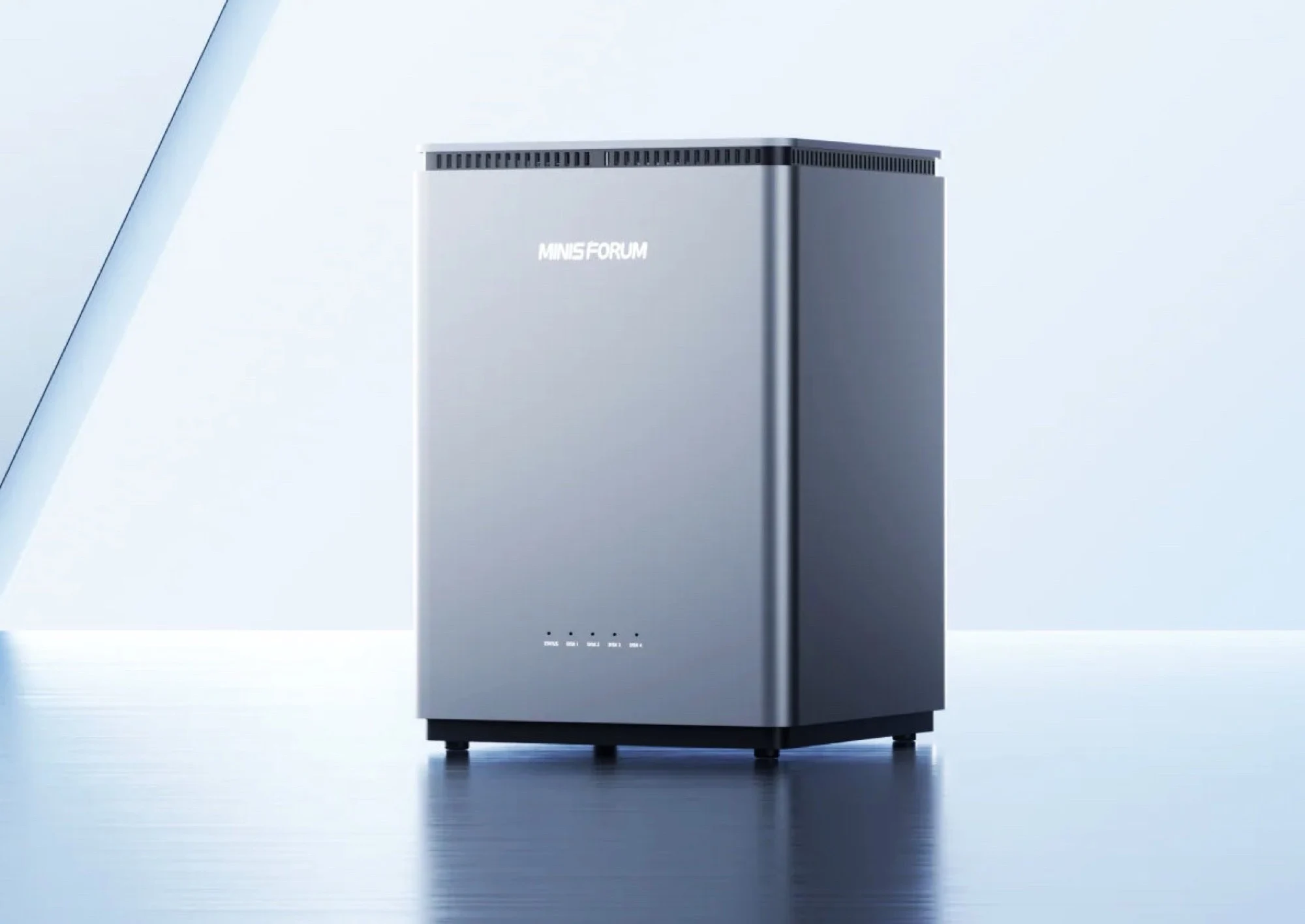
    Intel Wildcat Lake is primarily intended for competitors to the Apple MacBook Neo, but the relatively inexpensive chips with low power consumption are also suitable for network storage, as shown not least by the new Minisforum N4 NAS. The processor family is design to offer a balance of cost and performance for light weight computing tasks.

    Unconfirmed Specifications and RAM Details

    Minisforum has not yet confirmed exactly which chip is being used, apart from the fact that it has six processor cores. This means that it’s at least the Intel Core 3 305 which, with two performance cores, four efficiency cores and boost clocks of up to 4.3 GHz, is already much faster than the Intel Core 3 N350, which is widely used in low-cost NAS. Minisforum also installs 16 GB of RAM in the device for multitasking.

    Connectivity and Storage Options

    Intel Wildcat Lake also offers a relatively high bandwidth and enables Minisforum to install two M.2 slots, which are connected via PCIe 4.0 x1. In addition, the NAS offers space for four 3.5-inch hard disks and a modern selection of connections, including USB 4 (USB-C), two USB-A ports, 10 Gbit/s Ethernet, 2.5 Gbit/s Ethernet and Wi-Fi 7, so that a wireless connection to the home network can also be establish.

    AI Accelerator and Chassis Design

    Some chips in the Wildcat Lake series also have an integrated AI accelerator, which would allow OpenClaw to be used on the NAS, for example. An HDMI port is available for connecting a monitor for direct configuration. The NAS chassis is made of metal and the hard drives can be accessed by removing the top cover for easy upgrades. Minisforum has not yet confirmed when or at what price the N4 NAS will be launched on the market.

    Sources
  • 1,400 Positive Reviews in 6 Days: New Free Steam Game Tops Charts

    1,400 Positive Reviews in 6 Days: New Free Steam Game Tops Charts

    Key Takeaway

    – The game disables the “S” key to physically enforce its theme of no return.
    – It’s a 45-minute walking sim featuring Voyager 1 as a companion, released free on May 29.
    – Uses gentle text-to-speech voices as a subversion of typical analog horror tropes.
    – Earned a 98% positive Steam rating from over 1,000 reviews, resonating with players in low moments.
    – Not for those who want to linger, but a sincere, craft-driven experience from a tiny team.


    A Strange Key That Does Nothing

    When you boot up Control, I’m Not Coming Back, the first thing youll notice is that something feels off. Your hands settle onto WASD out of habit, and one key does nothing. There is no S. You can move forward, you can strafe, but the game will not let you turn around and walk back the way you came. It takes a minute to realize this inst a bug, but the entire point of the game.

    The Games Clever Core

    That single missing key is the cleverest thing about a game that has plenty of clever things going for it. Released free on May 29, this roughly 45-minute walking sim casts players as a young cadet stranded after an accident, who is drifting through space with Voyager 1 as their unlikely companion. The real probe has been falling outward since 1977, never slowing, never returning. Its a very fitting costar for a story about going on when going back isnt an option.

    Not Just Another Hopecore Piece

    It would be easy to mistake this for another tidy “hopecore” mood piece. However, its craft helps it carve its own niche. Desborde uses flat text-to-speech voices youd normally find in analog horror and turns them gentle, even comforting. Its a small subversion, but players have singled it out repeatedly in the reviews.

    Building an Audience the Modern Way

    And incase your wondering, players have shown up. The game built its audience the modern way — a Desborde TikTok teasing it under the hopecore tag racked up tens of thousands of likes before launch — and the goodwill did hold up. Within days it sat at 98% positive across more than a thousand reviews, which is an unusually warm reception for something this short and this earnest. If you go through the comments, youll find people saying it caught them at a low moment and handed them a reason to keep walking. Thats huge praise for a free-to-play title.

    Who Its For and What It Costs

    Its definately not for everyone. Some players would want to linger where the game keeps nudging them onward. But as a small, sincere thing made by a tiny team, its quite remarkable. Forty-five minutes. No way back. You can read more about Control, I’m Not Coming Back here.

    Pricing and Specs Summary

    • Price: Free to play
    • Release date: May 29
    • Playtime: Roughly 45 minutes
    • Genre: Walking sim
    • Platform: Steam
    • Rating: 98% positive (over 1,000 reviews)


    Sources