Author: GizNews

  • Redditor Gets $1000 AMD PC Build for Only $87 Due to Pricing Error

    Redditor Gets $1000 AMD PC Build for Only $87 Due to Pricing Error

    Key Takeaways

    1. A Reddit user scored a major deal on PC components due to a glitch in Newegg’s pricing tool, saving 91% on a build that typically costs over $1000.
    2. The lucky user, known as u/KTsoFresh, purchased an AMD Ryzen 5 7600X CPU, a Gigabyte B850M Eagle motherboard, and a Corsair 32GB DDR5-6000 memory kit for just $87.
    3. Other Reddit users also benefited from the same glitch, with some reducing their orders from around $800 to about $100.
    4. Newegg acknowledged the glitch with a playful response on Reddit, but the pricing error was quickly fixed and is no longer available.
    5. The Redditor’s build is incomplete, as they still need to acquire an SSD, a PC case, and a GPU.


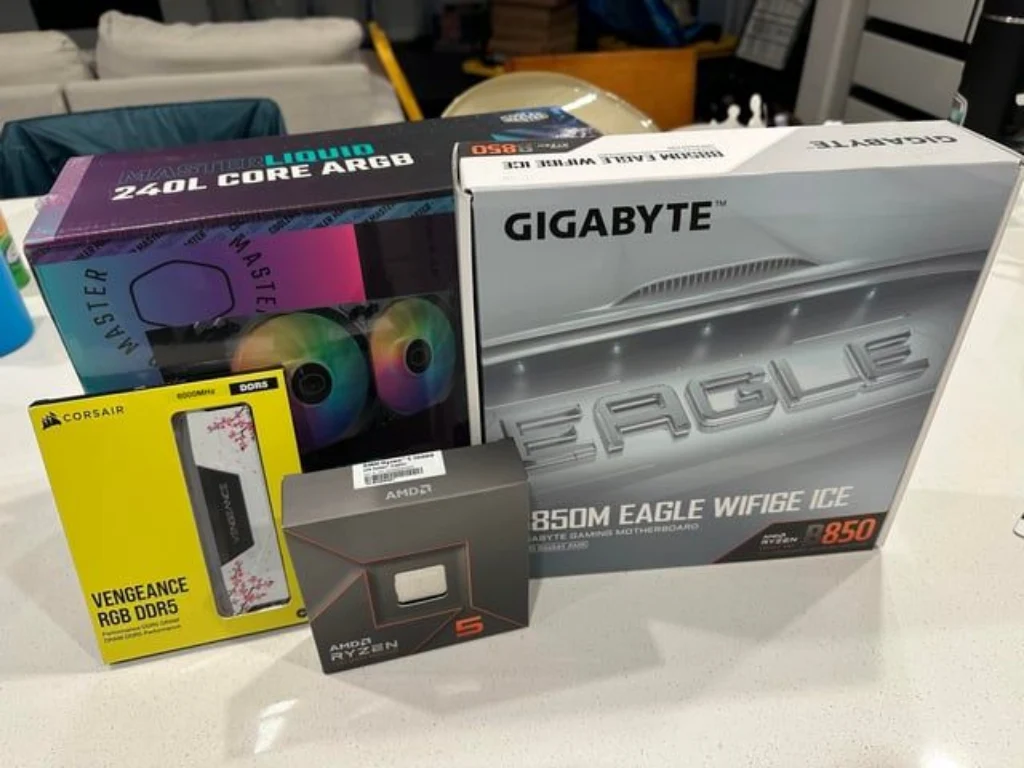
    These days, finding a DDR5 memory module for under $100 is nearly impossible. However, one Reddit user hit the jackpot with a crazy 90% discount, scoring an AMD Ryzen 5 7600X CPU, a Gigabyte B850M Eagle motherboard, and a Corsair 32GB DDR5-6000 memory kit. Normally, this would set you back over $1000, but he got it all for just $87 due to a glitch in Newegg’s part-picking tool.

    The Lucky Redditor’s Tale

    The lucky Redditor, known as u/KTsoFresh, shared their experience on the r/pcmasterrace subreddit after using Newegg’s combo configuration tool. They stumbled upon a glitch that led to one of the most amazing accidental deals ever. To give you some context, the Redditor managed to save an impressive 91% on a basic build.

    While selecting parts on Newegg’s tool, they picked an AMD Ryzen 5 7600 processor and a Gigabyte 850M motherboard. For the RAM, they opted for Corsair’s 32GB DDR5-6000 memory kit, and that’s when the glitch struck.

    Breakdown of the Newegg Glitch Deal

    The total price for the build should’ve been over $1000, but due to a pricing error, the final amount came down to $86.98, leading to a shocking savings of $926. Below is a summary of the components, their retail prices, and the final discounts:

    At first, the user was doubtful and thought the price would fix itself at checkout, but it didn’t change. They went ahead and bought the parts, waiting for a few days, half-expecting a cancellation or refund notice from Newegg.

    However, the order status changed from “accepted” to “packaged” and then “shipped.” They remained skeptical until the package finally arrived at their door. To their surprise, all the PC parts were exactly as ordered.

    Others Join the Fray

    Other Reddit users were also able to take advantage of the same glitch, with some reducing their orders from around $800 down to just $100. Unfortunately, this glitch on Newegg’s site was only available for a short time and has since been fixed.

    To add more intrigue, Newegg even chimed in on the Reddit thread with a simple wink emoji. However, the Redditor’s build isn’t quite finished yet; they still need to find an SSD, a PC case, and a GPU to complete the setup.

    Source:
    Link



  • Bethesda QA Tester Crashes Fallout 4 on Xbox One During Stress Test

    Bethesda QA Tester Crashes Fallout 4 on Xbox One During Stress Test

    Key Takeaways

    1. Colin McInerney transitioned from QA testing at Bethesda to founding Pedalboard Games and joining Strange Scaffold.
    2. His approach to QA evolved from basic checks to innovative stress-testing methods, particularly for Fallout 4.
    3. McInerney emphasized the irreplaceable role of human insight in QA, stating that AI cannot replicate unpredictable human behavior.
    4. He developed unique testing techniques, such as manipulating RAM and creating chaotic scenarios to induce crashes in Fallout 4.
    5. His testing led to significant findings, including four game crashes, which escalated to the attention of top executives at ZeniMax.


    Before starting Pedalboard Games and joining the indie studio Strange Scaffold, Colin McInerney had a background as a QA engineer at Bethesda Softworks during his college years. While he was a QA tester for Fallout 4, he decided to conduct a massive nuke test on the Xbox One, leading to four game crashes. Back in those days, any crashes would automatically generate reports that went straight to the top, reaching people like Robert Altman.

    QA Testing Evolution

    In a recent interview at GDC, McInerney spoke with GamesRadar+ about how his approach to QA testing shifted from basic publisher checks to more interactive work with the developers at Bethesda. He learned various techniques from the team and began to stress-test Fallout 4 in innovative ways that other QA engineers hadn’t thought of before.

    The Role of Human Insight

    When the discussion turned to generative AI in game design, McInerney quickly redirected the topic, emphasizing that humans are irreplaceable in the QA field. He pointed out that while AI can recognize patterns, individuals like him introduce unpredictable elements that no automated system could foresee.

    Testing Fallout 4

    During the interview, McInerney shared insights about his QA testing methods for Fallout 4. He recalled, “At one point, I thought ‘let’s play hot and cold with the RAM’ since we were using Xbox One. With its 8 GB of RAM, anything beyond that would cause a crash. So, I pulled up a RAM monitor and asked myself, ‘How can I make this break?’”

    He added, “That idea hit me; nobody else seemed to try that. It wasn’t part of standard testing like ‘How can I cause a memory leak in the game?’”

    To find the most chaotic way to crash Fallout 4, he explained, “I ended up using the console to give myself a billion experience points, which shot me up to level 247. I ran around with a special nuke launcher that fired two nukes and had an add-on that created ten more with each nuke. I was basically super-nuking the wasteland and discovered four crashes in just one morning.”

    That day, emails about the QA test crashes in Fallout 4 went out to everyone at ZeniMax, including Robert Altman.

    He chuckled about the whole experience and his unique approach to testing Fallout 4, concluding, “I am professionally foolish in ways that a machine couldn’t even begin to comprehend.”

    Source:
    Link


  • Apple M5 Max in MacBook Pro 16 is 15% Faster than 14

    Apple M5 Max in MacBook Pro 16 is 15% Faster than 14

    Key Takeaways

    1. The MacBook Pro 14 with the M5 Max shows inconsistent CPU and GPU performance, even in High Power mode, with no significant improvement over the M4 Max.
    2. Initial benchmarks of the MacBook Pro 16 with the M5 Max reveal an 18% performance advantage in CPU compared to both the 14-inch model and the M4 Max.
    3. The MacBook Pro 16 achieves improved performance in quiet Automatic mode, unlike the 14-inch model, where High Performance mode did not enhance single benchmark results.
    4. Graphics performance in the MacBook Pro 16 demonstrates a 12% improvement over the 14-inch model and a 21% lead over the older M4 Max, with stable performance under continuous workloads.
    5. The M5 Max appears to be a better fit for the larger MacBook Pro 16, showing notable performance differences compared to the MacBook Pro 14.


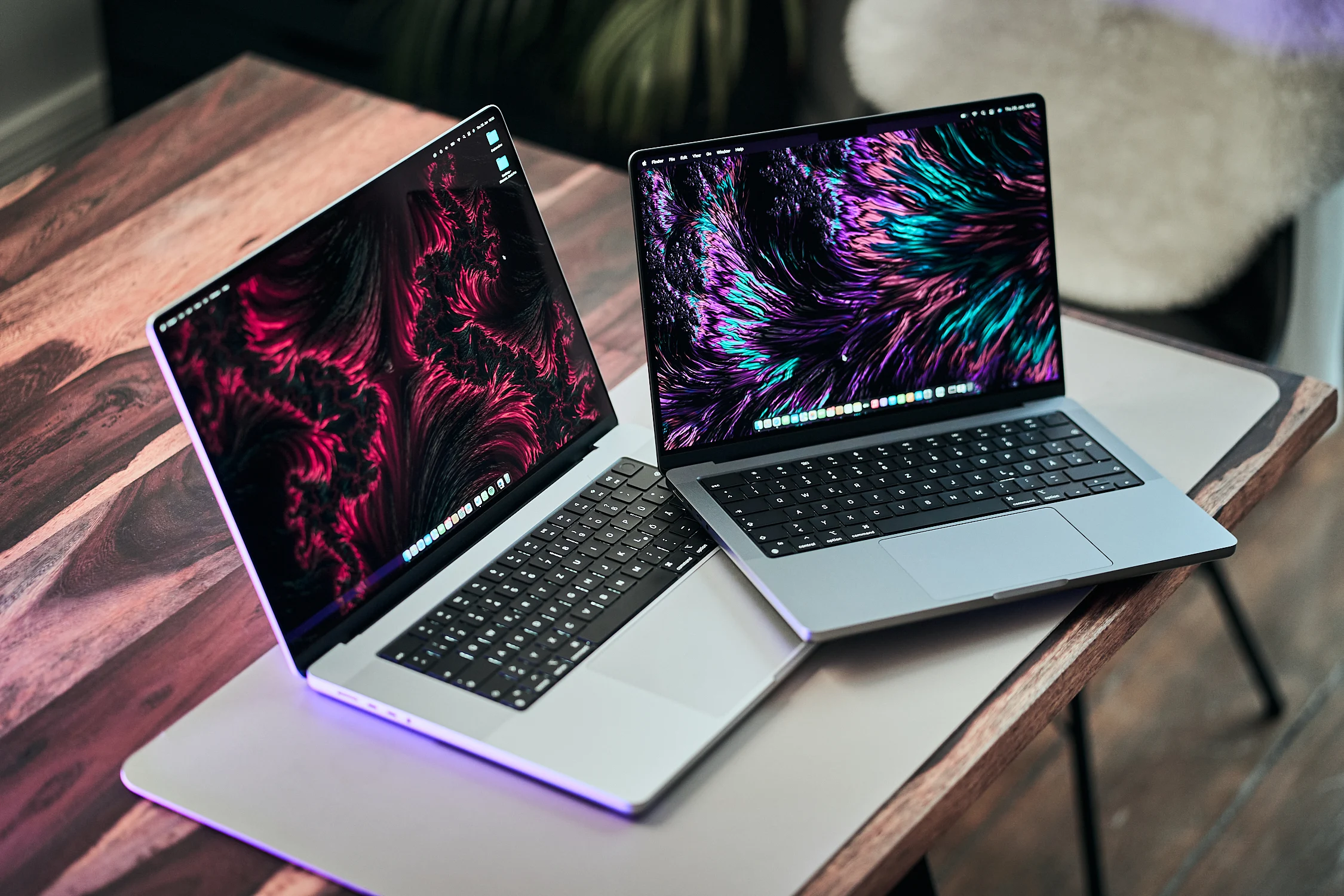
    During our examination of the MacBook Pro 14 featuring Apple’s latest high-performance SoC M5 Max, equipped with the ultra-fast 40-core GPU, we encountered problems with inconsistent CPU performance even while in High Power mode. Additionally, the graphics performance was also not reliable. Our CPU analysis revealed that the CPU performance was not significantly improved compared to the previous M4 Max. We believe that the M5 Max could show better performance in the larger MacBook Pro 16, and now we have a review unit of the MBP 16 with the M5 Max for testing.

    Initial Benchmarks Show Promising Results

    We have conducted some preliminary benchmarks, and the results indicate an improvement in both CPU and GPU performance. Unlike the 14-inch model, we have not detected any of the performance variations experienced previously.

    The Cinebench 2024 multi-core test reveals an 18% advantage for the M5 Max in the MacBook Pro 16 over both the M5 Max in the 14-inch model and the older M4 Max. Notably, the MBP 16 achieves this result even in Automatic mode, which operates much quieter. Although the High Performance mode does not enhance the performance during a single benchmark run, we still intend to investigate whether it influences sustained performance. In one benchmark run, the CPU cores drew 78/65 Watts, which is significantly higher than the MBP 14.

    Graphics Performance Improvements

    The graphics performance has also seen enhancements, as indicated by the current 3DMark Steel Nomad test showing a 12% advantage for the M5 Max in the MBP 16 compared to the M5 Max in the MBP 14, and a 21% lead over the older M4 Max in the MBP 16. We can confidently state that the GPU performance remains stable under continuous workloads, a stark contrast to the smaller model that exhibited declines of -7.4% in High Performance mode and -25% in Automatic mode.

    We will of course carry out more tests, but our initial benchmark findings suggest that the M5 Max is a much more suitable choice for the larger MacBook Pro 16, with a notable performance difference when compared to the MacBook Pro 14.

  • “Underground Detector Reveals Supernova History of the Universe”

    “Underground Detector Reveals Supernova History of the Universe”

    Key Takeaways

    1. A supernova occurs when a massive star exhausts its fuel, leading to a core collapse and a powerful explosion that ejects the star’s outer layers.
    2. Visible light from a supernova represents only about 1% of the total energy released; the majority is emitted as neutrinos.
    3. Neutrinos, or ghost particles, have very small mass, no electric charge, and weak interactions with matter, making them difficult to detect.
    4. The diffuse supernova neutrino background is formed from signals of past core-collapse supernovae, which can be detected with advanced sensitivity.
    5. The Super-Kamiokande detector in Japan uses gadolinium to enhance neutrino detection capabilities, allowing for a better understanding of supernova outcomes and the history of stellar explosions.


    When a huge star exhausts its fuel, the core collapses due to gravitational force, leading to a brilliant and powerful explosion that blasts apart the star’s outer layers. This cataclysmic event is called a supernova. Interestingly, what we see in visible light represents only about 1% of the total energy released, with the rest being emitted as neutrinos.

    Ghost Particles Explained

    Neutrinos, often referred to as ghost particles, are essential particles that possess a very small mass, lack electric charge, and interact very weakly with other forms of matter, making them extremely hard to detect. They can glide through stars, planets, galaxies, and even human bodies without being noticed. Because they can travel vast distances without interacting, they can provide direct information from the cores of stars that are exploding. This makes neutrino studies crucial for gaining insights into core-collapse supernovae.

    Observing Past Events

    An intriguing aspect is that the combined signals from numerous past core-collapse supernovae can be detected with better sensitivity from detectors. This signal is known as the diffuse supernova neutrino background.

    Super-Kamiokande is a massive detector located underground in Japan. This device is capable of identifying these particles by capturing flashes of light created when a neutrino strikes protons or electrons in water molecules. The sensors within the detector pick up these flashes.

    Enhancements and Future Insights

    To enhance its capacity to detect neutrons generated in neutrino interactions, gadolinium has been incorporated into this detector. Researchers believe that this enhancement will aid in detecting supernova neutrinos throughout the universe. Another critical inquiry is what remains after the explosion. By studying neutrinos, scientists can gain a better understanding of the outcomes of these events. Rather than just focusing on a single supernova, the broader history of stellar explosions can be examined.

    Phys.org

    Source:
    Link


  • Crimson Desert PS5 Reviews Blocked Before Release Date

    Crimson Desert PS5 Reviews Blocked Before Release Date

    Key Takeaways

    1. Limited gameplay footage for Crimson Desert on PS5 and Xbox Series X|S has led to criticism, but Pearl Abyss claims no performance issues are being hidden.
    2. Digital Foundry provided a positive performance review for the PS5 Pro version but noted a lack of footage for the standard PS5 and Xbox versions due to an offline activation server.
    3. Pearl Abyss has been transparent about technical challenges related to rendering the game’s expansive world, but limited access has affected testing on less powerful consoles.
    4. Many reviews at launch are expected to focus on the PC version, raising concerns among console gamers reminiscent of the Cyberpunk 2077 launch issues.
    5. The PS5 Pro has a stronger GPU compared to the standard PS5, but the CPU difference is less significant; the Pearl Abyss BlackSpace Engine may offer better performance on lower-end systems.


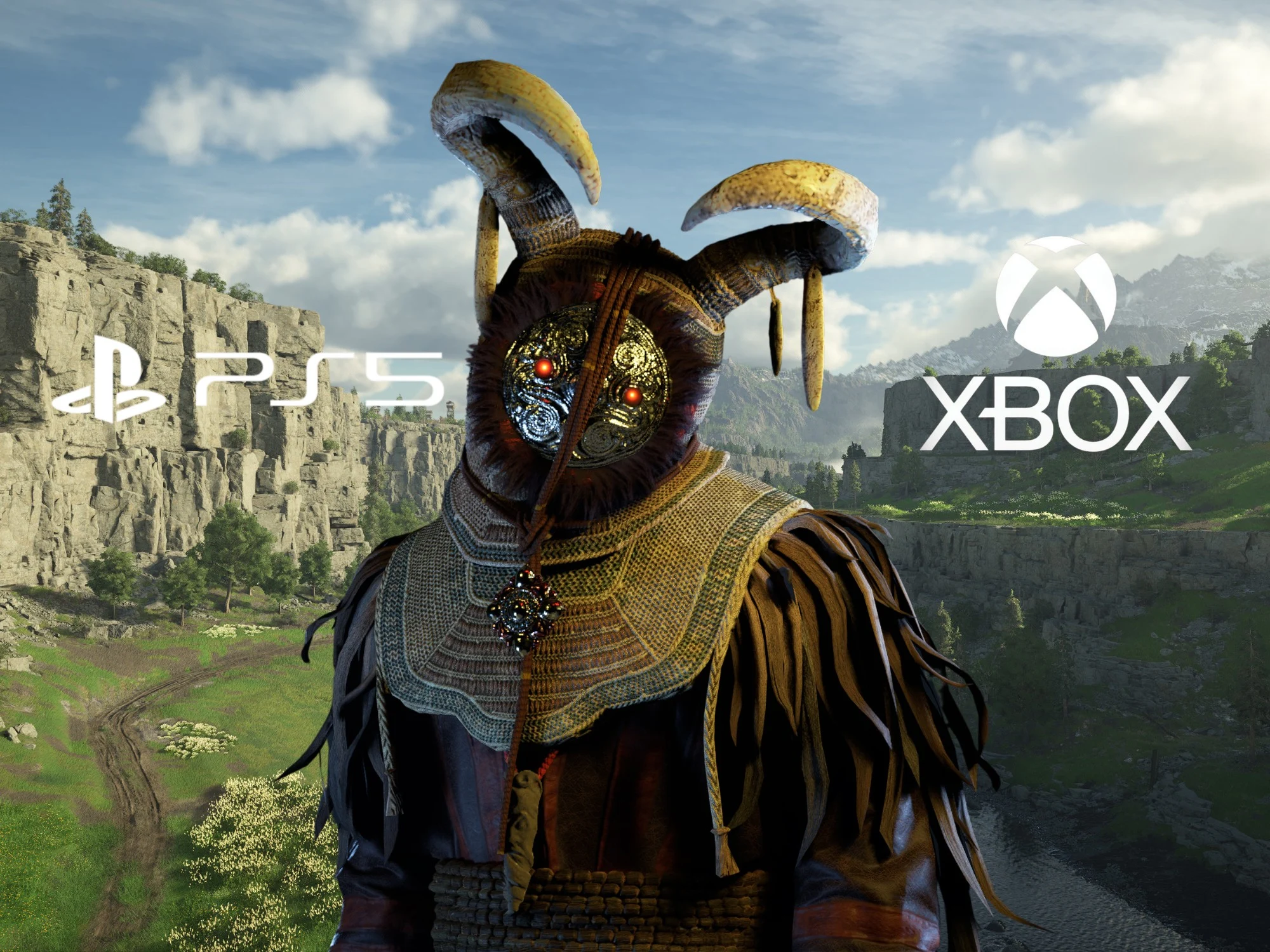
    Ahead of the March 19th release of Crimson Desert, there has been a surprising absence of gameplay footage for the PS5 and Xbox Series X|S. This led to criticism, which prompted Pearl Abyss to state that they weren’t hiding any performance issues. However, just before the game’s launch, a well-known tech site still was unable to review the open-world game on these consoles.

    Digital Foundry’s Insights

    Gamers often turn to Digital Foundry for insights on how games perform across different hardware. They recently shared a largely positive performance review of Crimson Desert on the PS5 Pro. Yet, on Discord, they informed followers that there wouldn’t be any footage available for the PS5 or Xbox versions. John Linneman noted that the activation server needed for testing was still offline.

    Pearl Abyss’s Openness

    The site pointed out how transparent Pearl Abyss has been regarding the technical hurdles of rendering the expansive world of Pywel. Interestingly, they even sent a representative to Linneman with a copy of the game running on a PS5 Pro. Nevertheless, the limited access has hindered testing on less powerful consoles.

    Concerns of Console Gamers

    This update seems to back up the rumors that most reviews for Crimson Desert on its launch day would focus on the PC version. Many gamers remember the launch of Cyberpunk 2077, where CD Projekt Red overlooked the PS4 and Xbox One. Since the PS5 and Xbox Series X had just hit the market, many players faced stuttering issues.

    It’s not very clear how much better the PS5 Pro performs compared to the less capable systems. Digital Foundry noted that with Performance mode aiming for 60 fps and an upscaled 4K, busy scenes caused frame rates to drop below 40 fps. Sony’s top-tier hardware also features a more efficient PSSR upscaler, with an improved version already being released.

    Comparing Specs

    When looking at specifications, the GPU in the PS5 Pro is much stronger than that of the standard model. However, the difference in their CPUs isn’t as striking. Digital Foundry highlighted that the Pearl Abyss BlackSpace Engine is often less demanding on CPUs compared to Unreal Engine 5. This could result in acceptable performance on lower-end PCs and consoles.

    It’s still possible the studio might release more Crimson Desert videos for other platforms. Nevertheless, while Steam pre-orders have been robust, some console gamers are still waiting for reviews.

    Source:
    Link


  • Compact Imaging Sensor Enables 4D Vision for Robots

    Compact Imaging Sensor Enables 4D Vision for Robots

    Key Takeaways

    1. Researchers developed a compact 4D imaging sensor on a single silicon chip to improve 3D vision systems in robots and drones.
    2. The new sensor uses a continuous laser beam with a grid of 62,000 tiny pixels that function as both transmitters and receivers.
    3. It quickly measures distances and speeds by analyzing shifts in the frequency of returning light waves.
    4. Successful tests showed the sensor’s ability to map indoor spaces and detect details from 65 meters away outdoors.
    5. The technology is scalable and could enhance vision capabilities in autonomous machines, drones, and consumer devices like cameras and smartphones.


    Current 3D vision systems found in both robots and drones tend to be large, costly, and often have difficulty handling rapid and unpredictable movements in the real world. To address these issues, a team of researchers has created an advanced 4D imaging sensor that is compactly housed on a single silicon chip. This innovative technology, explained in the journal Nature, produces highly precise digital maps of the environment while also tracking the exact speed of moving objects.

    New Technology Features

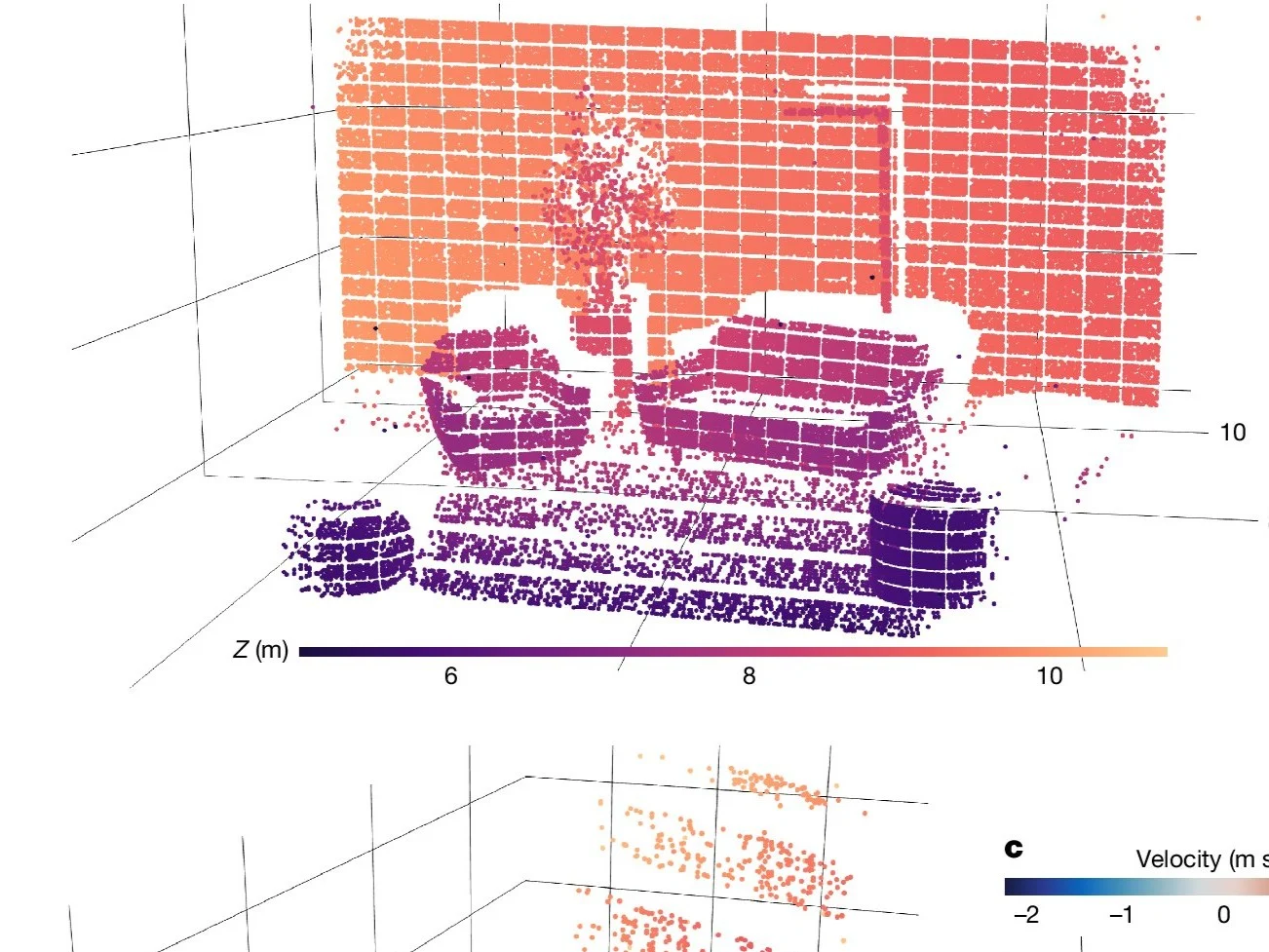
    Differing from traditional sensors that depend on fast pulses of light and need separate parts for sending and receiving signals, the newly crafted chip works with a continuous laser beam. The laser light is directed through a physical grid of nearly 62,000 tiny stationary pixels. Each pixel in this grid serves as both a transmitter and a receiver, allowing the device to remain exceptionally compact. By examining minute shifts in the frequency of the returning light waves, the system quickly determines how far away an object is and the speed at which it is moving.

    Successful Testing

    The research team has effectively tested the sensor in various conditions, such as mapping indoor spaces and swiftly gauging the speed of a spinning disk. During long-range outdoor evaluations, the chip accurately picked up intricate details, including windows and balconies on a building that was located 65 meters away.

    Future Potential

    Since the design merges all required electronic and optical components onto a single chip, it is both compact and scalable. While there is still room for enhancement in terms of resolution and range, this 4D technology holds the promise of significantly boosting the vision capabilities of autonomous machines, drones, and potentially everyday digital cameras and smartphones.

    Source:
    Link


  • 385 TB Myrient Game Archive Backup: Complete Collection

    385 TB Myrient Game Archive Backup: Complete Collection

    Key Takeaways

    1. Myrient, a major online game archive, is shutting down its servers on March 31st due to rising operational costs.
    2. The gaming community successfully backed up all 385 TB of Myrient’s content before the shutdown.
    3. The backup team is working on creating torrents to make the archived content available to users.
    4. Myrient has been a key source for downloading ROM files for classic game emulation, despite legal concerns.
    5. An updated website for accessing the backup content is set to launch soon.


    Good news for game archivists: a major online game archive has been completely backed up.

    Recently, Myrient, a large database for game archives, revealed plans to shut down its servers on March 31st. They mentioned that increasing costs for hosting, drive storage, and other issues mainly due to the RAM pricing crisis made it impossible for them to maintain the database online.

    Backup Complete

    Following this announcement, several members from the gaming community took action to ensure the archive was preserved. This effort has now been successful, with all 385 TB of Myrient’s content fully backed up, as shared by Ill-Economist-5285 on Reddit.

    Ill-Economist-5285 mentioned that the team responsible for the backup is currently focused on “creating torrents and making them available.” They also indicated that an updated website is set to launch soon.

    Importance of Myrient

    Myrient has been a popular source for accessing ROM files for emulation purposes. Though these files typically exist in a legal gray area, users have primarily utilized the service to conveniently download verified ROMs for classic console games, including titles for PlayStation 3, Xbox 360, and Nintendo Wii U.

    For more details, you can check out the r/savemyrient subreddit, which is linked in the source below.

    Source:
    Link


  • Ubiquiti UniFi Network 10.2 Adds Time Machine, Competes with Sonos

    Ubiquiti UniFi Network 10.2 Adds Time Machine, Competes with Sonos

    Key Takeaways

    1. Ubiquiti Networks released UniFi Network version 10.2, featuring the Time Machine tool for tracking network changes over the last 24 hours.
    2. The new “digital twin” feature mirrors the physical setup, aiding in troubleshooting during outages, especially in larger configurations.
    3. The announcement included a reference to Sonos, highlighting compatibility issues that resonate with Ubiquiti users.
    4. Ubiquiti’s ecosystem has faced integration challenges with Sonos, leading to past hardware alternatives like the Ubiquiti Poweramp.
    5. The release showcased new products, including network racks and the U7 Mesh, alongside highlighting the Poweramp’s features.


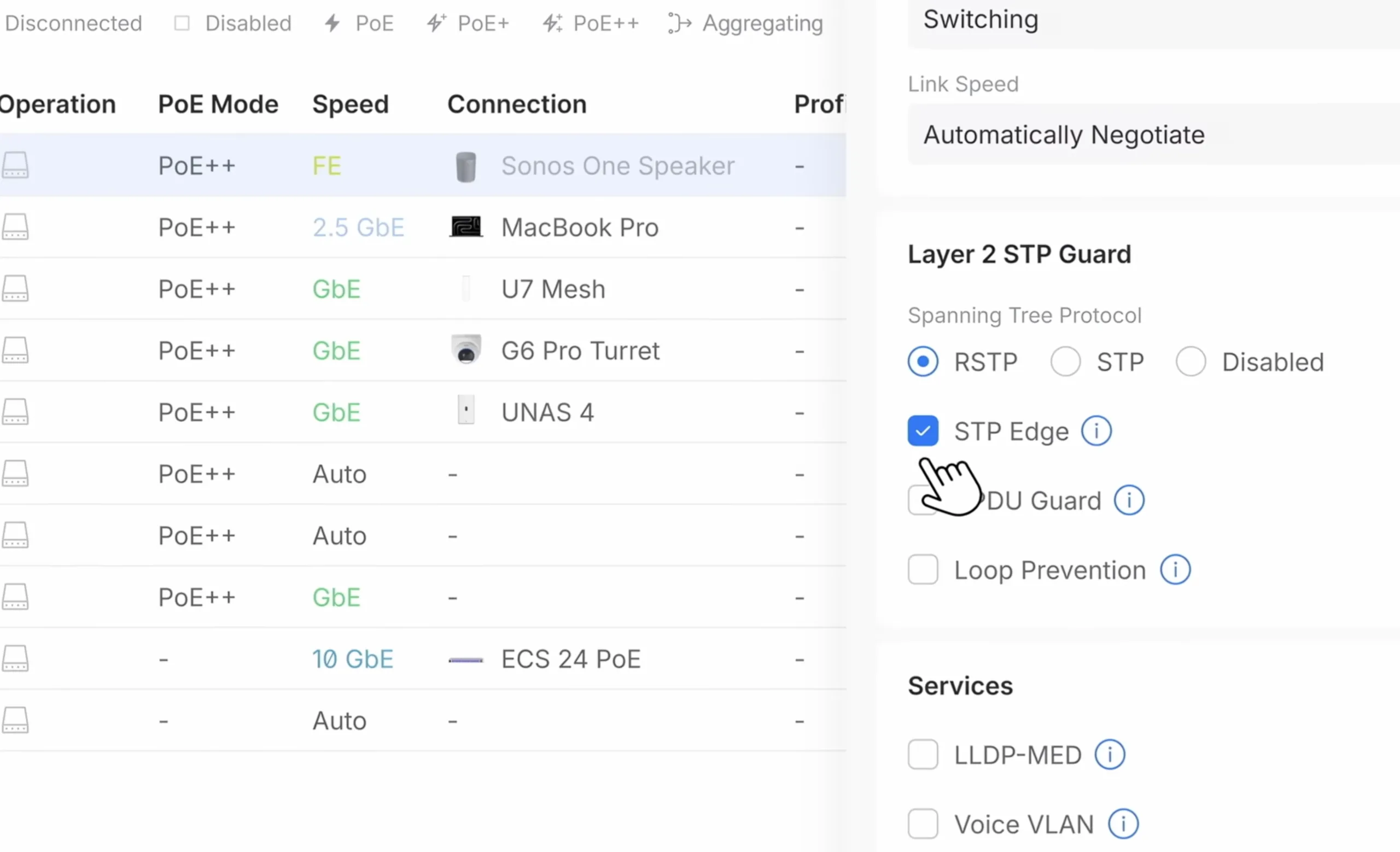
    Ubiquiti Networks has made an official announcement regarding the release of UniFi Network version 10.2. One of the standout features in this version is named Time Machine. This feature is akin to Apple’s Time Machine, allowing users to visually track network changes over time. It enhances the ability to monitor status changes of network ports, making it simpler to identify issues caused by configuration adjustments and changes to switch ports. As noted in the release notes, this feature tracks the last 24 hours of activity.

    New Digital Twin Feature

    In addition, the new “digital twin” has been introduced to mirror the physical setup in UniFi Network 10.2. This feature aims to assist with troubleshooting, particularly during extensive outages. The digital twin is crafted to give a comprehensive view, even in larger rack configurations. The announcement video also includes a subtle dig at Sonos, which has seemingly delighted the Ubiquiti community. Specifically, Ubiquiti showcased a Sonos device to demonstrate a network issue, a scenario that many users seem to resonate with.

    Ubiquiti and Sonos Compatibility Issues

    It’s well-known that the ecosystems of Ubiquiti and Sonos do not integrate very well. In fact, these compatibility problems have occasionally triggered hardware changes in the past. For example, rumors suggest that Ubiquiti introduced the Ubiquiti Poweramp a few years back as an alternative to select Sonos products. This device was also featured at MWC 2026 in Barcelona, and although it appears a bit out of sync with the current offerings, it was still prominently showcased alongside new items such as the latest network racks and the U7 Mesh.

    Source:
    Link


  • How the Brain Isolates Voices in Noisy Environments

    How the Brain Isolates Voices in Noisy Environments

    Key Takeaways

    1. The “cocktail party problem” explains how people focus on one voice amid background noise.
    2. MIT researchers developed an artificial neural network to simulate this human hearing ability using multiplicative feature gains.
    3. The model effectively highlighted target voices in noisy environments, achieving results similar to human listeners.
    4. It mimicked common human errors, such as difficulty distinguishing similar-sounding voices.
    5. The findings could lead to better cochlear implants, improving concentration in noisy settings.


    For many years, scientists who study the brain have been looking into the “cocktail party problem,” which describes how people can focus on one voice even when there is a lot of noise around them. Although it has been known that the brain can do this by enhancing the activity of certain neurons that respond to specific sounds, there was no effective computational model to show that this method worked in real-life situations.

    New Findings from MIT

    Recently, a group of researchers at the Massachusetts Institute of Technology created an artificial neural network that simulates this human hearing skill. In a paper published in Nature Human Behavior, the findings show that the brain employs a method called multiplicative feature gains. Simply put, the brain functions like a precise volume control. When listening to a specific voice, the brain increases the neural signals that correspond to that voice’s distinct features, like its tone, while lowering the volume of other sounds competing for attention.

    Testing the Model’s Effectiveness

    To check how well their model worked, the MIT researchers provided it with a brief audio snippet of a particular voice, followed by a noisy mix of many speakers. The model effectively highlighted the target voice, achieving results similar to human listeners in various situations. It even mimicked common errors that people make, such as difficulty in distinguishing between two similar-sounding voices.

    “None of our models have had the capability that humans possess, to be alerted to a specific object or sound and then base their reaction on that object or sound. That has been a real restriction.” — Josh H. McDermott, leading author of this research paper.

    Implications for Future Technology

    The model also enabled the researchers to quickly examine how the position of speakers influences listening. It predicted that it is much easier to tell voices apart when they are placed side by side horizontally rather than one above the other vertically — a finding that was later validated in tests with human participants. The researchers are optimistic that this model could lead to the development of improved cochlear implants that would assist people in concentrating better in noisy settings.

    Nature Human Behavior via MIT News

    Source:
    Link


  • Gigabyte Launches Panther Lake Brix Mini PC with 128GB RAM Support

    Gigabyte Launches Panther Lake Brix Mini PC with 128GB RAM Support

    Key Takeaways

    1. The new Gigabyte Brix mini PC, Panther Lake variant, features the Intel Core Ultra 9 386H processor.
    2. It includes a 4-core Xe3 integrated GPU instead of the Intel Arc B390.
    3. The mini PC supports user-replaceable memory with two slots for up to 128GB of DDR5 RAM.
    4. It offers two M.2 slots for storage, with one supporting PCIe Gen5x4 and the other Gen4x4.
    5. Key features include WiFi 7 support, a 2.5GbE LAN connection, and a slim design; pricing and availability are yet to be announced.


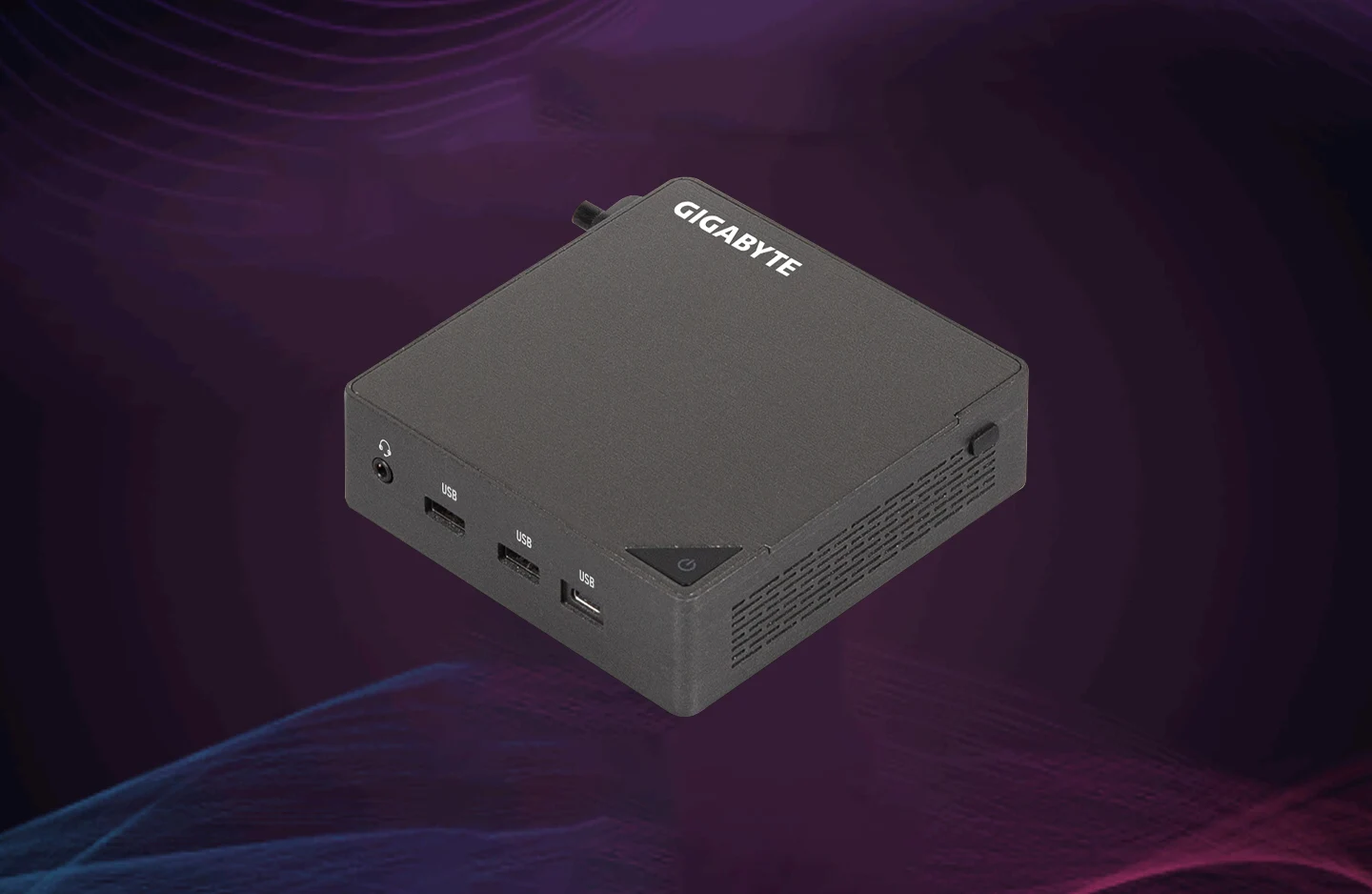
    A new model of the Gigabyte Brix mini PC, called the Panther Lake variant, has been found on the official website. Although the company has not yet made a formal announcement, the landing page suggests that this system will come with the Intel Core Ultra 9 386H, which is among the highest-performing processors in its series.

    Processor Details

    This Panther Lake chip, however, does not include the Intel Arc B390, a quite powerful integrated GPU from the series. Instead, it features a 4-core Xe3 integrated GPU. What stands out about this Brix mini PC is its capability for user-replaceable memory.

    Memory and Storage

    It comes with two slots that can accommodate as much as 128GB of DDR5 RAM. In terms of storage, the mini PC is equipped with two M.2 slots, one of which is a PCIe Gen5x4, while the other supports Gen4x4. The specifications also emphasize a good variety of ports available, including:

    Additionally, key highlights from the webpage include support for WiFi 7, a 2.5GbE LAN connection, and a slim design. The model number for this mini PC is GB-BRU9-386H, but it is not yet for sale. Gigabyte has not disclosed any information about the pricing or availability of the Panther Lake Brix at this time. Still, it is anticipated that these details will be revealed shortly.

    Anticipated Release

    Gigabyte’s new offering seems to pack quite a punch, and tech enthusiasts are eager to see what the final price will be and when it will hit the market.

    Source:
    Link