Author: GizNews

  • Valve Developers Testing Generative AI for Game Writing

    Valve Developers Testing Generative AI for Game Writing

    Key Takeaways

    1. Erik Wolpaw is testing generative AI tools at Valve for video game writing but is not concerned about AI replacing human writers.
    2. He believes AI is currently not capable of creating quality writing that surpasses human creativity.
    3. Wolpaw sees potential for AI to enhance real-time character responses in games, a unique aspect of game writing compared to other media.
    4. The AI research at Valve is experimental and informal, focusing on best practices rather than a large-scale initiative.
    5. Wolpaw uses examples like Left 4 Dead to illustrate the importance of real-time dialogue triggered by player actions in game writing.


    Erik Wolpaw is famous for crafting some of the most memorable lines in video games, showcasing a blend of humor in Portal and the memorable voice lines in Left 4 Dead 2. Additionally, he played a vital role in shaping the narrative and voice performances of Valve’s iconic Half-Life 2. Therefore, it’s quite intriguing to hear his thoughts on game writing and artificial intelligence together.

    Recent Insights from the Podcast

    In a new episode of the MinnMax podcast, the veteran writer and contributor to Half-Life 2 shared that a small group of developers at Valve is discreetly testing generative AI tools aimed at assisting video game writing.

    During this podcast session, he mentioned, “A small group of people at Valve has been looking at some AI stuff, and it’s taught me a bunch of stuff.” His tone suggested that he didn’t have much concern about AI replacing his role. He expressed, “I’m currently not worried about AI taking over creative writing because it is pretty bad at it.”

    AI’s Role in Game Development

    Wolpaw elaborated, “And I’m not just saying that defensively. We’ve really been messing around with it. And like art, there are a lot of questions about that, but I don’t think it’s going to—any time soon—be writing novels that are better than those written by humans.” He likened generative AI to chess bots, where even the top players can still win. Although Wolpaw doesn’t view AI as a threat to video game writing, he recognizes its potential in other facets of game development. Unlike films or books, video games require NPCs or characters to respond in real-time to player actions. While this is already common in many games, AI could enhance this further.

    Wolpaw added, “If you throw enough artists at a game, enough humans can create the art for a game or almost any discipline. The thing with game writing, specifically, is that we have always had to simulate characters in the game reacting to whatever you do in real time.” He highlighted Left 4 Dead as an example, where a certain action triggers a character to say a voice line. He stated, “The only place where I feel like AI is worth investigating is game writing.”

    Experimental Approach at Valve

    Moreover, Wolpaw clarified that the work being done at Valve is quite experimental and casual. He noted, “Let it be known far and wide that this is not a concerted Valve thing. It’s just about finding the best practices for the technology we currently have access to. This is just some people sitting around saying, ‘This is a crazy technology. It would be kind of silly for us not to look at it at least.’”

    Source:
    Link



  • Kingdom Come Deliverance Director Backs DLSS 5 Despite Critics

    Kingdom Come Deliverance Director Backs DLSS 5 Despite Critics

    Key Takeaways

    1. Daniel Vávra, creator of Kingdom Come: Deliverance 2, is defending Nvidia’s DLSS 5 technology amidst backlash from gamers.
    2. DLSS 5 was introduced at Nvidia’s GTC 2026, promising improved lighting and detail but faced criticism for its “uncanny valley” appearance in initial game demos.
    3. Vávra shared a video showcasing DLSS 5 in Starfield and expressed confidence that criticism won’t hinder its development.
    4. He believes that DLSS 5 can be tailored for unique art styles and might replace expensive ray tracing in the future.
    5. Vávra considers the initial DLSS 5 demo a rough version and anticipates significant improvements as studios learn to optimize the technology.


    Daniel Vávra, who is the creative mind behind the hit medieval simulation game Kingdom Come: Deliverance 2, is standing up for DLSS 5 and responding to a wave of backlash against Nvidia’s latest technology.

    Focus on Film Adaptation

    At present, Vávra has taken a step back from his regular development duties at Warhorse Studios to concentrate on making a film adaptation of Kingdom Come: Deliverance. Nonetheless, he found time to defend DLSS 5, which has faced scorn from many gamers, being labeled as “AI slop.”

    DLSS 5 Unveiling

    DLSS 5 was introduced during Nvidia’s GTC 2026 conference, where RTX 50-series users were promised that the new technology would enhance lighting and detail through advanced neural rendering without sacrificing performance. The initial demonstration of DLSS 5 showcased an overly processed, “uncanny valley” appearance in games like Starfield, Resident Evil: Requiem, The Elder Scrolls: Oblivion Remastered, and Assassin’s Creed: Shadows.

    From the start, gamers and developers dismissed the technology as a failure, with memes saturating social media that depicted DLSS 5 as an unnecessary, overly enhanced beauty filter.

    Vávra’s Support for DLSS 5

    However, Daniel Vávra is undeterred by the recent showcase of DLSS 5 by Nvidia. He recently shared a video of Starfield utilizing DLSS 5 on X, where he defended the tech and stated that no level of criticism would halt its advancement.

    In Vávra’s own words on X: “I can picture that in the not too distant future, developers will be able to tailor this tech for unique art styles or specific people’s faces, and it might replace costly ray tracing, and so on. This is merely an odd beginning. There’s no way the critics will derail this. It’s much more than the soap opera effect that every TV exhibits when you activate motion smoothing.”

    Future of DLSS 5

    Vávra believes that the initial demonstration of DLSS 5 was just a rough early version and doesn’t represent the final product that will be available later this year for RTX 50-series GPUs. He is confident that once studios learn how to optimize DLSS 5 and align it with their artistic vision, it could revolutionize gaming.

    This isn’t the first occasion that the director of Kingdom Come: Deliverance 2 has shared his thoughts on AI. Previously, he admitted to being “no fan of AI-generated art.” However, he has since reconsidered his position, asserting that the technology is here to stay and that developers must adapt to it.

    Source:
    Link


  • Xiaomi Launching New Compact Flagship Tablet Soon

    Xiaomi Launching New Compact Flagship Tablet Soon

    Key Takeaways

    1. Xiaomi is set to launch a new tablet called the Redmi K Pad 2, competing with Lenovo and RedMagic’s gaming tablets.
    2. The Redmi K Pad 2 has received certification in China, confirming features like 67 W wired charging.
    3. Expected upgrades include the MediaTek Dimensity 9500 chip and a larger battery than the previous model’s 7,500 mAh.
    4. Rumors suggest the launch could happen in April, alongside the Redmi K90 Ultra.
    5. There is uncertainty about global availability, but it may be introduced as the second-generation Xiaomi Pad Mini later this year.


    Following the unveiling of the Lenovo Legion Tab Gen 5 and the recent announcement of RedMagic’s Gaming Tablet 5 Pro, Xiaomi is preparing to launch its own flagship compact tablet soon. This new device, known as the Redmi K Pad 2, will take the place of last year’s Redmi K Pad and will compete directly with the models from Lenovo and RedMagic.

    Certification and Features

    The Redmi K Pad 2 has received certification in China, indicating that its release is near. The tablet is identified by the model number “26048RP6AC”, and the certification confirms that it will support 67 W wired charging, which is the same as the previous Redmi K Pad. While the specifications of this new tablet remain unverified, it’s expected that the Redmi K Pad 2 will primarily be an incremental upgrade. The most likely enhancements include the addition of MediaTek’s Dimensity 9500 chip and possibly a bigger battery compared to the 7,500 mAh battery in last year’s version.

    Anticipated Launch Date

    A specific release date has not been announced yet, but rumors suggest that the Redmi K Pad 2 might be launched in April in China. It is expected to debut alongside another premium device from Xiaomi—the Redmi K90 Ultra. It’s still uncertain whether Xiaomi plans to release the Redmi K Pad 2 in other markets, but it wouldn’t be unexpected for it to be introduced globally as the second-generation Xiaomi Pad Mini later this year.

    Source:
    Link


  • Hideo Kojima Encourages Devs to Enhance Enjoyment in Death Stranding 2

    Hideo Kojima Encourages Devs to Enhance Enjoyment in Death Stranding 2

    Key Takeaways

    1. Hideo Kojima’s main goal for Death Stranding 2 is to enhance player enjoyment throughout the game.
    2. Player feedback from Death Stranding 1 significantly influenced the development of the sequel, leading to a new world and gameplay adjustments.
    3. Early playtests helped clarify Kojima’s vision, focusing on improving overall enjoyment rather than making the game weirder.
    4. The sequel adopts a simpler approach, reducing complexity in worldbuilding to make the game more accessible for all players.
    5. The design choices made for Death Stranding 2 resulted in broader acclaim and easier recommendations to new players, with improved player progression metrics.


    Death Stranding 2: On the Beach’s lead level designer, Hiroaki Yoshiike, recently shared insights in an interview about Hideo Kojima’s primary aim for Death Stranding 2: making the game more fun. This was a specific instruction from Kojima himself, who wanted players to feel enjoyment throughout their entire experience.

    Player Feedback Matters

    It appears that Kojima took the feedback from Death Stranding 1 quite seriously. Gamers had mentioned that the gameplay felt somewhat slow, and Kojima Productions put in a significant effort to create a brand-new world and concept for players to explore.

    Yoshiike’s remarks help clear up some of the earlier uncertainties. Previously, Woodkid, the co-composer, talked to Rolling Stone, leading to the impression that Kojima was aiming to make the sequel weirder based on initial playtest reactions.

    Clarifying Kojima’s Vision

    Kojima later clarified this notion, stating that those early playtests were instrumental in enhancing the overall enjoyment for players. He expressed, “Something that is not digestible stays in that person for a long time. So that’s what I meant by ‘I want to do things differently.’”

    This still left some ambiguity regarding Kojima’s thoughts on Death Stranding for both players and critics. However, Yoshiike, during his conversation with PC Gamer, shed light on earlier statements and provided a clearer insight into Kojima’s mindset. He stated:

    “Kojima wanted more people to enjoy the game all the way to the end. This was an order he gave us.”

    A Simpler Approach

    He explained that Death Stranding 1 needed to be “very elaborate” since Kojima Productions was building a completely new world and concept from the ground up. Due to feedback about the delivery system being somewhat prolonged, the development team opted for a more straightforward approach in the sequel.

    Yoshiike continued:

    “In the second game, we didn’t need to provide too many worldbuilding elements; we could make it less elaborate. Completionists can enjoy that depth, but for people who won’t necessarily care about it, we made sure they can follow the story through other supplemental elements within the game. That was one of the design choices we made.”

    This strategy resonated well with gamers, and Death Stranding 2 was met with broad acclaim upon its release. Yoshiike added, “We’ve gotten a lot of feedback that it’s much easier to recommend DS2 to people. We can see the metrics, and we’ve seen that people have progressed much further than they previously had. So that was just as we designed, I think.”

    Source:
    Link


  • Battlefield 6 Developers Utilize Generative AI for Game Design

    Battlefield 6 Developers Utilize Generative AI for Game Design

    Key Takeaways

    1. Generative AI has significantly improved voice-over lip-syncing and character face creation in Battlefield 6.
    2. EA faced criticism for questionable DLC releases, including a cosmetics pack with poorly designed items.
    3. AI tools like Voice2Face and FaceRig contributed to the animation and character design processes, with 30% of animated speech generated by AI.
    4. Disclosure on AI usage in games on Steam is not strictly required, leading to potential concerns from players regarding transparency.
    5. EA previously stated that no AI-generated assets would be included in Battlefield 6, raising skepticism among players about their commitment to this claim.


    There is proof that generative AI has been a significant factor in crafting Battlefield 6. The business website Fast Company recently spotlighted the most creative game developers in their article. The report mentioned that voice-over lip-syncing and character face creation saw improvements thanks to this technology. However, it’s debatable if this application requires a clear disclosure on Steam.

    Scrutiny Over DLC

    EA’s shooting game has already been under fire for releasing questionable DLC. One instance included a cosmetics pack with a strangely designed weapon. Moreover, a skin featuring a creepy mask bore a strong resemblance to older artwork from Call of Duty. While some of these items were removed by developers, there was no explanation given regarding their source.

    AI’s Impact Pre-Release

    The article from Fast Company, which was discovered by Insider Gaming, examines the role of AI leading up to the Battlefield 6 launch. Voice2Face is a tool that analyzes spoken words and produces precise lip-synced animations. The report states that “30% of the final animated speech was generated” by this tool.

    Additionally, FaceRig helped artists to tweak characters’ faces for Battlefield 6, making the task easier. Although a lot of the process involved human effort, the end results appear more refined compared to rushed artwork. Nonetheless, players can notice the influence of machine learning in the final game.

    Disclosure on AI Usage

    A game on Steam isn’t strictly required to disclose how AI influenced its creation. Game studios can utilize this technology for idea generation or enhancing coding productivity. But, Valve mandates a disclosure when there’s “Player-facing AI output.” Whenever developers opt for shortcuts in designing characters, some critics are likely to raise objections.

    Publishers are increasingly bending the rules and skipping disclosures, even for minor uses. The most recent issue arose with Crimson Desert, where Pearl Abyss failed to erase placeholder AI images. One frustrated player asked for a refund on Steam after only 4 hours of gameplay, but was unsuccessful.

    Before the launch of Battlefield 6, EA claimed that no assets generated by machines would be in the retail version. Given the company’s large investment in AI technologies, players had their doubts. The gaming community will keep discussing whether the studio upheld its commitment.

    Source:
    Link


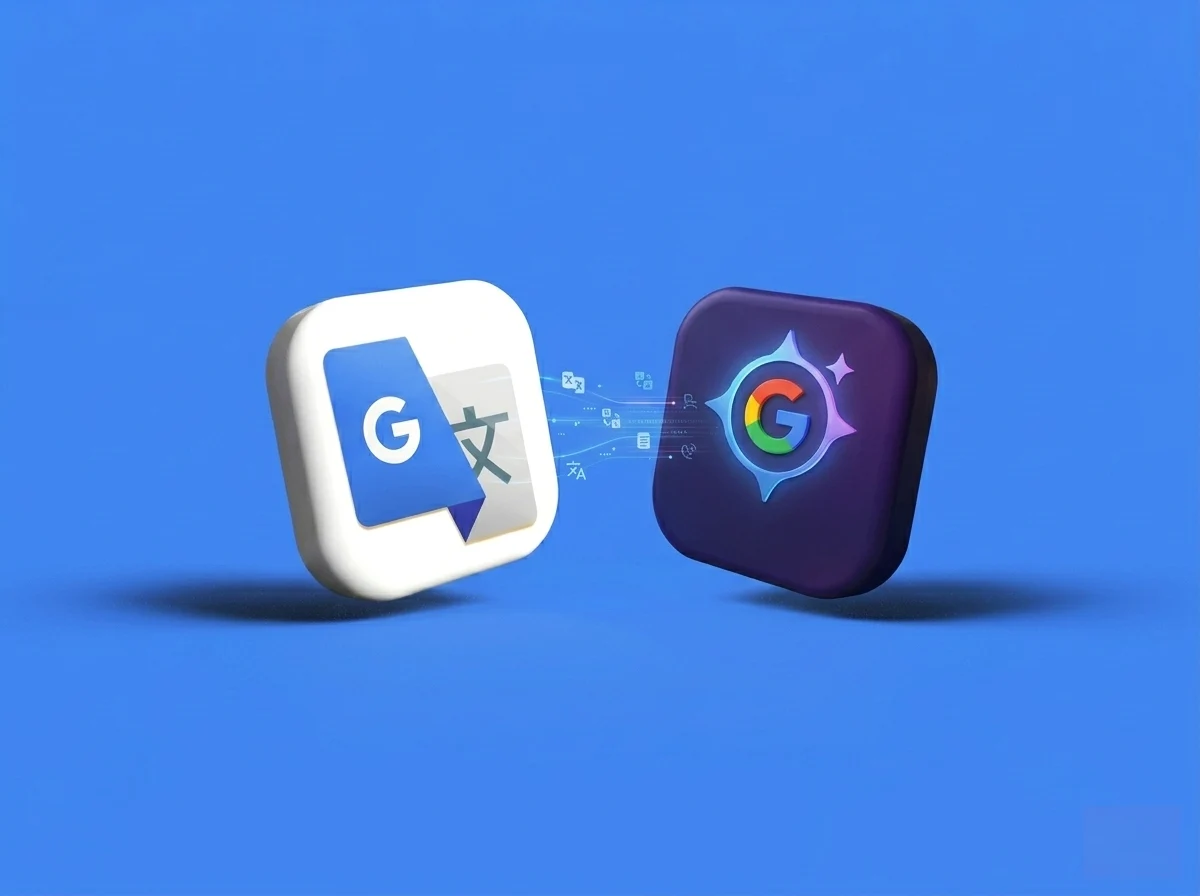
  • Game-Changing AI Features for Travelers in Google Translate

    Game-Changing AI Features for Travelers in Google Translate

    Key Takeaways

    1. Improved Translation Quality: Gemini enhances Google Translate by providing more natural translations, especially for idioms and local phrases.

    2. Live Speech-to-Speech Translation: A new feature allows real-time translations during conversations, preserving the speaker’s tone and emotion.

    3. Wide Language Support: The update enables translations between English and nearly 20 languages, including Spanish, Hindi, Chinese, Japanese, and German.

    4. Streak Tracking Feature: Google Translate now includes a “streak” tracking system similar to Duolingo, encouraging consistent use of the app.

    5. Limited Availability: The live speech beta is currently available only for Android users in the U.S., India, and Mexico, with an iOS rollout expected in 2026.


    Google is integrating Gemini into Google Translate, with a goal to enhance translations that often sounded robotic and literal, which sometimes left travelers making odd requests, like asking for directions to the moon. This is a significant step forward, as it adds valuable AI features to one of the most essential applications on our devices!

    Enhanced Translation Quality

    The new update is all about improving the “state-of-the-art” quality of text translations, especially when it comes to idioms, slang, and local phrases—which were much needed. For example, when you tell a German coworker that they are “stealing your thunder,” Gemini will now understand that you’re not forecasting weather. Instead, Google Translate with Gemini will catch the context and offer a more natural translation, possibly saving you from an awkward meeting with HR.

    Live Speech-to-Speech Translation

    Travelers may find the new beta feature for “live speech-to-speech translation” particularly useful. With any pair of headphones and the Android app, users can receive real-time translations that maintain the original speaker’s tone, emphasis, and rhythm. So if someone is shouting at you in Italian, you’ll still hear the anger in English, making the experience of being insulted in a foreign language more… engaging. Just kidding, Italians are known for using their hands when they speak.

    Today marks the start of this update in the United States and India, allowing translations between English and nearly 20 languages, which includes Spanish, Hindi, Chinese, Japanese, and German, across the Translate app (both Android and iOS) and online. Additionally, the updated Google Translate features “streak” tracking, reminiscent of Duolingo’s approach—no pressure at all!

    Future Rollouts

    Currently, the live speech beta is only available to Android users in the United States, India, and Mexico, while the iOS rollout is projected for later in 2026. Maybe iPhone users could take this chance to start learning a new language while they wait.

    Source:
    Link


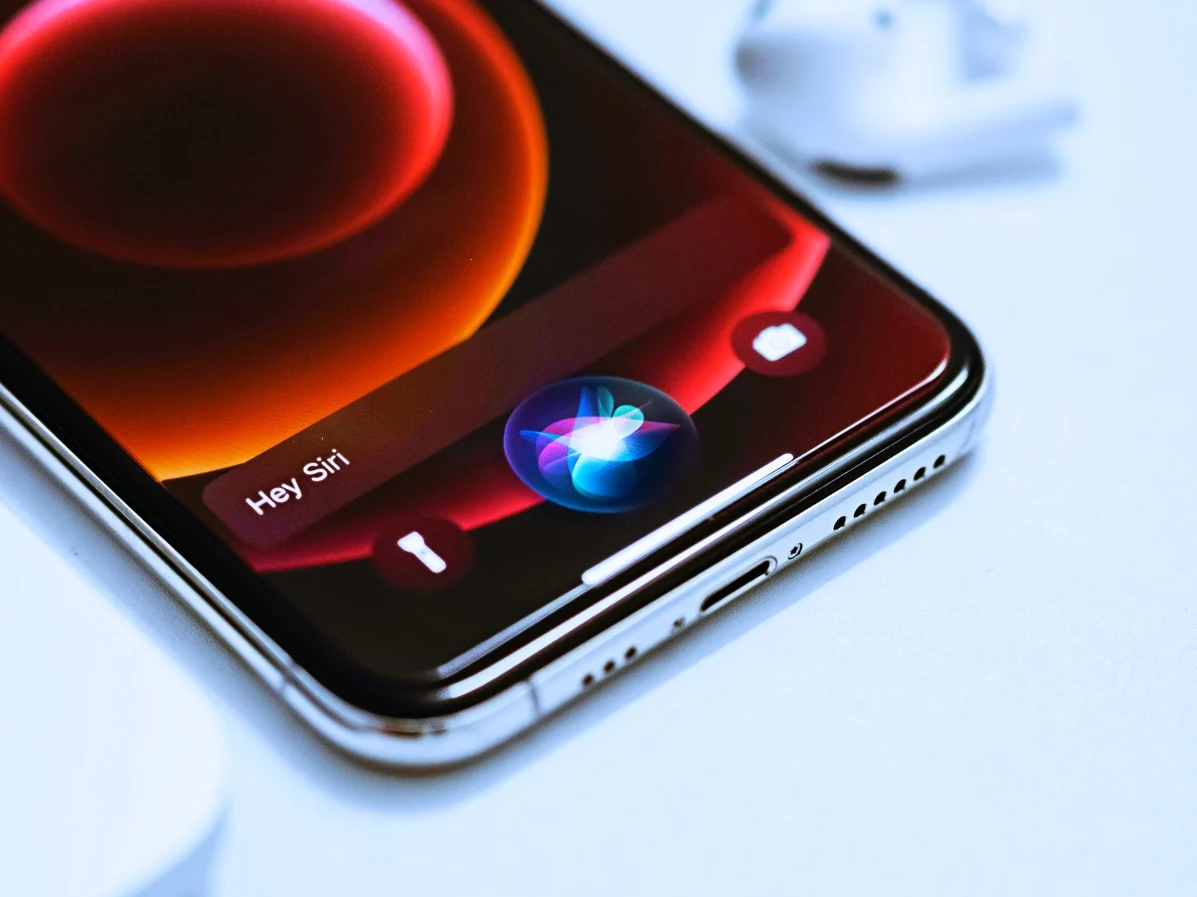
  • Siri: The Most Flexible AI Chatbot with Gemini and Claude Support

    Siri: The Most Flexible AI Chatbot with Gemini and Claude Support

    Key Takeaways

    1. Apple is working on an upgrade for Siri, named Apple Intelligence, set to launch with iOS 27 by 2026.
    2. Siri will support third-party AI chatbots like Google Gemini and Anthropic’s Claude, ending OpenAI’s exclusive partnership with Apple.
    3. A new “Extensions” feature in the Settings app will allow users to select preferred AI services when Siri cannot answer queries.
    4. The integration will provide a unified AI experience across iPadOS 27 and macOS 27 in addition to iOS 27.
    5. This upgrade may boost Apple’s Services revenue through commissions from AI application subscriptions in the App Store.


    Apple is currently making progress on the much-anticipated Apple Intelligence upgrade for Siri, which aims to enhance the iPhone’s virtual assistant by 2026. Early reports suggest that iOS 27 will enable third-party AI chatbots, such as Google Gemini and Anthropic’s Claude, to directly work with the improved Siri.

    Changes in Partnership

    Mark Gurman from Bloomberg has indicated that this development will mark the end of OpenAI’s exclusive collaboration with Apple. At present, ChatGPT is the only external source for complex queries when Siri struggles to provide answers, which is a frequent occurrence. Consequently, Siri could transform from one of the least effective virtual assistants into one of the most versatile AI chatbots, thanks to the contributions of ChatGPT, Gemini, and Claude.

    New Features

    The integration process is expected to be facilitated by a new “Extensions” feature found in the Settings app. Users who download compatible AI applications from the App Store will have the ability to choose which service they prefer Siri to utilize when it cannot answer a query on its own. This feature is also anticipated to be available on iPadOS 27 and macOS 27, delivering a cohesive AI experience across Apple’s entire ecosystem.

    Financial Implications

    In addition to improving user options, this plan is likely to increase Apple’s Services revenue through commissions from AI application subscriptions in the App Store. While Apple continues to revamp Siri with what is said to be a customized version of Google’s Gemini models, these extensions will allow users to use their favored large language model instead of Siri’s built-in engine. The formal announcement is expected to occur at WWDC 2026 on June 8.

    Source:
    Link


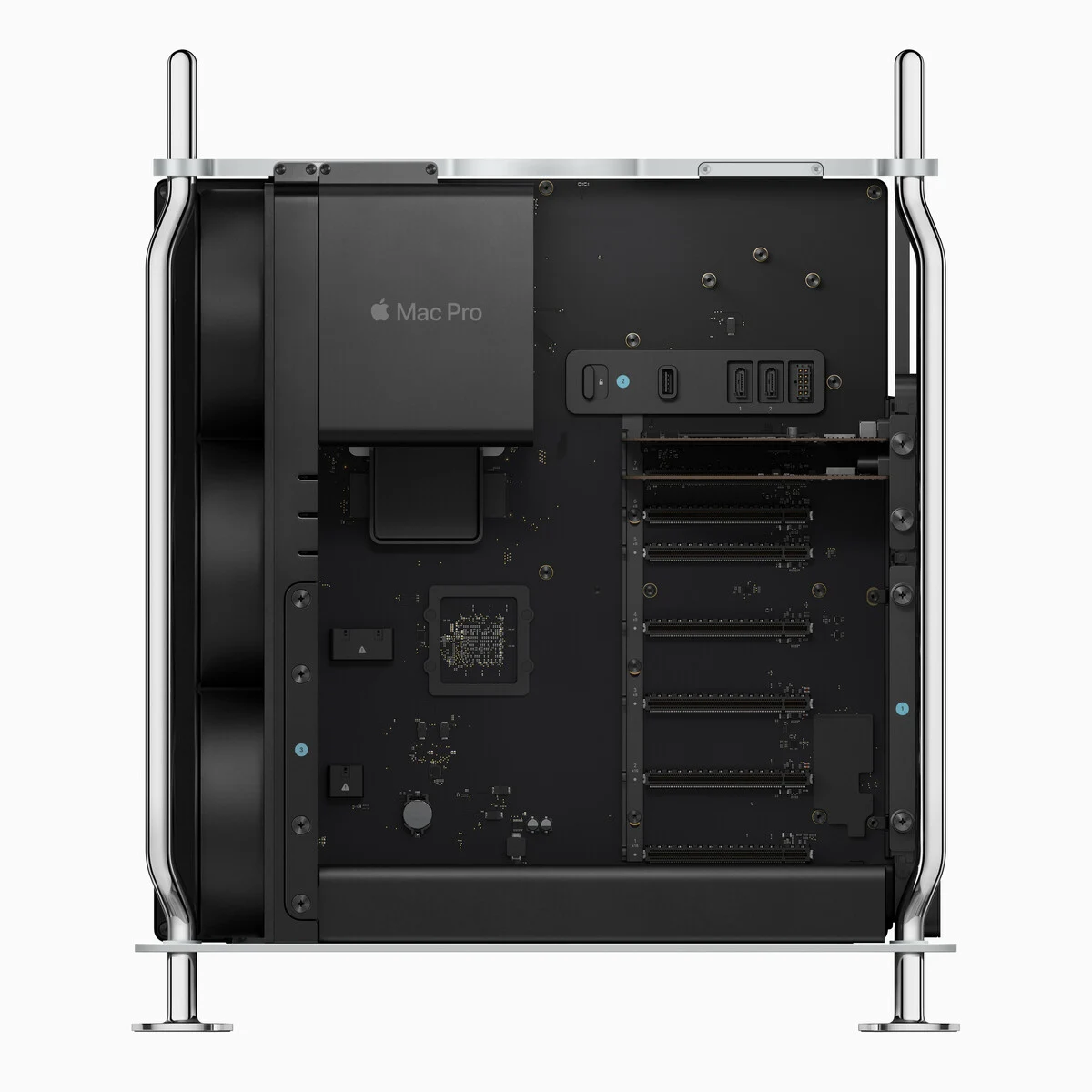
  • Mac Pro Discontinued as Mac Studio Becomes Apple’s Top Desktop

    Mac Pro Discontinued as Mac Studio Becomes Apple’s Top Desktop

    Key Takeaways

    1. Apple has put the Mac Pro on hold indefinitely, focusing instead on the Mac Studio line.
    2. The Mac Studio has been upgraded to the M3 Ultra chip, offering top performance previously found in Mac Pro.
    3. The Mac Studio supports up to 16 TB of storage and 512 GB of memory, catering to power users.
    4. The decision to abandon the Mac Pro may relate to the limited value of its expansion capabilities and high price.
    5. The last Mac Pro model lacked support for external GPUs, further diminishing its appeal.


    It’s been almost three years since Apple unveiled the Mac Pro featuring an M2 Ultra System on Chip (SoC). There were some forecasts that hinted at an upgrade in the future, while others suggested that Apple has pretty much set aside its high-end desktop model. Recently, 9to5Mac reported that Apple has decided to put the Mac Pro on hold indefinitely.

    Shift to Mac Studio

    This decision isn’t all that surprising, considering Apple has focused its efforts on the Mac Studio line, which recently received an upgrade to the M3 Ultra chip—a variant not available in any other Apple devices. Therefore, anyone who wants top-notch performance from Apple will now need to settle for a Mac Studio.

    Impressive Specs

    The Mac Studio, equipped with the M3 Ultra, already meets the needs of power users with support for up to 16 TB of storage and 512 GB of memory. It would make sense to think that future models will allow for even more, especially with an Ultra chip in play.

    As for the reason behind Apple’s choice to completely abandon the Mac Pro, it remains unclear. However, the move to their own silicon could provide some insight. Even though the last Mac Pro came with fully-operational PCIe slots, it lacked support for external GPUs. The limited expansion cards it did accommodate did not really justify its exorbitant price. And let’s not even start on those pricey wheels that came with it.

    9to5Mac

    Source:
    Link


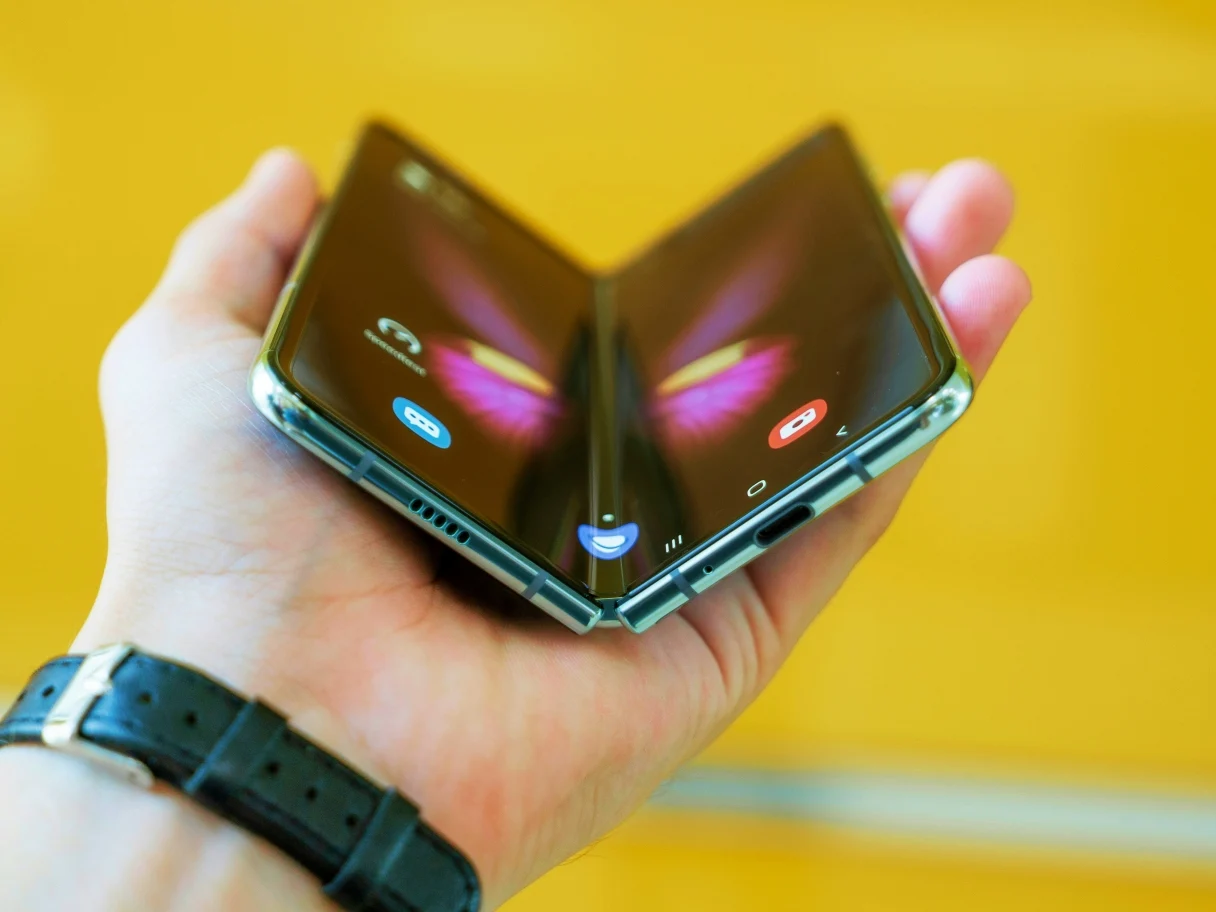
  • Samsung’s US Foldable Market Share Drops as iPhone Fold Arrives

    Samsung’s US Foldable Market Share Drops as iPhone Fold Arrives

    Key Takeaways

    1. Samsung’s Market Share Decline: Samsung’s share in North America’s foldable smartphone market dropped from 65% in 2024 to 51% in 2025, losing ground in the clamshell segment.

    2. Motorola’s Rise: Motorola gained significant market share, reaching 44% due to competitive pricing and strong carrier partnerships, driven by the success of the Razr Fold 2025 series.

    3. Google’s Growth: Google saw a 52% increase in shipments, largely due to the release of the Pixel 10 Pro Fold, although it still holds only 5% of the market.

    4. Apple’s Strategic Delay: Apple’s decision to delay the launch of its foldable iPhone until late 2026 could strategically position it to avoid early adopter issues faced by competitors.

    5. Upcoming Competition: The anticipated iPhone Fold is set to launch alongside the iPhone 18 series, with Samsung preparing a rival device featuring a larger main display.


    The North American foldable smartphone market is seeing some significant changes, as per the latest insights from Counterpoint Research. In 2025, this segment experienced a growth of 28% YoY, but the more interesting narrative revolves around Samsung’s drop and the fierce competition rising, especially from Motorola.

    Samsung’s Market Share Decline

    Samsung has held a strong position in the foldable market for a long time, nearly monopolizing it. However, Counterpoint indicates that 2025 was a pivotal year. Samsung’s share in North America plunged to 51%, down from 65% in 2024. While the company still leads in book-style foldables, it has lost its stronghold in the increasingly popular clamshell segment.

    Motorola’s Rise

    The major victor in this scenario is Motorola. Thanks to the Razr Fold 2025 series, Motorola has snagged an impressive 44% market share, propelled by competitive pricing and robust partnerships with carriers. Google also witnessed a surge, with shipments increasing by 52% YoY, aided by the release of the Pixel 10 Pro Fold in October; however, it still holds just 5% of the market.

    Apple’s Strategic Delay

    Interestingly, the biggest potential winner might be Apple’s anticipated iPhone Fold. The choice to postpone the launch of its first foldable iPhone seems to have been a strategic decision, and the reasons are becoming clearer now.

    While competitors like Samsung and Huawei debuted their foldable devices back in 2019, Apple’s decision to wait until late 2026 has allowed it to bypass the issues faced by early adopters. This positions Apple to enter a marketplace where Motorola and Samsung have already set the stage for foldable designs.

    With Samsung’s dominance fading, the iPhone Fold could deliver the “final blow” in a now well-established and fiercely competitive market. It appears that Apple might have had this plan in motion all along.

    Regarding the iPhone Fold, it’s anticipated to launch alongside the iPhone 18 series this fall, although it could be available later. Meanwhile, Samsung is gearing up to introduce a direct rival to the iPhone Fold, featuring a broader main display.

    Counterpoint, Thumbnail by Mika Baumeister

    Source:
    Link


  • Junkrunner 64 Offers Skyrim-Sized Open World on Nintendo 64

    Junkrunner 64 Offers Skyrim-Sized Open World on Nintendo 64

    Key Takeaways

    1. Junkrunner 64 is an ambitious open-world game for the Nintendo 64, comparable in scale to Skyrim, showcasing advanced graphics for the hardware.

    2. Developer James Lambert and his team optimized the game by leveraging decades of experience with Nintendo 64 hardware limitations.

    3. Lambert is known for previous projects like Portal 64 and MegaTextures, making him well-suited for developing Junkrunner 64.

    4. The recent rise in Nintendo 64 homebrew development has seen creators like Kaze Emanaur focus on expansions, while Lambert’s team delivers a completely original game.

    5. Players can download Junkrunner 64 from GitHub to experience it on an emulator or a Nintendo 64 console with the appropriate flash cartridge.


    In a time marked by game releases that often struggle with optimization, leading to heavy system requirements and soaring hardware costs, it’s refreshing to witness homebrew game developers maximizing the potential of current hardware. One standout example is Junkrunner 64, which boasts an ambitious open world akin to the scale of Skyrim, all playable on actual Nintendo 64 equipment. Not only does this game feature a vast environment, but its graphics also surpass those of existing Nintendo 64 titles, coming close to the visuals of a low-fi Nintendo GameCube or Nintendo 3DS game in certain scenes. But what makes this achievement possible?

    Optimizing for Limitations

    The community has spent decades honing their skills to optimize for a fixed set of hardware, which has certainly contributed to this success. The creator of Junkrunner 64, James Lambert, has established himself through other remarkable projects on the Nintendo 64, such as Portal 64 and the implementation of MegaTextures (first introduced in id Tech 5 and utilized in games like RAGE and DOOM 2016). His background made him an ideal candidate for this kind of endeavor. Furthermore, he worked alongside other N64 homebrew developers, including Pyroxene, Caitlin G Cooke, terzdesign, and Kælin, to achieve the impressive end product.

    A New Era of Homebrew Gaming

    In recent years, there have been significant strides in Nintendo 64 homebrew development, with notable contributions from the creators of the Smash Remix expansion for Super Smash Bros. 64 and the well-known Mario 64 modder Kaze Emanaur. However, these developers generally focus on creating high-quality expansions or fangames. In contrast, Lambert and his crew are taking a giant leap by delivering a completely original open-world game on the Nintendo 64. It appears to be a genuinely enjoyable experience, particularly for those who appreciate the game’s fast-paced hoverboard mechanics.

    If you’re curious about how Junkrunner 64 was developed to function on real hardware, James Lambert has a video that covers this topic comprehensively. Alternatively, if you wish to experience the game for yourself, you can download it from GitHub for use in an emulator (with results that may differ) or on your own console equipped with the right flash cartridge.

    Source:
    Link