Tag: Nintendo 64

  • ModRetro M64: AMD FPGA Revives Nintendo 64 Gaming

    ModRetro M64: AMD FPGA Revives Nintendo 64 Gaming

    Key Takeaway

    – ModRetro M64 uses AMD Artix UltraScale+ FPGA for hardware-level N64 emulation
    – Claims superior accuracy in timings, input response, and cycle counts vs. software emulation
    – Console priced at $199 for early backers, $230 retail; Pro Controller $90
    – Ships July 28, 2026, with launch titles including Extreme-G: Turbo Fusion and Xeno Crisis


    ModRetro’s M64 Console Uses AMD FPGAs for N64 Emulation

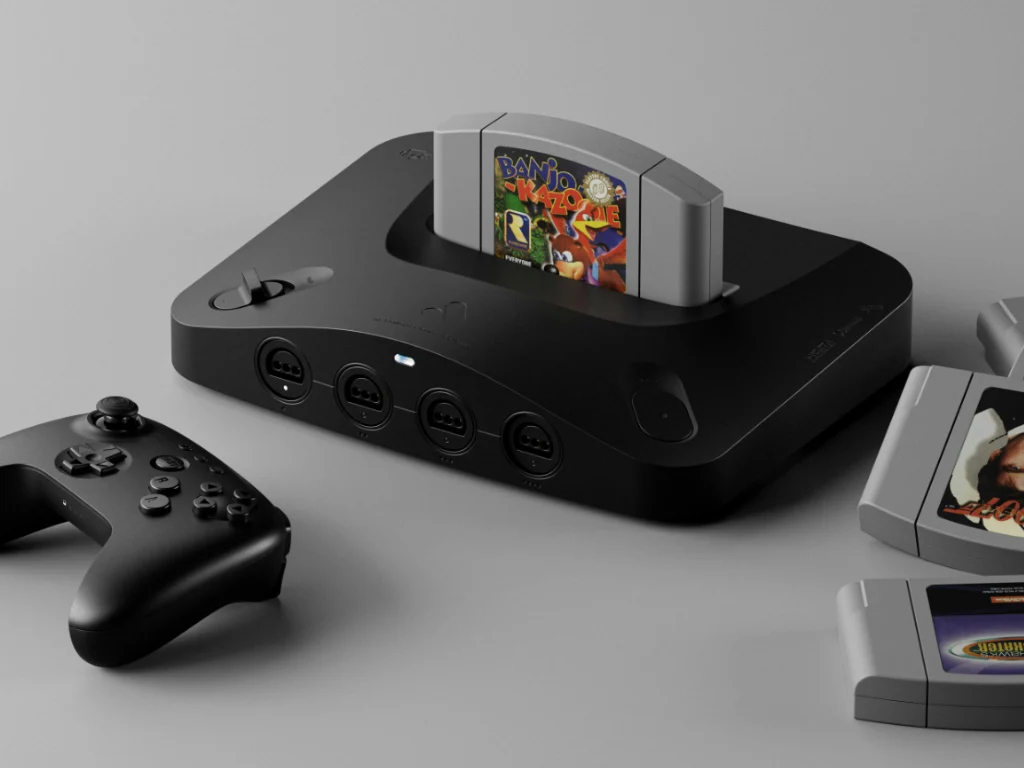
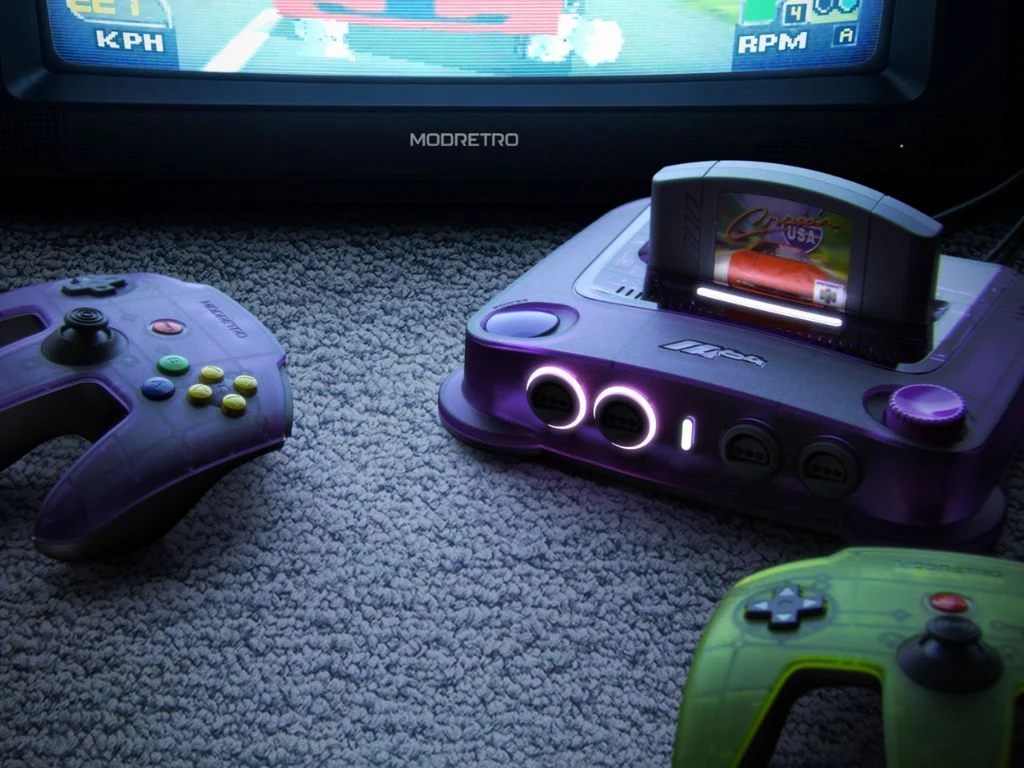
    ModRetro is expanding its roster of FPGA-powered retro consoles with the M64, a new system created from scratch to play original Nintendo 64 cartridges. They claim a level of precision that software emulators and other FPGA consoles fail to match, using AMD silicon as its heart.

    Partnership with AMD and Hardware Emulation

    Following the success of its Chromatic handheld for Game Boy and Game Boy Color games, the company is applying its hardware-first philosophy to the M64 as well. This time it’s partnering with AMD on the FPGA, which is a big deal for the retro gaming community who crave cycle-accurate performance.

    Announced in a blog post, the M64 at its heart uses AMD’s Artix UltraScale+ FPGA, which is designed to replicate the N64’s logic chip directly in hardware rather than approximating it in software. The result could be accurate timings, tight input response, and potentially accurate cycle counts, which is something software emulators often struggle with.

    Statements from AMD and ModRetro Leadership

    Sumit Shah, head of product management and marketing for the Adaptive and Embedded Computing Group at AMD, said: “AMD Artix UltraScale+ FPGA technology is helping redefine what is possible in retro gaming by enabling developers to re-create original hardware behavior with extraordinary precision. By emulating the chip logic directly at the hardware level, ModRetro can preserve the authenticity of classic play while bringing these iconic experiences forward for a new generation of gamers.”

    • Preserving the authenticity and fundamentals of the N64 while creating a brand-new retro console is a top priority for ModRetro’s CEO, Torin Herndon.
    • In terms of both performance and practicality, AMD’s UltraScale+ FPGA was the answer for the M64, thanks to its 16nm process, which supports high clock speeds without needing any fans.

    Technical Specs and Release Details

    In a guest post on AMD Gaming, Torin Herndon stated: “FPGA selection was by far the most critical decision in the M64 design process. We needed something that would serve as a stable backbone to build the most accurate Nintendo 64 hardware emulation for many years to come. The AMD Artix UltraScale+ FPGA was the only option that could deliver the cost-optimized performance-per-watt muscle needed to tackle this project.”

    ModRetro is releasing the M64 along with a separate M64 Pro controller with Bluetooth support and swappable analog sticks. The M64 will be available starting July 28, 2026, with shipping scheduled to begin the same day. Early backers will get the M64 for $199, while the retail price of the console is $230, and the Pro Controller costs $90.

    Launch Titles and Final Thoughts

    Launch titles will include new games such as Extreme-G: Turbo Fusion, Xeno Crisis, Xibalba 64, and Buck Bumble. These titles will come on cartridges that are fully compatible with the original N64 hardware, ensuring backwards compatibility with existing collections.
    Sources
  • ModRetro M64: N64 Emulation Launch Date Announced

    ModRetro M64: N64 Emulation Launch Date Announced

    Key Takeaway

    – ModRetro M64 uses FPGA-based hardware for accurate retro gaming, not software emulation.
    – Ships July 28 at $229 retail, with a $30 early bird discount.
    – Launch lineup includes four titles; over 240 original game cartridges are compatible.
    – Features USB-C, microSD support, and four Nintendo 64-style controller ports.
    – ModRetro Trident Controller ($90) uses TMR joystick tech and Bluetooth for multi-device use.


    Exploring Retro Gaming Options

    There is several ways to approach retro gaming, ranging from using a virtually identical (though not uncontroversial) hardware architecture like the Plaion NeoGeo AES+ to complete software emulation using an inexpensive handheld gaming console and potentially copyrighted images. The ModRetro M64 definitely falls into the former category and, as is not uncommon for such devices, utilises FPGAs. This FPGA-based architecture is intended to provide accurate emulation.

    ModRetro M64 Release and Pricing Details

    We have previously reported on the ModRetro M64, and now the manufacturer has announced its release date. The console is slated to ship starting July 28 and the retail price is listed at $229, but there is also an early bird discount of $30. At launch, there will be four titles, namely Xeno Crisis, Buck Bumble, Extreme-G Turbo Fusion and Xibalba 64. In addition, over 240 titles should work without issue; original game cartridges can simply be inserted.

    Modern Features and Controller Details

    Modern features includes USB-C and microSD support. On the front, there is four controller ports familiar from the Nintendo 64. Speaking of controllers, the ModRetro Trident Controller will also launch on July 28 for a price of $90. This controller also combines a classic design with modern features, but utilises TMR technology for the joystick and can connect to devices other than the M64 via Bluetooth.

    ModRetro, Retro Dodo


    Sources

  • 8BitDo 64 Bluetooth Controller Prototype Lands on Amazon

    8BitDo 64 Bluetooth Controller Prototype Lands on Amazon

    Key Takeaway

    – 8BitDo 64 Controller Prototype Limited Edition is now available on Amazon for $44.99.
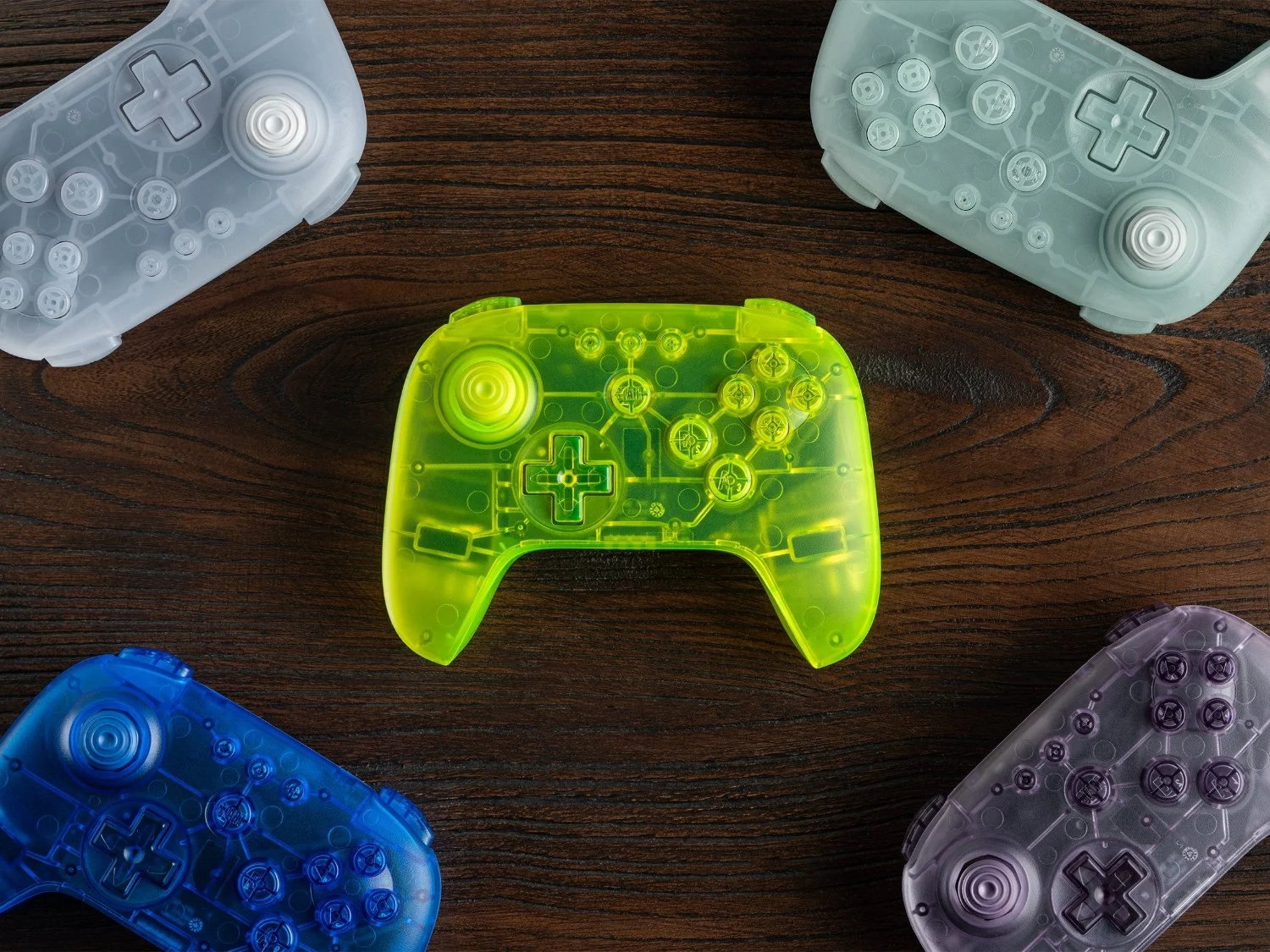
    – Five new colors: Atomic Purple, Extreme Green, Ocean, Ghost, and Glacier.
    – Compatible with Analogue 3D, Nintendo Switch, Windows, and Android.
    – Features Hall Effect thumbsticks with metal joystick rings and USB-C wired option.
    – A separate 2.4GHz edition is available but limited to Analogue 3D, original N64, and Windows 10+.


    New Colors Now Availible on Amazon

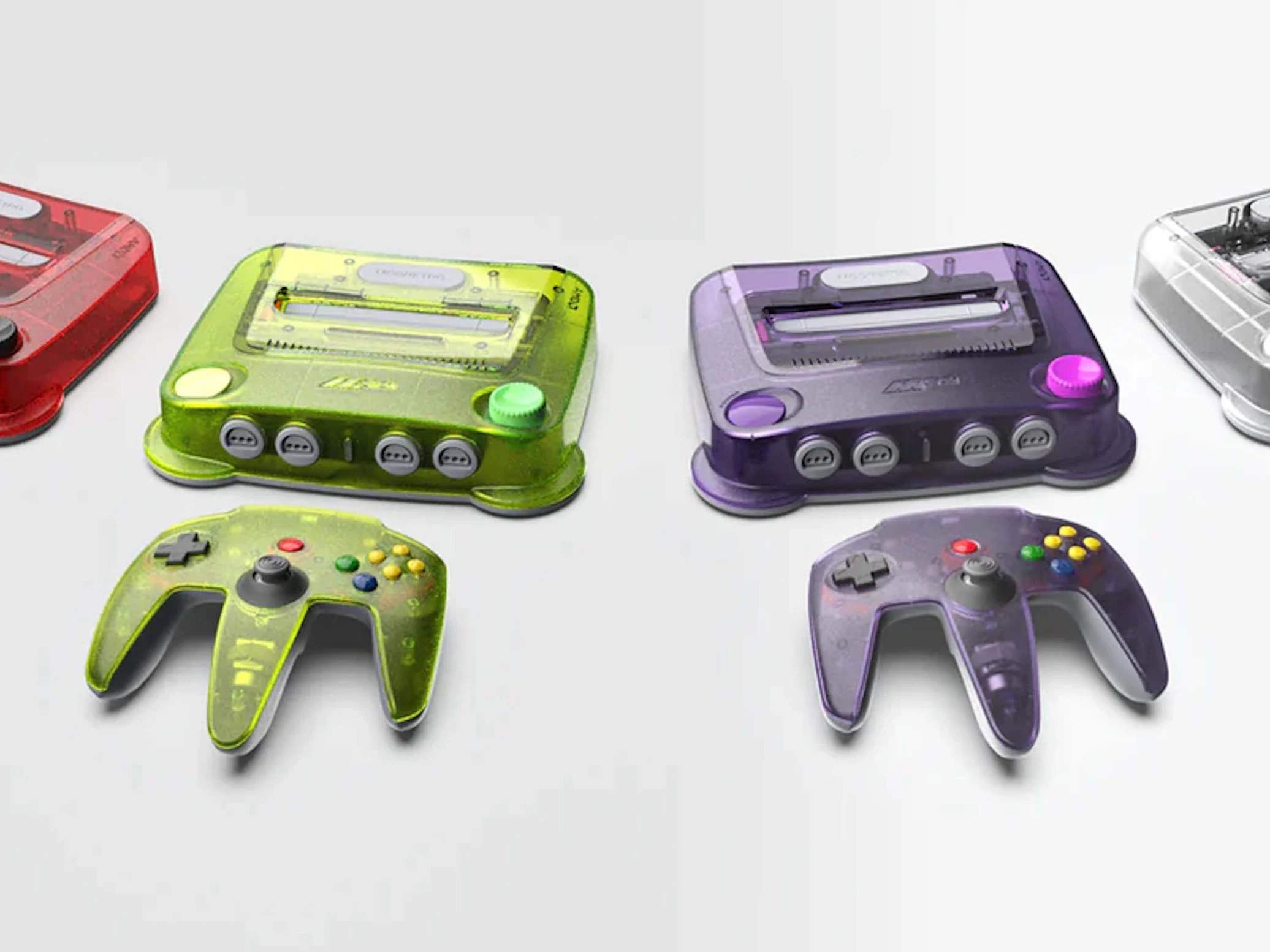
    Earlier this February, the 8BitDo 64 Bluetooth Controller received five additonal color options, which they called the Prototype Limited Edition. These new gamepads are based on unreleased colors that were originaly planned for the Nintendo 64, and they were launched at the same time as matching colors for the Analogue 3D console.

    Where to Buy These Limited Colors

    Since there announcment, the 8BitDo 64 Controller Prototype Limited Edition colors have been exclusive to the 8BitDo eShop, but that has now changed. According to a new announcement from 8BitDo, customers can now purchase these controllers on Amazon, with availability starting from today.

    Full List of Available Colors and Pricing

    Included in the 8BitDo 64 Controller Prototype Limited Edition are the following colors: Atomic Purple, Extreme Green, Ocean, Ghost, and Glacier. Every one of these five colors is currently priced at $44.99 on Amazon. Furthermore, Amazon also stocks some colors from the Funtastic Limited Edition range, like Clear, Fire, Smoke, Ice, and Watermelon. Additionally, the color-accurate Gray version is also being sold for the same price of $44.99.

    Device Compatibility Details

    No matter which colour you end up choosing, the 8BitDo 64 Bluetooth Controller is compatible with the Analogue 3D, Nintendo Switch systems, and any device that runs on Windows or Android operating systems. Seperately, 8BitDo also offers a 2.4GHz wireless edition of this controller, which comes with a wireless receiver; however, this version is only compatible with the Analogue 3D, the original Nintendo 64 console, and computers running Windows 10 or newer.

    Controller Features and Specifications

    The 8BitDo 64 Controller includes Hall Effect thumbsticks that feature wear-resistant metal joystick rings. Much like the original Nintendo 64 controller, it has the classic C-buttons, A/B buttons, and the Start button. Apart from Bluetooth connectivity, it can also function as a wired controller when connected via a USB-C cable.

    Sources
  • Unofficial Tomb Raider N64 Port Launches After 30 Years

    Unofficial Tomb Raider N64 Port Launches After 30 Years

    Key Takeaway

    1. A homebrew developer is creating an unofficial Nintendo 64 port of the original 1996 Tomb Raider, showcasing progress in a demo.
    2. The port is built from scratch using open-source tools, including the Lost Artefact decompilation method and Tiny3D graphics library.
    3. Despite technical challenges such as bugs and performance issues, almost the entire game fits on a 64 MB cartridge, including music and FMVs.
    4. The project is still in progress, with polishing work remaining, and no official release date or ROM sharing plans have been announced.

    Retro Gaming Revival on the N64

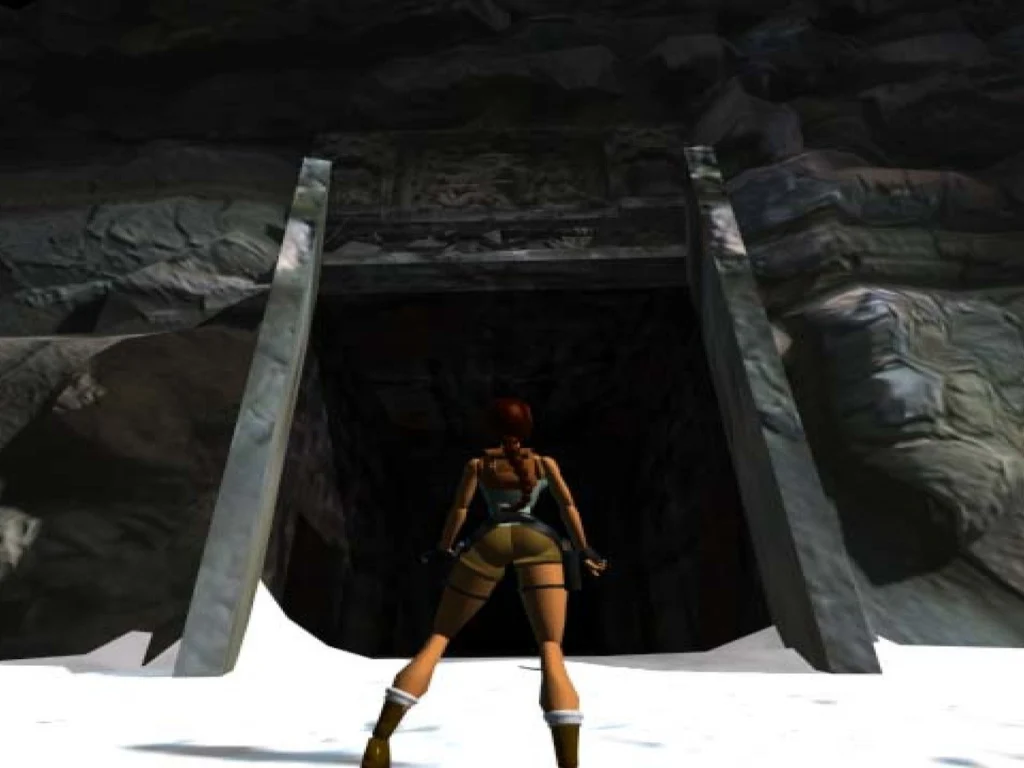
    Nearly thirty years after the plans to launch a official Nintendo 64 version of Tomb Raider was dropped, some passionate homebrew developer took matters into their own hands. They decided to bring the classic 1996 Tomb Raider game, which originally appeared on PC and PlayStation, to Nintendo’s beloved 64-bit console. The project has generated excitement amongst gamers and fans of the original series, as this felt like an unrealized nostalgia that now may soon come true, despite being unofficial.

    Exciting Demonstration and Progress

    On April 13th, a YouTube content creator known as Snake posted a brief five-minute clip showcasing a prototype of the Tomb Raider game running on an Analogue 3D device with “Unleashed” overclock enabled. The video displayed Lara Croft exploring familiar environments like Croft Manor, navigating initial levels and the Palace Midas. Despite it still being a work in progress, the footage, showing the game’s core mechanics, gave fans a glimpse of what could potentially be an impressive fan-made tribute to the classic.

    Technical Foundations and Open-Source Tools

    This homebrew effort is built from the ground up by Snake, who uses open-source tools and community-developed resources. The developer employs Lost Artefact’s TRX decompilation method, a widely used open-source project that reimplements Tomb Raider 1 and 2, including upgrades like bug fixes and smoother gameplay. By leveraging these resources, Snake is working towards creating a version that closely resembles the original game with improved stability on hardware.

    Graphics, Performance, and Limitations

    Regarding the technical side, Snake utilizes the Tiny3D graphics library tailored for the N64, running on top of the libdragon platform. As explained in the video, the current progress shows that most of the game is implemented, but some bugs, rendering glitches, and performance issues remain, especially on large levels. It’s worth noting that nearly all parts of the game, including music, fit on the small 64 MB cartridge, which is a feat considering the original game was much larger, often over 600 MB on other platforms.

    Future Prospects and Remaining Challenges

    Although this project signifies an important milestone in homebrew development, there is still plenty of work left before a full release. Snake admits that polishing is needed, especially to improve stability and performance, which at the moment only runs well when overclocked using the Analogue 3D. The developer has not announced an official release date or if the ROM will be publicly distributed anytime soon. Still, this effort stands as a remarkable achievement in the retro gaming community, opening new doors for fans who want to relive the classic adventure in a new way.

    Historical Context and Lost Opportunities

    Looking back, in the 1990s, an official Nintendo 64 port of Tomb Raider was under development at Core Design, but it never saw the light of day. Industry reports reveal that while the team was ready to adapt Lara Croft for the N64, they never obtained the necessary development kits in time. Later on, the franchise’s exclusivity deal with Sony meant that the sequel would not appear on Nintendo’s console, leading to the port being abandoned altogether. This project, though unofficial, fills an important gap in gaming history, satisfying the long-held desire for such a port among enthusiasts.

    Sources
  • Upcoming Anbernic Handheld with Metal Shell Reacts Before Launch

    Upcoming Anbernic Handheld with Metal Shell Reacts Before Launch

    Key Takeaway

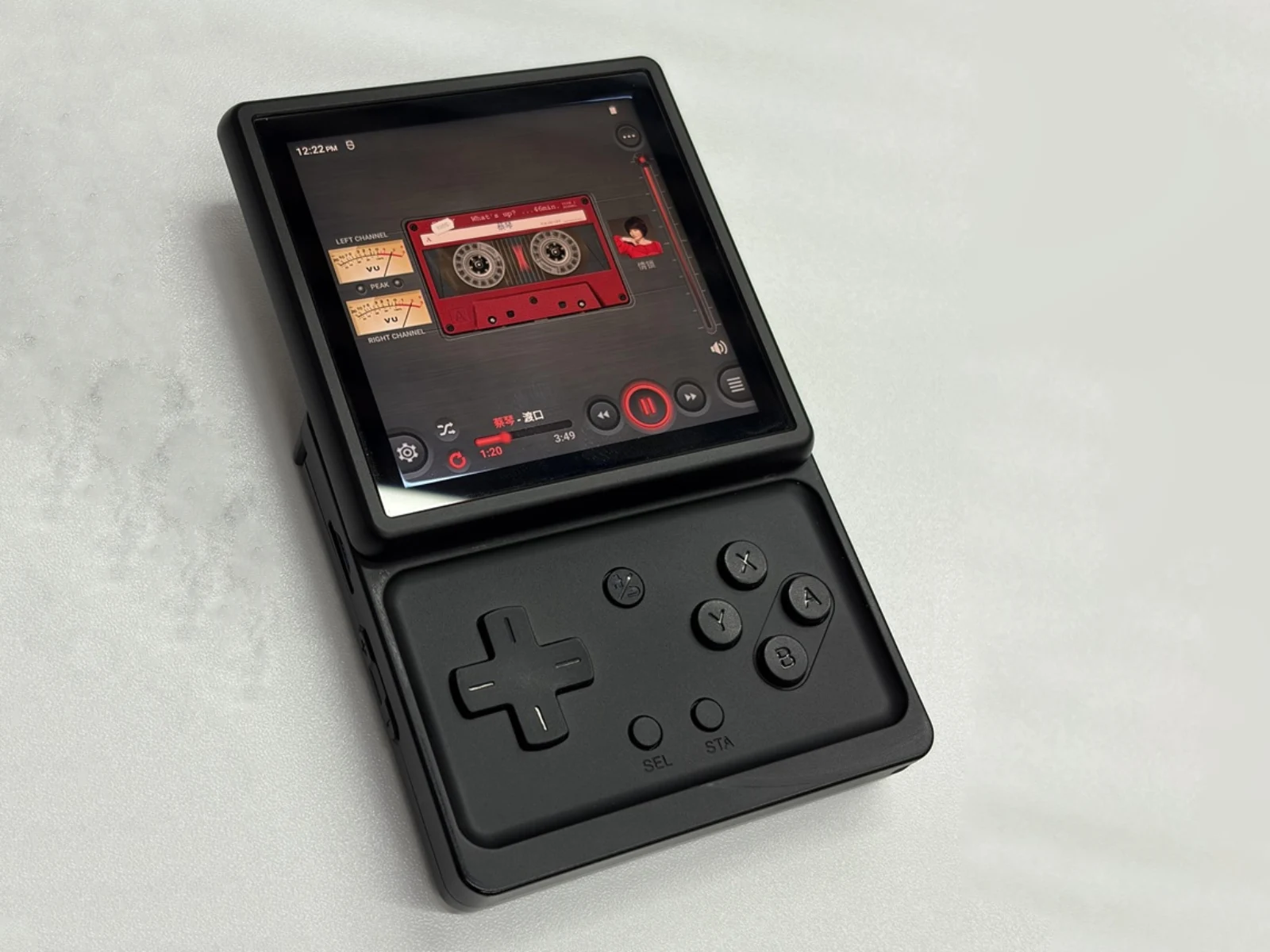
    1. Anbernic’s new gaming handheld features a sliding display mechanism, similar to the RG Slide.
    2. The device includes a top-mounted USB Type-C port, in-line triggers, a microSD card slot, and possibly a 3.5 mm audio jack.
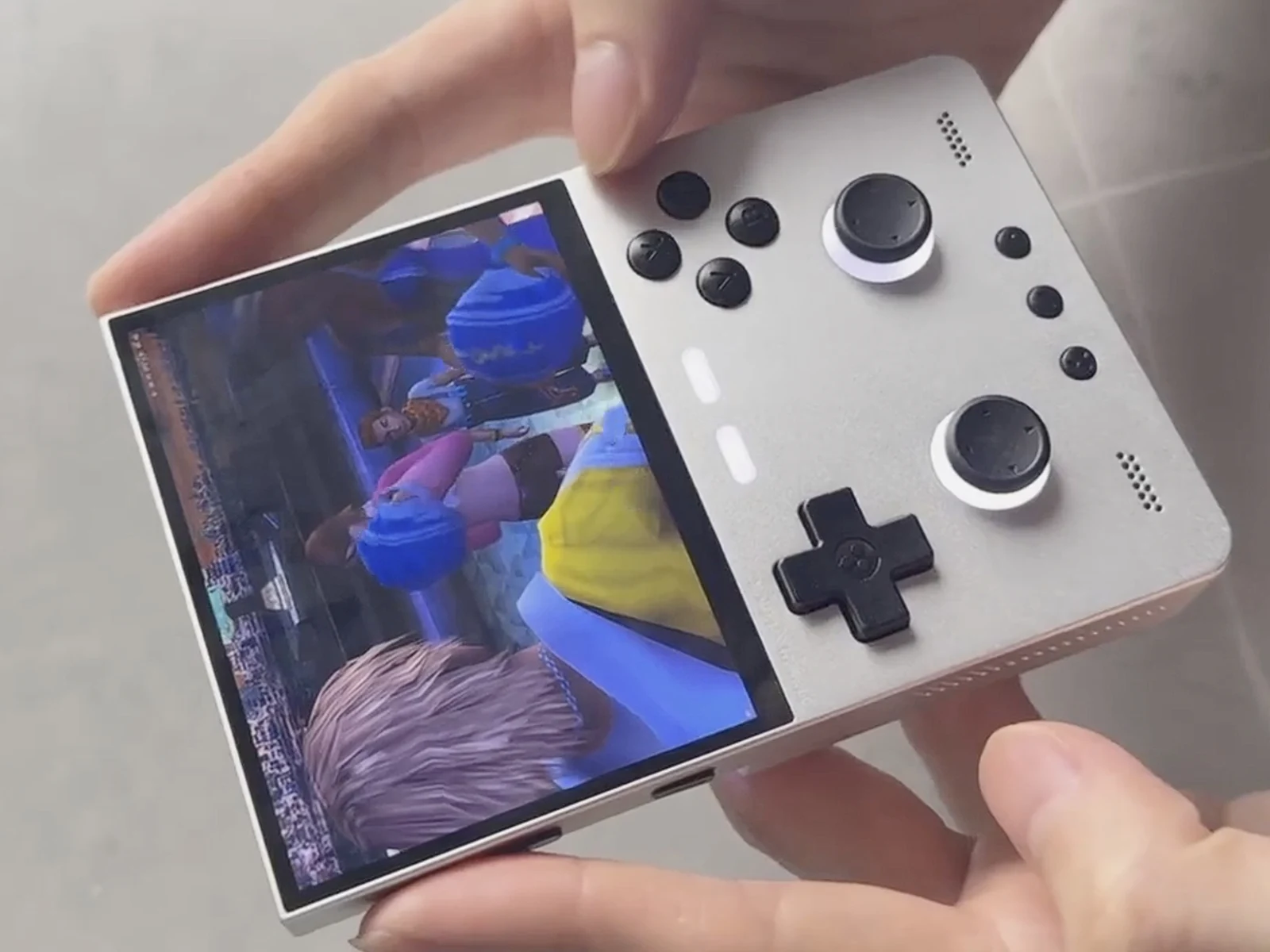
    3. It is advertised to support up to Nintendo 64 games and may be released as the RG Rotate with both metal and plastic shell options.
    4. The official release date is not yet known, but a launch is expected later this month.

    New glimpses of the upcoming Anbernic handheld device has just been shared online. Its the second device from the company to feature a sliding display, following last year’s RG Slide which is currently priced at $174.99. The device was first seen in mid-March, and these new videos prove it’s no April Fools’ prank.

    Additional Features Revealed

    Although a specific release date still hasnt been announced, the folks at Handheld Penguin have posted new footage on Bilibili. The videos, embedded below, allow us to see some more details of the device. For example, there’s a USB Type-C port located at the top, inline trigger buttons, and a microSD card slot visible in the shots.

    Audio & Gaming Capabilities

    It’s interesting to note the inclusion of a built-in MP3 player, which suggests that a 3.5mm headphone jack will be present. Though it’s not visible in either video, it’s likely on the right side of the device. Also, the recent footage hints that Anbernic plans to promote the device as capable of running games on Nintendo 64.

    Design & Potential Release

    From what appears, Anbernic might call this device the RG Rotate. The design has a metal shell option alongside a basic black plastic version. Fans are eagerly awaiting an official reveal, which is expected to happen later on this month.

    Speculations and Expectations

    • Possible metal and plastic body options
    • Targeting retro gaming enthusiasts especially for N64 games
    • Expected inclusion of extra ports like USB-C and microSD card slot
  • Junkrunner 64 Offers Skyrim-Sized Open World on Nintendo 64

    Junkrunner 64 Offers Skyrim-Sized Open World on Nintendo 64

    Key Takeaways

    1. Junkrunner 64 is an ambitious open-world game for the Nintendo 64, comparable in scale to Skyrim, showcasing advanced graphics for the hardware.

    2. Developer James Lambert and his team optimized the game by leveraging decades of experience with Nintendo 64 hardware limitations.

    3. Lambert is known for previous projects like Portal 64 and MegaTextures, making him well-suited for developing Junkrunner 64.

    4. The recent rise in Nintendo 64 homebrew development has seen creators like Kaze Emanaur focus on expansions, while Lambert’s team delivers a completely original game.

    5. Players can download Junkrunner 64 from GitHub to experience it on an emulator or a Nintendo 64 console with the appropriate flash cartridge.


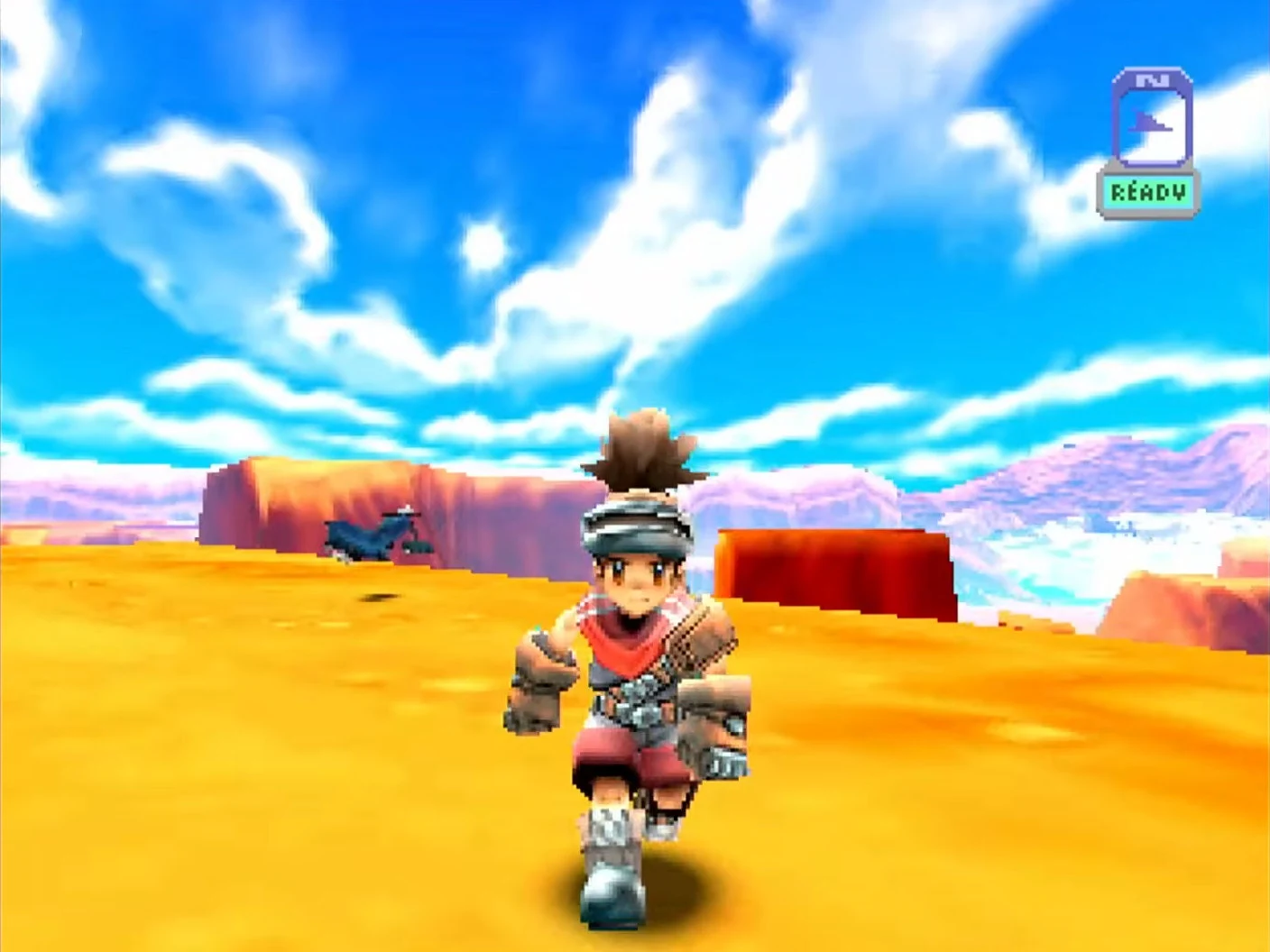
    In a time marked by game releases that often struggle with optimization, leading to heavy system requirements and soaring hardware costs, it’s refreshing to witness homebrew game developers maximizing the potential of current hardware. One standout example is Junkrunner 64, which boasts an ambitious open world akin to the scale of Skyrim, all playable on actual Nintendo 64 equipment. Not only does this game feature a vast environment, but its graphics also surpass those of existing Nintendo 64 titles, coming close to the visuals of a low-fi Nintendo GameCube or Nintendo 3DS game in certain scenes. But what makes this achievement possible?

    Optimizing for Limitations

    The community has spent decades honing their skills to optimize for a fixed set of hardware, which has certainly contributed to this success. The creator of Junkrunner 64, James Lambert, has established himself through other remarkable projects on the Nintendo 64, such as Portal 64 and the implementation of MegaTextures (first introduced in id Tech 5 and utilized in games like RAGE and DOOM 2016). His background made him an ideal candidate for this kind of endeavor. Furthermore, he worked alongside other N64 homebrew developers, including Pyroxene, Caitlin G Cooke, terzdesign, and Kælin, to achieve the impressive end product.

    A New Era of Homebrew Gaming

    In recent years, there have been significant strides in Nintendo 64 homebrew development, with notable contributions from the creators of the Smash Remix expansion for Super Smash Bros. 64 and the well-known Mario 64 modder Kaze Emanaur. However, these developers generally focus on creating high-quality expansions or fangames. In contrast, Lambert and his crew are taking a giant leap by delivering a completely original open-world game on the Nintendo 64. It appears to be a genuinely enjoyable experience, particularly for those who appreciate the game’s fast-paced hoverboard mechanics.

    If you’re curious about how Junkrunner 64 was developed to function on real hardware, James Lambert has a video that covers this topic comprehensively. Alternatively, if you wish to experience the game for yourself, you can download it from GitHub for use in an emulator (with results that may differ) or on your own console equipped with the right flash cartridge.

    Source:
    Link


  • Buy Limited Edition Analogue 3D Now Available for Purchase

    Buy Limited Edition Analogue 3D Now Available for Purchase

    Key Takeaways

    1. Analogue has launched the Analogue 3D Prototype Limited Editions, priced at $299.99, which is $30 more than the standard Black and White models.
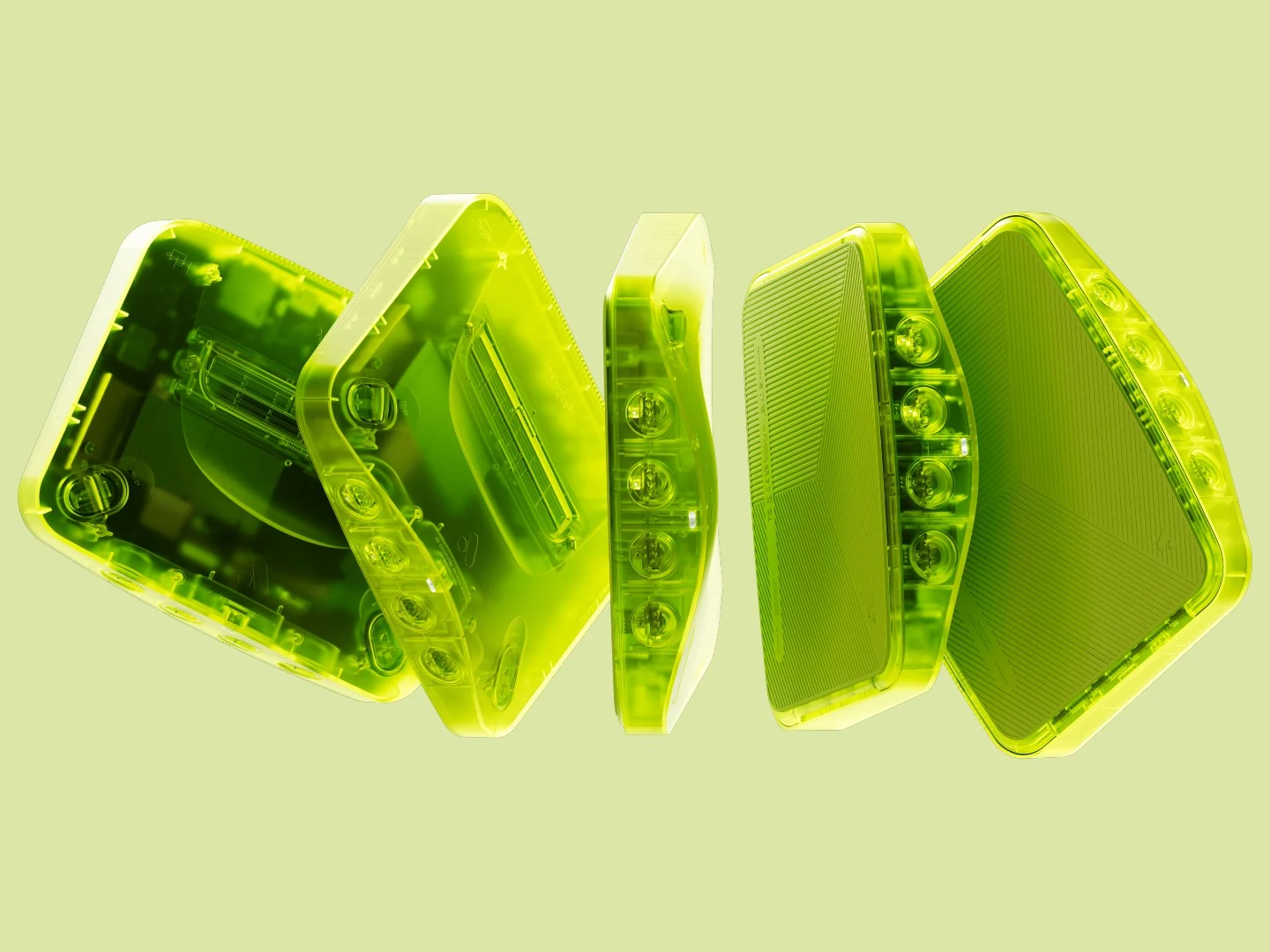
    2. The limited editions are available in five colors: Atomic Purple, Extreme Green, Ghost, Glacier, and Ocean, featuring a see-through shell.
    3. Each console comes with a color-matched 16GB SD card, HDMI cable, USB cable, and a wall adapter, but does not include a controller.
    4. Customers can purchase a maximum of two units, with orders shipped within 24 hours.
    5. Various controller options are available for purchase, including the 8BitDo 64 Bluetooth controller in matching colors, as well as original N64 controllers.


    Following a recent announcement, Analogue has started to sell the Analogue 3D Prototype Limited Editions. These special versions of the console are priced higher than the regular edition that was launched in late 2025 and are offered in a small number.

    Color Options and Accessories

    The Analogue 3D Prototype Limited Editions come in five different colors inspired by unreleased shades of the original Nintendo 64. The available colors are Atomic Purple, Extreme Green, Ghost, Glacier, and Ocean. Each console features a see-through shell and includes a color-matched 16GB SD card, HDMI cable, USB cable, and a wall adapter.

    Pricing and Purchase Limitations

    Analogue has set the price of the Analogue 3D Prototype Limited Editions at $299.99, which is $30 more than the Black and White models. The company states that orders will be shipped within a 24-hour timeframe. There is a restriction on how many units a customer can buy, limited to just two.

    Controller Options

    It’s worth mentioning that, aside from the accessories listed above, the Analogue 3D does not include a controller, similar to the standard version. However, there are various controller options available. Buyers can choose from a Black, White, or Gray 8BitDo 64 Bluetooth controller (which is available on Amazon for $39.99), a Nintendo Switch Online N64 controller, or even a wired N64 controller, as the Analogue 3D includes four ports for original-style controllers.

    If you decide to get one of the Analogue 3D Prototype Limited Editions, you might also want to buy a matching controller. 8BitDo has you sorted since they offer the 8BitDo 64 in the same Limited Edition colors as well.

    Source:
    Link


  • 8BitDo Unveils Global Bluetooth Wireless Controllers with New Models

    8BitDo Unveils Global Bluetooth Wireless Controllers with New Models

    Key Takeaways

    1. 8BitDo has launched updated versions of its 8BitDo 64 controller, along with a similar update for the Analogue 3D.
    2. The new release includes five additional color options: Atomic Purple, Extreme Green, Ocean, Ghost, and Glacier, bringing the total to eleven variations.
    3. The new Prototype Limited Editions will be available in very limited quantities, inspired by Nintendo 64 prototype colors.
    4. The price for the Prototype Limited Editions is $44.99, which is $5 more than the original Black and White versions.
    5. Shipping for the Prototype Limited Edition controllers is scheduled to begin in April 2026, and they will only be sold on 8BitDo’s eShop.


    8BitDo has just unveiled the updated version of its 8BitDo 64 controller. This release comes alongside a similar update for the Analogue 3D, and it marks the second set of see-through 8BitDo 64 controllers launched by the company in the past two months. Additionally, 8BitDo has recently started sending out the Classic Grey edition of the same controller, which is currently priced at $44.99 on Amazon.

    New Color Options

    Including the original Black and White designs, 8BitDo has now offered a total of eleven variations of its Nintendo 64-inspired controller. The latest Prototype Limited Editions introduce five more color choices to the lineup. These new options include Atomic Purple, Extreme Green, Ocean, Ghost, and Glacier.

    Limited Availability

    As depicted in the images below, these fresh color choices all feature see-through finishes. Drawing inspiration from Nintendo 64 prototype hues, the Prototype Limited Editions are said to be released in “extremely limited quantities.” However, it’s worth noting that 8BitDo made similar claims for the Funtastic Limited Editions, which are still available for purchase as of this writing.

    Pricing and Shipping Details

    The Prototype Limited Editions are set at a price of $44.99, which is a $5 increase compared to the Black and White versions of the 8BitDo 64. This price is consistent with what 8BitDo charges for the Classic Grey and Funtastic Limited Edition models. Furthermore, 8BitDo plans to start shipping these Prototype Limited Edition controllers in April 2026. It’s important to mention that these controllers will only be available for purchase on their eShop.

    Source:
    Link


  • TrimUI Brick Pro Emulation Skills Leaked for PlayStation 2

    TrimUI Brick Pro Emulation Skills Leaked for PlayStation 2

    Key Takeaways

    1. TrimUI is introducing the Brick Pro, described as the “ultimate vertical handheld,” featuring a larger 4-inch screen compared to the original Brick’s 3.2-inch screen.

    2. Initial impressions suggested the Brick Pro would focus on enhancing compatibility for Nintendo 64 and PlayStation games, without major performance upgrades.

    3. A video reveals that the Brick Pro can emulate PlayStation 2 games, indicating significant performance capabilities beyond initial expectations.

    4. The Brick Pro is anticipated to compete more closely with Anbernic’s RG477V rather than the RG40XX V, suggesting improved specifications.

    5. The device is expected to run on Android instead of a simpler Linux system, but pricing and release details have not yet been announced.


    TrimUI’s upcoming gaming handheld seems to be a more significant improvement than what was first thought. Just this week, TrimUI started to hint at their new device, the Brick Pro. In a press announcement, they called it the “ultimate vertical handheld” and mentioned that it will replace the Brick’s 3.2-inch screen with a larger 4-inch one.

    Enhanced Capabilities

    The press release, along with a leaked image that has now been confirmed, only talked about supporting Nintendo 64 and PlayStation emulation. This led to the impression that the Brick Pro would mainly enhance compatibility with these systems, using joysticks, rather than offering a major performance boost compared to the current Brick handhelds, which are priced at $74.99 on Amazon.

    Powerful Performance

    However, a video uploaded on Bilibili by Neon Rabbit and later shared by Rabbit tells a different story. The video, which is attached below, shows the Brick Pro successfully emulating games from the PlayStation 2 era, including titles like Final Fantasy X, God of War 2, and Gran Turismo 4. Therefore, it’s likely that the TrimUI Brick Pro will also be capable of running Nintendo GameCube games.

    Competitive Edge

    This suggests that the Brick Pro is expected to perform closer to Anbernic’s RG477V rather than the RG40XX V. Furthermore, it appears that the Brick Pro will run on Android instead of a simpler Linux system. Currently, pricing and release details are still not available.

    Source:
    Link


  • Veteran N64 Developer Claims Analogue 3D Lacks Cycle Accuracy

    Veteran N64 Developer Claims Analogue 3D Lacks Cycle Accuracy

    Key Takeaways

    1. Kaze Emanuar’s video “Analogue Lied” questions the Analogue 3D’s claims of 100% compatibility and cycle accuracy with Nintendo 64 games.
    2. Emanuar’s tests show that the Analogue 3D is 5% slower in performance, with a CPU 6% slower and an RSP 30% slower than the original N64.
    3. Issues were found in games like Diddy Kong Racing, including slower frame rates and missing features like the secret 9th megabyte of RAM.
    4. Despite its flaws, Emanuar acknowledges the Analogue 3D as a decent option for playing N64 games, especially for casual gamers.
    5. Analogue has not publicly responded to Emanuar’s findings, and opinions on the device vary among speedrunners, modders, and casual enthusiasts.


    Veteran N64 developer and hacker Kaze Emanuar has sparked a debate in the retro-gaming community, questioning the truth behind the Analogue 3D’s claims and if it truly meets its advertised standards.

    Emanuar released a video called ‘Analogue Lied’, where he analyzes the FPGA-based console by comparing it directly with a real Nintendo 64. He found several oddities that contradict Analogue’s statements regarding “100% compatibility with all officially released 64 games” and claims of cycle-accurate hardware recreation.

    Findings from Tests

    Through his tests, Emanuar revealed that the Analogue 3D does not achieve cycle accuracy. He noted that the performance of the Analogue 3D lags behind the original hardware by 5% in most gameplay situations. Specifically, the Analogue 3D features a CPU that is 6% slower and an RSP (the N64’s geometry processor) that is an astonishing 30% slower.

    Games like Diddy Kong Racing experienced frame rates that were nearly 4% slower, encountered several system test failures, and lacked certain features of the Nintendo 64, including the secret 9th megabyte of RAM used by homebrew developers. Emanuar summed it up by saying, “This thing is nowhere near cycle accurate.”

    Emanuar’s Perspective

    Even though the title and thumbnail of his video might seem sensationalized, Emanuar does not completely write off the Analogue 3D. He points out that it is “factually your second cheapest option to play Nintendo 64 games, mostly without technical issues,” with the best option being a modified Nintendo 64 with HDMI support.

    In the end, most original N64 cartridges work seamlessly right from the start, and casual retro gamers are unlikely to notice the small differences. Emanuar even spoke with the FPGA core’s design engineer, who assured him that future firmware updates would address the timing issues and enhance accuracy.

    Analogue’s Response

    On the flip side, Analogue has not said much about the discussion regarding cycle-count and performance drops. Since the video was released on December 14, the company has not made any public statements.

    There is always some chatter about the Analogue in online forums, with speedrunners and modders expressing their concerns over rare incompatibilities. However, the general opinion among casual retro enthusiasts is that it is still far superior to Nintendo’s own Switch emulator.

    Source:
    Link