Author: GizNews

  • Advanced Shader Delivery Cuts Load Times in Forza Horizon 6 by 95% (Xbox App Required)

    Advanced Shader Delivery Cuts Load Times in Forza Horizon 6 by 95% (Xbox App Required)

    Key Takeaway

    – Advanced Shader Delivery (ASD) precompiles and streams shaders from the cloud, reducing initial load times dramatically (e.g., Forza Horizon 6 from ~90s to ~4s, ~95% faster).
    – Currently supports AMD hardware (RDNA 3/3.5/RDNA 4 GPUs) and requires Windows 11 24H2+, latest AMD drivers, and Xbox/ Microsoft Store delivery.
    – Not available on Nvidia GPUs yet and requires enrolling in the Xbox Insider Program; works via store-delivered game builds rather than Steam.

    Modern games pack millions of polygons, materials, textures, and lighting combinations, gamers tend to be annoyed by the fact that one can’t just load into a game these days without seeing the tedious shader compilation screen.

    ASD in Forza Horizon 6: Quick Load Times

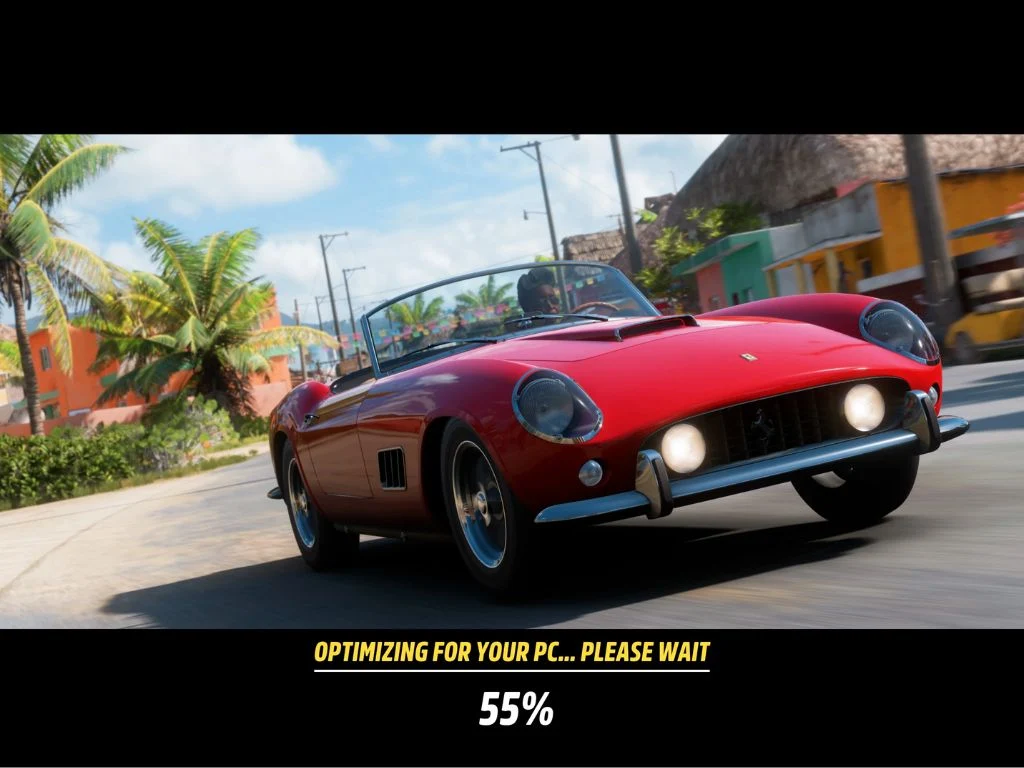
    The same is true for Microsoft and Playground Games’ recent early access release of Forza Horizon 6, which, on average, takes 90 seconds to compile shaders. However, Microsoft’s new Advanced Shader Delivery technology allows you to compile all shaders in just 4 seconds, reportedly cutting the initial compilation load time by 95%.

    Hardware and Platform Scope

    Microsoft tested this on an AMD Radeon RX 7600 GPU and an AMD Ryzen 7 5800 8-core CPU. The company recently announced that it is pushing ASD beyond its ROG Ally handhelds to Windows 11 PCs sporting AMD hardware, whether that’s dedicated Radeon GPUs or integrated Radeon RX graphics.

    Direct DX Blog Details

    In a DirectX dev blog, Microsoft stated:

    “This expansion includes Forza Horizon 6, which showcases the advantage of ASD by dramatically improving load times by 95%. We partnered closely with the team behind Forza Horizon 6 to give more players the advantage of ASD on day one. Forza Horizon 6 loads in 4 seconds, compared to almost 1.5 minutes. ASD also reduces shader stutter when playing the title by circumventing just-in-time compilation of shaders during gameplay.”

    How ASD Works

    Microsoft’s Advanced Shader Delivery handles shader compilation in the cloud ahead of time. When you download Forza Horizon 6 through the Xbox PC app or Microsoft Store, the system automatically grabs a precompiled set of shaders tailored to your exact PC specifications and driver setup and downloads them along with the game.

    Limitations and Access

    The caveat is that this currently doesn’t work on Nvidia GPUs, and you need to download the game via the Xbox or Microsoft Store app. This means that most gamers who have probably pre-ordered or downloaded the game on platforms like Steam, even if they have AMD hardware, won’t get access to ASD just yet.

    Public Preview and Requirements

    Furthermore, Advanced Shader Delivery is still in public preview, meaning you need to be enrolled in the Xbox Insider Program. Requirements include Windows 11 version 24H2 or later, the newest AMD Adrenalin drivers, and an RDNA 3, 3.5, or RDNA 4 GPU, covering Radeon RX 7000, mobile 8000, and RX 9000 series GPUs.
    Sources
  • Oppo’s New Tablet Revealed with High-End Chipset

    Oppo’s New Tablet Revealed with High-End Chipset

    Key Takeaway

    – Oppo Pad 6 features a 3000 x 2120 display, Dimensity 9500s chipset, and Immortalis-G925 GPU, with stylus support.
    – 10,420mAh battery and ColorOS-based Android OS confirmed.
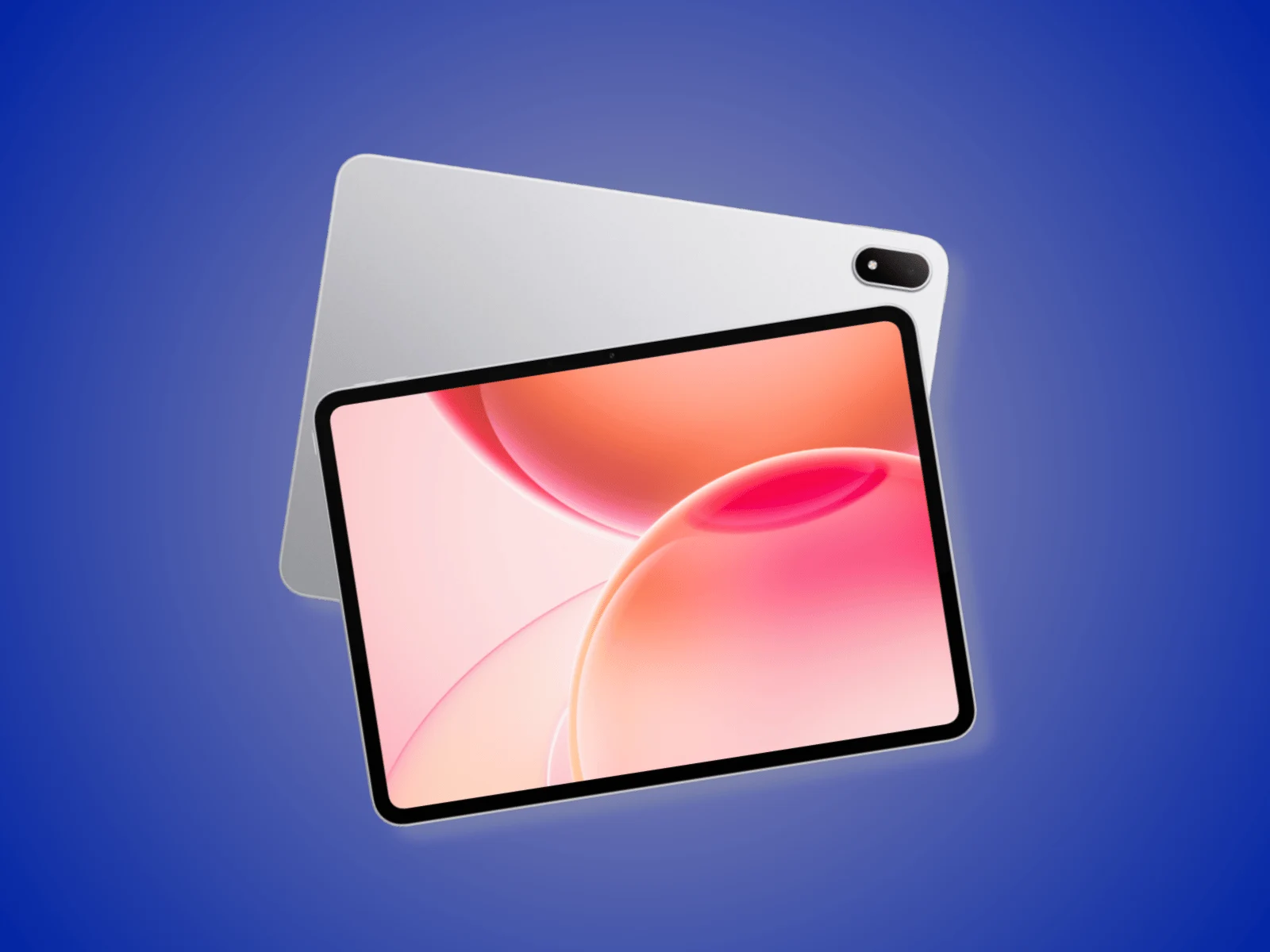
    – Design aligns with Pad 5 Pro (pill-shaped rear camera), available in Galaxy Silver, Space Gray, and Starlight Blue.
    – Memory configurations: 8GB/256GB, 12GB/256GB, and 16GB/512GB; launch set for May 25 in China.
    – Launch coincides with Reno 16 series and other Oppo ecosystem devices (Pad Air 5 color option, Enco Air 5s).

    Oppo has rolled out the Pad 5 Pro as its flagship Android tablet, and now the company has confirmed a new tablet: the Oppo Pad 6. It is set to launch in China on May 25 at 18:00 local time, with eager fans watching for details and a first look at what’s inside.

    Display and performance

    The full specifications haven’t been fully revealed yet, yet a teaser image confirms a display resolution of 3,000 x 2,120 pixels. The device will be powered by the Dimensity 9500s chipset, a high-end silicon based on a 3-nanometer process and equipped with the Immortalis-G925 GPU, which brings top-tier gaming and graphics performance. This combination suggests a tablet that’s ready for demanding apps, multitasking, and media workloads, though real-world benchmarks will be the true test. The color accuracy and brightness details remain to be seen, but Oppo is positioning this model as a premium option in its lineup.

    Battery, software, and stylus

    The Oppo Pad 6 is also confirmed to feature a 10,420mAh battery, promising solid endurance for long sessions away from a charger. It will run ColorOS, based on the Android operating system, which means Oppo’s software features and customizations will be front and center. The teaser image confirms stylus support, hinting at productivity and creative use cases, such as note-taking, drawing, and precise tasks that benefit from a pressure-sensitive pen. The software experience will likely include features tailored for the tablet form factor, with multi-window and gesture optimizations that aren’t always present on phones.

    Design and color options

    The tablet shows a design language reminiscent of the flagship Oppo Pad 5 Pro, featuring a pill-shaped rear camera housing that keeps the profile slim and recognizable. According to Oppo’s official landing page, the Pad 6 will be offered in three colorways: Galaxy Silver, Space Gray, and Starlight Blue. This trio provides a mix of premium metallic hues and a lighter tone, appealing to different tastes and ecosystems, while preserving a sleek, modern aesthetic that fits well with other Oppo devices.

    Memory configurations and launch context

    Storage options for the Oppo Pad 6 include three configurations: 8GB/256GB, 12GB/256GB, and 16GB/512GB, giving buyers room to grow without immediate expansion concerns. The Pad 6 will launch alongside the Reno 16 series, Enco Air 5s earbuds, and a new color option for the Pad Air 5, signaling Oppo’s broader product push for mid-2024 and beyond. This launch strategy indicates Oppo’s intent to offer a cohesive ecosystem with complementary devices across categories, encouraging cross-device features and experiences for customers.


    Sources

  • Asus ROG Xbox Ally X Cyberpunk 2077 Edition Unavailable

    Asus ROG Xbox Ally X Cyberpunk 2077 Edition Unavailable

    Key Takeaway

    – Asus partnered with CD Projekt Red and AK Mod to launch a Cyberpunk 2077-themed ROG Xbox Ally X, marking a unique professional case mod for the handheld.
    – The design uses layered spray paints, weathering, custom water decals, sand and salt for organic wear, and a yellow neon finish inspired by the game.
    – A Johnny Silverhand-inspired stand was created for the device, with three stands produced and one to be given away to a Cyberpunk 2077 fan; a Cyberpunk 2077: Ultimate Edition giveaway is planned for May 21 (edition specifics unclear).

    Earlier this year, Asus released the ROG Flow Z13-KJP, which is a limited edition gaming tablet made in collaboration with Kojima Productions. Now, it has unveiled a Cyberpunk 2077 themed-version of the ROG Xbox Ally X handheld.

    Collaboration and Concept

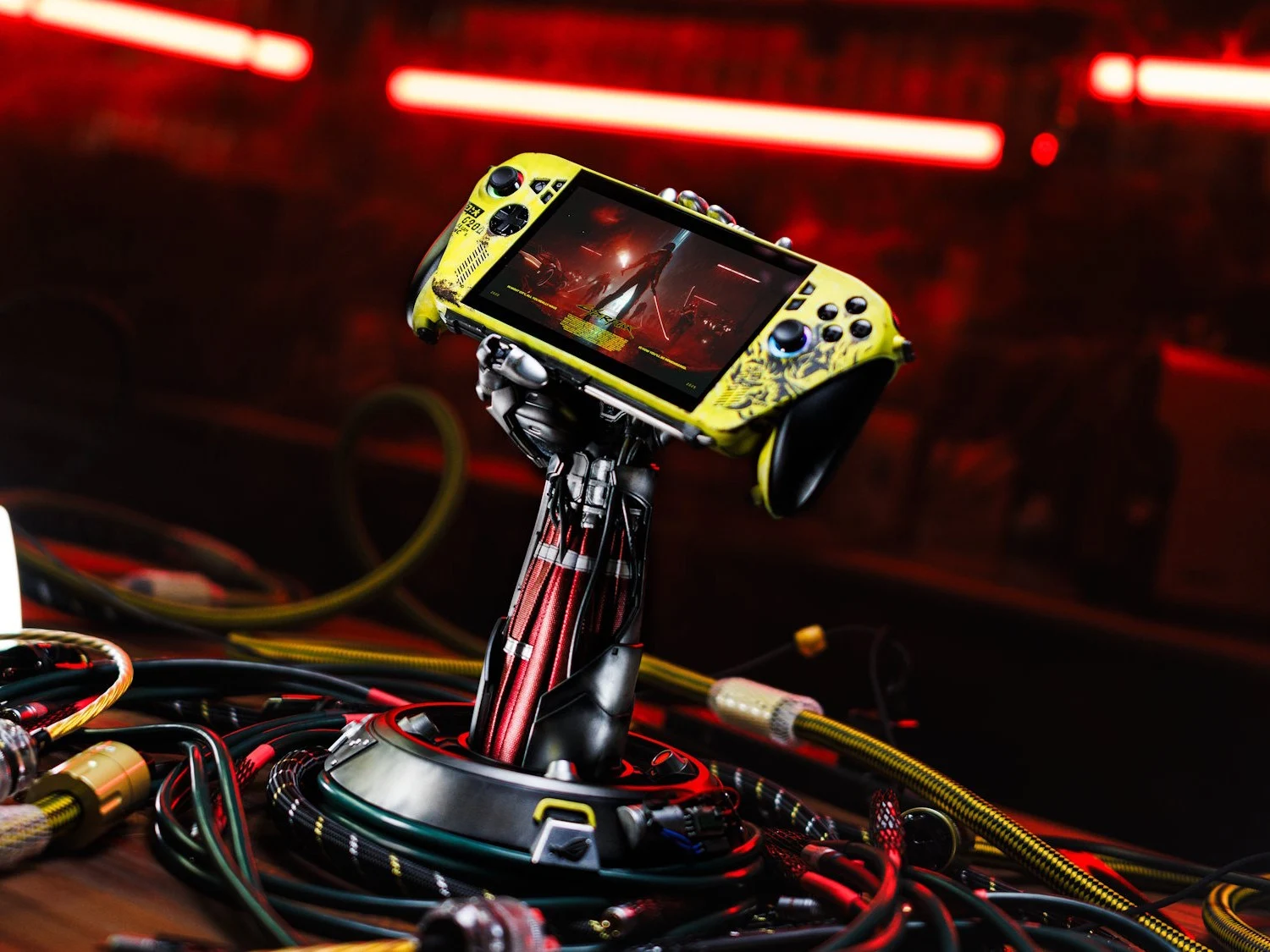
    The Cyberpunk 2077-themed ROG Xbox Ally X was made in collaboration with CD Projekt Red, and the PC builder, AK Mod. It isn’t just a color refresh of the handheld, and according to the press release, it is the world’s first professional case mod for the ROG Xbox Ally X (read our review).

    Mod Techniques and Finish

    The case mod is made with a combination of layered spray paints, specialized weathering techniques, and custom water decals. AK Mod also used sand and salt to produce organic wear, and then completed the design with a yellow neon finish similar to the one used for the theme of the game.

    Accessories and Giveaways

    In addition to the handheld, AK Mod also built a stand for the handheld that is based on Johnny Silverhand’s cybernetic arm. Asus says three of the stands were made, and one will be given away to a Cyberpunk 2077 fan. It has also revealed that it will be giving away a copy of Cyberpunk 2077: Ultimate Edition on May 21, but didn’t say if the special edition ROG Xbox Ally X will be given away.

    Sources
  • Moto Edge 2026 leaks: 73mm telephoto and fabric back

    Moto Edge 2026 leaks: 73mm telephoto and fabric back

    Key Takeaway

    – Edge 2026 adds a third rear camera for triple optical zoom (12 MP ultra-wide and 73 mm telephoto) within a fabric-backed, square camera module design.
    – Similar look to Edge 70, but slightly thicker, with side-mounted volume/power buttons and a dedicated AI button on the left.
    – Specs beyond the camera setup are not yet confirmed, but comparable Edge lineage suggests mid-range positioning and typical Motorola features.

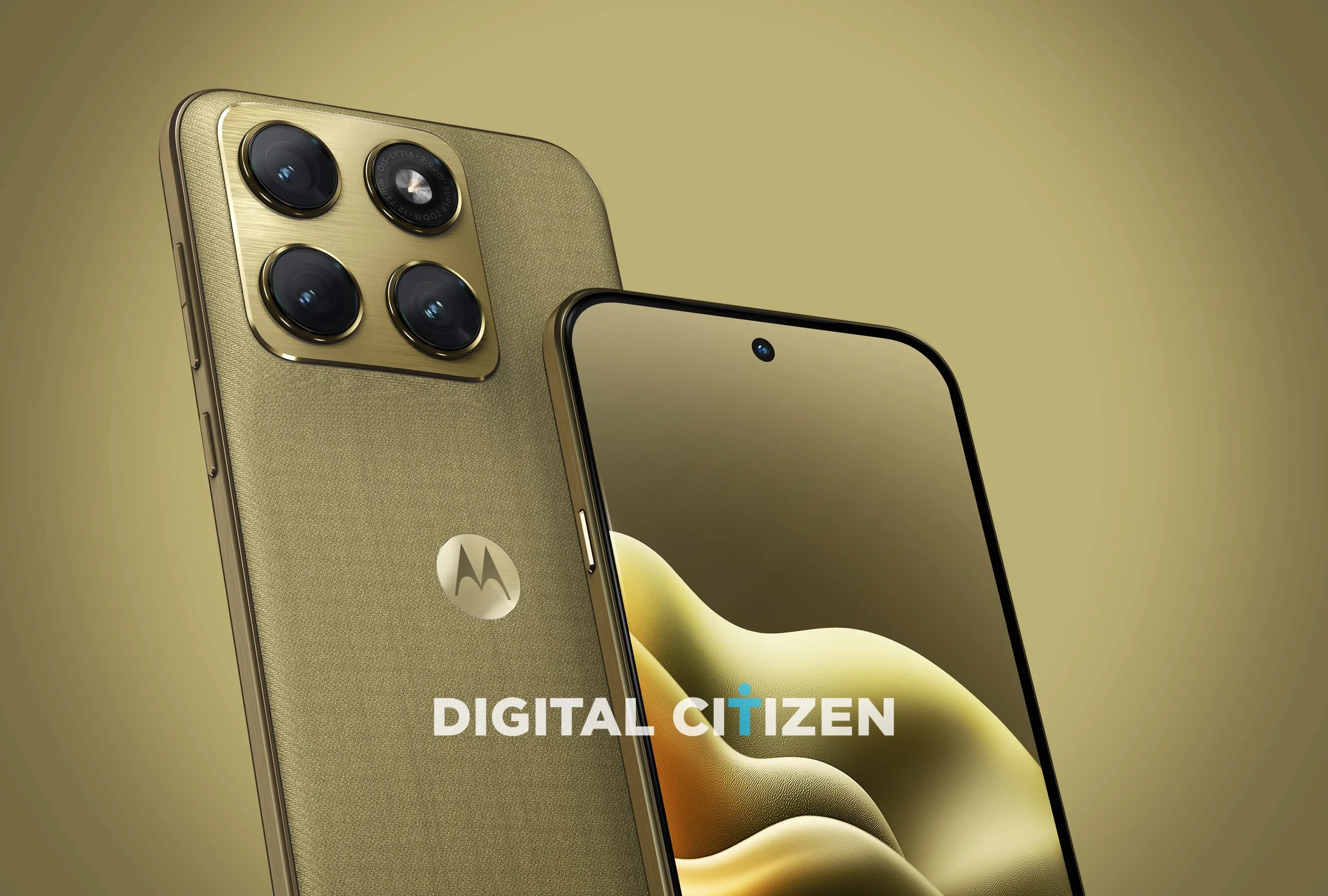
    Motorola is apparently planning a series of new mid-range Edge series smartphones soon. After pictures of the Edge 70 Pro+ have already been leaked, Digital Citizen has published high-resolution product images of the Motorola Edge 2026. The design is very similar to the Motorola Edge 70 ($619 on Amazon), but the Edge 2026 is slightly thicker and equipped with an additional rear camera.

    Design cues and camera layout

    The label on the camera module confirms that the mid-range smartphone has a 12 mm ultra-wide-angle camera and a 73 mm telephoto camera, meaning the Edge 2026 offers triple optical zoom. The design is now typical for Motorola. Like most models in the Edge series, the Edge 2026 has a fabric covered back and a square camera module.

    Hardware placement and front appearance

    The volume buttons and the power button are located on the right-hand side. The button on the left-hand side is likely to be used to quickly access AI features, as is usual for Motorola. The front is relatively unspectacular – the display has the usual narrow bezels and the selfie camera sits in a punch-hole.

    What’s known about specs and features

    So far, hardly any details about the features of the Motorola Edge 2026 are known. For comparison: The Motorola Edge 2025 was equipped with a MediaTek Dimensity 7400 Ultra, with a 6.7 inch, 4,500 nits bright P-OLED display, a 50 megapixel f/1.8 main camera with a 1/1.56 inch sensor, a 50 MP f/2.0 ultra wide-angle camera, a 10 MP telephoto camera with triple zoom and a 50 MP selfie camera.


    Sources

  • Elecrow CrowPanel 1.46″ Round Smart Home Display Launches

    Elecrow CrowPanel 1.46″ Round Smart Home Display Launches

    Key Takeaway

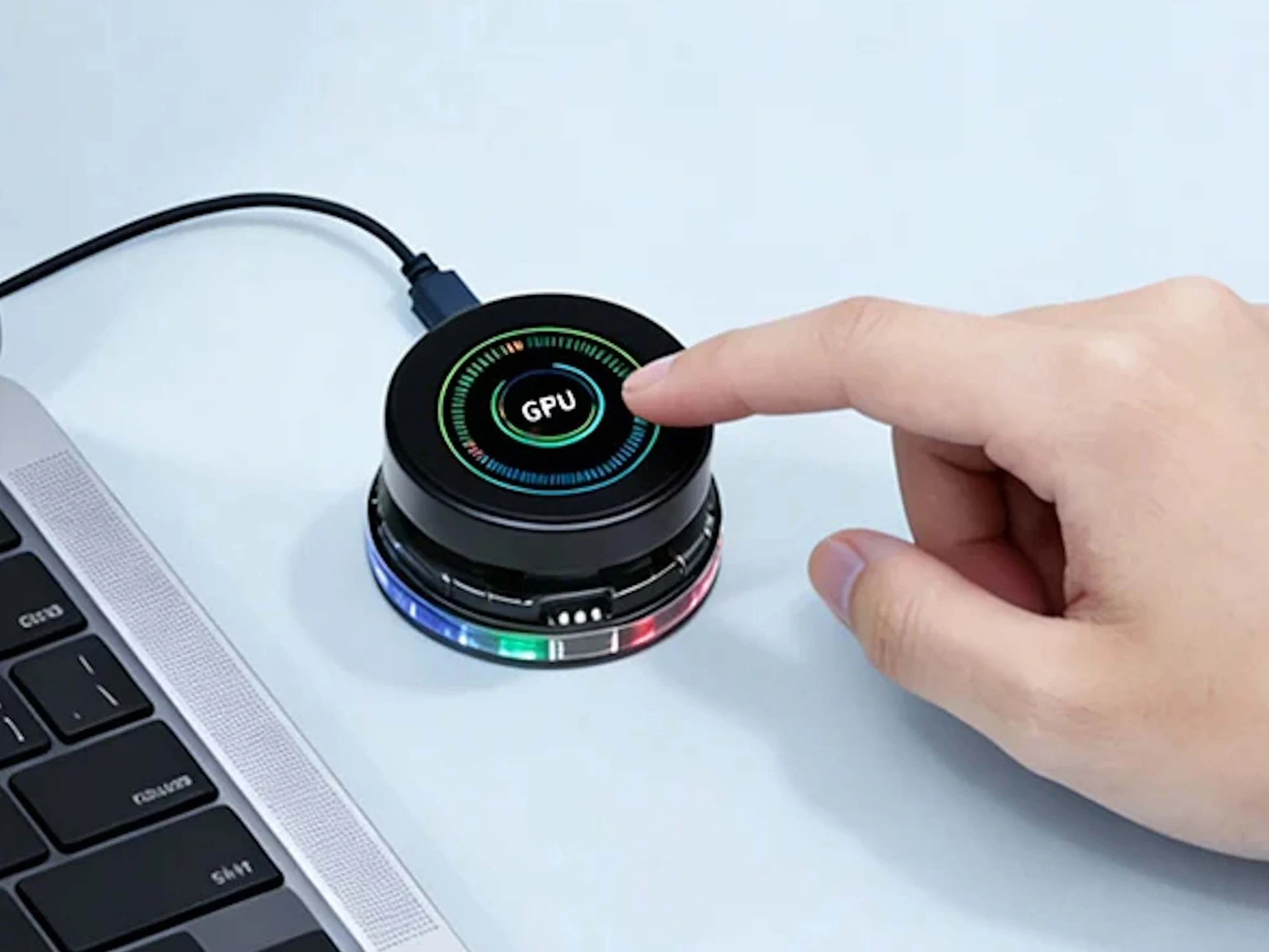
    – Compact 1.46-inch round touchscreen with 360×360 resolution, powered by an ESP32-S3, suitable as a development board and secondary display.
    – USB-driven (no HDMI/DisplayPort); programmable via Arduino IDE and LVGL for custom interfaces.
    – WiFi (2.4 GHz) and Bluetooth 5.0, enabling smart home integrations and wireless control.
    – Connectors for UART/I2C; no built-in sensors, requires external peripherals; needs external power source (no battery).
    – Priced at $30 direct from Elecrow; perspective for tinkering projects and potential smart-screen use.

    The manufacturer Elecrow may be familiar to attentive readers. The company tends to offer products by and for makers rather than for traditional consumers. The new CrowPanel is not really an exception. With the compact, round display, the manufacturer is likely also targeting customers who have at least some interest in tinkering and building their own projects. The display has a 1.46-inch diagonal and a resolution of 360 x 360 pixels, so it should offer decent sharpness.

    Design and Interfacing

    This is a touchscreen, but the device itself can also be rotated, making it possible to quickly switch between different views, among other things. The display can be used for a wide range of projects. It can be used as a secondary screen for a PC or laptop, for example. However, the system is not controlled via HDMI or DisplayPort, but via USB. Accordingly, it has to be programmed to a greater or lesser extent. This is possible via the Arduino IDE, for example, while custom interfaces can reportedly be used with LVGL. The display has its own processor, specifically an ESP32-S3 chip.

    Embedded Capabilities

    This also makes the CrowPanel a development board with its own display. The ESP32-S3 supports 2.4GHz WiFi and Bluetooth 5.0 (BLE), allowing the display to be integrated into a smart home setup. The CrowPanel could therefore also be used as a compact smart screen or switch. Such a compact system could be useful for controlling an air conditioner or other devices, for example. There is no battery, so at least one cable is required for power.

    Connectivity and Applications

    The smart home display also has UART and I2C, which means additional sensors and actuators can generally be connected. The board does not include its own sensors, such as sensors for measuring humidity or temperature. The CrowPanel is currently available directly from the manufacturer for $30. Potential buyers should check the shipping conditions and may also want to look at sample projects.


    Sources

  • Garmin Cirqa: Is It Worth the Price and Value?

    Garmin Cirqa: Is It Worth the Price and Value?

    Key Takeaway

    – Wearables without screens but with optical sensors are emerging, including offerings from Zepp Health and Fitbit, with Garmin entering the space later.
    – The Garmin Cirqa is likely not a smartwatch replacement limited to workouts; it may resemble an advanced sleep tracker like an upgraded Index Sleep Monitor, focused on passive data collection.
    – Indications about Cirqa’s price and capabilities are uncertain or unreliable, with rumors suggesting a high cost and potential gray-market listings.

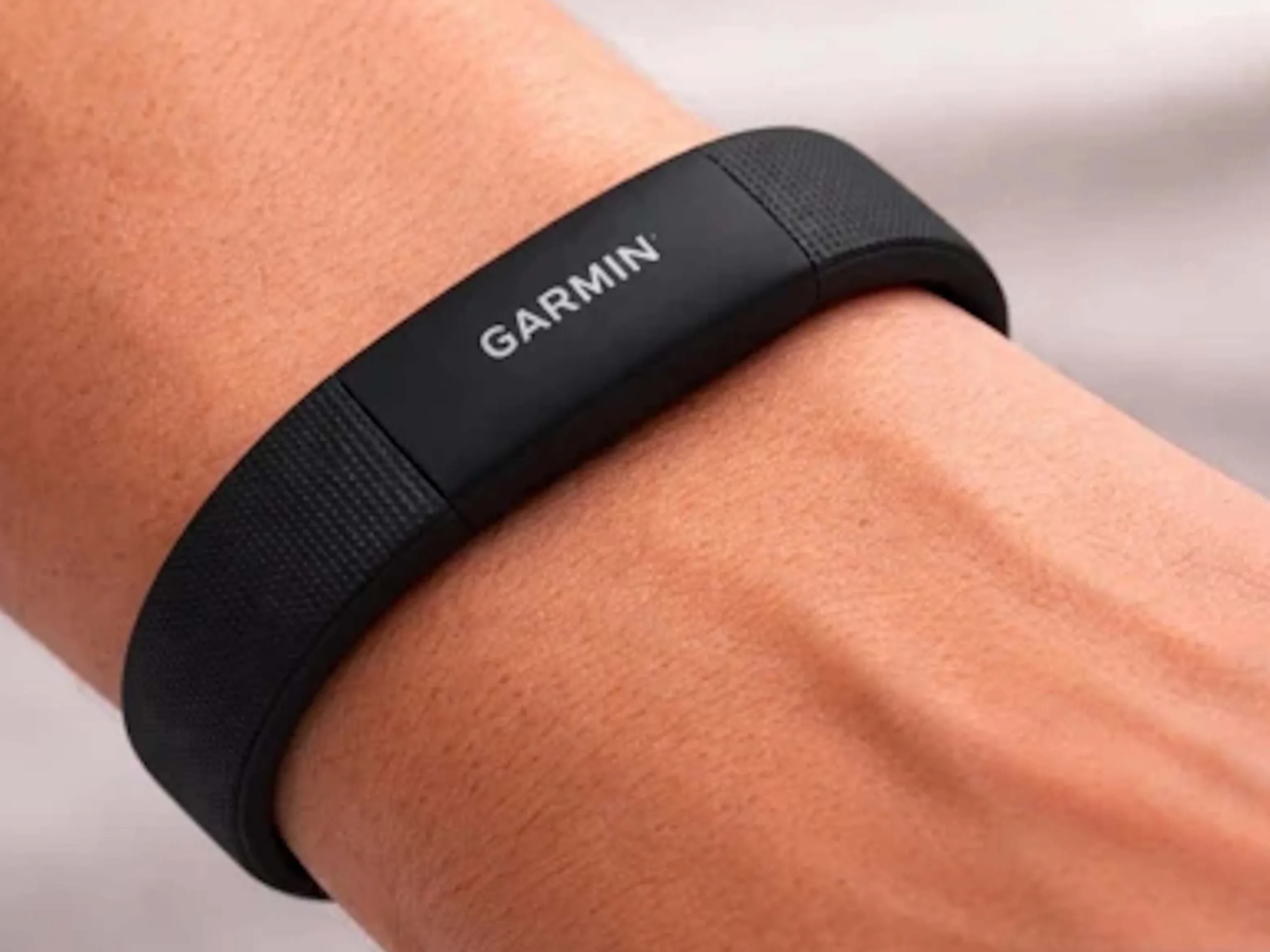
    Wearables without a screen but with optical sensors are now available from various manufacturers, including Zepp Health with the Helio Strap and, more recently, Fitbit with the Fitbit Air. That means Garmin is entering the market for this type of wearable relatively late, at least at first glance or under a narrow definition of the device category. In reality, Garmin already offers a smart wristband without a display in the form of the Index Sleep Monitor, though that device is specifically intended for advanced sleep tracking rather than tracking workouts.

    Pricing and speculation

    The features the Garmin Cirqa could or could not offer cannot necessarily be inferred from the leaked price. According to consistent but, of course, not necessarily verifiable statements from Ukrainian users, the leaked price of around $500 is not particularly reliable. The retailer apparently also sells gray-market goods, and products sold in Ukraine are more expensive. It is also unclear whether this is simply some kind of placeholder listing. In fact, even by Garmin standards, the tracker would be exorbitantly expensive.

    Assessment of use and design

    In our view, the Garmin Cirqa is unlikely to be an accessory for a smartwatch and is more likely to be a replacement for one. Since this screenless tracker is worn just like a smartwatch, its positioning does not offer any advantages when recording workout data. Such benefits would be more conceivable if the device were worn on the legs, for example to record running efficiency metrics at a higher quality. We strongly assume that it is essentially an everyday version of the Garmin Index Sleep Monitor, meaning a device with optical sensors as well as a motion sensor. This would allow workouts to be recorded without using a display. That could make sense if a smartwatch is banned in a particular sport or if a larger wearable gets in the way. This can be the case with kettlebell training, for example, since a display may not necessarily survive contact with a kettlebell without damage.


    Sources
  • Anker Announces New Special Edition Power Bank and Charger

    Anker Announces New Special Edition Power Bank and Charger

    Key Takeaway

    – Limited to 500 power banks and 200 chargers total, with 250 units each design for the power banks and 100 units per design for the chargers.
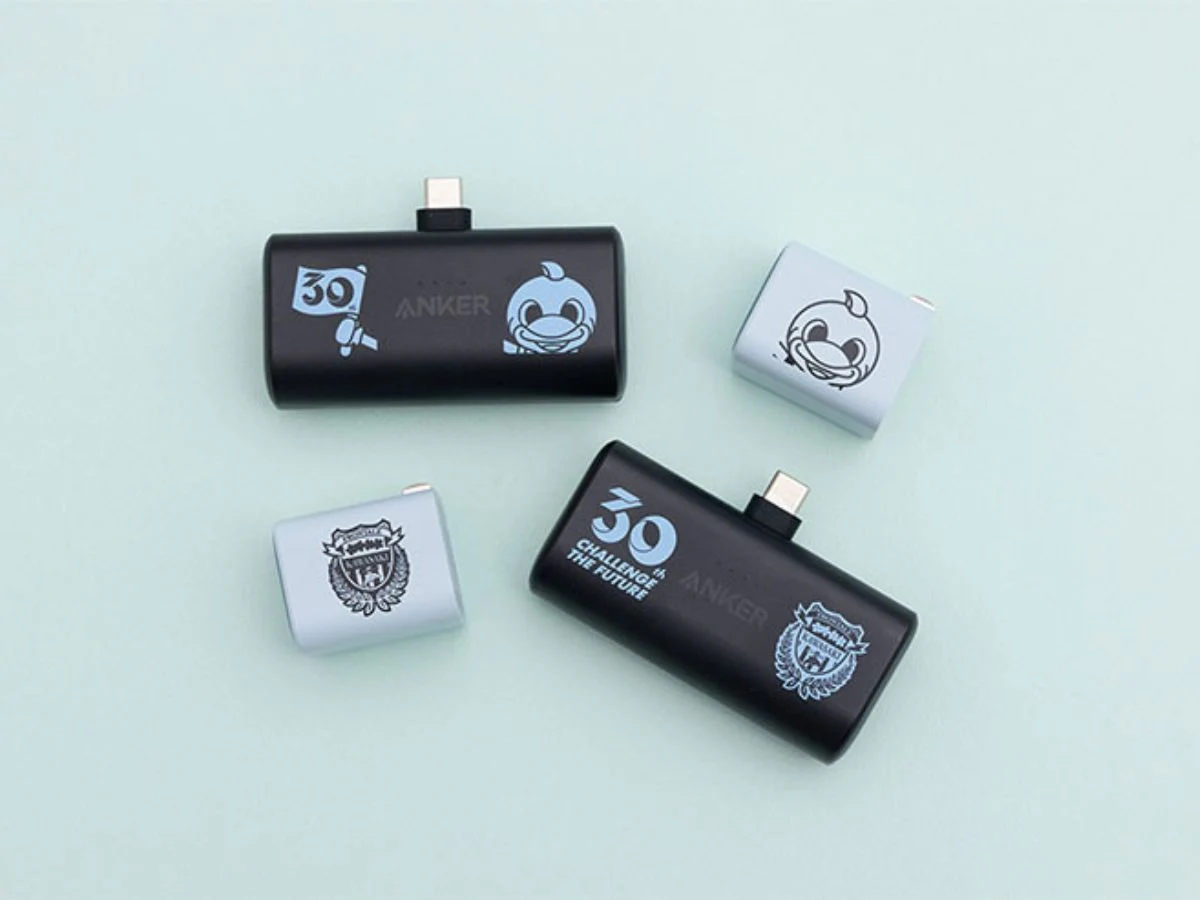
    – The two product lines feature Kawasaki Frontale branding: one with the club badge and one with the mascot/dolphin artwork, in a light blue/black color scheme.
    – Exclusively available at the Anker Store Bic Camera Lazona Kawasaki in Tokyo, Japan.

    Limited edition Anker x Kawasaki Frontale gear in Japan

    The Japan market saw limited edition versions of two Anker charging accessories, crafted to mark the 30th anniversary of the Tokyo-based Japanese football club Kawasaki Frontale. The collaboration blends sporty design with practical power options, appealing to fans who want a portable energy solution with a club flavor. The release underscores how corporate partnerships can intersect with sport culture, creating collectible tech that doubles as fan memorabilia.

    Two variants of the Anker Nano Power Bank

    There are two versions of the Anker Nano Power Bank (22.5W, Built-In USB-C Connector) offered in black casings with light blue accents. One variant carries the Kawasaki Frontale club badge, while the other showcases an image of the club’s mascot. Each version is limited to 250 units, totaling 500 pieces, and the product price is ¥3,990, roughly $25. The pricing and specification details remain part of the official package, and customers can expect the same core power specs across both editions.

    Dual editions of the Anker 511 Charger (Nano Pro)

    In addition, two versions of the Anker 511 Charger (Nano Pro), known in Japan as the Anker 511 Charger (Nano 3, 30W), feature a light blue case with black illustrations. Similar to the power bank, one model bears the club’s badge and the other a dolphin mascot. Each 511 Charger is priced at ¥3,490, about $22, and runs are limited to 100 units per variant, ensuring rarity for collectors and fans alike.

    Availability and where to buy

    Both the Anker x Kawasaki Frontale 30th Anniversary power bank and charger are exclusively available at the Anker Store Bic Camera Lazona Kawasaki in Tokyo, Japan. This limited distribution emphasizes exclusivity and local fandom engagement, making the items more desirable for supporters visiting the area or collectors seeking Japan-only editions.

    Sources
  • Subnautica 2 Dev Responds to Pirates Bragging on Discord

    Subnautica 2 Dev Responds to Pirates Bragging on Discord

    Key Takeaway

    – Developers acknowledge piracy but prefer consumers buy the game, try it briefly, and use refunds if dissatisfied.
    – Public stance emphasizes frustration with pirates who flaunt illegal access in official spaces.
    – The situation highlights ongoing development challenges and industry tensions, including legal disputes and community reactions.

    Subnautica 2’s developers, including the creative development lead for the early-access underwater survival-exploration title, know that many gamers will pirate the game. Still, they hope many users will instead buy the game, play it for an hour, and, if they don’t like it, simply refund Subnautica 2. In a world where digital goods go fast, they argue that a try-and-refund approach could still help build interest without forcing bad behavior, even if the reality isn’t that simple for everyone.

    Context around release and reactions

    For context, some players pirated Subnautica 2 just before its early-access release on May 14, 2026. This wasn’t a problem for Gallegos, but what really got under his skin was the fact that some pirates were bragging about it in Subnautica 2’s official Discord server. He isn’t losing sleep over it, but it bothered him enough to make a statement. The moment highlighted how communities react to leaks and how developers feel when their work is shared before official channels sign off on it, mixing pride with frustration in equal measure.

    Public response and viral moment

    When Subnautica 2 launched in early access on May 14, Gallegos shared a straightforward message (in Subnautica 2’s official Discord server) with gamers and pirates alike, which went viral on the r/subnautica subreddit. He said he gets it. He understands why piracy happens, especially when money is tight in this economy. However, flaunting it when others paid for the game and were waiting for release was crossing the line. It felt childish. The post became a talking point about ethics and empathy in fan communities, stirring mixed reactions about empathy versus enforcement in digital spaces, and underscoring the tension between fan enthusiasm and the realities of monetized development.

    Key quotes and stance

    Anthony Gallegos wrote:

    Just to be clear, pirates are gonna do their thing. We were all kids once. Money and the economy are very hard right now. I get it. It wasn’t the piracy that bothered me; it was the people who flagrantly walked in here and wagged it in the faces of people who were waiting to play it legitimately. That was the part that aggravated me.

    Continued message and intent

    Gallegos continued, “I cannot condone piracy, but I get why people do it. I would much rather people buy the game, try it for an hour, and return it than go play it illegally.” The sentiment focused on a preference for legitimate purchases while acknowledging the harsh realities for some players who feel price pressures or distrust toward launch models, a common theme in indie and larger studio dynamics alike, prompting discussions about demos, trials, and refund policies as softer approaches to combating piracy.

    Aftermath and broader implications

    Gallegos also noted that one gamer who pirated Subnautica 2 before its early-access launch was asking for help with the incomplete leaked build. He remarked, “You gotta be a true idiot to come into an official Discord server and ask for help. Thanks for pirating a game that I’ve spent years working on. I’m disappointed that you’d do that when it’s kind of how we make our living. I hope you rethink your life choices.” The stark language reflected a mix of frustration and protective sentiment toward the team’s labor, illustrating how tensions can flare in public forums when leaks collide with ongoing development and support commitments.

    Development hell and legal turbulence

    While Gallegos’ message might be a little emotional toward the end, it’s true that the game went through development hell due to an incredibly chaotic corporate war, with back-and-forth lawsuits between Unknown Worlds and publisher Krafton. The episode underscored how licensing disputes, publisher-studio dynamics, and legal entanglements can ripple into fan communities and influence how projects are perceived, discussed, and funded during early access, shaping expectations for future titles in similar spaces.

    Sources
  • New Dreame Robot Vacuum with Steam Mop on the Way

    New Dreame Robot Vacuum with Steam Mop on the Way

    Key Takeaway

    – Introduction of steam mopping up to 160°C (320°F) with heated roller mop and up to 18N stain-removing pressure.
    – Ability to wash floors with 75°C (167°F) hot water and a self-cleaning, 100°C mop washing feature at the docking station.
    – Flagship model status (Aqua20 Ultra Roller) with anticipated upgrades over Aqua10 Ultra Roller, release date and price TBD.

    Dreame has announced the Aqua20 Ultra Roller Robot Vacuum and Mop. Unveiled at the Dreame Next 2026 event, this model is a follow-up to the Aqua10 Ultra Roller (curr. $1,049.98 at Amazon), launched in 2025.

    Upgrade highlights and claims

    As reported by the IoT M2M Council, the main upgrade of the new Dreame Aqua20 Ultra Roller is the introduction of steam. According to the company, the new Aqua20 Pro Ultra Roller will be the first robot vacuum to offer 160°C (~320°F) steam mopping. It will also be able to wash your floors with 75°C (~167°F) hot water, and the roller mop itself is said to be heated. As well as the high temperature, the roller mop can apply up to 18N pressure to remove stains from the floor.

    Docking station and cleaning features

    Dreame’s Aqua20 Ultra Roller will come with an intelligent docking station with a range of self-cleaning features. One of these is the 100°C (~212°F) washing of the mop. Further details about this upcoming flagship robot vacuum and mop, such as its suction power, height and runtime, have yet to be announced. It is unclear when the Dreame Aqua20 Ultra Roller Robot Vacuum and Mop will be released, and at what price.


    Sources
  • Google Home Speaker & Display: Will I/O Bring Certainty?

    Google Home Speaker & Display: Will I/O Bring Certainty?

    Key Takeaway

    – Delayed launch: Google Home Speaker announced Sept 2025 but not expected to go on sale until Spring 2026, causing extended silence and anticipation.
    – New window for ecosystem: Evidence of a Google Home Display in development, possibly a wall-mountable successor to Nest Hubs, hinting at a broader smart home refresh.
    – AI-driven shift: Google appears to be aligning products around Gemini Live for more natural conversations, signaling a move beyond traditional Google Assistant.
    – market alternatives: Comparable devices exist from competitors (e.g., Amazon Echo lineup) with similar form factors and earlier availability.

    Not even on the market yet and already facing criticism: this applies to quite a lot of products. With the Google Home Speaker, however, the frustration is not entirely incomprehensible. As early as August 2025, another outlet reported on initial leaks regarding Google’s new smart home products, followed by the official presentation by Google in September. What no one probably expected at the time: the Home Speaker wasn’t slated to go on sale until “Spring 2026.” Now, spring is drawing to a close, and with it, a long period of silence from Google regarding the new devices.

    Ambitions and murmurs in the code

    A few days ago, things finally started moving again in Google’s smart home segment when another product appeared alongside the smart speaker in the code of the Google Home app. The “Google Home Display” could be a successor to the recently somewhat neglected Nest Hubs. Furthermore, there is speculation on Reddit that, unlike previous models, the device could also be wall-mountable – at the very least, Google has deviated from the traditional “Hub” naming convention.

    Awaited announcements and AI directions

    Even though hardware traditionally plays a rather minor role at Google I/O (May 19–20), the timing of these developments strongly suggests at least a brief announcement. In all likelihood, everything there will revolve around artificial intelligence and Gemini, as the company is currently aligning all its product lines in this direction. The new smart speakers are also expected to be built on Gemini Live, which should enable significantly more natural conversations and more comprehensive assistance than the traditional Google Assistant. But who knows, maybe they will make us wait a few more months here as well, just to be on the safe side.

    Official video and alternatives

    Embedded below, you will find the official product presentation video for the Google Home Speaker, published back on September 25, 2025. If you don’t want to rely on Google keeping its promise of a Spring 2026 launch, you can alternatively opt for devices from other major smart home lines, for example. Not only has the AI-based assistants been available for quite some time now, but similar devices are strikingly similar in appearance to Google’s Home Speaker. It is available from major retailers, starting at around $50.


    Sources