Tag: piracy

  • Subnautica 2 Dev Responds to Pirates Bragging on Discord

    Subnautica 2 Dev Responds to Pirates Bragging on Discord

    Key Takeaway

    – Developers acknowledge piracy but prefer consumers buy the game, try it briefly, and use refunds if dissatisfied.
    – Public stance emphasizes frustration with pirates who flaunt illegal access in official spaces.
    – The situation highlights ongoing development challenges and industry tensions, including legal disputes and community reactions.

    Subnautica 2’s developers, including the creative development lead for the early-access underwater survival-exploration title, know that many gamers will pirate the game. Still, they hope many users will instead buy the game, play it for an hour, and, if they don’t like it, simply refund Subnautica 2. In a world where digital goods go fast, they argue that a try-and-refund approach could still help build interest without forcing bad behavior, even if the reality isn’t that simple for everyone.

    Context around release and reactions

    For context, some players pirated Subnautica 2 just before its early-access release on May 14, 2026. This wasn’t a problem for Gallegos, but what really got under his skin was the fact that some pirates were bragging about it in Subnautica 2’s official Discord server. He isn’t losing sleep over it, but it bothered him enough to make a statement. The moment highlighted how communities react to leaks and how developers feel when their work is shared before official channels sign off on it, mixing pride with frustration in equal measure.

    Public response and viral moment

    When Subnautica 2 launched in early access on May 14, Gallegos shared a straightforward message (in Subnautica 2’s official Discord server) with gamers and pirates alike, which went viral on the r/subnautica subreddit. He said he gets it. He understands why piracy happens, especially when money is tight in this economy. However, flaunting it when others paid for the game and were waiting for release was crossing the line. It felt childish. The post became a talking point about ethics and empathy in fan communities, stirring mixed reactions about empathy versus enforcement in digital spaces, and underscoring the tension between fan enthusiasm and the realities of monetized development.

    Key quotes and stance

    Anthony Gallegos wrote:

    Just to be clear, pirates are gonna do their thing. We were all kids once. Money and the economy are very hard right now. I get it. It wasn’t the piracy that bothered me; it was the people who flagrantly walked in here and wagged it in the faces of people who were waiting to play it legitimately. That was the part that aggravated me.

    Continued message and intent

    Gallegos continued, “I cannot condone piracy, but I get why people do it. I would much rather people buy the game, try it for an hour, and return it than go play it illegally.” The sentiment focused on a preference for legitimate purchases while acknowledging the harsh realities for some players who feel price pressures or distrust toward launch models, a common theme in indie and larger studio dynamics alike, prompting discussions about demos, trials, and refund policies as softer approaches to combating piracy.

    Aftermath and broader implications

    Gallegos also noted that one gamer who pirated Subnautica 2 before its early-access launch was asking for help with the incomplete leaked build. He remarked, “You gotta be a true idiot to come into an official Discord server and ask for help. Thanks for pirating a game that I’ve spent years working on. I’m disappointed that you’d do that when it’s kind of how we make our living. I hope you rethink your life choices.” The stark language reflected a mix of frustration and protective sentiment toward the team’s labor, illustrating how tensions can flare in public forums when leaks collide with ongoing development and support commitments.

    Development hell and legal turbulence

    While Gallegos’ message might be a little emotional toward the end, it’s true that the game went through development hell due to an incredibly chaotic corporate war, with back-and-forth lawsuits between Unknown Worlds and publisher Krafton. The episode underscored how licensing disputes, publisher-studio dynamics, and legal entanglements can ripple into fan communities and influence how projects are perceived, discussed, and funded during early access, shaping expectations for future titles in similar spaces.
    Sources
  • Subnautica 2 Leak on Steam Before Early Access Release

    Subnautica 2 Leak on Steam Before Early Access Release

    Key Takeaway

    1. The industry is struggling to prevent leaks, with high-profile game leaks such as Forza Horizon 6 and Subnautica 2 surfacing early.
    2. Leaks are potentially linked to individuals involved in game evaluation or journalism, not just internal or hacking sources.
    3. Despite delays and studio disputes, Subnautica 2 is set for release with new features like co-op multiplayer and DNA evolution, launching on Xbox Game Pass but not yet on PS5.

    Recent Piracy Incidents Highlight Ongoing Security Challenges

    The gaming planet has been constantly facing the problem of piracy, with several major leakings of hotly awaited titles. Most notably, the leak of Forza Horizon 6 happened just 9 days before it is supposed to be officially released. This has caused alot of police and speculation about how such downloadings happen so early. Some people thought it was an mishap from the developers, but later it was supected that an outsider had access to the pre-load data. The mystery deepens as the source of these leaks remains unknown, yet theories, including a journalist review site, are being discussed widely.

    Leaks and Their Possible Sources

    There’s a growing concern among gamers about how sensitive game data is leaked before official release. For example, SteamDB, a website that tracks marketplace activity, hinted that a reviewer might be responsible for the Subnautica 2 leak. The hypothesis is that someone evaluating the game for review purposes might have shared early content. Similar incidents have affected other titles like Microsoft’s racing game and Directive 8020 just recently appeared earlier than expected, raising questions about security lapses and the roles played by insiders or external hackers.

    Background and Development Troubles

    In the lead up to the launch of Subnautica 2, company issues have been quite turbulent. In 2025, Krafton fired several main members of Unknown Worlds’ development staff. The studio took legal steps, filing a case claiming the firing was wrongful and aimed at avoiding compensation payouts. Even with these issues, the game is finally set for release in 2026, but not without some controversy delaying its early access. The new features like co-op multiplayer and DNA evolution are expected to enhance gameplay, giving it more depth and resilience against dangers underwater.

    Platform Availability and Future Concerns

    Just like Forza Horizon 6, Subnautica 2 will be available on Xbox Game Pass for PC and Xbox consoles. Fans playing on PlayStation 5 will need to wait for a port in the future. Though piracy might prevent some planned releases, it’s unlikely they will affect the overall schedule. Reviewers and insiders could be the prime suspects in these leaks, but the full impact of such piracy is yet to be seen. The ongoing challenges highlight the need for stronger security measures in game development and distribution.

    Sources
  • Nintendo $2M Settlement with Mig Switch Seller for Piracy Aid

    Nintendo $2M Settlement with Mig Switch Seller for Piracy Aid

    Key Takeaways

    1. Nintendo reached a settlement with Ryan Daly, who sold the Mig Switch and other modded products, resulting in a $2 million penalty and a permanent ban on distribution.
    2. The Mig Flash Dumper allowed users to create illegal copies of Nintendo Switch games, infringing on the Digital Millennium Copyright Act.
    3. Nintendo intensified its legal actions against piracy, especially after firmware updates enabled the Mig Switch to work with the Switch 2.
    4. The modding community persists, with ongoing illegal sales of modded consoles and tools despite Nintendo’s legal victories.
    5. Future hacker efforts will focus on bypassing security measures for Switch 2 games, even as Nintendo enhances protections against piracy.


    Nintendo has achieved another win in its battle against piracy by coming to an agreement in its lawsuit with Ryan Daly. The company had accused him of selling the Mig Switch along with other products through the Modded Hardware online store.

    Legal Decisions and Financial Penalties

    Customers could utilize the tools from Modded Hardware to replicate and play pirated games on their Switch consoles. After going through the legal process in a U.S. federal court, Game Rant has reported that Daly is obligated to pay Nintendo a hefty sum of $2 million. Additionally, he is permanently prohibited from distributing similar items.

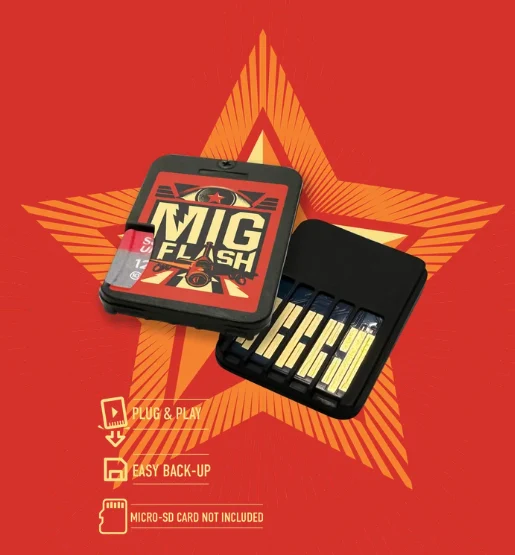
    The Mig Flash Dumper allows users to create illegal copies of Nintendo Switch games from their cartridges. At the same time, the Mig Flash works with a microSD card and is compatible with the Game Card slot of the console. Besides the Mig devices, Nintendo also accused Daly of selling pirated games and modified consoles to buyers. The settlement confirms that he infringed upon the Digital Millennium Copyright Act and committed copyright violations.

    Aggressive Measures Against Piracy

    Given its popularity and user-friendliness, the Mig Switch has become a significant target for Nintendo’s legal actions. After new firmware updates enabled it to function on the Switch 2, the company intensified its efforts. Reports indicate that some gamers using these modified cartridges have faced bans from online services.

    Nintendo has also stepped up its efforts to prevent the sharing and downloading of Nintendo Switch ROMs. In July, the FBI took control of the NSw2u website, which was a well-known source for these files. Gamers could download ROMs for Switch games and run them on the Mig Flash.

    Ongoing Challenges in the Modding Community

    PC gamers are still able to play pirated versions of titles like The Legend of Zelda: Tears of the Kingdom using the Yuzu emulator. Nintendo’s legal action against Tropic Haze resulted in a settlement of $2.4 million, along with a permanent ban on future development of that program.

    Despite Nintendo’s success against Modded Hardware and Yuzu, the modding community remains lively. Other illegal shops continue to offer modded consoles and Mig Switch devices. Meanwhile, emulators and ROMs can still be found on many websites.

    The next goal for hackers is to break into Switch 2 games, even though Nintendo has made its latest handheld more resistant to piracy. Modders are certainly looking for ways to bypass these enhanced security measures.

    Source:
    Link


  • Nintendo Bans Users of MIG Switch Flash Cart on Switch 2

    Nintendo Bans Users of MIG Switch Flash Cart on Switch 2

    Key Takeaways

    1. Nintendo is banning consoles permanently from online services for using the MIG Switch flash cart.
    2. The MIG Switch allows players to load backups of games but has been misused for piracy.
    3. Affected players receive error code 2124-4508 when attempting to access online features.
    4. Consoles can still function offline after being banned from online services.
    5. Nintendo has a history of combating piracy, including shutting down the Yuzu emulator in March 2024.


    Nintendo is showing no mercy when it comes to fighting against piracy.

    Some players of the Nintendo Switch 2 are finding that their consoles have been permanently banned from accessing Nintendo’s online services after using a MIG Switch flash cart. This means they can no longer participate in online multiplayer, use the Nintendo eShop, or enjoy other online features like cloud saving.

    What is the MIG Switch?

    The MIG Switch is a flash cart designed for the original Nintendo Switch, which was released in early 2024. This device enables users to load backups of their Nintendo Switch games and play them on their console.

    Many people have turned to the MIG Switch as a simpler way to enjoy games they already own. They can store multiple games on one MIG Switch cart and keep it in their console, eliminating the hassle of swapping physical game cartridges. However, some users have allegedly used the MIG Switch to engage in piracy by illegally downloading games they do not own.

    Error Codes and Console Restrictions

    Players of the Switch 2 on platforms like Reddit and X have reported seeing an error code 2124-4508 when they try to start their consoles, indicating that their devices are barred from online services. For now, it seems that these consoles can still function offline without any issues.

    Nintendo has been engaged in a constant struggle against piracy related to the Switch for several years. One notable event occurred in March 2024 when Nintendo successfully sued and shut down the Switch emulator known as Yuzu. This action led to the closure or disappearance of many other Switch emulators, although new projects have emerged since then.

    Source:
    Link

  • US Distributor Sells Mig Flash Backup Tool for Unreleased Switch 2

    US Distributor Sells Mig Flash Backup Tool for Unreleased Switch 2

    Key Takeaways

    1. The Mig Flash was initially perceived as a prank, primarily appearing in YouTube videos, but is now being shipped and allows users to back up and pirate Nintendo Switch games.

    2. It serves a dual purpose: enabling users to back up and play their own games while also facilitating piracy, though some believe mod chips are more effective for illegal use.

    3. The product is shrouded in suspicion, with frequently changing official URLs and a lack of reliable information on its compatibility with future Nintendo consoles.

    4. Nintendo actively monitors and blacklists modified consoles, and recent changes to their EULA suggest that modified Switch 2 units may be bricked, especially in regions with weak consumer protection.

    5. Nintendo’s strong anti-piracy stance indicates that even if the Mig Flash supports the Switch 2, it will likely face significant repercussions from the company.


    The Mig Flash was initially thought to be a prank, showing up mainly in YouTube videos rather than being accessible to the general public. Nevertheless, despite some customers reporting delivery times of up to two months, it seems that the product is indeed being shipped and allows users to back up and pirate Nintendo Switch games (available on Amazon).

    A Dual-Purpose Tool

    This device is advertised as a way for users to back up and play their own games on a single cartridge, eliminating the hassle of carrying multiple game cartridges. However, it can also be used for purposes that cross into illegal territory. Some argue that a mod chip is a more effective method for piracy, even though the Mig Flash has its legitimate uses.

    Suspicion Surrounds the Product

    The Mig Flash is wrapped in a cloud of doubt. Its “official” URLs change frequently, possibly due to Nintendo’s efforts to take them down. With various resellers and pages on AliExpress, buying a Mig Flash feels like a gamble at best.

    Recently, one reseller, claiming to be the top US distributor, has stated that the Mig Flash V2 will work with the upcoming Switch 2. Whether migflashunited actually has insider info or is just spreading lies to boost sales is still unclear. A check against AliExpress and what seems to be the official Mig Flash site reveals no similar information, and there’s no clarity on whether this “compatibility” means that it will only work with Switch 1 titles on Switch 2 hardware, if it’s just the size that fits, or if it actually allows piracy of Switch 2 games.

    Nintendo’s Position on Piracy

    Nintendo is known to blacklist consoles from online play if they detect modifications, and with the recent changes to their EULA, there’s a strong possibility that any Switch 2s running such modifications will be bricked. This is particularly true in the US and other regions where consumer protection is weak. Notably, this warning is missing from the European EULA.

    In any case, Nintendo has been very clear about its stance on piracy, emulation, and anything that affects its profit. Even if the Mig Flash does eventually support the Switch 2, the likelihood that Nintendo will allow it to operate without repercussions is very low.

    Source:
    Link

  • Nintendo can brick consoles for unauthorized use per new agreement

    Nintendo can brick consoles for unauthorized use per new agreement

    Key Takeaways

    1. Nintendo’s updated user agreement clarifies that users only have a license to use their Nintendo Account Services, not ownership.
    2. The new terms impose strict restrictions against actions like copying, modifying, or circumventing Nintendo services.
    3. Violating these rules could result in serious consequences, including the possibility of Nintendo bricking the user’s console.
    4. The UK agreement is less detailed but also prohibits unauthorized actions regarding Digital Products, with similar consequences for non-compliance.
    5. Nintendo’s privacy policy has been revised to allow recording of video and voice chats for safety and security purposes.


    Nintendo is stepping up its fight against piracy and emulation, as shown by the recent changes in the user agreement. The new terms clarify that users do not actually own their Nintendo Account Services; they merely obtain a license to use them. This means that interfering with these services could result in serious consequences, including the possibility of Nintendo bricking your console if you use the services in ways that are not allowed.

    Updated Agreement Notification

    The modifications to the US Nintendo Account User Agreement were communicated through an email to account holders, providing a link to the updated policy. These changes are set to take effect in May 2025, which means they should be active by now. One significant update is the explanation that Nintendo services are licensed rather than owned, imposing certain restrictions and guidelines that must be adhered to.

    Licensing Terms

    In the License section, it is stated that according to the EULA (End User License Agreement), users must not publish, copy, modify, reverse engineer, bypass, tamper with, or circumvent any functions or protections of the Nintendo Account Services. There are also additional clauses, and a complete list can be seen in the screenshot below. If users do not follow these rules, Nintendo has the authority to make the account or the console “permanently unusable” or bricked.

    UK Agreement Update

    The update to the UK EULA is not as detailed, specifying, “In particular, without NOE’s written consent, you must neither lease nor rent Digital Products nor sublicense, publish, copy, modify, adapt, translate, reverse engineer, decompile or disassemble any portion of Digital Products other than as expressly permitted by applicable law.” Non-compliance could lead to the Digital product becoming unusable.

    Nintendo has also recently revised its privacy policy concerning the Switch 2 and GameChat. If users agree, Nintendo may record video and voice chats saved on the console. The company claims this is to create a safe and secure environment for certain services.

    Source:
    Link

  • Japanese Court Sentences Modded Switch Seller in Nintendo Victory

    Japanese Court Sentences Modded Switch Seller in Nintendo Victory

    Key Takeaways

    1. A Japanese court sentenced Fumihiro Otobe to two years in prison (suspended for three years) for selling modified Switch consoles used for piracy.
    2. Otobe was fined approximately $3,500 for altering Switch motherboards to run pirated games and selling them with a bundle of 27 games.
    3. In contrast, Canadian hacker Gary Bowser received a 40-month prison sentence for creating devices that bypassed the Switch’s anti-piracy features and still owes Nintendo $14.5 million.
    4. Nintendo actively targets emulator creators, leading to the shutdown of the Yuzu emulator following a lawsuit, despite emulators not being illegal.
    5. With upcoming Switch 2 titles priced at $80 or more, hackers are likely to seek ways to bypass the new console’s protections, prompting Nintendo to continue its anti-piracy efforts globally.


    Nintendo has been actively targeting those who enable the illegal downloading of Switch games. While prison sentences have been rare, on April 14th, a 58-year-old individual was found guilty by a Japanese court for selling modified Switch consoles. This ruling represents the first jail time related to Nintendo piracy in Japan.

    Court Ruling and Penalties

    Fumihiro Otobe, the convicted man, received a two-year prison sentence, but the court suspended it for three years. This means he probably won’t serve any time behind bars, but he does have to pay a fine of about $3,500. Otobe altered standard Switch motherboards to run pirated games and sold these modified parts for around $195, which included a bundle of 27 games.

    Comparisons with Other Cases

    In contrast to Otobe’s case, a Canadian hacker got a much harsher punishment. Gary Bowser was arrested in 2020 and sentenced to 40 months in prison. He was part of the Team Xecuter group, which created devices that bypassed the Switch’s anti-piracy features. Bowser was released after 14 months due to good behavior but still owes Nintendo a staggering $14.5 million.

    Nintendo’s Ongoing Battle Against Piracy

    Nintendo has also been firm in its actions against emulator creators. While the company does not view emulators as illegal per se, it acknowledges that these programs, which replicate the Switch on PCs and other devices, are often misused for piracy. Following a lawsuit against Yuzu, a well-known emulator, its developers shut down all activities.

    Modern games often require internet access, which prevents users with pirated versions from accessing essential features. Nevertheless, upcoming Switch 2 titles like Mario Kart World are expected to retail for $80 or more. As a result, hackers are likely already looking for methods to circumvent the new console’s protections. With the stakes higher, Nintendo is set to continue its fight against piracy both in Japan and globally.

    Source:
    Link


  • Nintendo Files $7.5M Lawsuit Against Streamer for Piracy

    Nintendo Files $7.5M Lawsuit Against Streamer for Piracy

    Nintendo has a strong reputation for being tough on piracy, and now, the company is stepping up its game by suing Jesse Keighin, who is known online as EveryGameGuru. Nintendo claims that he has been continuously streaming pirated and emulated Nintendo Switch games, with some of them being showcased even before they were officially released. As reported by 404 Media, the lawsuit elaborates on how Keighin has disregarded typical cease-and-desist letters and takedown notices, shifting his activities across various platforms, including Discord, YouTube, Twitch, and several smaller streaming sites, many of which have recently been shut down, probably due to copyright issues.

    Mocking Nintendo’s Efforts

    Keighin is said to have made fun of Nintendo’s attempts to stop him by creating new accounts each time one got shut down, even going so far as to send taunting messages to the company. The lawsuit mentions that he once boasted about having “a thousand burner channels” and claimed he could “do this all day.” In addition to streaming, he also guided his viewers to emulators like Ryujinx and Yuzu, which enable players to enjoy Switch games without needing the actual Nintendo hardware. These emulators faced removal from platforms like GitHub after previous takedown requests. It’s clear that Nintendo was not pleased with this situation.

    Impact on Marketing Strategies

    Nintendo pointed out that Keighin’s actions put its marketing strategies at risk. He has reportedly streamed unreleased games on multiple occasions, including Mario & Luigi: Brothership. Nintendo argues that these early leaks decreased excitement and disrupted the launch of their games.

    Despite Keighin having a relatively modest following, Nintendo appears to be quite serious about this issue, aiming for $150,000 for each infringement. With more than 50 alleged incidents over the past two years, the total damages could potentially hit $7.5 million. That’s certainly a significant amount of money.

    404 Media


    Image 1