Author: GizNews

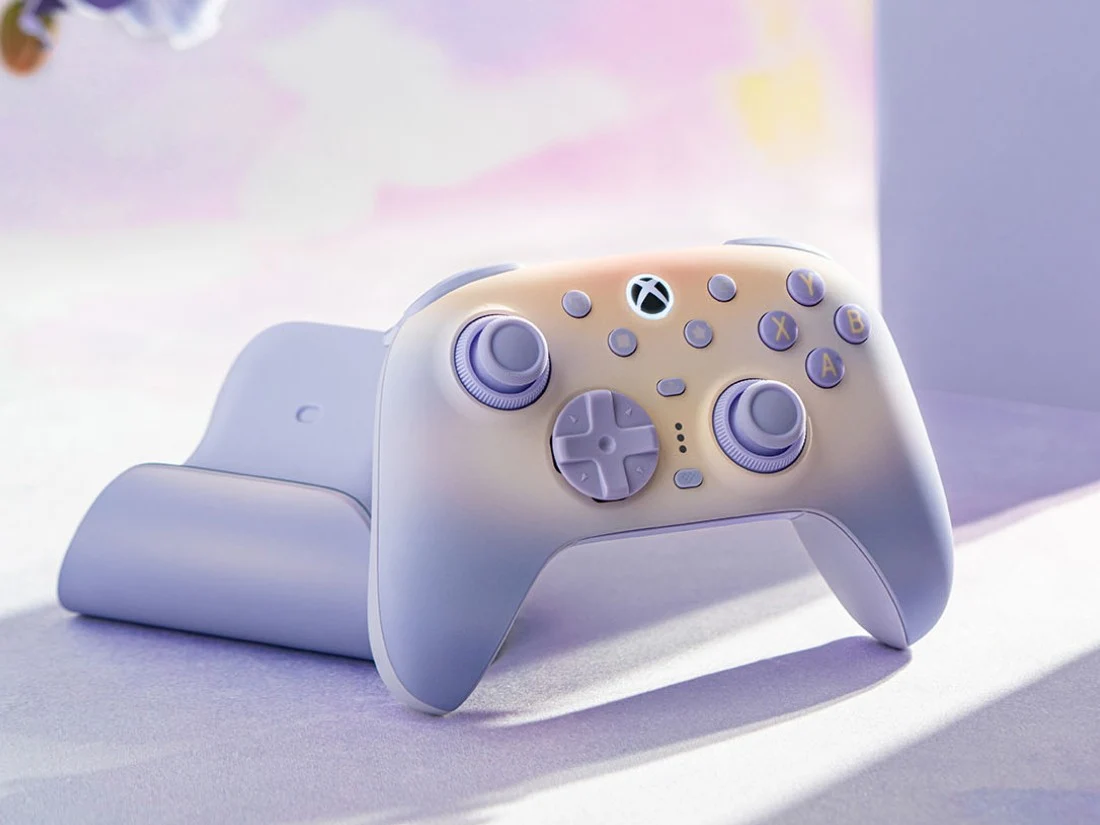
  • 8BitDo Ultimate 3 Controller for Xbox Lavender Edition with Force Rings

    8BitDo Ultimate 3 Controller for Xbox Lavender Edition with Force Rings

    Key Takeaway

    – Lavender Edition features a gradient purple Rococo-inspired design and supports Xbox, Windows, Android, and Apple devices (via Bluetooth).
    – Includes 2.4GHz wireless or wired USB-C connectivity, 1000Hz polling (PC-only), and a 1000mAh battery with up to 20 hours of use plus a wireless charging dock.
    – Pro-grade inputs: TMR joysticks with force rings, Disc D-pad, Hall-Effect triggers with trigger stops, two extra remappable bumpers (R4/L4), and two back buttons; 6-axis motion only works in 2.4GHz wireless mode on PC.
    – Advanced internals: 12-bit ADC sampling, 216MHz processor for precision and responsiveness.
    – Availability and pricing: $99.99, pre-orders now on 8BitDo eshop and Amazon; official release on August 31.

    The 8BitDo Ultimate 3E Controller for Xbox announced earlier this year was the first model of the third-generation Ultimate series. While it is still yet to be available to buy, 8BitDo has expanded the series with a new model, and a special edition one at that. The new controller is called the 8BitDo Ultimate 3 Controller for Xbox – Lavender Edition, and unlike the Ultimate 3E, it has a price and a launch date.

    Lavender Edition design and color strategy

    The 8BitDo Ultimate 3 Controller for Xbox – Lavender Edition has a gradient purple design which 8BitDo says is inspired by Rococo pastels. While this color might not appeal to a lot of people, we expect the Ultimate 3 controller will be released in other colors in the future.

    Connectivity and device compatibility

    With respect to features, the 8BitDo is a wireless controller that connects to Xbox consoles and Windows PC via an included USB-C 2.4GHz wireless or wired USB. It is also compatible with Android and Apple devices but connects via Bluetooth.

    Inputs and internal tech

    The controller has TMR joysticks, each with its own force ring that can be used to adjust the tension. 8BitDo also claims it has a 12-bit ADC sampling chip and a 216MHz high-performance processor for better joystick precision and faster response. The Ultimate 3 controller also features a Disc D-pad, and it has been designed to make diagonal movements easier.

    Triggers, back buttons, and sensors

    There are Hall-Effect triggers with trigger stops, two additional remappable bumpers (R4 and L4), and two pro-level back buttons. The controller has a 1000Hz polling rate, but it is limited to PC only (wired and wireless). The 6-axis motion control is also limited to PC and works only in 2.4GHz wireless mode. There’s also a 3.5mm audio jack.

    Battery life and software

    Like the Ultimate 3E Controller for Xbox, the 8BitDo Ultimate 3 Controller for Xbox – Lavender Edition has a 1000mAh battery that should provide up to 20 hours of use. It comes with a wireless charging dock with zero contact points, overload protection, and foreign object detection. The controller is compatible with the 8BitDo Ultimate Software X and Ultimate Software V2 Mobile which can be used to remap buttons, adjust trigger range and vibration intensity, and update the firmware.

    Availability and pricing

    The 8BitDo Ultimate 3 Controller for Xbox – Lavender Edition is available to pre-order now on the 8BitDo eshop and on Amazon for $99.99. It will be released on August 31.


    Sources
  • Sub-£800 e-MTB with 70 Nm, 720 Wh Battery, Full Suspension

    Sub-£800 e-MTB with 70 Nm, 720 Wh Battery, Full Suspension

    Key Takeaway

    – Hub motor at 70 Nm torque with cadence sensing may cause jerky, less predictable power delivery on inclines, potentially impacting safety.
    – Full-suspension setup (rear shock and lockout fork) with a non-integrated 720 Wh battery—solid capability but not up-to-date with frame-integrated batteries.
    – 29” x 2.4” tyres and hydraulic disc brakes with 180 mm rotors, seven-speed Shimano drivetrain provide decent stopping power and versatility, but overall package trades off advanced motor control and weight distribution for affordability.

    The Touroll U3 Pro is a new full-suspension electric mountain bike priced at just £776 / €889 when purchased directly from the official store. While considered quite affordable for a full-suspension model, the U3 Pro does come with certain limitations in its specifications. For instance, it is equipped with a hub motor offering a maximum torque of 70 Nm. Although hub motors can certainly be quite capable in theory, mid-drive systems are more common on electric mountain bikes, partly because they have a positive influence on a bike’s centre of gravity. As the advertising doesn’t mention a torque sensor, the bike likely relies on a cadence sensor. Especially on mountain bikes, motor control based solely on cadence can result in issues such as jerky power delivery – particularly noticeable when starting on inclines – which may lead to an unsafe riding experience.

    Performance and Design Notes

    The Touroll U3 Pro features a rear shock and a suspension fork with lockout functionality. Despite offering a decent capacity on paper, the 720 Wh battery isn’t integrated into the frame and thus not quite up to current standards – though this doesn’t have to be a deal-breaker for everyone. Deceleration is handled by hydraulic disc brakes paired with 180-mm rotors. A seven-speed Shimano derailleur manages gear shifts. Both the front and rear wheels are fitted with 29” x 2.4” tyres that appear to have a decent tread pattern.

    Overview and Considerations

    Touroll


    Sources

  • Sony WH-1000XM6 Relaunch: New Over-Ear Wireless Headphones Version

    Sony WH-1000XM6 Relaunch: New Over-Ear Wireless Headphones Version

    Key Takeaway

    – Sony plans a higher-end headset, The ColleXion, potentially priced up to $649 in the US.
    – The Xperia 1 VIII is facing criticism for its AI Camera Assistant software.
    – A new WH-1000XM6 variant, “Sandstone,” is anticipated to launch globally on May 19 at about $459.


    Sony has already introduced the Xperia 1 VIII this month. Available in all but North America, the new Xperia 1 has already come under fire for its lacklustre AI Camera Assistant software. On May 19, the company will be unveiling The ColleXion, a higher-end alternative to the WH-1000XM6 (curr. $398 on Amazon) that could cost upwards of $649 in the US.

    Overview and Pricing Speculations

    In this paragraph, the writer shifts tone while recounting the news about Xperia, WH-1000XM6, and The ColleXion. The style is brisk and observational, with a hint of consumer gossip, as if casually chatting at a coffee shop, noting the price points like a rumor floating through the air. The details matter here: the XM6 has a current street price around $398 on major retailers, while the ColleXion could reach $649 in the United States, should it arrive at that level. The paragraph keeps the factual fragments intact and preserves the numerical references, albeit with a laid-back cadence that feels almost like an overheard whisper in a busy mall.

    Color Variations and Timeline

    Switching cadence again, this paragraph adopts a more analytical voice, almost a briefing from a tech desk. It tracks Sony’s color strategy for the WH-1000XM6 family through Black, Midnight Blue, and Platinum Silver, then adds Sand Pink as a refresh tied to the XM5’s Smoky Pink, with a careful note of the April leak about a possible fifth variant named Sandstone. The writer hints at a global launch planned for May 19 and notes the Sandstone color’s resemblance to prior Platinum Silver tones, using careful comparisons to situate the new hue in context. The aim is to map out the color evolution and launch expectations without overspeculation on features.

    Global Rollout and MSRP

    This block continues the reporting with a pragmatic tone, balancing reported claims and official silence. It recounts the Walkman Blog’s posting of an image showing the Sandstone shade ahead of release, and the expectation that the new model would share a $459 MSRP with its XM6 predecessors, while acknowledging potential regional price adjustments. The paragraph maintains a straightforward ledger of facts—colors, dates, prices—while sensing the tempo of a product cycle that might roll out across different markets, with the same careful restraint that keeps readers oriented amid rumors.


    Sources

  • Gamers sue Sony after PS5 price rise Supreme Court tariffs rejected

    Gamers sue Sony after PS5 price rise Supreme Court tariffs rejected

    Key Takeaway

    – Plaintiffs allege Sony overcharged PS5 buyers post-August 1, 2025, seeking reimbursement if IEEPA tariffs were illegal, potentially making consumers eligible for monetary relief.
    – Lawsuit argues Sony could be unjustly recovering tariff payments twice: via higher consumer prices and via government tariff refunds with interest.
    – Court hearing set for August 3rd in a California federal court; concerns exist that claims may be premature, but plaintiffs seek restitution for price increases tied to tariffs and other costs.

    Following the U.S. Supreme Court striking down IEEPA tariffs, some gamers are seeking compensation.

    In this article, the news about a class-action suit against Sony is presented with careful attention to the timing and the claims made by the plaintiffs. The text preserves the core facts about the IEEPA tariff ruling and the subsequent legal actions, while weaving in a varied narrative voice across sections. The aim is to reflect how different readers might perceive the development, from frustrated fans to cautious observers, as the situation unfolds.

    Latest suit targets Sony over PS5 price increases

    The newest legal filing is in a California federal court and was summarized by Law360. Plaintiffs Amorey Walker and Bryce Foster-Quarles allege Sony would end up paying double: via higher consumer prices and again through tariff refunds from the federal government, with interest. If this claim holds, any consumer who bought a PlayStation console after August 1, 2025, could be eligible for monetary relief, pending court action and rulings. The language is precise, but the emotional weight of the charge is palpable for gamers watching prices rise.

    Legal nuance and potential refunds

    According to the filing, unless the court blocks it, Sony might recover tariff payments twice—first from consumers through higher prices, and again from the federal government through refunds, including interest. Law360 notes the procedural and substantive questions, including whether Sony has already pursued any refunds. The plaintiffs seek assurances and remedies that would return money to buyers who felt the economic squeeze caused by these shifts, presenting a straightforward yet contentious demand in a complex statutory framework.

    IEEPA ruling and its aftermath

    In 2025, the U.S. government began charging foreign manufacturers additional fees for selling products domestically. After legal challenges, the Supreme Court in February 2026 found tariffs under IEEPA to be illegal, creating a potential pathway for refunds. The legality of Sony’s actions remains contested, and it isn’t clear whether the company has taken steps to pursue refunds or to adjust pricing in light of the ruling. The article notes these elements to illustrate the legal backdrop against which the case is advancing.

    Price dynamics: more than just tariffs

    Not all PS5 price increases have been tied to duties on imported goods; Sony has cited difficult economic conditions and rising manufacturing costs for the initial August 2025 adjustment. While the IEEPA tariffs were part of the broader discussion, analysts largely suspect other factors—such as component costs and supply chain pressures—played a significant role. The narrative therefore blends tariff issues with market realities that affect pricing strategies across the gaming hardware sector, including other major players.

    Industry context and other players

    With record-high storage and memory prices, companies like Microsoft and Nintendo reportedly raised console prices as well. Nintendo, in particular, has pursued refunds from the U.S. government more aggressively, though incidents of consumer complaints against Nintendo persisted, echoing the Sony case in seeking restitution for pricier hardware and accessories. The piece situates Sony’s action within a broader industry trend where fiscal policy, supply limitations, and component costs intersect with consumer pricing and legal redress.

    Procedural posture and anticipated next steps

    The California federal court has set an initial procedural hearing for August 3, though questions remain about the timeliness and viability of the plaintiffs’ claims. Despite concerns that suits may be premature, investors and gamers alike watch closely for a potential class-wide impact. The plaintiffs, Walker and Foster-Quarles, express optimism about achieving a remedy for budget-challenged players, while defendants prepare defenses grounded in statutory interpretation and market conditions.

    Sources
  • Samsung Galaxy Z Fold 8 Wide Upgrades Revealed by Specs Leak

    Samsung Galaxy Z Fold 8 Wide Upgrades Revealed by Specs Leak

    Key Takeaway

    – Fold8 to be thinner (4.1 mm) and lighter (210 g) with a larger 5,000 mAh battery and 45W charging; remains with 200 MP main cam and two 10 MP selfies, but adds a rumored upgraded 50 MP ultra-wide.
    – Fold8 Wide reportedly lacks a telephoto camera, sports a 50 MP main and 50 MP ultra-wide, 4,800 mAh battery with 45W charging, and a 7.6-inch 4:3 display around 200 g.
    – Both models are expected to use a Qualcomm Snapdragon 8 Elite Gen 5 processor, with pricing details not yet disclosed.

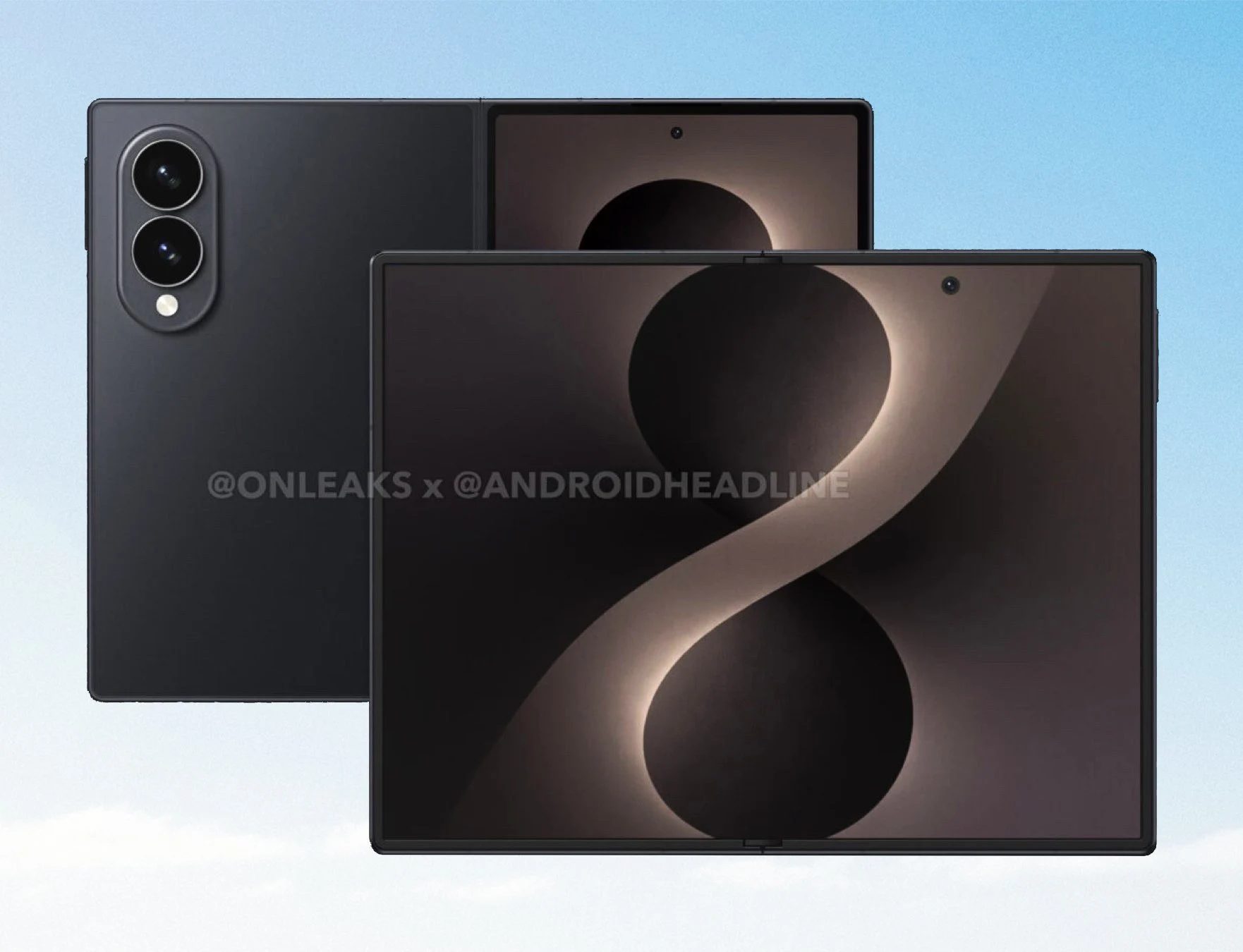
    The rumors have spilled a little more about the cameras on the Samsung Galaxy Z Fold8 Wide, and TechManiacs says they dug up further details about what the Fold8 and Fold8 Wide might bring. While rumors should always be taken with a pinch of salt, most of these points line up with what has been floated before, so readers can still find some plausibility here.

    Bold claims about the Fold8’s build and power

    Industry chatter suggests the Galaxy Z Fold8 will shed some thickness and weight compared to the Fold7, landing around 4.1 millimeters and 210 grams. In exchange, it allegedly hosts a roughly 14 percent larger battery at 5,000 mAh, and this unit could support 45-watt charging, a step up from the prior 25-watt rate. The cadence of these tweaks hints at a push toward endurance and faster top-ups, though exact charging behavior may depend on thermal design and software optimizations.

    The same whispers point to a new Qualcomm flagship chip for the Fold8, specifically the Snapdragon 8 Elite Gen 5, paired with an improved 50 MP ultra-wide camera. However, the main draw is claimed to remain a 200 MP sensor, with two 10 MP selfie cameras retained from the Fold7. Yet, there is no clarity yet on any telephoto improvements, and TechManiacs does not reveal any extra detail on that front.

    A compact Fold8 Wide with its own camera story

    Details on the Galaxy Z Fold8 Wide are sparser, but what is known describes a more compact and likely lower-cost option in the foldable lineup. It is said to feature a 50 MP main camera along with a 50 MP ultra-wide camera, and notably, it seems to omit a telephoto lens. Its battery is pegged at 4,800 mAh, a touch smaller than the Fold8, yet capable of 45-watt charging as well, which would keep charging parity between the two models.

    The Fold8 Wide is anticipated to sport a 7.6-inch display with a 4:3 aspect ratio and a weight around 200 grams, aiming for a balance between portability and screen real estate. As with its sibling, pricing remains undisclosed, and those figures are still to be determined by Samsung ahead of any official unveiling.

    Sources
  • Asus Unveils Intel Wildcat Lake Laptop with Better Display than MacBook Neo

    Asus Unveils Intel Wildcat Lake Laptop with Better Display than MacBook Neo

    Key Takeaway

    – The 2026 Vivobook 16SE offers two 16-inch IPS display options: 1920×1200 at 144Hz and 2560×1600 at 144Hz with variable refresh rate and 400 nits brightness, the latter being superior to the MacBook Neo’s Liquid Retina in brightness and detail.
    – Both devices use the same chassis and specs: Intel Core i5-320, 16GB RAM, 512GB PCIe 4.0 storage, 15.9mm thin, 1.29kg, and similar port layouts (two USB-C 3.2 with PD, two USB-A 3.2 Gen 1, 3.5mm jack, HDMI 2.1).
    – Battery is 52.5Wh, with potential runtime advantages over the MacBook Neo depending on efficiency, but actual life depends on workload and CPU efficiency.
    – Pricing starts at CNY 4,599 (~$675) for the base models, with the higher-end 16SE display option at CNY 4,999 (~$734); global launch details to be announced.

    Asus unveils two new Intel Wildcat Lake laptops in China

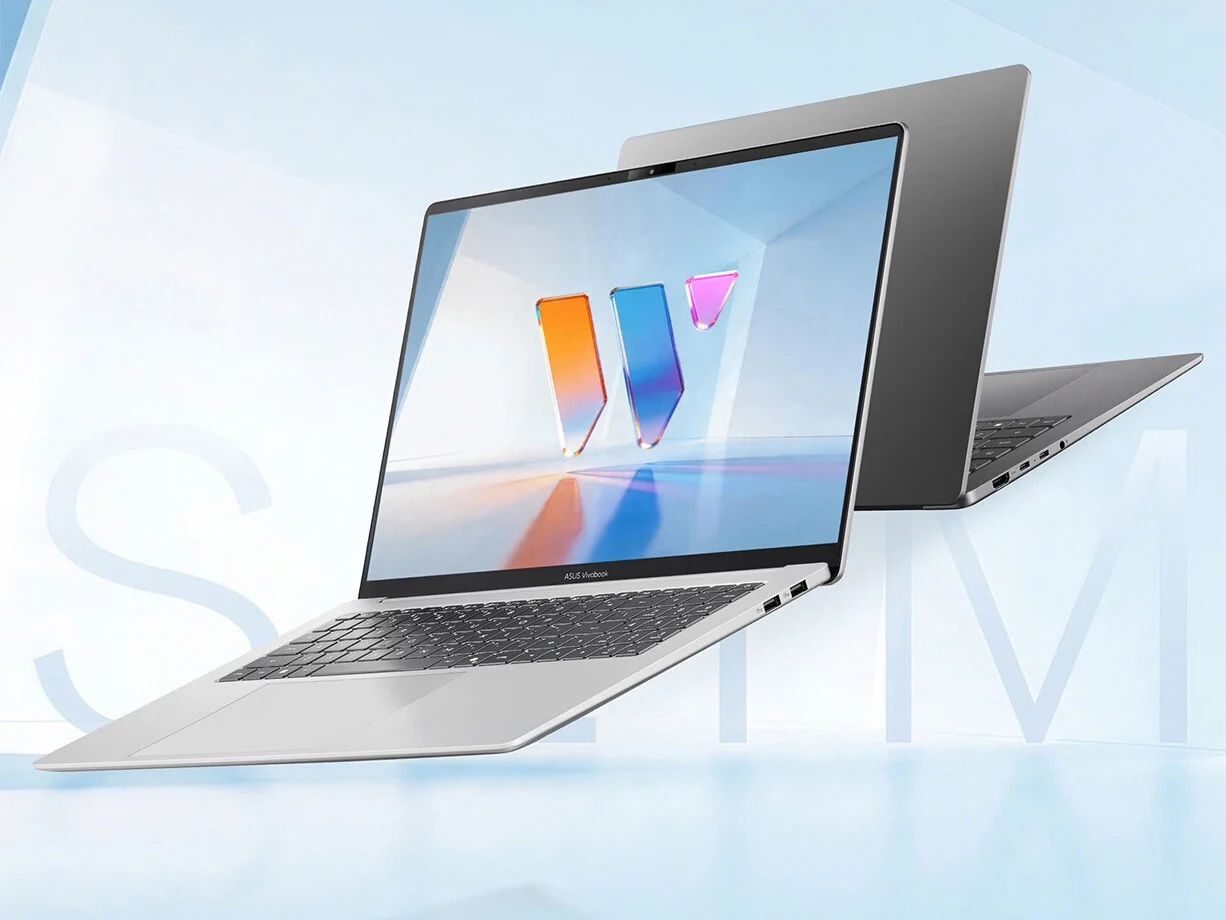
    Asus has rolled out two fresh machines, the 2026 Vivobook 14SE and 16SE, powered by Intel Wildcat Lake chips. They share a lot of core specs, yet the 16SE stands out more because it comes with a superior display compared to the MacBook Neo. The announcement pinpoints display choices that matter for folks chasing crisper visuals and smoother motion, with both models aiming to balance performance and portability.

    Display options and how they compare

    Specifically, Asus is offering two display options for the 2026 Vivobook 16SE. Both are 16-inch IPS panels, but one has a resolution of 1920×1200 pixels, while the other bumps it up to 2560×1600. Both have a 144Hz refresh rate, but the latter screen has a variable refresh rate, and it has a brightness rating of 400 nits. This upper-end option is presented as a notably better screen than the Liquid Retina panel on the MacBook Neo, though the Apple device isn’t considered bad for its price range, according to early reviews.

    Core specs and chassis details

    Moving beyond the screen, both laptops are powered by the Intel Core 5 320, a mid-range option from the Wildcat Lake lineup. It’s paired with 16GB of RAM and 512GB of PCIe 4.0 storage. Both laptops share an identical chassis, which measures as thin as 15.9mm and weighs 1.29kg. The port setup mirrors each other as well, featuring two USB-C 3.2 with PD (3.3-feet Baseus 100W PD cable curr. $6.39 on Amazon), two USB-A 3.2 Gen 1, one 3.5mm audio jack, and one HDMI 2.1.

    Battery life and practical use

    There’s a 52.5Wh battery inside the two laptop models, which could translate into longer runtimes than the MacBook Neo in some scenarios. Yet, actual longevity will hinge on system efficiency and how heavily the Wildcat Lake processor is taxed in real-world tasks. Energy use varies with brightness levels, display mode, and workload, so everyday performance can differ from canonical numbers.

    Pricing and availability

    As for pricing, the Vivobook 14SE and 16SE both start at CNY 4,599, about $675. The 2026 16SE with the higher-end display option runs at CNY 4,999, around $734. Asus is expected to share details on global launch and availability soon, with more markets likely to be included after initial China release.


    Sources

  • Apple Watch Ultra 4: New Design and Sensor Upgrades

    Apple Watch Ultra 4: New Design and Sensor Upgrades

    Key Takeaway

    – Apple Watch Ultra 4 is expected to receive a complete redesign and major sensor upgrades.
    – Design changes are anticipated to be so drastic that Ultra sales could rise 20–30%.
    – Sensor count is expected to double with improved energy efficiency; possible longer battery life.


    Apple Watch Ultra 4 Rumors

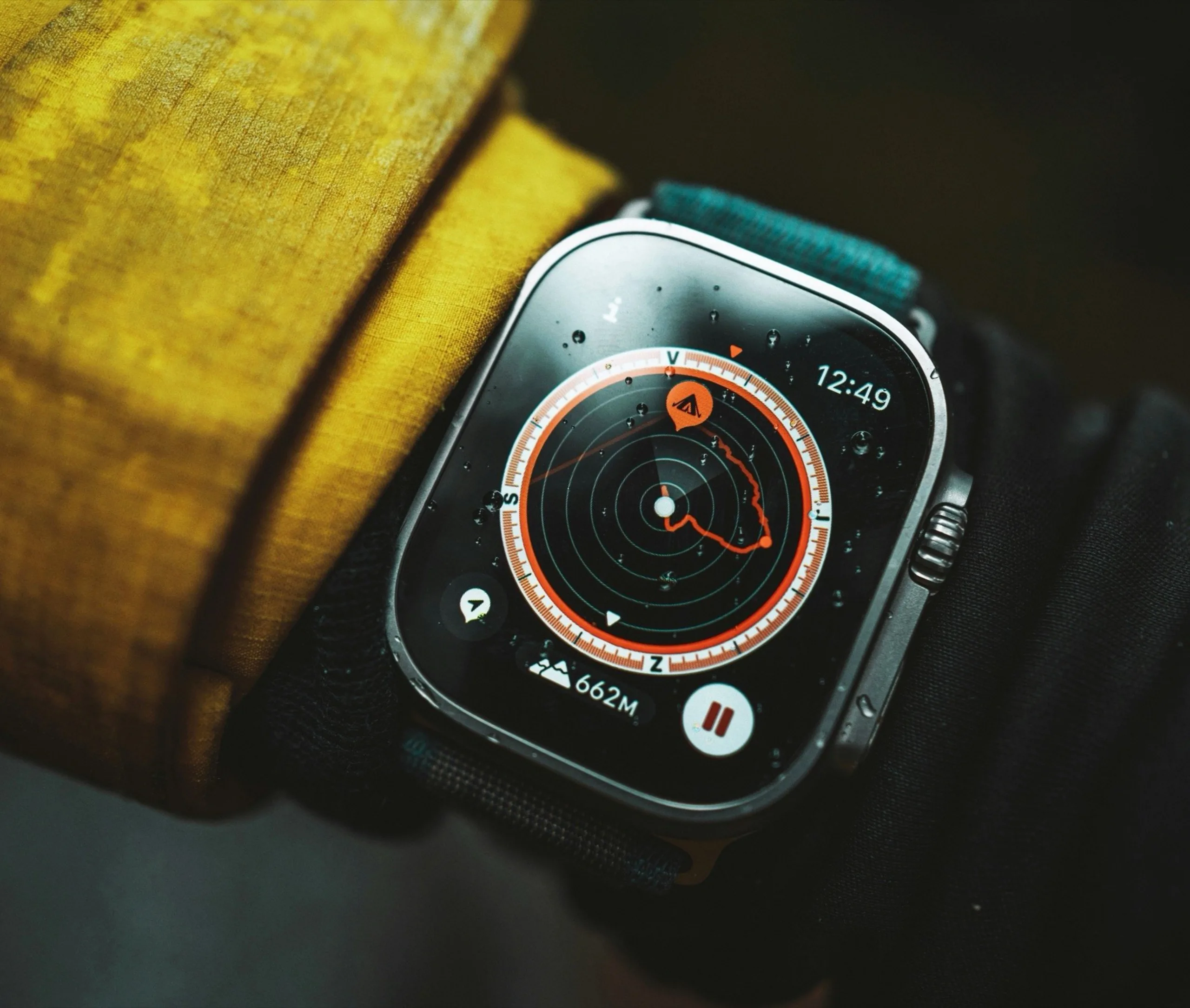
    Bloomberg reported in March that the Apple Watch Series 12 would receive hardly any new features, but a fresh DigiTimes tale suggests that Apple’s flagship smartwatch will indeed get two major upgrades. The report claims the successor to the Apple Watch Ultra 3 ($776 on Amazon) will sport a full redesign, which would mark a notable shift for the high-end line. The source adds nothing concrete about the Ultra 4’s appearance, yet says the drastic changes could spark a 20 to 30 percent bump in sales.

    Design overhaul and sensor ambitions

    For the first time since the original Apple Watch Ultra landed in September 2022, Apple might overhaul the top model’s physique. DigiTimes stays mum on precise visuals for the Ultra 4, but insists the changes are so substantial that demand could surge. On top of the new look, Apple is rumored to push big sensor upgrades, with a plan to double the sensor count and push energy efficiency higher, potentially extending battery life. It remains unclear if Apple will simply add more photodiodes to sharpen data like heart rate and blood oxygen monitoring while burning less power, or if entirely new features are in the cards.

    Health data, efficiency, and expectations

    The chatter hints that higher accuracy for high blood pressure alerts—an improvement tied to watchOS 26 on Series 9 and newer—could arrive, yet a real blood pressure measurement feature similar to Huawei’s Watch D2 seems unlikely this year. Likewise, blood glucose monitoring is not clearly planned, even as Apple is said to be exploring both capabilities. In short, the Ultra 4 could blend improved health sensing with better efficiency, without guaranteeing a full suite of new medical readings in 2024.


  • Chuwi Neo vs MacBook: Affordable Intel Wildcat Lake Laptop

    Chuwi Neo vs MacBook: Affordable Intel Wildcat Lake Laptop

    Key Takeaway

    – Competitively priced starting at around $449 with the UniBook, aiming to undercut MacBook Neo on cost.
    – Core specs: Intel Core 3 304 (Wildcat Lake) with 5-core CPU and 1-core Xe iGPU, 8GB LPDDR5X RAM, 256GB PCIe 3.0 SSD.
    – Display and ports: 14-inch 1920×1200, likely 60Hz, full set of ports (2x USB-C, 3x USB-A, SD, HDMI, RJ45) with Wi-Fi 6 and Bluetooth 5.2.
    – Battery and OS: 53.38Wh容量, Windows 11 Pro preinstalled (user may opt for debloated Windows or Linux).
    – Unknowns: Real-world performance, display refresh rate specifics, and runtime efficiency remain to be confirmed as launch details unfold.

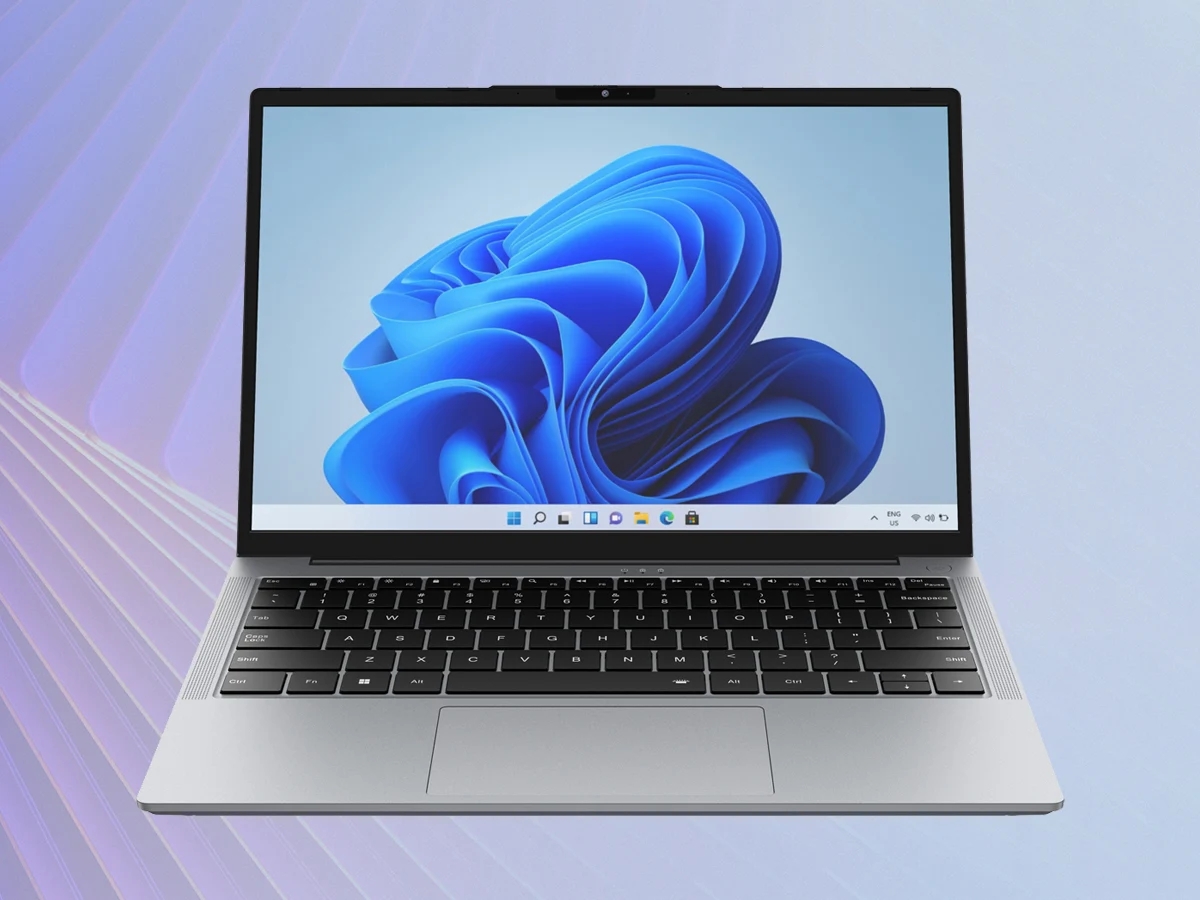
    Chuwi has introduced its first Intel Wildcat Lake laptop, the UniBook, and as the brand shares, it’s expected to start at around $449, meaning it will be more affordable than the MacBook Neo. Of course, it’s still unclear how well it will compare in terms of performance.

    Overview and pricing

    The UniBook is powered by the Intel Core 3 304, the starting option from the Wildcat Lake lineup with a 5-core CPU and 1-core Xe3 iGPU. Chuwi pairs the processor with 8GB of LPDDR5X RAM, and the starting configuration is expected to sport a 256GB PCIe 3.0 SSD.

    Display and graphics

    On the front, the Chuwi UniBook features a 14-inch display with 1920×1200 pixels resolution and 100% sRGB coverage. The company doesn’t mention the refresh rate, meaning that it’s likely a 60Hz panel. These specs make the display inferior to the 13-inch Liquid Retina display found on the MacBook Neo (available on Amazon).

    Ports and wireless

    Of course, the port configuration appears to be a bit better, with the Chuwi UniBook featuring two USB-C, three USB-A, an SD card slot, one HDMI, and one RJ45 Ethernet. For wireless connectivity, the laptop features WiFi 6 and Bluetooth 5.2. A 53.38Wh battery powers the internals, which can be seen as an improvement over the Neo, but it’s still unclear how good the runtime will be.

    Software and launch details

    While Chuwi shared the core specs, the company hasn’t revealed any detailed images yet. However, the brand mentions that there will be a 180° hinge, and the only picture shared shows it in a sleek grey colorway. It’s set to ship with Windows 11 Pro installed, which can be an issue for the 8GB system RAM, but the good part is that users will have the freedom to install a debloated version of Windows or simply shift to Linux. The company is expected to share more details on the launch and availability soon.


    Sources

    • New Action-Adventure Lets Players Forge Their Own Swords

      New Action-Adventure Lets Players Forge Their Own Swords

      Key Takeaway

      – Satisfying, Soulslike-inspired combat tightly integrated with a crafting-forging system that drives weapon variety and strategy.
      – Innovative forging mechanics and weapon durability influence both combat outcomes and equipment progression, encouraging experimentation with different weapon types and steels.
      – Polished presentation and potential overshadowed by QoL issues, including map/navigation problems, limited enemy variety, and repetitive NPC voice lines.

      Blades of Fire feels like one of those games that can easily slip under the radar, with no flashy presentation or major marketing campaign behind it. Players should also not be put off by the rather average 82% positive rating on Steam. The game comes from MercurySteam, the studio behind Metroid Dread, and according to Eurogamer’s review, Blades of Fire is genuinely impressive. Deputy editor-in-chief Alexander Bohn-Elias compares it to old PlayStation-era games that “came out of nowhere and ended up being much better than anyone dared expect.”

      Overview and Setting

      Released on May 14, 2026, the action-adventure takes place in a dark fantasy world ruled by an evil queen who has turned almost all metal in the realm into stone. Players step into the role of Aran, who possesses one of seven divine hammers capable of turning stone back into steel. The core loop is easy to grasp: fight through majestic castles, ruined villages and foul-smelling swamps, gather resources and forge increasingly powerful weapons – all with the ultimate goal of slaying the queen. According to Eurogamer, the game’s biggest strength is the combination of satisfying combat and innovative forging mechanics.

      Gameplay and Combat

      Combat takes place in real time and is said to feel highly satisfying. The system clearly draws on Soulslike elements, requiring tactics and precise timing, but Eurogamer notes that it is nowhere near as punishing as Elden Ring. Weapon durability also plays a key role, linking combat and forging closely together. Instead of sticking with one favorite weapon, players are constantly encouraged to experiment with different weapon types. Alongside swords, there are axes, war hammers and spears. Different types of steel affect stats such as damage, armor penetration, durability, weight and parry windows. As a result, even weapons from the same category can feel completely different – from fast and lightweight to slow but devastatingly powerful.

      Critique and Value

      The Steam reviews fall short of being overwhelmingly positive mainly because of quality-of-life issues. Players frequently report problems with the map and navigation, and there is no easy way to compare forged weapons at a glance. Other points of criticism include the limited enemy variety and repetitive NPC voice lines. Those who can overlook these flaws and enjoy dark fantasy games should still find plenty to like in Blades of Fire. The title normally costs around $40 on Steam, but is available until May 21 with a 25% discount for roughly $30. A demo version is also available. Steam Deck compatibility is listed as “Playable”.


      Sources

    • Unusual Oppo Bubble Phone Accessory: Coming Soon

      Unusual Oppo Bubble Phone Accessory: Coming Soon

      Key Takeaway

      – Remote camera control for compatible smartphones with a rear-camera selfie setup
      – Magnetic attachment to the back of the phone plus a round display on the accessory for previews
      – 10-meter wireless range, animated/static wallpapers, and a bag charm accessory teased; launch in China on May 25, 2026

      The Oppo Bubble Trendy Selfie Screen thingy has been officially announced in China, and this shiny gadget is gonna roll out alongside other devices like the Oppo Reno 16 series, the Oppo Pad 6 and the Oppo Enco Air5s earbuds later in May 2026. The news came straight from a post on the Oppo Weibo account, and folks are buzzing about this new accessory which promises to shake up how selfies are taken. It ain’t just a gimmick, it looks to be part of a broader launch lineup that Oppo has been teasing for weeks now.

      Design and function

      This device is described as a round display accessory that can magnetically attach to the back of a compatible smartphone, enabling remote control of the phone’s camera. The rear camera can be used for selfies while a preview image is shown on the accessory’s circular screen, which is a neat twist that merges a tiny viewfinder with the camera hardware. The concept blends fashion with tech, promising a quirky yet practical way to shoot self-portraits without stretching fingers over the screen.

      Features teased

      A teaser poster shared on Oppo’s Weibo account hints at customizable experiences, including animated and static wallpapers to personalize the display. It also mentions a wireless connection range of up to 10 meters (roughly 33 feet) and a bag charm accessory that could add a fashionable touch. The exact size of the round, silver gadget remains unconfirmed, but the hints point to a small, portable form that’s easy to carry alongside everyday gear.

      Availability and expectations

      In China, the Bubble Trendy Selfie Screen is slated to launch on May 25th, with additional product details expected at that time. The upcoming release is part of a broader Oppo event, and observers are curious to see how this accessory will integrate with the Reno 16 series, Pad 6, and Enco Air5s lineup. While pricing and final specs are not fully disclosed yet, anticipation is building among fans who want to test the concept of a screen-enabled selfie workflow.