
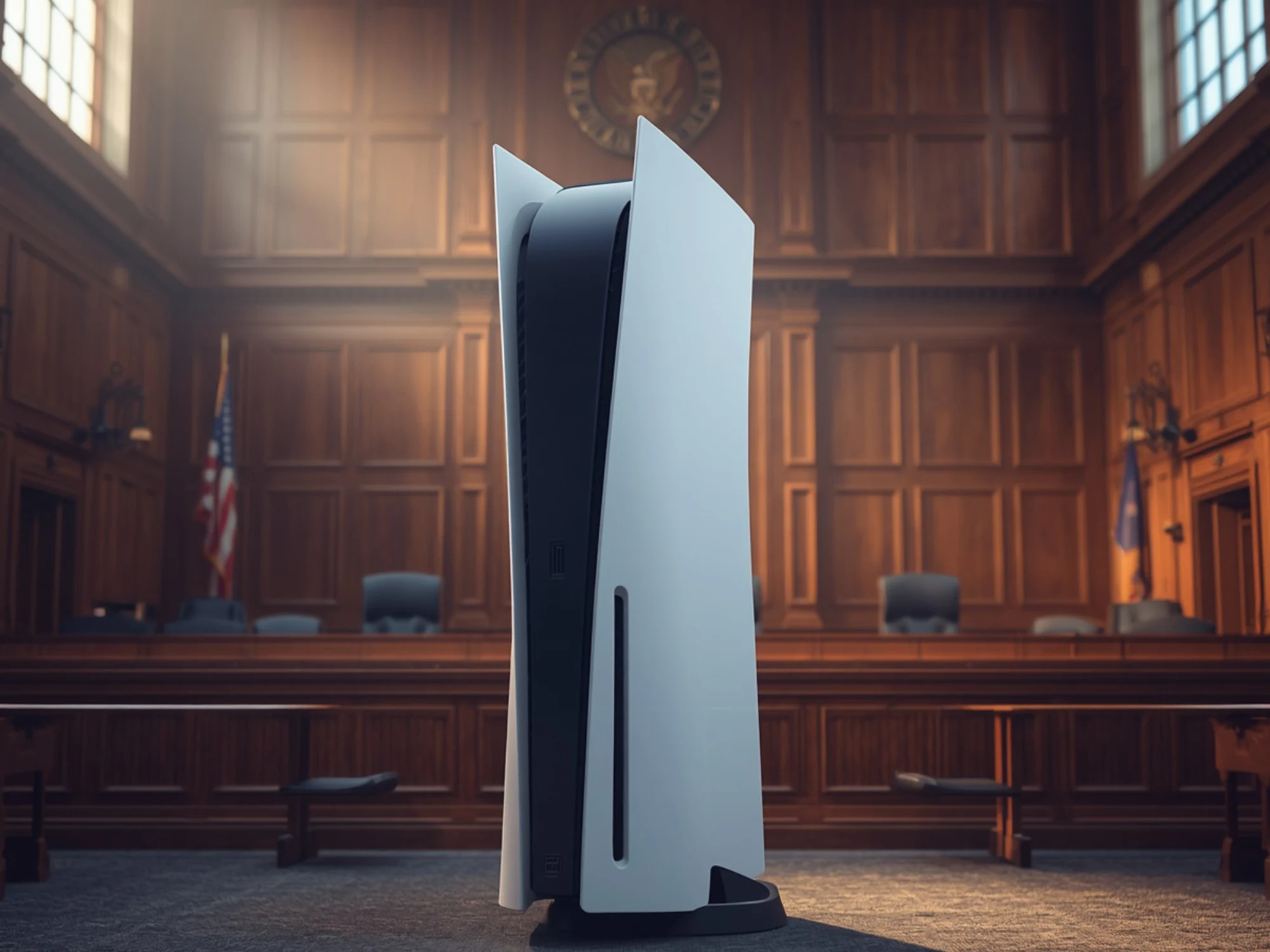
– Plaintiffs allege Sony overcharged PS5 buyers post-August 1, 2025, seeking reimbursement if IEEPA tariffs were illegal, potentially making consumers eligible for monetary relief.
– Lawsuit argues Sony could be unjustly recovering tariff payments twice: via higher consumer prices and via government tariff refunds with interest.
– Court hearing set for August 3rd in a California federal court; concerns exist that claims may be premature, but plaintiffs seek restitution for price increases tied to tariffs and other costs.
Following the U.S. Supreme Court striking down IEEPA tariffs, some gamers are seeking compensation.
In this article, the news about a class-action suit against Sony is presented with careful attention to the timing and the claims made by the plaintiffs. The text preserves the core facts about the IEEPA tariff ruling and the subsequent legal actions, while weaving in a varied narrative voice across sections. The aim is to reflect how different readers might perceive the development, from frustrated fans to cautious observers, as the situation unfolds.
Latest suit targets Sony over PS5 price increases
The newest legal filing is in a California federal court and was summarized by Law360. Plaintiffs Amorey Walker and Bryce Foster-Quarles allege Sony would end up paying double: via higher consumer prices and again through tariff refunds from the federal government, with interest. If this claim holds, any consumer who bought a PlayStation console after August 1, 2025, could be eligible for monetary relief, pending court action and rulings. The language is precise, but the emotional weight of the charge is palpable for gamers watching prices rise.
Legal nuance and potential refunds
According to the filing, unless the court blocks it, Sony might recover tariff payments twice—first from consumers through higher prices, and again from the federal government through refunds, including interest. Law360 notes the procedural and substantive questions, including whether Sony has already pursued any refunds. The plaintiffs seek assurances and remedies that would return money to buyers who felt the economic squeeze caused by these shifts, presenting a straightforward yet contentious demand in a complex statutory framework.
IEEPA ruling and its aftermath
In 2025, the U.S. government began charging foreign manufacturers additional fees for selling products domestically. After legal challenges, the Supreme Court in February 2026 found tariffs under IEEPA to be illegal, creating a potential pathway for refunds. The legality of Sony’s actions remains contested, and it isn’t clear whether the company has taken steps to pursue refunds or to adjust pricing in light of the ruling. The article notes these elements to illustrate the legal backdrop against which the case is advancing.
Price dynamics: more than just tariffs
Not all PS5 price increases have been tied to duties on imported goods; Sony has cited difficult economic conditions and rising manufacturing costs for the initial August 2025 adjustment. While the IEEPA tariffs were part of the broader discussion, analysts largely suspect other factors—such as component costs and supply chain pressures—played a significant role. The narrative therefore blends tariff issues with market realities that affect pricing strategies across the gaming hardware sector, including other major players.
Industry context and other players
With record-high storage and memory prices, companies like Microsoft and Nintendo reportedly raised console prices as well. Nintendo, in particular, has pursued refunds from the U.S. government more aggressively, though incidents of consumer complaints against Nintendo persisted, echoing the Sony case in seeking restitution for pricier hardware and accessories. The piece situates Sony’s action within a broader industry trend where fiscal policy, supply limitations, and component costs intersect with consumer pricing and legal redress.
Procedural posture and anticipated next steps
The California federal court has set an initial procedural hearing for August 3, though questions remain about the timeliness and viability of the plaintiffs’ claims. Despite concerns that suits may be premature, investors and gamers alike watch closely for a potential class-wide impact. The plaintiffs, Walker and Foster-Quarles, express optimism about achieving a remedy for budget-challenged players, while defendants prepare defenses grounded in statutory interpretation and market conditions.
Leave a Reply